
Budget airlines can lower the cost of travel, but the cheapest ticket can become the most expensive day if plans unravel. Ultra-low fares often shift costs into bags, seats, payment methods, and airport choices, so the real price shows up later. This guide highlights common ways cut-rate flights can leave travelers stuck, paying more, and scrambling for backups.
Each section explains a specific risk and how it triggers extra spending, from missed connections to last-minute rebooking. The goal is practical: understand where “cheap” turns into “costly” before you click buy.
Use these points as a pre-flight checklist: read the rules, price the add-ons, and plan for disruption so a tight budget stays intact.
1. Add-On Fees That Overtake the Fare

A low headline price can hide a menu of charges that quickly exceeds the ticket itself. Budget carriers often price carry-ons, checked bags, seat selection, and even boarding groups separately, and families feel this most when everyone needs a bag.
Fees can rise closer to departure or cost more at the airport than online, turning a small mistake into a big bill. Some airlines also charge for printing passes or changing passenger details, and the fee schedule may be buried in small print.
Before booking, build a “true total” with your exact bags, seats, and payment method. If a full-service airline matches that total, the flexibility may be worth it during disruptions.
2. Thin Schedules With Few Backup Options

Many low-cost airlines fly a route only a few times per week, which limits recovery when something goes wrong. If your flight cancels, the next available seat on the same carrier might be days away, pushing you into pricey hotels, meals, and replacement tickets.
Rebooking onto partner airlines is often limited, and customer support can be slower when demand spikes after a weather event. The money you saved on the fare can disappear fast while you wait.
Check frequency before you book: daily service usually means more ways out. If the route is sparse, consider travel insurance, flexible lodging, and a backup airline you can buy last minute if needed.
3. Secondary Airports That Add Ground Costs
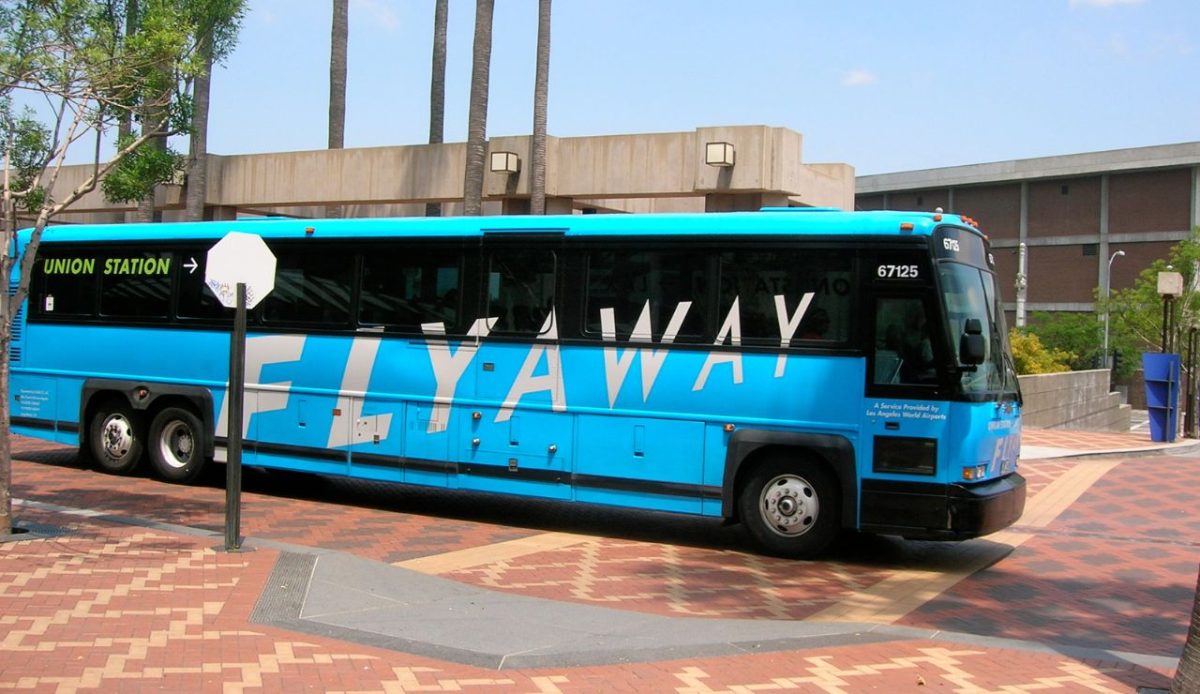
Budget airlines often use airports farther from the city center because fees are lower and slots are available. The ticket looks cheaper, but the trip can require longer transfers, more expensive rideshares, or limited public transport, especially late at night.
Extra time also increases the risk of missed connections to trains, tours, or hotel check-in windows. If the last bus leaves early, you may end up paying for a taxi that costs more than the fare.
Price the full door-to-door journey: airport transfer, parking, and the value of your time. When the “cheap” airport isn’t convenient, a slightly higher fare into the main airport can be the real bargain.
4. Strict Bag Rules and Surprise Gate Charges

Low-cost carriers rely on baggage revenue, so personal-item sizing and weight limits can be tightly enforced. A backpack that fits most airlines may fail a sizer box, and fees at the gate are typically the highest because staff must resolve it immediately.
Gate-check charges can be several times the online price, and travelers who packed for a long trip may have no realistic way to repack in the boarding line. That can lead to paying on the spot, often by card.
Measure bags at home and weigh them fully packed, not empty. If you must add a bag, buy it in advance, and keep proof of purchase accessible so you can challenge double charges quickly.
5. Self-Transfers That Break When One Leg Delays

To keep prices low, many itineraries rely on separate tickets or “self-transfer” connections arranged by a booking site. If the first flight is late, the second airline may treat you as a no-show, and you could lose the entire onward ticket.
Checked bags often cannot be through-checked across unrelated carriers, forcing you to exit security, collect luggage, and re-clear screening. That adds time and increases the chance of a missed flight.
Book protected connections when possible, or leave a long buffer, often several hours, and avoid tight same-day links. If you must self-transfer, travel carry-on only and know the rebooking cost before departure.
6. Rigid Change Policies and Expensive Fixes

Budget fares can be highly restrictive, with limited refunds and steep fees for changes. Even small corrections, like a name typo or a date shift, may cost more than buying a new ticket, and some “basic” fares do not allow changes at all.
Credits, when offered, can come with short expiry windows or require paying the fare difference plus a service fee. If you need help, support lines may be paid, or response times may be slow during disruptions.
Before booking, read the change and cancellation rules like you read the price. If your plans are uncertain, compare a flexible fare on another airline or book with a card that offers travel protections.
7. Seat Assignment Costs and Last-Minute Upgrades
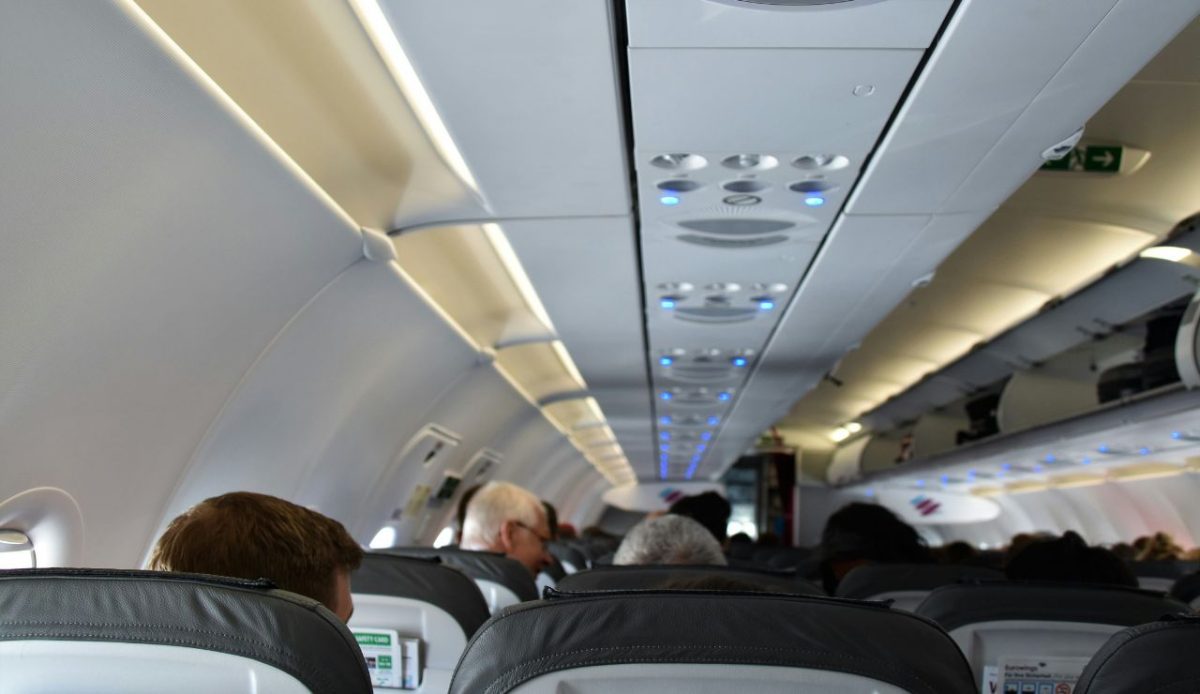
Many low fares exclude seat selection, which means your assignment happens at check-in or at the gate. On full flights, groups can be scattered, and families may feel pressured to pay for seats together to manage children, mobility needs, or basic comfort on longer routes.
Some airlines also sell “priority” seats with extra legroom, and prices can rise as the cabin fills. If you wait, the only remaining options may be premium seats or separate middle seats.
Decide early what matters: sitting together, aisle access, or extra space. Add that cost into your comparison, and consider whether a standard fare on another carrier includes the seating you actually want.
8. Disruption Costs That Land on Your Wallet
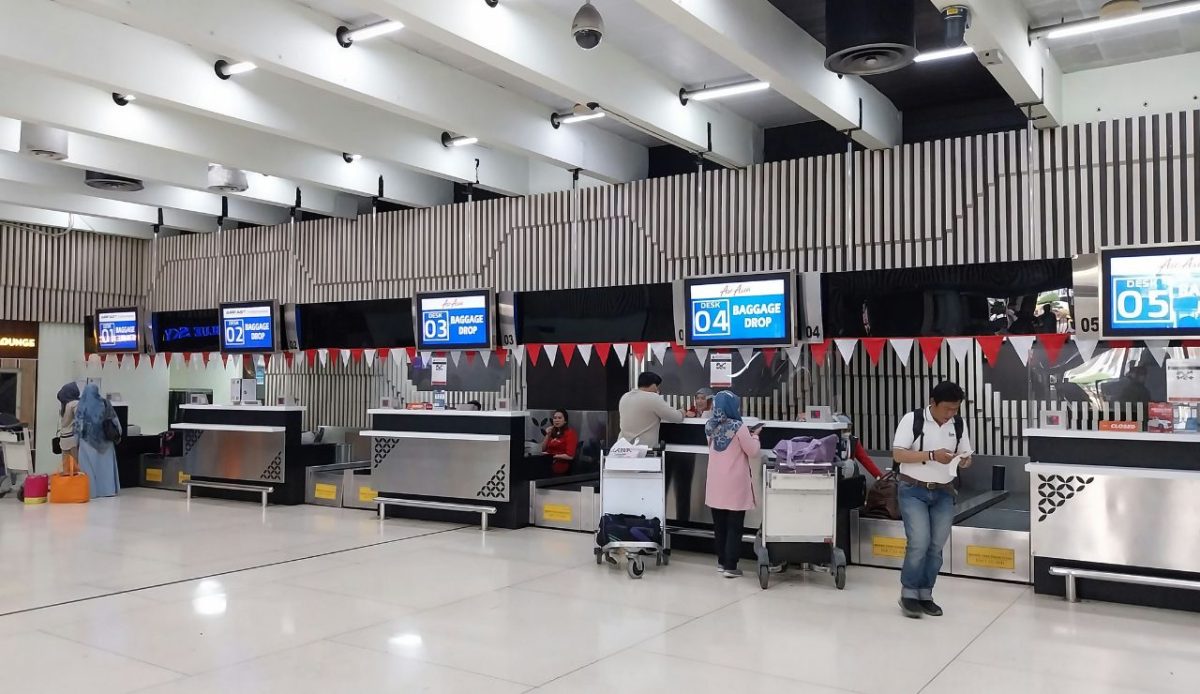
When a cheap flight delays for hours, the main expense becomes what happens on the ground: meals, local transport, and missed prepaid bookings. Some carriers provide limited assistance, and entitlement can depend on where you fly, which airline operates the route, and the cause of the disruption.
Even when compensation rules apply, payouts can take time, and they rarely cover a same-day replacement flight on another airline. Many travelers pay upfront and try to recover costs later.
Keep receipts and know your options before you travel. Earlier departures, avoiding last connections of the day, and carrying a small emergency buffer can stop a delay from turning into a financial spiral.
9. Payment, Currency, and Booking-Service Surcharges

Some low fares assume you will pay in a specific way, then add fees for credit cards, airport payments, or call-center purchases. International bookings can include conversion spreads, and “dynamic currency conversion” at checkout may lock you into a worse rate than your bank.
Third-party sites can add service fees, sell connections that are not protected, or complicate refunds when something changes. The cheapest total often appears only after you click through multiple screens.
Check the final payment page: currency, fees, and who issues the ticket. If the airline’s direct price is close, booking direct can reduce surprise charges and make changes easier to manage.
10. Overbooking, Standby Rules, and Missed Boarding Windows

Like full-service airlines, budget carriers may sell more seats than are available, relying on no-shows. When everyone turns up, volunteers might be offered vouchers, but if you cannot wait, you may end up buying a new ticket at walk-up prices.
Boarding cutoffs can be strict, and some airports require long walks or bus gates. Arrive “on time” and still miss the last call, then face rebooking fees plus an overnight stay if the next flight is tomorrow.
Protect your budget by arriving early, traveling light, and keeping notifications on so gate changes don’t surprise you. If a flight looks risky, choose an earlier departure or pay for a fare with better rebooking terms.
