
Canada stretches across a vast landscape filled with national parks, islands, forests, and mountain valleys that show nature at its most diverse. Every province has a distinct setting shaped by climate and history. Visitors can walk through glacial fields, watch whales on the Atlantic coast, or travel north to see the midnight sun. Local culture and geography often meet in simple, welcoming ways that make exploration easy and memorable. The country’s open spaces, clear air, and peaceful rhythm draw travelers who want to see beauty without excess crowds. Here are fifteen remarkable destinations that reflect Canada’s natural spirit and lasting appeal.
1. Banff National Park, Alberta
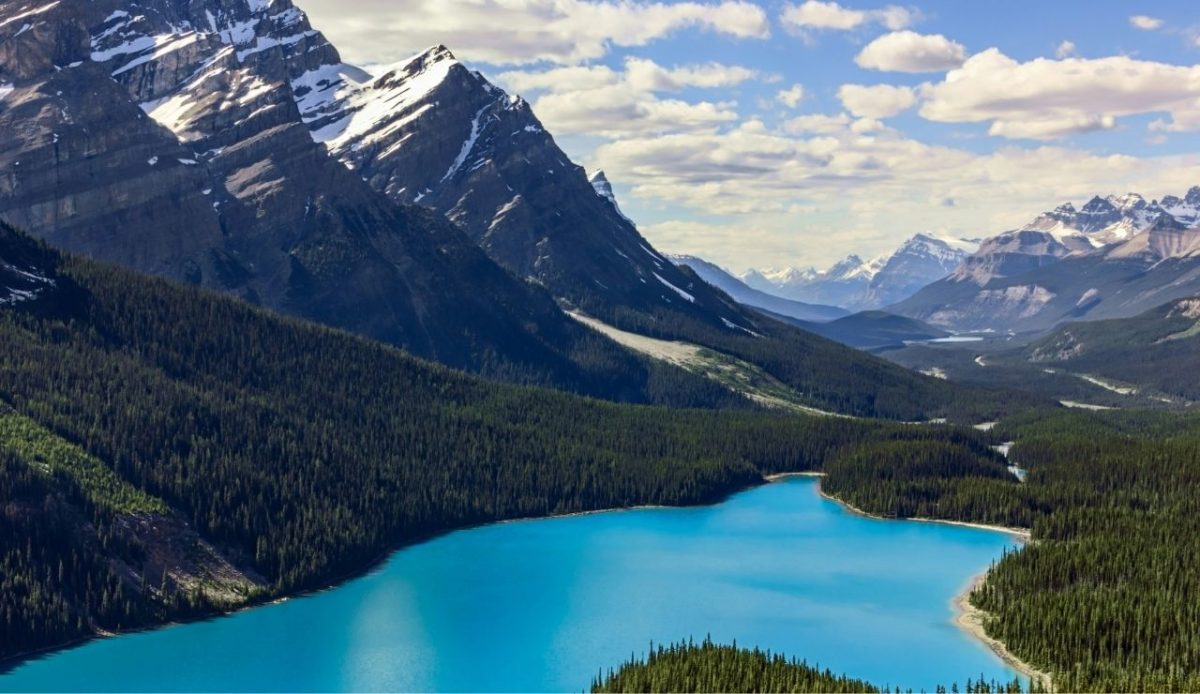
Banff National Park showcases Canada’s mountain grandeur at its best. Snowcapped peaks, turquoise lakes, and endless hiking trails attract visitors year-round. The Icefields Parkway links Banff to Jasper through some of the Rockies’ most dramatic terrain. Summer brings canoeing on Lake Louise, while winter transforms the park into a ski destination centered around Banff and Lake Louise resorts. Wildlife like elk and mountain goats often appear near the roadways. With protected ecosystems, accessible trails, and clear mountain air, Banff remains one of the most iconic and easily reachable wilderness areas in North America.
2. Jasper National Park, Alberta
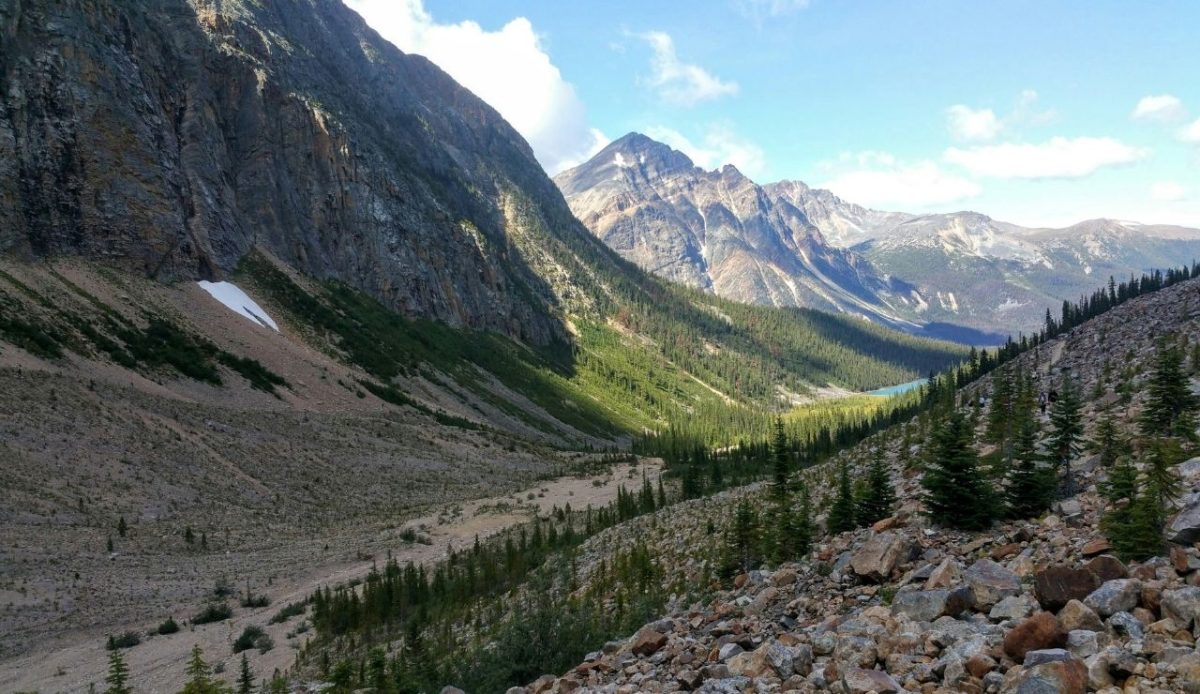
Jasper National Park covers an immense stretch of wilderness in northern Alberta. It features glaciers, turquoise lakes, and the Athabasca Falls that carve through limestone canyons. Visitors can ride the Jasper SkyTram for sweeping alpine views or drive to the Columbia Icefield to walk along the glass-floored Skywalk. The park is also a designated Dark Sky Preserve, making it one of the best stargazing spots in Canada. Wildlife sightings of elk, bears, and bighorn sheep are common along the main roads. Jasper offers a quieter, less crowded experience compared with nearby Banff, but with equal beauty.
3. Moraine Lake, Alberta
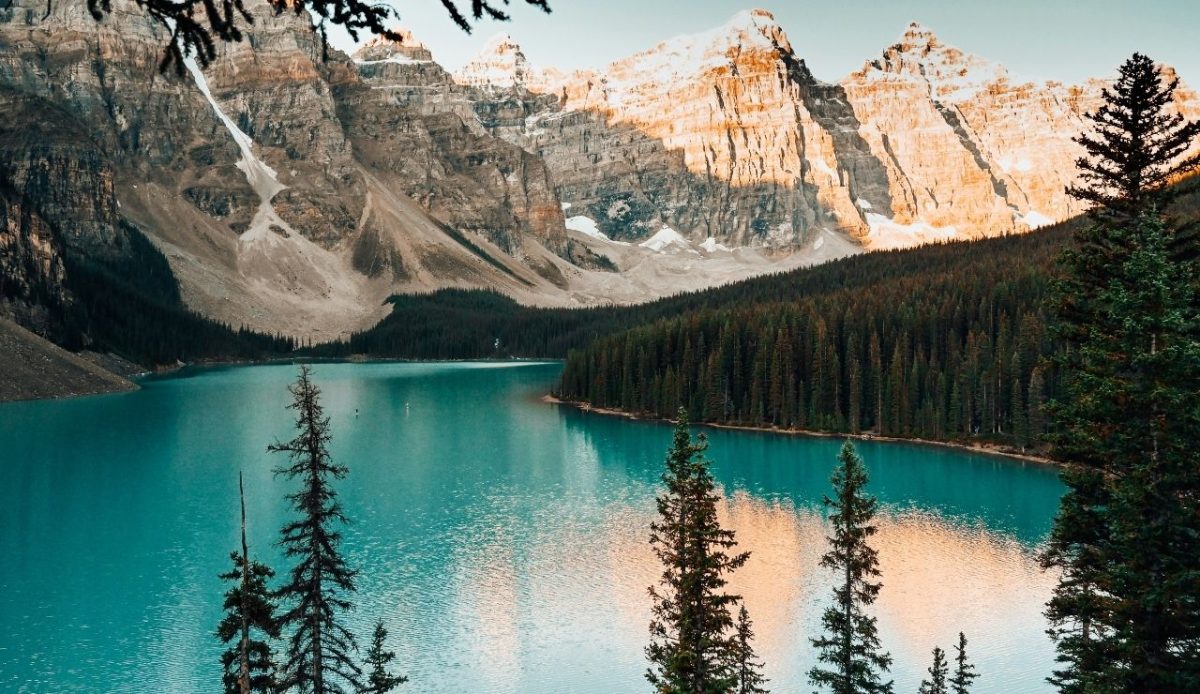
Moraine Lake sits in the Valley of the Ten Peaks and remains one of Canada’s most photographed views. Its intense blue-green color comes from light reflecting off glacier-fed sediment. Surrounded by rugged peaks, the lake is accessible by shuttle during the summer months to reduce crowding and protect the area. Hikers enjoy routes like the Rockpile Trail for panoramic photos or the Consolation Lakes Trail for a gentler walk. Sunrise here is unforgettable, when the mountains glow pink above the still water. Strict visitor limits help preserve its clarity and peaceful setting year after year.
4. Niagara Falls, Ontario
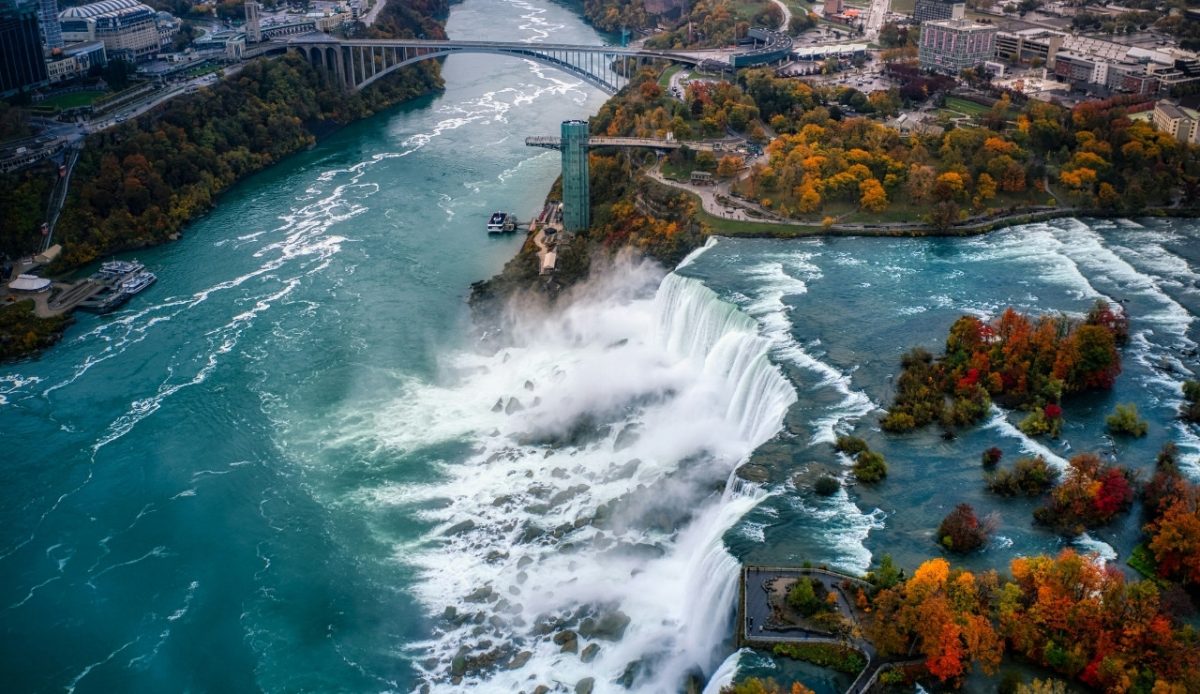
Niagara Falls continues to rank among the most famous natural wonders in the world. The Horseshoe Falls on the Canadian side draws millions of visitors who feel the ground vibrate from the rushing water. Boat tours take travelers close enough to be soaked by mist, while elevated platforms give a full view of the 167-foot drop. The nearby Niagara Parks area includes gardens, scenic drives, and walking paths along the gorge. Beyond the falls, the region’s wineries and small towns provide an easy day trip for those wanting to combine nature and local culture in one visit.
5. Saguenay Fjord, Quebec
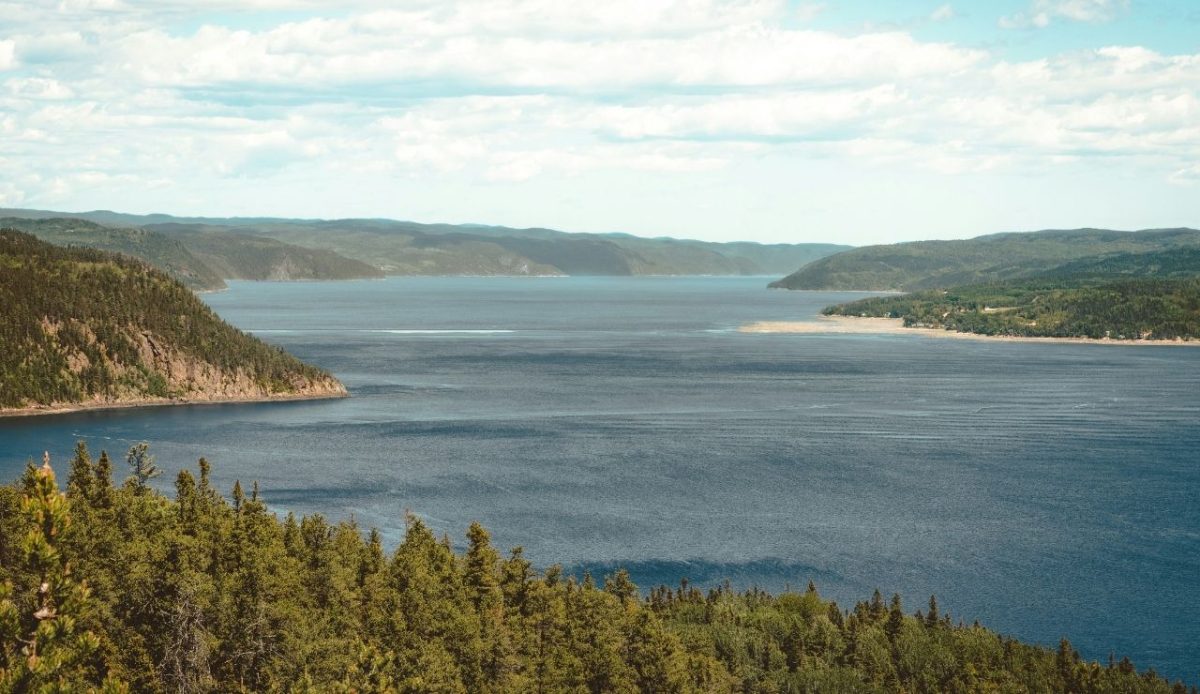
Saguenay Fjord cuts deep into Quebec’s landscape, carved by glaciers thousands of years ago. Cliffs rise above cold blue water that supports beluga whales, seals, and seabirds. Kayaking, hiking, and scenic drives reveal quiet villages like L’Anse-Saint-Jean and Sainte-Rose-du-Nord. The Saguenay Fjord National Park protects these ecosystems and offers observation decks that showcase both river and forest views. Visitors often connect this region with Quebec City or Tadoussac, making it part of a broader coastal journey. Its remote beauty gives travelers a rare combination of marine life, mountain scenery, and calm water routes.
6. Bay of Fundy, New Brunswick
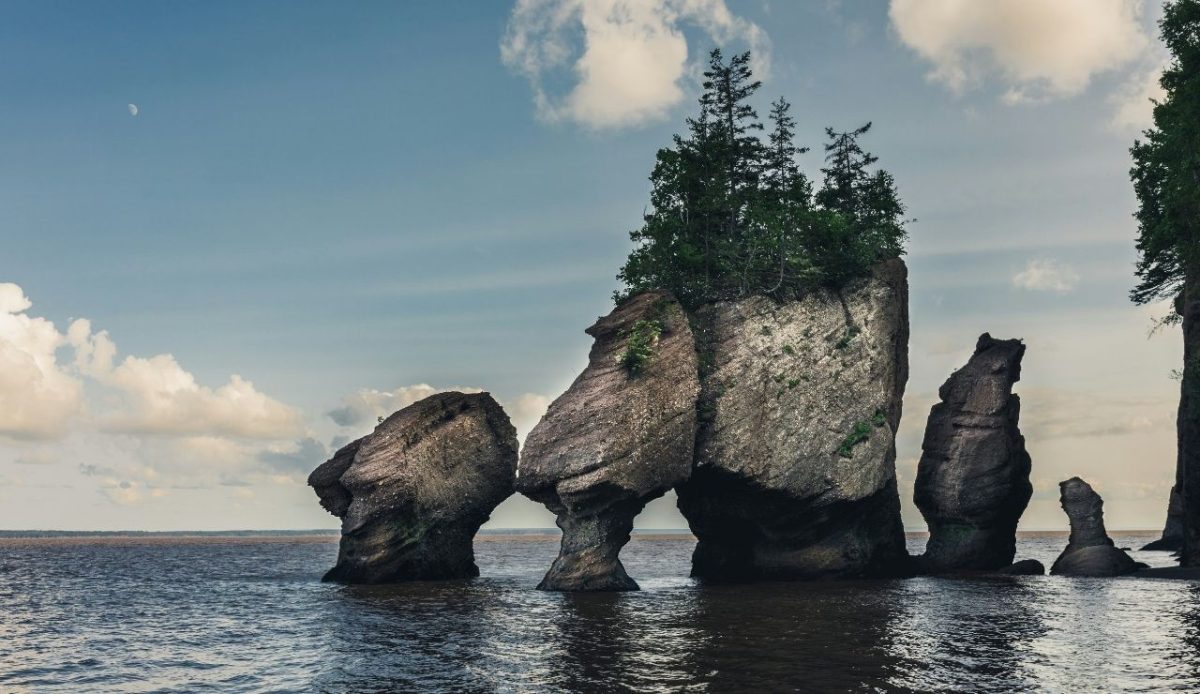
The Bay of Fundy is home to the world’s highest tides, with water levels rising and falling by as much as fifty feet twice a day. At low tide, travelers can walk on the ocean floor among the Hopewell Rocks before the bay fills again within hours. The changing landscape reveals sea caves, sandstone pillars, and fossil-bearing cliffs. Whale-watching tours run from June through September, offering chances to see humpbacks and minkes feeding near the surface. Nearby Fundy National Park provides hiking trails, waterfalls, and coastal viewpoints, giving visitors a close look at the power of the Atlantic.
7. Cape Breton Island, Nova Scotia
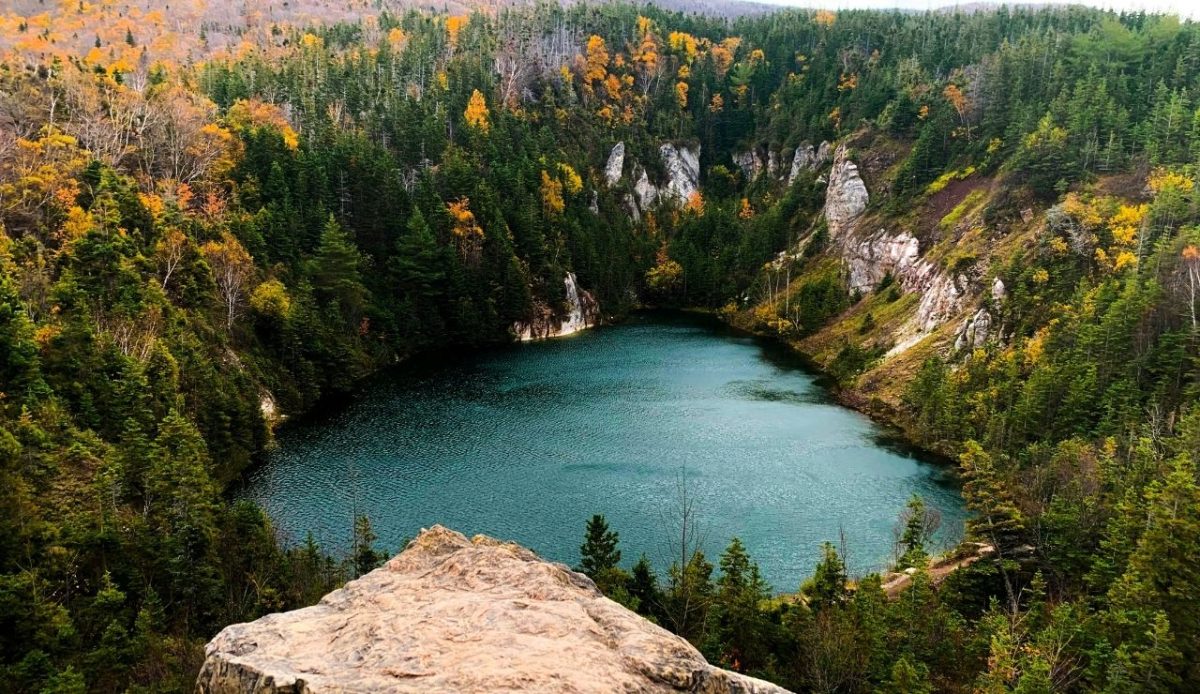
Cape Breton Island blends coastal scenery with a strong Celtic and Acadian heritage. The Cabot Trail, a 185-mile loop, ranks among the most scenic drives in North America, winding through Cape Breton Highlands National Park. Lookouts above the Gulf of St. Lawrence and Atlantic Ocean reveal dramatic cliffs and dense forests. Traditional music thrives in community halls and pubs, where fiddlers and dancers keep Gaelic traditions alive. Visitors can explore fishing villages, sample seafood, and spot moose or eagles along the way. Autumn brings bright foliage that transforms every curve of the highway into a photo stop.
8. Tofino, British Columbia
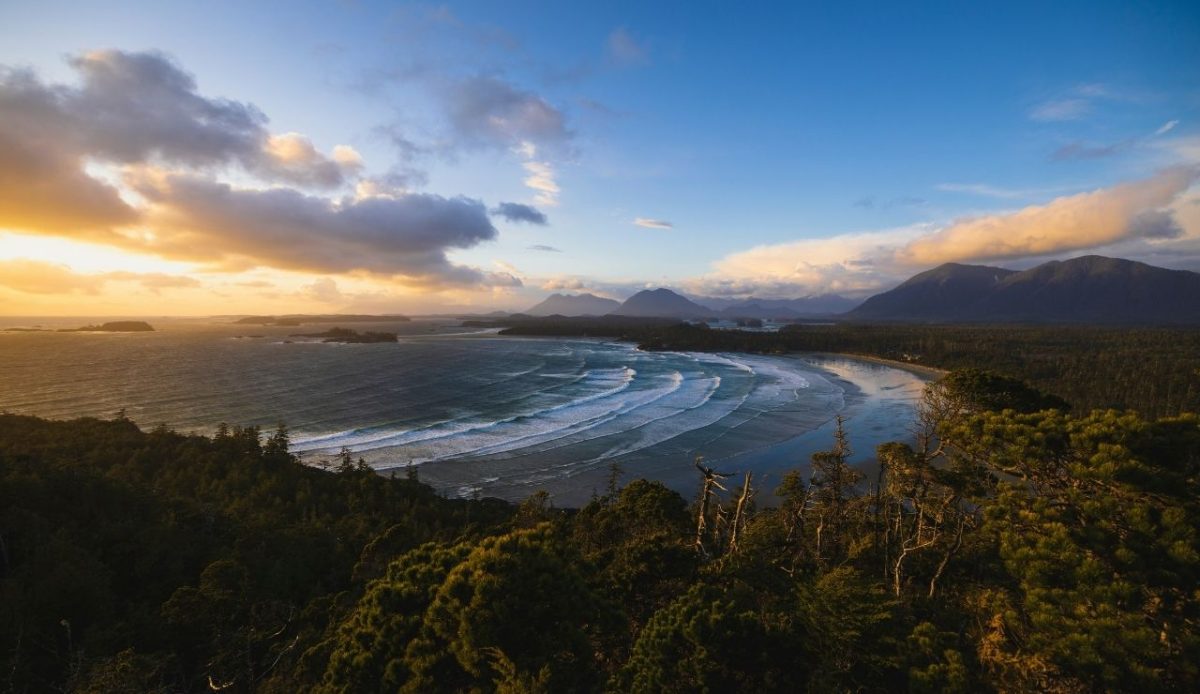
Tofino sits on the west coast of Vancouver Island and offers a rugged mix of beaches, rainforest, and Pacific surf. It draws travelers who enjoy whale watching, storm watching, and the laid-back rhythm of a small coastal town. Pacific Rim National Park Reserve surrounds the area with hiking trails through giant cedar forests and long stretches of sand. Surfers tackle Chesterman Beach, while others walk the shoreline during sunset. Local restaurants highlight sustainable seafood and farm produce. Even in winter, visitors arrive to watch waves crash against rocky headlands during the region’s dramatic storm season.
9. Gros Morne National Park, Newfoundland and Labrador
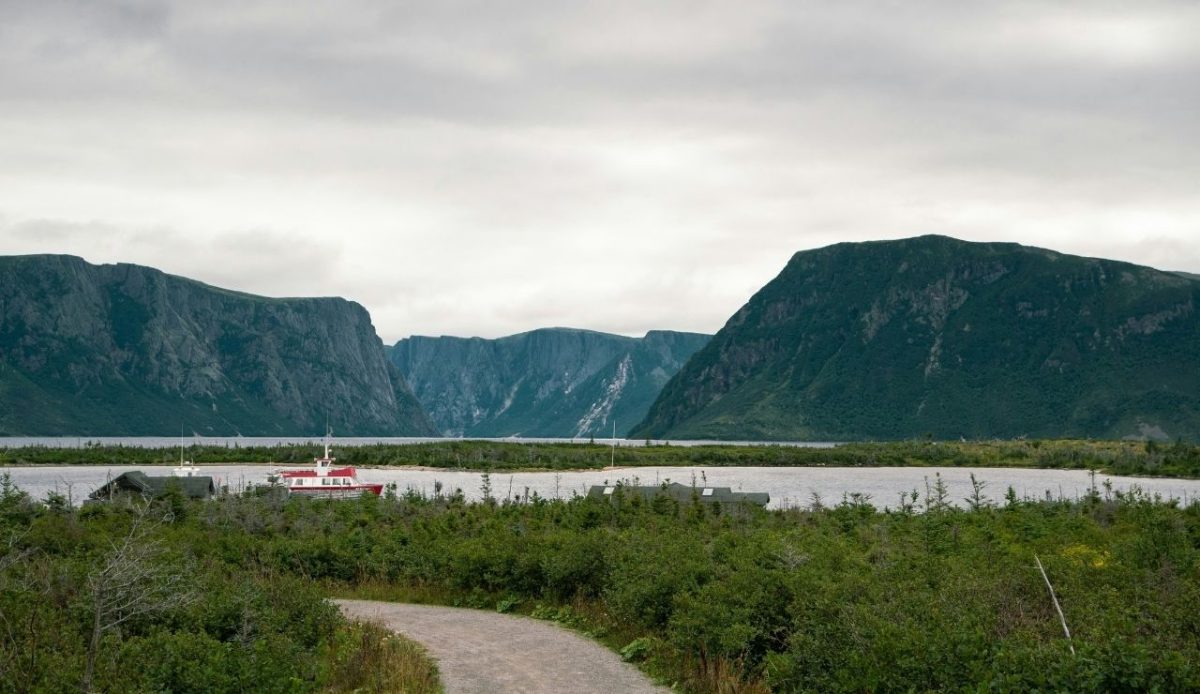
Gros Morne National Park showcases dramatic fjords, ancient cliffs, and unique geology that earned it UNESCO World Heritage status. The Tablelands area reveals Earth’s mantle pushed to the surface, creating a rare orange-brown landscape unlike anywhere else in Canada. Hiking trails such as the Western Brook Pond route lead to views of towering rock walls above clear glacial water. Wildlife sightings include caribou, black bears, and seabirds nesting along coastal cliffs. Fishing villages around the park offer a look at traditional Newfoundland life. Gros Morne’s scale and raw beauty make it both remote and unforgettable.
10. Whitehorse and Yukon Territory
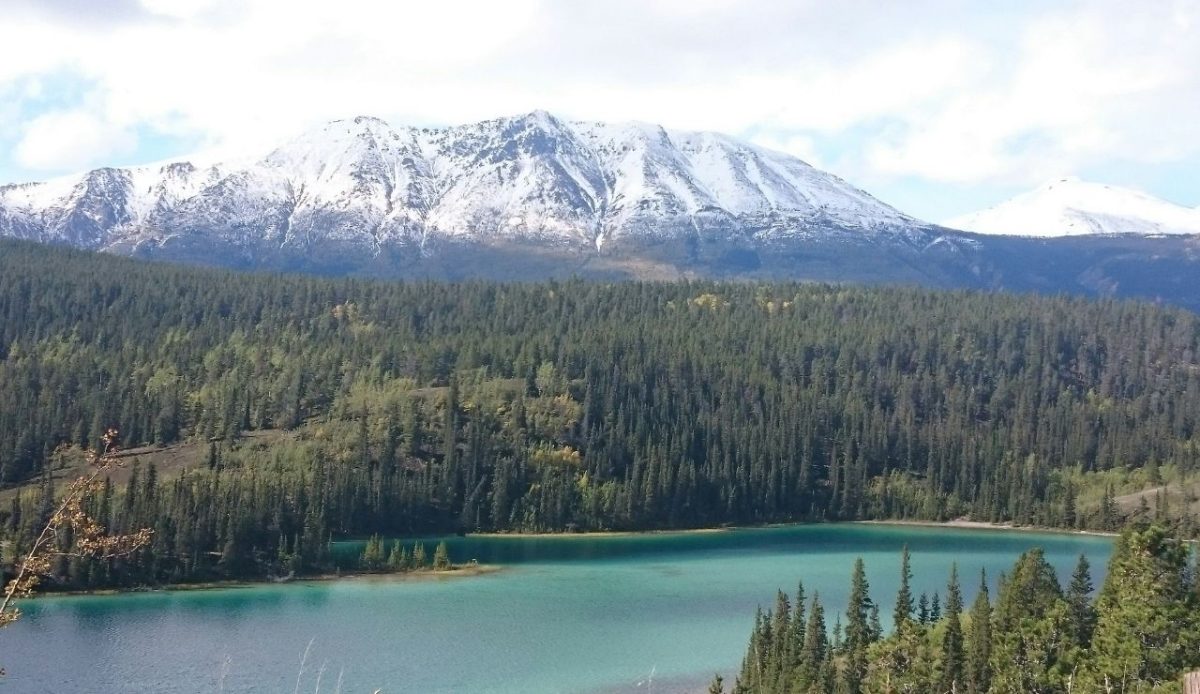
Whitehorse, the capital of Yukon, offers vast wilderness within minutes of its main streets. The city sits along the Yukon River and serves as a base for northern lights viewing, hiking, and dog sledding. Nearby attractions include Miles Canyon and the historic SS Klondike sternwheeler, reminders of the Gold Rush era. The surrounding territory stretches toward Alaska, filled with glacier valleys and alpine lakes. Travelers visit in winter for aurora displays and in summer for long daylight hours perfect for outdoor adventures. Whitehorse combines modern comforts with an authentic northern atmosphere that feels both remote and welcoming.
