
South America’s cities offer some of the most distinctive food experiences in the world. Each destination reflects its geography and local traditions through ingredients that remain central to everyday life. From Peru’s cevicherías to Uruguay’s parrillas, travelers can taste how history and culture shape modern cooking. Street markets, family-owned restaurants, and coastal stalls form the foundation of each city’s dining scene, providing simple and direct access to regional food habits. Together, these cities show how South American cuisine stays grounded in authenticity, balance, and practicality.
1. Lima, Peru
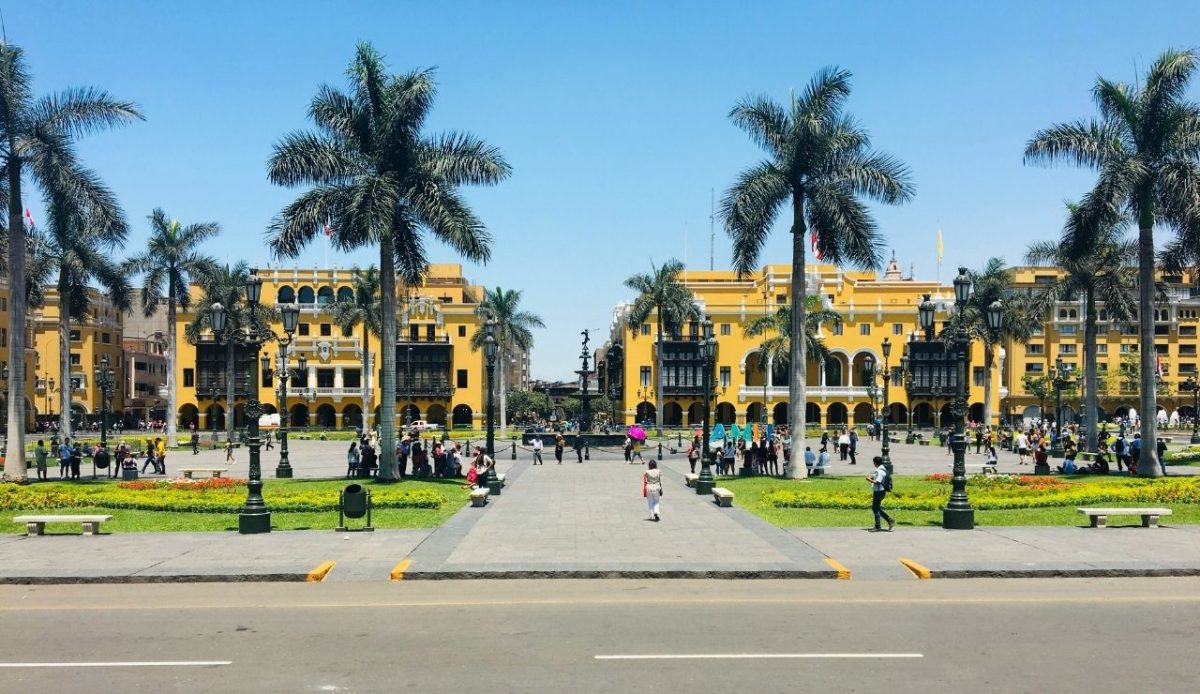
Lima leads South America’s culinary scene and shows how coastal traditions and modern cooking work together. Travelers find fresh ceviche at local markets and refined Nikkei dishes that blend Japanese technique with Peruvian seafood. Street vendors sell anticuchos and causa while high-end restaurants such as Maido and Central gain worldwide attention. Markets like Surquillo let visitors see how daily cooking depends on native ingredients like ají pepper, corn, and lime. Eating in Lima gives travelers a clear picture of how Peru connects ocean produce with cultural pride and everyday dining.
2. São Paulo, Brazil
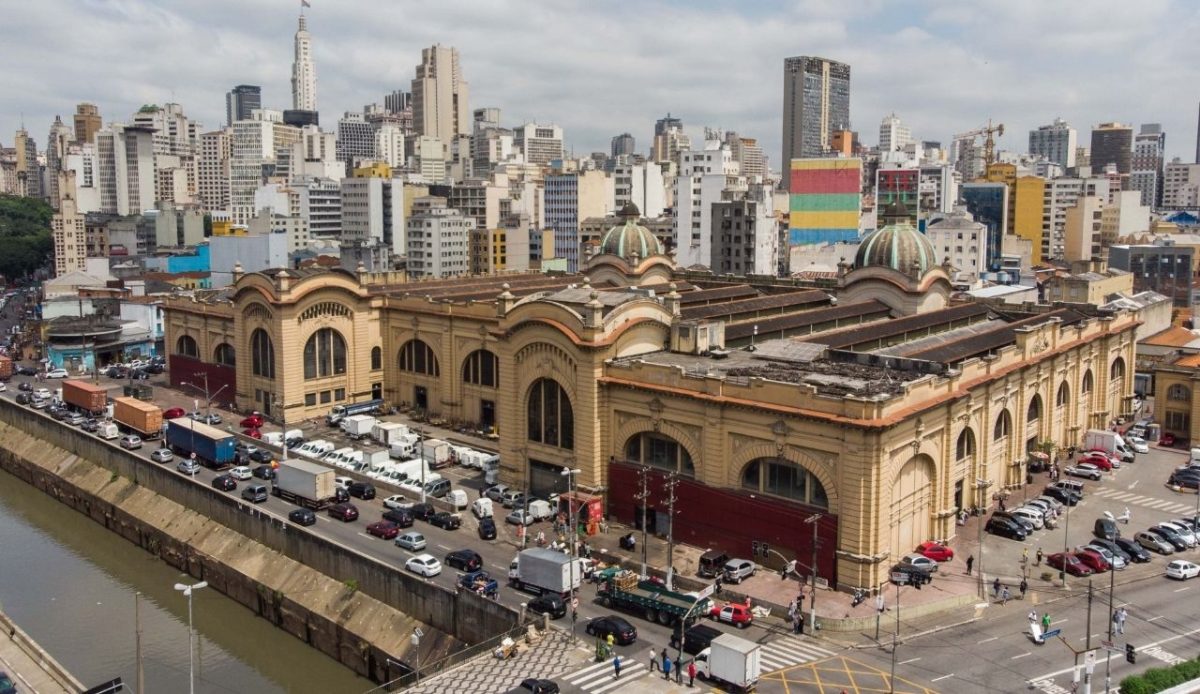
São Paulo reflects Brazil’s diversity through food that ranges from street snacks to global fine dining. The Mercado Municipal serves the city’s famous mortadella sandwich, layered with cold cuts and cheese, while small stalls offer pastel, a fried pastry filled with meat or hearts of palm. In Liberdade, Japanese food dominates with ramen bars and sushi stands. Italian restaurants in Bixiga serve pizzas that rival Naples. São Paulo’s massive size means food options cover every culture that has built the city. Visitors discover a practical, urban dining culture that stays focused on flavor and variety.
3. Buenos Aires, Argentina
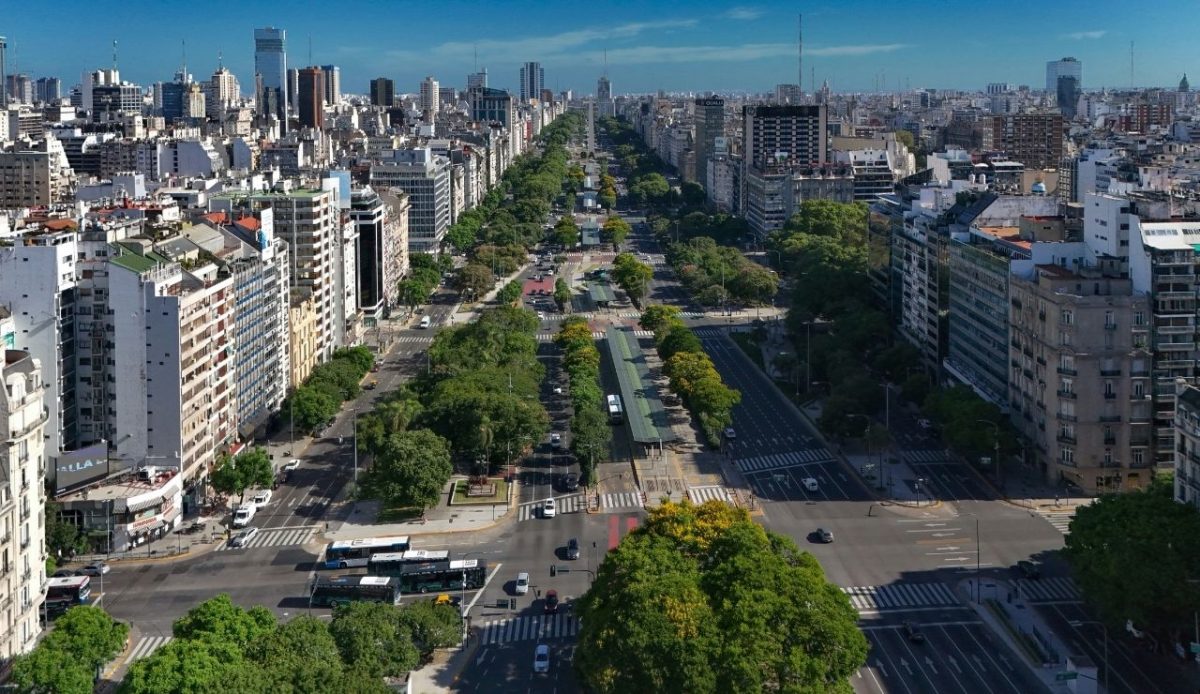
Buenos Aires values tradition and good company at the table. The city’s parrillas cook beef slowly over charcoal, producing tender cuts like bife de chorizo served with chimichurri. Local bakeries sell empanadas with beef or cheese, and street stands offer choripán, a simple sausage sandwich that locals enjoy at sports events and weekend gatherings. Cafés across San Telmo and Palermo pair strong coffee with medialunas, Argentina’s version of croissants. Every meal feels direct and honest, reflecting how food supports everyday life. Dining in Buenos Aires remains about sharing and appreciating simple, well-prepared dishes.
4. Rio de Janeiro, Brazil

Rio’s food culture matches its informal rhythm and beach lifestyle. Feijoada, a black bean stew with pork and rice, serves as the weekend standard across households and restaurants. Kiosks along Copacabana and Ipanema sell fried snacks such as bolinho de bacalhau and pastel with shrimp. Juice bars stay busy blending tropical fruits like açaí and graviola into cold smoothies. Buffets by weight let visitors try several dishes without overpaying, reflecting Rio’s practical dining habits. Every neighborhood offers relaxed options that keep the focus on fresh ingredients, friendly service, and local social life.
5. Salvador (Bahia), Brazil
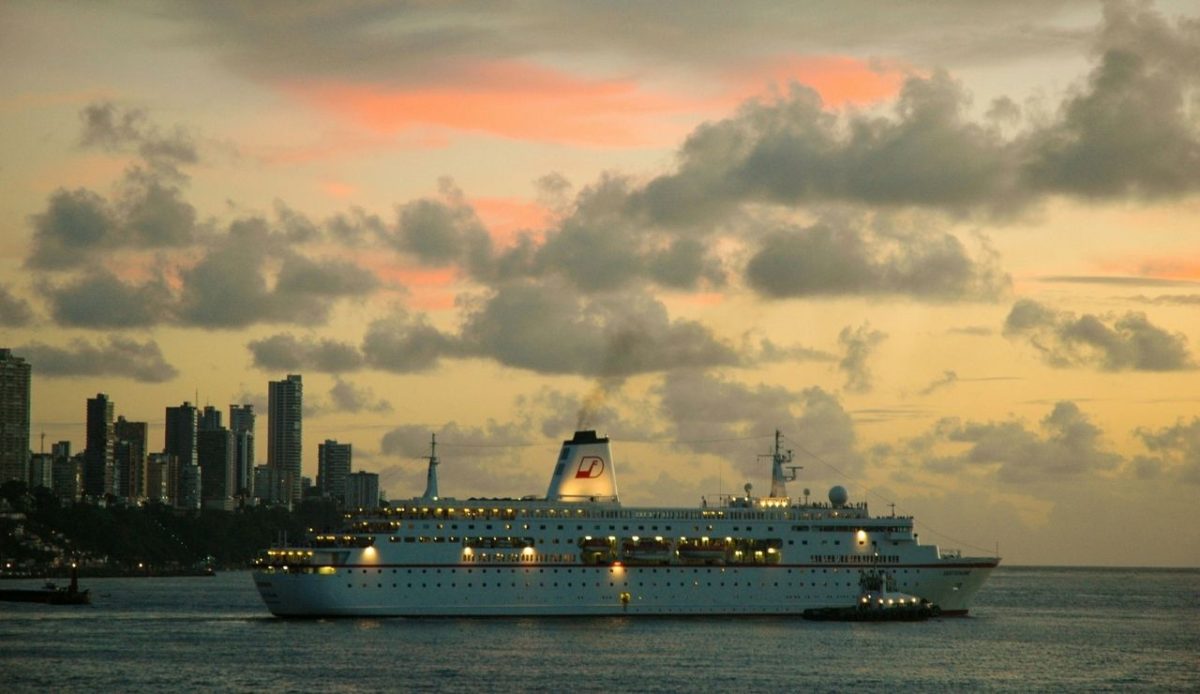
Salvador’s cooking stands out for its African heritage and coastal produce. Acarajé, made from black-eyed peas and fried in dendê oil, fills with shrimp and spicy vatapá. Vendors in traditional white clothing prepare it fresh for passersby in Pelourinho and the city’s beaches. Moqueca baiana, a fish stew with coconut milk and palm oil, highlights regional flavors found nowhere else. Street carts sell cocadas, fried plantains, and chilled tropical drinks. Restaurants across Bahia use local seafood, cassava, and peppers in practical ways that show the balance between tradition, accessibility, and taste.
6. Belém, Brazil
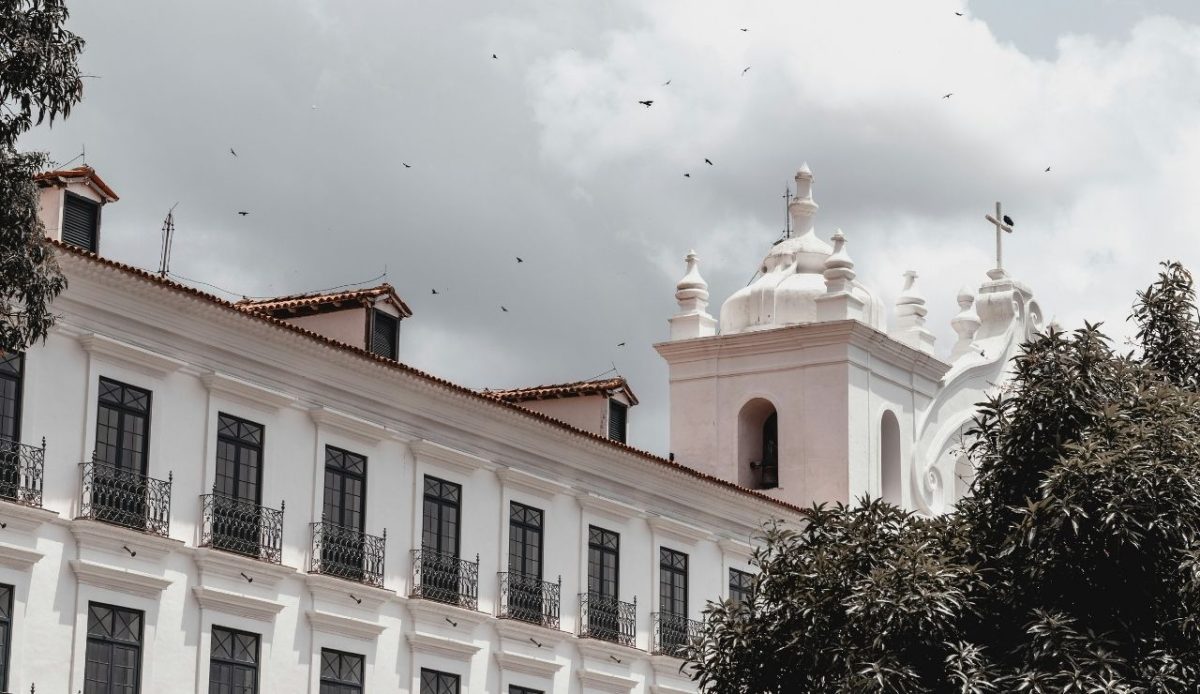
Belém offers food built on Amazonian ingredients that locals use daily. Markets display baskets of manioc flour, tucupi broth, and açaí berries sold fresh by the river. The city’s signature dishes include tacacá, pato no tucupi, and maniçoba, showing how residents combine native plants, herbs, and seafood in direct, practical ways. At Ver-o-Peso Market, travelers can watch cooks prepare these meals in small clay pots and taste fruit ice creams made from cupuaçu or bacuri. Belém’s cuisine stays grounded in regional produce and demonstrates how the Amazon supplies both everyday meals and local pride.
7. Bogotá, Colombia
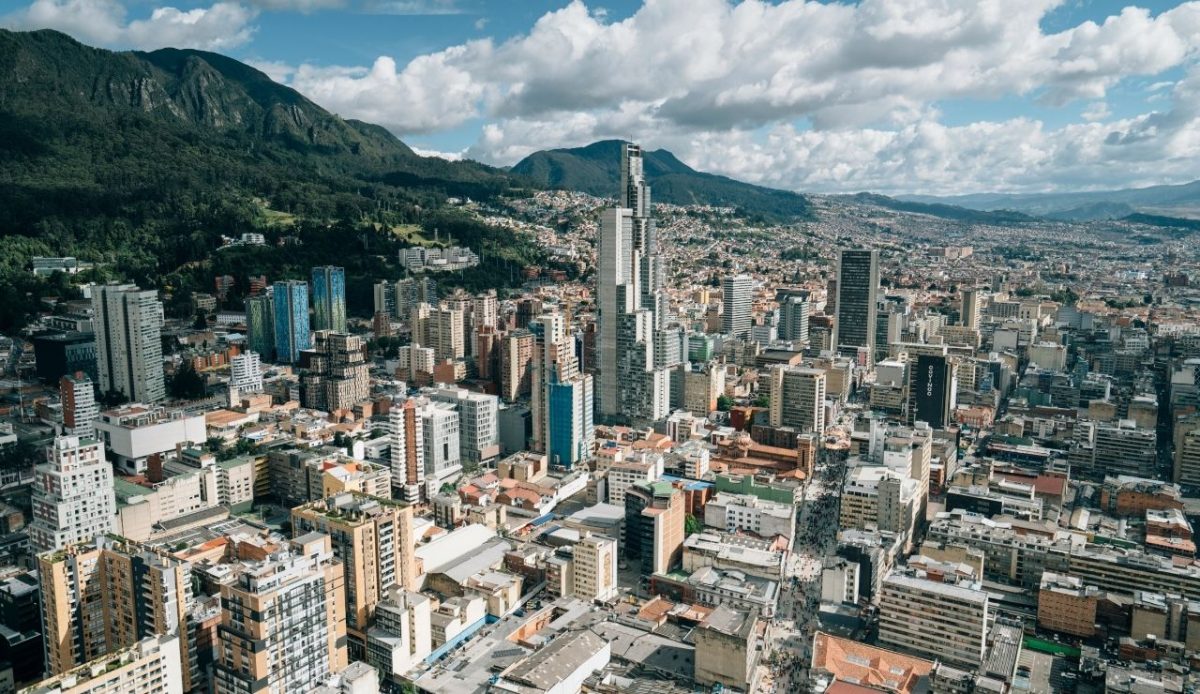
Bogotá’s food reflects highland traditions that rely on hearty ingredients and steady cooking. The city’s most recognized dish, ajiaco, blends three types of potatoes with chicken and corn, seasoned with local herbs. Vendors in Paloquemao Market sell tamales wrapped in banana leaves and arepas grilled on open fires. Small cafés serve hot chocolate paired with cheese, a combination unique to the region. Restaurants in Chapinero and Usaquén now modernize these staples without losing their practicality. Bogotá’s cooking emphasizes warmth, filling portions, and ingredients grown nearby, making every meal a reflection of Andean farming culture.
8. Medellín, Colombia
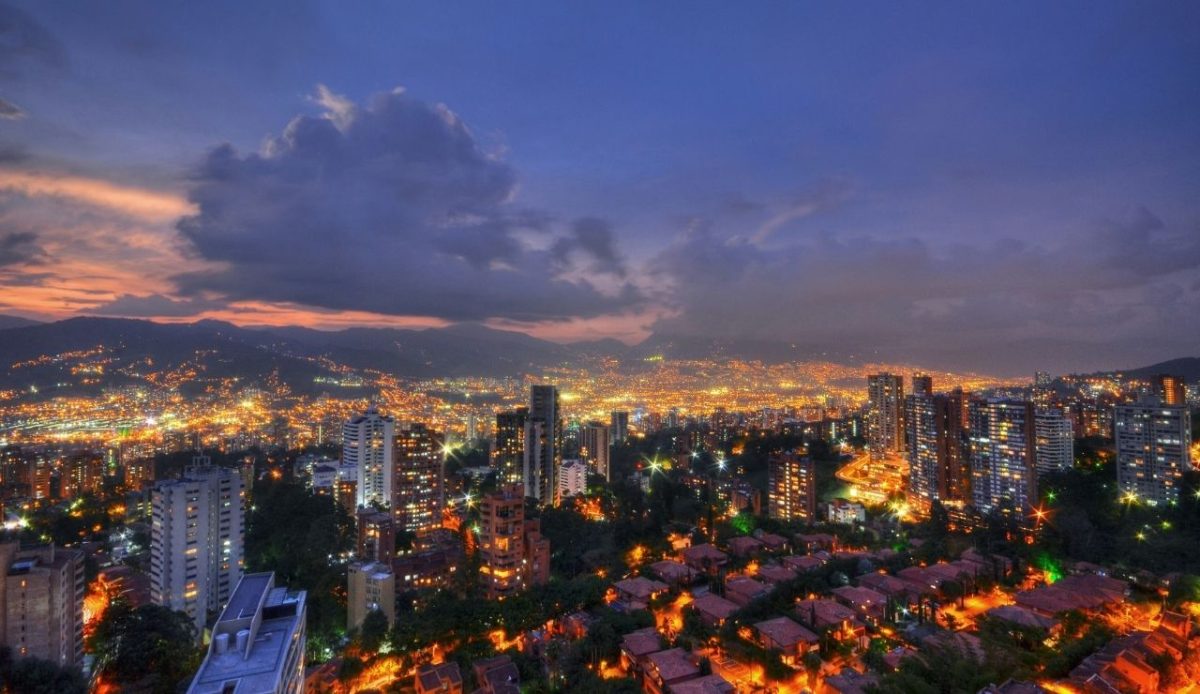
Medellín’s cuisine comes from the Antioquia region, known for generous plates and simple recipes. Bandeja paisa remains the defining dish, layering beans, rice, ground beef, sausage, plantain, egg, and avocado. Visitors find it in small family restaurants or neighborhood eateries. Street stands sell empanadas filled with meat or potatoes, while bakeries offer buñuelos, soft cheese fritters eaten warm. Local chefs keep the same ingredients but use lighter preparation methods for modern diners. Food here stays affordable and hearty, built around sharing and direct flavor rather than presentation or excess decoration.
9. Cartagena, Colombia
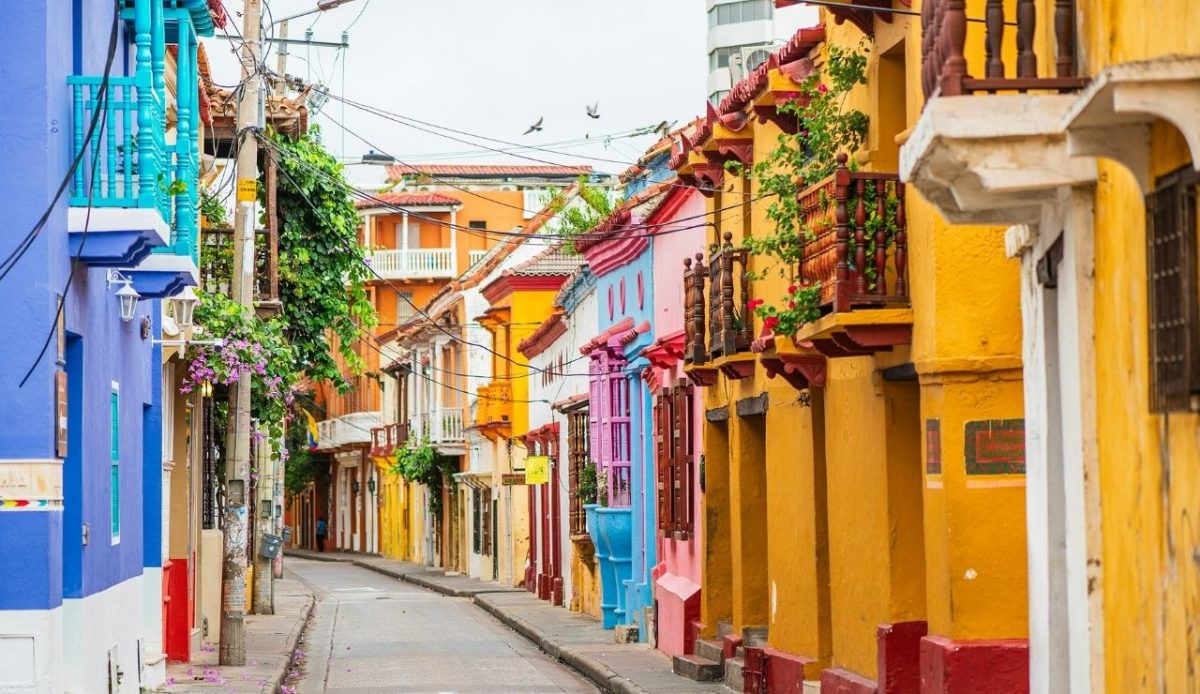
Cartagena’s Caribbean coastline drives its food scene through local seafood and regional spices. Markets near the port sell fresh fish, lobster, and crabs caught the same day. Street vendors fry arepas de huevo and serve them with sauces made from chili and lime. Restaurants in the walled city cook coconut rice, plantains, and seafood stews using simple equipment and fresh ingredients. These meals represent daily life along Colombia’s coast, where cooks rely on what arrives from the water that morning. Cartagena’s food connects directly to its geography and long maritime history.
10. Quito, Ecuador
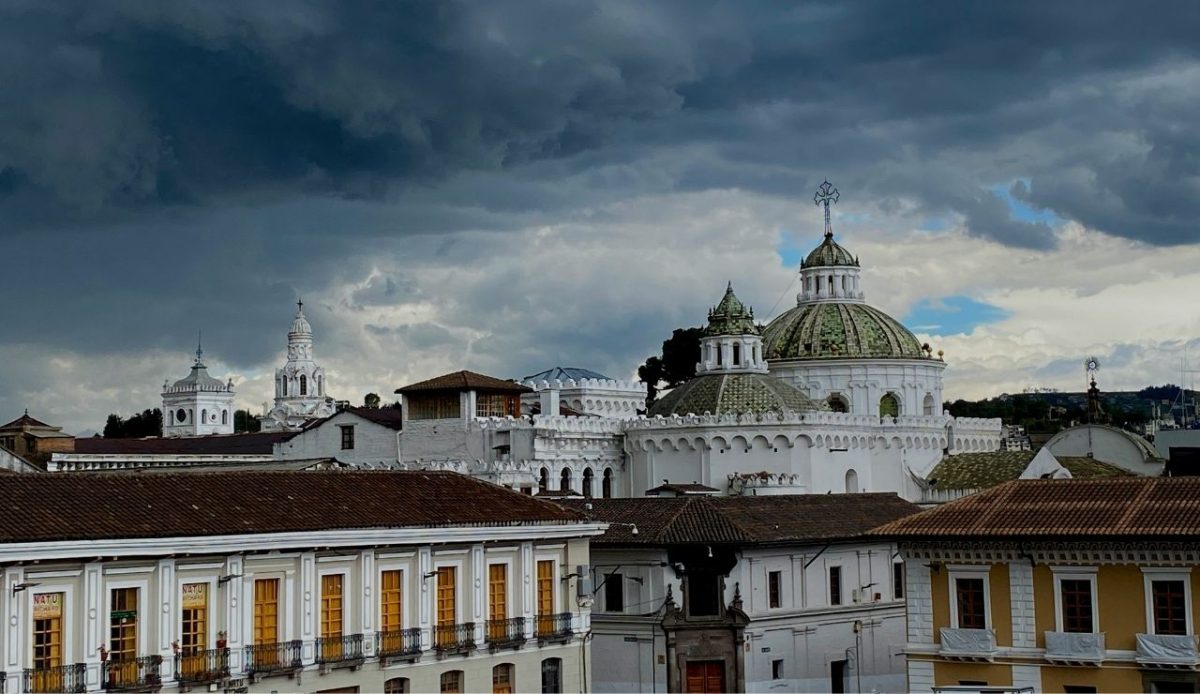
Quito’s high altitude produces ingredients and recipes adapted to cooler weather. Hornado, a slow-roasted pork dish served with potatoes and corn, stands as the city’s main comfort food. Locro de papa, a thick potato soup topped with cheese and avocado, appears in nearly every restaurant. Empanadas de viento, fried and dusted with sugar, serve as quick snacks between meals. Markets such as Mercado Central display native Andean produce like quinoa and chocho beans. Quito’s meals rely on simple preparation and careful seasoning, showing how Andean households cook to maintain warmth and steady energy.
