
Ferry and water taxi networks help North American cities reduce road pressure and provide dependable travel options for riders who want steady point-to-point connections. These systems support commuters, tourists, and residents who move between waterfront districts daily. Many cities treat ferries as a regular part of public transit, running them on predictable schedules with clear boarding points and simple layouts. Water taxis fill short gaps, especially in coastal areas where bridges often slow movement. Together, these services show how water travel strengthens urban mobility by offering stable alternatives when roads become crowded.
1. New York City, New York
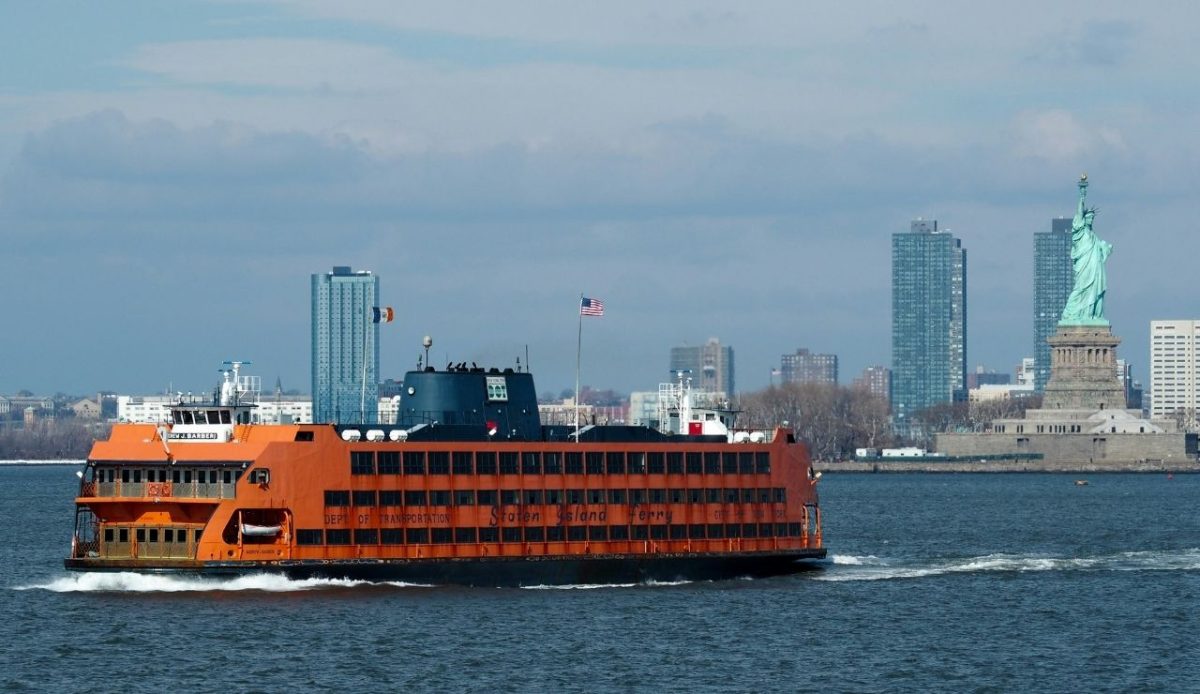
New York City maintains one of the largest water transit networks in the region. NYC Ferry, Staten Island Ferry, and private operators serve routes across the East River, Upper Bay, and Hudson River. Riders use these boats to reduce travel times during busy hours when bridge traffic slows movement. Terminals stay organized with clear signs, sheltered waiting spots, and direct boarding paths. Fares remain stable, and schedules operate throughout the day. New stops continue to appear along growing residential districts, giving residents more choices. The system also helps visitors reach parks and waterfront attractions without dealing with packed streets.
2. Seattle, Washington
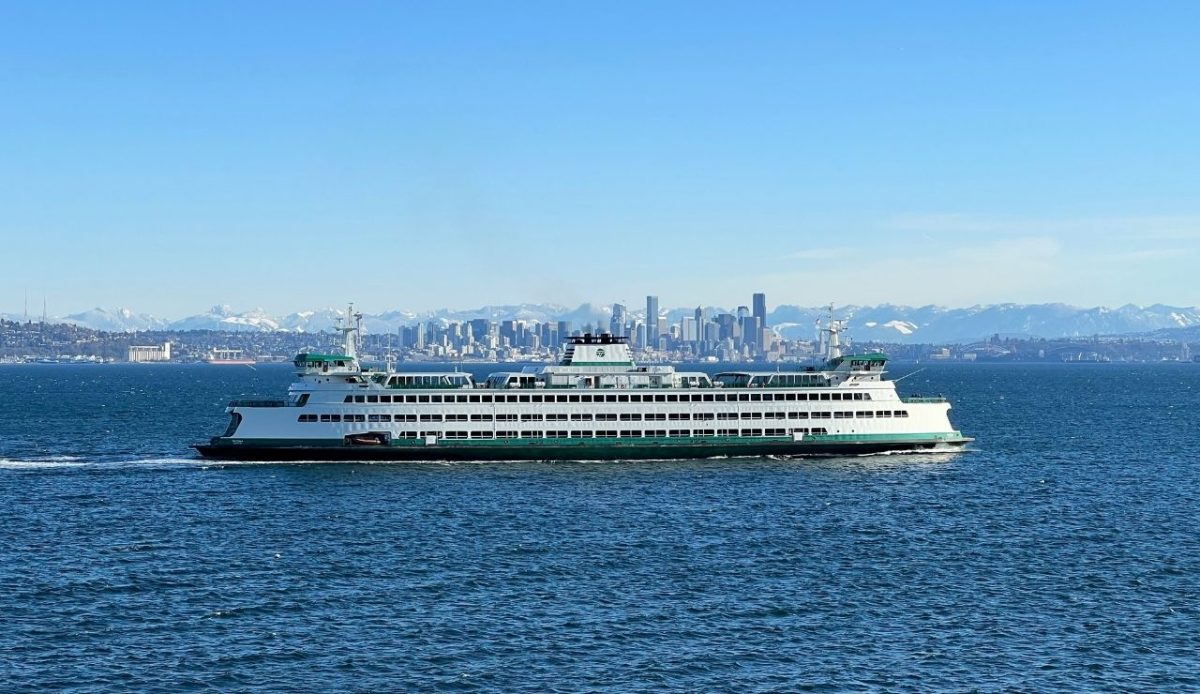
Seattle relies on its ferry system to connect the city with Bainbridge Island, Bremerton, and several nearby communities. Washington State Ferries runs large vessels built to support daily commuters, visitors, and heavy vehicle loads. These crossings help people avoid long waits on regional highways. Terminals follow simple patterns so passengers can find boarding points without confusion. The city also uses smaller passenger ferries along the downtown waterfront to reduce demand during peak times. Riders trust the predictable timetables and appreciate how water routes stay dependable even when road congestion increases across the region.
3. Vancouver, British Columbia
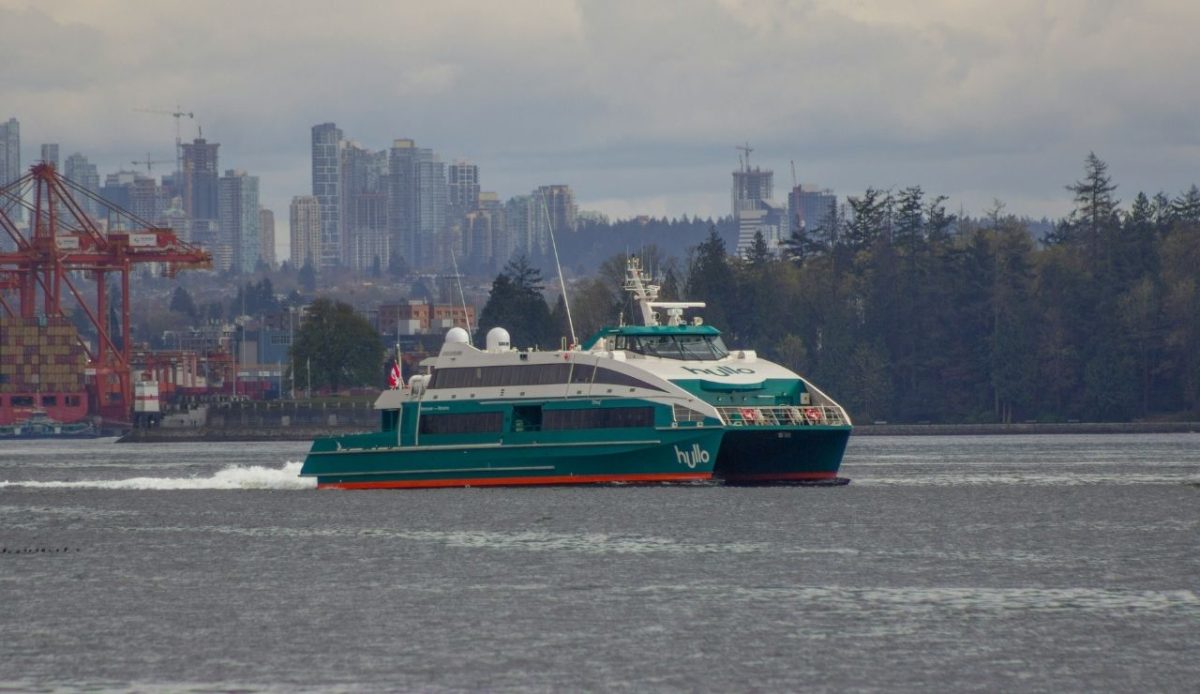
Vancouver’s SeaBus links downtown Vancouver with North Vancouver through a direct crossing of Burrard Inlet. Boats operate on frequent intervals, giving commuters a steady option during peak periods. The system relies on wide entryways, simple seating, and fast loading to stay on schedule. Terminals connect directly to the SkyTrain, allowing passengers to continue their trips without delays. Vancouver also has smaller water taxis that travel through False Creek, serving cultural districts, residential zones, and waterfront paths. These shorter routes gain steady use from locals and visitors who want quick crossings and predictable wait times throughout the day.
4. San Francisco, California
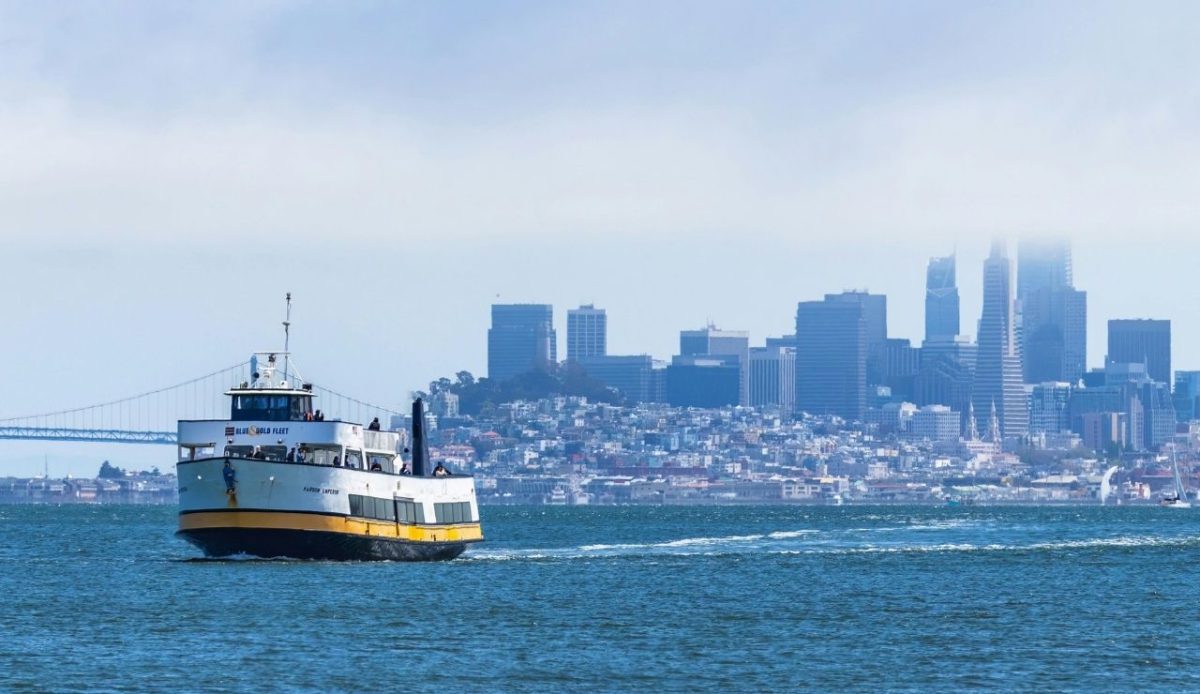
San Francisco Bay Ferry connects the city to Oakland, Vallejo, Alameda, and other points around the bay. The system supports riders who want to avoid slow bridge traffic, especially during morning and evening rush hours. Terminals remain easy to navigate thanks to consistent layouts and clear boarding instructions. Boats offer clean cabins and comfortable seating, which gives passengers a smoother experience than crowded road routes. The ferry network links with regional rail and bus lines, allowing travelers to continue their trips with minimal delays. Demand continues to rise, and the region supports expansion to serve growing waterfront communities.
5. Boston, Massachusetts
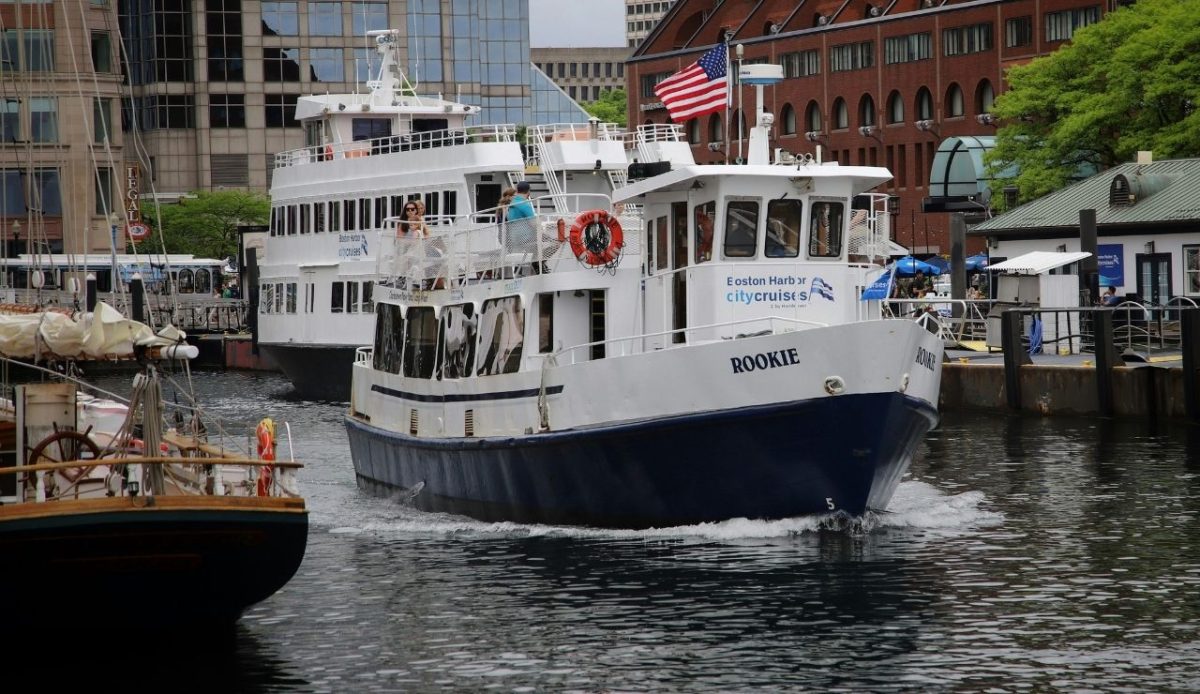
Boston runs commuter ferries and seasonal services that link neighborhoods along Boston Harbor. These options shorten travel times when road traffic becomes difficult to manage. Boats follow steady schedules, and terminals keep procedures simple with clear signage and direct pathways. Riders often pair ferry travel with nearby subway and bus lines because the docks sit close to major stations. The city also operates water taxis that carry passengers to Logan Airport and other waterfront points. These services help residents and visitors move across a region known for narrow roads and frequent traffic delays during busy hours.
6. Toronto, Ontario
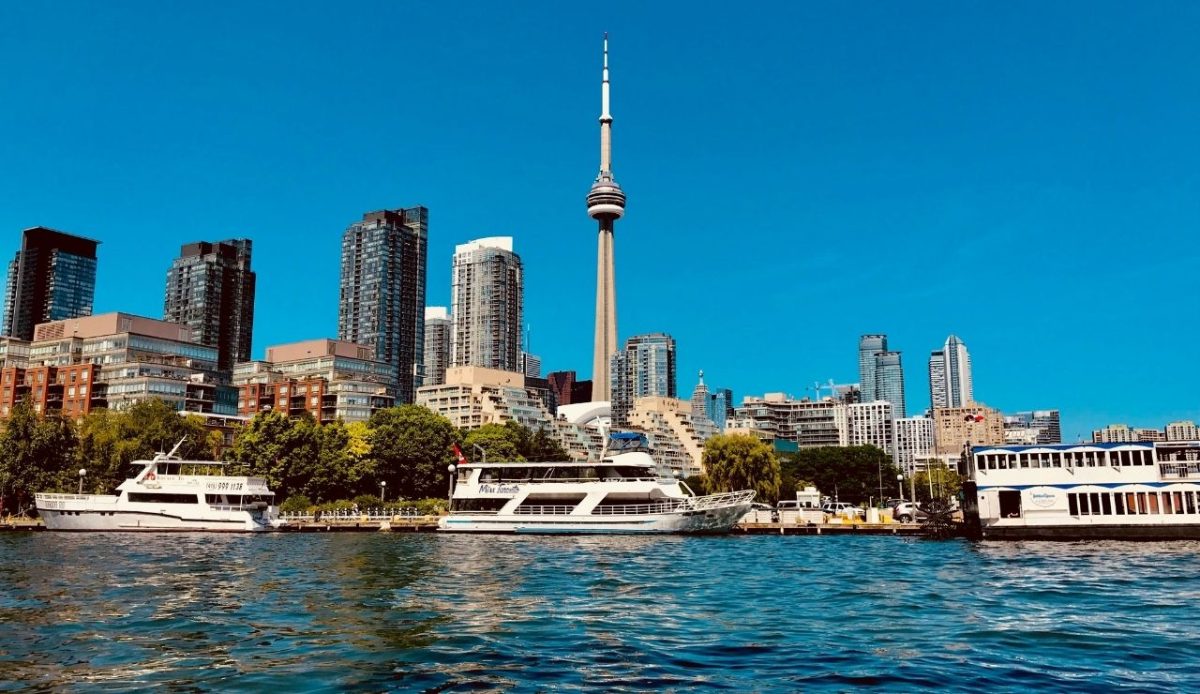
Toronto runs a year-round ferry system that carries passengers between the downtown waterfront and the Toronto Islands. Residents depend on these boats for recreation access and daily movement, while visitors rely on them for straightforward crossings. Boarding areas stay organized with marked gates and well-placed instructions. Private water taxis also operate during warm seasons to provide faster travel whenever regular schedules reach capacity. The ferries keep consistent departure times, and riders benefit from connections to nearby transit stops. These patterns allow both locals and tourists to move across the harbor without facing slow roads or bridge delays.
7. San Diego, California
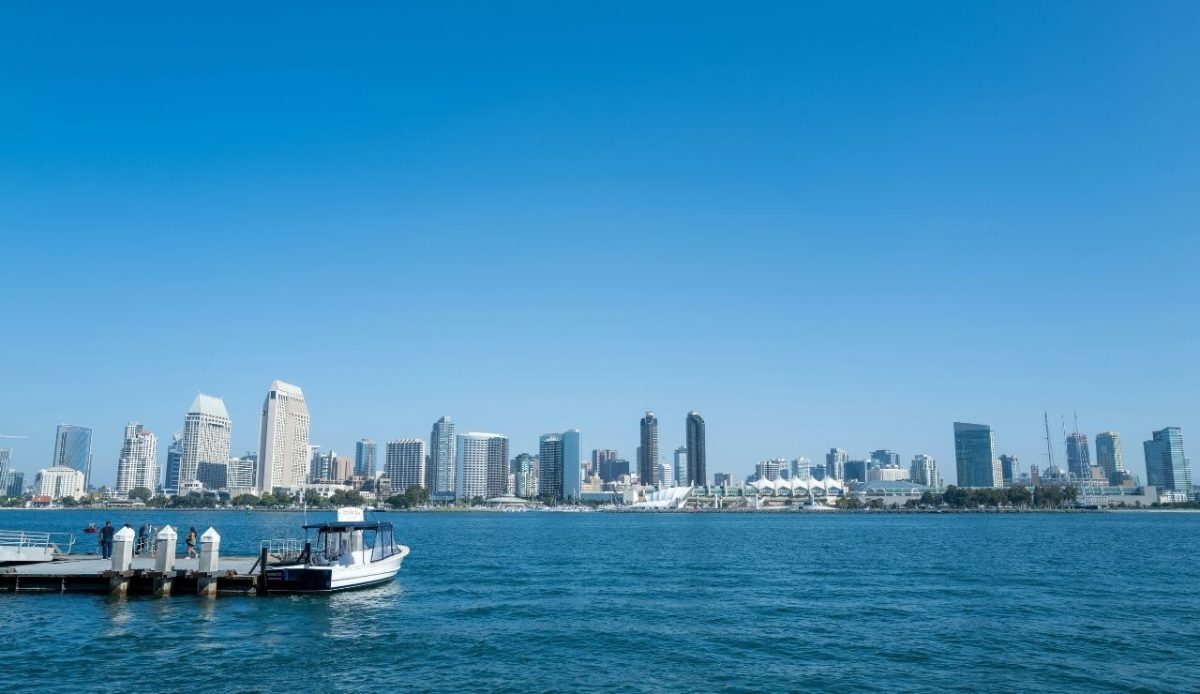
San Diego uses ferries and water taxis to link downtown with Coronado and nearby waterfront locations. The San Diego–Coronado Ferry handles steady crowds who want to avoid long bridge lines, particularly during peak commute hours. Terminals stay straightforward with clear routes to boarding points. Smaller water taxis serve marinas and coastal attractions, giving travelers options when they want shorter rides. Weather patterns allow consistent schedules for much of the year, which helps maintain reliable travel times. Riders value the simple connections to transit stops located near key piers along the waterfront.
8. Tampa–St. Petersburg, Florida
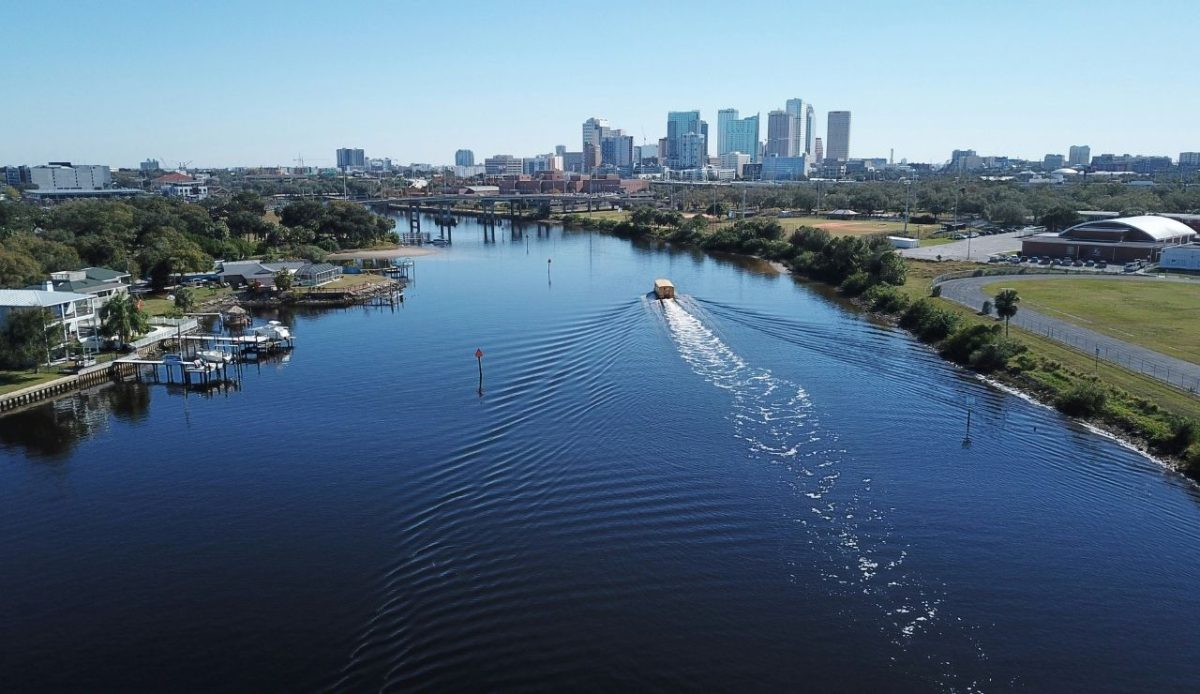
Tampa and St. Petersburg support ferry travel through seasonal crossings and special event operations. The Cross Bay Ferry offers a direct link that helps riders avoid busy highways between the cities. Boats depart on consistent timetables, and terminals keep boarding clear with posted instructions and defined waiting zones. Private water taxis also serve waterfront districts, stadium surroundings, and entertainment areas. These services help passengers bypass the traffic that often slows movement near bridges and major corridors. Residents and visitors use these rides for weekday travel, weekend outings, and evening plans when road congestion becomes difficult.
9. New Orleans, Louisiana
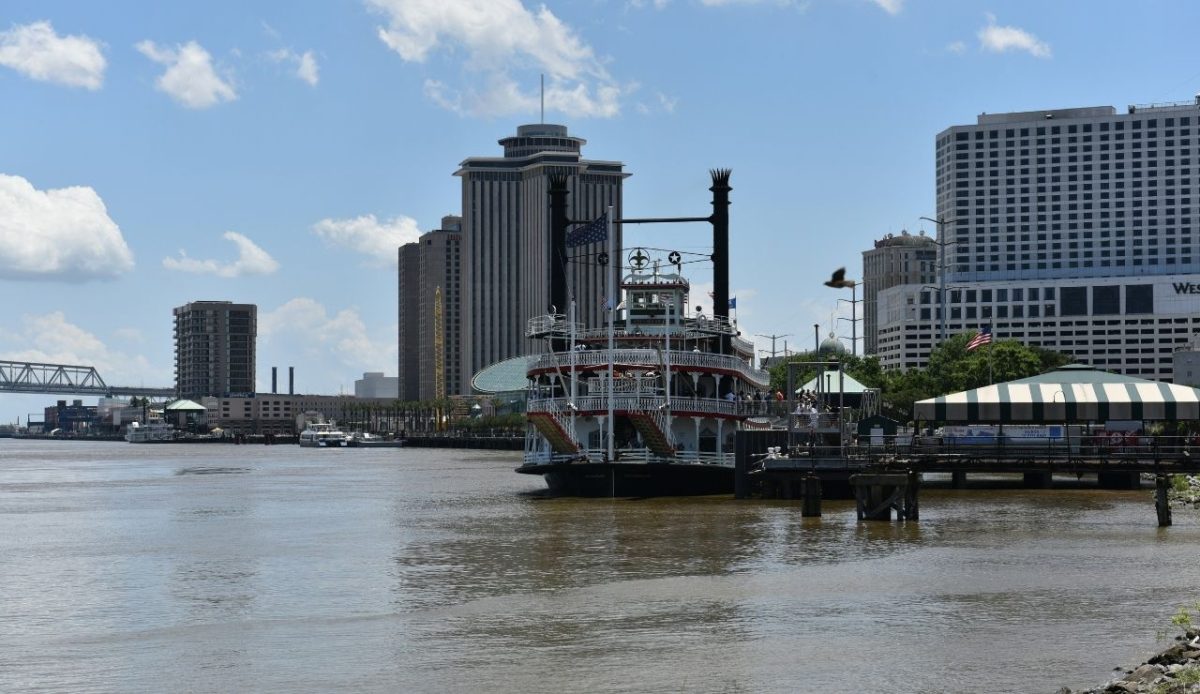
New Orleans runs ferries that cross the Mississippi River between Algiers, Canal Street, Gretna, and Chalmette. These routes offer steady travel choices for residents who want direct movement between districts without depending on busy roads. Boats operate on clear timetables, and terminals give straightforward instructions for cyclists and walking passengers. Low fares support regular use, especially during peak times. Private water taxis appear during festivals and busy days to help manage high visitor turnout. The system remains useful for both daily movement and tourism in an area known for constant activity along the riverfront.
10. Juneau, Alaska
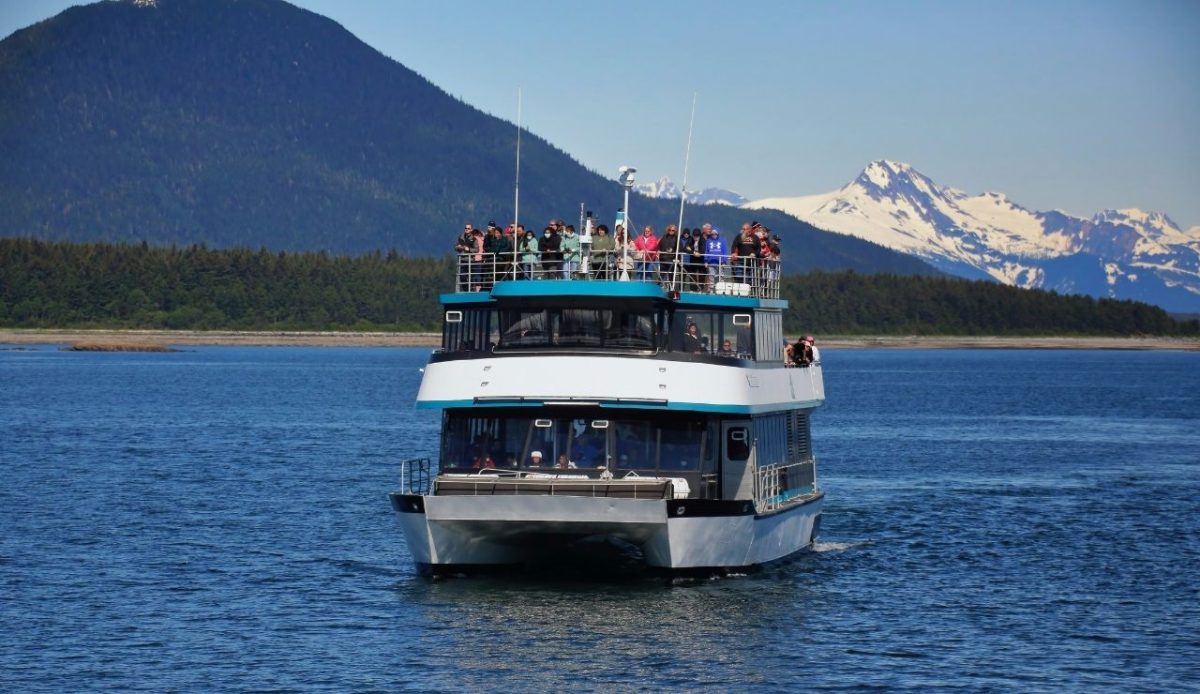
Juneau relies on ferries because the city has no road connection to the rest of Alaska. The Alaska Marine Highway System moves passengers, vehicles, and supplies between coastal towns. Large vessels handle long distances and changing weather conditions while keeping boarding procedures organized. Staff guide cars and walk on riders to designated areas to keep schedules steady. Residents use the ferries for medical visits, school travel, and essential trips to neighboring communities. Visitors depend on the system to reach remote towns that cannot be accessed by road, making the network a central part of regional movement.
