
The beach seems like a place where everyone leaves their worries behind, but small habits often follow people from daily life. Some are harmless, others slightly rude, and many happen without thought. They come from the same mix of comfort, convenience, and curiosity that defines any public space. Beaches show how people act when rules feel relaxed. Whether it is skipping sunscreen, crowding for space, or playing music too loudly, these patterns appear everywhere. They may seem trivial, yet together they reveal how easily self-awareness fades once the sand feels warm.
1. Overpacking the Beach Bag

Every summer begins with good intentions to pack light, but most beach bags end up holding far more than needed. People fill them with extra towels, books, snacks, and backup outfits that never leave the zipper. Packing too much feels safe because it prevents small inconveniences, even when it causes bigger ones later. The walk from the car becomes a workout before the day even starts. Travel planners suggest separating essentials into smaller bags instead of one large load. This simple change reduces stress and saves space for what really matters.
2. Skipping Sunscreen or Applying It Once

Sunscreen seems like common sense, yet many people treat it as optional after the first layer. Some rely on shade or hats, while others assume one quick application will last all day. Hours later, red skin proves otherwise. Sunscreen protection weakens through sweat, water, and time, but convenience usually wins over caution. Health agencies remind travelers that reapplying every two hours matters more than SPF strength. Forgetting may not feel serious until the burn appears that night. The habit continues because the discomfort comes later, long after the moment feels fun.
3. Leaving Trash Behind

Trash is one of the few problems every beach shares. Cans, wrappers, and bottles scatter across the sand by sunset, even near empty bins. Visitors assume someone else will clean up, forgetting that wind and waves spread debris overnight. A single plastic bottle can drift miles offshore within hours. Cleanup groups remove thousands each season, often from the same popular spots. Packing reusable containers and checking for leftovers before leaving can reduce waste immediately. Littering rarely comes from bad intent; it comes from assuming a small item will not matter.
4. Loud Conversations and Music

Music and laughter make beaches lively, but too much volume turns shared space into private entertainment. Groups often play speakers louder than needed, forgetting that sound travels quickly across open sand. Others take long phone calls without noticing how quiet it becomes around them. The habit starts from excitement, not disrespect, yet the result is the same. Families nearby lose the calm they came for. Some beaches now set volume limits or encourage headphone use. Awareness of surroundings keeps enjoyment equal for everyone without taking away the fun.
5. Hogging the Umbrella Area

Umbrellas bring comfort and shade, though many beachgoers treat them like borders. Groups arrange chairs and coolers in wide circles, claiming more space than necessary. People say they are saving spots for friends, but the gaps often stay empty. The effect is subtle but clear: public space becomes divided into private zones. Crowds grow tense as others search for a place to sit. Keeping gear within reach and leaving pathways open helps everyone feel included. Shared comfort relies on awareness, not ownership, especially on busy summer days.
6. Overdrinking Under the Sun

Alcohol feels harmless on vacation, but heat and dehydration quickly turn it into trouble. Drinks lower awareness, leading to forgotten sunscreen, lost items, or poor judgment in the water. Paramedics often treat mild dehydration or fatigue caused by this mix. Moderation and water breaks keep energy steady without dulling the experience. Friends can help by alternating beverages and reminding each other to rest. Most people do not mean to overindulge; they simply underestimate the effect of sun and time. A slower pace makes the same memories last longer and hurt less.
7. Ignoring Beach Rules and Signs
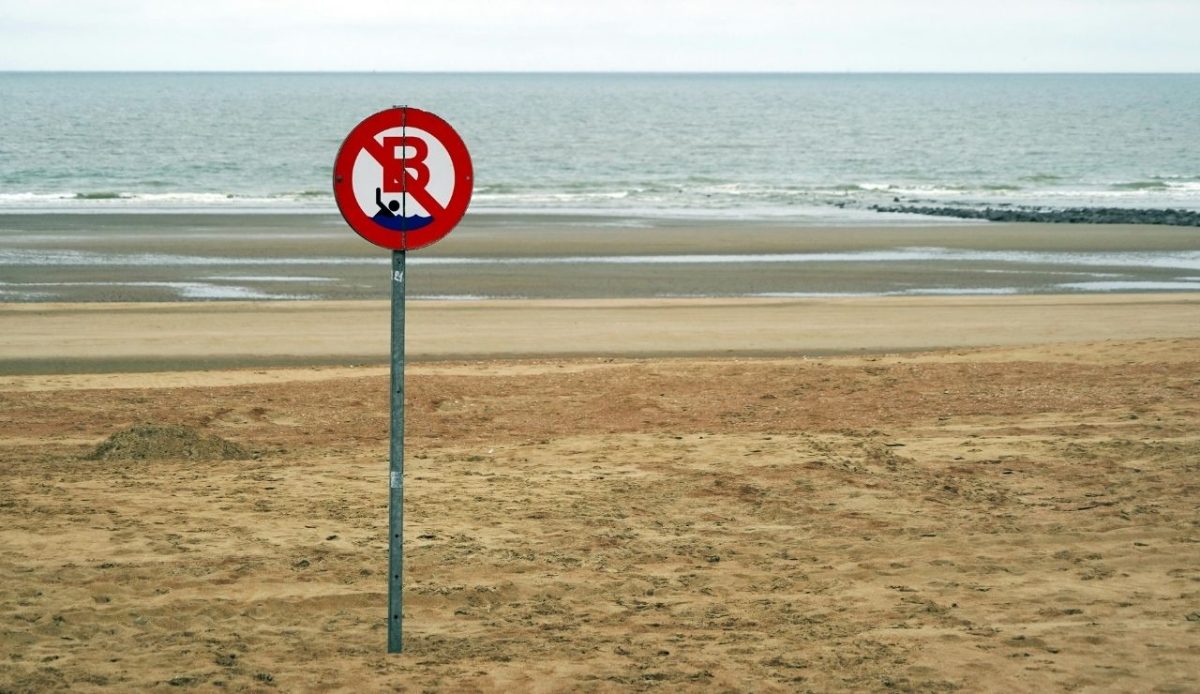
Rules posted at the entrance rarely stop everyone. Some believe they already know what they are doing, while others think they are careful enough to skip them. Lifeguards see the result every day: swimmers outside flags, glass bottles near the water, and unleashed pets running through crowds. The rules exist because each warning came from a real event, not from guesswork. Reading signs takes seconds and prevents hours of trouble. Beaches remain enjoyable when people share awareness. Respecting a few clear limits keeps everyone safe without reducing the freedom people come for.
8. Falling Asleep and Taking Over Shade

Napping under an umbrella feels peaceful until it blocks others who need the same relief. Limited shade often turns into private territory once someone drifts off. The sleeper stays unaware as families wait nearby for an opening. Setting alarms or sharing shaded areas makes a big difference on crowded afternoons. Coastal rangers encourage rotating between sun and shade to prevent conflict. A beach nap remains one of life’s simplest joys, but it becomes better when others can share the same comfort instead of watching from the heat.
9. Sneaking Pets Onto the Sand

Rules about animals exist for a reason, yet many owners bring pets to restricted beaches. Dogs handle heat poorly, and their paws burn faster than people realize. Some chase birds or wander too far while owners relax. Accidents happen when enthusiasm outweighs caution. Visiting designated pet beaches keeps everyone safe and comfortable. These areas provide shaded rest zones and clean water for animals. Sneaking pets into crowded spaces helps no one. Responsible planning lets pets enjoy the coast without risking fines or injury.
10. Staying Too Long After Sunset
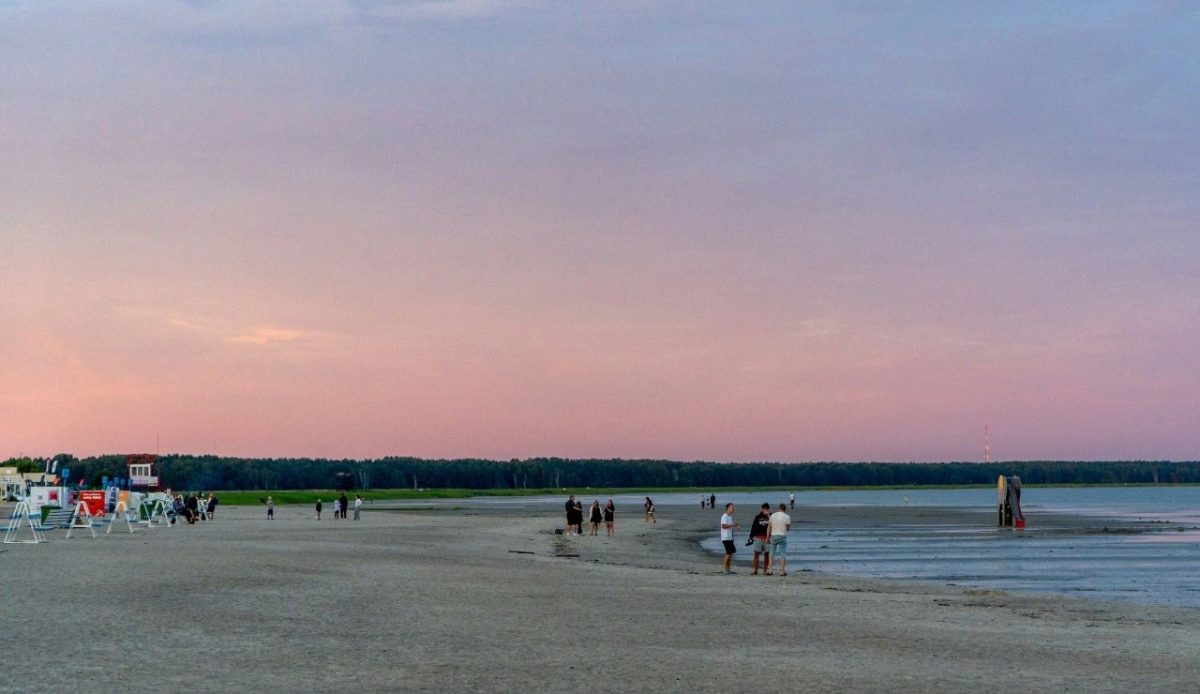
Evenings at the beach invite people to stay past closing time. The fading light, cooler air, and quiet waves feel too perfect to leave. What seems harmless, however, often interferes with cleanup crews and local wildlife returning to feed or nest. Sea turtles and shorebirds rely on dark beaches for survival. Leaving on time supports both nature and safety. Many coasts now post gentle reminders to guide visitors away gradually. Respecting the night helps protect the same beauty everyone comes to enjoy when daylight returns.
