
Seaweed surges are turning some famous shorelines into messy, slippery tide lines, especially during warmer months when blooms drift in on currents and wind. In the Atlantic, floating sargassum can arrive in rafts that pile up fast, changing water clarity and beach access.
When it decomposes, it can smell strong and attract insects, and cleanup can take time even in well-managed resort areas. Conditions also shift day to day: one bay can be clear while the next stretch is covered.
This list highlights places where seaweed influxes have been widely reported in recent seasons. Before you book, check local beach webcams and updates, and remember that choosing a sheltered coast or a different month can make a big difference.
1. Riviera Maya, Mexico
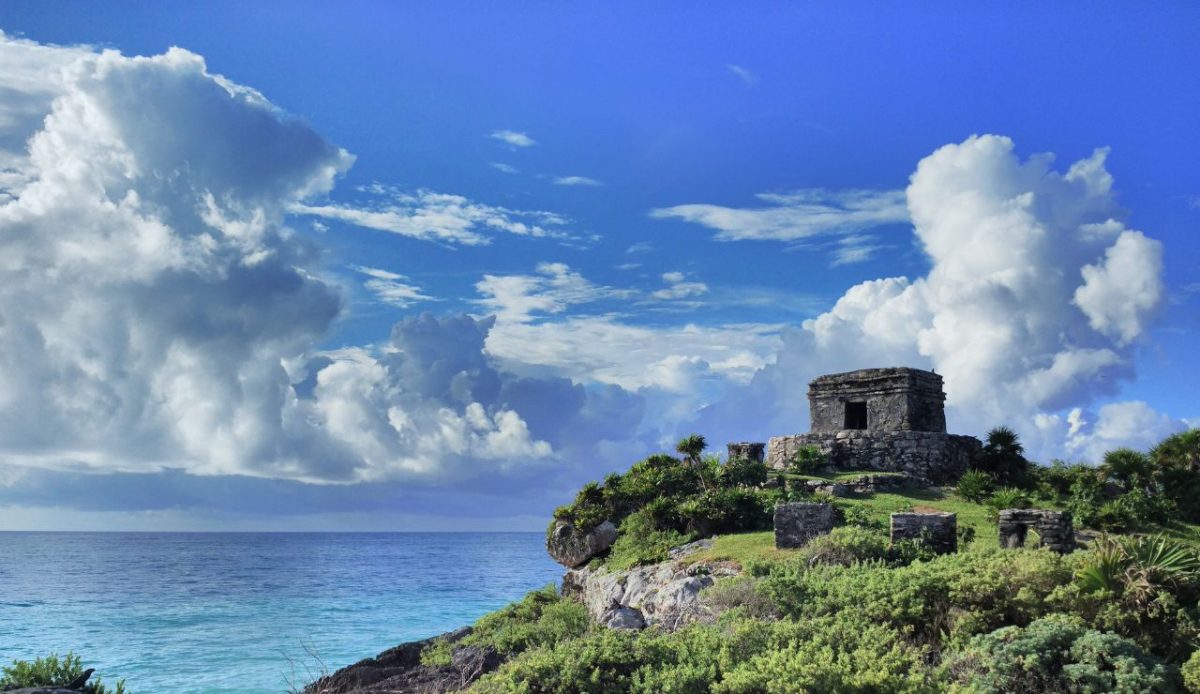
Mexico’s Riviera Maya sits in the main path of Atlantic sargassum, so heavy seasons can hit beaches from Cancún to Playa del Carmen and Tulum. Resorts deploy booms and crews, but a windy night can reload cleared sand by morning.
Seaweed often piles up on the most exposed, east-facing stretches, while marinas, coves, and areas shielded by islands may stay clearer for a time. Even then, the shallows can look murky near the surf.
Plan with flexibility: check beach cams close to arrival, and keep backups like cenotes, ruins, and inland excursions for days when the waterline is covered. Local agencies and hotels often share beach-condition updates, which helps you pick the cleanest stretch that day.
2. Punta Cana, Dominican Republic
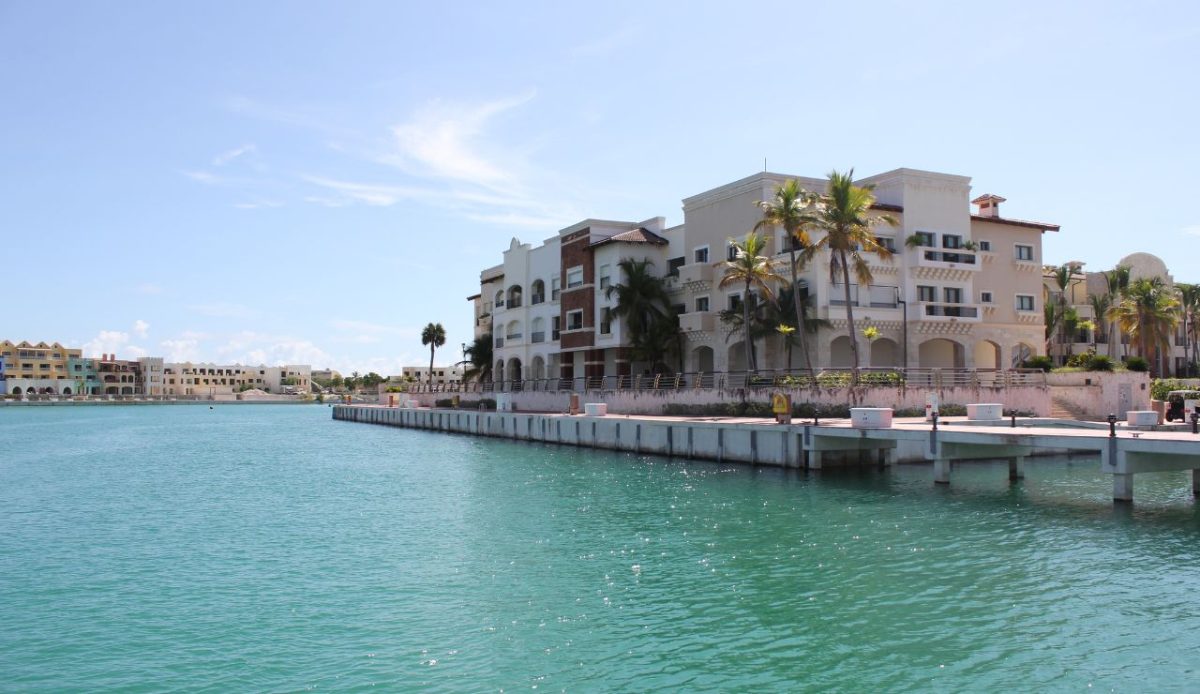
Punta Cana’s wide, open coastline can collect thick sargassum during peak months, with conditions changing fast when wind and surface currents shift. Some resorts rake and haul at dawn, but other stretches can stay affected for several days.
When mats reach the shore, they can narrow the swimmable zone and crowd the waterline, even if the rest of the beach looks fine. After storms, more floating pieces may drift through the shallows. Neighboring resorts can look totally different because reef lines and bay shapes change how seaweed collects.
For steadier beach time, travelers often avoid late spring and early summer, or choose properties with sheltered coves and consistent daily cleanup.
3. Eastern Puerto Rico
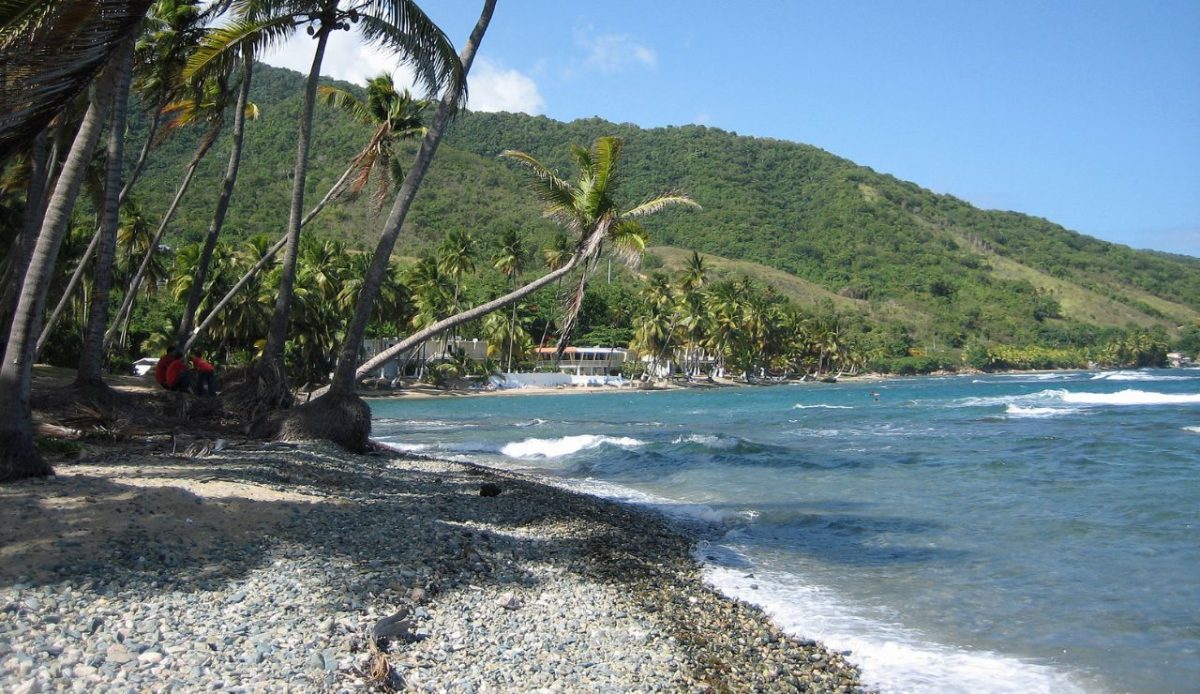
Eastern Puerto Rico often sits down-current from the Atlantic sargassum belt, so beaches near Luquillo, Fajardo, and nearby cays can see periodic landings. Local crews may clear access points, but smaller bays can trap seaweed longer. Vieques and Culebra can see similar arrivals, particularly on beaches facing the open Atlantic.
On heavier days, wrack lines can run for miles and turn the nearshore water brownish, while a nearby leeward beach stays clear. Odor issues are usually limited to areas where piles sit and decompose.
If you’re visiting for swimming or snorkeling, build in options: switch coasts when winds change, and use calmer windows for boat trips and reef time.
4. Guadeloupe
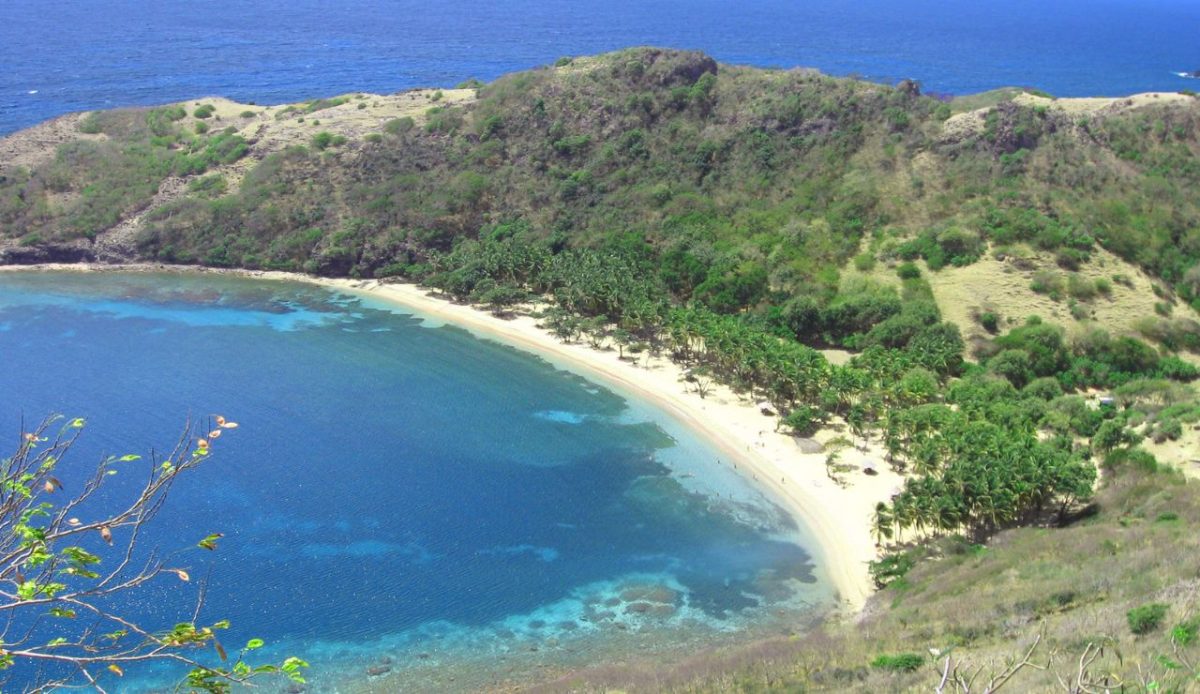
Guadeloupe has faced repeated sargassum strandings, and some communities report weeks where brown algae dominate parts of the shoreline. When piles build up, odors and beach closures can follow until removal catches up.
Because the islands have many small bays, exposure varies sharply by coast and by day. Windward beaches can load up quickly, while sheltered lagoons may look normal a short drive away. Storms can overwhelm offshore barriers, so a beach that was clear yesterday can be covered again after one rough tide.
Travelers do best with a flexible beach plan: check local notices, ask where barriers or booms are in place, and be ready to pivot to hikes or inland sights.
5. Martinique
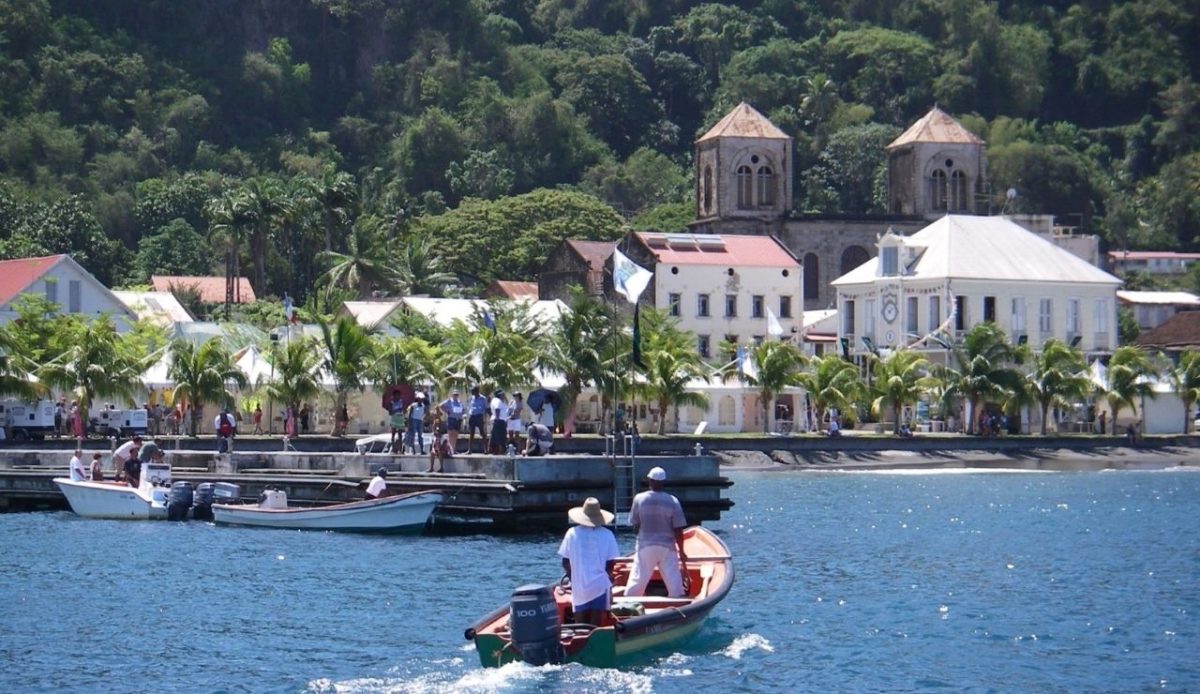
Martinique is regularly affected during major sargassum years, especially on Atlantic-facing shores where trade winds push floating rafts into bays. Even with daily removal, fresh arrivals can return after high surf.
Beyond beach conditions, decomposing seaweed can disrupt nearby roads and businesses when it sits in low-ventilation coastal pockets. That can influence where visitors choose to base themselves. Collection and hauling can add noise and truck traffic near the shore when cleanup is underway.
Many travelers reduce risk by staying on more sheltered coasts and treating beach time as a moving target, checking updates each morning before committing.
6. St. Maarten / Saint-Martin
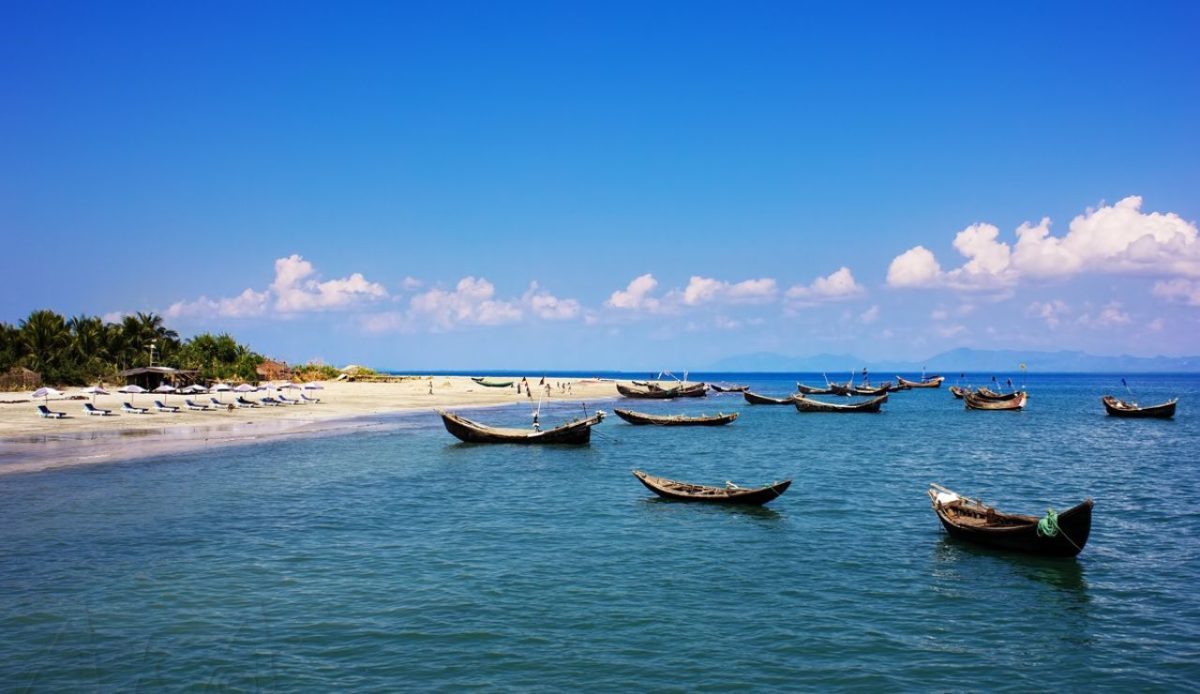
St. Maarten and Saint-Martin can see sudden sargassum swings, where a calm stretch is followed by wind-driven landings on exposed beaches. The island’s mix of Atlantic and Caribbean coasts means conditions can differ dramatically on the same day.
During heavier periods, seaweed can form dense bands in the shallows that make wading unpleasant, even if tractors have cleared the sand. Small coves may hold floating mats longer.
A practical approach is to stay somewhere with access to multiple beaches, so you can switch coasts quickly and keep your plans intact when one side turns messy. On many days, a short drive is enough to swap an impacted Atlantic beach for a calmer bay on the other side.
7. Barbados, Caribbean
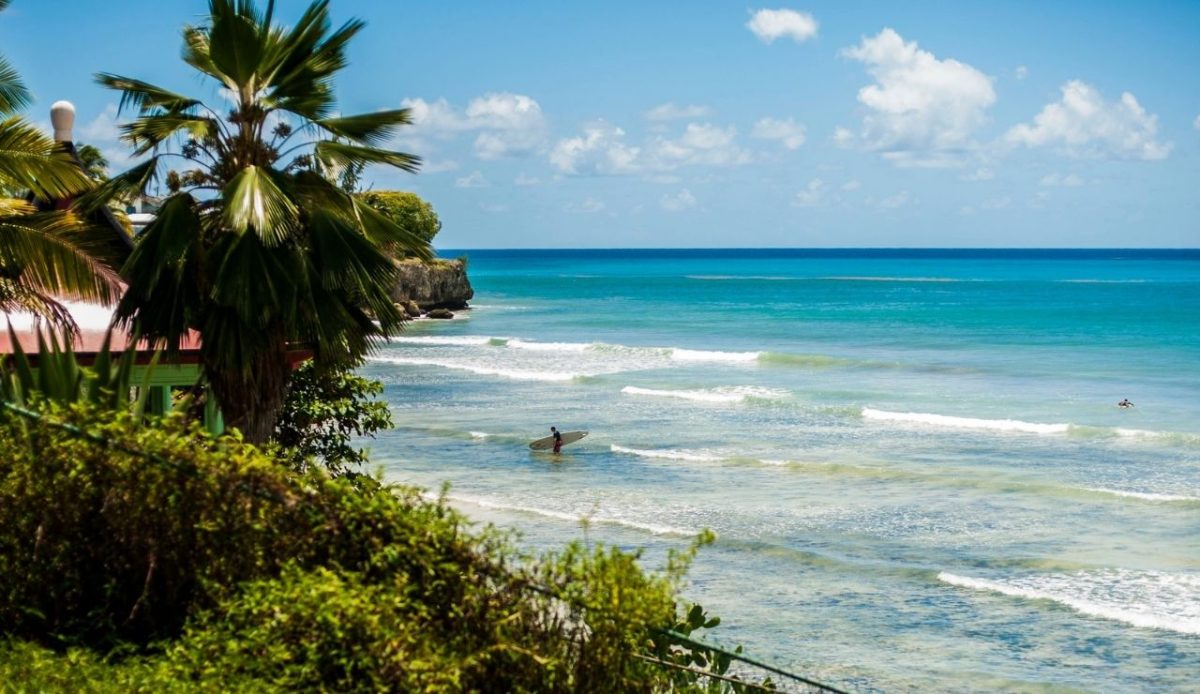
Barbados often sees the worst seaweed on its Atlantic side, where steady trade winds can push sargassum directly onto the shoreline. Some seasons bring repeated surges that affect swimming and the look of the surf zone.
The island’s geography helps: the calmer west coast is typically less exposed, while the east can receive thick piles after a windy spell. That contrast matters when you’re choosing beaches day to day.
Visitors who want more consistent water conditions usually plan activities on both coasts and watch local updates, since intensity can jump quickly in peak months. Hotels may post morning notices, but it’s still worth checking again later because wind shifts can change things quickly.
8. The Florida Keys
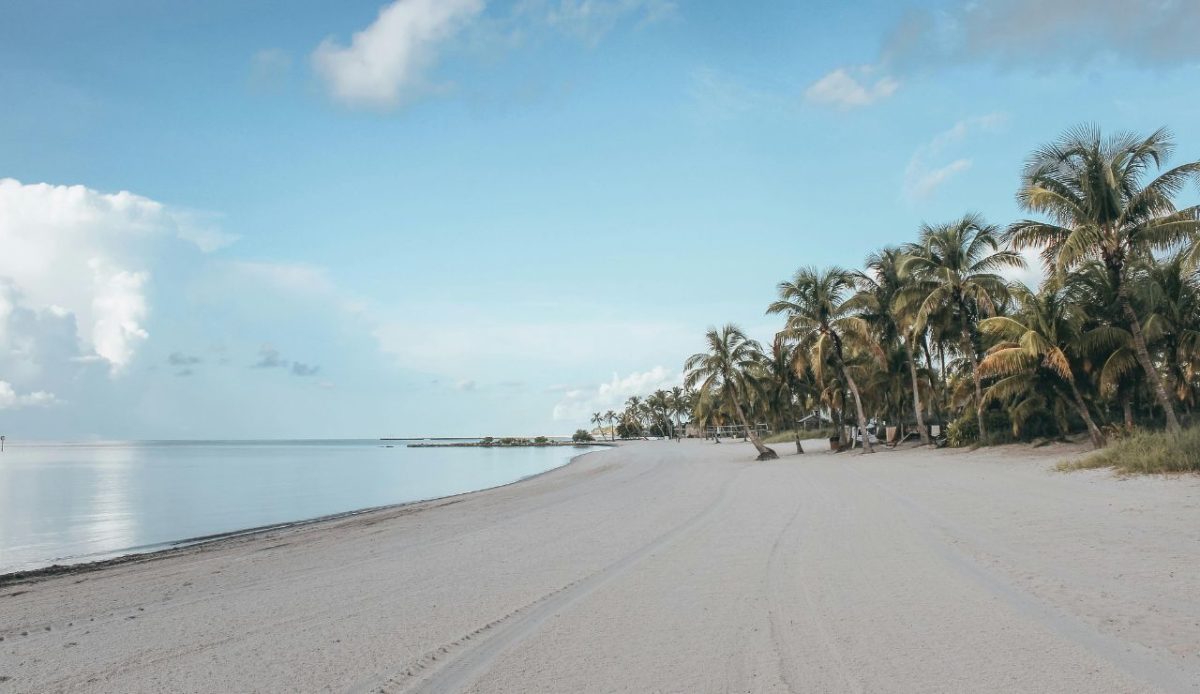
The Florida Keys can get sargassum in pulses, with floating lines pushed into marinas, canals, and shallow flats when winds turn onshore. Even offshore mats can become a shoreline problem overnight.
Local crews remove seaweed to keep access open and reduce odor, but heavy periods can outpace hauling and leave piles along popular stretches. Boaters and snorkelers may notice extra debris on the surface. When piles sit in heat, odor can become the main issue even if the beach is technically open.
If you’re traveling in warmer months, keep your schedule loose: pick activities that don’t rely on a single beach, and check conditions island by island before you go.
9. South Padre Island, Texas, USA
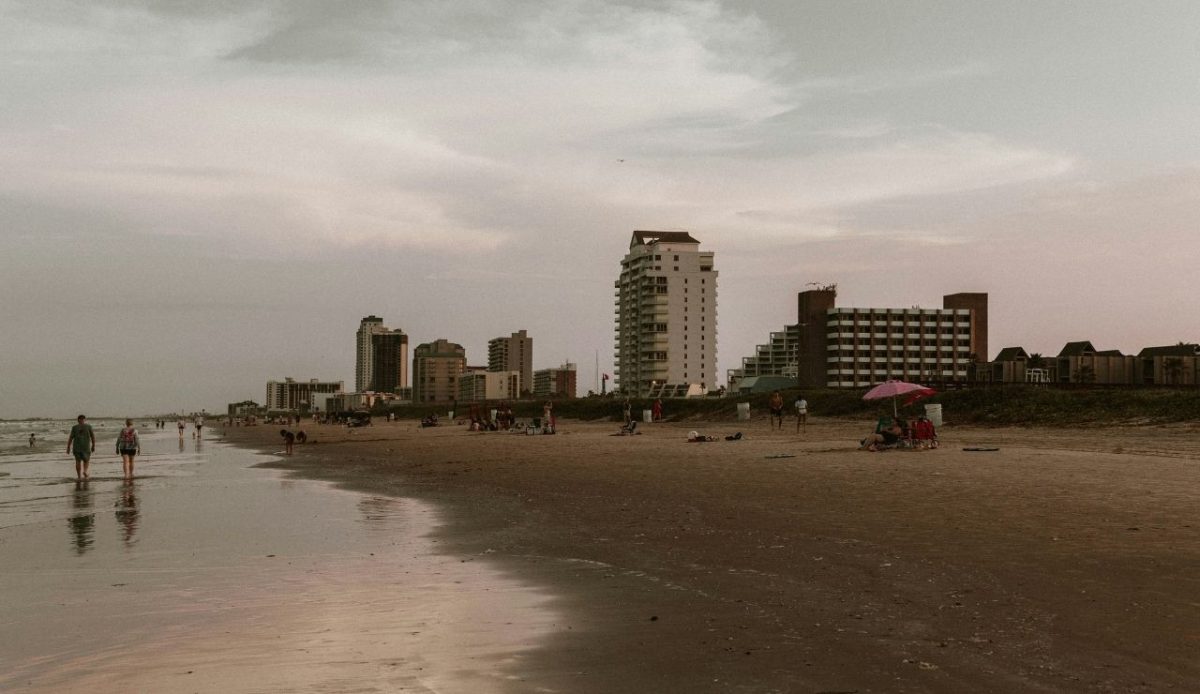
South Padre Island and nearby Texas Gulf beaches have seen notable sargassum landings, sometimes forming thick, smelly lines along the sand. Because the coastline is long and open, wind and swell can spread seaweed across wide areas.
Excess buildup can interfere with swimming and beach driving, and it can attract flies as it breaks down. Cleanup may focus on the busiest public access points, while dune and nesting areas are handled more cautiously. In heavy weeks, the wrack line can be ankle-high along long stretches, especially after a stormy night.
Before you head out, check recent photos and park updates, and consider timing your visit for calmer onshore winds to lower the odds of a big overnight arrival.
10. Qingdao, China
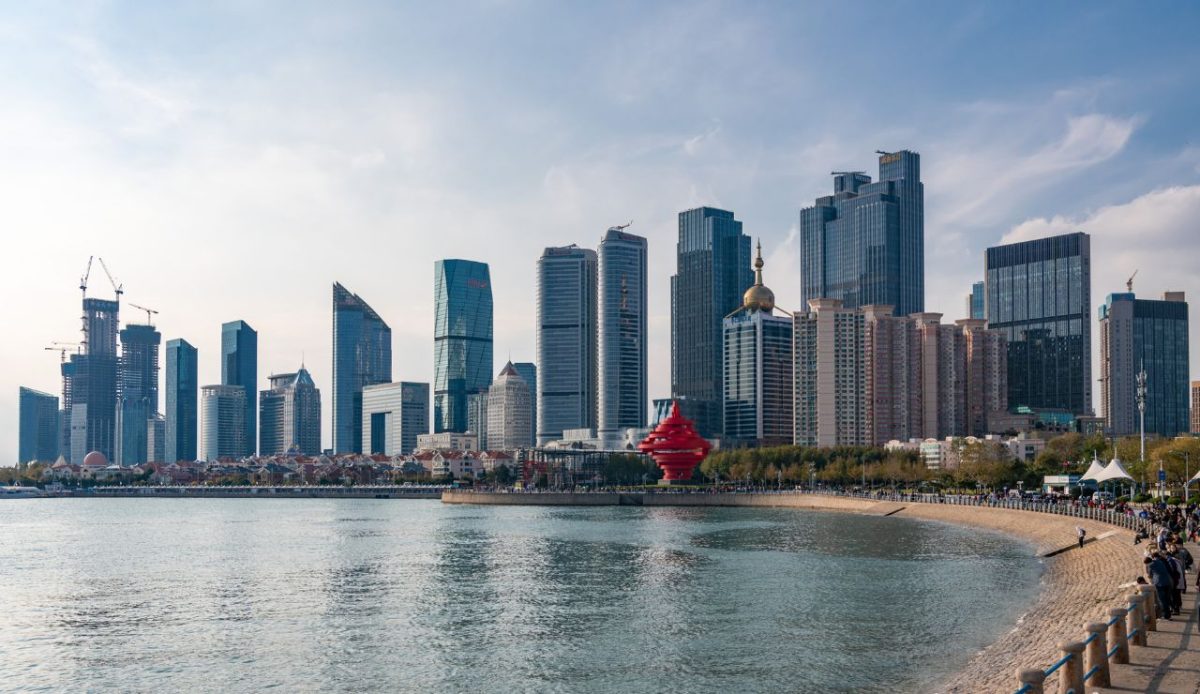
Qingdao’s Yellow Sea beaches are known for recurring “green tides,” when floating algae spreads across the surface and washes ashore in thick mats. Authorities often mobilize large cleanup teams, but coverage can still be extensive. The bloom can spread offshore first, so shore impacts may feel sudden once winds and currents push it landward.
At peak, the waterline can turn into a green carpet that affects swimming, boating, and waterfront scenery. Even when crews clear sand, fragments can continue drifting in until offshore conditions ease.
For travelers, timing is everything: blooms are seasonal, so checking local reports before summer trips can help you choose dates with clearer water and more typical beach days.
