
Long conflicts leave more than dates in textbooks. They can set borders, redraw cities, and influence how families talk about the past. Travelers who visit well-documented sites can connect present-day streets to decisions made over years of fighting, occupation, or civil unrest. The destinations below were chosen because they offer structured learning through museums, preserved infrastructure, and regulated access, not because they promise drama. Plan time for context, follow local rules, and treat memorial spaces with care so history is understood accurately. Guides and exhibits can clarify what maps often hide.
1. Panmunjom Joint Security Area, Korean DMZ, South Korea
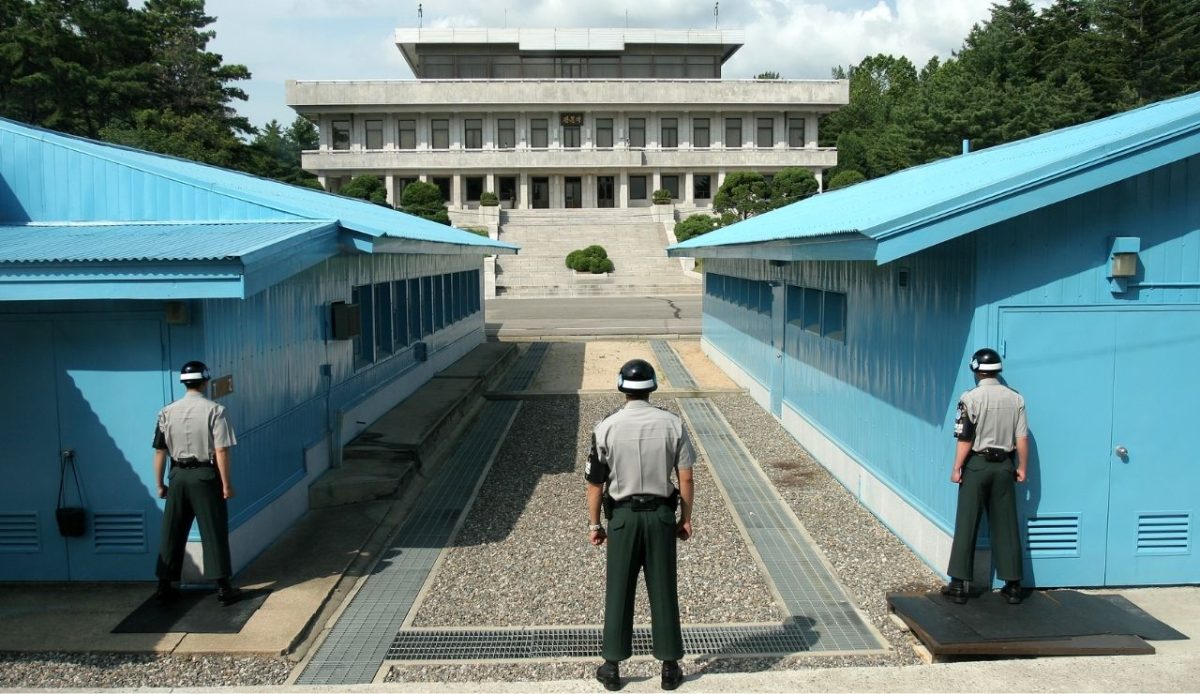
Panmunjom is visited within the Demilitarized Zone created by the 1953 armistice that paused the Korean War without a peace treaty. Tour programs explain how the Military Armistice Commission operated, why incidents kept tensions high, and how talks were staged inside the Joint Security Area buildings. Observation points and briefings help visitors understand the rules that govern crossings, loudspeaker disputes, and restricted construction. The lesson is that a ceasefire can harden into a lasting division with ongoing security costs. Entry requires screening and strict conduct, reinforcing the unresolved status.
2. Attari Wagah Border, India and Pakistan
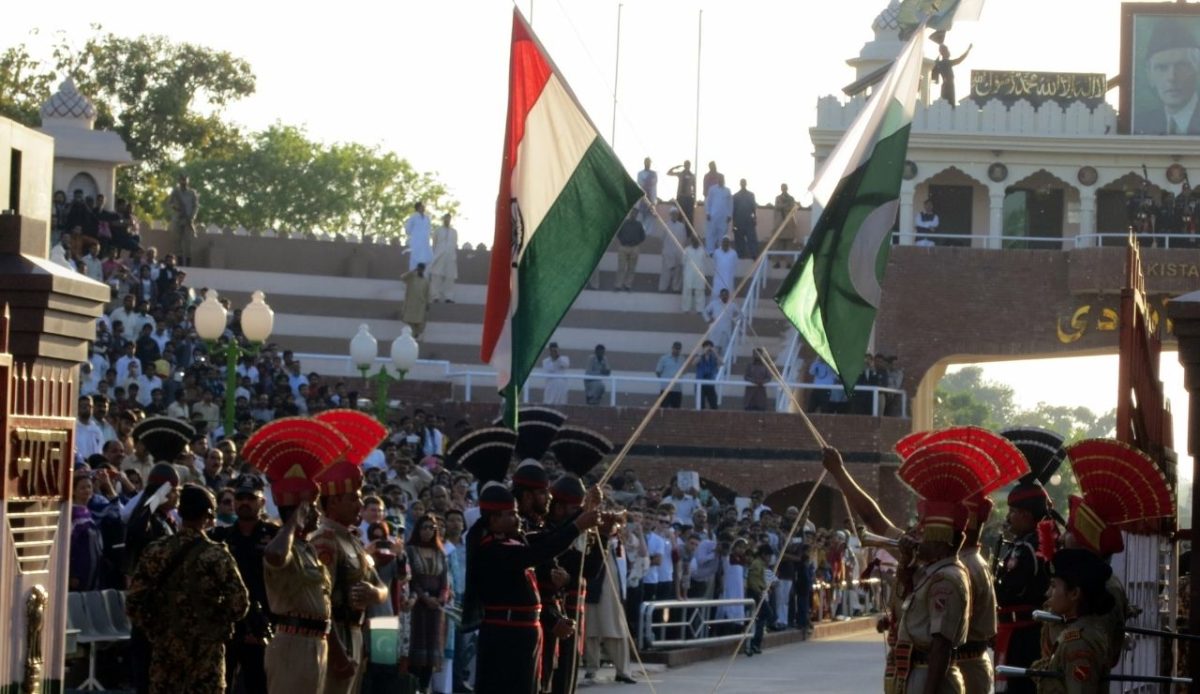
At Attari Wagah, the daily ceremony draws crowds, yet the border also reflects decades of rivalry rooted in the 1947 Partition and later wars. Visitors see how a practical crossing became a stage for national identity, with security barriers, controlled gates, and heavy staffing. Local guides often discuss periods when travel and trade were limited, including closures during crises and tighter visa rules. The site helps explain how separation, displaced families, and contested claims still affect policy on both sides. Even the format of the ritual has shifted at times when tensions rose. Crowd control is constant.
3. Partition Museum, Amritsar, India
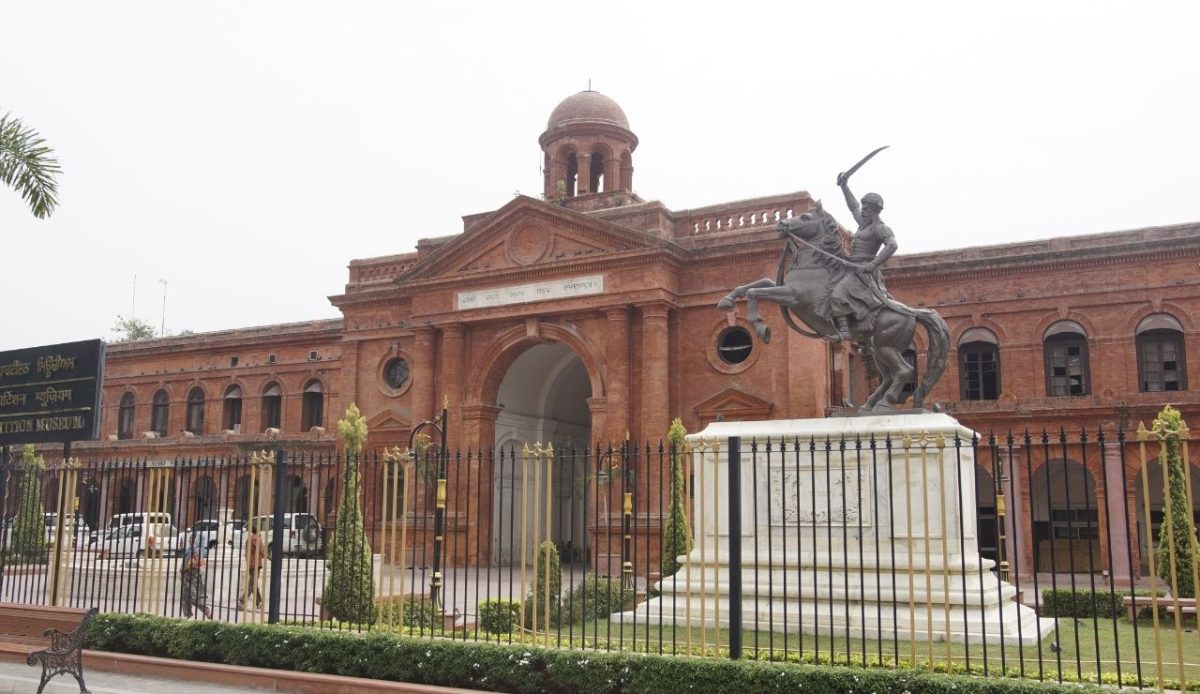
The Partition Museum in Amritsar documents the 1947 partition of British India and the mass migration that followed, with millions displaced across new borders. Displays use oral histories, letters, and everyday objects to show how trains, camps, and rushed paperwork changed lives for years. Rather than focusing on battlefield accounts, galleries connect trauma to long-term politics, property disputes, and community rebuilding. Visitors leave with a clearer context for why India-Pakistan relations remain sensitive generations later. Its exhibits also highlight how memory work supports reconciliation efforts.
4. Cu Chi Tunnels, Ho Chi Minh City Area, Vietnam
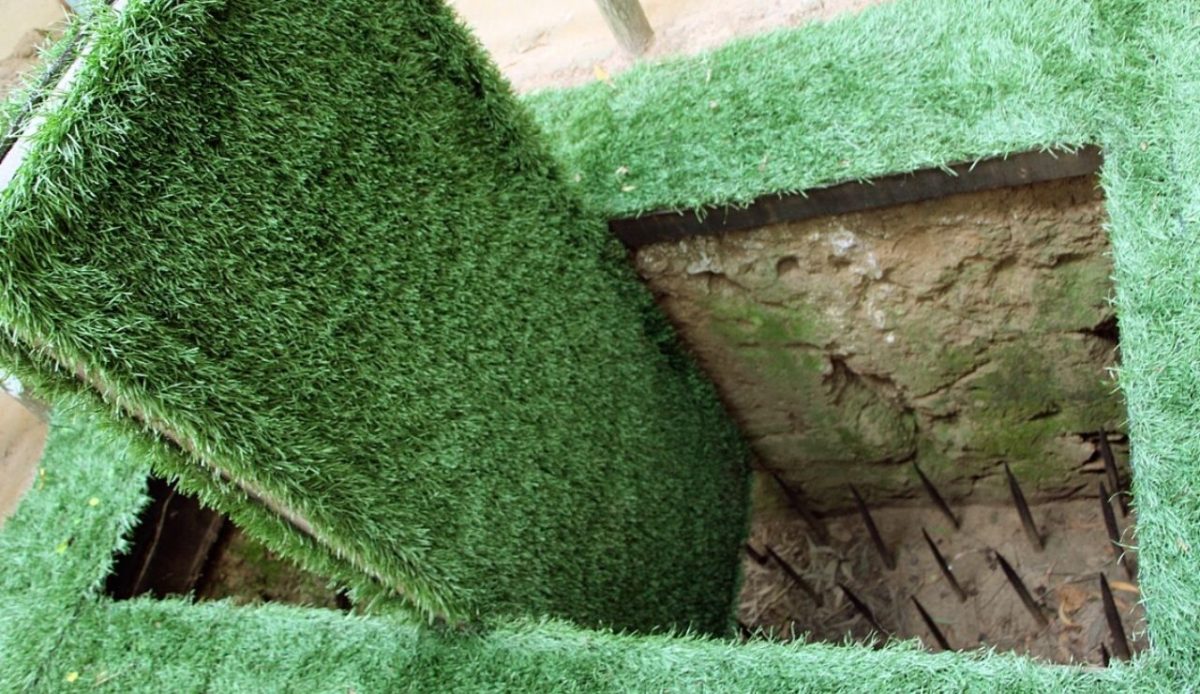
The Cu Chi tunnels near Ho Chi Minh City grew over long periods of conflict, first during anti-colonial fighting and later during the Vietnam War. Guided routes explain how ventilation, trapdoors, kitchens, and hidden meeting rooms supported extended survival underground. Interpretive panels cover supply movement, improvised medicine, and the limits civilians faced when villages were targeted repeatedly. By walking short sections, visitors grasp how prolonged pressure can reorganize housing, farming, and communication for entire districts. Some passages were widened for access, which guides usually note during briefings.
5. Vinh Moc Tunnels, Quang Tri Province, Vietnam
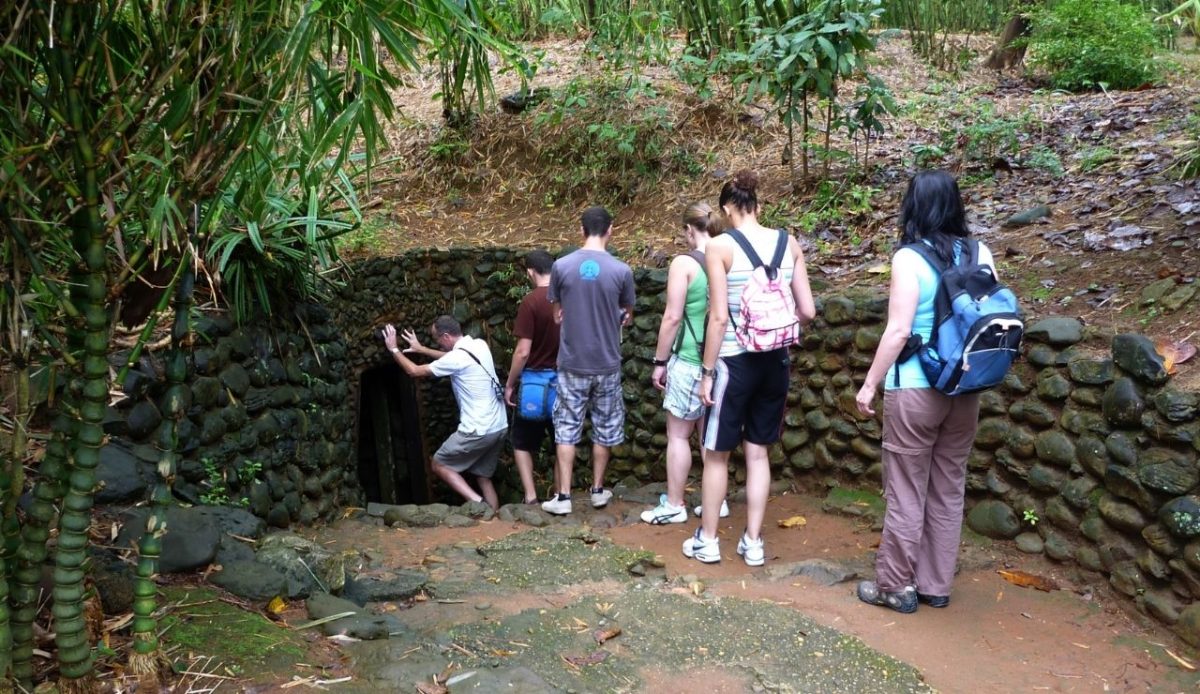
Vinh Moc in Quang Tri Province was carved as an underground village during the years of bombing near the former demarcation line. Visitors descend through multiple levels where families lived, studied, and met while raids continued above. Guides describe how wells were dug, air shafts were maintained, and food was rationed to sustain months underground. The site highlights civilian adaptation during a long air campaign and helps explain why postwar recovery in the region took decades. Rooms are small by design, and the layout shows how community life was preserved under constraint. Nearby memorial markers add dates and names for context.
6. Tuol Sleng Genocide Museum, Phnom Penh, Cambodia
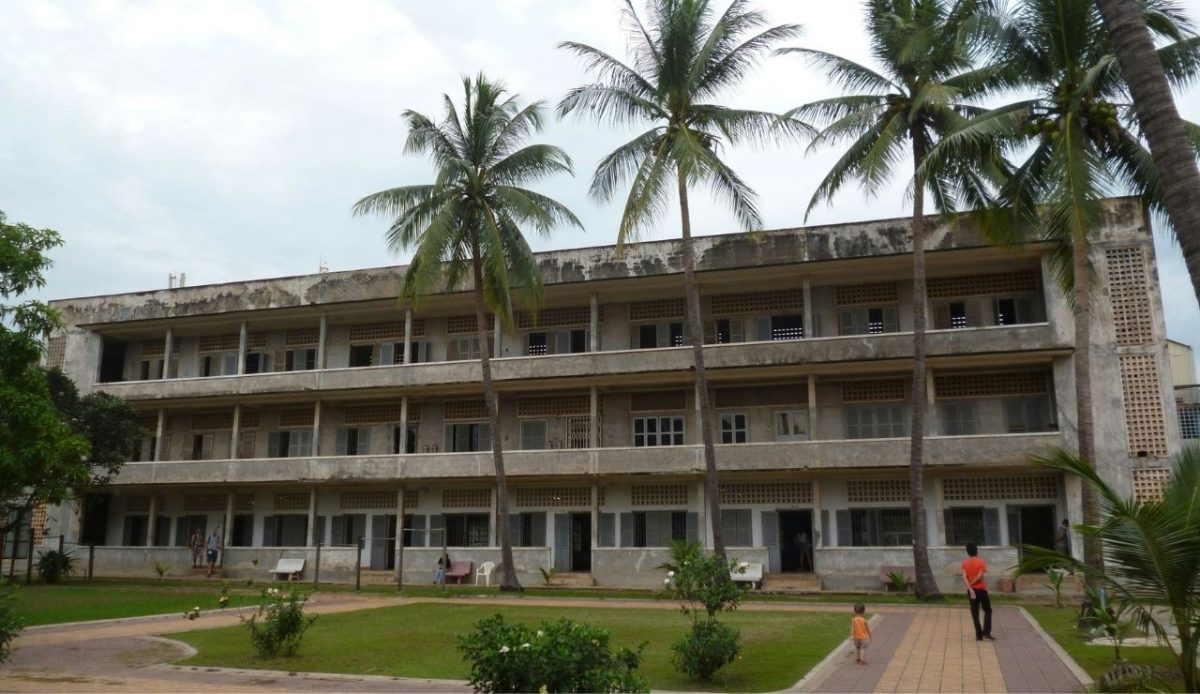
Tuol Sleng in Phnom Penh was a school converted into the S-21 security prison during the Khmer Rouge period from 1975 to 1979. The museum preserves cells, interrogation rooms, and photographic records that reveal how repression functioned over years, not days. Explanatory text connects forced confessions to wider purges and to the social damage that persisted after the regime fell. Visitors learn why justice efforts, documentation, and survivor support became long-term projects in Cambodia. Many travelers pair the visit with other memorial sites, which helps place the prison within a larger system of violence and control.
7. Beit Beirut, Beirut, Lebanon
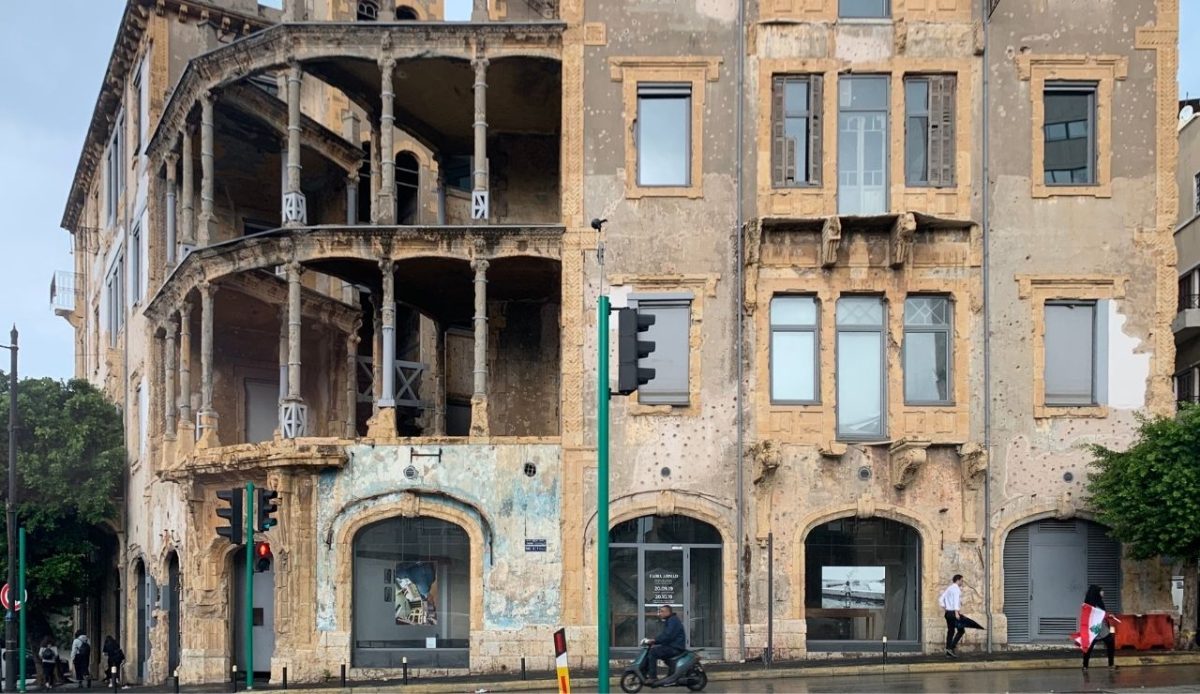
Beit Beirut occupies the restored Barakat Building on the former Green Line that divided Beirut during the Lebanese Civil War from 1975 to 1990. Exhibitions use maps, photos, and testimony to explain how snipers, checkpoints, and shifting front lines restricted movement for years. Sections of damage were kept visible so visitors can see how the architecture recorded conflict without adding spectacle. The museum links wartime division to later reconstruction debates, displacement patterns, and efforts to build a shared civic history. Public programming often includes talks that place the building within broader urban memory work.
8. Jaffna Fort, Jaffna, Sri Lanka
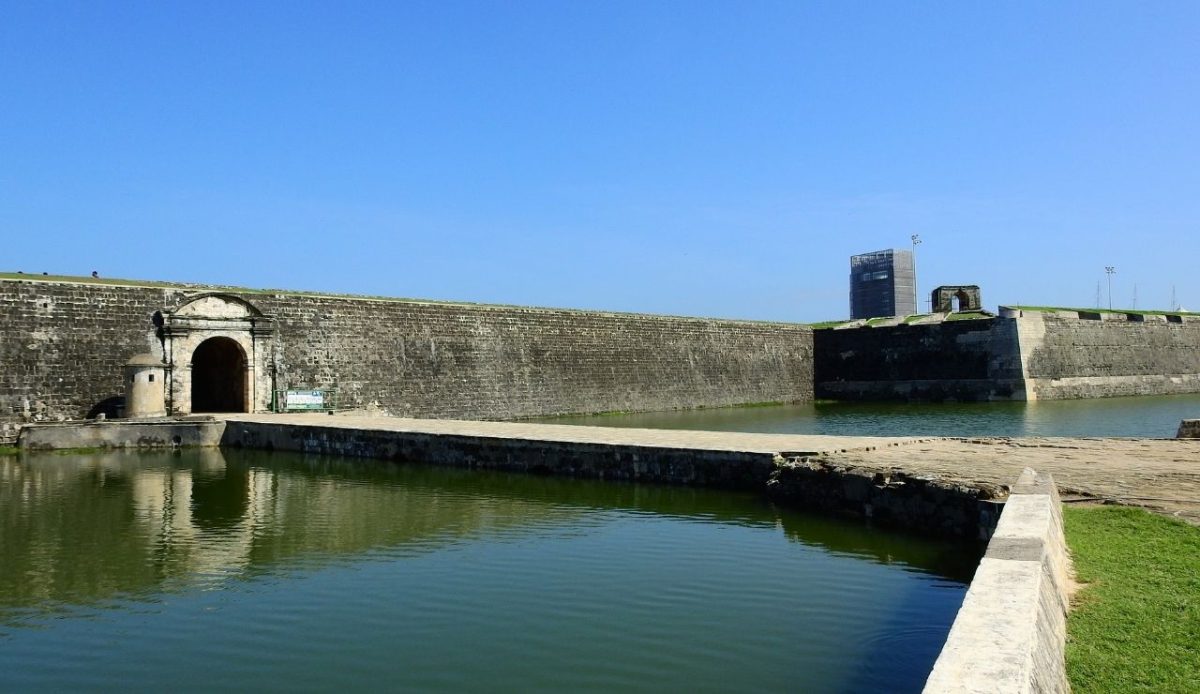
Jaffna Fort is known for its colonial layers, yet its modern relevance comes from the Sri Lankan Civil War, when the site became a strategic base and suffered damage. Visitors can learn how control of the peninsula shifted, why access was restricted, and how civilian life was disrupted by militarization. Restoration work and interpretive signs show the challenges of preserving heritage after long conflict, including mine clearance and rebuilding services. The visit connects history, security, and recovery in the island’s north. Nearby sites and local guides add detail on displacement and return over many years.
9. Timorese Resistance Archive and Museum, Dili, Timor Leste
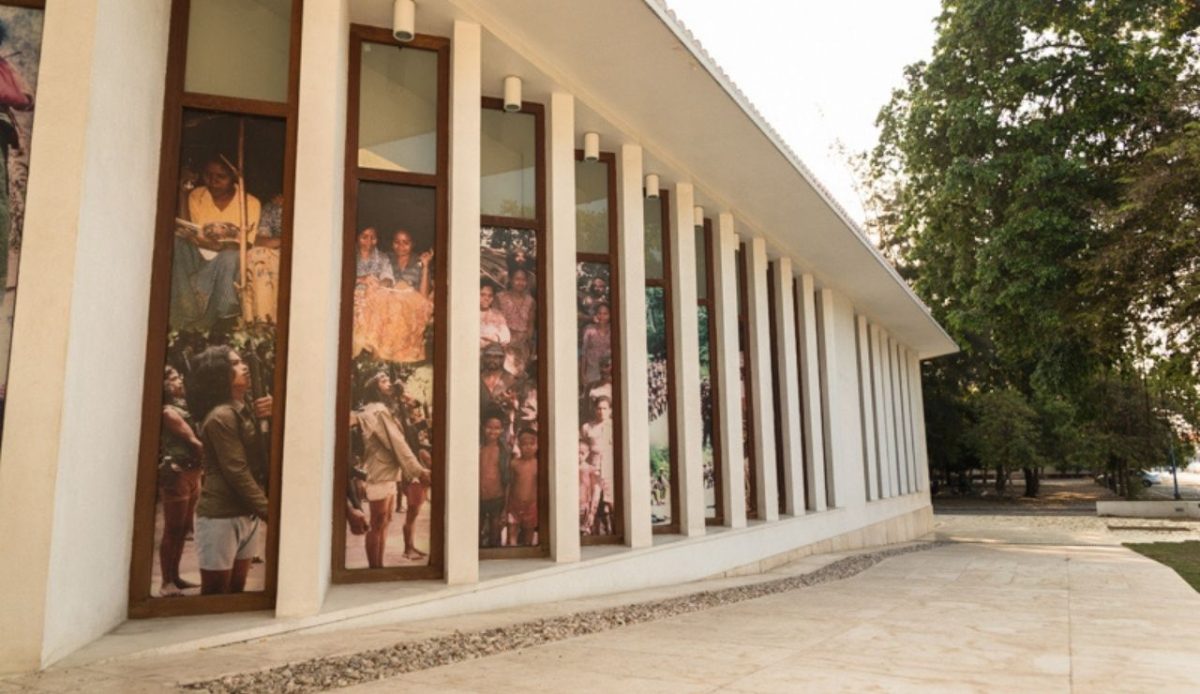
The Timorese Resistance Archive and Museum in Dili focuses on the occupation period from 1975 to 2002 and the long fight for independence. Exhibits cover armed resistance, underground networks, diplomatic advocacy, and the daily risks faced by civilians over decades. Documents and multimedia displays explain how international attention grew, how referendums were organized, and why post conflict institution building remained difficult. Travelers gain a grounded view of how a small nation formed its identity through sustained struggle. Naming practices, memorial days, and archival work are explained in plain terms.
10. Memorial Hall of the Victims in the Nanjing Massacre, Nanjing, China
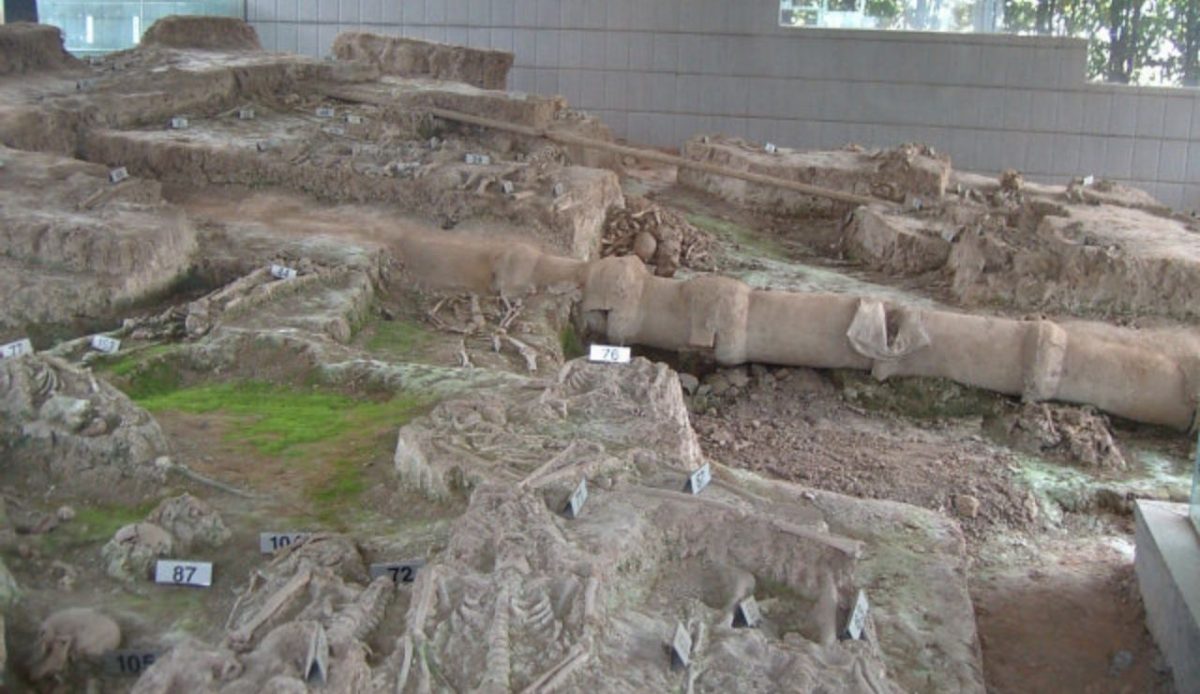
Nanjing’s Memorial Hall places the 1937 massacre within the wider Second Sino-Japanese War, helping visitors understand years of occupation, resistance, and civilian hardship. Galleries use documents, survivor accounts, and curated artifacts to show how violence affected families and governance across an extended war. Interpretation also addresses how remembrance has been organized, including education programs and commemorations that influence public identity. The visit supports a broader view of how long interstate conflict can leave lasting diplomatic friction in East Asia. Quiet conduct is expected throughout.
