
Antarctica is one of the last frontiers of untouched wilderness on Earth, attracting adventurous travelers with its stark beauty, extreme conditions, and profound sense of isolation.
Visiting requires careful preparation, from understanding unpredictable weather to following strict environmental rules. First-time travelers often underestimate logistical challenges, including limited transport options and remote accommodations.
This guide covers essential facts to ensure a safe, unforgettable trip. From icy landscapes to unique wildlife, extreme light cycles, and specialized travel requirements, these insights fully prepare newcomers for the reality of exploring the southernmost continent.
1. Extreme Weather Conditions
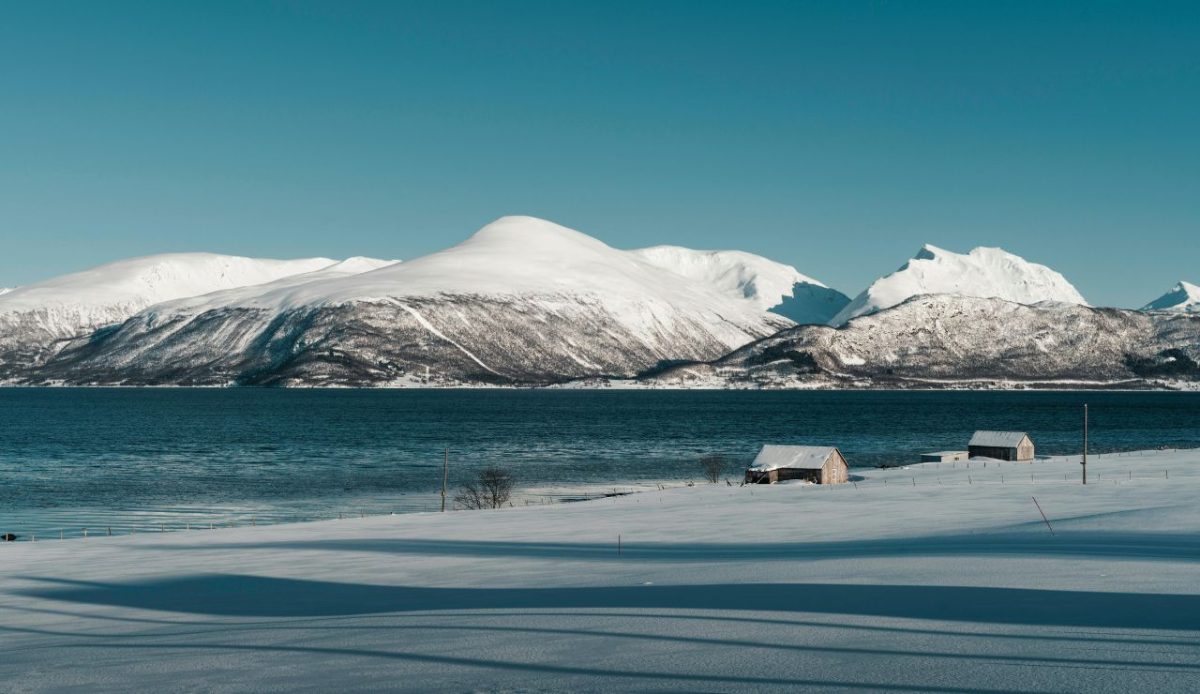
Antarctica is the coldest, windiest, and driest continent, with temperatures ranging from −20°C in summer to −60°C in winter in inland areas, making preparation essential.
Sudden storms, high winds, and blizzards can strike even during the “mild” summer months, requiring layered, specialized clothing and careful planning. Proper gear is critical to protect against frostbite, dehydration, and exhaustion.
Understanding extreme weather is crucial for both safety and enjoyment. Planning around daily forecasts, knowing evacuation routes, and avoiding exposed areas during storms ensures visitors can experience Antarctica’s awe-inspiring beauty safely.
2. Limited Accessibility
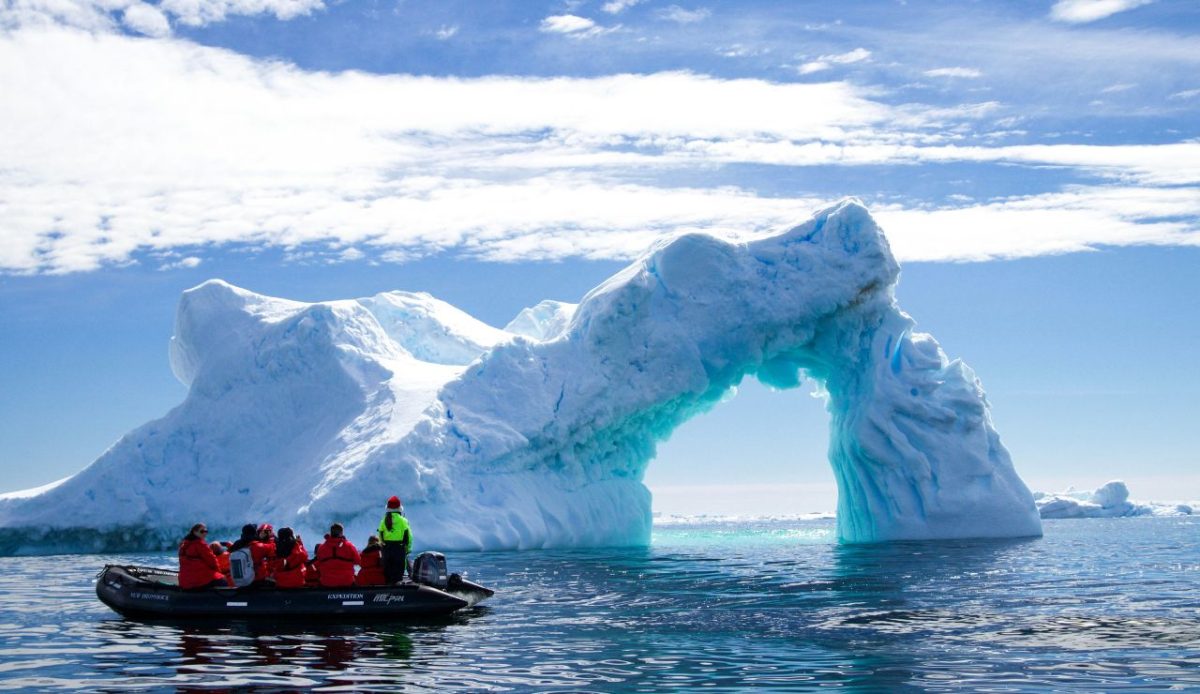
Reaching Antarctica typically involves long flights to southern South America followed by multi-day ship cruises or small aircraft transfers to research stations, often delayed by ice conditions.
Harsh seas, floating ice, and unpredictable weather can reroute or postpone trips, requiring flexibility and patience. Many travelers rely on certified tour operators for safe passage and advice on local conditions.
Visitors must accept that access is limited and seasonal. Despite these challenges, the journey itself becomes part of the adventure, highlighting the remoteness, untouched wilderness, and pristine beauty of the continent.
3. Strict Environmental Regulations
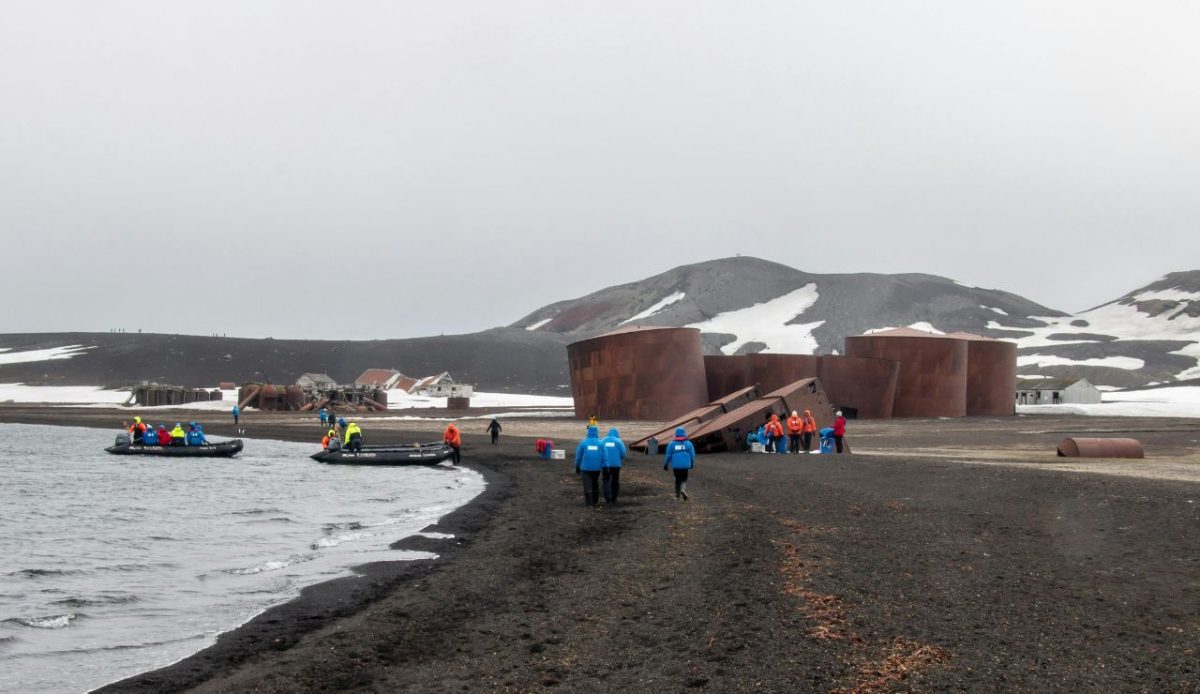
Antarctica is governed by the Antarctic Treaty System, enforcing strict rules to protect its fragile ecosystem and delicate wildlife from human impact.
Visitors must follow guidelines on waste disposal, wildlife interactions, and restricted access zones. Non-compliance can lead to fines, sanctions, or bans from future trips, reflecting the continent’s ecological importance.
Respecting environmental regulations ensures rare species, including penguins and seals, continue to thrive. First-timers quickly realize that responsible and sustainable travel is essential to preserving Antarctica’s pristine landscapes for generations.
4. Unique Wildlife Encounters
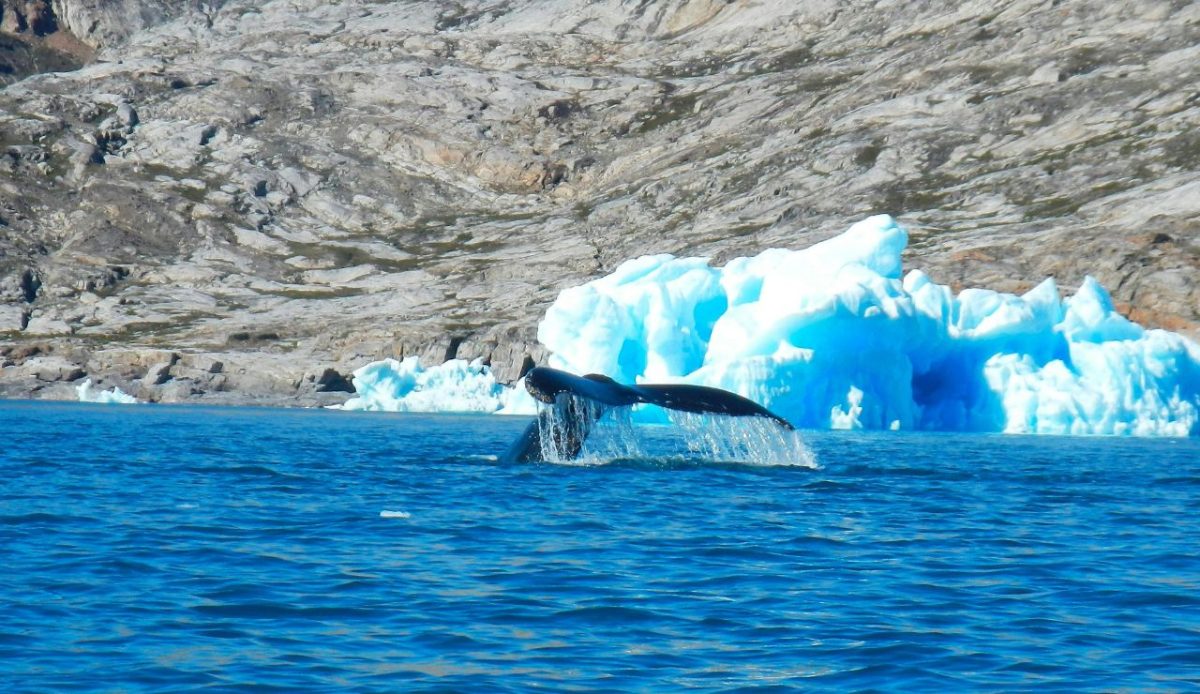
Antarctica offers rare opportunities to observe species like emperor penguins, leopard seals, and wandering albatrosses in their natural habitat, often in extraordinary settings.
Birds and marine mammals are highly adapted to extreme conditions, and encounters are usually fleeting or seasonal. Patience, quiet observation, and binoculars significantly increase the chances of witnessing rare behaviors.
Wildlife watching here is unforgettable. Understanding animal behavior and maintaining respectful distances ensures that visitors can witness these rare species safely while preserving their natural routines and habitats.
5. Icy Landscapes and Glaciers
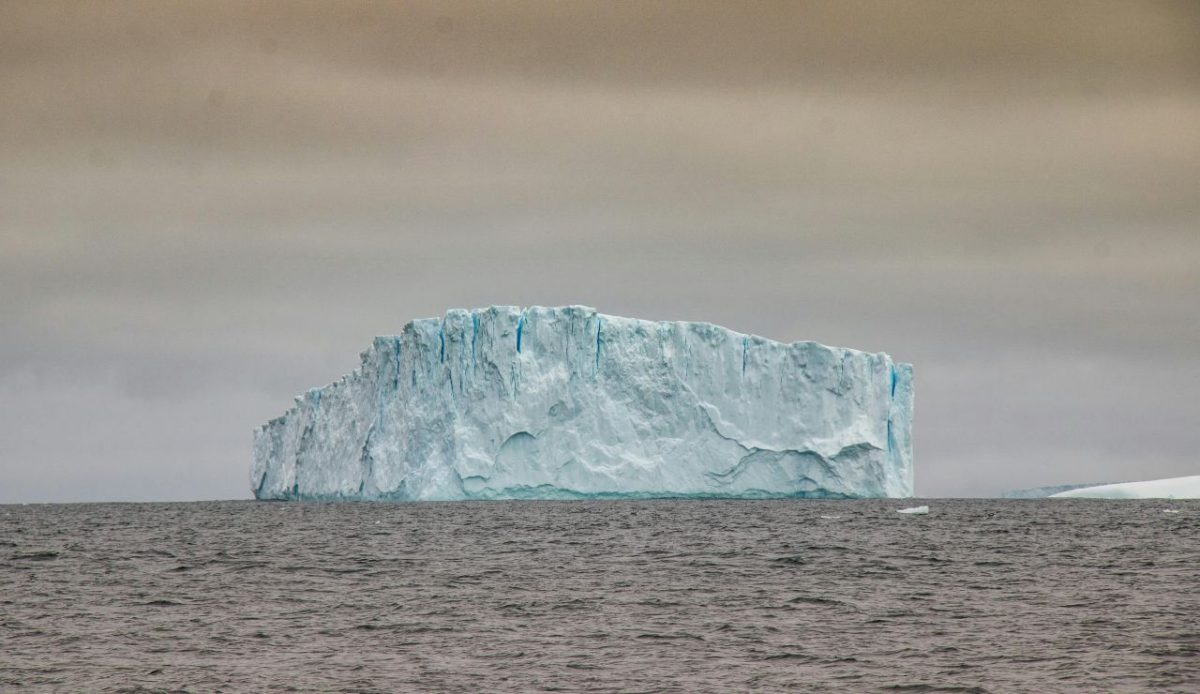
The continent’s iconic scenery includes massive glaciers, icebergs, and vast snowfields that stretch to the horizon, creating an ever-changing frozen wonderland.
Travelers should exercise caution when exploring ice fields or walking on glaciers. Guided tours and equipment like crampons, ice axes, and warm protective clothing are essential for safe navigation. Sudden crevasses or slippery surfaces make preparation a priority.
The icy beauty of Antarctica leaves a lasting impression. Observing these natural wonders emphasizes the raw power and fragility of the environment, making careful planning essential for first-time visitors seeking unforgettable photo opportunities and personal adventure.
6. Seasonal Daylight Differences

Antarctica experiences extreme variations in daylight, with 24-hour daylight during summer and total darkness in winter at some locations, affecting visibility and wildlife activity.
This affects daily activities, wildlife behavior, and photography opportunities. Travelers need to plan schedules accordingly, wear sunglasses for glare protection, and avoid disorientation during continuous daylight or darkness.
Understanding seasonal light patterns helps visitors make the most of excursions. Experiencing a midnight sun or long sunsets adds a surreal dimension to Antarctic exploration, enhancing once-in-a-lifetime adventure memories and the dramatic contrast of the icy landscape.
7. Limited Human Presence
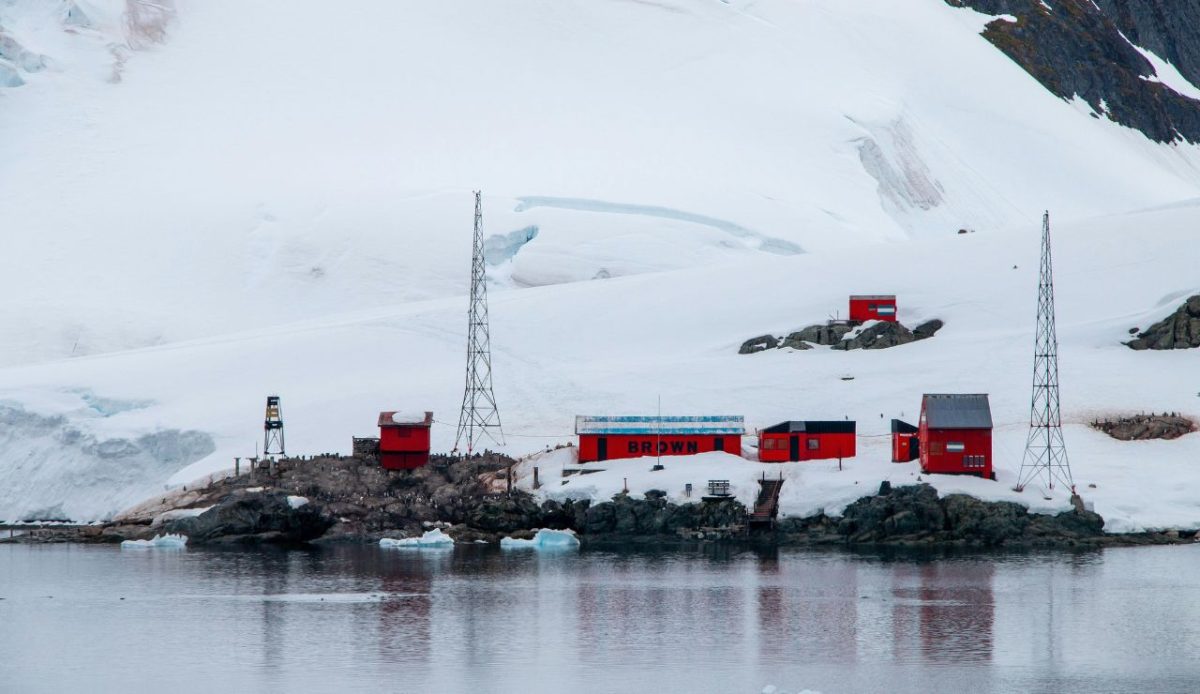
Few permanent residents exist in Antarctica; most people are scientists or support staff at research stations. Tourism occurs primarily in summer months, creating a sense of isolation and untouched wilderness.
Facilities are basic, and travelers must adapt to shared accommodations, strict schedules, and minimal amenities. Access to medical or emergency services is extremely limited, making preparation crucial.
This remoteness offers unparalleled adventure. Experiencing one of the most pristine places on Earth underscores why careful planning, patience, and respect for the environment are essential for first-time visitors.
8. Cost of Travel
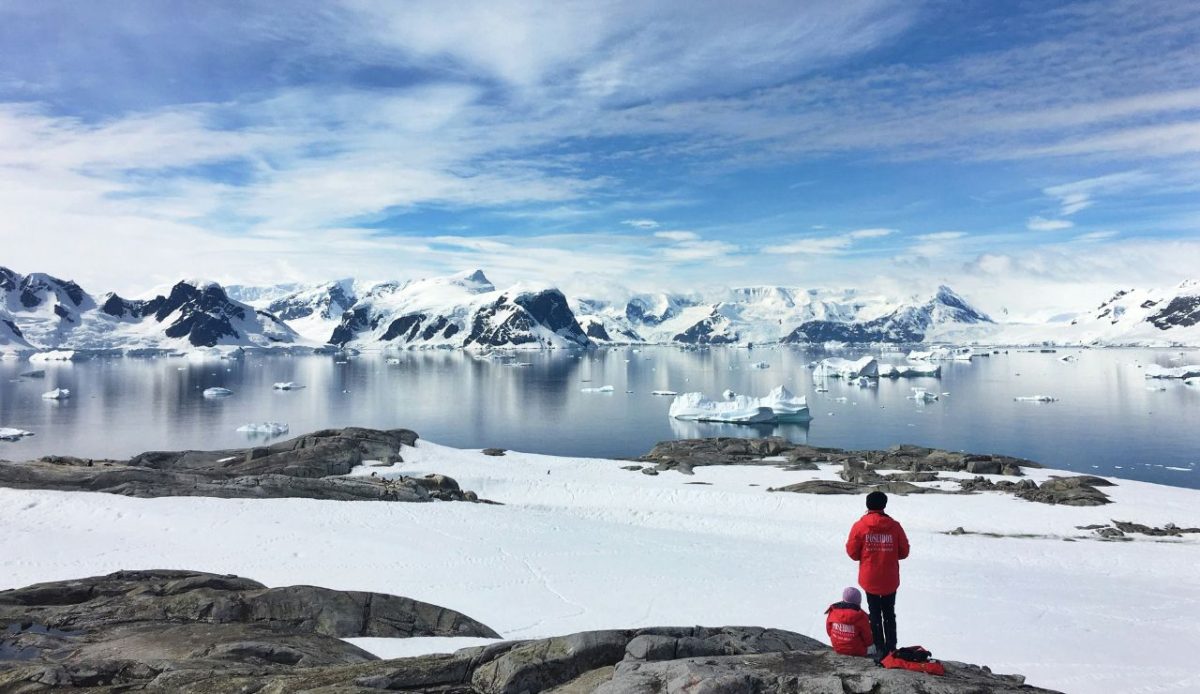
Trips to Antarctica are expensive due to long-distance logistics, specialized transport, environmental regulations, and required equipment. Cruises, gear rental, and insurance can cost thousands of dollars per person.
The cost reflects the difficulty of accessing a remote and extreme environment, as well as efforts to protect delicate ecosystems. Budgeting, early planning, and realistic expectations are essential for a successful visit.
Understanding the financial commitment prepares first-timers for the journey. This investment ensures a safe, guided, and environmentally responsible experience, making the trip both rewarding and unforgettable.
9. Health and Safety Precautions
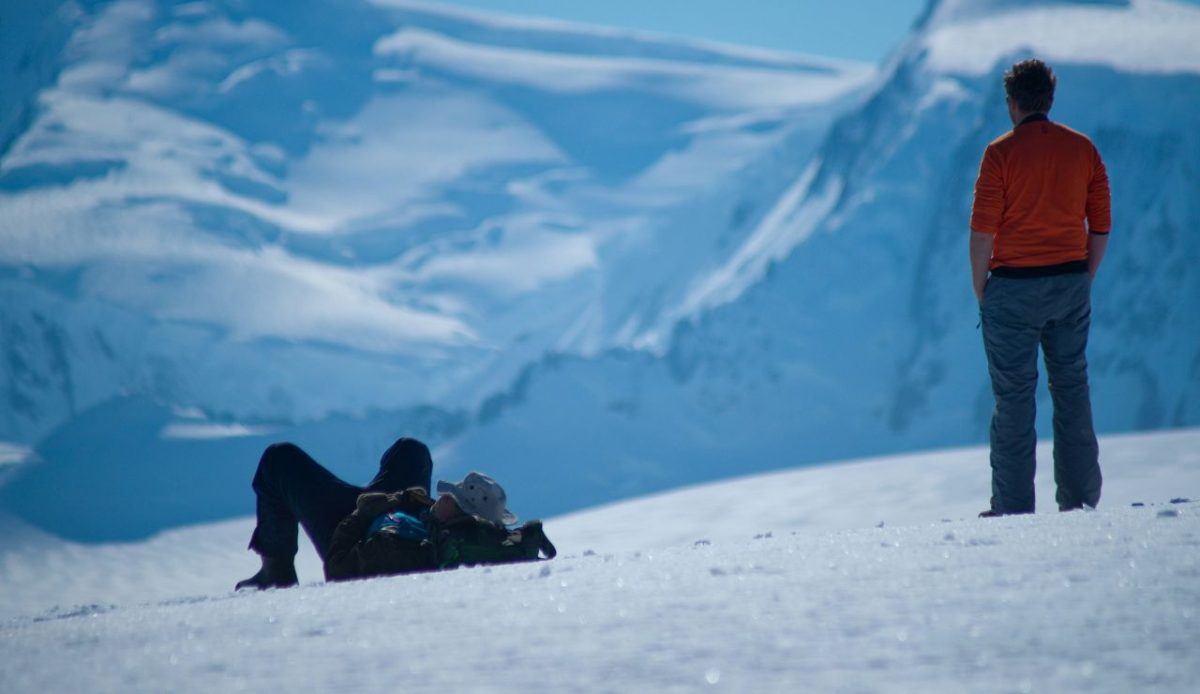
Extreme cold, remote locations, and rugged terrain make health precautions essential. Travelers should have comprehensive travel insurance, medical checks, and contingency plans before departure.
Seasickness, frostbite, and minor injuries are common risks. Guides provide safety briefings, emergency protocols, and specialized equipment to navigate ice, snow, and uneven terrain. Adequate hydration and high-calorie nutrition are also critical.
Prioritizing health and safety allows visitors to focus on the surrounding beauty. Being prepared ensures that adventure remains enjoyable, reducing risks in one of the harshest environments on Earth, while fully embracing the thrill of the ultimate polar expedition.
10. Once-in-a-Lifetime Adventure
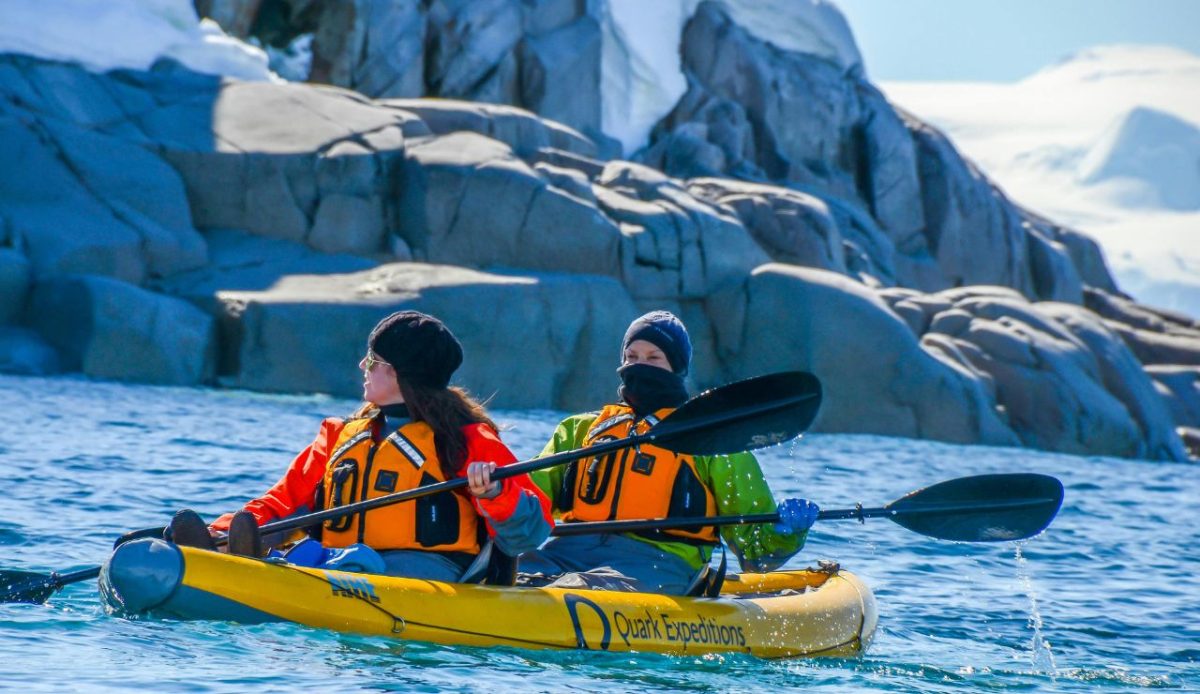
Antarctica offers experiences unlike anywhere else on the planet, from dramatic ice landscapes to rare wildlife sightings and extreme isolation, making each journey unique.
Every excursion feels unique due to shifting ice, changing weather, and the unpredictable appearance of wildlife. First-time travelers often describe it as transformative, humbling, and a deeply personal connection with nature’s extremes.
This continent rewards those willing to prepare carefully. Understanding the facts above ensures a safe, respectful, and unforgettable adventure in the last great wilderness, where every moment feels extraordinary and memories are etched for a lifetime.
