
When a destination’s prices climb faster than the experience, travelers feel it in small ways: shorter meals, fewer activities, and less spontaneity. This list looks at U.S. vacation spots where lodging, parking, tickets, and add-on fees can push a trip into “luxury” territory without consistently delivering luxury-level service.
These places can still be enjoyable, especially with smart timing and realistic expectations. But if you’re budgeting tightly, it helps to know where the value gap is widest before you book.
The destinations below are popular for a reason; the issue is the recent cost-to-experience balance. Think of this as a guide for planning, comparing alternatives nearby, or traveling off-peak.
1. Maui, Hawaii
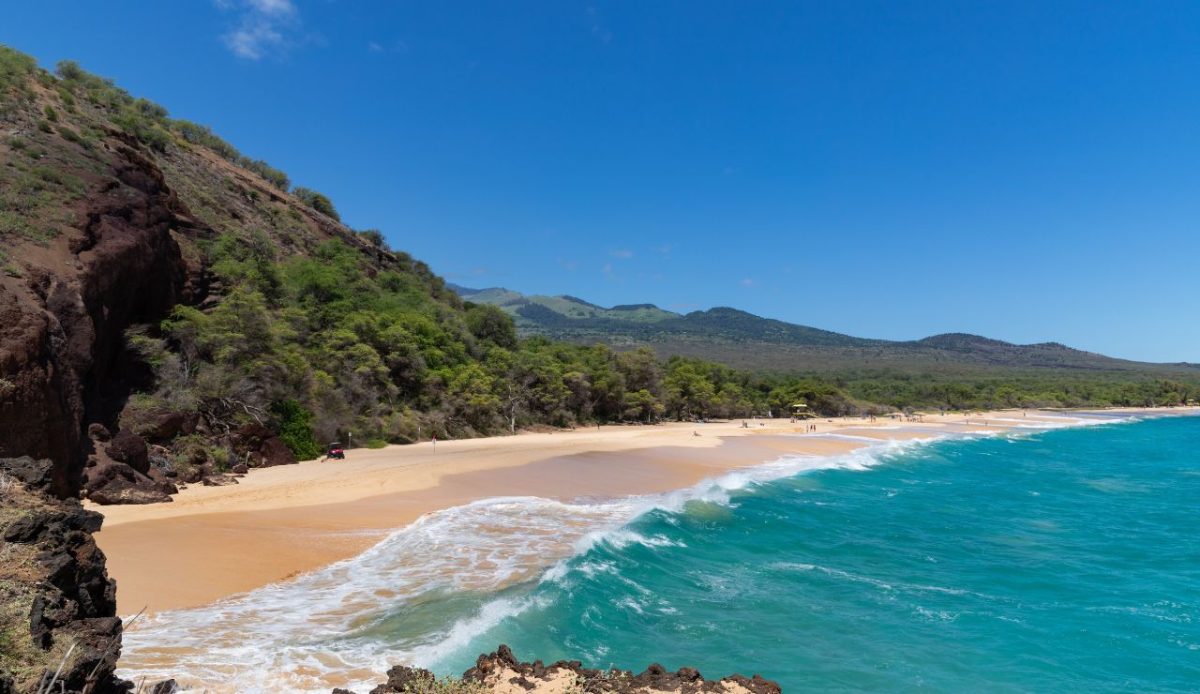
Beach days in Maui still deliver, but the trip budget often gets eaten by the basics. Hotel rates, resort fees, rental cars, and dining costs stack quickly, and many travelers end up paying premium prices for standard rooms and crowded amenities.
Popular beaches and scenic drives can feel less “escape” and more “logistics,” especially during peak seasons. Limited parking, timed entries, and high demand for tours reduce flexibility, which is part of what people expect when they pay top dollar.
Maui can be a great trip if you choose smaller towns, cook some meals, and plan fewer paid activities. If you’re hoping for effortless luxury on a mid-range budget, the value math often disappoints.
2. Aspen, Colorado
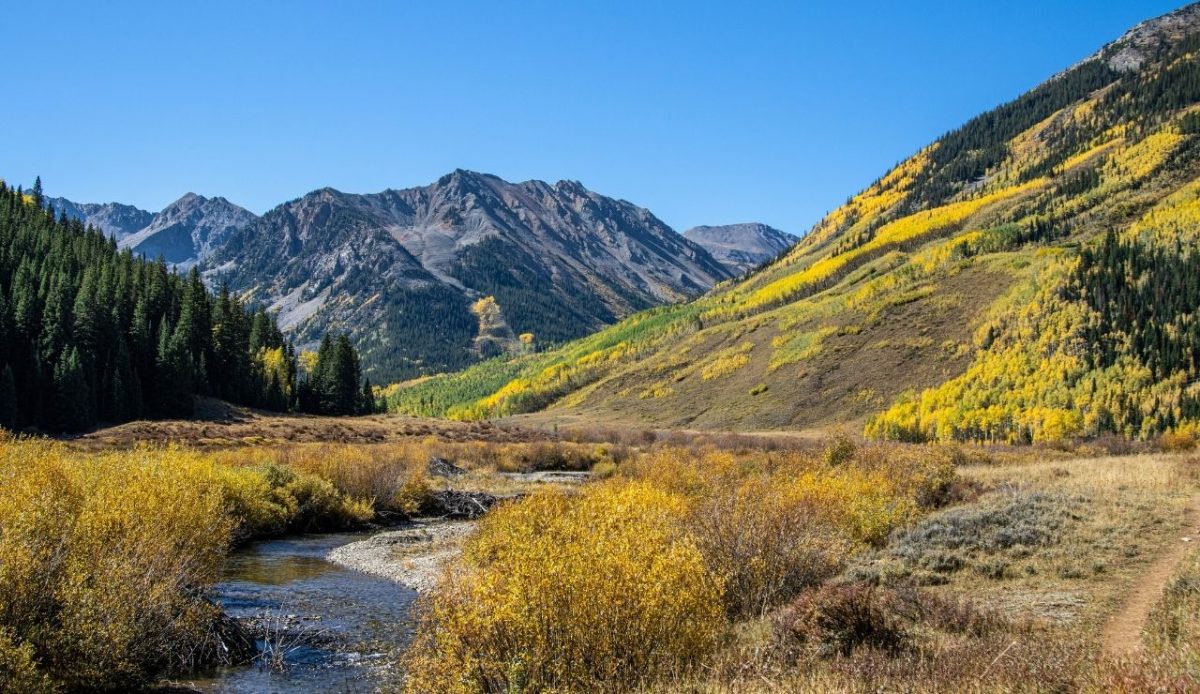
Aspen prices often assume a luxury-level itinerary, even if you’re not chasing designer shopping or VIP tables. Lodging can spike hard in winter and summer, and everyday costs, parking, casual meals, lift tickets, and gear rentals rarely feel “casual.”
The town is beautiful and well-run, but crowds and reservation culture can make the experience feel less personal. For many visitors, the ski product is excellent, yet the overall spend can outpace the incremental upgrade versus other Rocky Mountain resorts.
If your goal is great snow and mountain views, nearby areas can deliver more slope time per dollar. Aspen is best when you want the scene and the convenience, not when you’re hunting for value.
3. New York City, New York
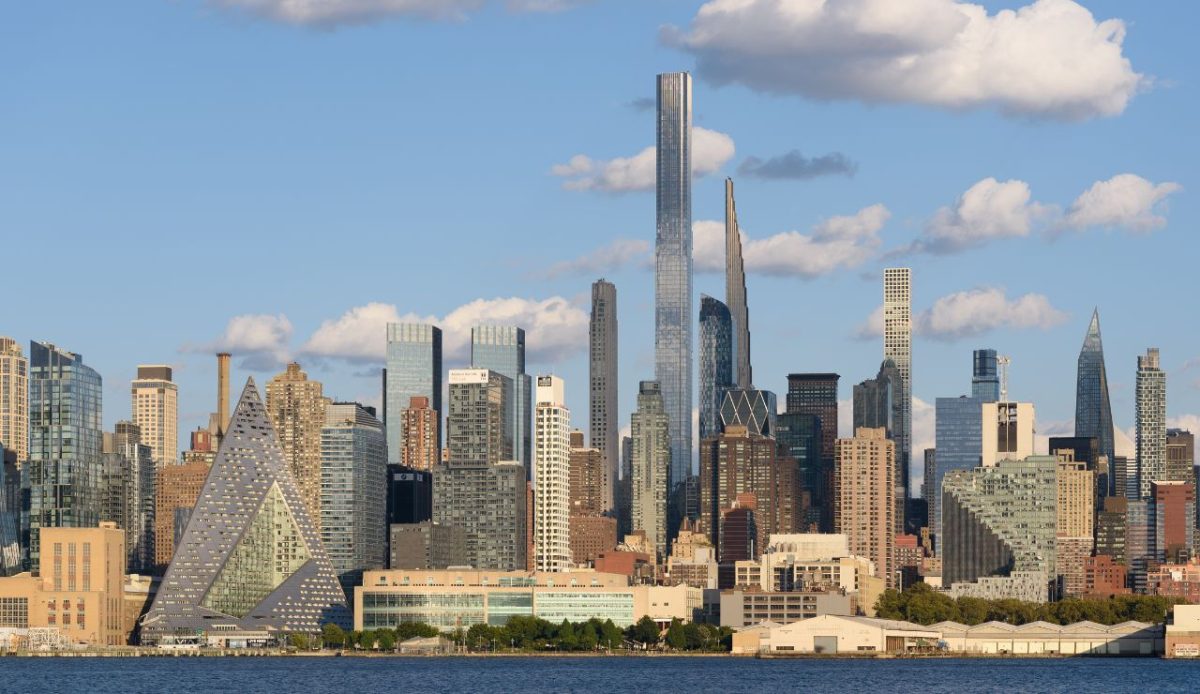
New York delivers endless things to do, but the cost of simply existing as a visitor keeps rising. Hotel rates, taxes, and fees can make even a small room feel overpriced, and basic expenses like transit add-ons, attraction tickets, and dining surge in busy periods.
For a “vacation,” the city can feel like a series of paid checkpoints: timed museum entries, pricey observation decks, and reservations for restaurants that used to be walk-in. Crowding can also make iconic neighborhoods feel less enjoyable.
NYC still rewards smart planning, free parks, off-peak Broadway, and outer-borough food scenes. The problem is that a standard tourist itinerary can now cost luxury money without consistently delivering luxury comfort.
4. San Francisco, California

San Francisco can feel pricey before you’ve done anything fun. Hotels, parking, and ride-shares add up fast, and many visitors discover they’re paying big-city rates while spending extra time navigating closures, construction, or limited access at popular spots.
The payoff is still there, scenery, food, waterfront views, but the “value” can slip when key experiences are rushed or crowded. If you’re budgeting for Alcatraz, museums, and day trips, the total can rival more resort-like destinations.
You can tilt the math with public transit, weekday travel, and neighborhood exploring. Still, for travelers expecting a polished, hassle-free city break, the price tag can feel ahead of the experience.
5. Key West, Florida
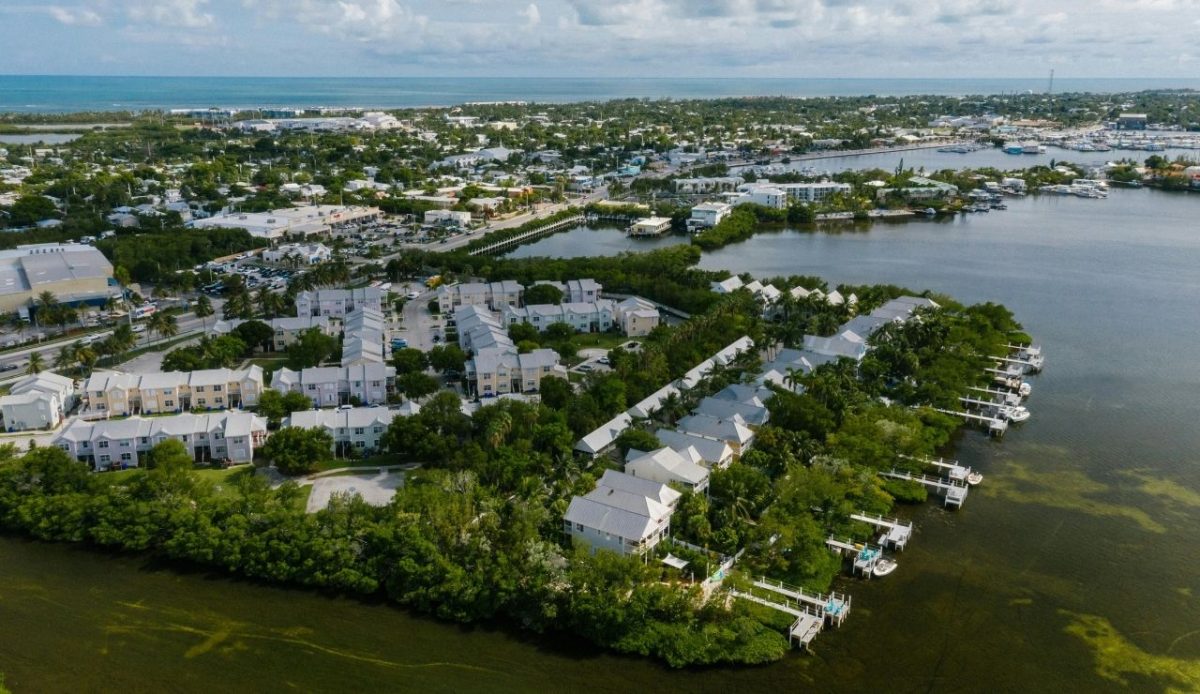
Key West sells an easygoing island vibe, but the costs can feel surprisingly intense for what you get. Lodging is often the biggest hit, and once you add parking, drinks, and tours, a short stay can rival longer trips elsewhere.
The town is small and walkable, which is great, yet that also means the “must-do” list runs out quickly. If you’re not boating, diving, or booking excursions, you may find yourself paying premium prices for a limited set of repeatable activities.
Key West works best as a splurge weekend or a stop on a longer Florida Keys drive. If you want maximum beach time and resort amenities for your money, nearby coastal options can feel like a better deal.
6. Napa Valley, California
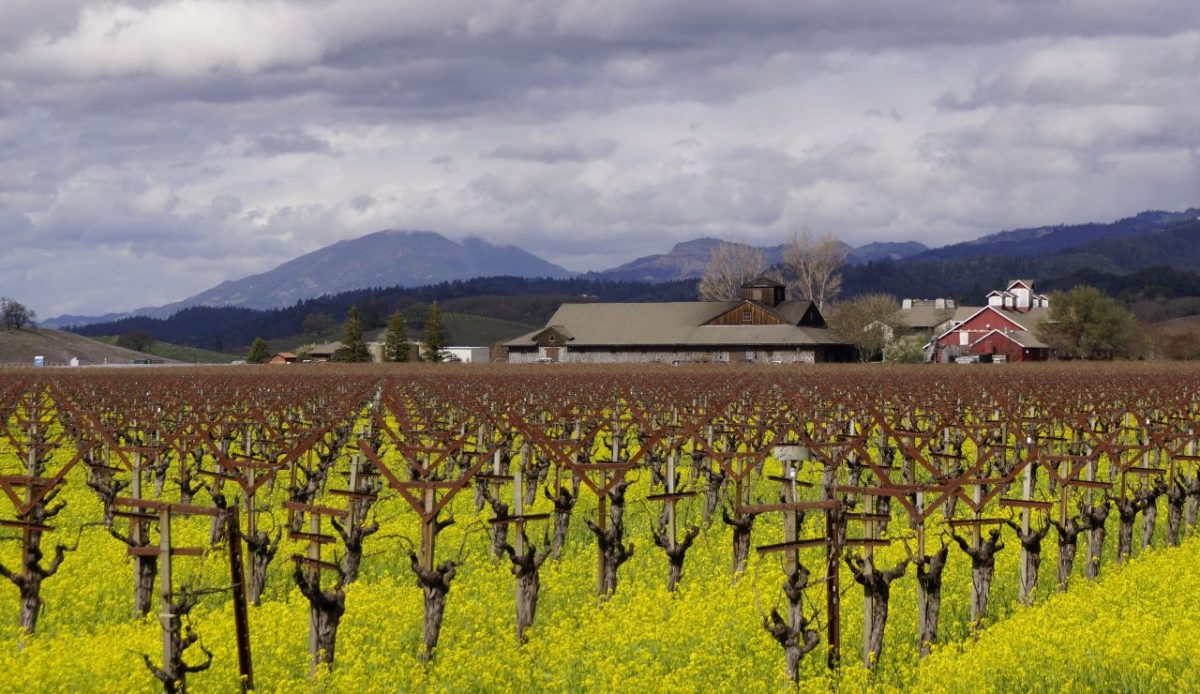
Napa Valley delivers iconic vineyards and beautiful scenery, but tasting fees and “upgrades” can turn a day of wine into a high-cost itinerary. Many wineries now require reservations, and paid tastings can add up quickly, especially for couples.
Lodging and dining prices often match luxury branding, even when service and room quality feel closer to mid-range. Transportation is another hidden cost: ride-shares are limited in some areas, and private drivers or tours can be expensive.
Napa can still feel worth it for a special occasion, but value-focused travelers may prefer nearby regions with lower tasting fees and more casual access. The experience is strong; the price-to-flexibility balance is the issue.
7. Walt Disney World, Florida

Disney World can be magical, but the modern cost structure often shocks families. Tickets are only the starting point; add-ons like on-site lodging, dining plans, special events, and paid time-saving tools can push the total far beyond what many expect.
The parks remain impressive, yet high crowd levels can reduce the “value” of what you’re paying for. Long waits, required reservations, and tight scheduling can make a vacation feel more like managing a spreadsheet than relaxing.
You can improve value with off-peak dates, shorter trips, and focused park choices. Still, for travelers wanting a simple, all-in family getaway, Disney’s pricing can outpace the day-to-day experience.
8. Miami Beach, Florida
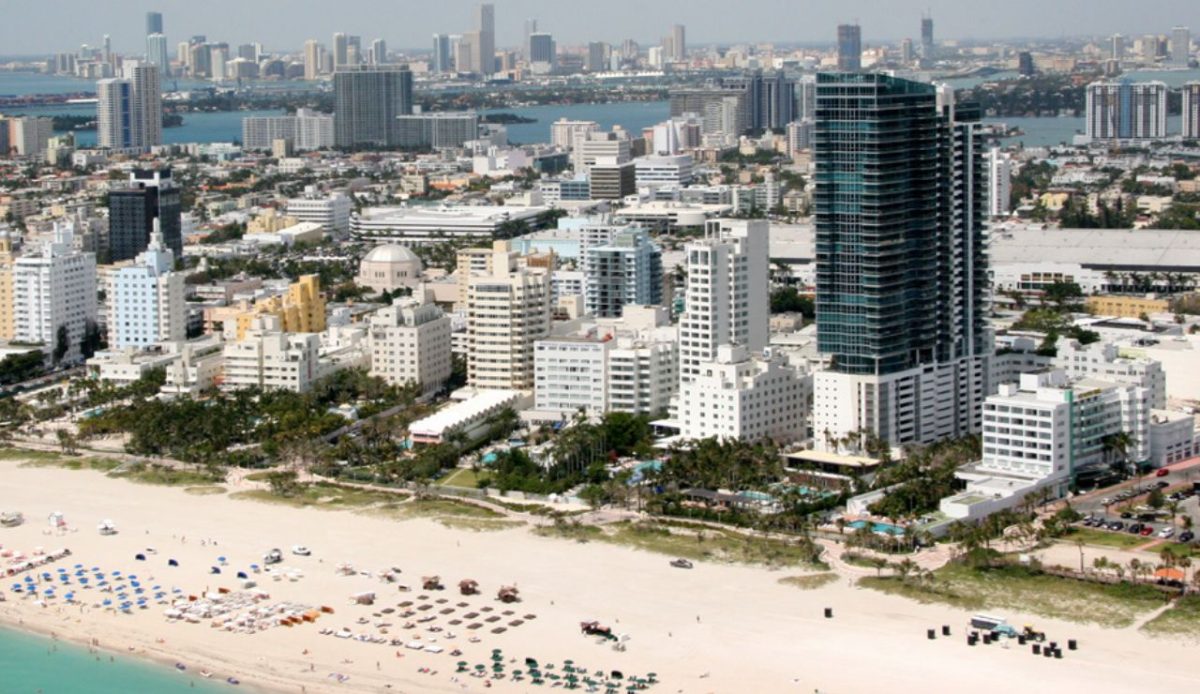
Miami Beach looks like a postcard, but the costs around that postcard can feel inflated. Hotels, valet parking, and mandatory fees often raise the real nightly rate, and beach setups, cocktails, and club cover charges can turn a “quick getaway” into a pricey weekend.
During peak times, crowds and traffic can reduce the sense of ease people expect from a beach trip. Some visitors also find that they’re paying premium prices for smaller rooms and limited amenities compared with newer resort areas.
Miami is still a strong food and culture destination, especially if you explore beyond the sand. The value gap shows up when you’re paying luxury prices mainly to be close to the scene, not to get a luxury experience.
9. Vail, Colorado
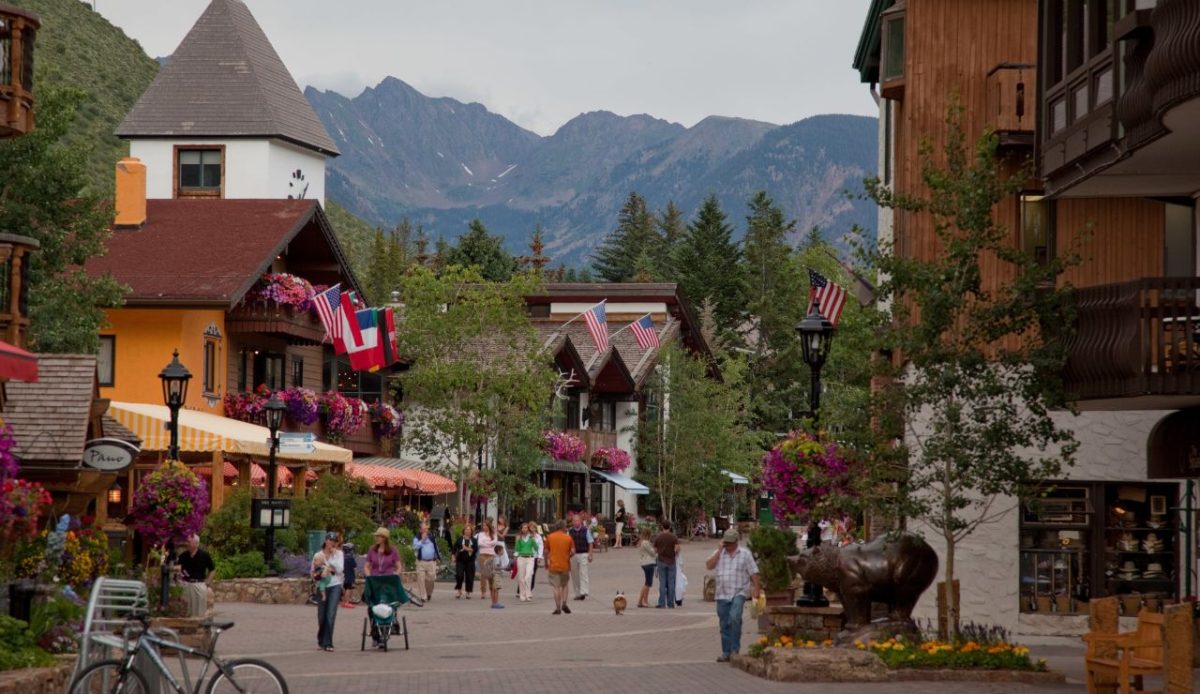
Vail offers a polished resort town and big terrain, but many travelers feel the pricing has outpaced the everyday experience. Lift tickets, rentals, and lessons can be steep, and slope-side convenience often comes with lodging costs that jump dramatically in winter.
When the mountain is crowded, the value equation can wobble: you’re paying a premium for access, yet spending a lot of time in lift lines and busy base areas. Food on the mountain can also feel expensive due to the portions and options.
Vail can still be worth it if you prioritize location and don’t mind paying for the full resort package. If your goal is more skiing per dollar, other Colorado areas can feel like a smarter buy.
10. Jackson Hole, Wyoming
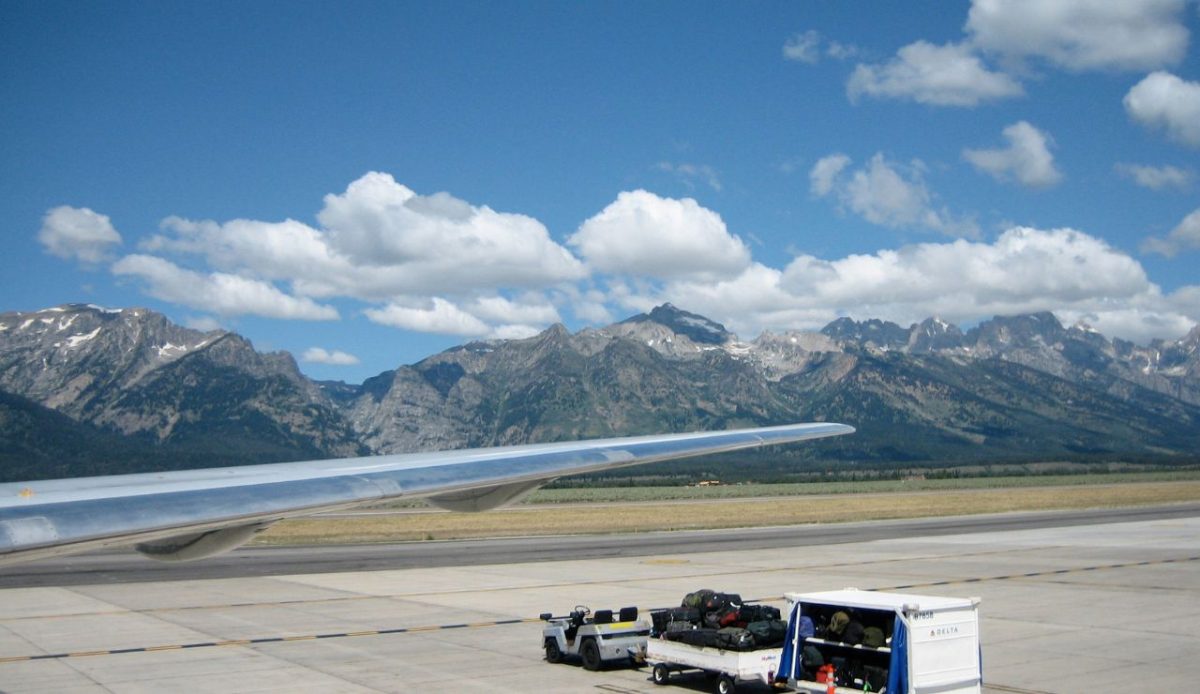
Jackson Hole combines dramatic scenery with a premium price tag that can surprise first-time visitors. Lodging and dining costs in and around town can be high, and winter trips add expensive lift tickets and limited budget-friendly accommodations.
Even in summer, popular activities can require tours, permits, or long drives, which add time and money. The area is stunning, but demand has grown so much that “simple” plans, like a casual hotel and a few outings, can cost more than expected.
Jackson Hole makes sense when you’re intentionally paying for iconic landscapes and outdoor access. If you’re looking for a classic Western mountain trip with better value, other parts of the region can deliver similar vibes for less.
