
Crime rarely defines a trip, but it can shape the small choices that make travel feel easy: where you park, when you walk, and how late you stay out. Across several U.S. getaways, travelers are quietly adjusting plans around theft, car break-ins, and occasional violence in nightlife zones.
This list focuses on well-known vacation spots where safety chatter has changed visitor behavior more than headlines suggest. It doesn’t mean “don’t go”, it means plan with sharper basics.
Expect practical shifts like using rideshares at night, choosing hotels in busy areas, skipping isolated viewpoints after dark, and treating valuables like they have legs.
1. New Orleans, Louisiana
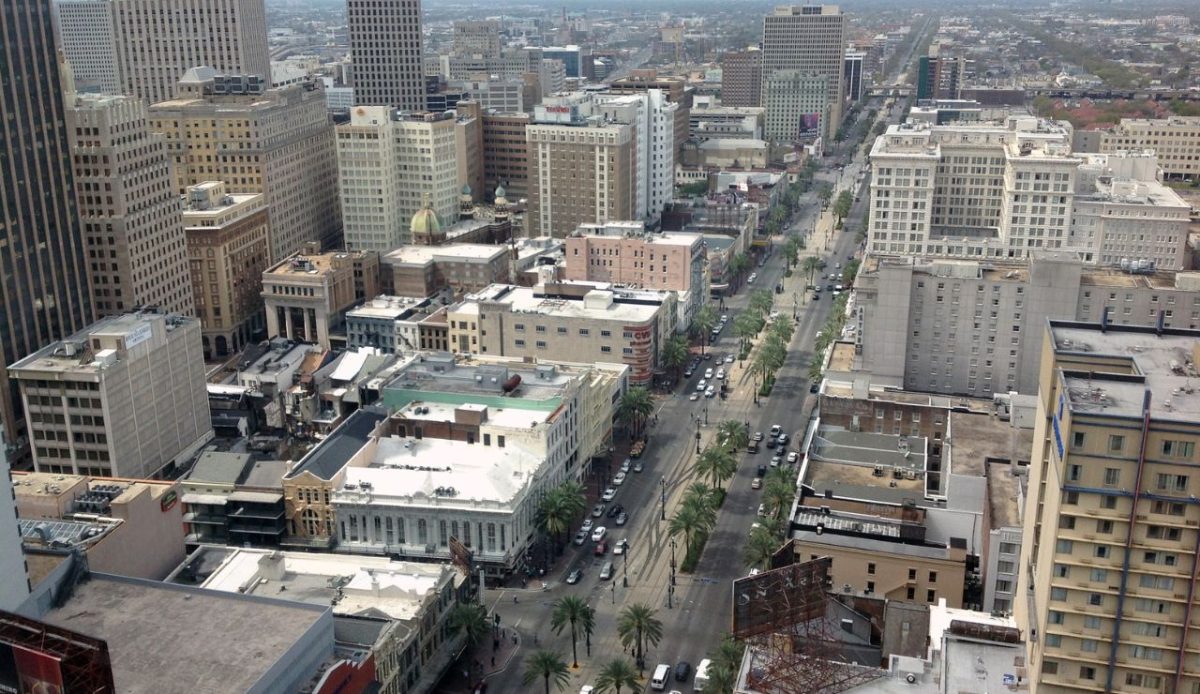
Visitors still come for the food, music, and festivals, but many now build in extra “street smarts” time. Popular areas like the French Quarter stay busy, yet travelers increasingly avoid wandering alone on quiet blocks after dark, especially outside main corridors.
Hotels and tours often emphasize well-lit routes, licensed rides, and keeping phones and cash out of sight in crowds. Parking choices also shift toward garages with attendants instead of curb spots, and some visitors skip driving entirely.
The practical change is timing: more daytime sightseeing, earlier dinners, and pre-planned transportation for nights out, so the trip feels festive without feeling improvised.
2. San Francisco, California

San Francisco remains a top city break, but property theft has nudged how people move. Visitors commonly skip leaving anything in a parked car, luggage included, and favor garages or hotel valet even when it costs more.
Neighborhood-hopping still happens, just with fewer “quick stops” where a car sits unattended. Some travelers plan viewpoints and park visits for daylight, then spend evenings in denser, well-trafficked corridors near transit, theaters, and dining.
Crime talk here often changes logistics, not itineraries: pick transit or rideshare, carry less, keep bags zipped in crowds, and treat the car like a display case you never stock at all.
3. Las Vegas, Nevada
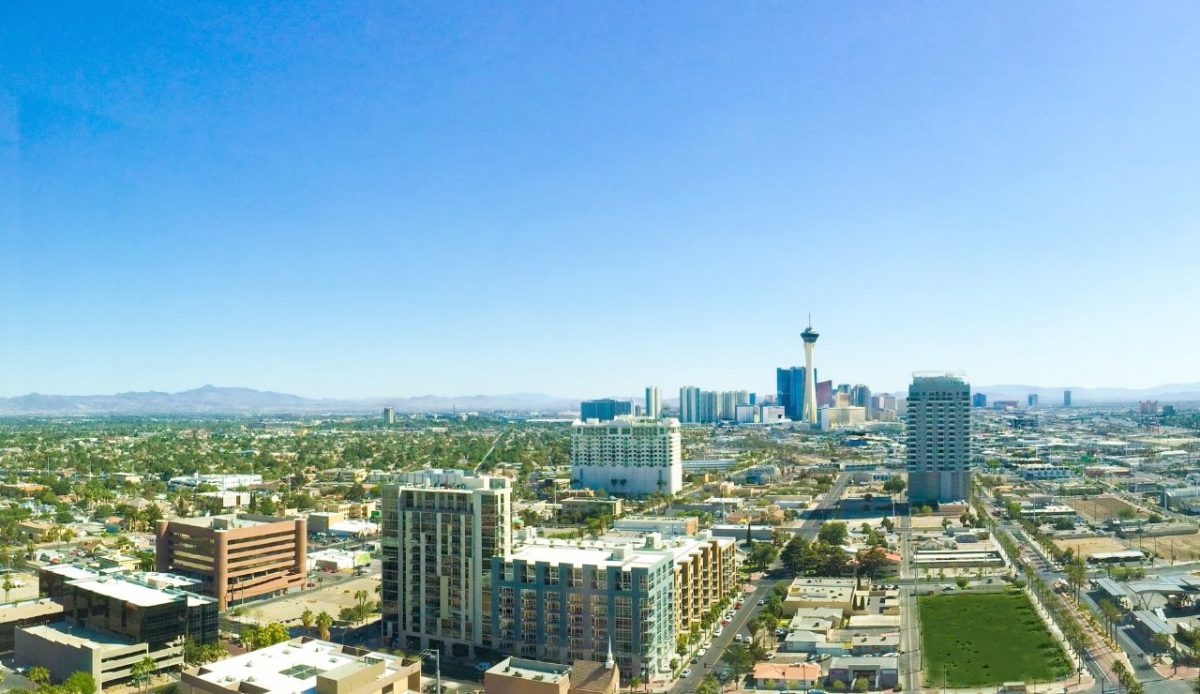
Las Vegas sells convenience, but more visitors now treat the Strip like a high-traffic downtown rather than a theme park. Pickpocketing, phone snatches, and casino-floor disputes push some travelers to keep nights tighter and less roaming.
Plans increasingly revolve around staying on-property, using hotel security features, and avoiding long walks between resorts late. Groups coordinate meet-up points and keep wallets and phones secured, especially during crowded events.
The shift is subtle: fewer spontaneous street detours, more rideshare for short distances, and a preference for well-staffed venues where help is visible if something feels off.
4. Washington, D.C.
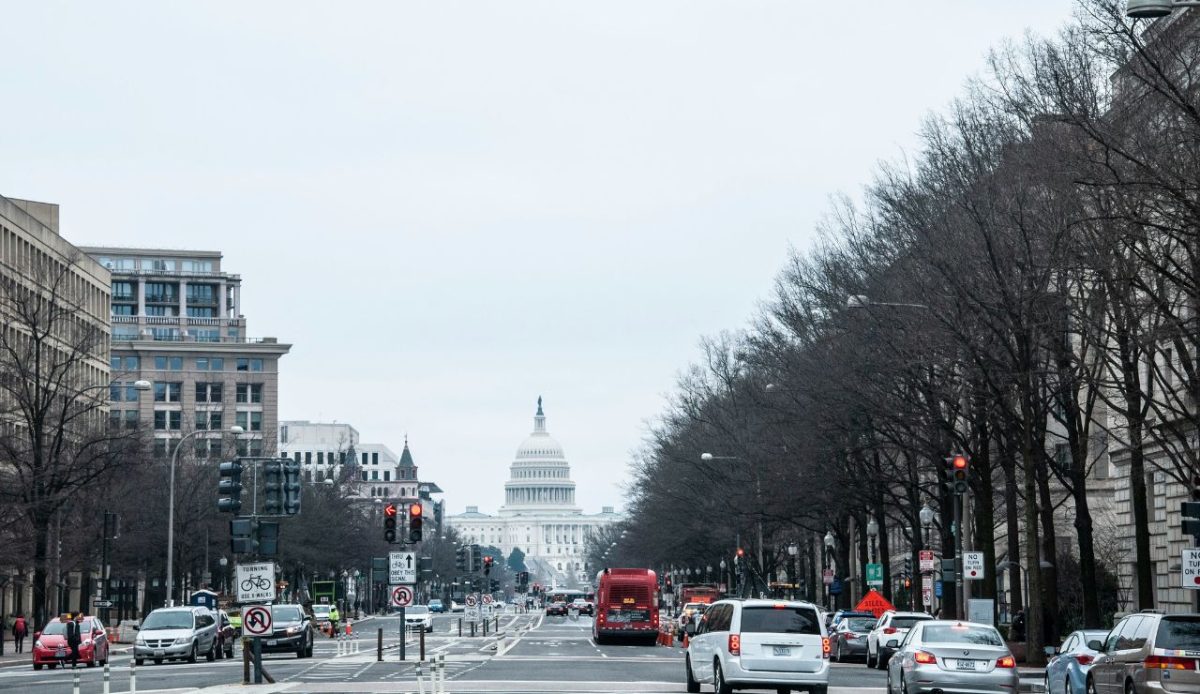
D.C. stays a bucket-list destination for museums and monuments, but visitors often adjust after hearing about car break-ins and occasional robberies near transit hubs. Many now choose hotels with secure parking or avoid driving altogether.
Itineraries also lean into daytime monument walks and early evening plans, with extra caution around unfamiliar nightlife blocks. Travelers commonly keep bags close on Metro platforms and avoid flashing phones while navigating.
Most trips go smoothly, yet the planning mindset changes: book tours, map routes in advance, and stick to busy corridors. That reduces “wrong turn” moments that can happen in any big city.
5. Chicago, Illinois
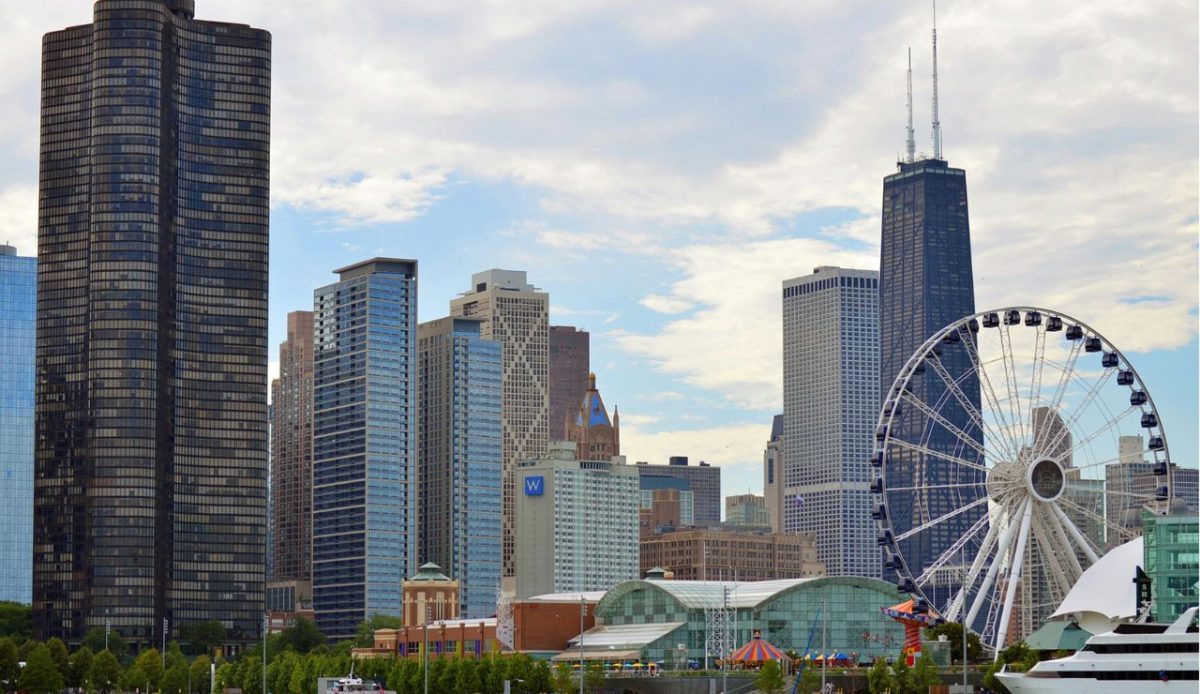
Chicago’s lakefront, architecture tours, and dining scene still draw crowds, but safety concerns influence neighborhood selection. Visitors often cluster lodging around well-traveled areas and use rideshares more at night, even for short hops.
Large events can bring opportunistic theft, so travelers increasingly carry fewer valuables and keep bags secured in busy spots. Some also avoid leaving a car parked on the street for long stretches.
The travel-plan change is about predictability: set restaurant reservations, choose direct routes, and lean on hotel staff for “where to walk” guidance. It keeps the trip focused on the city’s highlights, not guesswork.
6. Seattle, Washington
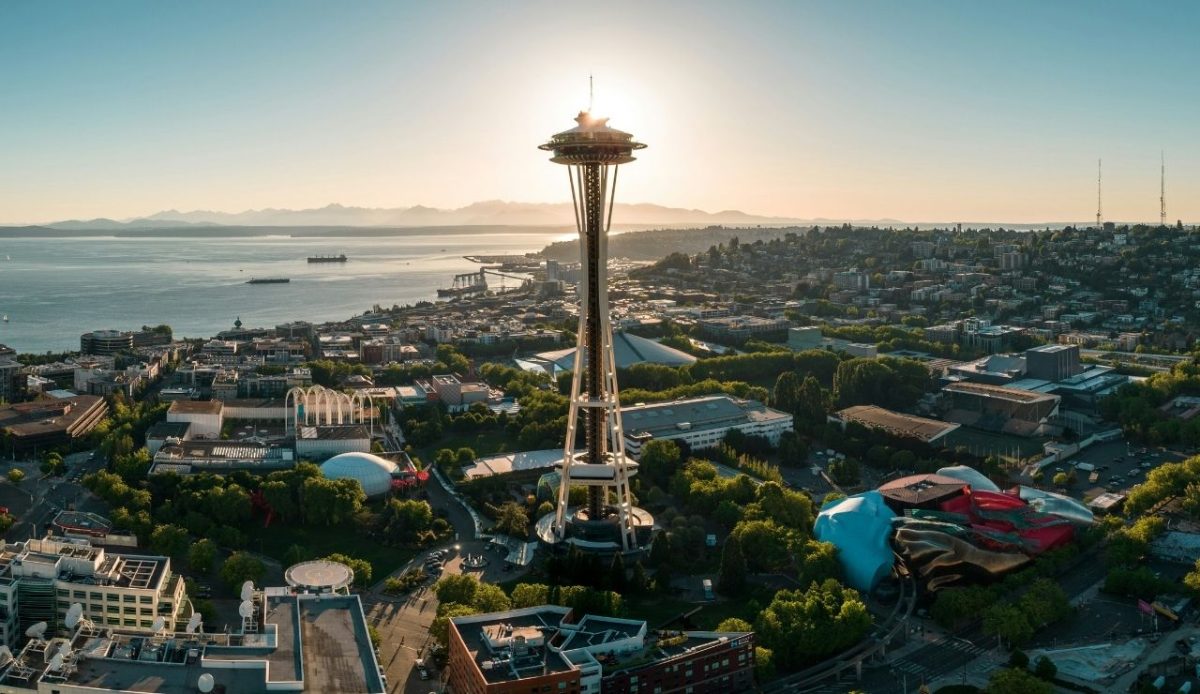
Seattle’s waterfront and neighborhoods stay popular, but reports of car prowls and property crime have changed how visitors handle transportation. Many now avoid rental cars in dense areas, or they park only in monitored garages.
Travelers also plan around daylight for parks, viewpoints, and less crowded streets, then keep evenings centered on known dining zones. Bags and cameras stay closer, especially in tourist-heavy pockets.
Rather than canceling, people simplify: fewer stop-and-go drives, more transit and rideshare, and quicker returns to the hotel after late shows. It’s a “reduce exposure” approach that still leaves plenty of time to explore.
7. Miami Beach, Florida
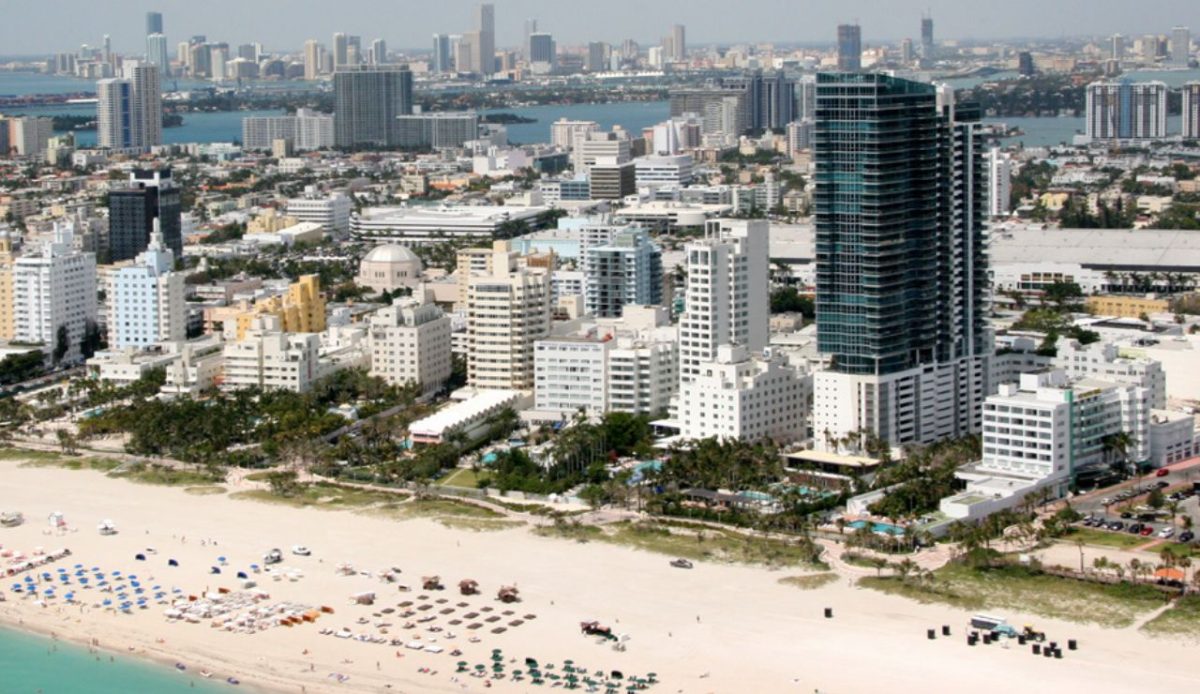
Miami Beach remains a classic sun trip, but nightlife incidents and theft concerns influence where visitors stay and how they move after dark. Many choose lodging near busier stretches and rely on rideshares instead of long walks between clubs, bars, and late-night food.
Beach time doesn’t change much, but valuables do: travelers bring less to the sand, use waterproof pouches, and avoid leaving items unattended even for quick swims. Rental cars are parked in garages more often than on the street.
The quieter adjustment is social planning. People pick specific venues, arrive earlier, and leave in groups. That keeps the energy of South Beach while lowering the odds of a stressful moment that can derail a weekend.
8. Portland, Oregon
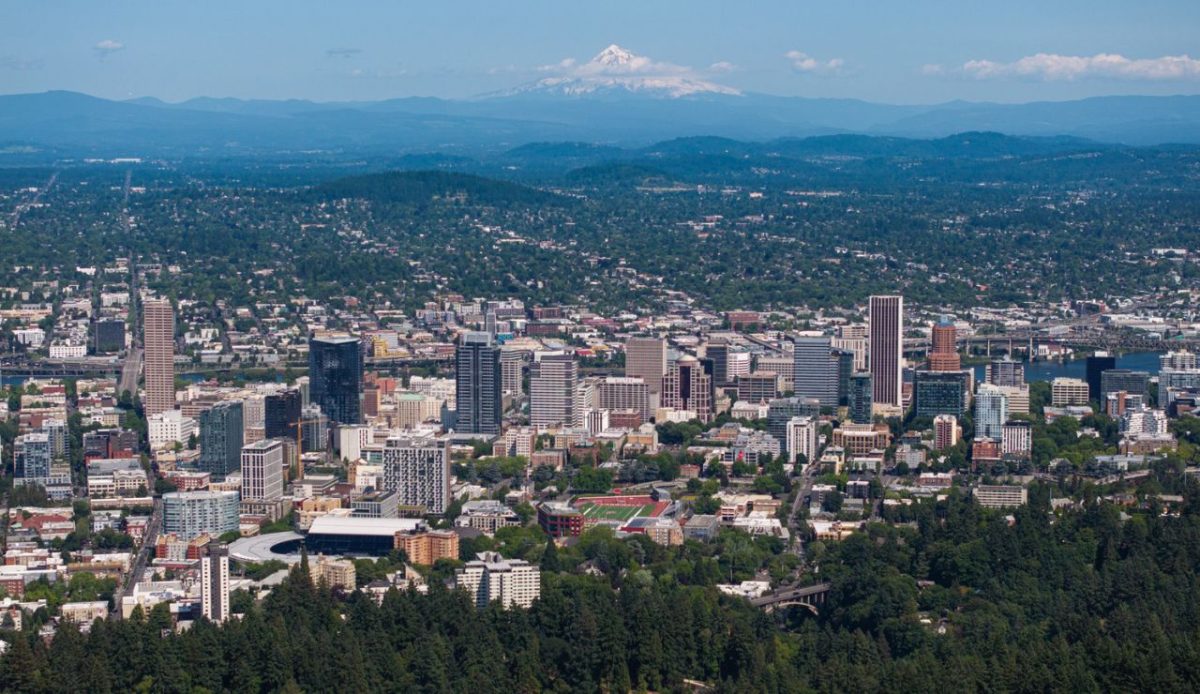
Portland’s food scene and day trips still appeal, yet visitors often mention property crime and vehicle break-ins when choosing how to explore. Parking behavior shifts toward garages, paid lots, and hotel options over street spaces.
Travelers also plan neighborhoods more deliberately, focusing on areas that stay active into the evening rather than bouncing between isolated spots. Daytime hikes and nearby nature get prioritized, with city nights kept simpler.
The net effect is tighter planning: fewer valuables in backpacks, fewer unattended cars, and more reliance on known routes. It’s not about fear, it’s about reducing avoidable risk so the trip stays relaxed.
9. Memphis, Tennessee
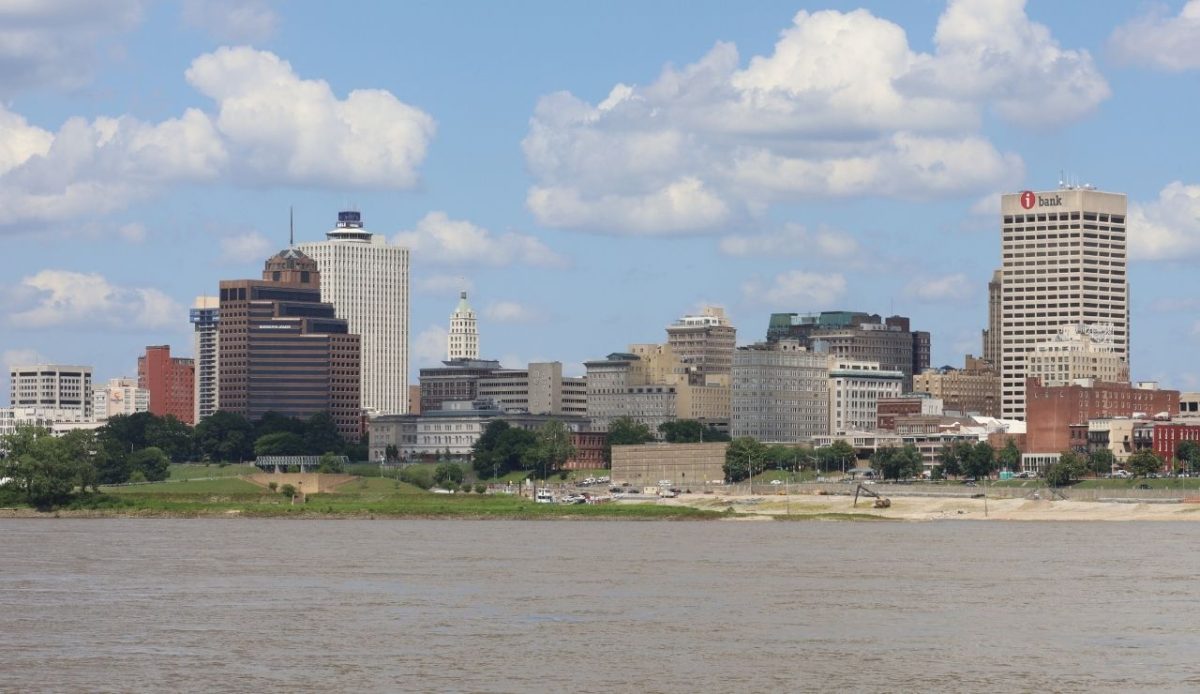
Memphis draws visitors for music history and barbecue, but crime concerns can influence where people book hotels and how they schedule evenings. Travelers often pick accommodations near major attractions and avoid late-night driving in unfamiliar areas.
Popular stops like Beale Street stay on the list, yet visitors increasingly use rideshares, keep groups together, and limit cash and jewelry during crowded nights.
Many plans now emphasize daytime touring, museums, studios, and river views, then structured nights with reservations and direct transport. That approach keeps the cultural experience intact while minimizing “random wandering” that can invite problems.
10. Honolulu, Hawaii
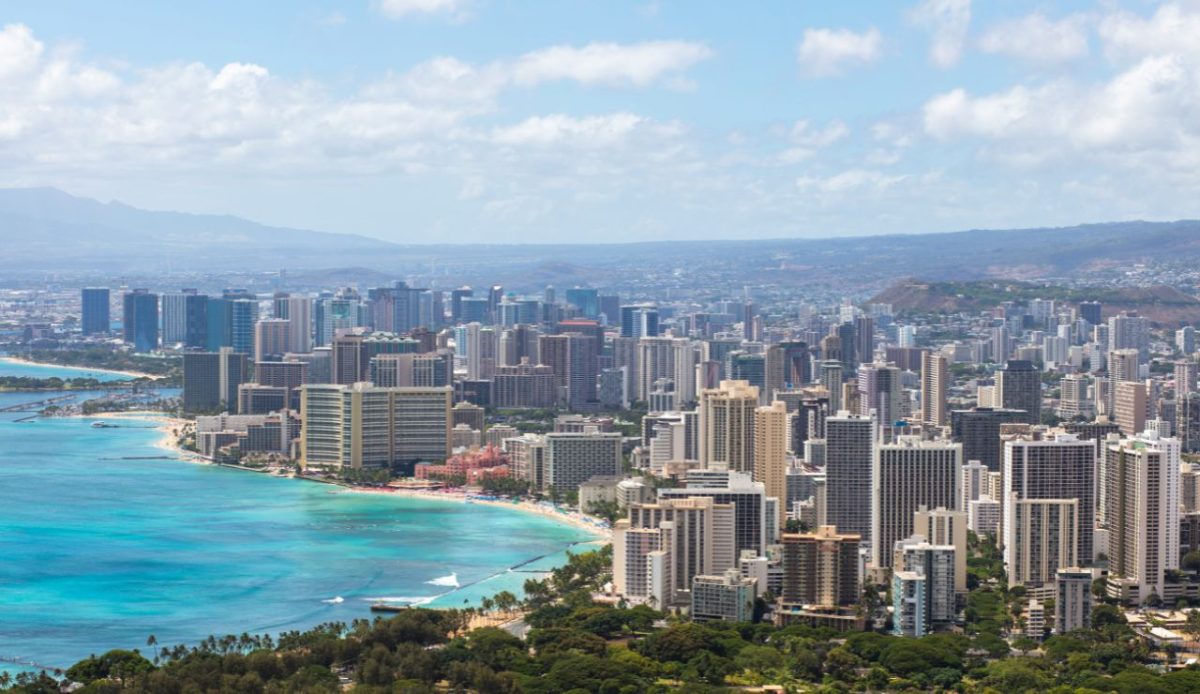
Honolulu feels like a carefree escape, but even resort areas deal with theft that changes traveler habits. Visitors to Waikīkī often plan beach days around keeping phones, wallets, and hotel keys secure, especially in crowded areas and near busy promenades.
Rental-car use also gets more cautious: people avoid leaving bags visible, choose secured parking, and limit how much they carry when hopping between beaches and viewpoints. Snacks, towels, and cameras are kept within reach rather than spread out.
The change is mostly about mindset. Travelers treat valuables as carry-on-only, use hotel safes, and keep nights in well-populated zones. It’s a small adjustment that preserves the “vacation mode” without inviting avoidable hassles.
