
Boardwalk rebuilds show how U.S. beach towns keep tourism alive after storm surge strips away decking and sand. When waves lift planks and pilings fail, access, safety, and local income are disrupted at once.
Engineering studies usually guide reconstruction, FEMA and state funding rules, and coastal permitting. Wood is sometimes kept for tradition, while concrete or composite surfaces are chosen where long life and lower upkeep matter.
The examples below focus on sites where major named storms caused large damage and a documented rebuild followed. Each location reflects different choices of materials, elevation, drainage, and dune work based on local exposure.
1. Atlantic City Boardwalk, New Jersey
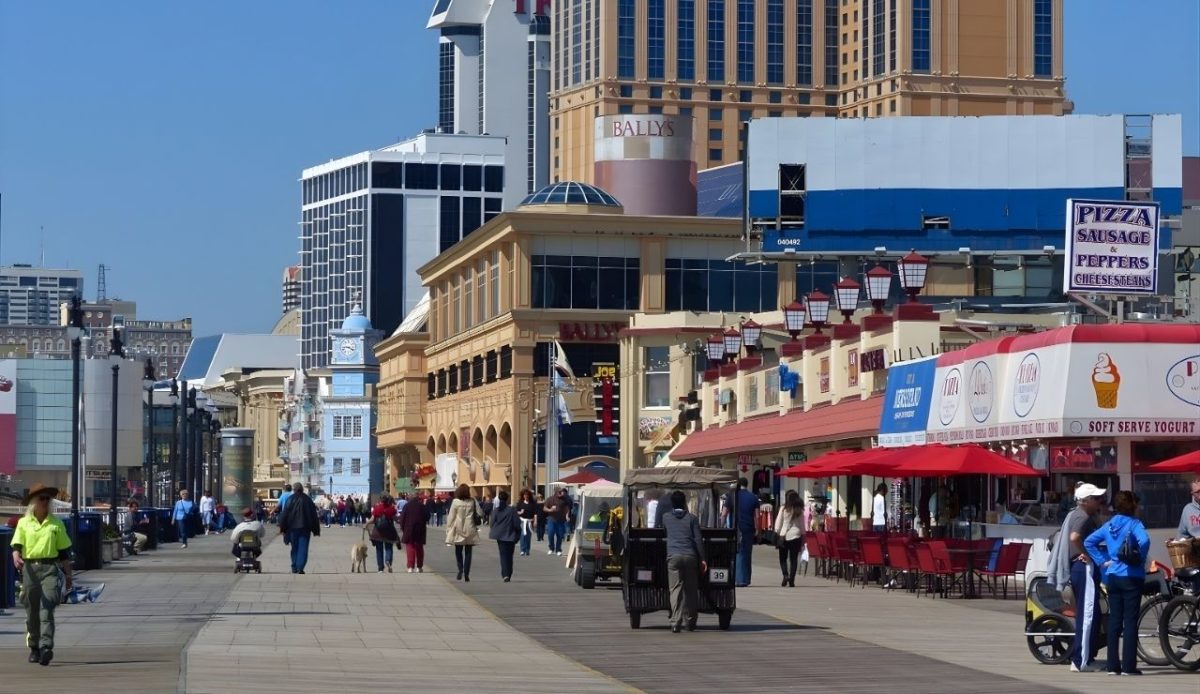
On October 29, 2012, Sandy pushed water onto the Atlantic City waterfront and broke sections of the historic walkway near piers. Boards were torn loose, substructure was scoured, and debris was driven into the tourism corridor.
Repairs were prioritized because casinos, hotels, and convention traffic depend on uninterrupted pedestrian routes. Damaged runs were replaced, fasteners and framing were upgraded, and weak points around inlets were addressed during restoration work.
By the next warm season, reopened stretches helped stabilize visitor spending. The rebuild kept a classic look in many areas, yet it was strengthened to better handle wave impact and repeated wetting from coastal flooding.
2. Seaside Heights Boardwalk, New Jersey
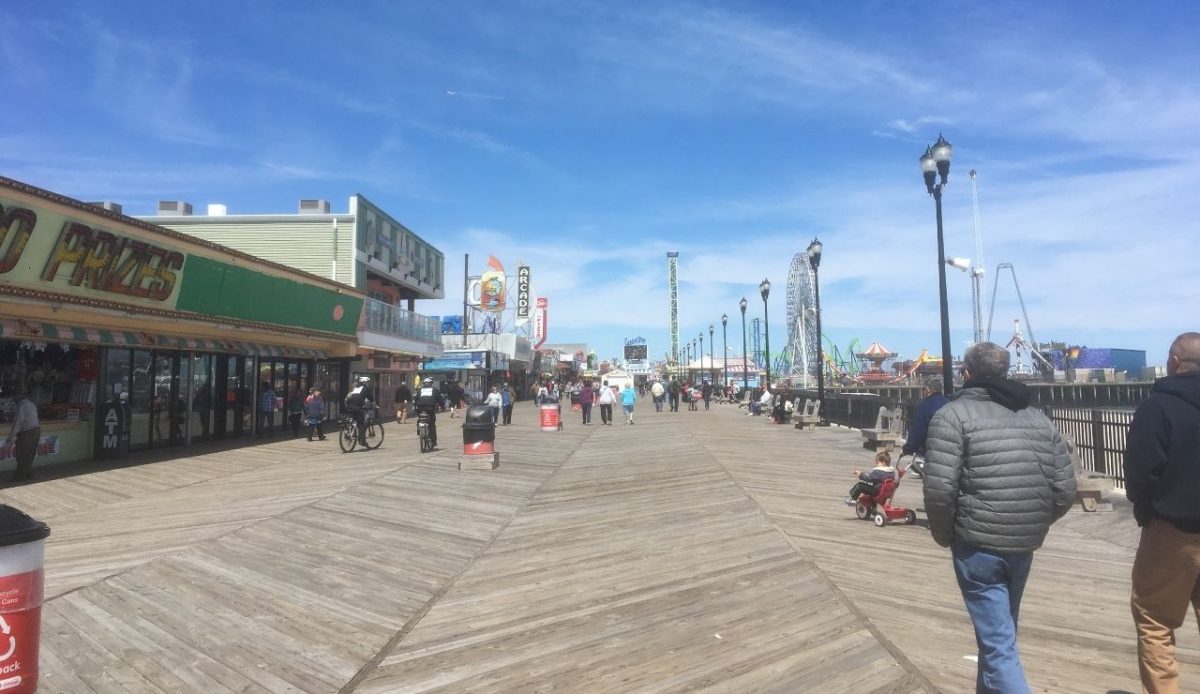
Sandy devastated Seaside Heights, with long spans of decking removed and amusement areas battered by the surge. The storm also altered beach grade, leaving supports exposed and forcing crews to clear sand and twisted lumber.
Reconstruction was carried out in phases, with new pilings, beams, and surface boards installed across multiple blocks. In 2013, a fire damaged parts of the corridor, necessitating additional replacement and safety upgrades.
Businesses returned as access was restored for the peak summer weeks. The rebuilt promenade reflects lessons on storm loads, utilities placement, and emergency response planning in a town where seasonal revenue is essential.
3. Long Beach Oceanfront Boardwalk, Long Island
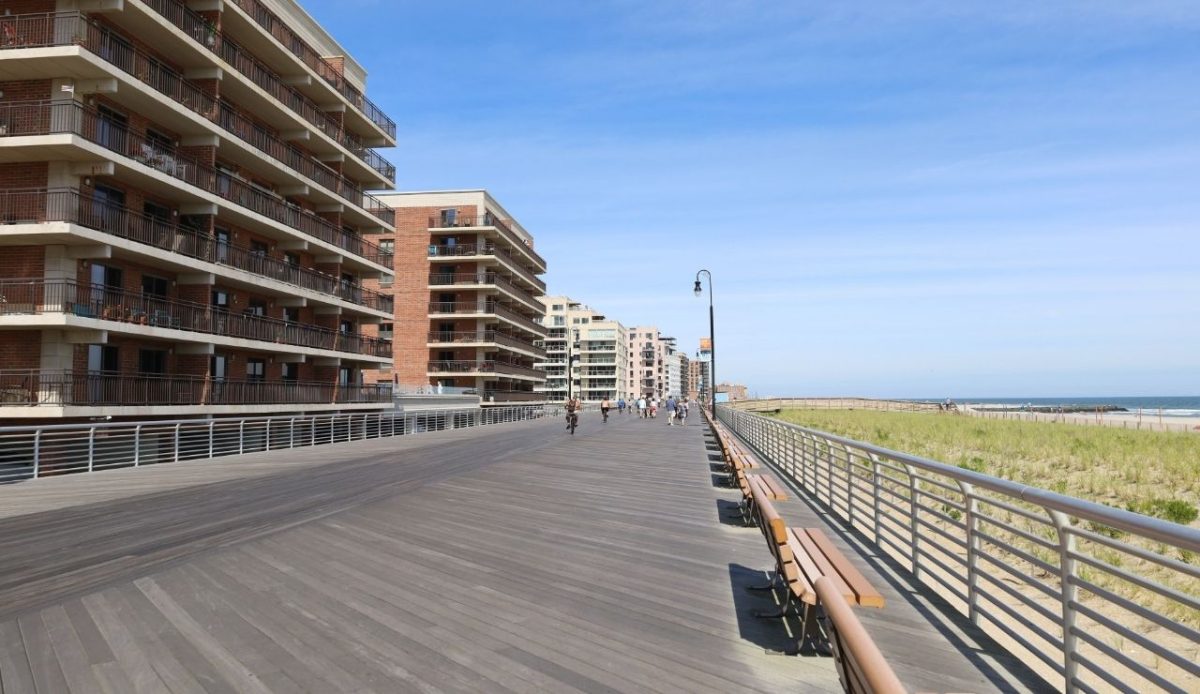
Long Beach on Long Island lost most of its 2.2-mile boardwalk when Sandy lifted wide wooden panels and swept them inland. Public beach access was shut down while damage was assessed and shoreline conditions were stabilized.
Instead of patchwork fixes, the city pursued a full replacement supported by disaster recovery funding. A reinforced concrete deck and updated subbase were installed to reduce rot risk and limit repair cycles in a salt environment.
The new structure reopened in 2013, restoring a key recreation spine for locals and weekend guests. Its material shift shows how post-storm design often favors durability when repeated nor’easters and surge events are expected.
4. Rockaway Boardwalk, Queens, New York City
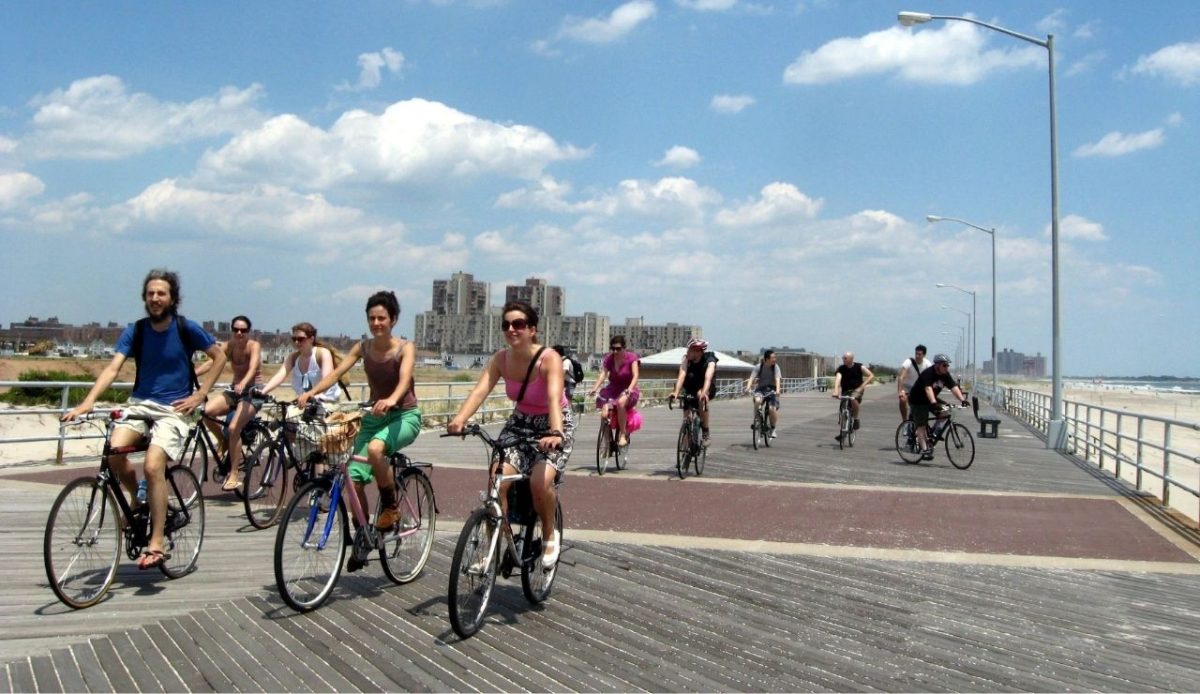
In the Rockaways, Sandy destroyed large portions of the oceanfront walkway and left gaps where dunes had been cut back by waves. Streets near the shore were buried in sand, and access points were closed for safety.
New York City moved to replace the damaged wooden boardwalk with concrete segments built for longer service life. The plan included rebuilding entrances, improving drainage, and coordinating with dune and beach restoration projects.
Sections reopened in stages through the mid 2010s, bringing back continuous travel along the peninsula. The project illustrates how urban coastlines may be rebuilt with heavier materials when exposure and foot traffic are high.
5. Asbury Park Boardwalk, New Jersey
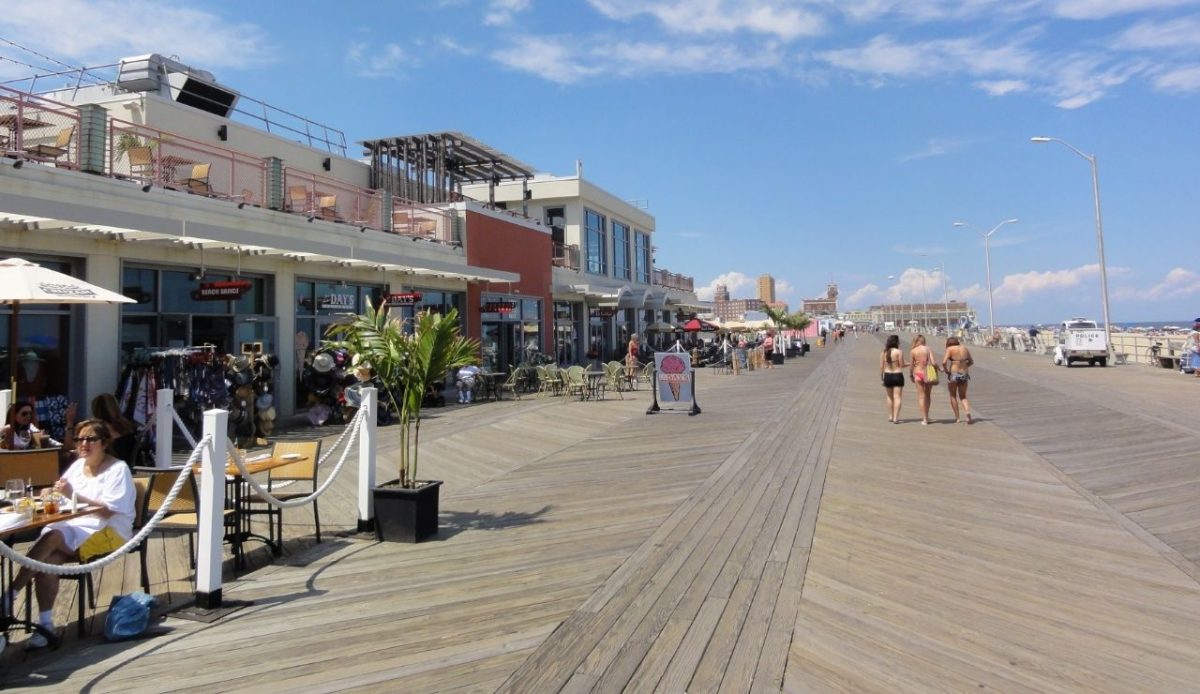
Asbury Park’s waterfront corridor took heavy hits from Sandy, including lifted planks and damaged utility connections serving shops and venues. Saltwater intrusion and debris forced closures while structural inspections were completed.
Federal disaster assistance supported repairs and replacement of damaged elements. Work focused on restoring a safe walking surface, strengthening the underlying frame, and improving resilience where overtopping had caused the worst harm.
Reopening mattered for concerts, day trips, and seasonal employment tied to the beachfront economy. The rebuilt boardwalk kept the city’s recognizable character while upgrades were made to reduce future downtime after storms.
6. Jenkinson’s Boardwalk, Point Pleasant Beach, New Jersey
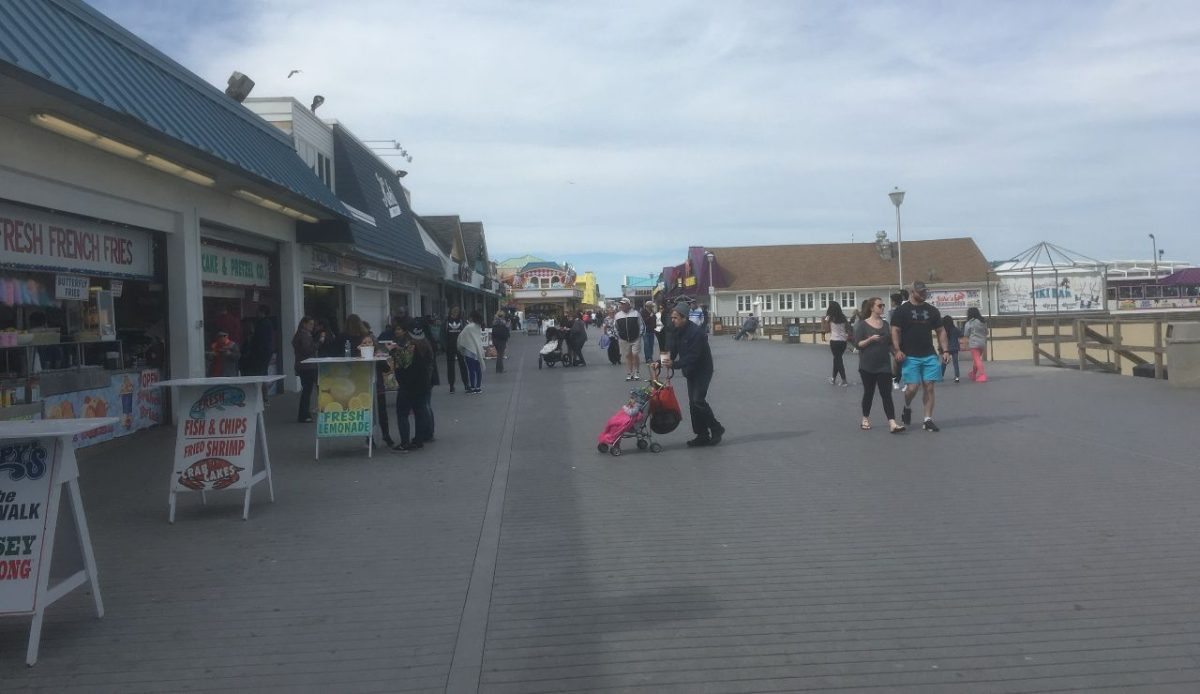
Point Pleasant Beach faced surge damage during Sandy that warped decking and weakened supports along Jenkinson’s boardwalk area. Attractions and arcades were closed as engineers checked stability and removed hazardous material.
Repairs included new surface boards, reinforced framing, and replacement of sections where pilings had shifted in softened sand. Funding came from insurance and recovery programs aimed at restoring local commerce quickly.
Operations resumed for summer crowds, even as finishing work continued behind the scenes. The rebuild highlights how smaller resort corridors balance speed, safety, and long-term reinforcement after a major coastal event.
7. Belmar Boardwalk, New Jersey
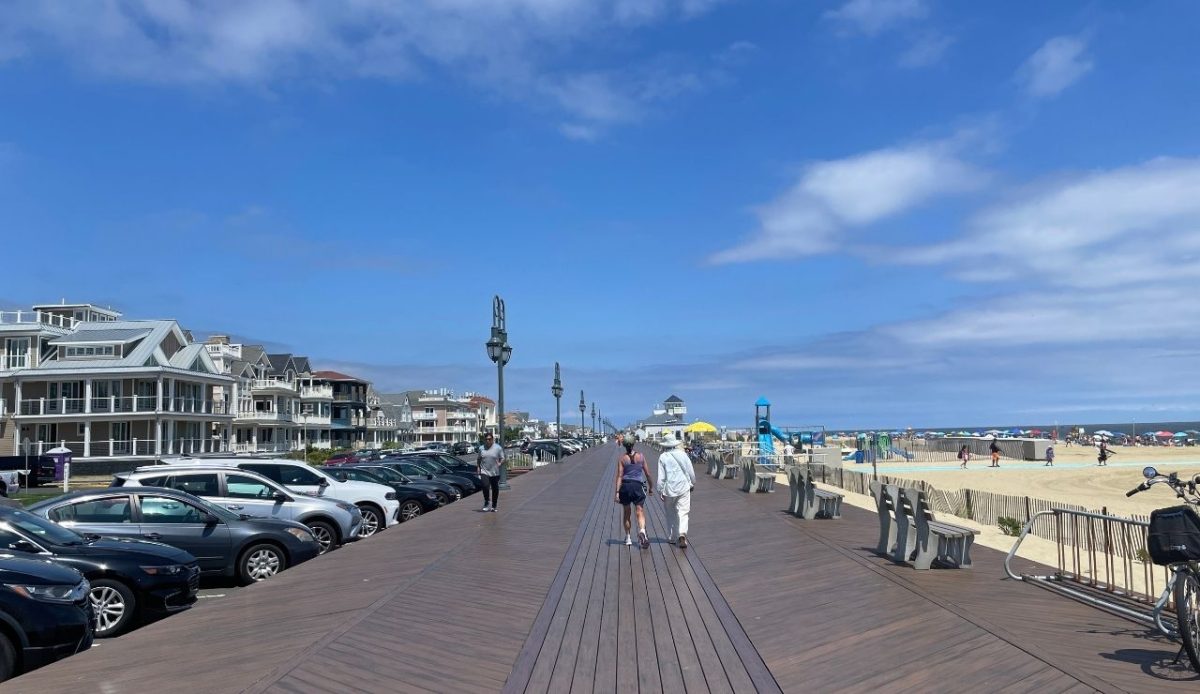
Belmar’s oceanfront promenade was badly damaged by Sandy, with wave action breaking apart timber runs and exposing structural members. Prior storms had already stressed parts of the walkway, increasing failure during the surge.
The town pursued substantial reconstruction rather than short repairs, replacing long stretches of decking and improving anchoring. Beach nourishment and dune work were paired with boardwalk work to reduce erosion pressure on supports.
By 2013, much of the corridor was reopened for neighbors and day trippers. The rebuilt layout shows how a boardwalk project can be tied to shoreline management when sand loss and repeated flooding threaten public infrastructure.
8. Ocean Grove Boardwalk, New Jersey
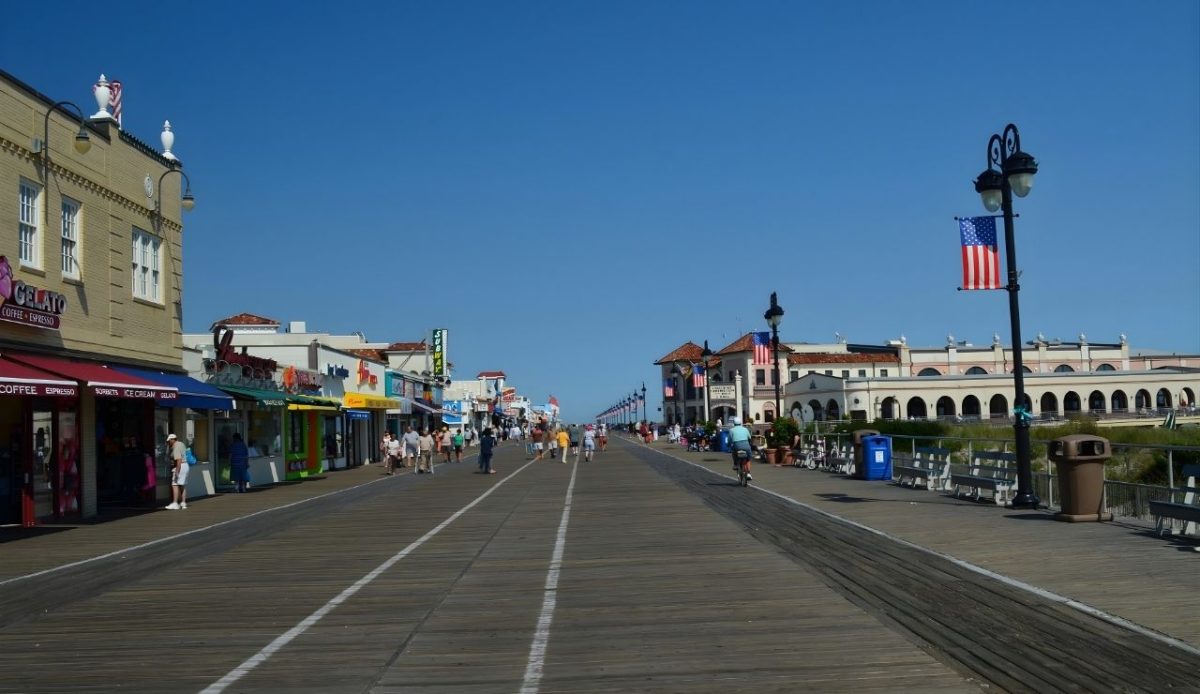
Ocean Grove’s historic boardwalk was nearly wiped out by Sandy, leaving only scattered fragments along the surf line. With the walking route gone, the town lost a central public space and a key draw for day visitors.
Rebuilding relied on a combination of federal support and local coordination. New pilings and decking were installed while attention was paid to preserving the traditional appearance that defines the community’s beachfront identity.
The boardwalk reopened in 2013 and helped restore normal beach access. Its recovery shows how a smaller municipality can complete a full replacement when a clear damage event is followed by targeted funding and planning.
9. Kemah Boardwalk, Texas
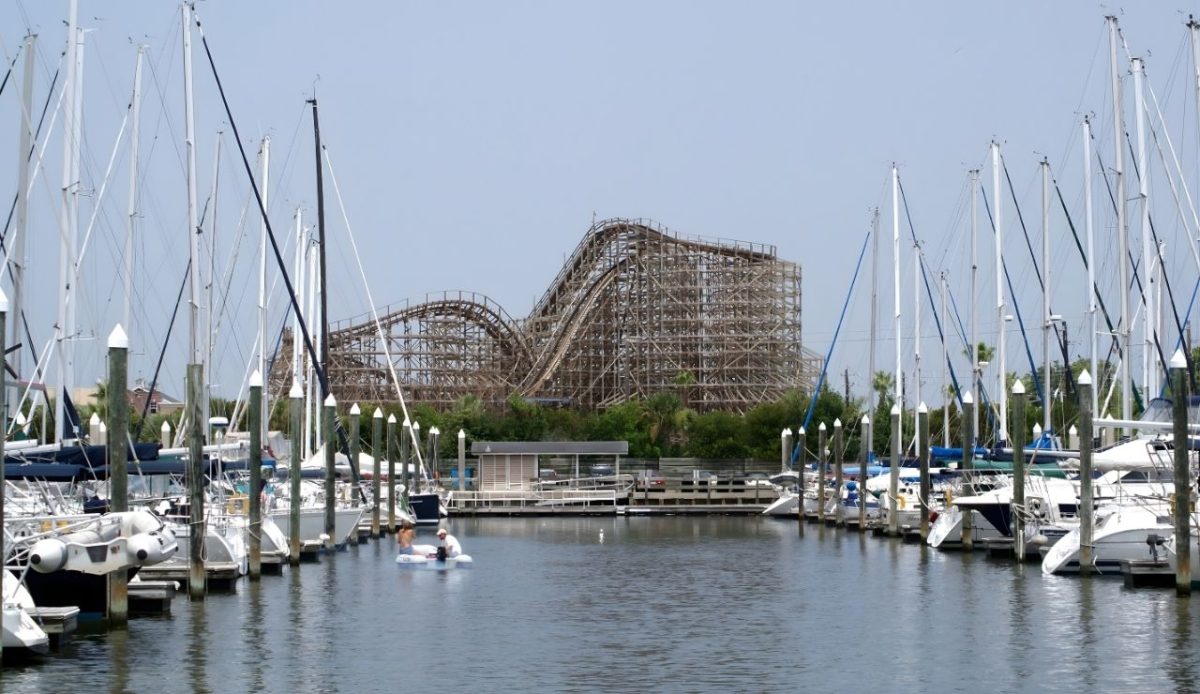
Hurricane Ike struck the upper Texas coast in September 2008 and heavily damaged the Kemah Boardwalk complex on Galveston Bay. Flooding, debris, and wind impacts shut down rides, dining, and waterfront walkways.
Recovery work involved cleanup, structural checks, and the swap out of weakened spans before reopening could begin. Reinforcement was added where the waterfront edge had taken the strongest force during surge and wave action.
The destination returned in phases as repairs progressed, helping regional tourism recover. Ike remains a benchmark Gulf Coast storm, and the boardwalk rebuild reflects how hurricane risk shapes facility design near open water.
10. Riegelmann Boardwalk, Brooklyn, New York
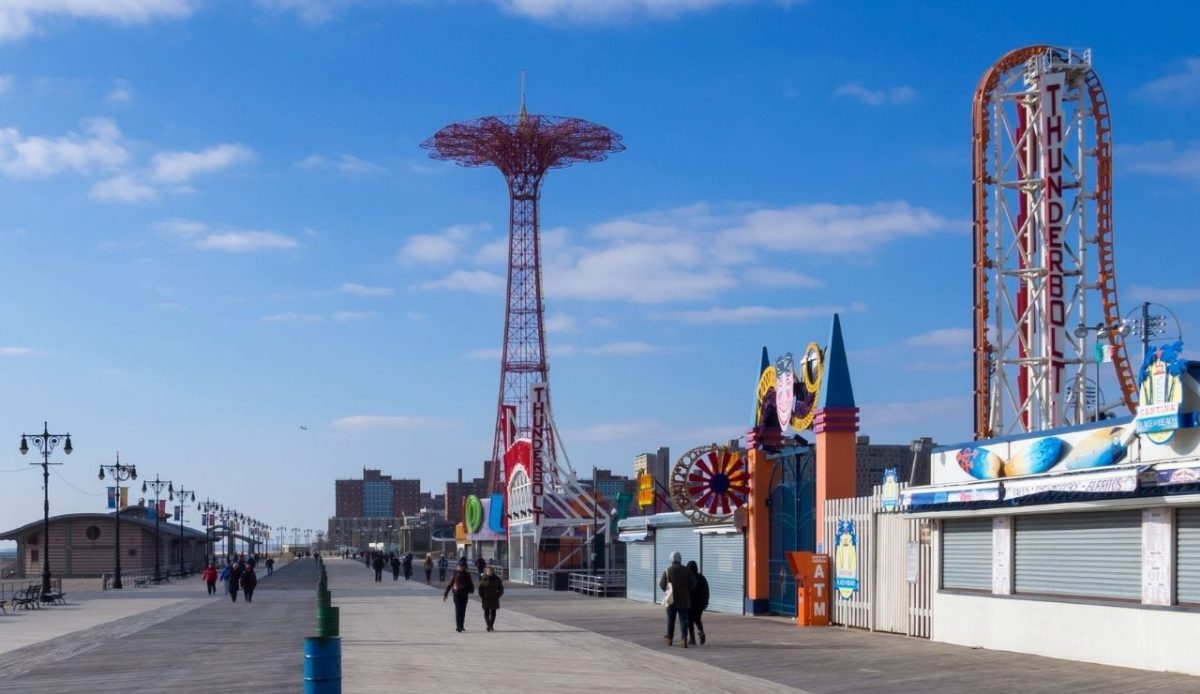
Sandy damaged portions of the Riegelmann Boardwalk in Coney Island, with erosion undermining edges and sections of decking requiring replacement. Nearby facilities were also affected, increasing the need for coordinated repairs.
New York City funded reconstruction that replaced damaged runs and advanced longer-term upgrades using more resilient materials. Work was staged so access could be restored while additional sections were rebuilt and reinforced.
Reopened stretches restored a continuous shoreline route for Brooklyn’s beachfront. The rebuild illustrates how a famous public asset can be modernized after a major storm while keeping its long-established role in city recreation.
