
Africa’s top tourism places succeed because access, safety planning, lodging depth, and protected heritage are in place, so expectations match what international travelers are used to. The destinations below were selected using strict signals, either UNESCO World Heritage listing or recent World Travel Awards recognition. Each one supports repeat visitation through clear visitor management, dependable services, and a brand that is recognized far beyond its region. These factors help tour operators price trips confidently, and they help independent travelers plan routes without guesswork or special access.
1. Cape Town, South Africa
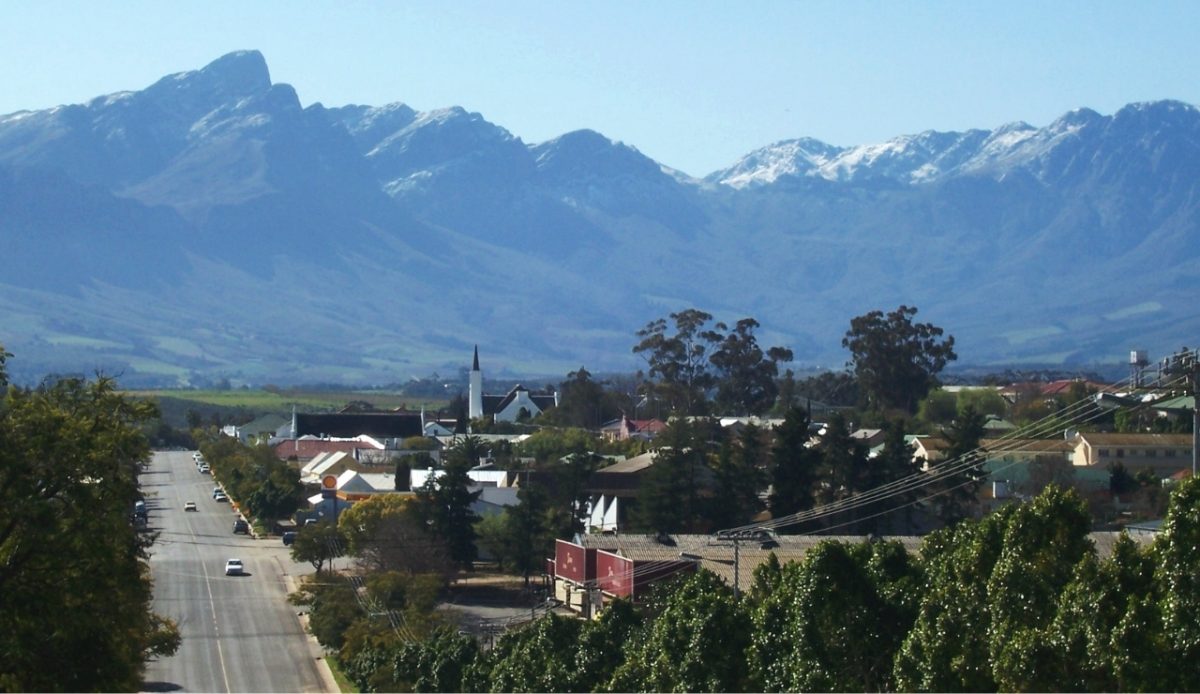
Cape Town ranks as a full-service gateway where long-haul flights, modern highways, and a large hotel base support high-volume travel. Day trips link the city to vineyards, coastal drives, and national park hiking without complex logistics. Culinary tourism and conferences add year-round demand. Quality standards are reinforced by an experienced tourism workforce and strong private sector investment, which keeps visitor services consistent across price tiers. The destination was named Africa’s Leading City Destination at the World Travel Awards, a signal of global market pull. It benefits from cruise itineraries and domestic connectivity.
2. Serengeti National Park, Tanzania
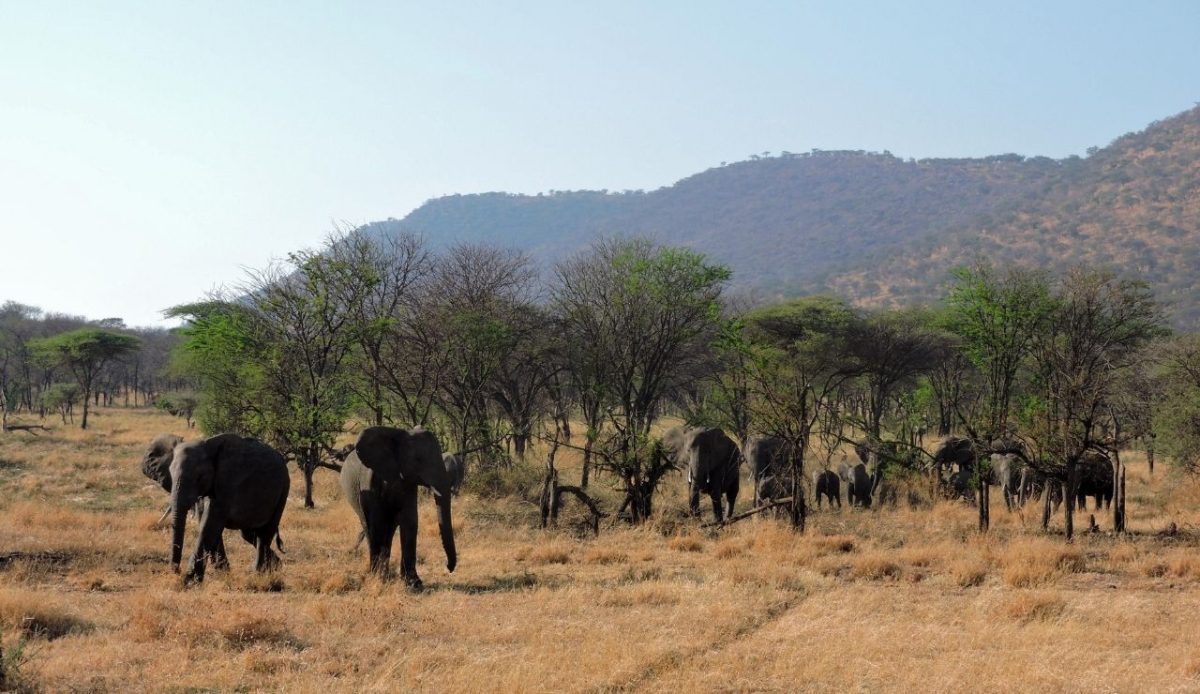
Serengeti National Park is marketed worldwide because wildlife viewing is dependable and the ecosystem supports the Great Migration each year. Visitors can plan around seasonal movement and still expect large herds and predator activity. Park rules, trained guides, and established camps reduce risk while keeping impacts controlled. UNESCO listing adds credibility, and air routes through northern Tanzania make it practical for international itineraries that need predictable timing. A wide range of lodges, from mobile camps to high-end properties, supports different budgets without weakening the core experience.
3. Ngorongoro Conservation Area, Tanzania

Ngorongoro Conservation Area delivers a high success rate safari within a compact crater landscape, which helps travelers on shorter schedules. Wildlife densities are high, and routes are regulated to prevent overcrowding. Pastoral communities are part of the protected area, so the cultural context is present alongside conservation. Strong permit systems and premium lodges maintain standards, while UNESCO recognition signals that both nature and heritage are being safeguarded. Road access from Arusha and links to the Serengeti allow it to be packaged efficiently by operators and planned easily by independent visitors.
4. Stone Town, Zanzibar
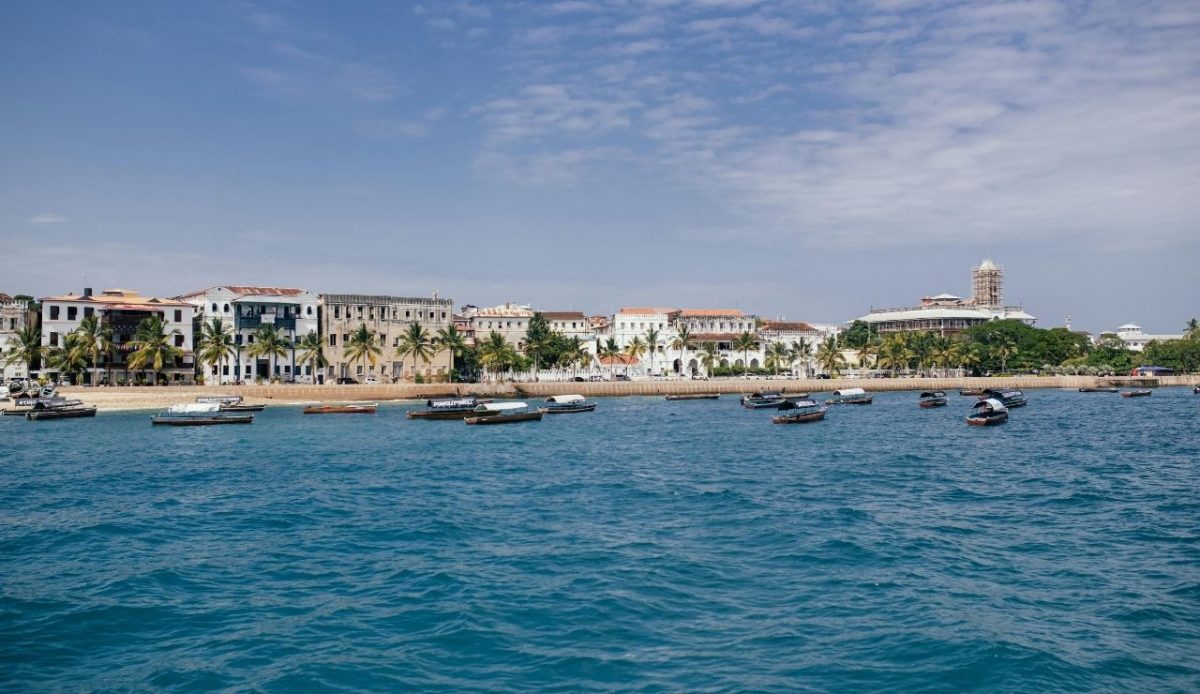
Stone Town in Zanzibar attracts global travelers who want heritage that is still lived in, not a staged district. Restored buildings, mosques, and trading-era streets form a walkable core supported by guides, small hotels, and food venues. Because beach resorts are close, culture and leisure can be combined in one trip without long transfers. UNESCO status strengthens preservation rules and funding, which helps the town remain a credible stop on international Indian Ocean routes. Direct flights from regional hubs and reliable ferries from the mainland keep arrival planning straightforward. Service levels are well established.
5. Medina of Marrakesh, Morocco
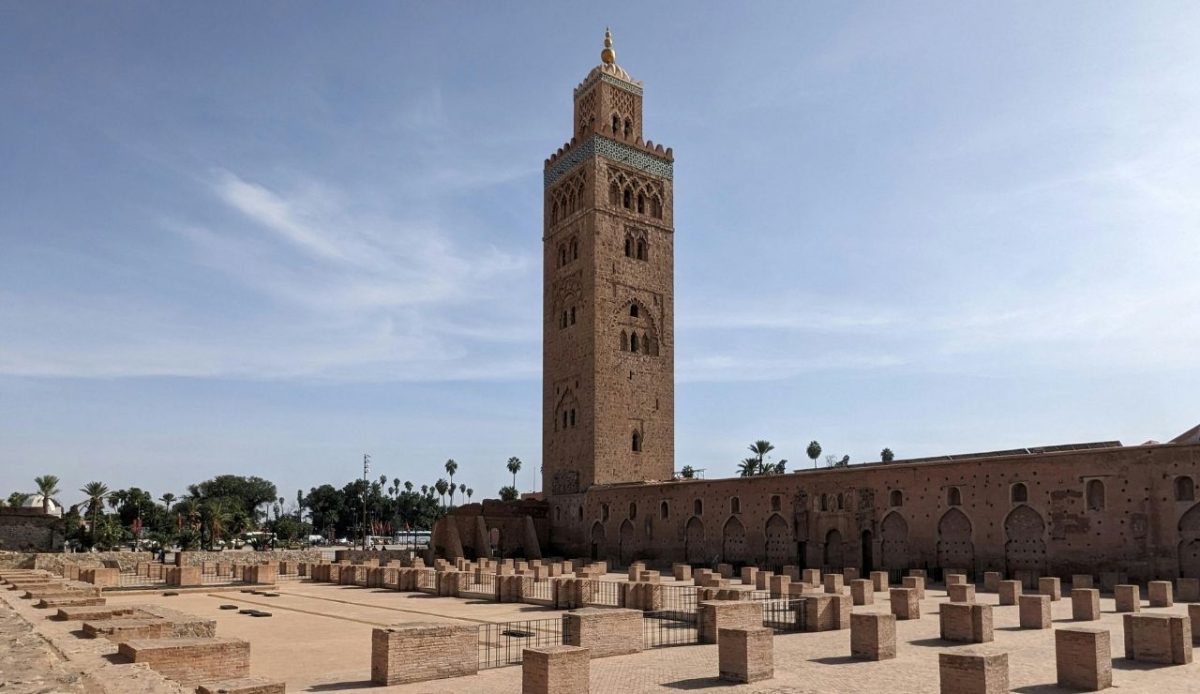
The Medina of Marrakesh supports world-class urban tourism through strong airlift, deep accommodation choice, and an identity recognized worldwide. Souks, historic schools, and courtyards operate as part of daily life, so visitors see working traditions rather than museum displays. Visitor demand is steady across seasons because the city offers shopping, cuisine, and guided history in a compact area. UNESCO listing guides conservation work, and modern resorts nearby add capacity for travelers who want higher service standards. Rail links and road tours to the Atlas region help extend stays and spread spending beyond the old city.
6. Pyramid Fields From Giza to Dahshur, Egypt
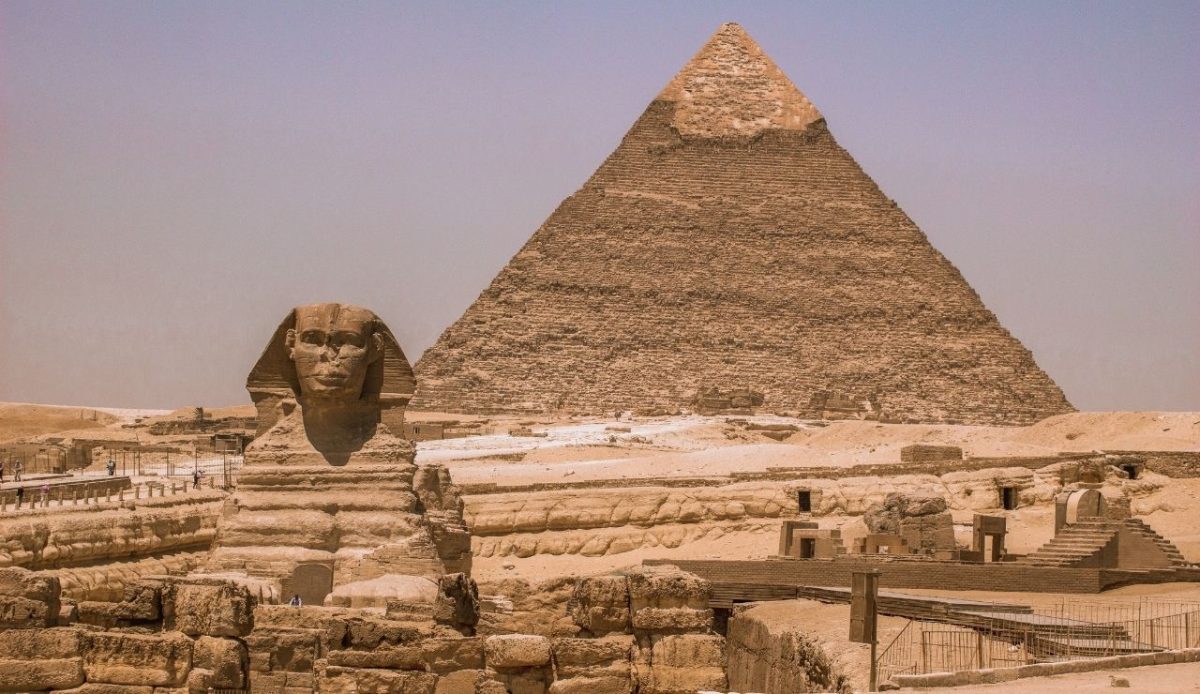
The Pyramid Fields from Giza to Dahshur remain a global travel icon, supported by their scale and by easy access from central Cairo. Large visitor capacity is handled through guided circuits, security planning, and transport services that are used by tour groups and solo travelers. UNESCO designation sets expectations for protection and management, which helps keep the site credible for education-focused travel. New museum development and improved visitor facilities have been added, so the destination can meet modern service needs. Demand is supported year-round because the pyramids are a clear priority for first-time visitors to Egypt.
7. Victoria Falls, Zambia and Zimbabwe
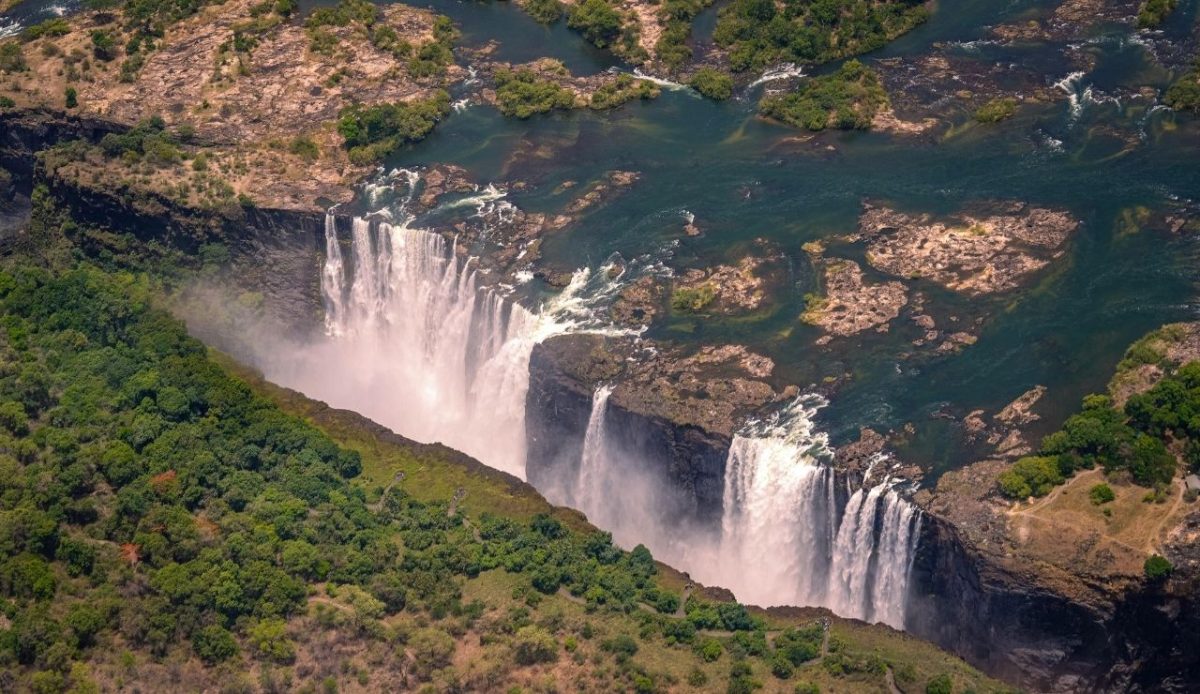
Victoria Falls draws international travelers because access is straightforward and the main attraction delivers reliably during key seasons. Airports on both sides, border procedures, and tour operators allow flexible planning for multi-country trips. Beyond the viewpoint areas, activities like river cruises and guided rafting add length of stay and higher spend. UNESCO listing highlights the site’s natural value, and a mature lodge market supports everything from family travel to luxury packages. It pairs well with nearby safari regions, so operators can build balanced itineraries without adding complex internal flights.
8. Okavango Delta, Botswana
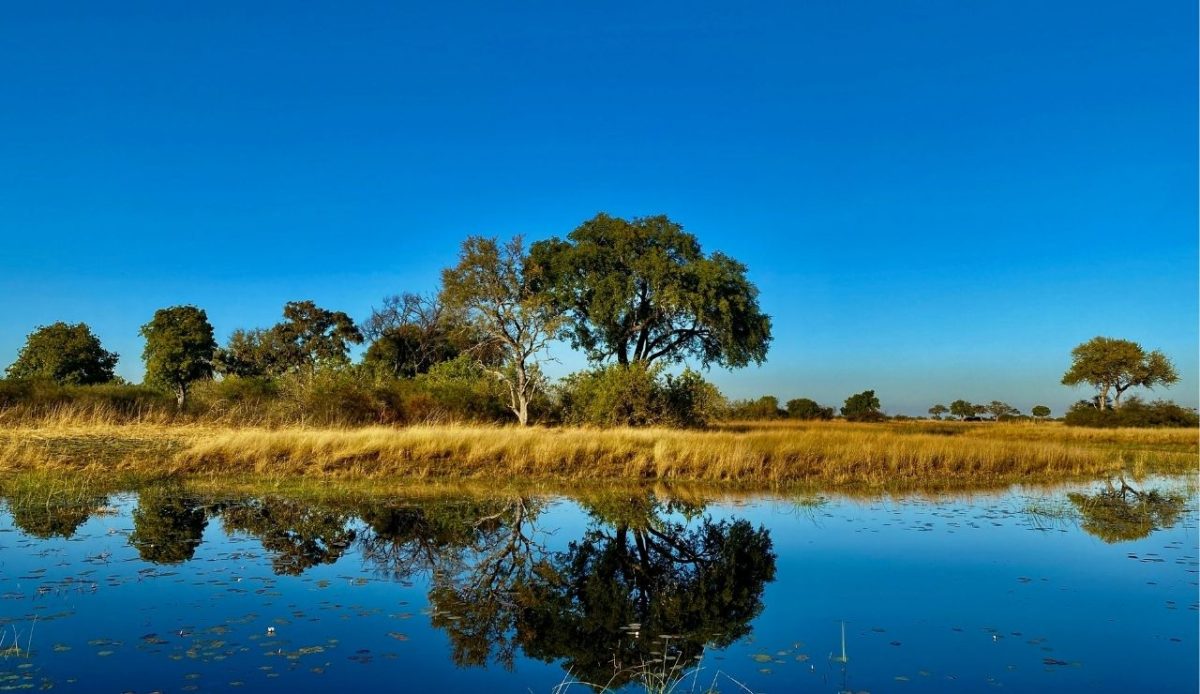
The Okavango Delta is sold as a premium safari because access is controlled and impacts are limited through concession models. Seasonal flooding creates shifting channels, so wildlife viewing is supported on water and on land. Guide training and camp standards are kept high, and many properties operate on an all-inclusive model that simplifies budgeting. UNESCO recognition confirms global significance, and Botswana’s regulations help preserve the experience that repeat visitors expect. International arrivals connect through Maun, then charter flights distribute guests, which keeps travel time efficient while limiting road pressure.
9. Namib Sand Sea, Namibia

Namib Sand Sea delivers a distinct nature product centered on desert geomorphology, rare fog conditions, and protected dune systems. Travel is supported by guided access routes, regulated park entry, and lodging nodes that make remote touring manageable. The appeal is broad because photography, hiking, and wildlife tracking can be offered without heavy infrastructure inside sensitive zones. UNESCO status reinforces conservation standards, and Namibia’s visitor services keep the destination competitive for long-haul travelers. It is often paired with Sossusvlei and coastal routes, supporting multi-stop trips with clear logistics.
10. Mauritius
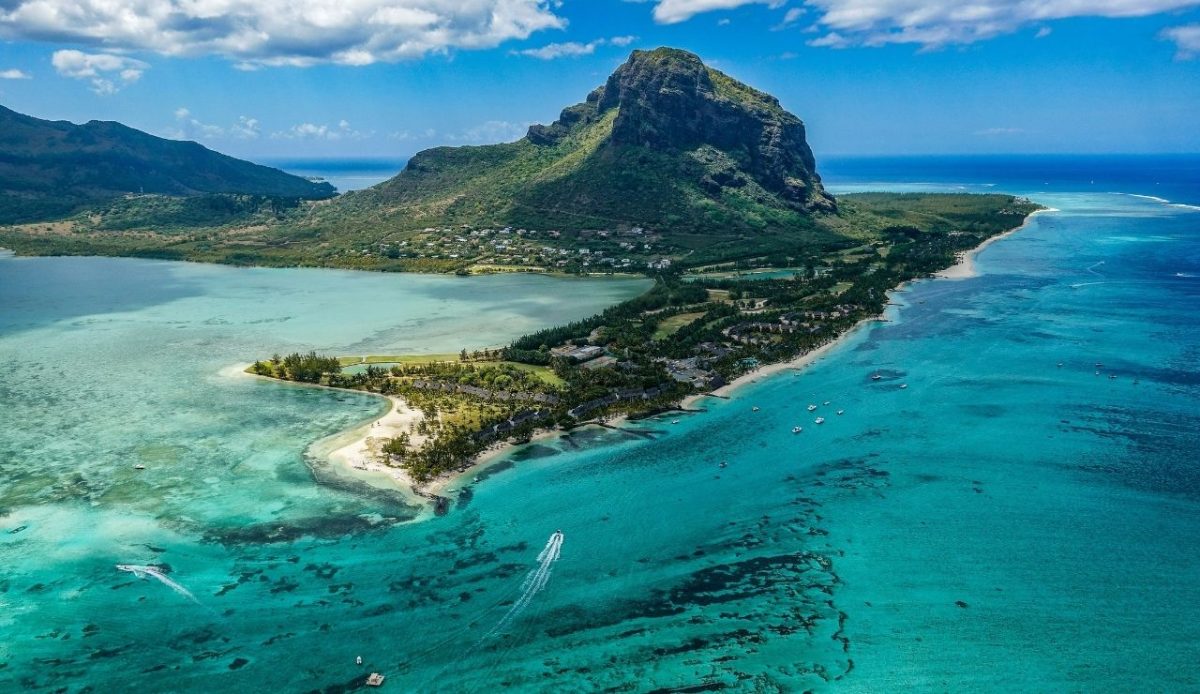
Mauritius succeeds as a world-class island destination because air links, resort capacity, and service training are well developed. Visitors can balance beach time with marine parks, hiking, and cultural sites tied to a diverse population. Road networks and organized excursions make self-directed travel realistic, while high-end properties support package tourism. Recent World Travel Awards recognition signals strong performance in the wider Indian Ocean market, and repeat visitation remains high. Stable governance and strong public services support traveler confidence, which helps the island compete with top global resort regions.
