
Federal transfer notices can shift how people reach certain U.S. lighthouses. These sites remain historic aids to navigation, yet entry is often tied to permits, local tours, or shoreline rules.
When stewardship changes, access plans can be rewritten for safety, insurance, or preservation work. Even viewing areas can be fenced if a pier, road, or breakwater is reclassified.
The eight lighthouses below have appeared in recent federal transfer listings. Each section explains why visitors could face tighter rules even if the structures are maintained. Timing matters because a listing can move from an application window to an auction track quickly.
1. Stratford Point Lighthouse, Connecticut
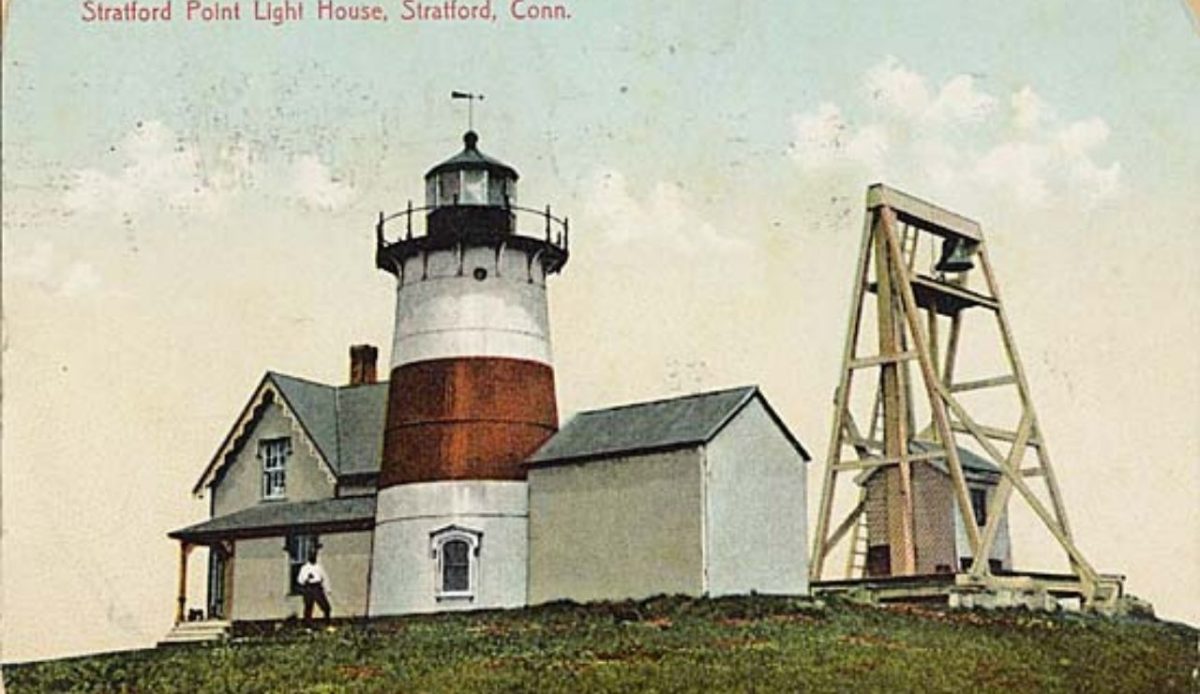
Stratford Point Lighthouse stands on the edge of Long Island Sound at the end of a narrow peninsula. It has appeared in a GSA notice as available for conveyance under the National Historic Lighthouse Preservation Act. Visits have been managed through limited local access rather than an always-open gate.
In a transfer, a new steward could tighten entry to control liability and protect the tower, keeper area, and shoreline. Tour days could be reduced or moved to appointment only, while Coast Guard maintenance rights remain.
Because the approach crosses sensitive coastal property, small policy shifts can block casual stops. Many people would still spot the light from the water or distant paths, but close viewing could end.
2. Lynde Point Lighthouse, Old Saybrook, Connecticut
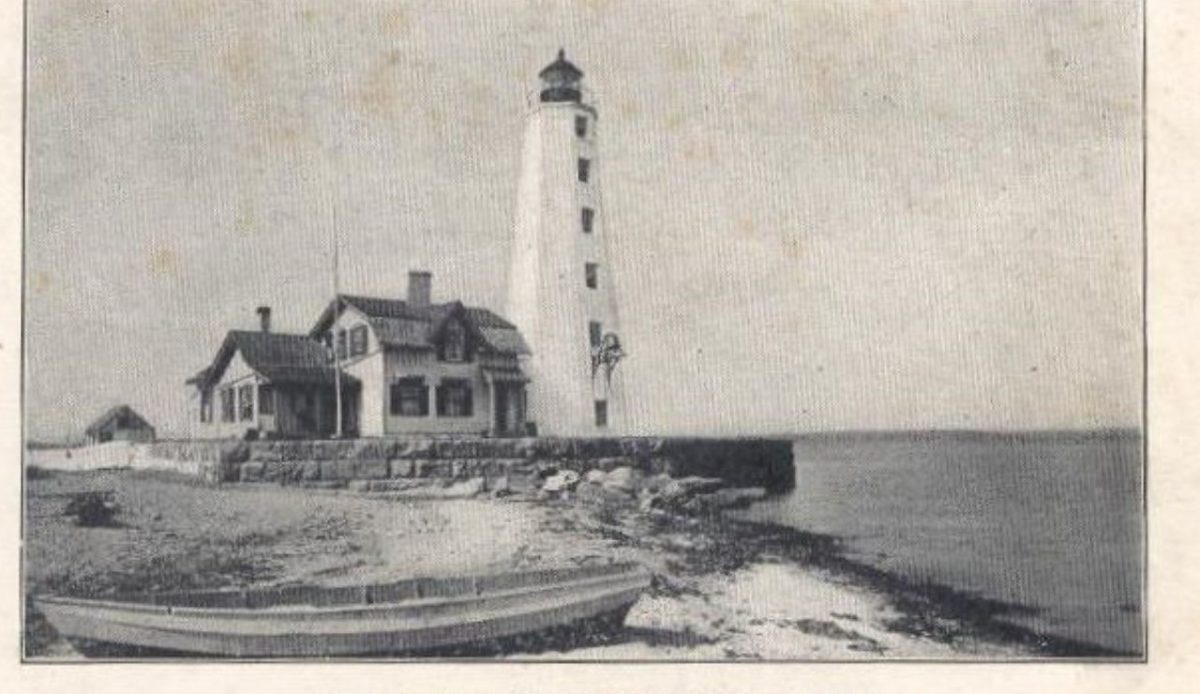
Lynde Point Lighthouse sits near the mouth of the Connecticut River, where private roads and easements shape access. It has been listed by GSA for potential transfer under the historic lighthouse preservation law. The beacon still serves navigation, with federal rights reserved for servicing.
Even now, most visitors view it from afar because the route crosses land not set up for tourism. If stewardship changes, tolerated passage can be withdrawn to avoid disputes and liability.
A new manager may post signs, add gates, or require written permission for any approach. The light would remain a river landmark, yet direct visits could be limited to staff and contractors.
3. Warwick Neck Lighthouse, Rhode Island
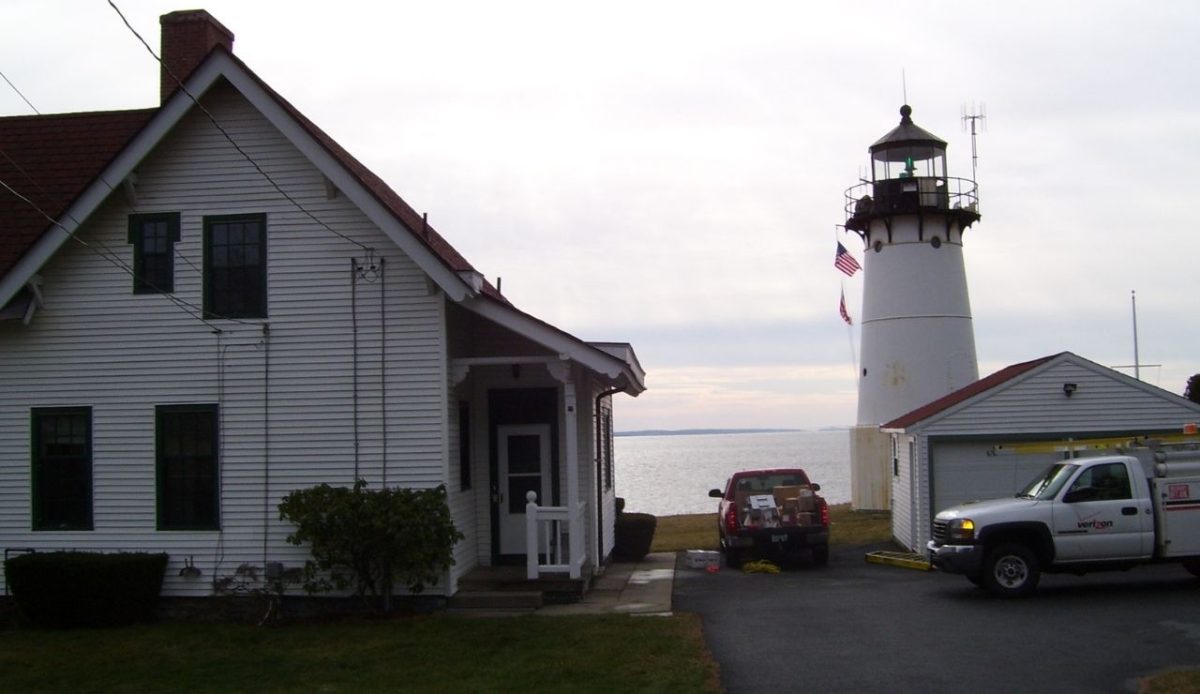
Warwick Neck Lighthouse stands on a residential point in Rhode Island, where visitor traffic can affect neighbors. It has been offered through the National Historic Lighthouse Preservation Act pathway in GSA notices. Federal navigation access is retained even after conveyance.
Because the site sits among homes, a new steward may favor firm boundaries quickly. That can include limiting shoreline entry, ending informal parking, or setting narrow visiting hours.
If no eligible applicant is accepted, the property can be routed toward auction. During that shift, access is often reduced to manage security, leaving the lighthouse visible but unreachable.
4. Nobska Lighthouse, Massachusetts
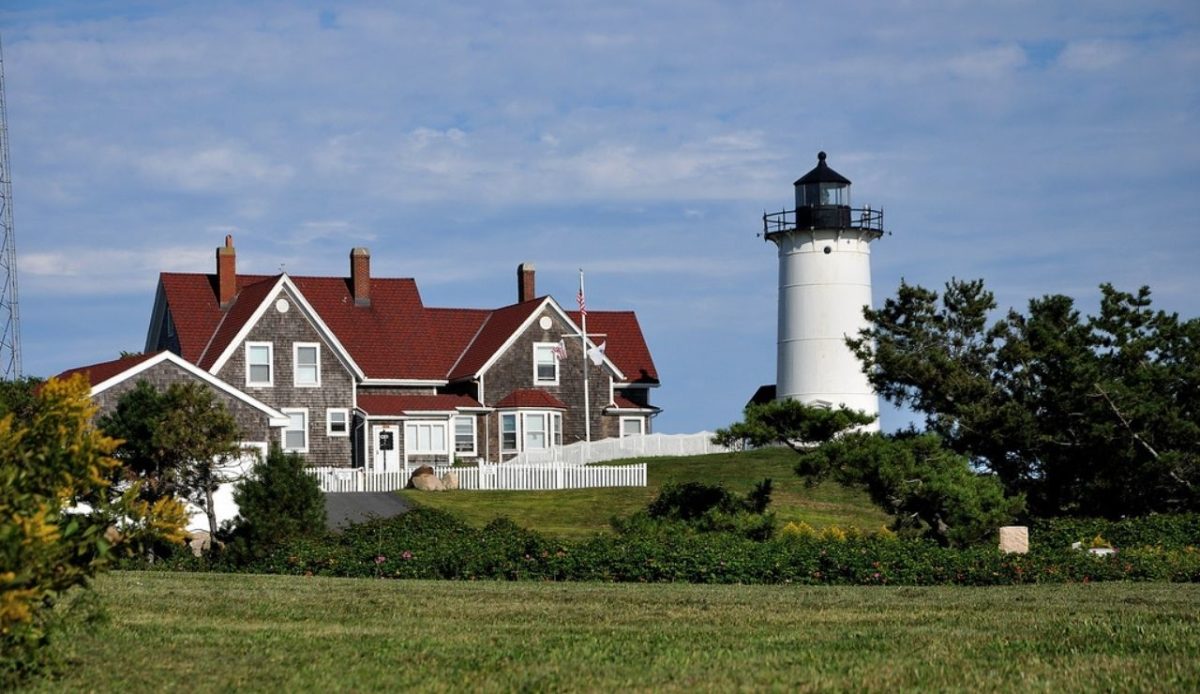
Nobska Lighthouse near Woods Hole marks a headland by the entrance to Vineyard Sound, a key route for local ferries. It has been named in GSA transfer materials tied to the federal lighthouse preservation program. The light remains part of an active navigation system.
Access has relied on scheduled openings, staffing, and clear rules about where visitors can walk. If a new steward takes over, tour frequency can drop while restoration or code compliance work is planned.
Insurance and structural safety reviews often drive those decisions more than public demand. Visitors may still photograph the light from nearby public ways, yet entry to the grounds could be stopped.
5. Ontonagon Harbor West Breakwater Light, Michigan
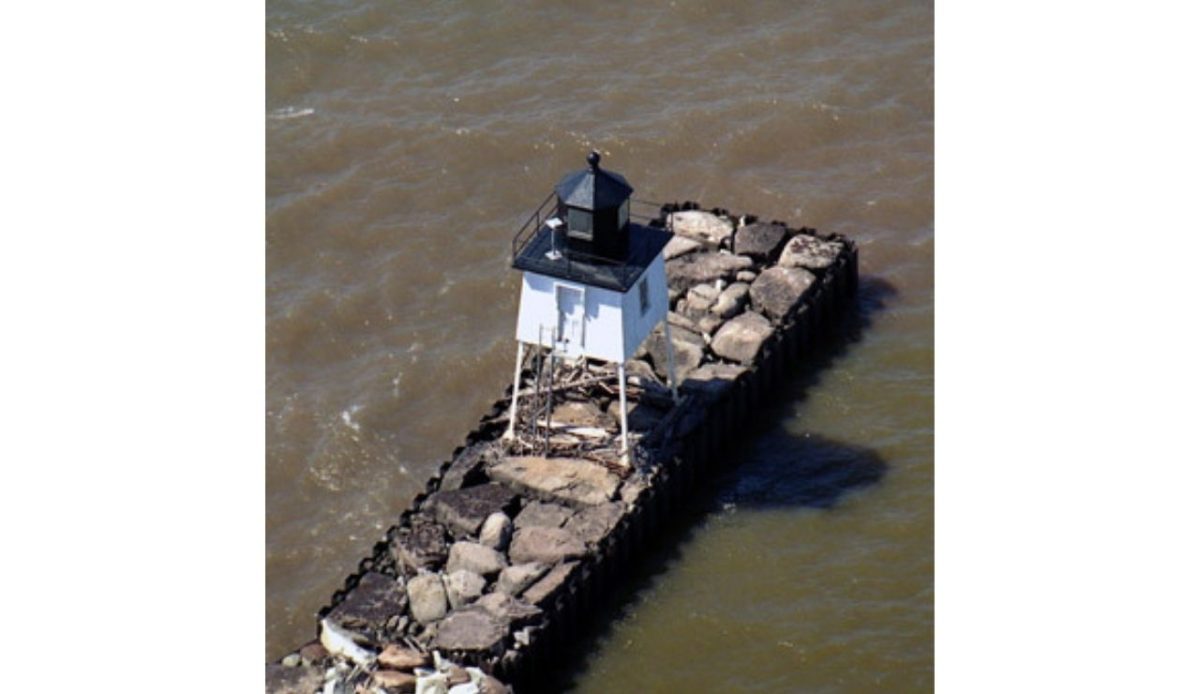
Ontonagon Harbor West Breakwater Light sits at the end of a pier walk on Lake Superior, making it easy to approach on foot. GSA has issued a notice offering the lighthouse for transfer to eligible public bodies or nonprofits. The Coast Guard keeps the right to access the aid for maintenance.
Even without interior tours, the breakwater path is the main visitor draw. After a transfer, the steward may restrict the walkway for repairs, winter hazards, or liability coverage. Some owners require permits for any pier entry.
Closures can start as temporary gates and become long-term rules if funding is tight. People would still see the tower from the shoreline, but the close-up experience could be lost.
6. Superior Harbor South Breakwater Light, Wisconsin
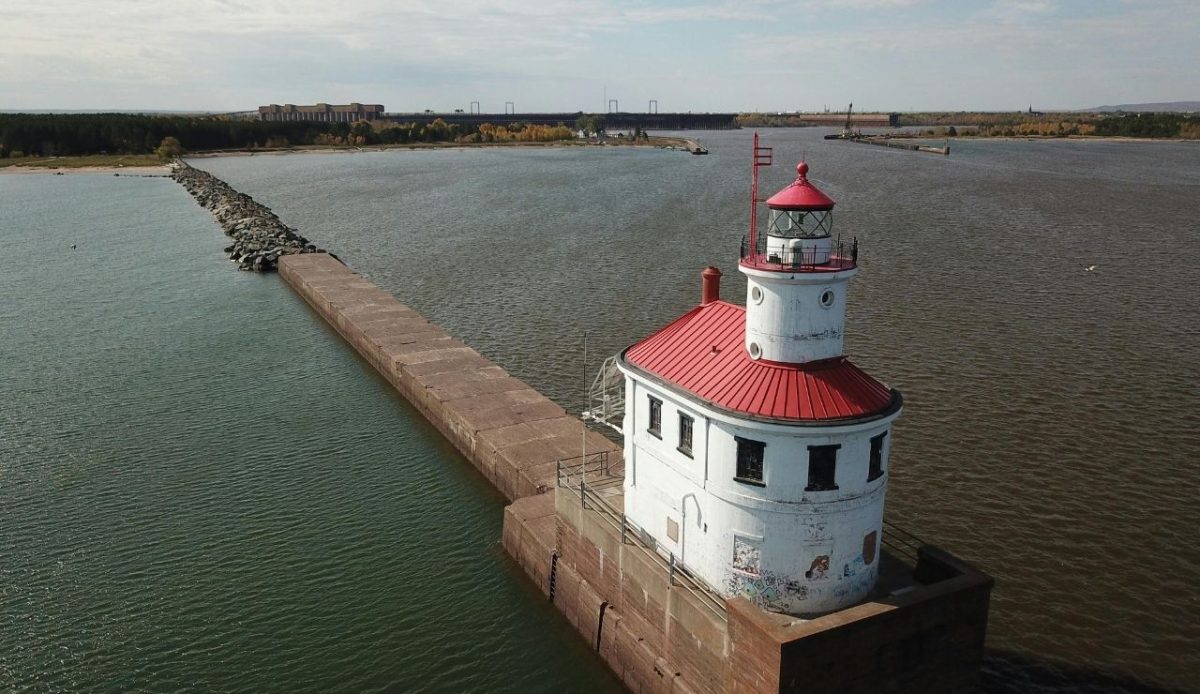
Superior Harbor South Breakwater Light stands at the far end of a long rock structure that visitors often walk in calm weather. It has been offered under the National Historic Lighthouse Preservation Act transfer program through GSA. After conveyance, the Coast Guard still retains operational access.
Because Lake Superior conditions change quickly, managers often treat the breakwater as a hazard zone. A new steward can close the route seasonally, limit access to guided groups, or require waivers.
These limits become likely when maintenance budgets are uncertain, and injuries are a real concern. The lighthouse would remain a harbor marker, but it may no longer be reachable on foot.
7. Sheboygan Breakwater Light, Wisconsin
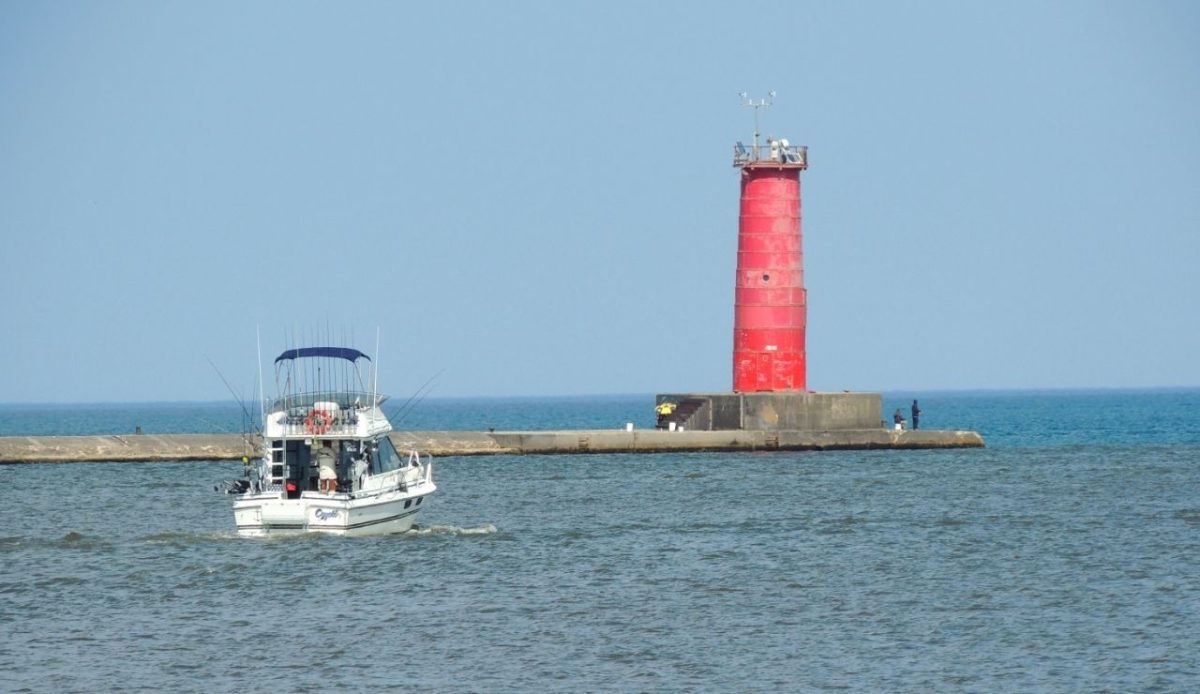
Sheboygan Breakwater Light sits near a busy waterfront where people walk the pier for fishing and photos. It appears in a GSA notice offering transfer to qualified stewards under the historic lighthouse law. Federal rights for servicing the active light are preserved.
Visitors rarely enter the tower, yet a close approach along the pier creates the experience. New management might fence the end of the breakwater during repairs, require permits, or restrict access after storms.
Small distance changes can matter, since views from mid pier feel different than standing beside the structure. If rules tighten, the lighthouse becomes a backdrop rather than a stop on the walk.
8. Keweenaw Waterway Upper Entrance Light, Michigan
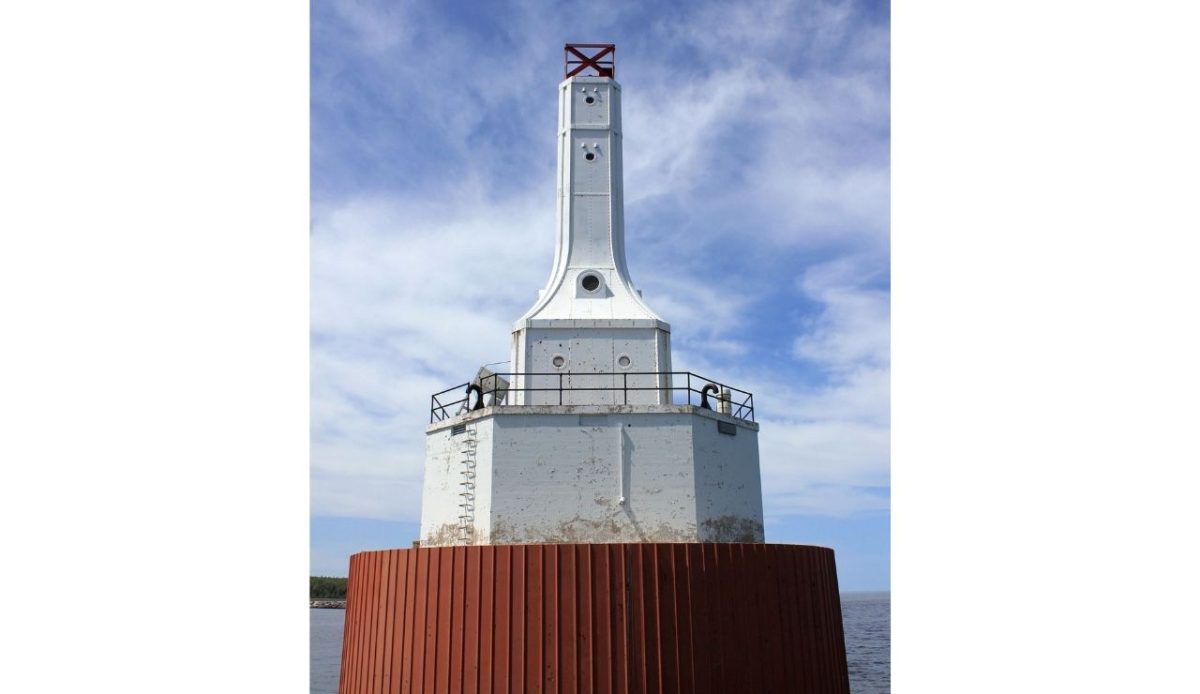
Keweenaw Waterway Upper Entrance Light guards a channel that links Lake Superior to the Keweenaw Waterway system. It has been listed by GSA for transfer, a step that can reshape who controls visitor entry. The Coast Guard keeps access rights to maintain the aid.
Access varies by season and site rules, and much of the interest comes from getting near the structure for photos. A new steward may limit visits to reduce wear, control parking, or keep people away from operational equipment.
Transfers require a plan for preservation, which can trigger closures during inspections and repairs. Even if the light stays active, the public approach could narrow to distant viewpoints only.
