
Spain remains one of the most visited destinations for British travelers, but several adjustments to entry procedures will shape travel in 2025. The European Union’s new Entry and Exit System will bring biometric registration at airports and border points, gradually replacing manual passport stamping. Travelers will also see updates to passport validity rules, proof of funds, and travel insurance checks. These changes aim to make border management more consistent across Schengen countries. To stay prepared, visitors should understand how the new system works and what documents to carry when arriving in Spain.
1. Entry and Exit System Begins in October 2025

Starting in October 2025, Spain will introduce the European Union’s Entry and Exit System for non-EU travelers, including British citizens. This system will electronically record arrivals and departures, replacing traditional passport stamping. Visitors will provide fingerprints and a facial image at designated checkpoints. Border staff will store these records for future entries, making the process more automated once it becomes routine. The change may cause slightly longer wait times at airports during the initial months. Travelers are advised to allow extra time for screening and follow official instructions to avoid issues at immigration.
2. ETIAS Will Not Apply in 2025
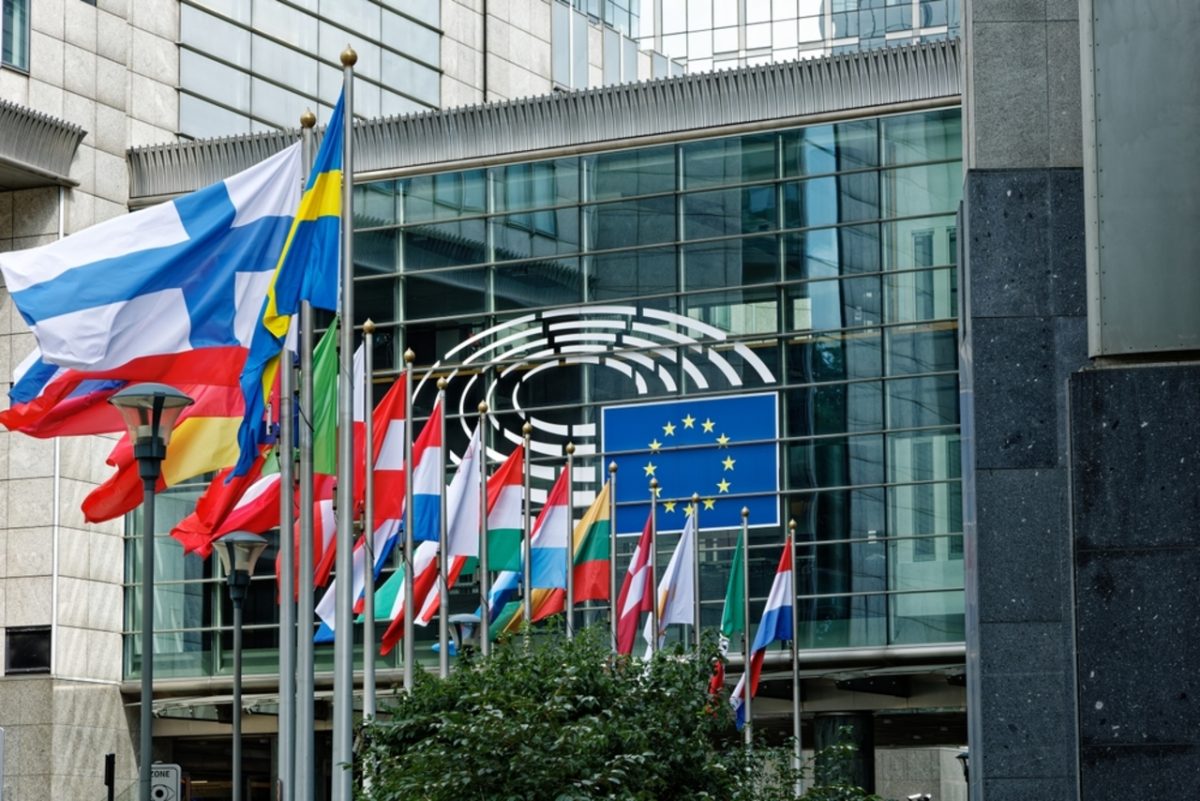
The European Travel Information and Authorization System, known as ETIAS, was originally planned for 2024 but has been delayed until late 2026. British travelers visiting Spain in 2025 do not need to apply for pre-authorization before departure. This postponement gives Spain and other Schengen countries time to test the new Entry and Exit System first. Once ETIAS becomes active, it will function like an online travel clearance linked to your passport; however, this step will not be required next year. Until then, travelers can continue to enter Spain with their valid passport under the current visa-free rules.
3. Passport Validity and Issue Date Rules
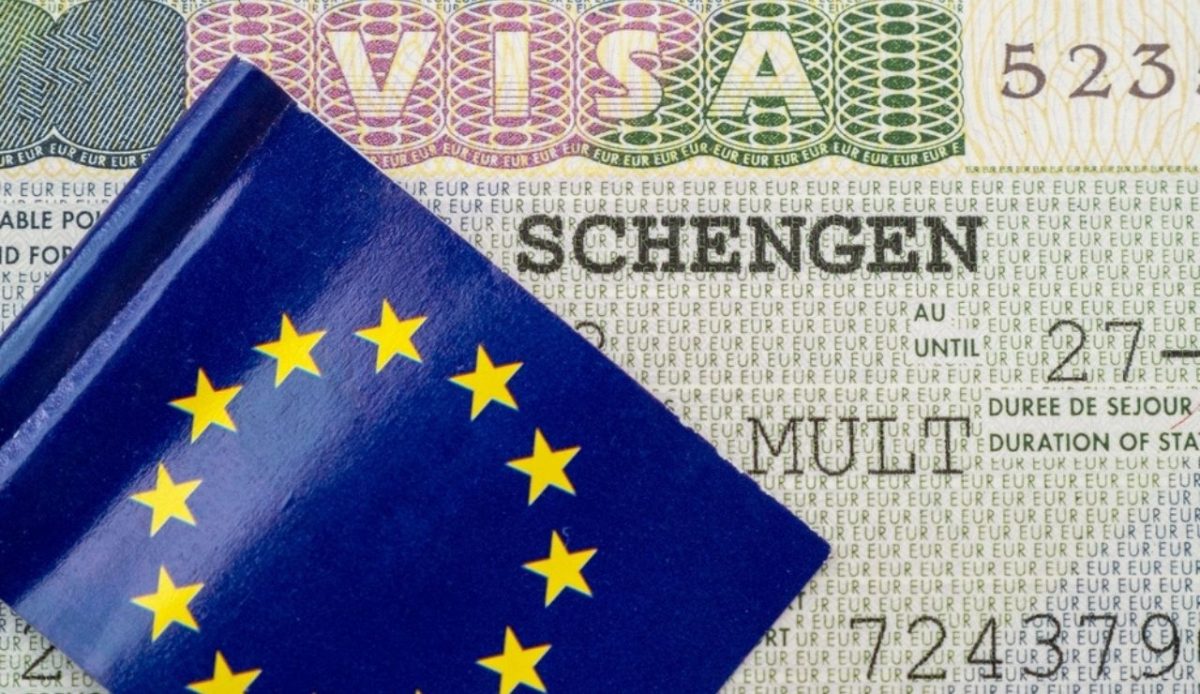
British travelers must ensure their passports meet Schengen requirements before traveling to Spain. The document must have been issued within the last ten years and remain valid for at least three months beyond the date of departure from the Schengen area. Travelers should check both the issue and expiry dates to avoid confusion, since validity is calculated from the issue date rather than renewal extensions. Airlines may deny boarding if these conditions are not met, even if the passport appears valid. Checking these details early prevents last-minute delays at airports.
4. Proof of Funds at Border Checks

Spain continues to require travelers from outside the European Union to show proof of sufficient funds during entry inspections. British visitors may be asked to confirm they can cover daily expenses for their stay. In 2025, the standard amount remains about 118 euros per person per day, with a minimum of roughly 1,065 euros for longer trips. Officers can request bank statements, cash, or credit card proof. This rule rarely affects short vacations, but having documents ready helps avoid misunderstandings. Travelers should also keep return tickets and accommodation confirmations in case officials ask for them.
5. Travel Insurance and Health Documents

Spain may request proof of travel insurance at border points in 2025, particularly for non-EU nationals. While not yet a formal requirement, officials can ask visitors to confirm they have medical coverage for emergencies or hospitalization. Carrying a printed policy that lists coverage amounts can save time during inspection. Travelers are also advised to hold a valid Global Health Insurance Card or European Health Insurance Card for access to state healthcare during temporary visits. Even with these cards, additional insurance remains important for services such as repatriation or private care that local systems may not cover.
6. Tourist Tax Updates in 2025

Tourist taxes continue to vary by region, with the most active changes taking place in Catalonia and the Balearic Islands. Catalonia delayed a planned increase until late 2025, but the municipal rate in Barcelona now reaches about 6.75 euros per night for high-end hotels. In the Balearics, rates differ by season and accommodation type, ranging from small charges at hostels to higher fees at luxury resorts. These funds support tourism infrastructure and environmental projects. Visitors should check updated rates before booking since hotels typically add these fees directly to final invoices.
7. Passport Stamping During the Transition
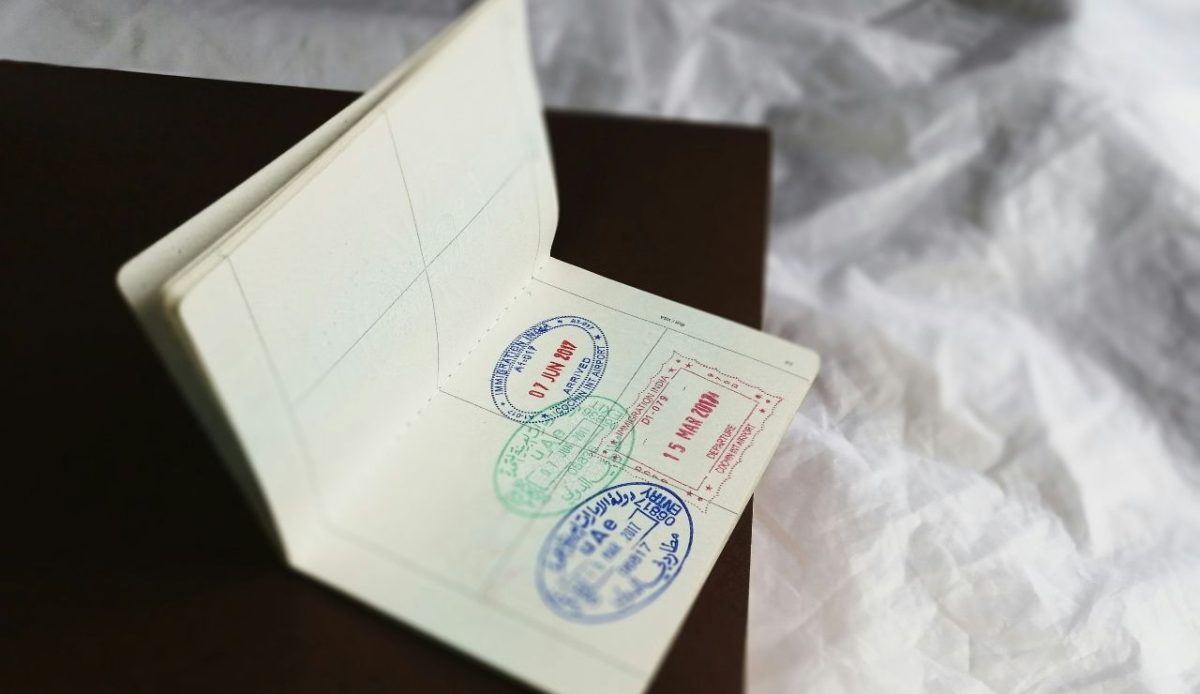
Although Spain will move toward digital tracking through the Entry and Exit System, passport stamping will continue until the system operates fully across all Schengen borders. Travelers should expect stamps both on arrival and departure in 2025. Keeping boarding passes or printed itineraries is useful in case a stamp is missed or unreadable. The stamps help border officers verify the number of days spent within the 90-day limit allowed for short-term visits. Carrying proof of exit dates helps prevent confusion, especially if traveling between several Schengen countries in one trip.
8. Driving and Car Hire Requirements
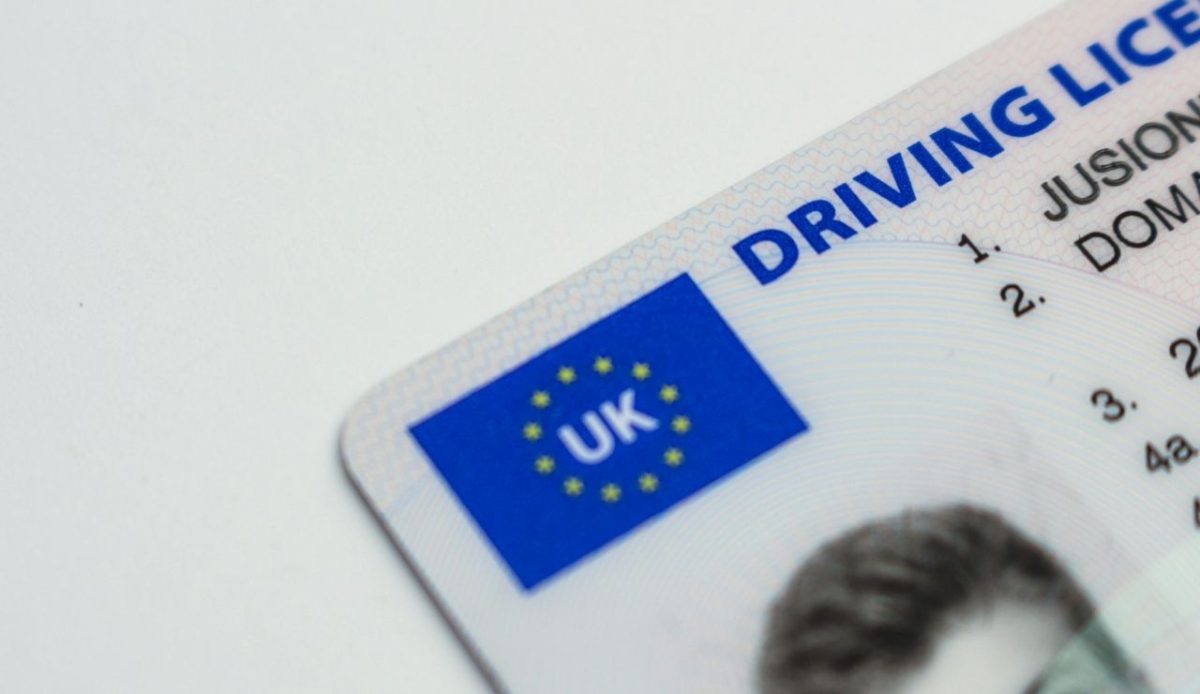
British travelers renting a car in Spain can continue to use their UK photocard driving license for short stays. An International Driving Permit is not required for most visitors staying under six months. Those driving their own vehicles must display a UK identification sticker and ensure their insurance policy covers travel within the European Union. Rental companies may also request a credit card and proof of return travel before handing over keys. Speed limits and road rules can differ slightly between regions, so reviewing local regulations before driving helps avoid fines and traffic delays.
