
Long-haul flying is getting tighter, and the most noticeable change is seat pitch, the distance from one seatback point to the same point in the row ahead.
Many economy cabins sit around 30–31 inches of pitch, while some configurations dip lower, and a one- or two-inch change can feel dramatic over eight to fourteen hours.
When space compresses, comfort shifts from “nice to have” to basics: easier breathing, fewer pressure points, better circulation, and the ability to adjust for meals and sleep without repeatedly bumping the seat in front. That reality is reshaping what travelers book and how they prepare.
What Seat Pitch Really Changes in Economy
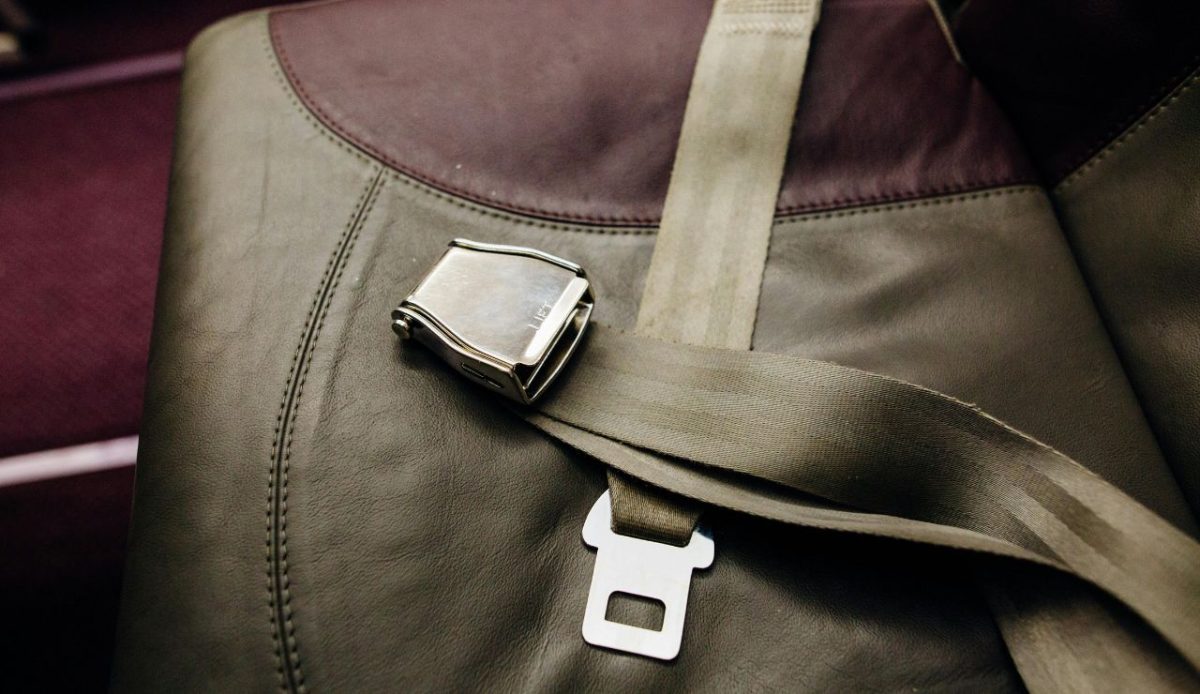
Seat pitch isn’t the same as “legroom,” but it strongly predicts how your knees, shins, and feet will fit once the person ahead reclines. A thicker seatback, a bulky IFE box, or a power unit can reduce usable space even if the published pitch looks decent.
Studies testing multiple pitch settings have found measurable drops in comfort as pitch decreases, especially for taller passengers and longer sitting times.
On long-haul routes, the compounding effect matters: less room to shift means more time in a single posture, which amplifies soreness and makes small disruptions, like getting up for the aisle, feel bigger.
Comfort Becomes a Movement Problem
Tighter rows change the health math of long flights. When knee angle stays closed and movement feels awkward, people stand up less, and that can worsen swelling and stiffness over time.
Comfort research links reduced pitch with higher reported discomfort and a stronger “cramped” space experience, which often shows up as hip pressure, lower-back fatigue, and tingling legs.
Airlines encourage periodic movement, but shrinking personal space makes simple habits, ankle pumps, seat-edge stretches, reaching under the seat for a bag, harder to do without bumping neighbors. Even grabbing water can turn into a negotiation if the aisle is tight.
Sleep and Posture Are Taking the Hit
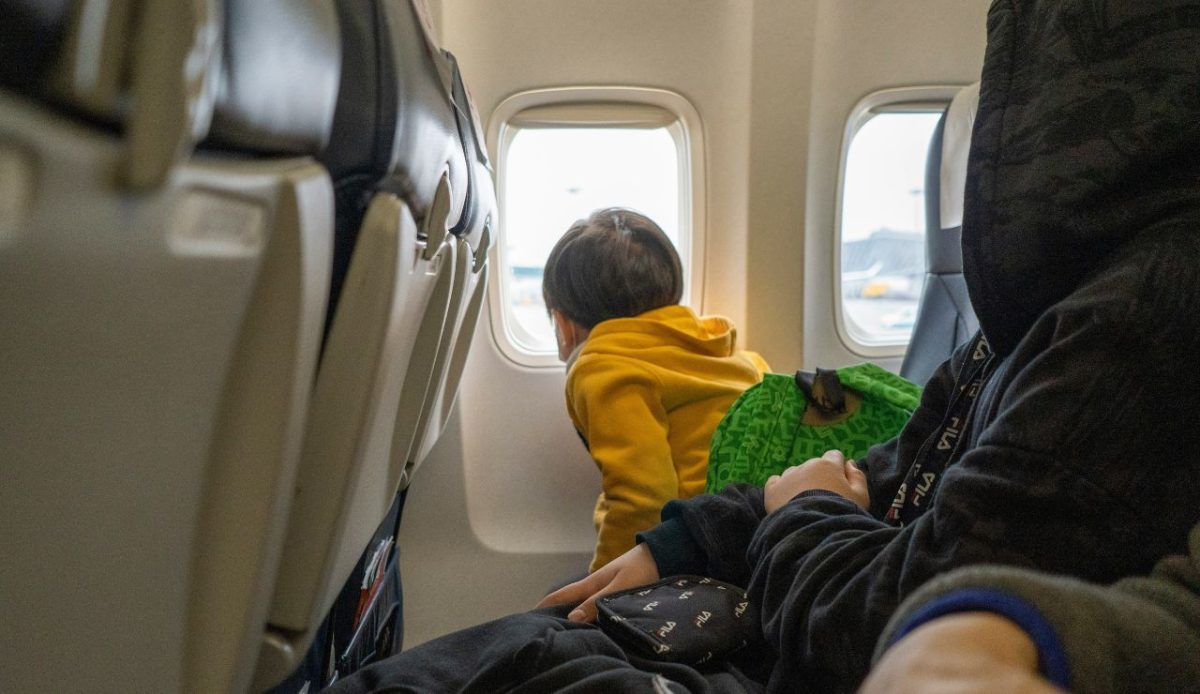
Sleep is where reduced pitch feels most punishing. With limited space to recline and less clearance for knees, the “slide down” posture becomes common, increasing tailbone pressure and neck strain.
Airlines sometimes argue that slimmer seatbacks offset tighter spacing, but the lived experience depends on padding, lumbar shape, and how far the tray and screen protrude into your space.
On overnight flights, a small reduction can decide whether you can cross your legs, rest a foot on a bag, or change sides without waking yourself up, and without the seat in front becoming a hard stop. In turbulence, less room makes bracing positions more awkward.
The Business of Selling Back Your Own Space
Shrinking pitch is tied to how airlines sell space. Denser layouts increase seat counts, while “extra legroom” rows and premium economy monetize the comfort gap for travelers who can’t tolerate standard spacing.
In the United States, Congress has debated seat-dimension standards for years, but recent FAA reauthorization still left minimum seat size to the regulator, while pushing for better public information on seat dimensions.
The result is a market workaround: rather than one roomy cabin, long-haul comfort is increasingly a paid upgrade, and the baseline experience keeps drifting toward “good enough.”
How Travelers Are Adapting to Long Routes
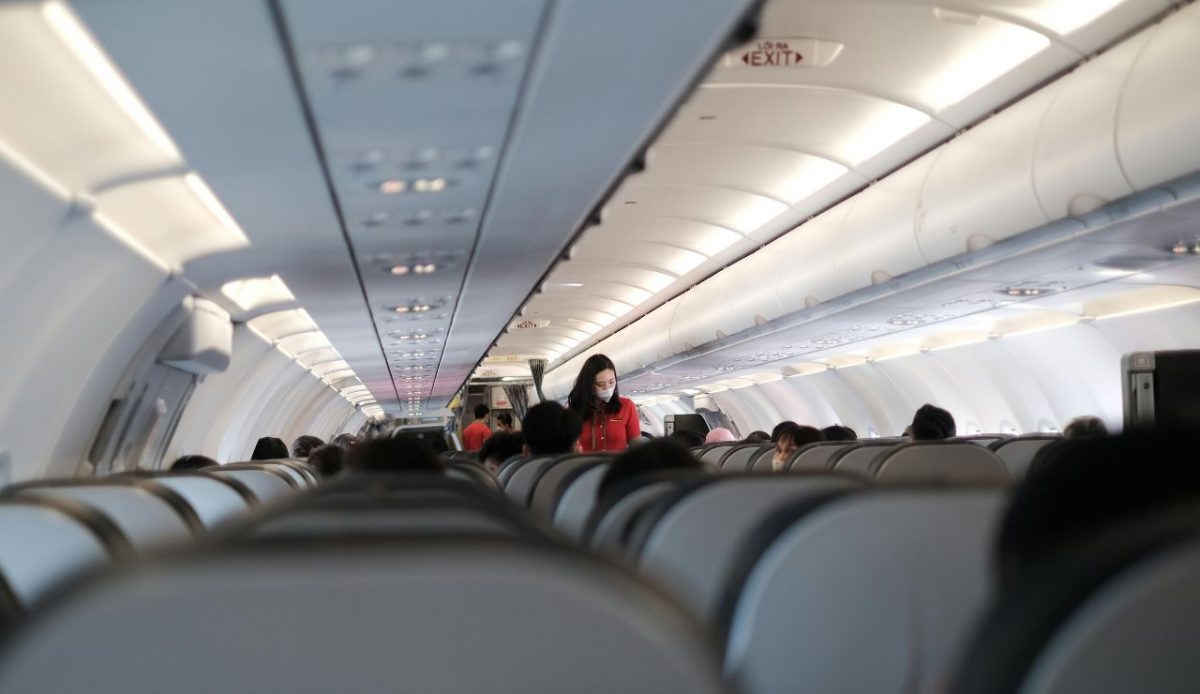
Travelers are adapting by treating seat pitch like a spec, not a surprise. Aircraft type and even sub-fleets can vary on the same route, so checking the plane and comparing pitch can prevent a rough overnight.
Choosing an aisle can make standing breaks easier, while a window helps if you plan to sleep; either way, packing for posture matters more in tight rows. Think supportive neck alignment, layered warmth, and shoes that handle swelling.
If you’re tall or prone to back pain, the most reliable fix is still more space: exit rows, extra-legroom economy, or premium economy, where pitch is typically higher, and movement is less disruptive.
