
Many U.S. destinations get labeled safe because violent crime is low, streets look orderly, and visitor services run smoothly. That reputation can hide the main drivers of harm. Beach rescues, park medevacs, and roadside trauma are usually linked to currents, heat stress, sudden floods, altitude strain, wildlife approach, or impaired driving. When safety is treated as a crime metric, travelers may skip forecasts, pack too little water, start late, and assume a ranger or lifeguard will solve problems fast. Guidance from NOAA, CDC, NWS, NPS, and NHTSA is clear, but it is often read after risk has already built.
The risk pathway is consistent across places that feel calm. A safe image lowers perceived threat, so people stay in surf longer, hike in peak heat, enter narrow canyons under unstable weather, or drive unfamiliar roads while tired. Tourism systems can add pressure as well. Limited shade on popular trails, crowded pullouts that push quick photo stops, and rental gear that looks beginner-friendly can prompt choices that raise exposure. This article focuses on mechanisms, showing how common safe destinations can create predictable conditions for injury when visitors rely on reputation instead of rules.
Low Crime Beach Towns and Rip Current Fatalities
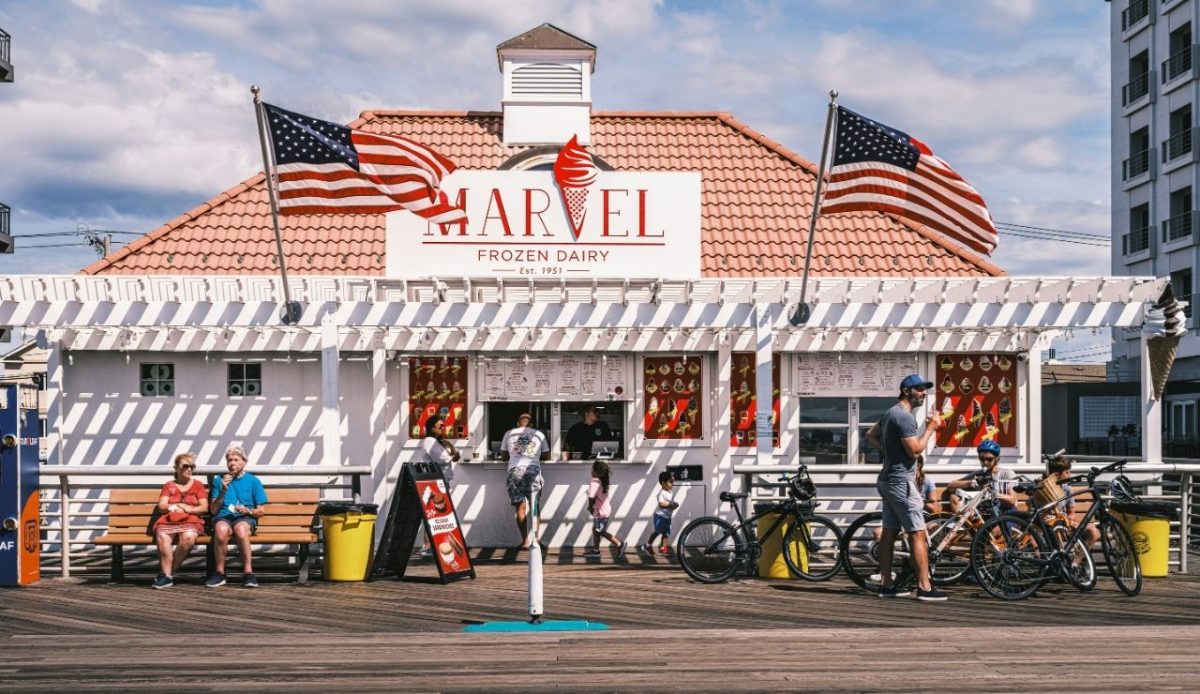
Coastal towns that rank as safe often have low reported violence and a strong family brand, which can make the ocean feel like a controlled amenity. Rip currents do not match that mental model. A narrow channel of fast water can form near sandbars, jetties, or gaps in breaking waves, then pull swimmers away from shore. Because the beach looks calm at the water level, visitors may enter outside guarded zones or ignore flag systems. The result is exhaustion, panic, and rescues that depend on quick recognition. NOAA advises floating, signaling, and swimming parallel to escape rather than fighting straight in.
A safe reputation changes supervision habits. Parents may let children wade deeper, and adults often stay in the surf longer without checking a local forecast or asking a lifeguard about current conditions. Rental boards and calm-looking coves can invite novices into stronger flow near inlets. Risk drops when swimmers choose staffed areas, keep groups within arm’s reach, and treat red flags as a stop signal. Alcohol and fatigue reduce judgment, so timing matters. Set a swim window, plan shore breaks, and assign one person to watch the water at all times. Cold-water shock can trigger gasping and cramping, making escape harder.
National Parks Marketed as Family Friendly and Heat Illness
National parks are framed as safe family trips because rangers, maps, and marked trails suggest a managed setting. Heat does not respect that structure. In desert and canyon parks, high temperatures, low humidity, and exertion can drive dehydration and heat illness quickly, even on short routes. Visitors arriving from cooler regions often start late, carry too little water, and rely on a phone for navigation. When symptoms appear, turning back can feel unnecessary because the trailhead seems close, yet medical decline can accelerate fast. CDC and NPS guidance stresses early starts, shade breaks, and electrolyte replacement, not more water.
A safe label can also distort pacing. People push to finish a loop because the park is popular and the route is posted as moderate, then they stop sweating, become confused, or develop vomiting. Rescue time is often longer than visitors expect because crews must reach remote terrain and then transport a patient back out. Prevention is practical and measurable. Hike at dawn, carry more fluids than planned, eat salty snacks, and turn around at the first sign of dizziness or chills. If shade is scarce, shorten the route and prioritize indoor cooling before trying again another day. Strong sun can burn fast and cause fluid loss.
Scenic Canyon Destinations and Flash Flood Exposure
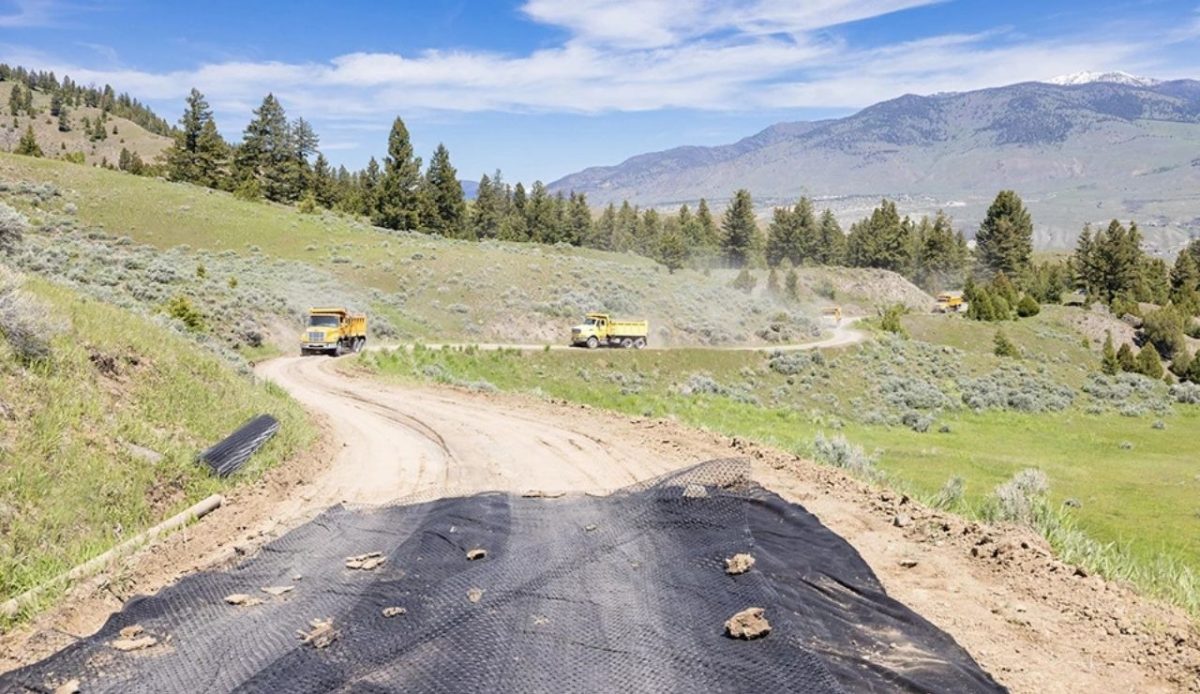
Scenic canyons and river walks feel safe because they are heavily photographed and often reached by maintained roads. That familiarity can hide flash flood physics. Rain falling miles away can send a surge into a dry wash, and narrow walls concentrate water into a fast, debris-filled flow. Visitors may enter a slot canyon under blue sky and assume conditions are stable, then find exits blocked by rising water. NWS warnings emphasize that floods can develop in minutes and that higher ground must be reached early, not after the surge arrives. Because the hazard is upstream, checking the area forecast matters more than looking at the sky overhead.
Safe branding can push people into tight schedules. A guided tour slot or a long line at the trailhead may encourage visitors to continue even when storms are possible. Once inside a canyon, footing can be lost on wet rock, and debris can turn shallow water into a battering flow. Risk drops when travelers avoid drainages during flood watch, choose routes with high ground exits, and carry a headlamp in case retreat takes longer than expected. The key decision is made before entry. If weather uncertainty exists, pick an open trail where escape does not require climbing. Never drive into flooded roads since the depth and current are hard to judge.
Mountain Resorts and Underestimated Altitude Illness
Mountain towns are often described as safe because streets are quiet, lodging is organized, and crime is low. Altitude illness is still common among visitors who arrive from sea level and sleep high on the first night. Reduced oxygen pressure can trigger headache, nausea, and unusual fatigue within hours. Because symptoms resemble travel stress, people may keep hiking or skiing, which raises strain and can worsen breathing during rest. CDC guidance links risk to rapid ascent and heavy exertion early in the trip, not to local safety reputation or police presence. Alcohol and dehydration add stress, so early choices matter.
Resort infrastructure can deepen false confidence. Paved paths, shuttle stops, and full-service hotels make the environment feel familiar, even though the body is operating with less oxygen. Risk drops when the first two days are used for light activity, longer sleep, and conservative pacing. Many travelers benefit from sleeping lower than the day’s high point and from avoiding alcohol until acclimation improves. If headache worsens, coordination falters, or shortness of breath appears while resting, the safest response is to descend and seek medical care. A quiet town can still produce a serious emergency when altitude is ignored.
Managed Wildlife Areas and Close Approach Injuries
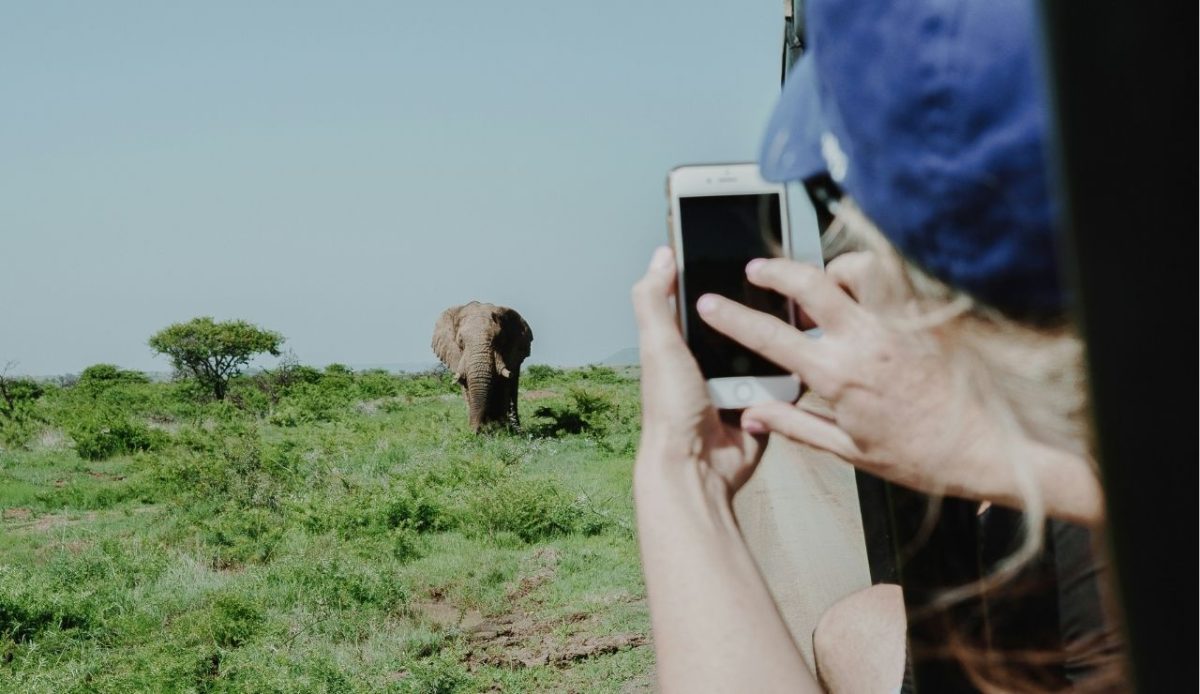
Parks with boardwalks and ranger patrols can feel safer than wild country, so visitors may treat large animals as part of the scenery. In Yellowstone, bison have injured more people than any other animal, and the main trigger is a close approach for photos. A bison can accelerate quickly and change direction faster than a person expects. Crowded pullouts and short viewing distances can reduce escape space, turning a calm moment into a sudden impact or trampling event. NPS guidance to keep at least 25 yards is a practical safety buffer, not a suggestion. Using a zoom lens and waiting for the animal to move lowers the risk.
The safe image is reinforced when animals appear near roads and ignore cars, which can be misread as habituation. Social pressure also matters. When a crowd steps closer, newcomers may follow to avoid missing the photo. Risk drops when travelers exit the scene early, keep children beside adults, and never stand between an animal and its group. Rangers cannot be everywhere, and response time depends on traffic and terrain. If an animal changes posture, paws the ground, or lowers its head, distance should increase immediately. In managed parks, most injuries happen after visitors choose to override posted rules.
Relaxed Vacation Drives and Traffic Fatalities
Quiet resort areas and scenic byways are often seen as low risk because they lack the congestion and crime worries of big cities. Driving remains one of the most dangerous parts of a trip. Tourists face unfamiliar speed transitions, complex turns, wildlife crossings, and limited lighting on rural roads. Distraction rises when navigation apps, rental car controls, and sightseeing compete for attention. NHTSA reporting shows that a large share of crash deaths involve unrestrained occupants, and the risk is higher when passengers believe short drives do not require a seat belt. A safe destination label does not change impact physics.
Vacation routines can also raise impairment risk. Drinks may start earlier, groups may move between venues, and ride services may be scarce outside downtown cores. NHTSA data show that alcohol impaired driving still accounts for a large portion of U.S. traffic deaths each year. Prevention is planning. Choose a driver before the first drink, budget for taxis, and avoid renting scooters or golf carts after alcohol use. Fatigue is another trap. Long hikes followed by driving late reduce reaction time and widen the stopping distance. In places marketed as safe, visitors should treat transport choices as a primary safety decision, not an afterthought.
