
Airline tickets in the United States are priced by systems that react to demand, time, and remaining seats. Dynamic pricing means the fare you see is an offer that can change many times a day as forecasts update. This article explains why last-minute trips often feel almost unaffordable, even when the plane is not full. Late buyers are commonly tied to work, emergencies, or fixed events, so their willingness to pay is modeled differently. That difference is translated into higher published fares and fewer low buckets as departure gets closer. It also shows how fees and limited competition can magnify the jump at checkout.
Most airlines still manage seats through booking classes, where each class maps to a price and a set of rules. When cheaper classes sell out or are closed, the next available class becomes the new floor, so the displayed price can leap. Advance purchase cutoffs, refund limits, and change penalties remove discount options as time runs out. At the same time, newer continuous pricing tools can adjust fares in smaller steps using live signals from sales and rivals. Together, these mechanisms shift cost toward travelers who shop late and cannot easily change dates or airports. The result is a market where timing becomes a major part of seat cost.
Why Prices Spike Close to Departure

In the final week, airlines face a shrinking chance to sell remaining seats, so the value of each seat is recalculated. Revenue models compare selling now versus holding inventory for travelers who historically buy late and pay more. If booking pace is strong, cheaper classes may be kept closed even while many seats remain, a practice often called yield protection. On routes with few nonstop competitors, the lack of alternatives lets higher fares persist because switching carriers is not easy. Weather disruptions, seasonal peaks, and city events can also tighten forecasts, so higher classes stay open, and discounts are less likely to return.
Price changes near departure can look sudden because they are triggered by thresholds in sales and forecast updates. When a flight crosses a target load level, the system may reprice the remaining inventory to protect expected revenue. Studies of advance purchase deadlines show that shoppers try to avoid the step-ups that occur after cutoffs pass, but urgent trips cannot. Even if a brief dip appears, it may vanish quickly because a single purchase can move the offer into a higher bucket. For last-minute buyers, waiting for a drop often carries more risk than savings, especially on high-demand days.
How Fare Rules Remove Cheap Options
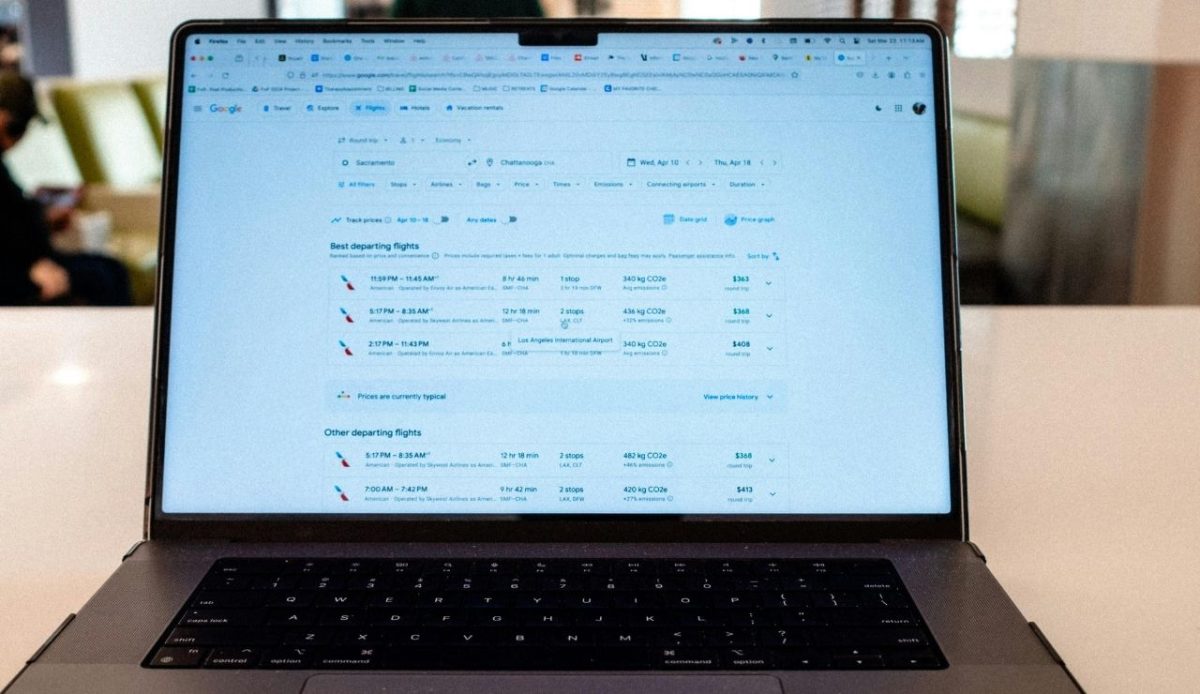
Fare rules determine which prices can be shown, not just what the airline would like to charge. Discount fares often require purchase a set number of days ahead and may restrict refunds or changes, which helps separate leisure from urgent travel. As the clock runs down, those free products are removed automatically, leaving flexible options that cost more. Some rules also block quick trips through minimum stay requirements, so a short visit may be pushed into higher-priced categories. That structure means affordability can disappear even when the aircraft has not reached a sellout point. The rulebook does the filtering.
Airlines are adding more flexible offer technology that can adjust prices in smaller increments than classic fare prices. Instead of moving only between a few published levels, a base price can be tuned using real-time signals such as remaining seats and rival capacity. This can reduce the chance of a clear bargain window for late shoppers because the quote is calibrated to current conditions. It also complicates comparisons across sales channels, since refresh timing and displayed bundles can differ by site or app. When demand is steady, that tuning tends to move upward, not downward, as departure approaches.
Ancillary Fees and Bundles Raise the Real Total
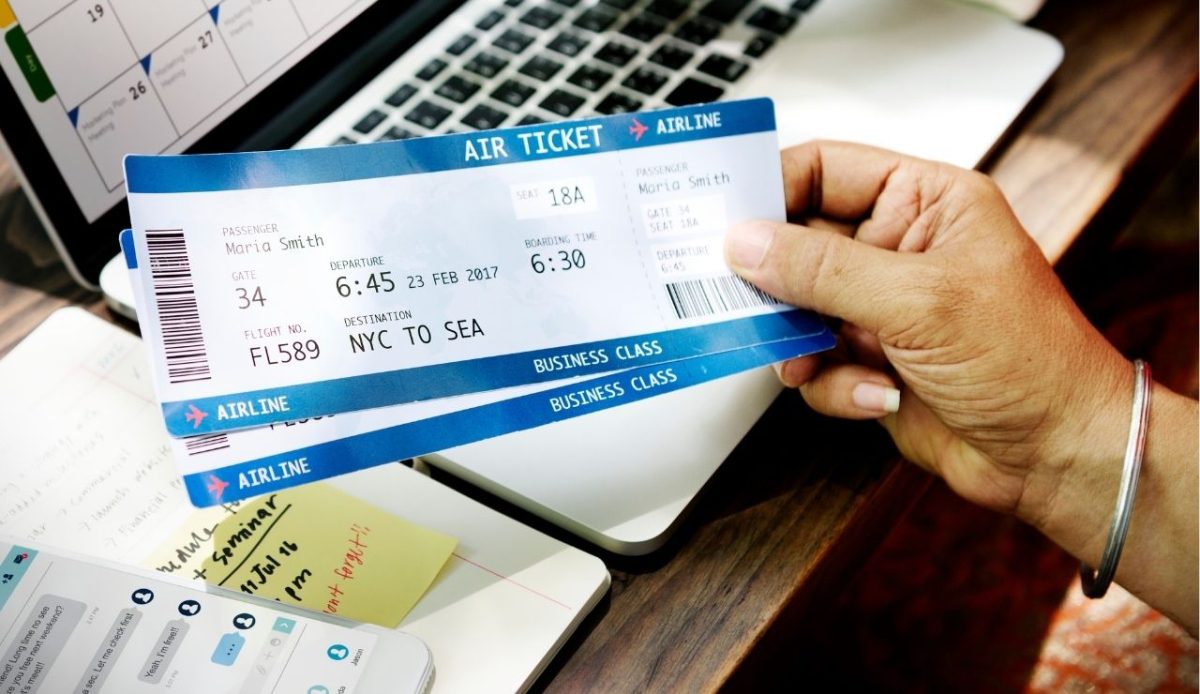
A low fare does not guarantee a low trip cost because many essentials are priced separately. Checked bags, seat selection, priority boarding, and same-day change options can add substantial amounts, and late travelers often need them. If a family must sit together or a business traveler needs flexibility, the cheapest base fare may be unusable. Some airlines also charge more when bags are paid at the airport, so a rushed departure can raise the total beyond the online quote. Because these charges apply per person and per segment, short-notice itineraries with connections can multiply the add-ons quickly.
Bundles intensify the squeeze because restrictions on the lowest tier steer travelers into higher packages. Basic economy may limit carry-on items, block seat choice, or make changes expensive, so late buyers upgrade to avoid penalties. Modern retailing tools can adjust bundle pricing using context such as time to departure and remaining cabin space. Even when fee disclosure is improved, fast comparisons remain hard because each carrier defines bundles differently and updates them often. The practical effect is that the headline fare becomes less meaningful as the checkout screen becomes the real price.
Market Concentration and Limited Competition

Last-minute pricing is harsher in markets where competition is limited and nonstop choices are scarce. On many U.S. city pairs, one carrier controls most convenient departures, while rivals offer only a few flights or indirect routes. When alternatives are inconvenient, high fares can be maintained because switching costs are high in time and planning. Concentrated routes also see fewer aggressive last-minute sales, since discounting could pull revenue from travelers who would pay more. That is why prices can jump sharply on hub-to-spoke trips, where a single network often dominates the schedule.
Supply cannot expand quickly when demand spikes because flights are constrained by aircraft availability, crew rules, and airport capacity. Adding an extra section on short notice is difficult, so the imbalance between urgent demand and fixed seats is priced into offers. If earlier sales exceed plan, inventory controls tighten, and cheaper classes stay closed to protect yield. Operational disruptions can worsen the issue, since cancellations shift passengers onto fewer flights, leaving late shoppers facing higher tiers. In those moments, high fares are used to ration limited seats rather than to fill them.
What Travelers Can Do Without Gambling on Luck
The best way to cut the late premium is to trade flexibility for price in places where the algorithm still rewards. Shifting the trip by a day, taking an early morning flight, or accepting a connection can reopen lower inventory that remains on less popular departures. Checking nearby airports can add options and increase competition, especially around large metro areas. Reward miles can help when cash fares surge, since award pricing sometimes lags behind late increases or depends on separate controls. Fare alerts and price history tools are useful for spotting brief dips, but they work best when some timing slack exists.
Risk control matters because last-minute shopping can trigger costly add-ons and restrictive terms. Travelers should compare the full price, including bags and seats, not only the base fare, and should watch for bundle features they will not use. Booking directly can simplify changes and may provide short holds or clearer fee displays, depending on the carrier. For trips that are not truly urgent, buying earlier and using the 24-hour cancellation window where it applies can lock a price without commitment. If prices rise, rechecking later the same day can help, since reopened inventory sometimes appears after new forecasts are loaded.
