
Flights to Israel are widely recognized for having some of the most comprehensive aviation security procedures in the world. While passenger safety remains the top priority, American travelers are often surprised by how different and more detailed the screening process feels compared to standard international departures from U.S. airports.
From extended interviews to multiple baggage inspections, procedures may begin well before boarding and continue through the gate area.
These steps are not random but part of a layered security model designed to identify potential risks early. Understanding what to expect, arriving prepared, and allowing extra time can help travelers remain calm and cooperative throughout the experience.
1. Extended Pre-Flight Questioning
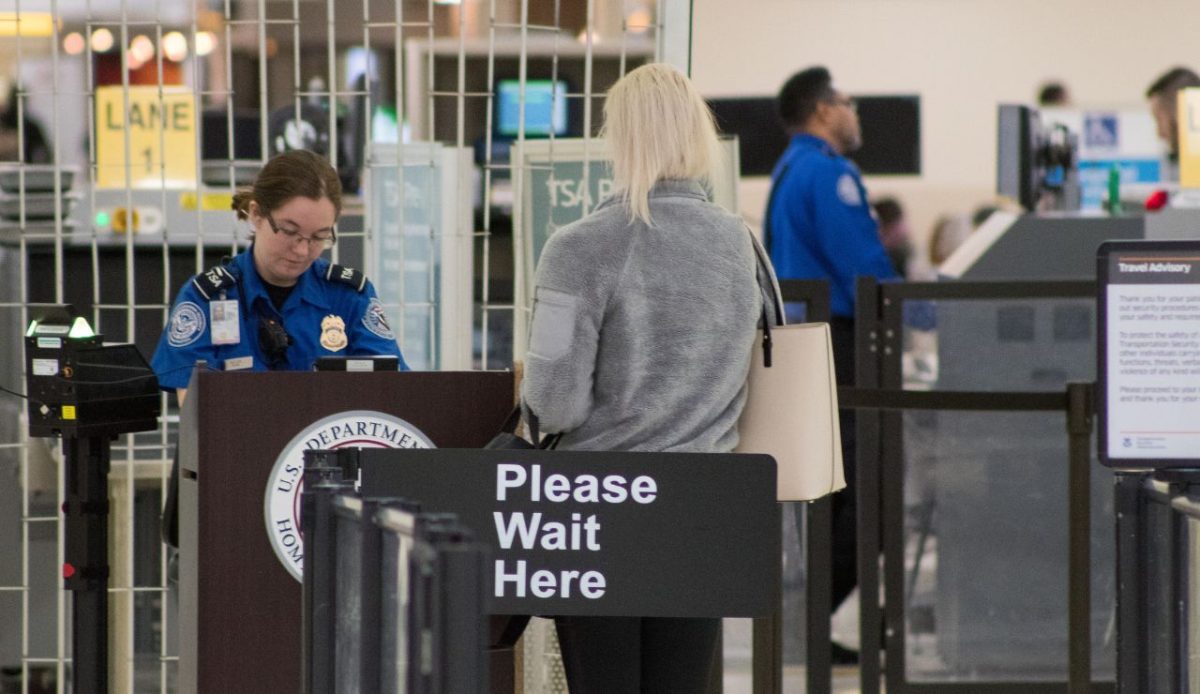
One of the first differences Americans notice is the detailed questioning before even reaching standard airport security. Security agents may ask about travel history, the purpose of the visit, accommodations, previous trips to the region, and even who packed your bags and when.
The tone is typically professional but thorough. Officers may repeat questions in slightly different ways to confirm consistency and assess confidence.
While it can feel intense compared to typical airline check-ins, this interview is considered one of the most important security layers. Arriving at least three hours early is strongly recommended, especially during peak travel seasons.
2. Individual Passenger Profiling
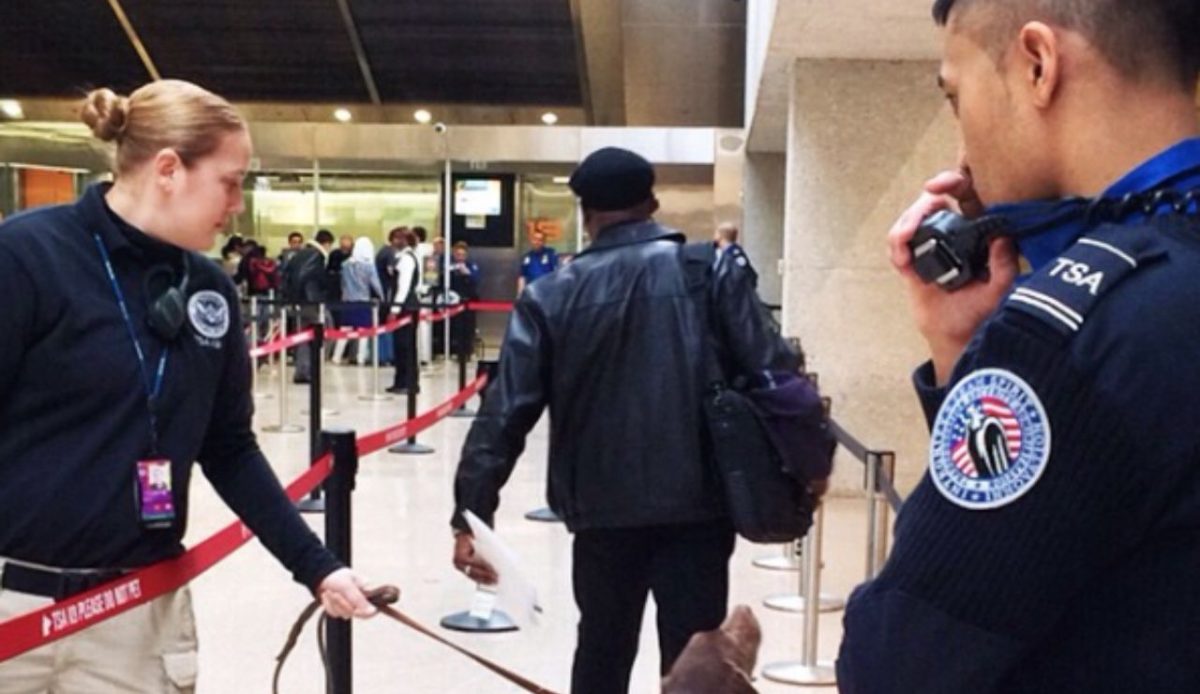
Unlike many airports that rely almost entirely on automated systems and document scans, Israeli-bound flights place heavy emphasis on behavioral observation. Security personnel are specially trained to assess body language, tone of voice, and communication patterns during interactions.
This method is intended to identify potential risk indicators before passengers move further into the boarding process.
Americans who are unfamiliar with this style may find it unusually personal or direct. However, the focus remains preventative rather than accusatory. Maintaining composure, speaking clearly, and answering confidently typically results in a smooth progression through this stage.
3. Multiple Baggage Screenings
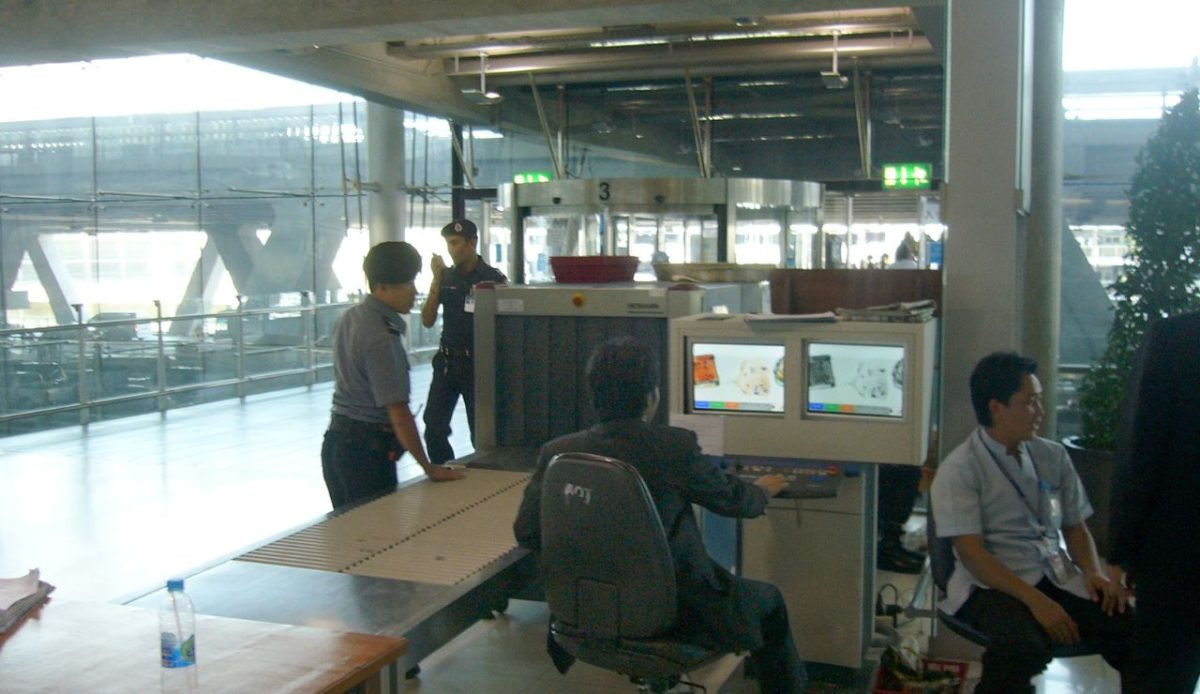
Checked luggage on flights to Israel often undergoes more than one inspection layer before reaching the aircraft. Bags may be X-rayed multiple times, swabbed for testing, or opened for additional manual review if necessary.
Some travelers receive colored security stickers or coded labels placed on passports or boarding passes to indicate screening clearance levels.
These markings allow staff to quickly verify which steps have been completed. Because of this layered approach, baggage drop-off can take longer than usual. Keeping luggage organized, unlocked if requested, and easy to inspect can help minimize delays.
4. Gate-Level Security Interviews
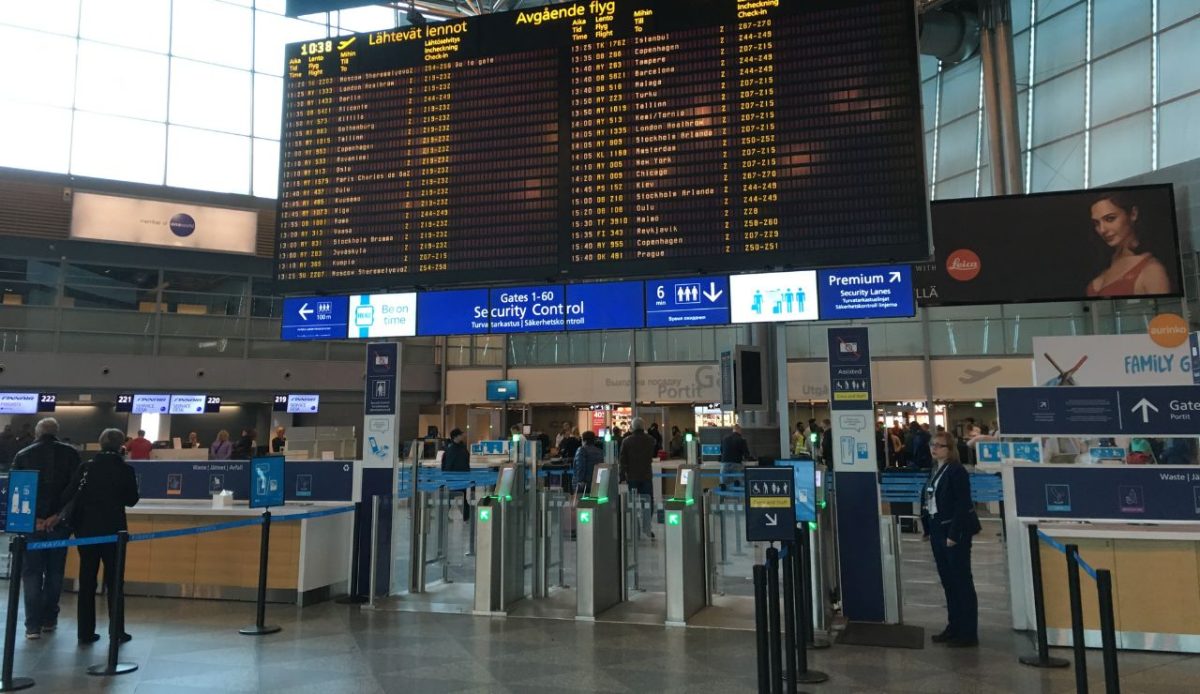
In certain cases, additional questioning takes place near the departure gate, even after passengers have cleared main airport security. Staff may reconfirm itinerary details, travel companions, or accommodation plans before allowing boarding.
This secondary interaction is simply another precaution within the broader security system. Americans unfamiliar with this structure may be surprised to encounter further questioning so late in the process. Remaining patient and cooperative is essential.
Providing consistent answers that match earlier statements helps ensure the boarding process continues without interruption or further review.
5. Electronics Inspection and Swabbing
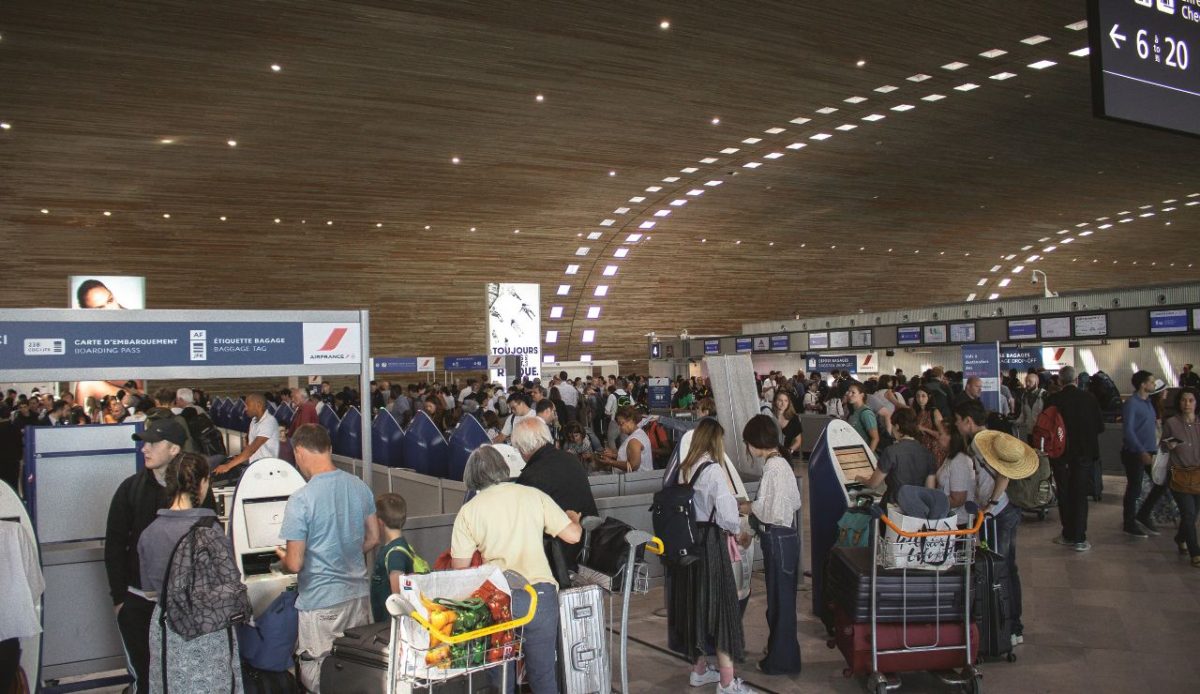
Electronic devices such as laptops, tablets, cameras, and smartphones may be subject to additional inspection before departure. Security agents sometimes swab devices for residue testing or request that electronics be powered on to confirm functionality.
Travelers are advised to keep devices charged and easily accessible in carry-on bags to prevent unnecessary delays.
While these checks can feel intrusive compared to domestic flights, they are a standard precaution for certain high-security routes. Organized packing and calm cooperation significantly reduce the likelihood of prolonged inspections.
6. Tighter Boarding Control
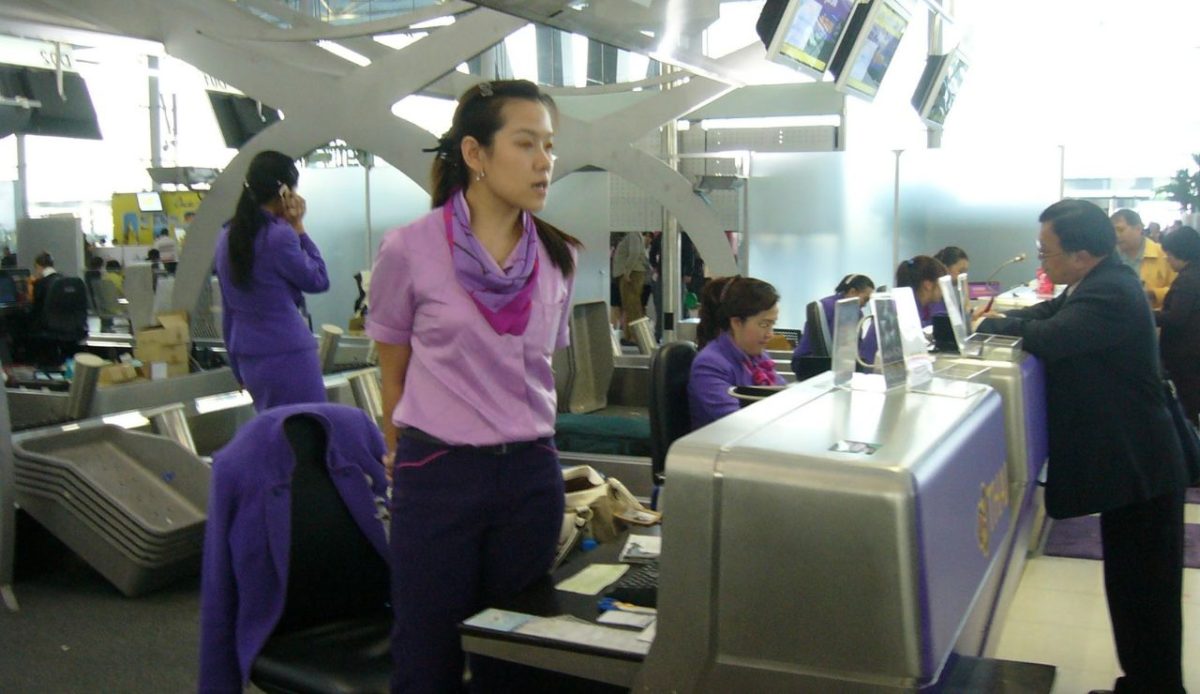
Boarding procedures for Israel-bound flights often involve a final document verification step before entering the aircraft. Passports, boarding passes, and security clearance stickers are reviewed carefully by gate staff.
Passengers may notice a more structured and closely monitored boarding environment, with security personnel observing movements and verifying identity details. This extra attention reflects a long-standing aviation security philosophy centered on prevention.
Arriving at the gate early, keeping documents ready, and following instructions precisely can prevent last-minute stress or delays.
7. Arrival Screening in Israel
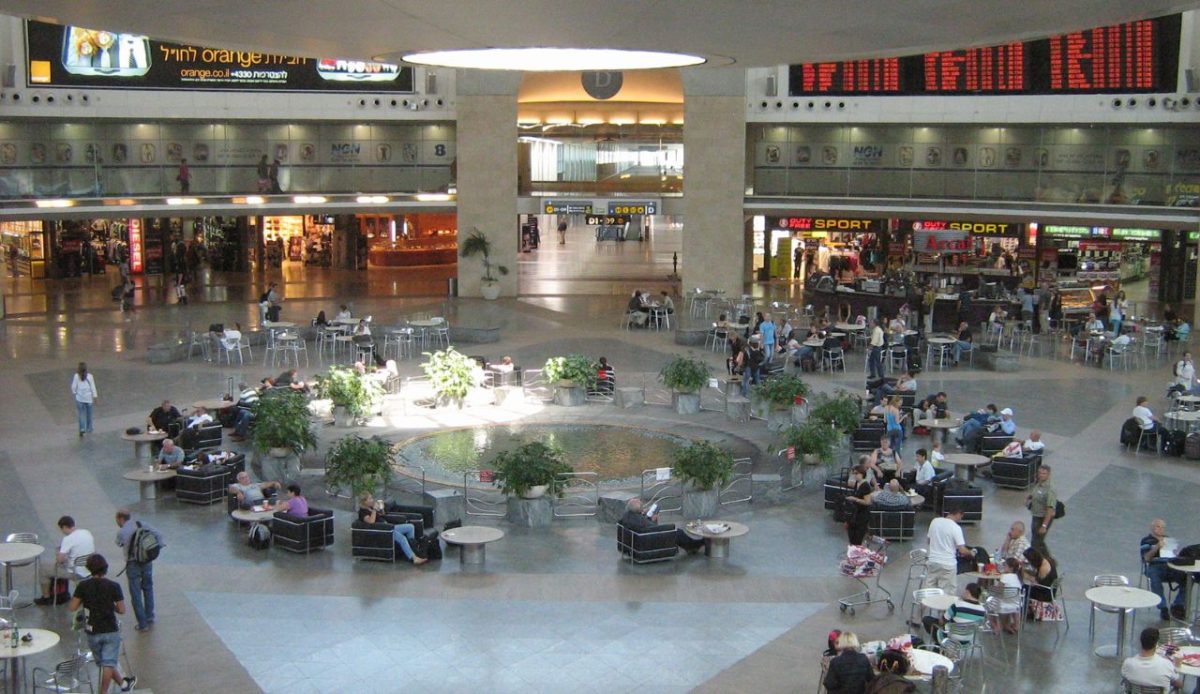
Upon arrival, American travelers may encounter additional passport questioning by Israeli border authorities. Questions typically focus on the purpose of the visit, expected length of stay, lodging arrangements, and planned activities within the country.
While most tourists complete the process smoothly, entry screening can take longer than arrivals in many other destinations.
Having hotel confirmations, return flight details, and contact information readily available can speed up the interaction. Clear, concise answers and respectful communication generally lead to a straightforward entry experience.
8. Randomized Secondary Checks
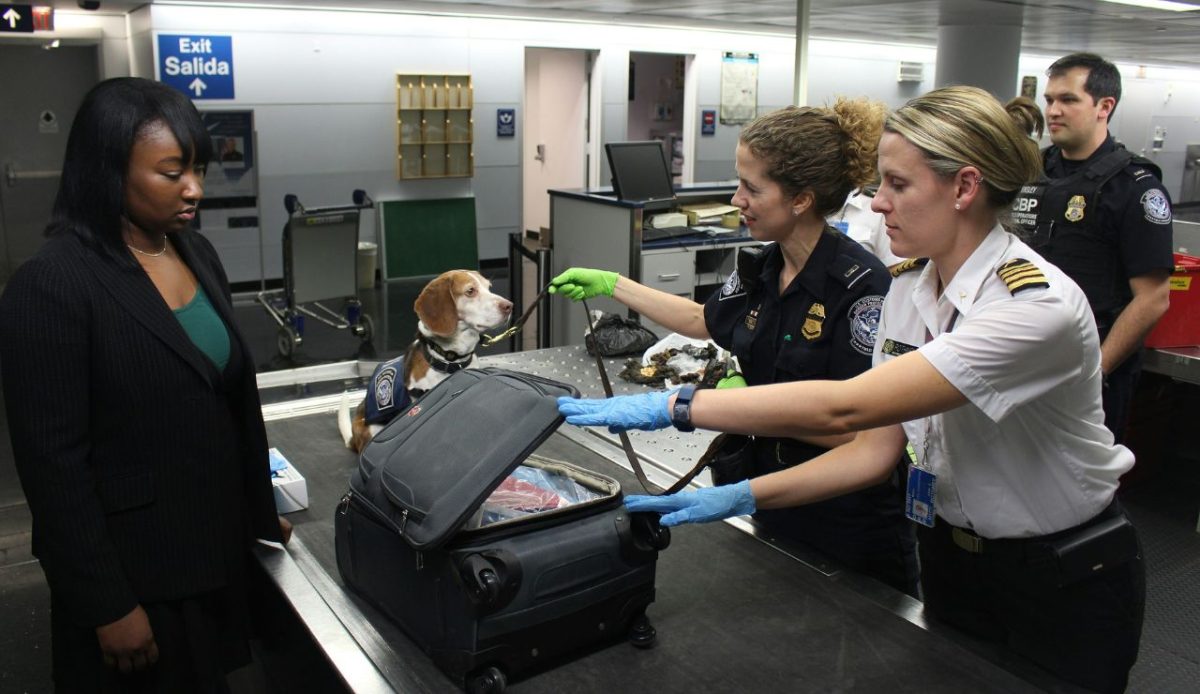
Even after clearing multiple screening layers, some passengers are selected for randomized secondary inspections before departure or upon arrival. These checks may include brief bag searches, additional questioning, or further document review.
Random selection is part of the overall security strategy and does not necessarily indicate suspicion. Americans should understand that these procedures are applied broadly rather than personally targeted.
Remaining calm and cooperative during this final step ensures the process concludes efficiently and allows travel plans to continue without significant disruption.
