
The checkpoint is where tiny packing choices become everyone’s problem. These five habits help families stay calmer, quicker, and less likely to stall at the bins.
Airport security rarely falls apart because of one big mistake. For families, it is usually a stack of little delays: a water bottle still full, a tablet buried under snacks, a stroller that will not fold, or a boarding pass that does not show what everyone expected. The good news is that the fastest habits start before the family reaches the conveyor belt.
The Liquids Bag on Top
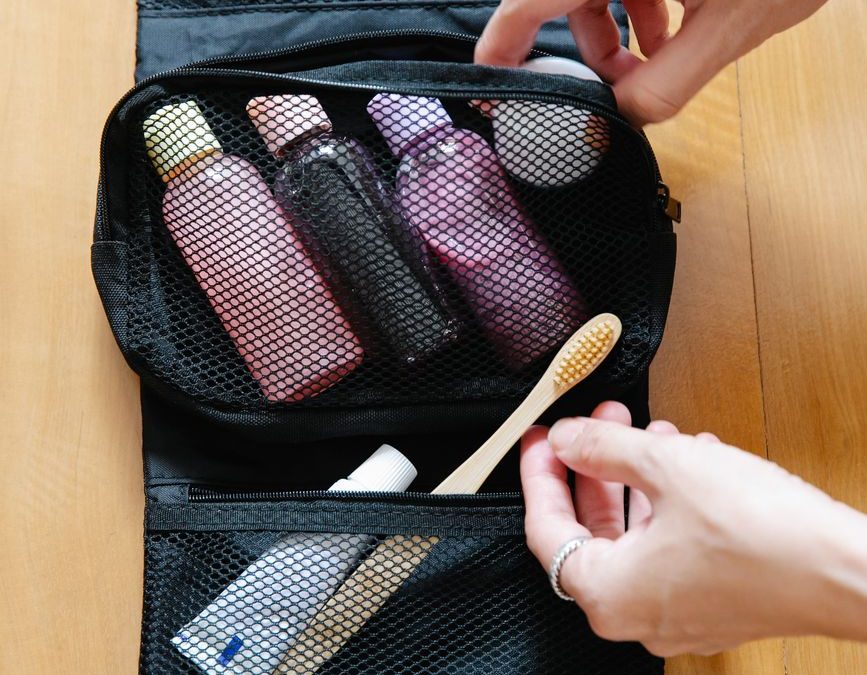
Families lose time when one person has to unpack half a carry-on to find toothpaste, sunscreen, or a forgotten drink pouch. The habit is simple: put the clear liquids bag where an adult can reach it with one hand before the bins appear. Even when a lane does not require every item to come out, being ready prevents the panic search that slows everyone behind you.
- Check bottle sizes before leaving home, not at the checkpoint.
- Separate baby or medical liquids so they can be declared if needed.
- Empty reusable bottles before joining the line.
This helps parents, grandparents, and older kids because everyone knows where the questionable items are. If rules vary by airport or equipment, the family can adjust quickly without dumping the whole bag into a bin.
The Empty-Pocket Bowl
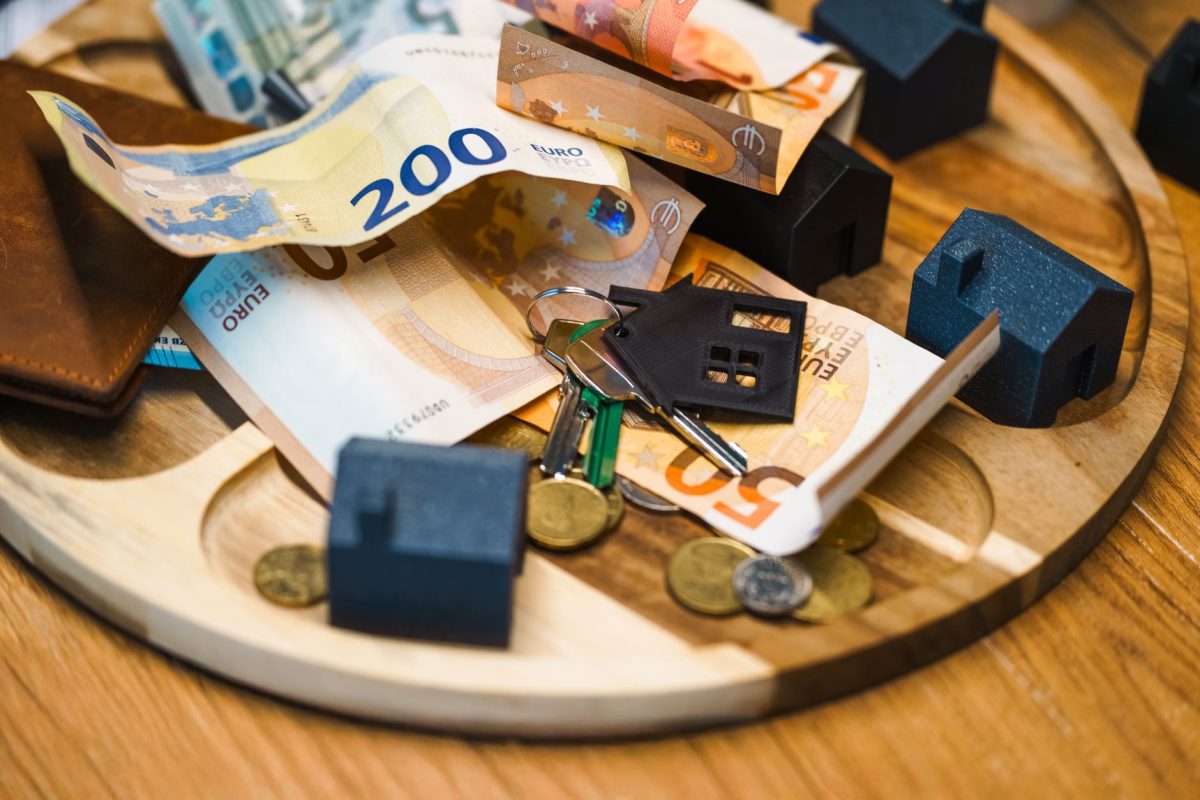
Loose pocket items are tiny delay machines. Coins, hair clips, earbuds, toy cars, lip balm, and crumpled wrappers can trigger extra checking or force a family to step aside and regroup. The faster habit is to create one pocket dump before the line gets serious. Use a zip pocket, small pouch, or one adult backpack pocket as the family’s temporary bowl.
- Do it before the bins so children are not emptying pockets at the conveyor.
- Keep phones together if adults are managing multiple boarding passes.
- Give kids one last check for metal toys or surprise souvenirs.
This matters most when traveling with restless children because adults need attention free for instructions. A planned pocket dump also reduces the chance of leaving a wallet, watch, or child’s favorite item behind in a tray.
The Shoe-and-Jacket Countdown
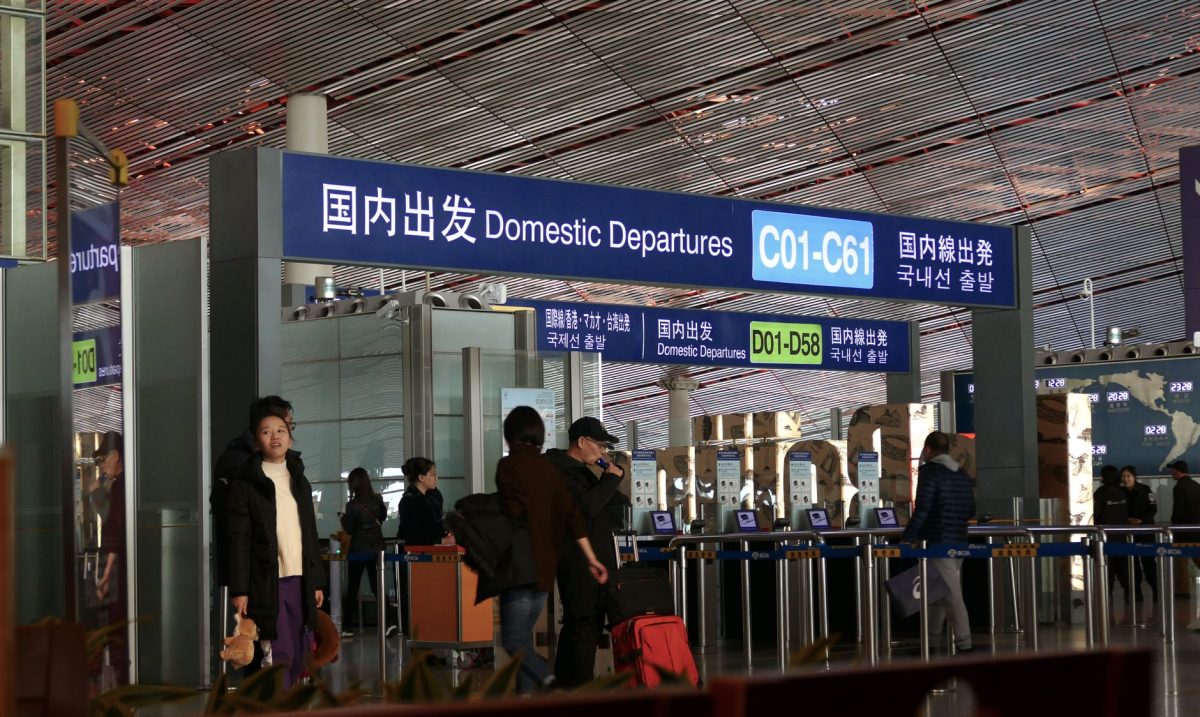
The slowest moment for many families is not the scanner. It is the surprise wardrobe change right before it. Shoes with tight laces, bulky hoodies, belts, watches, and jackets all become harder when a child is tired or a parent is juggling documents. A countdown habit makes it less chaotic: when the family is a few turns away, adults give one calm instruction at a time.
- First jackets, then belts or bulky layers if required.
- Next shoes, especially for kids who need help with laces.
- Last electronics, only when the bins are close enough.
This helps younger travelers feel less rushed and helps adults avoid barking orders in public. The check next is footwear: slip-on shoes and socks are often easier on travel days than complicated laces or sandals that slow the whole group down.
The Stroller Fold Practice
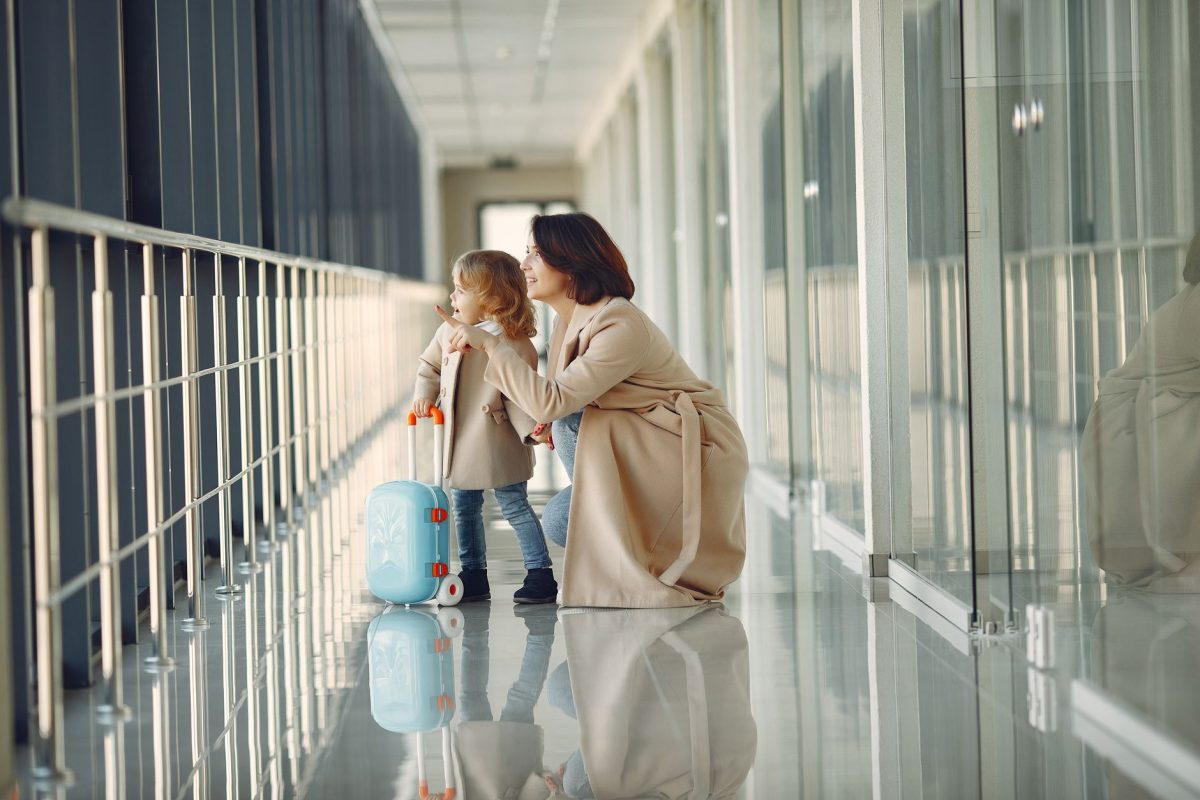
A stroller can be a lifesaver in the terminal and a bottleneck at security. The problem appears when the adult who usually folds it is holding a toddler, a backpack, and two boarding passes. Practicing the fold at home sounds boring, but it can save real stress when the line is moving and officers need the item screened.
- Remove cup holders and loose toys before the checkpoint.
- Put snacks and blankets in one bag instead of leaving them in stroller pockets.
- Know who carries the child and who folds the stroller.
This habit helps families with babies, toddlers, or mobility gear because it turns a complicated handoff into a rehearsed move. If the stroller is bulky or unfamiliar, check the airport and airline guidance before the trip so boarding and security do not become separate surprises.
The Boarding Pass Name Check
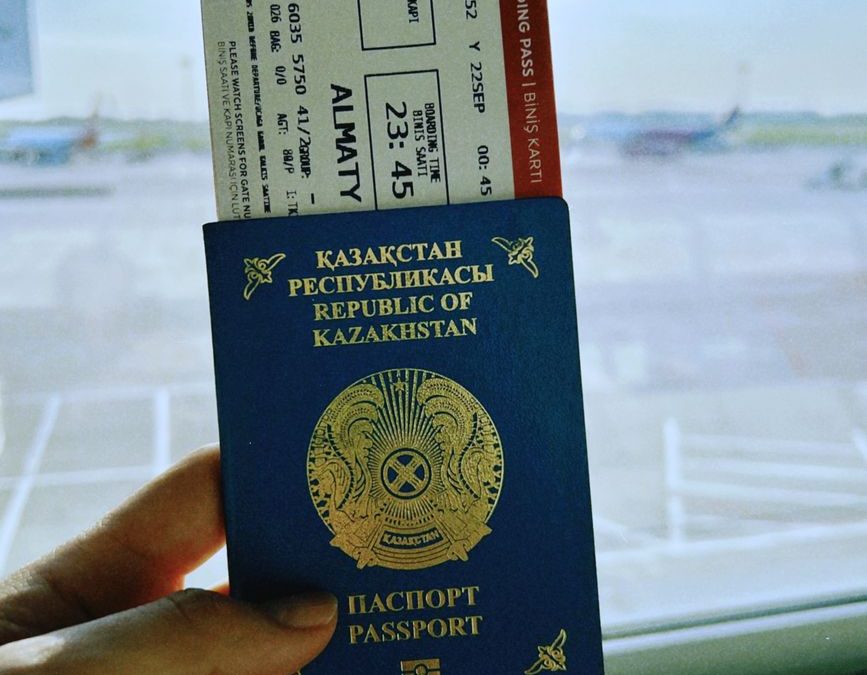
Families often assume the paperwork is fine because everyone checked in. The checkpoint is a bad place to discover a misspelled name, a missing boarding pass, an expired ID, or a trusted-traveler marker that did not appear as expected. The habit is to do a document huddle before leaving for the airport and again before joining the security line.
- Match names against IDs or passports, especially after nickname bookings.
- Confirm every traveler has a pass, including lap infants when required by the airline.
- Look for lane indicators such as trusted-traveler status before choosing a line.
This helps adults avoid splitting up unexpectedly or stepping out of line to fix an issue. It also gives teens and older kids a clear role: hold their document when appropriate, but know which adult collects everything before screening.
The best family checkpoint strategy is not speed for its own sake. It is fewer surprises. Put the items officers may need near the top, empty pockets before the bins, simplify layers, rehearse stroller handoffs, and check documents before the line commits you. Those small habits can make the difference between a tense public scramble and a smoother walk toward the gate.
This article was created with AI assistance and reviewed for clarity, sourcing, and editorial quality.
