
Sometimes, the world’s biggest discoveries happen when people are not even looking for them. A farmer digging a field, kids playing with a dog, or workers fixing roads have all uncovered amazing pieces of history by chance.
These accidental finds helped experts learn more about ancient people, lost cities, and old cultures. Today, many of these places are famous travel spots visited by people from around the world.
Sometimes, the world’s biggest discoveries happen when people are not even looking for them. A farmer digging a field, kids playing with a dog, or workers fixing roads have all uncovered amazing pieces of history by chance.
1. Derinkuyu Underground City, Turkey
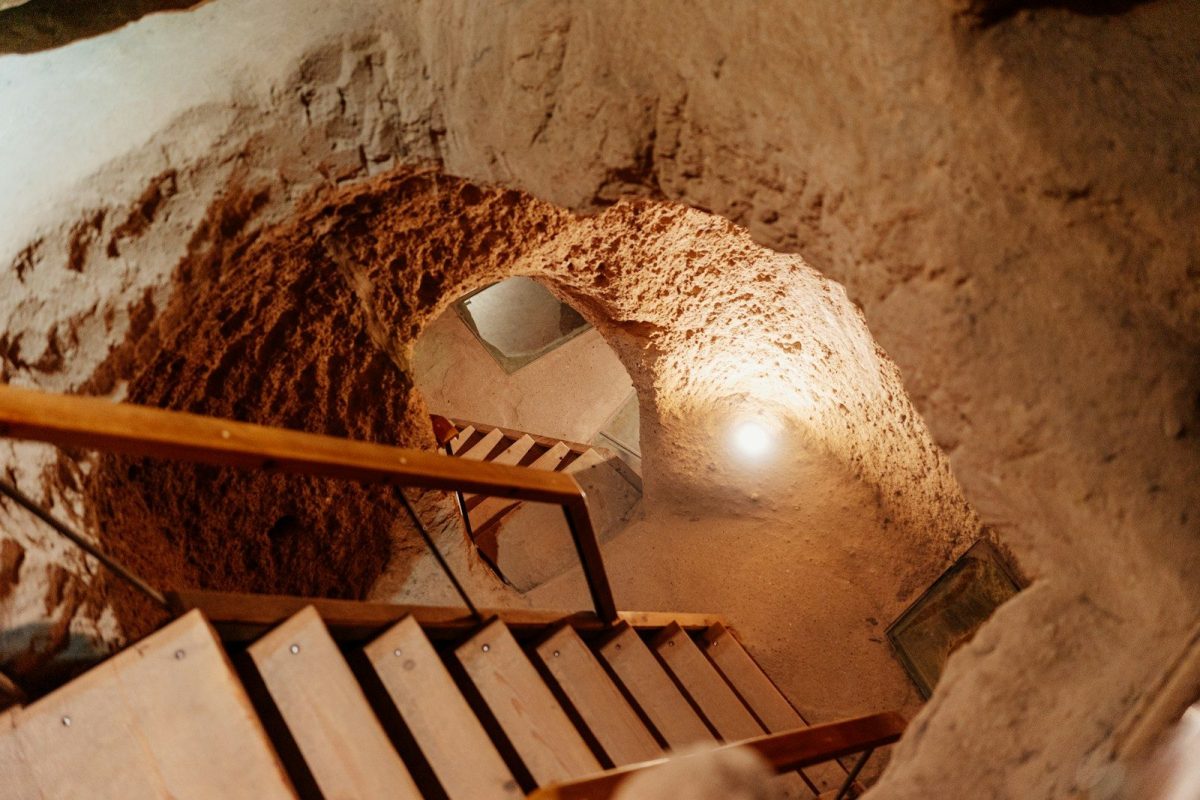
In 1963, a man in Cappadocia, Turkey, was repairing his home when he found a hidden opening in a wall. That opening led to the ancient underground city of Derinkuyu.
The city had tunnels, rooms, kitchens, and storage areas deep below the ground. Experts believe thousands of people once lived there to stay safe during attacks.
Today, Derinkuyu is one of Turkey’s most popular tourist attractions.
2. Terracotta Warriors, China
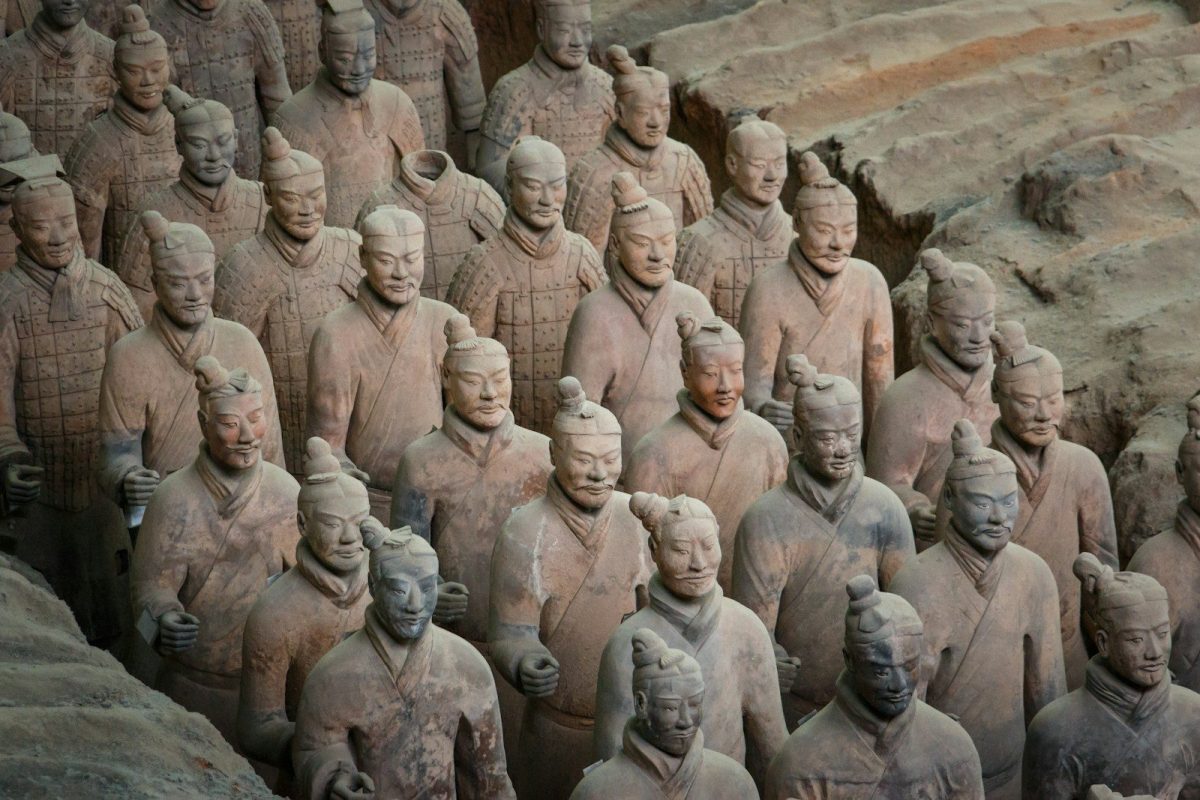
In 1974, farmers near Xi’an were digging a well when they found pieces of pottery in the soil. Soon after, archaeologists uncovered the famous Terracotta Warriors.
The site included thousands of life-sized clay soldiers, horses, and chariots buried near the tomb of China’s first emperor.
It is now one of the most visited historical sites in China.
3. The Lascaux Caves, France
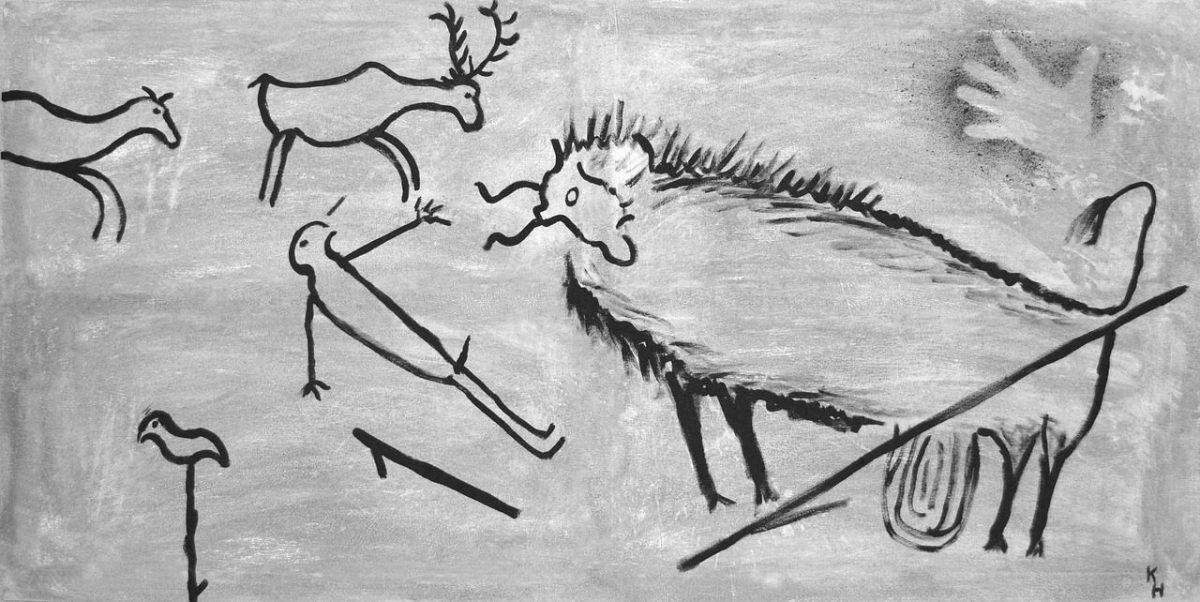
In 1940, a group of children followed their dog into a cave in southwestern France. Inside, they found ancient wall paintings.
The paintings showed animals like horses and deer and were more than 17,000 years old. The colorful artwork gave experts a better look at prehistoric life.
The caves later became one of France’s most famous archaeological sites.
4. Pompeii, Italy
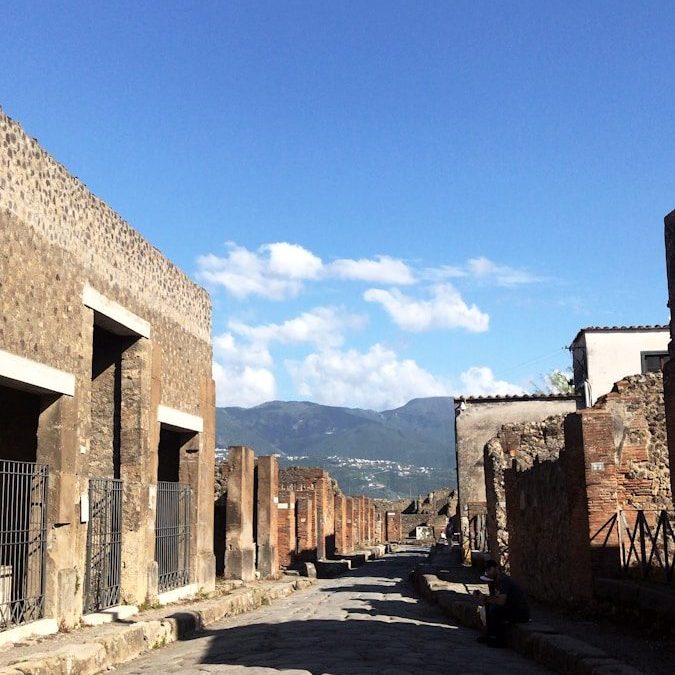
Workers building a palace for the King of Naples accidentally rediscovered Pompeii in 1748.
The ancient Roman city had been buried under ash after Mount Vesuvius erupted in AD 79. Homes, streets, and even everyday objects were preserved under the volcanic material.
Walking through Pompeii today feels like stepping into ancient Rome.
5. Templo Mayor, Mexico
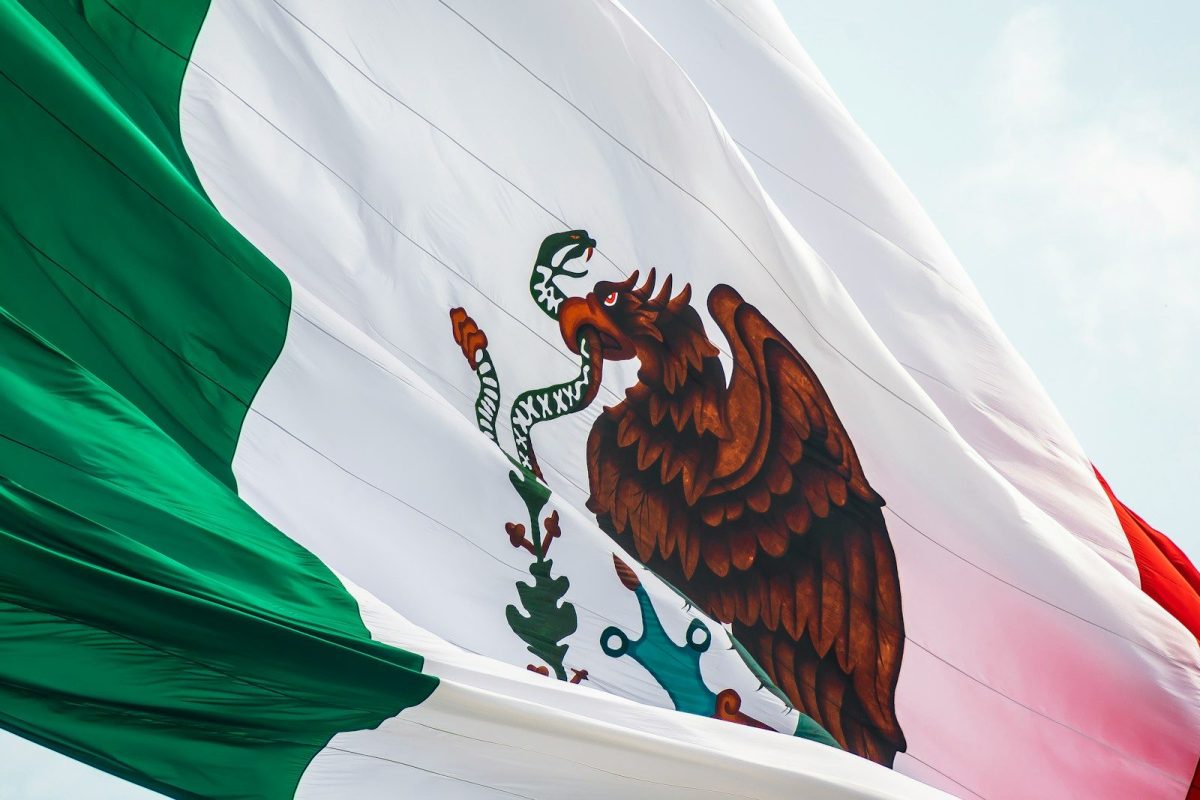
In 1978, workers digging for subway construction in Mexico City found huge stone carvings underground.
The discovery turned out to be Templo Mayor, the main religious temple of the Mexica people, also known as the Aztecs.
The site helped historians learn more about one of the most important civilizations in Mexican history.
6. Dead Sea Scrolls, Israel
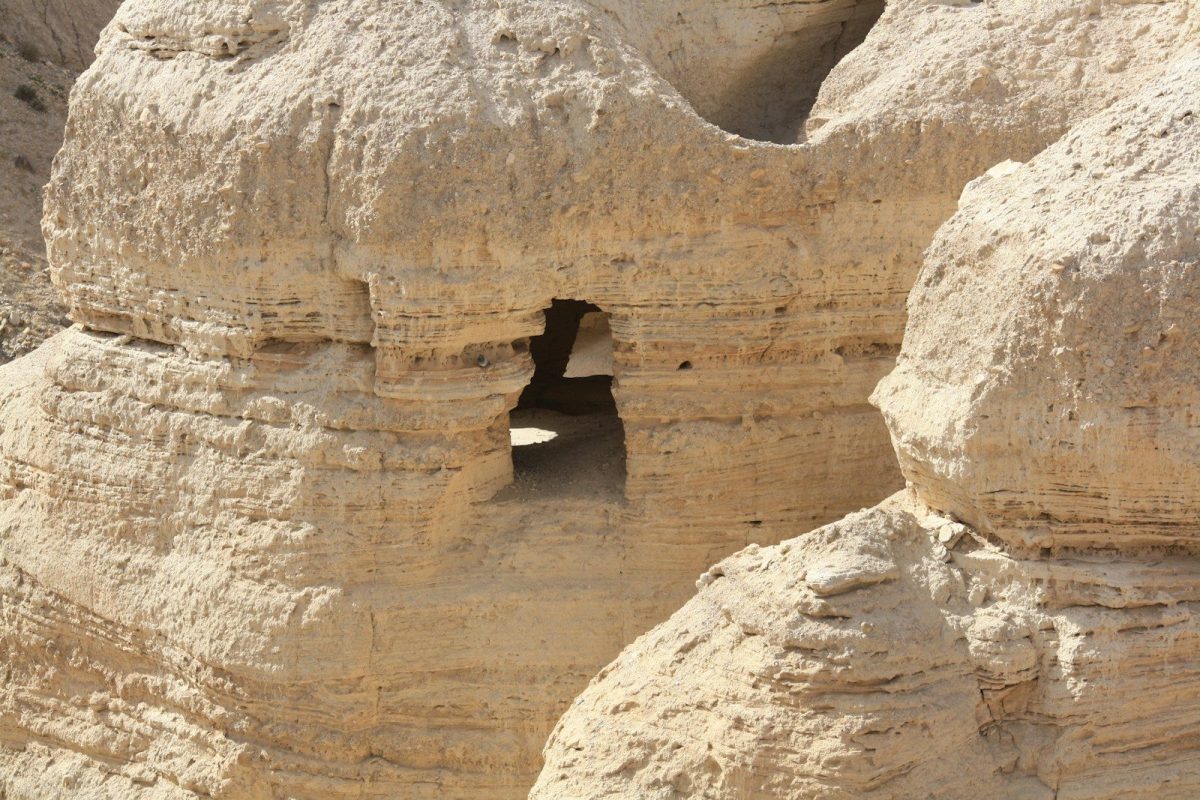
In 1947, a Bedouin shepherd searching for shelter near Qumran found old jars hidden inside caves.
Inside the jars were ancient texts now called the Dead Sea Scrolls. These writings gave researchers important information about early Judaism and Christianity.
The discovery is still considered one of the most important archaeological finds ever made.
7. Harappa, Pakistan
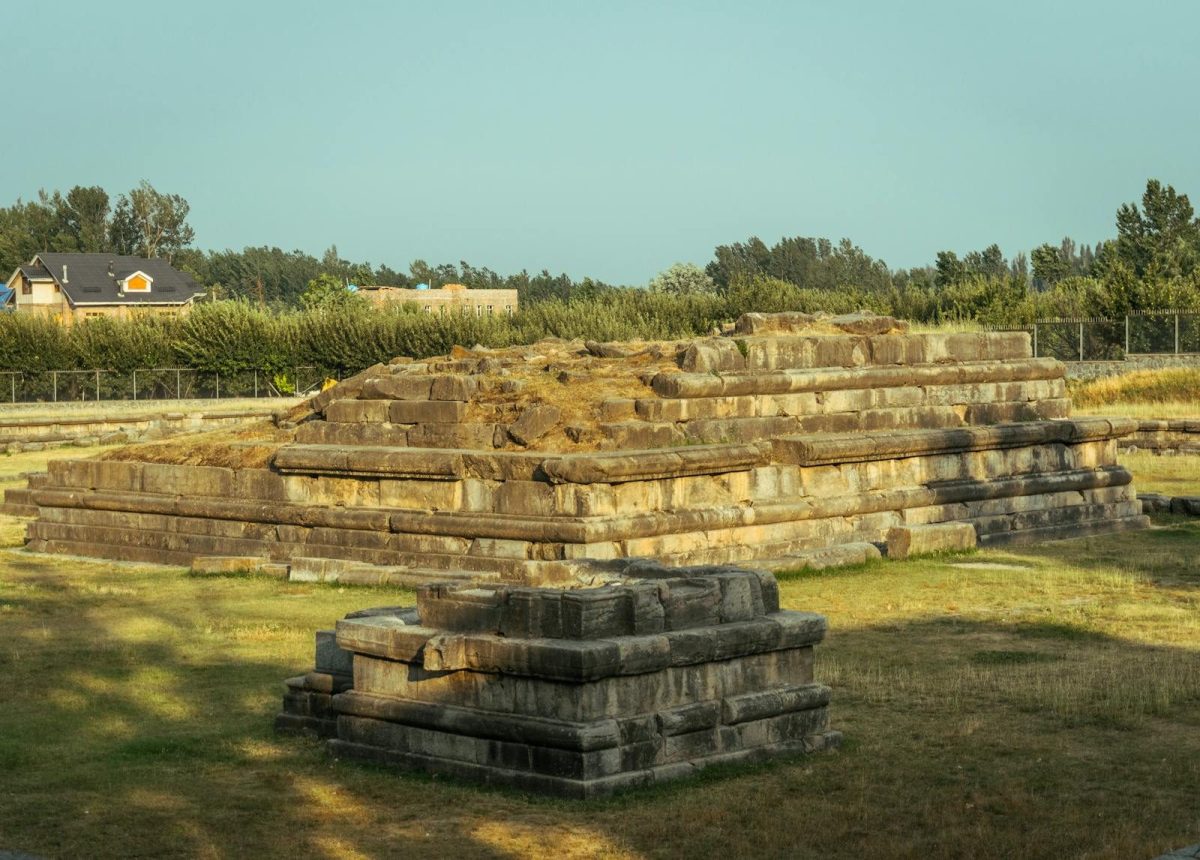
In 1856, railway workers in Punjab found old bricks while building train tracks. The bricks came from the ancient city of Harappa.
Experts later learned that Harappa was one of the major cities of the Indus Valley Civilization, one of the world’s oldest urban cultures.
Today, Harappa is an important historical site in Pakistan.
8. Antikythera Mechanism, Greece
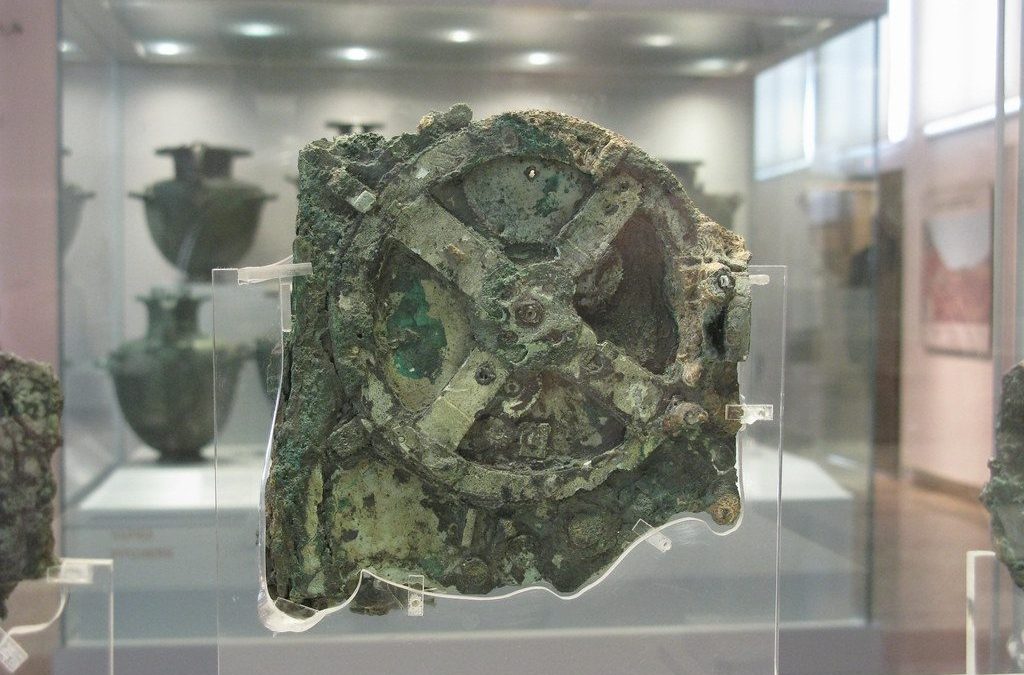
In 1901, sponge divers exploring a shipwreck near the Greek island of Antikythera found a strange bronze object.
Scientists later discovered it was an ancient mechanical device used to track stars, planets, and time. Many experts call it the world’s first computer.
The discovery amazed historians because the technology was far ahead of its time.
9. Sanxingdui, China
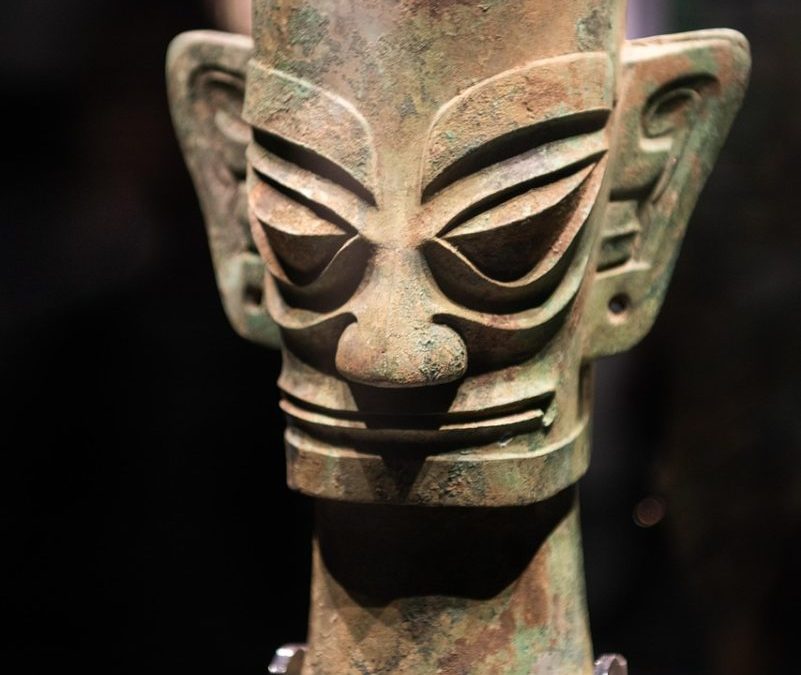
A farmer repairing a ditch in 1929 discovered unusual gold masks and bronze statues in China’s Sichuan province.
Later excavations revealed the ancient culture of Sanxingdui, which had been unknown before the discovery.
The large masks and statues are now famous for their unique and mysterious designs.
10. Cave of Altamira, Spain
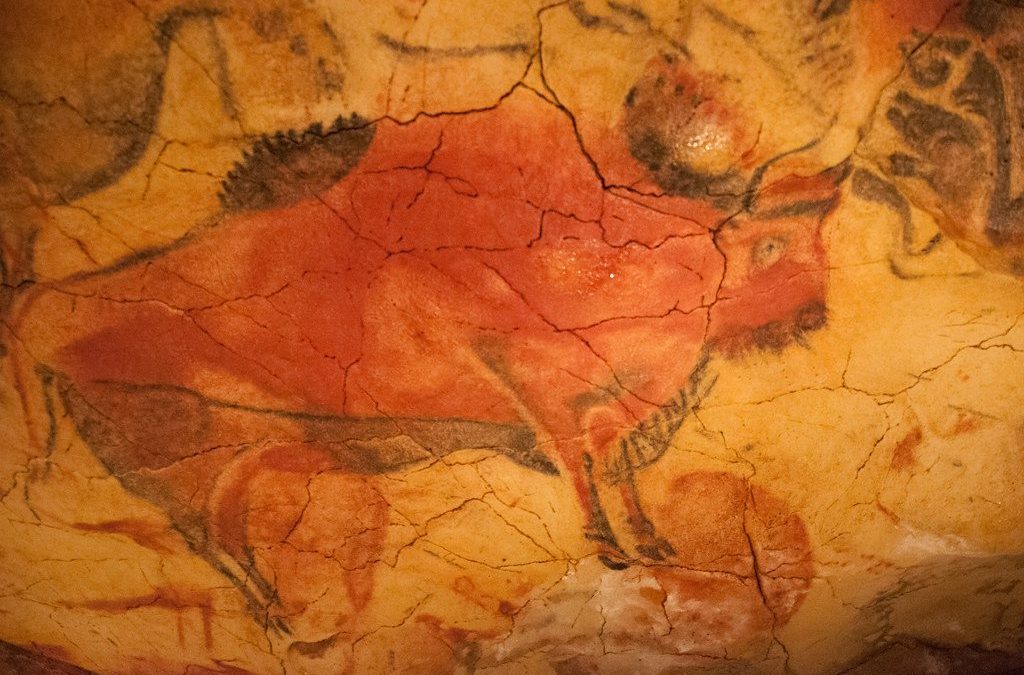
A hunter discovered the Cave of Altamira in Spain in 1879 while tracking animals.
Inside were beautiful prehistoric paintings of bison on the cave ceiling. The artwork was so detailed that many people first believed it was too advanced to be ancient.
Today, the cave is known as one of the greatest examples of prehistoric art in the world.
These discoveries remind us that history can appear in the most unexpected places. A simple walk, repair job, or construction project can uncover stories hidden for thousands of years.
Many of these places are now famous travel destinations where visitors can explore ancient worlds and learn how people lived long ago.
