
Cruises today are packed with incredible dining options. From gourmet restaurants to endless buffets and poolside snacks, there’s no shortage of tempting food on board. But while cruise vacations are all about relaxing and indulging, some foods can quickly turn a dream getaway into a miserable experience if they upset your stomach or trigger seasickness.
Health experts say that knowing what to avoid can make a huge difference during your trip. The good news is travelers don’t need to skip the fun entirely, they just need to make smarter choices.
Skip Heavy and Spicy Foods
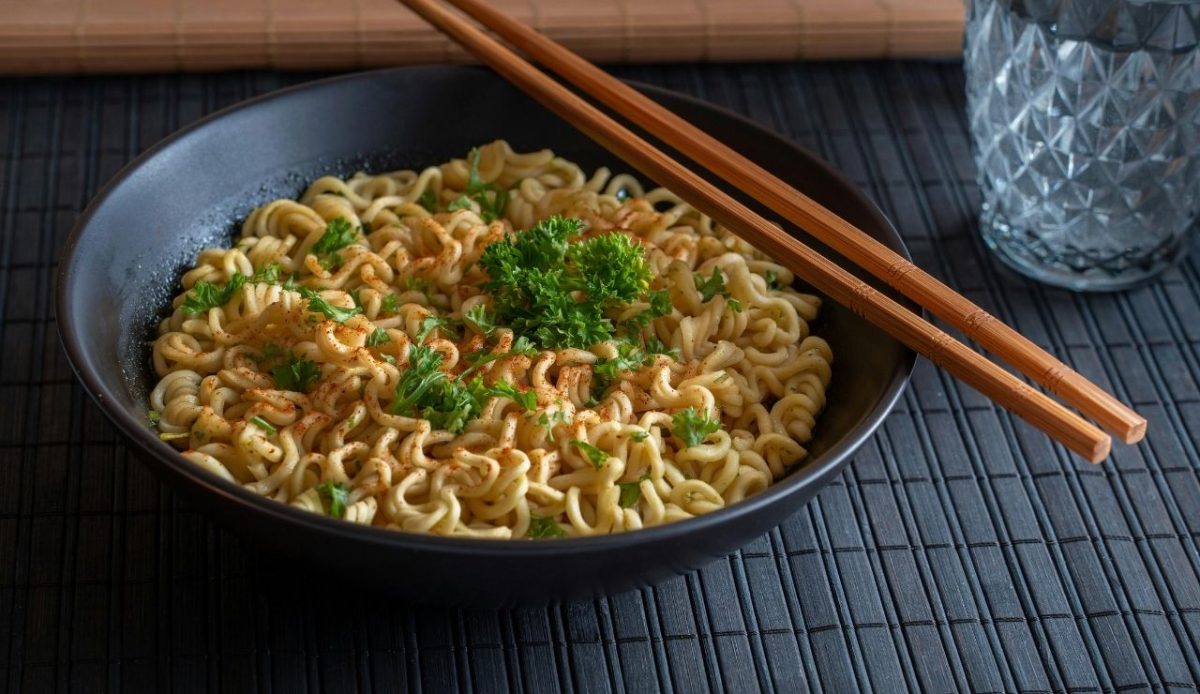
One of the biggest mistakes cruise passengers make is diving straight into greasy burgers, spicy tacos, or rich fried meals the moment they board. While those foods may sound delicious, they can become a problem once the ship starts moving.
Spicy and high-fat foods are known to irritate the stomach and may worsen nausea or motion sickness. Rich meals also slow digestion, which can leave travelers feeling bloated and uncomfortable for hours.
Instead, experts recommend choosing lighter meals, especially during the first day or two of the cruise. Grilled chicken, rice dishes, fresh fruit, salads, and simple pasta meals are usually safer choices. Bland snacks like crackers or toast can also help settle the stomach if the ocean gets rough.
Travelers who are prone to seasickness may also benefit from ginger tea, ginger candies, or peppermint lozenges, which are commonly used to ease nausea naturally.
Be Careful at the Buffet
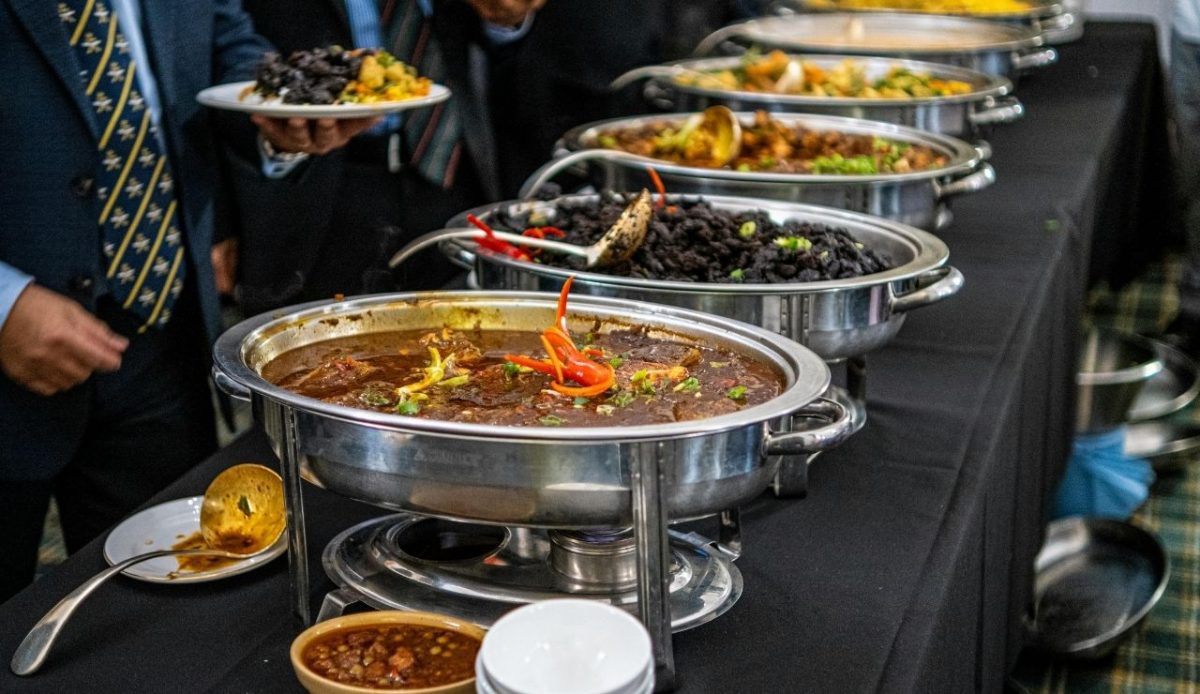
Cruise buffets are one of the most popular attractions on board. They offer endless options, quick meals, and desserts that seem impossible to resist. But experts warn that buffet dining deserves a little extra caution.
Foods sitting out too long can enter what health professionals call the “danger zone,” where bacteria can grow rapidly if items aren’t kept hot or cold enough. Seafood, dairy products, salads, and sushi are especially risky if they’ve been sitting for hours.
Passengers should pay attention to how the food looks before putting it on their plate. Wilted salads, dried-out meats, or seafood with an odd color are all signs it may have been sitting too long.
Freshly prepared stations are usually the safest option. Omelet bars, carving stations, made-to-order pasta, and freshly grilled foods tend to have higher turnover and are often served immediately after cooking.
Think Twice Before Eating Raw Seafood
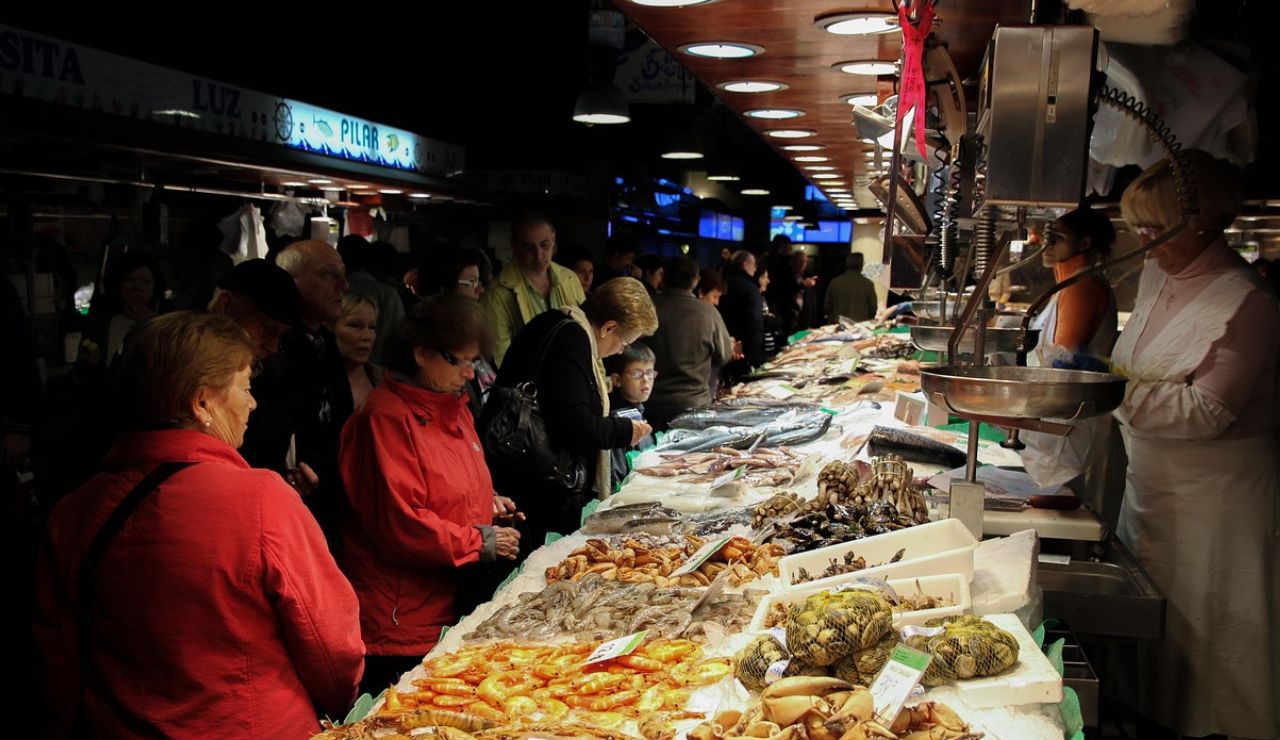
Many cruise ships now feature high-end sushi bars and seafood restaurants, and some are genuinely excellent. However, experts say travelers should avoid raw seafood from self-serve buffets.
Sushi, shrimp cocktail, oysters, and ceviche can become risky if they aren’t kept at the proper temperature. While specialty restaurants usually prepare seafood fresh to order, buffet versions may sit exposed for long periods.
Cooked seafood is often the safer choice. Grilled fish, steamed shrimp, lobster tails, and seafood pasta dishes still allow passengers to enjoy ocean-inspired meals without the extra risk.
Stay Hydrated Throughout the Trip

One of the easiest ways to ruin a cruise is dehydration. Between hot weather, salty foods, alcohol, and sun exposure, many passengers don’t realize how quickly they lose fluids.
Experts recommend drinking water regularly throughout the day, even if travelers don’t feel thirsty. Staying hydrated can help reduce headaches, fatigue, dizziness, and seasickness symptoms.
Alcohol should also be limited if someone starts feeling queasy. Cocktails by the pool may sound relaxing, but alcohol can worsen nausea and increase dehydration fast.
Instead, travelers should balance alcoholic drinks with water, electrolyte drinks, or herbal teas. Fresh fruit like watermelon, oranges, and pineapple can also help keep hydration levels up while providing a refreshing snack.
Enjoy the Food—Just Be Smart About It

Cruises are meant to be enjoyable, and food is a huge part of the experience. Experts say travelers don’t need to avoid every indulgence, they simply need to listen to their bodies and eat mindfully.
Choosing fresh foods, staying hydrated, and avoiding risky buffet items can help passengers enjoy every meal without spending their vacation feeling sick in their cabin. After all, the best cruise memories should come from sunset dinners and tropical cocktails, not stomach problems at sea.
