
Hawaii has always been one of those places people dream about visiting. From lush rainforests to volcanic landscapes and long stretches of coastline, it offers a kind of beauty that feels almost unreal. But with rising visitor numbers, there is also growing pressure on the islands’ environment and local communities.
That is where the Mālama Hawaiʻi initiative comes in. Launched by the Hawaiʻi Tourism Authority in partnership with the Hawaiʻi Visitors and Convention Bureau, the program encourages travelers to do more than just sightsee. It invites them to actively give back during their trip.
What Mālama Hawaiʻi actually means

The word “mālama” translates to caring for or giving back, and that idea sits at the heart of the program. Instead of being passive visitors, travelers are encouraged to take part in meaningful activities. These experiences go beyond tourism and help create a deeper connection with the islands.
There are hundreds of volunteer opportunities spread across Maui, Kauaʻi, Oʻahu, and Hawaiʻi Island. Some are one-time events, while others run regularly throughout the year. Travelers can choose what fits their schedule and interests.
The kind of experiences travelers can expect
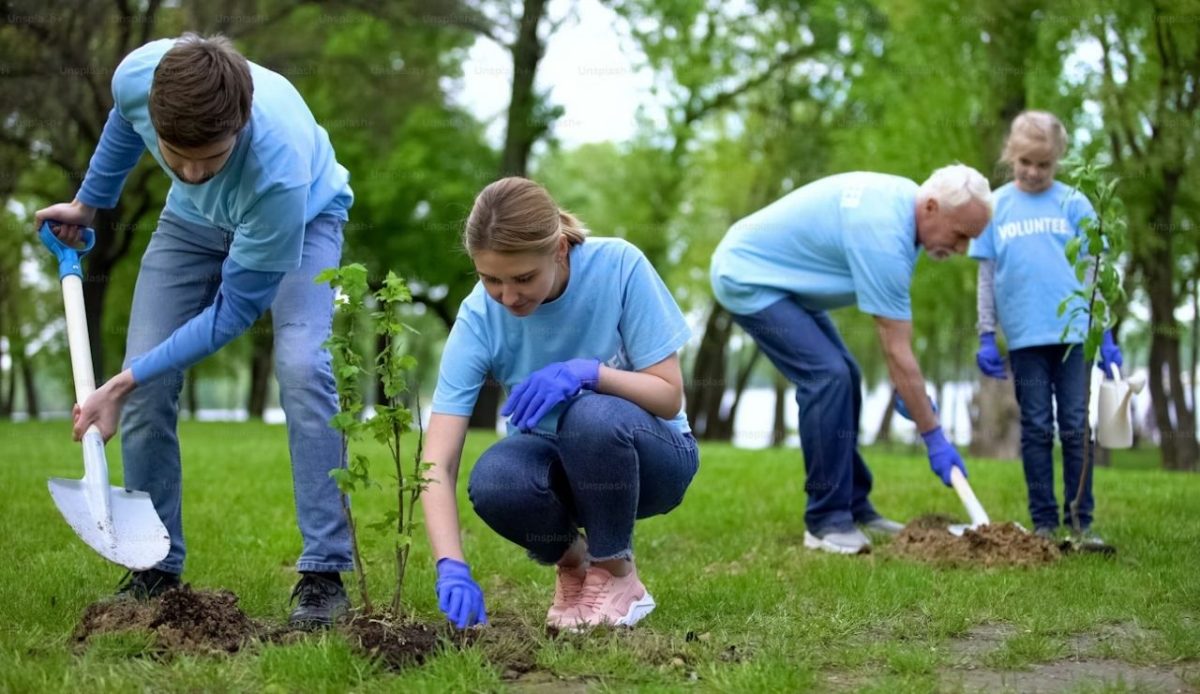
The range of volunteer work is surprisingly wide. Some travelers join beach cleanups, helping remove litter from shorelines and protect marine life. Others take part in restoring wetlands, planting native species, or supporting local farms.
There are also community-focused opportunities. Visitors can volunteer at food pantries, assist with cultural preservation projects, or even help care for rescued animals. It is designed so that almost anyone, including families and solo travelers, can take part.
For example, on Maui, volunteers might help clean up Māʻalaea Harbor or assist at a local farm sanctuary. On Kauaʻi, they can distribute food to families or join coastal cleanup patrols. Each island offers its own unique ways to get involved.
More than just a good deed
What makes this program stand out is how it changes the travel experience itself. Instead of just moving from one attraction to another, visitors get to interact with local communities. That often leads to a more meaningful and memorable trip.
Some organizations even offer small perks. Certain tour companies provide discounts or rewards for participating in cleanup efforts. A few hotels also offer reduced rates for guests who take part in volunteer activities.
But the real value goes beyond discounts. Travelers often leave with a stronger sense of connection to Hawaii. It turns a typical vacation into something more personal and impactful.
Why it matters now
With tourism continuing to grow, programs like Mālama Hawaiʻi are becoming more important. They help balance the impact of visitors by encouraging responsible travel. Instead of just taking from a destination, travelers are reminded to give something back.
This approach also supports long-term sustainability. By helping protect natural spaces and support local communities, visitors play a small role in preserving what makes Hawaii special in the first place.
In the end, Mālama Hawaiʻi is a simple idea with a powerful message. Travel does not have to be just about seeing new places. It can also be about leaving those places a little better than they were found.
