
International travel in 2026 is being shaped less by excitement and more by paperwork, screening, and rule changes. What used to be a simple passport-and-ticket process now often includes digital approval, longer border checks, and itinerary changes.
Across Europe, the UK, the US, and parts of the Middle East, tighter controls are changing how people book, budget, and move. For many travelers, the disruption is not one dramatic ban but a chain of smaller barriers that make plans slower and less predictable.
That shift is forcing families, business travelers, and students to treat trips more like regulated projects than flexible getaways.
Digital Entry Permissions Add a New Travel Step
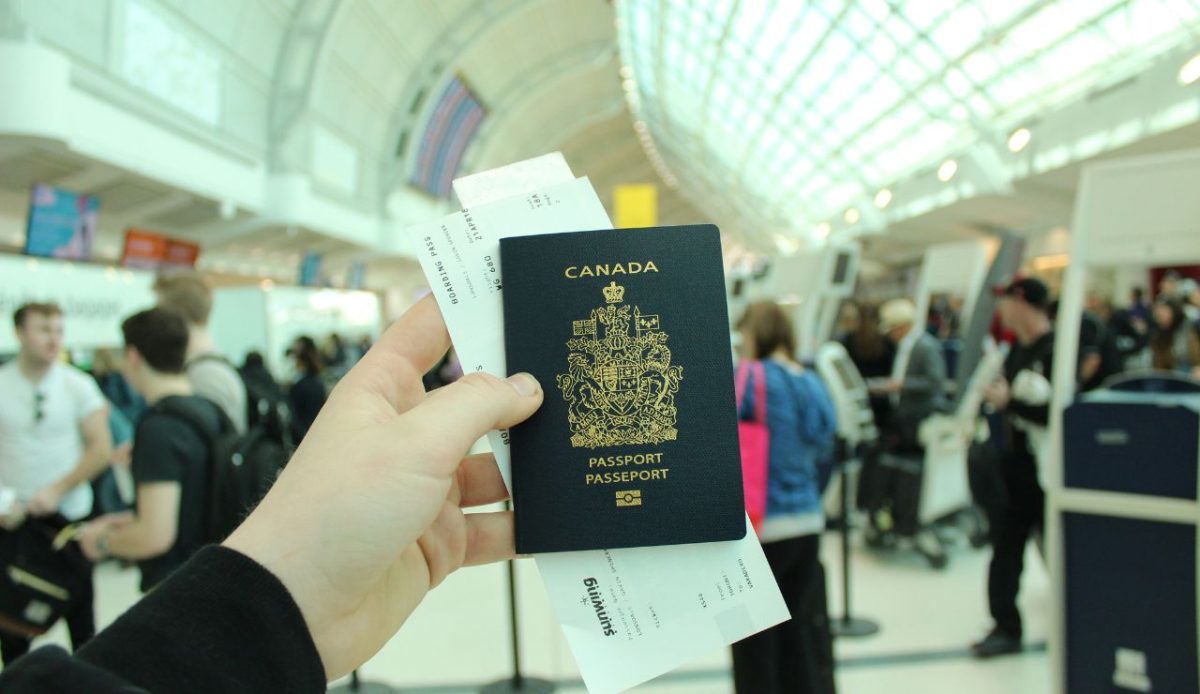
One major source of disruption in 2026 is the spread of digital travel authorization systems. The UK now requires an ETA for many visa-free visitors, while Europe is adding new pre-travel and border systems that create another approval step before departure.
That means travelers can be stopped before they even reach security if digital clearance is missing, delayed, or linked to the wrong passport details. A trip can fail at the boarding gate, not just at immigration.
For travelers used to spontaneous bookings, that extra layer is turning international travel into a process that demands more lead time and careful document checks.
Border Processing Is Taking Longer at Key Gateways
Expanded biometric checks are also slowing the airport experience. Europe’s Entry/Exit System is recording facial images and fingerprints for many non-EU travelers, and the rollout is changing how quickly people move through border control.
Even when a traveler has the right documents, the process can take longer because first-time registrations and phased implementation create uneven wait times across airports and land crossings. A connection that once felt safe may now be risky.
This is especially disruptive for families, group tours, and anyone moving through multiple countries, where one delay can affect the rest of the itinerary.
Visa Delays Are Making Confirmed Trips Feel Uncertain

Visa restrictions are not always visible when a trip is first booked, but they can cause the biggest disruption later. Stricter screening, administrative processing, and long interview queues are making international planning harder for students, workers, and relatives visiting family abroad.
In practice, travelers may lock in flights, hotels, and event dates before knowing whether a visa will arrive on time. Even wait-time tools do not always reflect extra administrative review or passport return delays after approval.
That uncertainty is pushing many travelers to postpone trips or choose destinations with simpler entry requirements.
Closed Airspace Can Disrupt Trips Far Beyond One Region
Not all disruption comes from paperwork. In 2026, security-driven airspace restrictions in parts of the Middle East have shown how quickly regional conflict can affect global itineraries, even for travelers with no plans to visit the affected country itself.
When major corridors close or flights are rerouted, airlines cut services, move crews, suspend packages, and raise costs tied to fuel and scheduling. The result is fewer options and less flexibility for passengers connecting through major hubs.
For international travelers, that means a legally approved trip can still become difficult if the route itself stops functioning normally.
Travelers Are Paying More to Protect Themselves

Travelers are also being forced to spend differently. When entry rules become stricter, people often book flexible fares, refundable hotels, longer layovers, and extra insurance to protect against delays, denied boarding, or sudden route changes.
That creates a hidden cost layer around international travel. The ticket price may look manageable, but the real budget now includes backup planning, document timing, and margin for disruption at the airport or border.
In 2026, the smarter traveler is not always the one who finds the cheapest trip. It is the one who leaves room for rules, delays, and rebooking pressure.
