
National park trips can feel predictable, with the same entrance station, the same pass hanging on a mirror, and the same fee remembered from a past summer. In 2026, many visitors will notice surprises because pricing rules are being adjusted in several ways at once. Some updates arrive through Interior Department releases, while others appear as small edits on park planning pages. When a trip is planned from older blogs, saved notes, or a friend’s checklist, the new totals may appear only when a card is processed at the gate or at checkout. Because many families plan months ahead, a change posted in season can be missed until arrival.
Fee increases are not only about higher numbers on a sign. They reflect how parks pay for daily operations, repairs, and staffing when visitation remains heavy. The Department of the Interior has announced a new tier for the America the Beautiful annual pass starting January 1, 2026, plus added nonresident charges at select parks. Those policy shifts overlap with costly infrastructure needs and workforce strain, so costs can rise even when a base vehicle fee seems unchanged. Since rules differ by park and by fee type, the amount is often discovered only after passes, reservations, and entrance charges are added together.
Pass Prices Change

Starting January 1, 2026, the America the Beautiful annual pass is set at 80 dollars for U.S. residents and 250 dollars for nonresidents. The Interior Department framed the change as a pricing tier that favors taxpayers who already support the system. For visitors who buy the pass each year, the increase can occur before any trip begins. It also matters for road trip routes where multiple fee parks are visited, since a pass can replace several separate entrance charges. Because passes can be bought online or in person, messaging varies depending on where the purchase happens.
The Park Service says the 250 dollar nonresident pass generally covers a private vehicle at sites that charge per vehicle. At parks that charge per person, it covers the passholder plus three adults. That detail affects group math, where extra adults may still owe an entrance charge. Many travelers compare only the sticker price and miss how coverage changes by park. Reading the terms before travel can prevent an unexpected add-on at the gate. The same coverage can apply to two motorcycles, which matters for riders who plan multi-park routes and stop often. It is worth checking ahead.
Extra Fees At Some Big Parks

The Interior Department also announced a 100 dollar per person fee for nonresidents who enter 11 of the most visited national parks without the 250 dollar annual pass. This charge is added on top of the standard entrance fee already in place. The policy targets high-demand sites where lines, shuttle systems, and resource damage are hard to manage. For an overseas family, the choice between buying the pass and paying per person can change the budget for a single day. Crowded parks often point to heavier wear on facilities that serve millions each year. The added fee is meant to capture that extra demand at the gate.
Fee-free entrance days also shift in 2026. The Interior Department listed several patriotic or public service days as resident only, meaning nonresidents still pay entrance fees and any added per-person charge where it applies. That creates a split calendar in which two visitors arriving on the same date can face different costs. Many travel calendars highlight only the free day label, so the residency rule can be missed. Checking the official list before booking flights helps prevent a surprise at the entrance station. If a free day no longer fits the budget, going midweek or in shoulder season can lower other trip costs.
Fixing Old Roads And Buildings
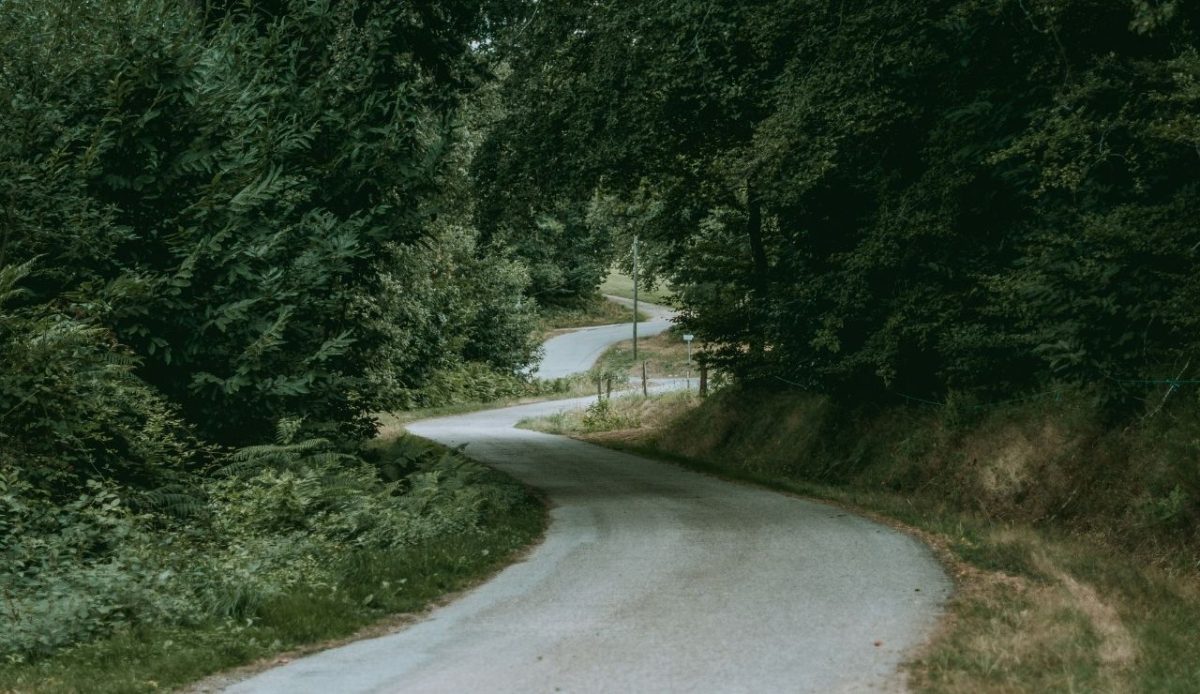
The Park Service also faces a large repair bill for aging assets. Its infrastructure page lists a fiscal year 2024 deferred maintenance and repair total of 22.986 billion dollars, spread across roads, buildings, utilities, and other facilities. When water lines fail or trail bridges weaken, visitor access can be reduced, and emergency response can be slowed. Many projects must be scheduled in short weather windows, which raises contractor costs. Entrance fees are used as flexible funding that can be directed to urgent fixes without waiting years for a new capital project to be approved. Hauling costs add up.
How fee dollars are used also shapes fee decisions. The Park Service says about 80 percent of entrance fee money stays in the park where it is collected, while the rest is shared with parks that do not charge. That makes busy parks more likely to adjust fees when restrooms, parking areas, and shuttle stops need work. Visitors often accept increases more easily when repairs are visible, such as safer overlooks and repaved roads. Because the revenue stays local, managers can tie a change to on-site priorities rather than a distant budget line. The same approach can fund small fixes that prevent larger closures later.
Crowds Cost More To Manage
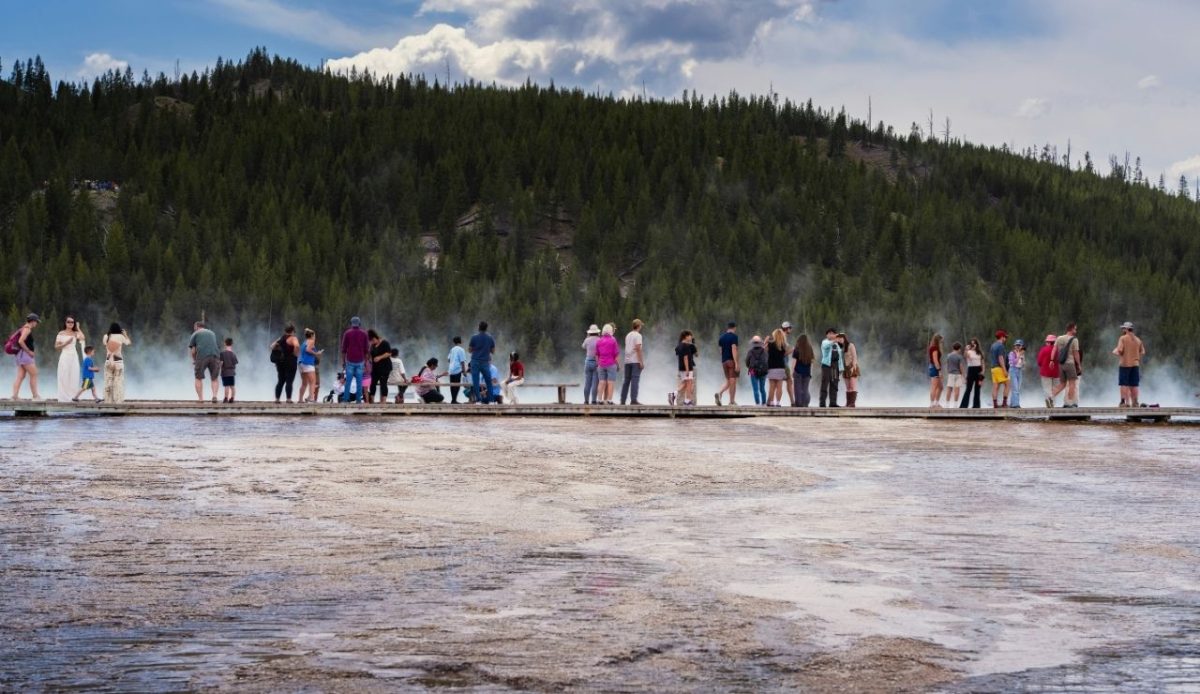
Crowding increases service costs. The Park Service reports a record 331.9 million recreation visits in calendar year 2024, which means more trash hauling, more restroom cleaning, and more wear on roads and trails. At popular viewpoints, damaged vegetation can require fencing and restoration work. Longer lines at entrance stations can also require traffic control and extra fee staff during peak hours. When these pressures rise faster than appropriated budgets, fee adjustments become one of the few tools that can fund immediate operations. Even small upgrades, like new signs and better queue lanes, carry recurring costs.
Staffing strain makes the problem sharper. NPCA reports the Park Service lost 24 percent of its permanent staff since January 2025, leaving many units with fewer rangers and maintenance workers. When crews are thin, overtime is used more often, and preventive maintenance can slip until something breaks. Visitor centers may reduce hours, and fewer patrols can affect response times. Higher entrance revenue can support added positions or contracts, but the need is felt most at the busiest parks where safety calls stack up quickly. Seasonal hiring can help, but it does not replace year-round experience.
Why Many People Miss The Updates

Many people miss fee changes because the information is spread out. A traveler might read a park brochure, then book campgrounds on Recreation.gov, then see pass options on a separate NPS page. The Passes page notes that at least 80 percent of entrance fee money stays in the park where it was collected, but that context is skipped when a price is all someone wants. When a rule changes, like who qualifies for a fee-free day, the update may be posted in a planning section that is easy to skip while focusing on trails and weather. Park alerts are often written for quick updates, not for explaining the bigger budget picture.
Access policies can change fast, which can shift costs indirectly. Yosemite has been reported as ending its summer reservation requirement for 2026, a move that may increase congestion if demand surges. When reservation limits are removed, staffing and traffic control needs can rise, and that can feed pressure for fees or added charges elsewhere. Visitors who plan by copying last year’s itinerary may not notice the new rules until arrival. Checking the current park notice pages and the Interior fee announcements is the most reliable way to avoid surprises. These notices are often posted weeks before a season starts, after flights and hotels have already been reserved.
