
Algeria can feel like two trips at once, a dense capital on the Mediterranean and a vast interior reached by long roads or flights. Backpackers are often attracted by low-cost overland travel and open desert horizons.
Official advisories describe a national terrorism risk, but they separate routine city movement from high-risk border and desert zones. The highest warnings emphasize kidnapping and the limits of emergency response outside major population centers.
This guide turns those advisories into route-based planning. Each spot shows a distinct mechanism, such as border proximity, rugged cover, or isolation, that can increase exposure for travelers who move independently.
1. Kasbah, Algiers Province
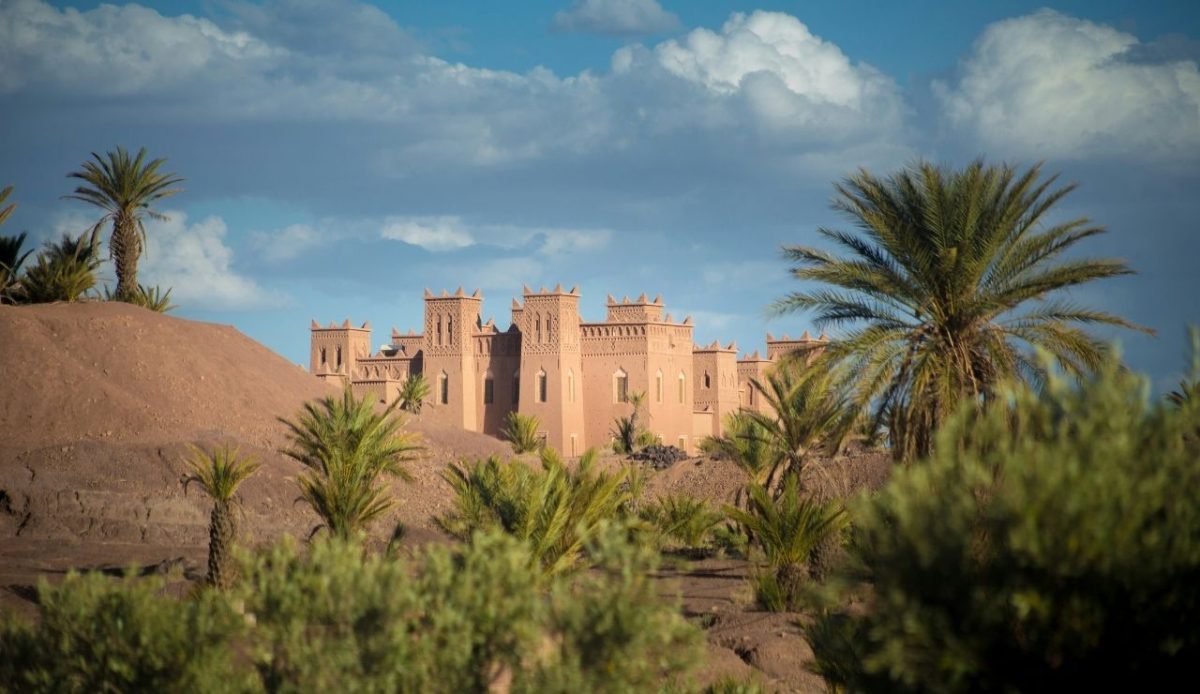
The Kasbah is a compact maze of stairs and alleys in central Algiers, with dense foot traffic and limited vehicle access. Visitors often navigate by phone maps, which can be unreliable inside thick stone blocks.
Australian travel advice calls out parts of central Algiers, including the Kasbah, as places where extra caution is needed due to terrorism risk. Dense heritage quarters also concentrate tourists, police, and government buildings within a short radius.
For backpackers, the main issue is tight visibility and crowd chokepoints where suspicious behavior can go unnoticed until it is too close. Entry and exit points are few, so leaving quickly can be hard during a disturbance or security sweep.
2. Kabylie Region, Tizi Ouzou and Béjaïa Provinces
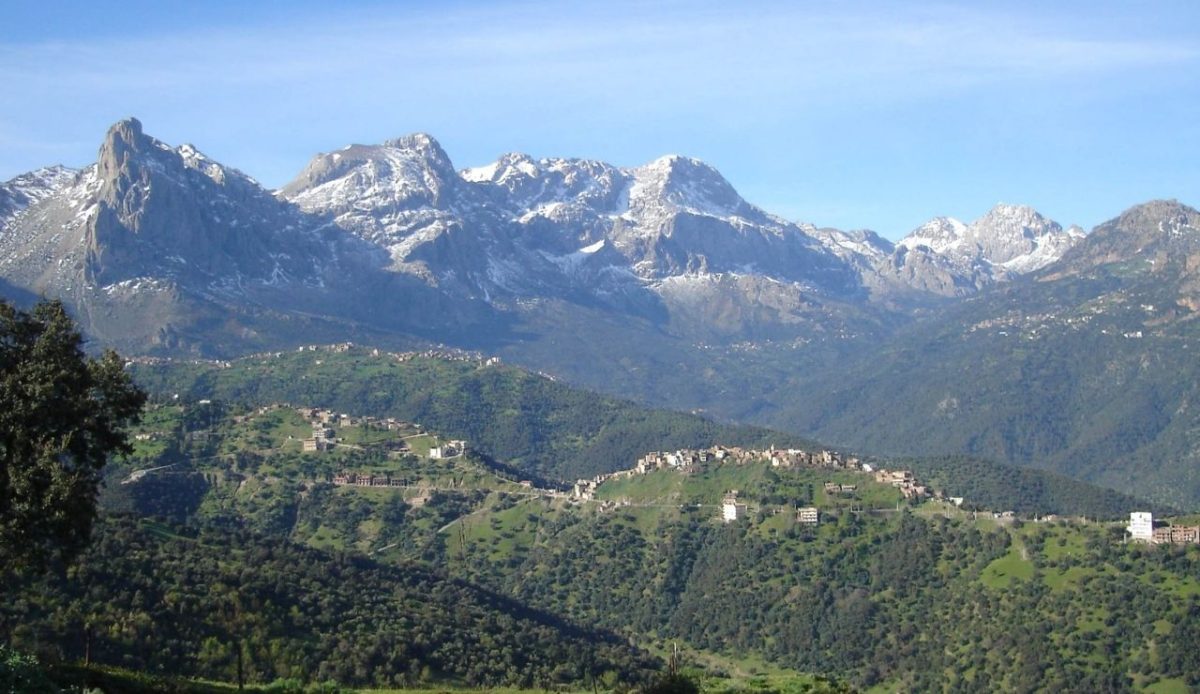
Kabylie spans mountain provinces east of Algiers, including Tizi Ouzou and Béjaïa, with forests, ridgelines, and steep ravines. Roads often run through narrow valleys that limit alternative exits if a route is closed.
Foreign advisories have long flagged this region because militant cells have used rugged terrain for concealment and hit-and-run attacks. Counterterror operations can create sudden road controls, identity checks, and temporary limits on movement.
Backpackers get exposed when they leave coastal corridors for hiking or village stays, especially with informal lodging and transport. Weak coverage and long ambulance times mean incidents that would be manageable in a city can escalate before help arrives.
3. Batna, Batna Province
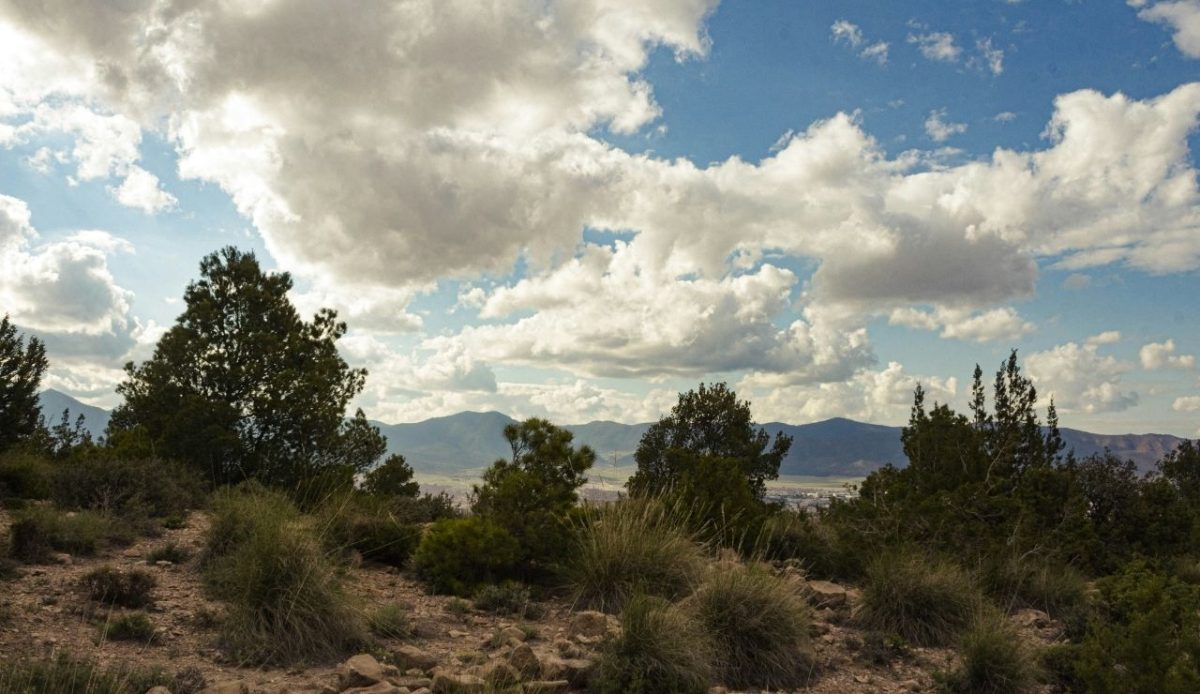
Batna is a regional center used as a base for visiting Timgad and other Roman sites, so it appears on many independent itineraries. The area also connects to mountain roads where traffic thins quickly outside the city.
Advisories note that Algeria’s terrorism threat can include sporadic incidents in parts of the northeast, especially away from dense urban policing. That means risk can change sharply over a short distance when a traveler leaves primary corridors.
Backpackers reduce exposure by traveling in daylight, limiting unplanned detours, and using reputable transport to sites. The key mechanism is that isolated roads reduce response speed, so small security events can have a greater impact on travelers.
4. Djanet District, Illizi Province
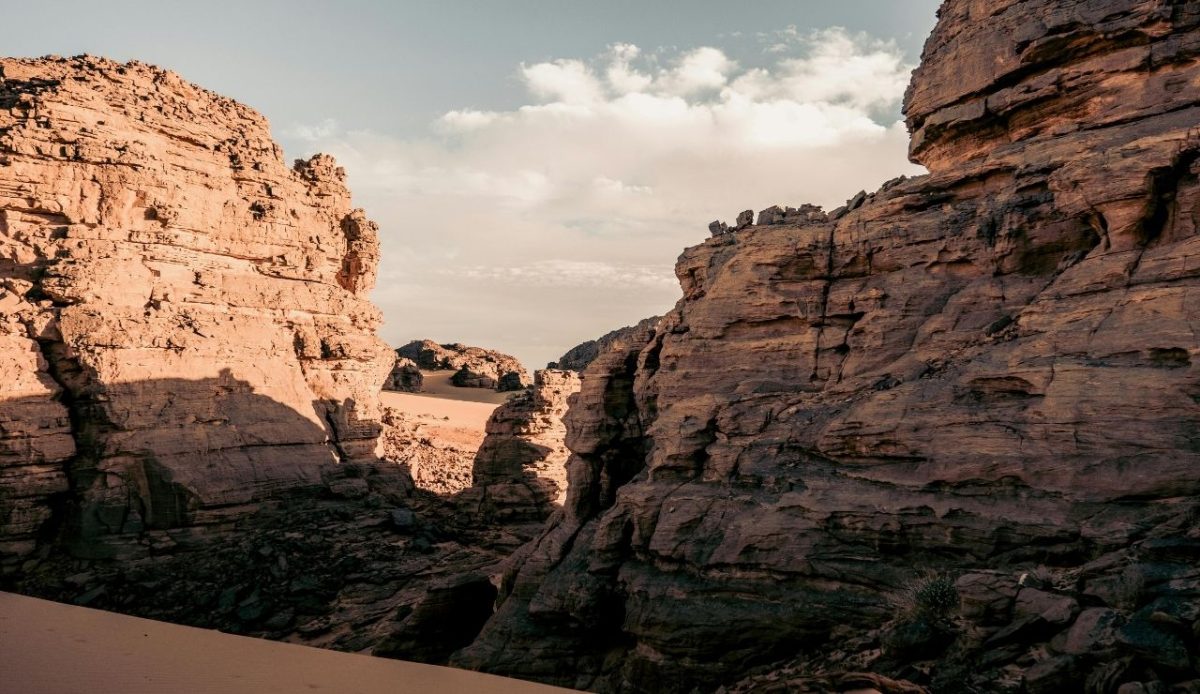
Djanet is a launch point for Tassili n’Ajjer trips, and many itineraries include camping plus long drives away from paved services. Distances between wells, fuel, and medical care are large, so small problems can become emergencies.
Australian travel advice warns of a high kidnapping threat in the Djanet district and nearby desert routes, tied to terrorism and criminal groups. Advisories often stress that remote zones near borders are the highest concern, not the town center.
For backpackers, exposure comes from isolation and predictable supply stops, where groups refuel and rest at the same points. Once outside town, satellite phones and registered guides can be the difference between a delay and a crisis.
5. Tamanrasset, Tamanrasset Province
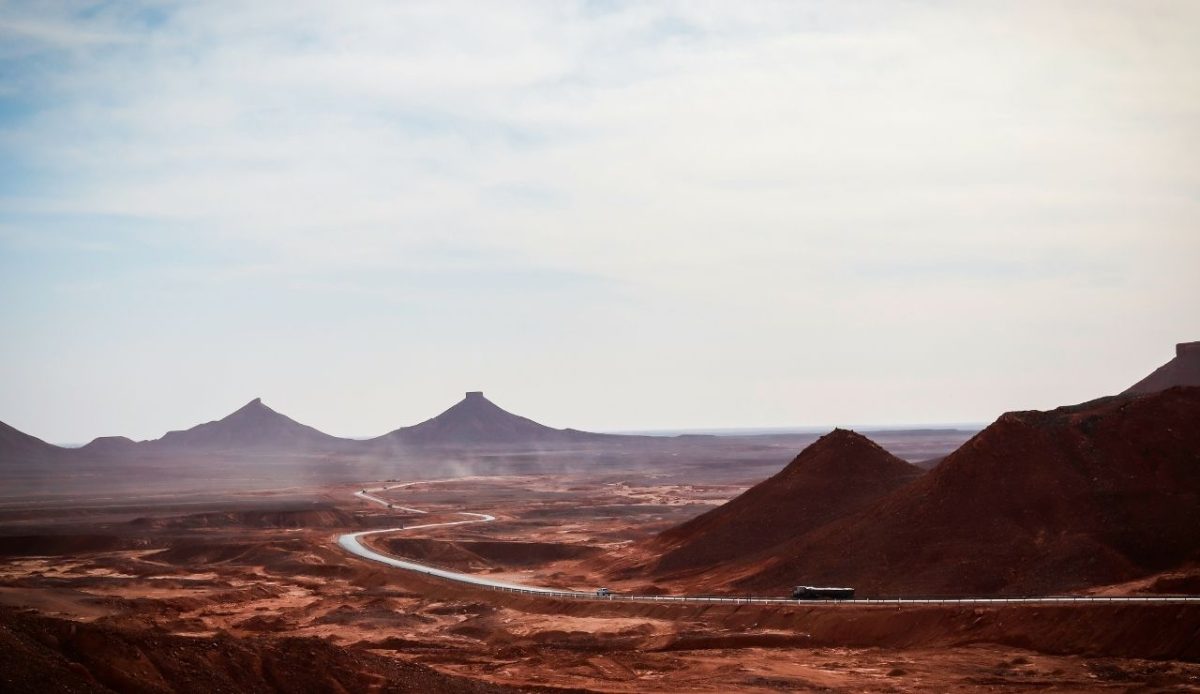
Tamanrasset is the main southern hub on routes toward the Hoggar, with long stretches between settlements and fuel depots. Many travelers pass through for permits, supplies, and desert transport links.
Australian travel advice highlights a high kidnapping threat in the province, reflecting militant capability across the Sahel. Even when the city is calm, risk increases on approach roads and in outlying areas where surveillance and patrol density drop.
Backpackers face the sharpest risk when travel is arranged informally through ad hoc drivers or hitchhiking. A breakdown or wrong turn can leave people stranded for hours, and recovery logistics may require security coordination that tourists cannot arrange quickly.
6. Sahara Desert Overland Routes, Southern Algeria
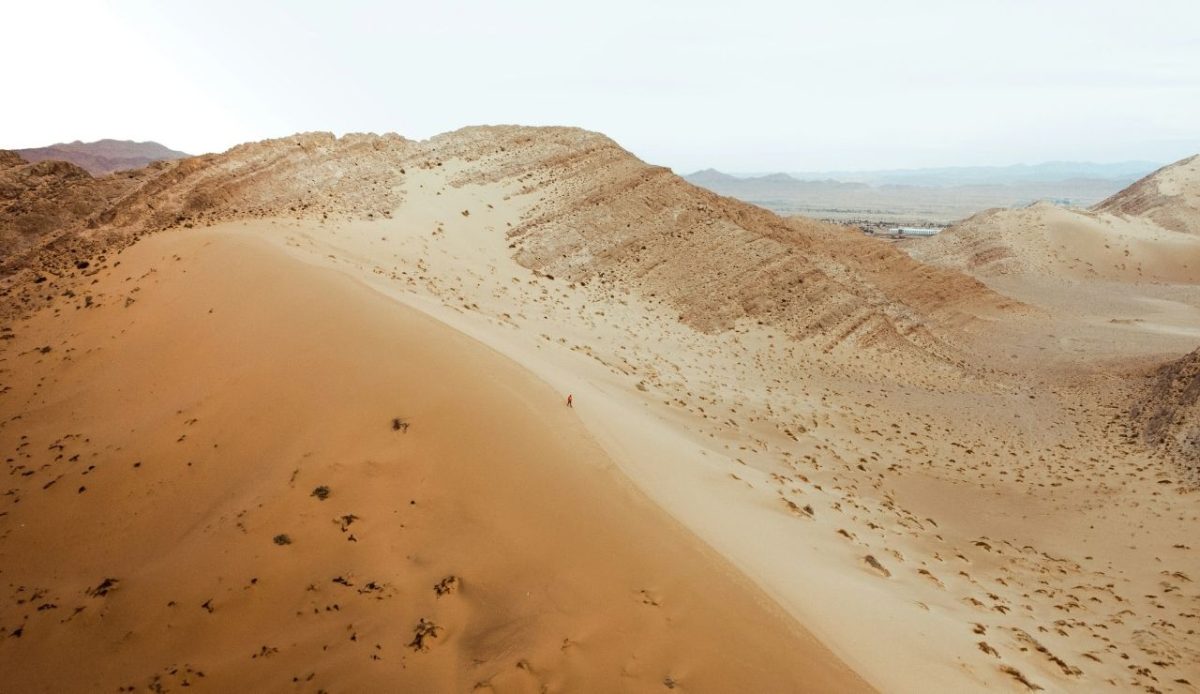
The U.S. State Department advises against overland travel in the Sahara Desert due to terrorism and kidnapping. This is aimed at ground routes rather than flights to Saharan cities, because vehicles are exposed for long periods.
Remote highways and desert pistes have low traffic, sparse communications, and limited medical access. Those conditions reduce deterrence and increase the payoff of targeting travelers, since victims can be moved far before help is alerted.
For backpackers, the mechanism is simple: once the road leaves a city, there may be no quick backup. Cheap transport choices that save money, like shared vans and informal rides, can also reduce tracking and make rescue coordination harder.
7. Tunisia Border Rural Zone, El Tarf and Souk Ahras Provinces
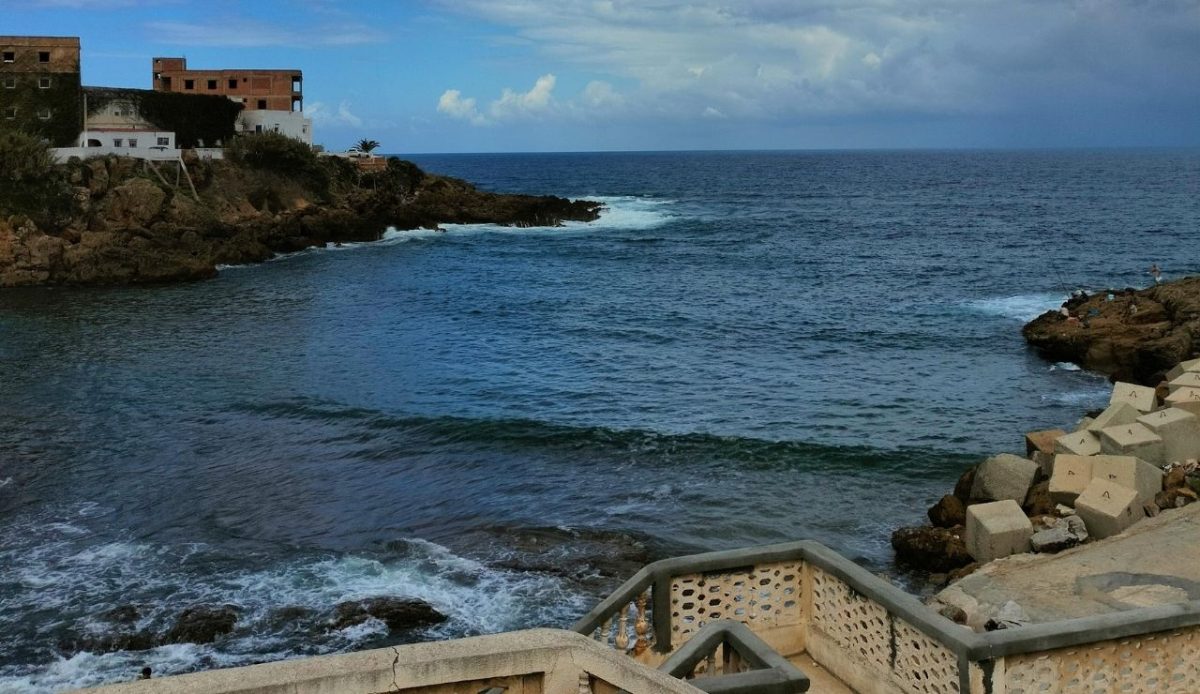
The U.S. advisory lists rural areas within 50 km of the Tunisia border as do not travel due to terrorism and kidnapping. The band includes forests and border roads in El Tarf and Souk Ahras provinces.
Border regions can experience militant transit, smuggling, and security operations that change conditions rapidly. Travelers may see frequent stops, changing route permissions, and sudden closures after incidents or intelligence alerts.
Backpackers are vulnerable when they seek cheap transport near frontier towns or try scenic back roads. Informal drivers may take side routes to avoid delays, which can push a traveler deeper into higher-risk rural corridors without warning.
8. Libya Border Rural Zone, Illizi Province
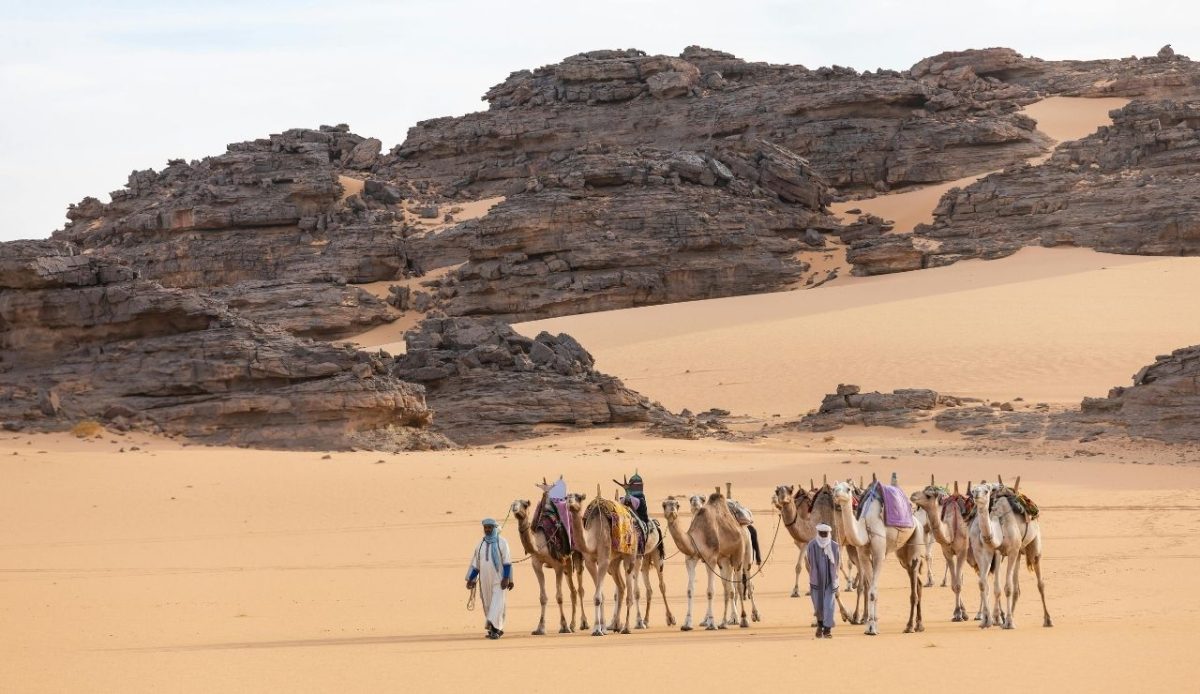
The U.S. advisory marks rural areas within 250 km of the Libyan border as do not travel, citing terrorism and kidnapping. In Algeria, this includes remote parts of Illizi province that connect to desert corridors toward Libya.
Instability across the frontier can enable armed groups to move, hide, and exploit long supply lines. Sparse settlements mean fewer witnesses and fewer services, so problems can remain unresolved for extended periods.
For backpackers, danger increases with independent desert legs and unverified guides. Checkpoints can close routes, and detours may extend driving time beyond daylight, which raises exposure when a vehicle is isolated far from support.
9. Niger Border Rural Zone, Tamanrasset Province
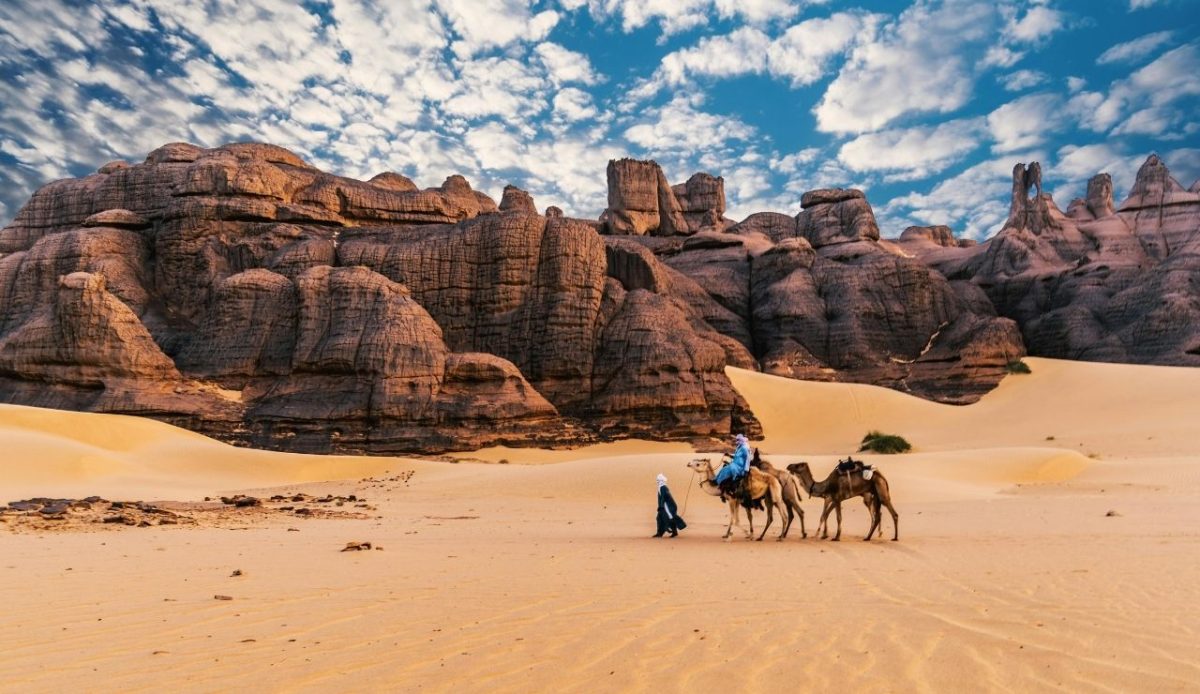
Rural areas within 250 km of the Niger border are listed as do not travel in the U.S. advisory due to terrorism and kidnapping. Much of this zone falls in Tamanrasset province along long desert approaches.
Sahel insecurity has fueled kidnapping for ransom and armed movement across borders, so remote crossings carry the greatest concern. Security presence exists, but coverage is uneven across the desert setting.
Backpackers who attempt overland links face compounded risk from isolation, sparse services, and dependence on a small number of fuel stops. If travel cannot be verified by itinerary or permits, assistance may be delayed even when authorities are notified.
10. Mali Border Rural Zone, Tamanrasset and Adrar Provinces
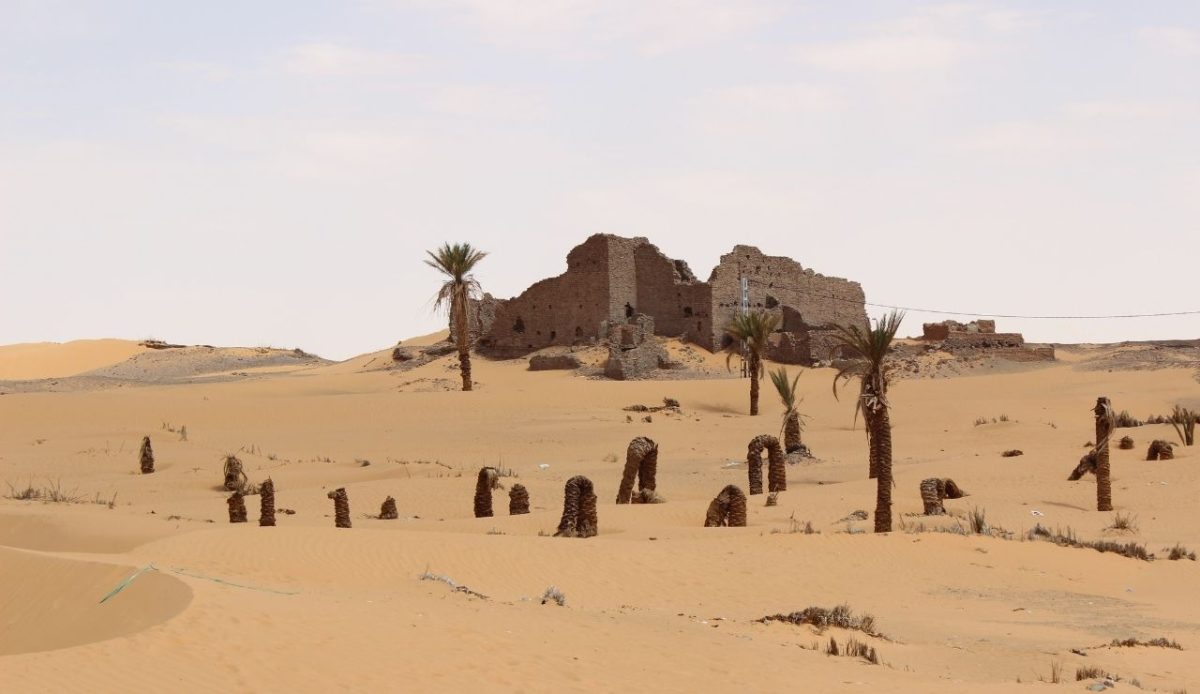
The U.S. advisory places rural areas within 250 km of the Mali border in the do not travel category for terrorism and kidnapping. This affects southern routes in Tamanrasset and Adrar provinces, where the frontier is remote.
In these areas, the issue is not city safety but wide-open approaches that allow long-distance movement by armed groups. Road quality varies, and a mechanical failure can turn into an extended roadside wait.
Backpackers may assume a mapped road means secure access, yet control is not guaranteed across desert space. Travel may require approved itineraries or escorts, and ignoring those norms can increase risk for both the traveler and responders.
11. Mauritania Border Rural Zone, Tindouf Province
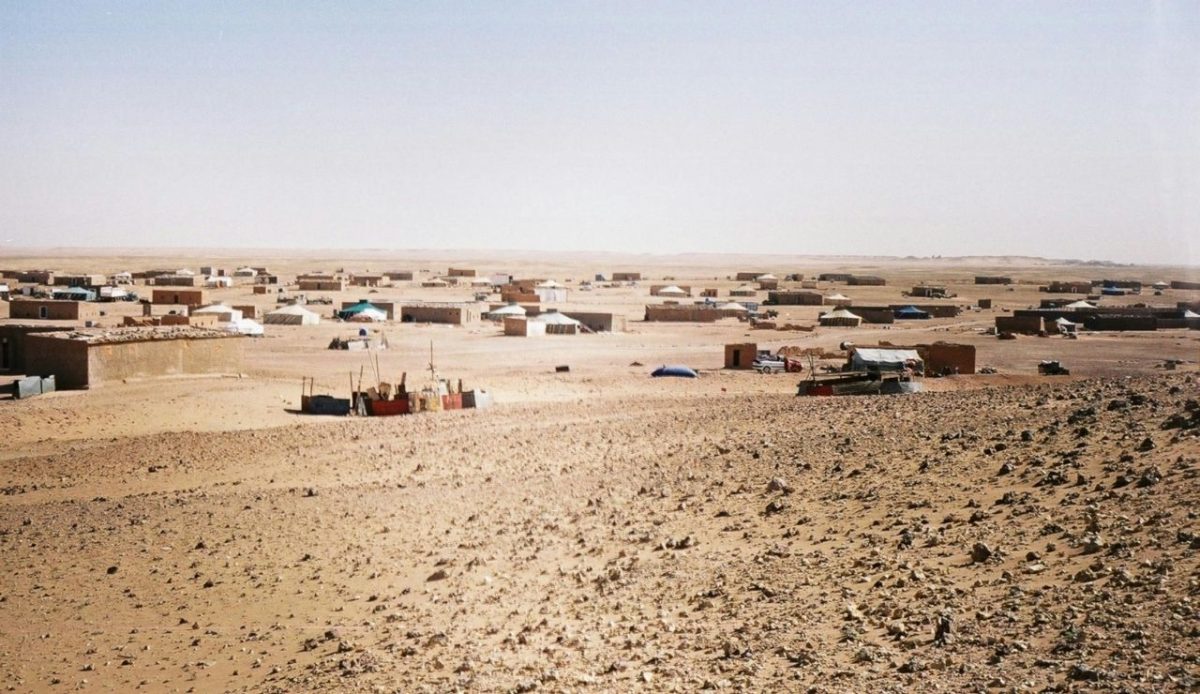
Rural areas within 250 km of the Mauritania border are listed as do not travel in the U.S. advisory due to terrorism and kidnapping. Tindouf province covers a vast desert where settlements are widely spaced.
Low population density reduces natural surveillance and increases reliance on official patrol schedules. If an incident occurs, medical evacuation and investigation can be slow simply because distance dominates logistics.
For backpackers, the practical risk is being funneled onto predictable routes for fuel and water, which can be monitored by hostile actors. Independent camping and off-road detours add uncertainty that complicates any response plan.
12. Tébessa, Tébessa Province
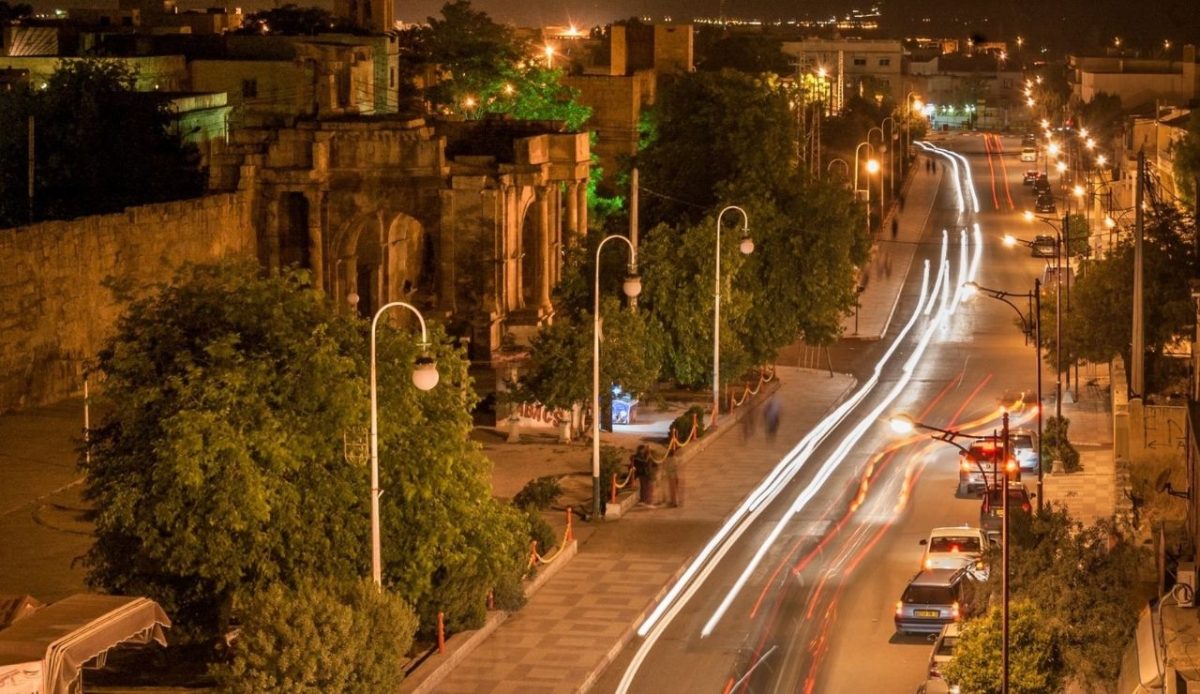
Tébessa lies in eastern Algeria near the Tunisia frontier and is referenced in foreign advice in connection with isolated IED incidents. Such events may be aimed at security forces, but they can also affect nearby public areas.
Even when a town operates normally, advisories treat adjacent rural corridors as higher risk because attacks can occur with little warning. Roadside travel and transport hubs can be sensitive when security operations are underway.
Backpackers passing through face exposure at bus stations, roadside cafés, and shared taxi stands where crowds gather, and screening is limited. Risk management relies on staying on main routes and avoiding unnecessary stops in remote stretches.
