
Some streets in Trinidad show up again and again in homicide coverage, especially in the capital and nearby corridors. The title phrase is not literal, but the reporting pattern can be measured by how often a named street is tied to a fatal shooting.
For this article, a street is included only when credible outlets have linked it to at least two deadly gun attacks in separate reports. The focus stays on street-level location details, not on broad district labels.
Each section explains why the street keeps recurring in lethal shooting accounts and what situational factors drive risk. Details are framed as mechanisms seen in reporting, not as claims about every block or every hour.
1. Piccadilly Street, Port of Spain
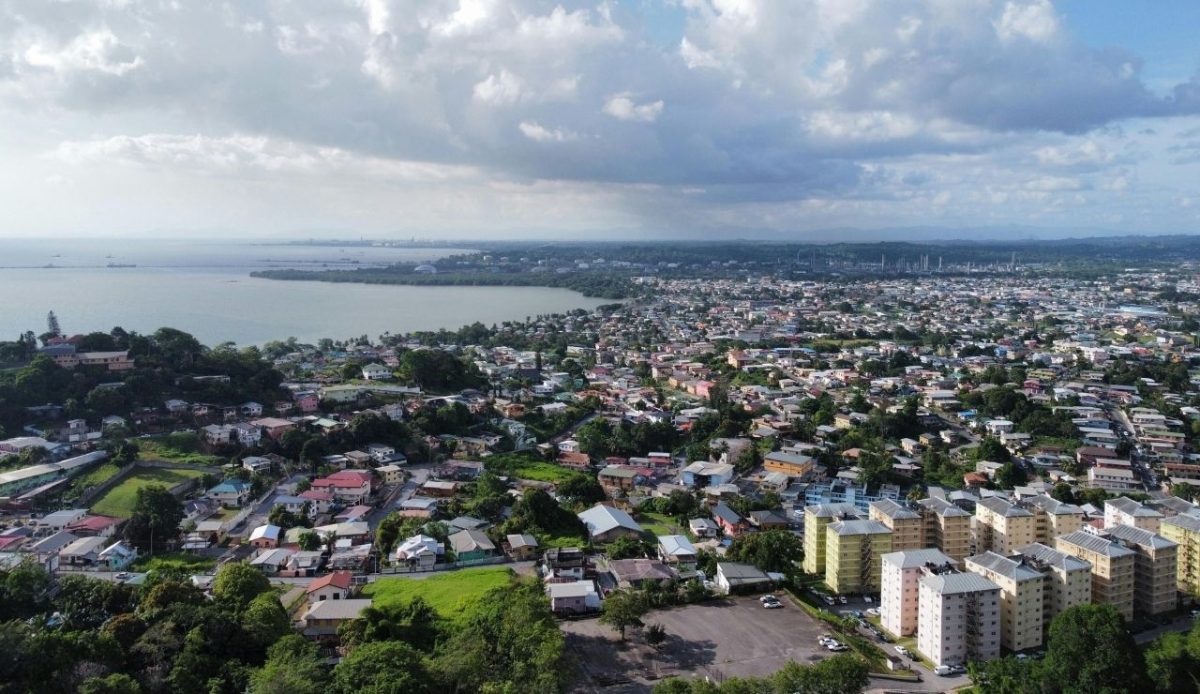
Piccadilly Street is cited across distinct fatal shooting reports around the downtown edge, where traffic funnels toward Laventille. Incidents described in news files often involve quick pull-up attacks and rapid exits into nearby feeder roads.
That layout matters. A dense grid, short sight lines, and heavy daytime movement can let shooters blend with routine street activity. Witnesses also tend to scatter across several junctions, complicating clean timelines.
Risk to visitors is driven by proximity and timing, not by tourism demand. When violence is targeted, stray rounds and panic flight are the main exposure mechanisms for anyone caught inside the corridor.
2. Besson Street, Port of Spain
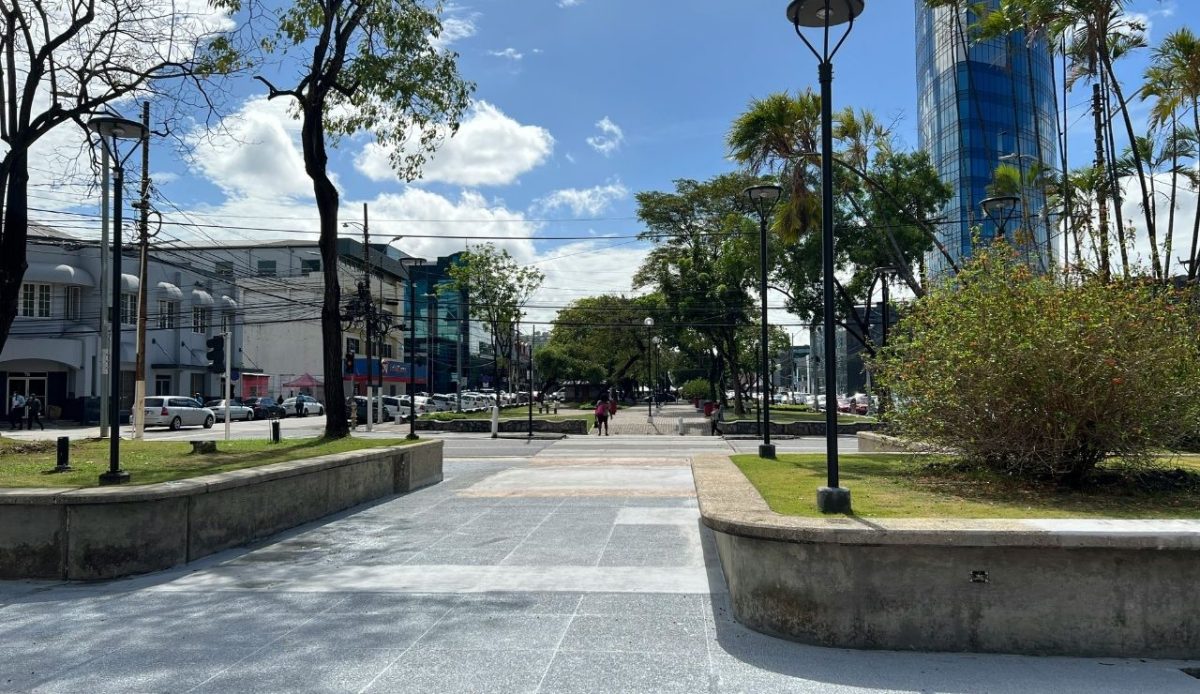
Besson Street is repeatedly named in homicide reporting despite the nearby police station and constant foot traffic. Deadly shootings described in the press have occurred near small businesses and transport points where people bunch up.
High turnover locations create brief windows for ambush. A shooter can approach as a passerby, fire at close range, then disappear into side streets or vehicles already queued in congestion. Investigations often hinge on camera angles and plate reads.
The risk driver here is predictable routine, not nightlife. Commuter flows, cash handling, and curbside waiting create moments where targets and bystanders share the same narrow space.
3. Nelson Street, Port of Spain
Nelson Street shows up in different fatal shooting accounts within the city center, often in stories that mention gunfire near busy cross streets. Reports describe fast-escalating disputes that end with close-range shots.
The street sits in a tight urban pattern where buildings block long views. That limits early warning, and it also reduces safe escape paths once shots start. People may run into dead ends or return toward the noise.
Repeated reporting suggests a stable risk driver, local conflict networks, and easy access to quick cover. For outsiders, the hazard tends to be sudden and hard to anticipate fromthe normal street appearance at midday.
4. Charlotte Street, Port of Spain
Charlotte Street is a core shopping corridor, yet it has also been named across distinct deadly shooting stories. News descriptions often place attacks near vendors or storefronts, where crowds create limited movement space.
Public commerce raises exposure because targets are reachable without entering private property. Offenders can enter as customers, fire quickly, and use the street crowd to mask direction and clothing changes.
The mechanism that repeats is the availability of cover and confusion. When gunfire erupts in a market setting, people drop goods, rush across lanes, and inadvertently block emergency access for ambulances and patrols nearby.
5. George Street, Port of Spain
George Street runs through central business blocks and has been connected to distinct deadly shootings in press coverage. Reports often note attacks at intersections where vehicles pause, and pedestrians cluster by banks and offices.
Intersection timing creates vulnerability. When cars stop for lights, a shooter can step from a doorway, fire, then retreat before drivers can react. Dense curb parking also blocks clear lines for witnesses.
Recurring lethal incidents are linked to the street’s role as a connector. It carries both business traffic and routes toward higher-risk zones, so disputes and pursuits can spill into the same public frontage often.
6. Queen Street, Port of Spain
Queen Street is named across different reports of deadly shootings, including incidents with more than one victim. Accounts place some attacks near downtown services where people queue and wait for rides.
Queues compress personal space and slow escape. When shots are fired, the crowd surges, and that movement can trap people against walls or parked cars. First aid is delayed when the area is not secured. Evidence collection can be slowed by heavy foot traffic.
Repeat risk is shaped by predictable congregation points and limited surveillance coverage from certain angles. For travelers, the danger grows when errands overlap with peak congestion windows on weekdays.
7. Duke Street, Port of Spain
Duke Street is linked in coverage to different deadly shootings within the city grid. Stories often locate attacks near junctions where several blocks feed into one corridor, creating fast entry and exit options.
Junction density helps offenders control distance. They can fire from close range, then turn quickly into a side street that breaks sight lines. Witness accounts may conflict when people observe for only a few seconds.
The repeating mechanism is rapid concealment. Building fronts, parked vehicles, and narrow alleys reduce visibility and slow identification, so risk is concentrated in short bursts rather than sustained disorder at night.
8. Henry Street, Port of Spain
Henry Street has appeared in separate deadly shooting reports, including incidents where suspects and police were both active in the same area. Coverage describes shootings that unfold quickly in close quarters.
Close quarters change outcomes. When muzzle flashes happen near storefronts, bystanders may not understand the direction until rounds strike glass or metal. That split-second delay increases exposure for anyone standing in doorways.
Recurring fatalities are tied to the street’s steady pedestrian use and its links to nearby commercial lanes. People pass through for errands, which means uninvolved individuals can be present during targeted violence.
9. Frederick Street, Port of Spain
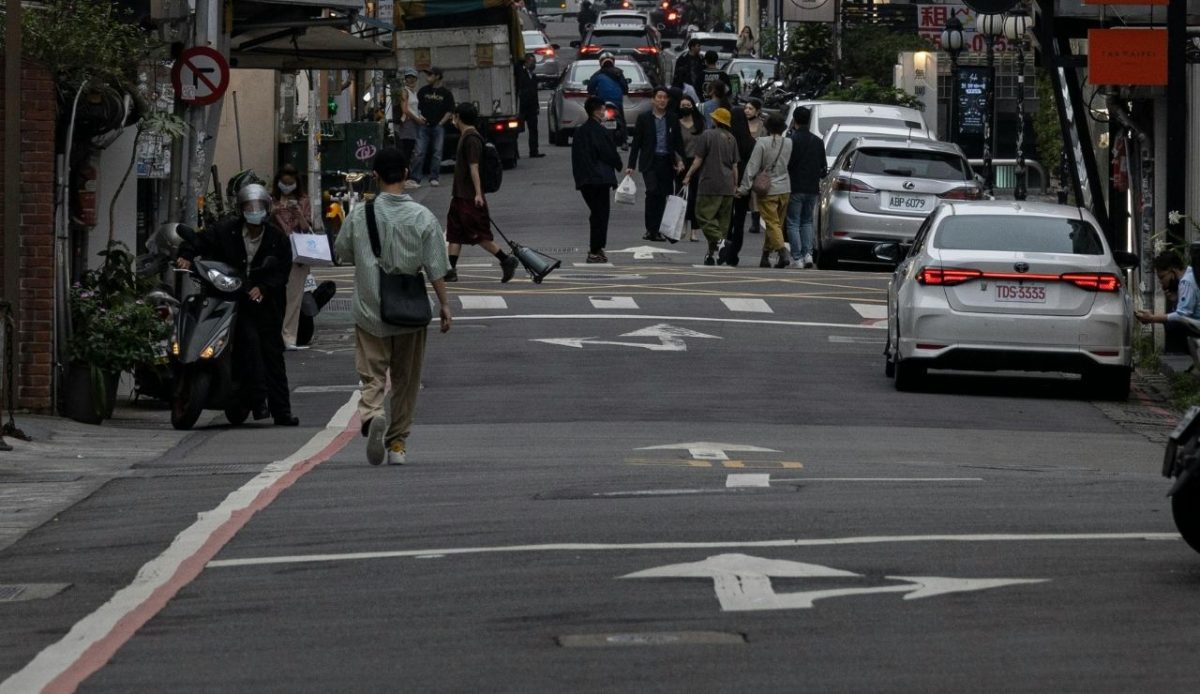
Frederick Street is one of the best-known downtown routes and has been tied to multiple deadly shootings in news archives. Reports have described killings near retail activity and within walking distance of major civic sites.
Retail corridors create mixed crowds of workers, shoppers, and delivery crews. That mix makes it easier for an attacker to approach without being noticed, then leave in the same flow, especially during midday rush.
A key driver is exposure created by constant movement. When a shooting happens, the street can become a funnel for fleeing people, which disrupts medical response and raises the chance of secondary injury for others, too.
10. Laventille Road
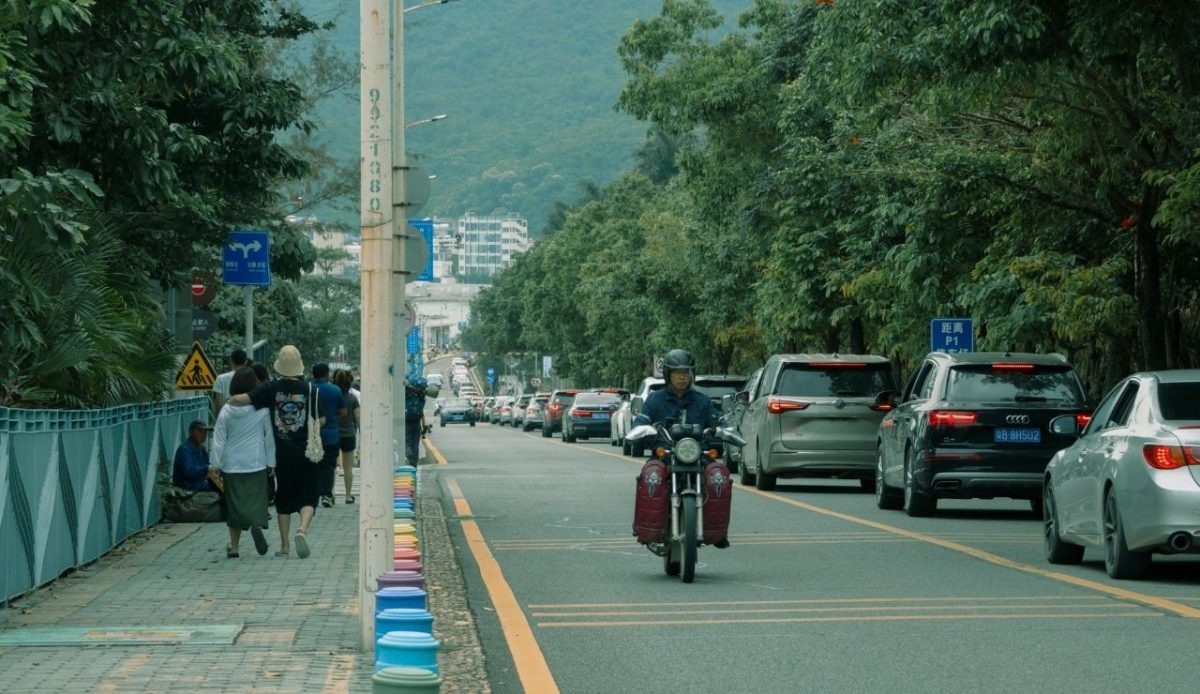
Laventille Road is repeatedly mentioned in deadly shooting coverage along the corridor linking the capital with hillside communities. Reports describe attacks near homes, small shops, and roadside stops used by commuters.
Long corridors raise risk because vehicles and pedestrians share limited shoulder space. If shots are fired, there may be few protected places to step aside. Visibility can also be reduced by curves and elevation changes.
Repeat risk is driven by spillover from nearby disputes and by the road’s role as a main movement route. For visitors, the main exposure path is passing through during a localized conflict event without warning.
11. Quarry Street, Laventille
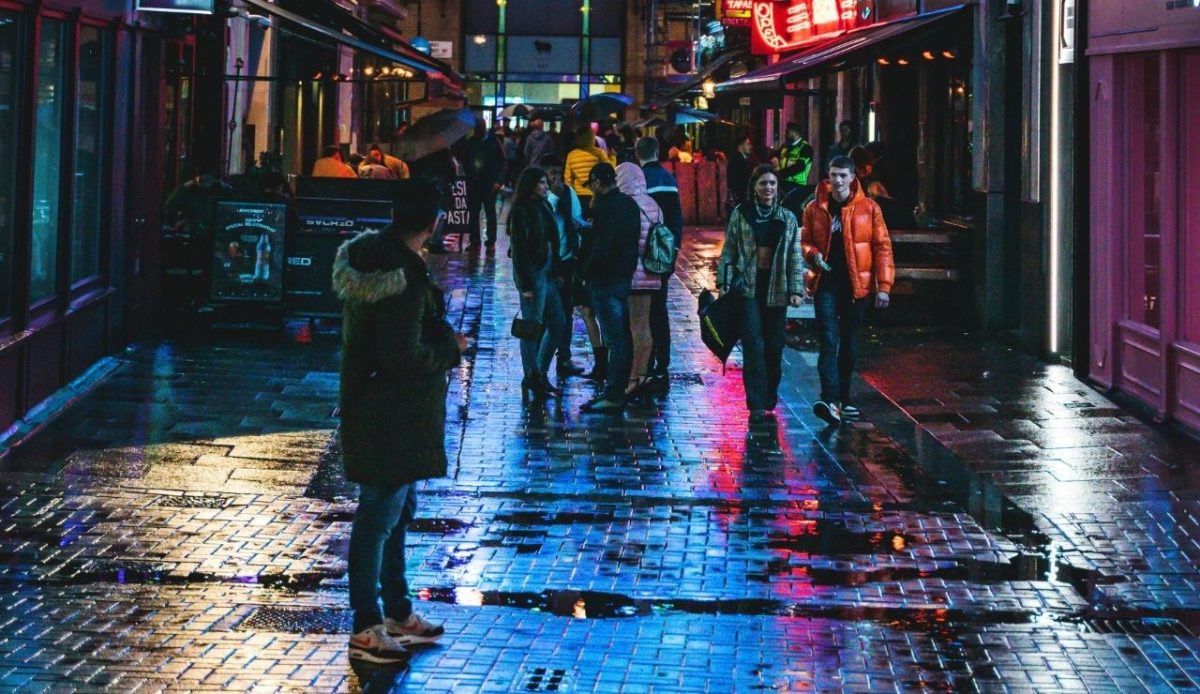
Quarry Street in Laventille is linked across multiple fatal shooting reports, with attacks described as multi-victim events. Such incidents often occur in tightly packed residential settings.
Tight housing layouts shorten reaction time. When gunfire starts, there are few clear escape routes, and family members may be separated by walls and narrow yards. Investigators also face reluctant witnesses due to fear and retaliation concerns.
Repeated lethal reporting points to localized conflict and easy access for armed groups. Outsiders face risk mainly when transit routes or deliveries bring them into the area during active tension after dark.
