
Protests can flip from calm to chaotic fast when crowds, roadblocks, and heavy policing collide. For travelers in 2026, the safest move is basic: don’t join, don’t film up close, and leave early if you see masks, fireworks, or riot police.
The places below have had demonstrations this year linked to clashes, mass arrests, or unusually high security. That doesn’t mean every day is unsafe, but it does mean you should plan routes, keep transport flexible, and avoid major squares on protest days.
Use official alerts, hotel staff updates, and live transit notices to steer around flashpoints. If you get stuck nearby, go indoors, stay calm, and let the crowd move on instead of forcing your way through.
1. Tehran, Iran
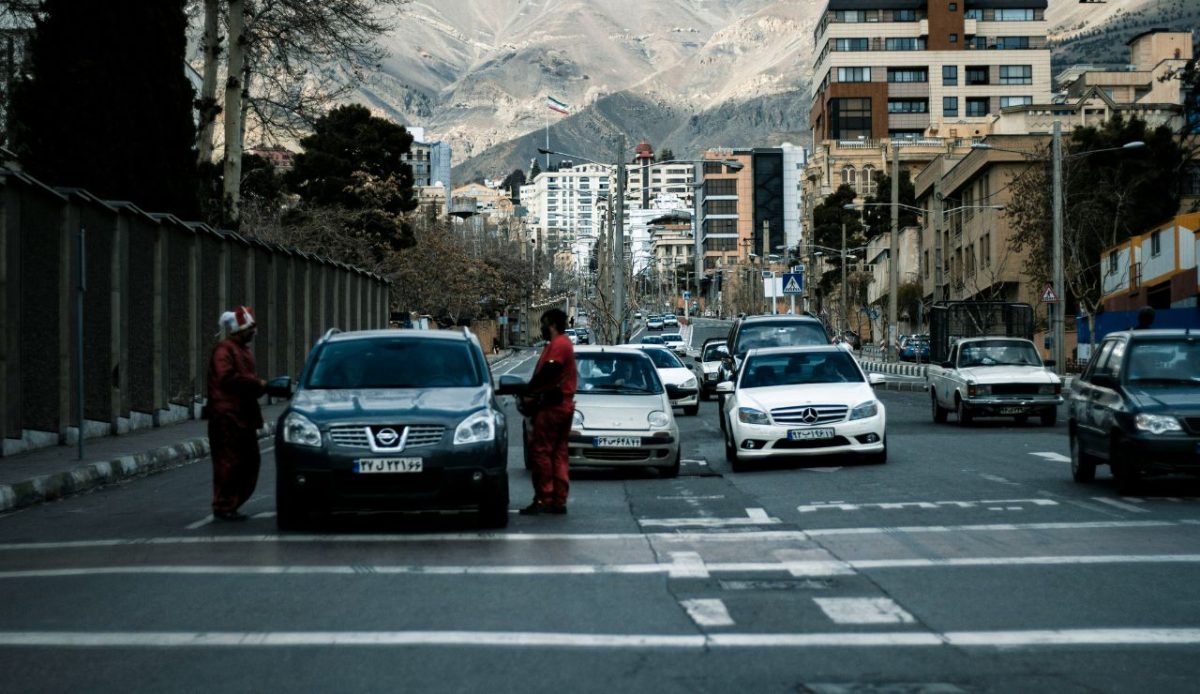
Recent nationwide demonstrations have drawn a heavy security response, and reports this year describe protests that quickly turned into street clashes. For visitors, the main risk is being near large crowds around central arteries, where police lines, tear gas, or sudden road closures can appear.
Avoid major squares during announced rallies, and don’t assume a quiet afternoon will stay quiet after sunset. Keep your phone charged, carry ID, and know two ways back to your lodging.
If you hear chanting growing louder or see traffic stopping for no clear reason, step into a shop or café and wait it out. Crossing a moving crowd is how people get stuck, separated, or swept into arrests.
2. Dhaka, Bangladesh
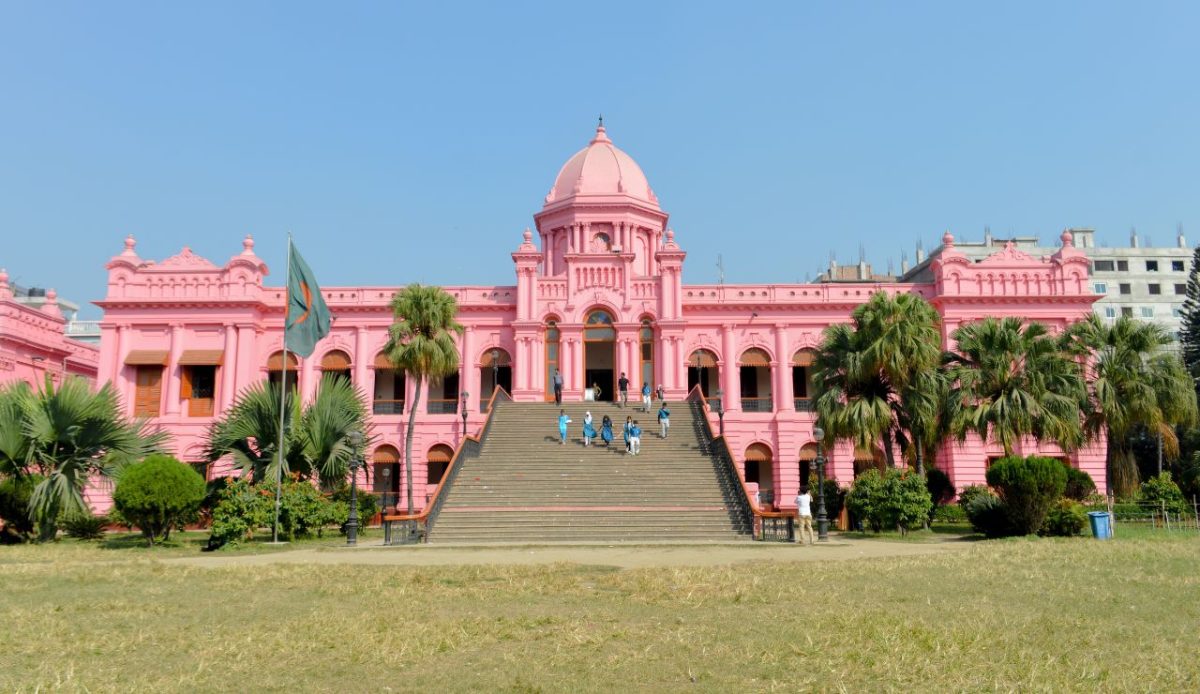
Election-season tensions have driven repeated demonstrations in Dhaka, and recent reporting describes rallies that escalated into violence and wider disorder. Even when the cause is local, the impact for travelers is practical: blocked streets, sudden transport shutdowns, and fast-moving groups.
Stay clear of large intersections and government areas when crowds form, and avoid arguing with anyone about politics or religion. If you rely on ride-hailing, expect long detours or cancellations during peak protest hours.
Pick lodging with multiple exit routes, and keep a daytime plan that doesn’t depend on one bridge or one main road. When police start dispersing a crowd, leave early rather than trying to watch the scene from the curb.
3. Sydney, Australia
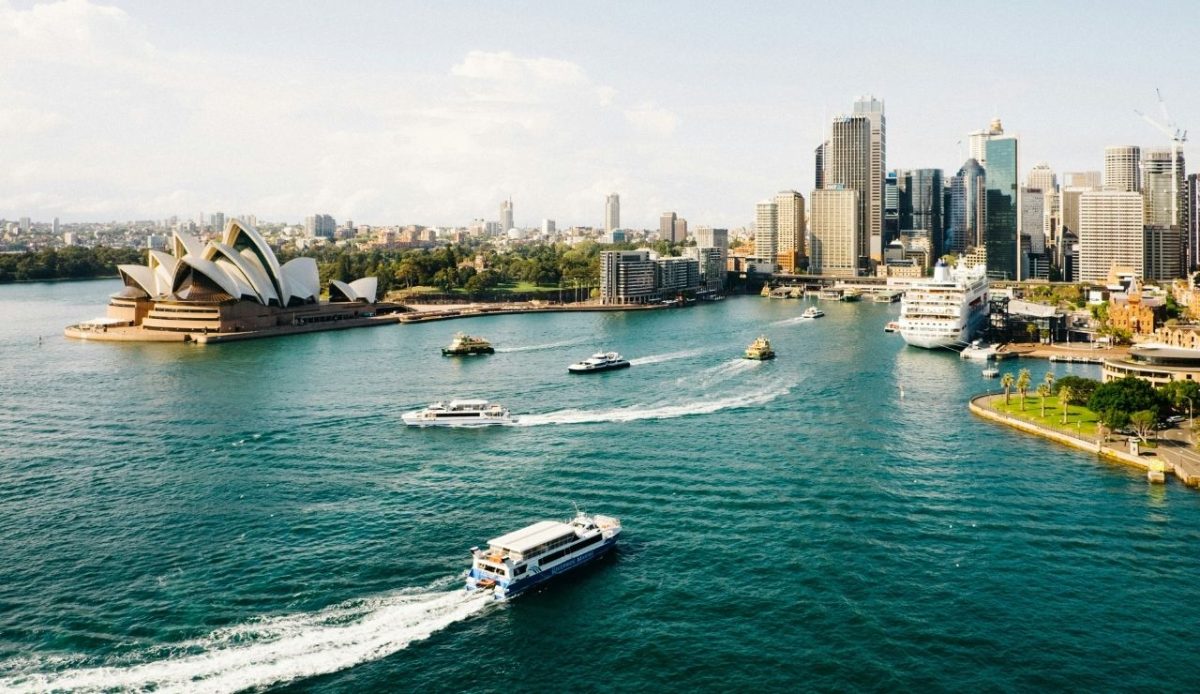
Large demonstrations in central Sydney have brought heavy police deployment this year, and some events have ended with arrests and injuries during clashes. For visitors, the risk is less about being targeted and more about being trapped in a moving corridor of people and barriers.
If a rally is scheduled near Town Hall, Hyde Park, or key rail hubs, build extra time into your day and avoid the densest blocks. Crowd control measures can force you into long walks or closed entrances.
Don’t linger to record confrontations, and keep your hands visible if police are moving crowds. If you need to cross the CBD, do it earlier, then stick to quieter streets until the area clears.
4. Port-au-Prince, Haiti
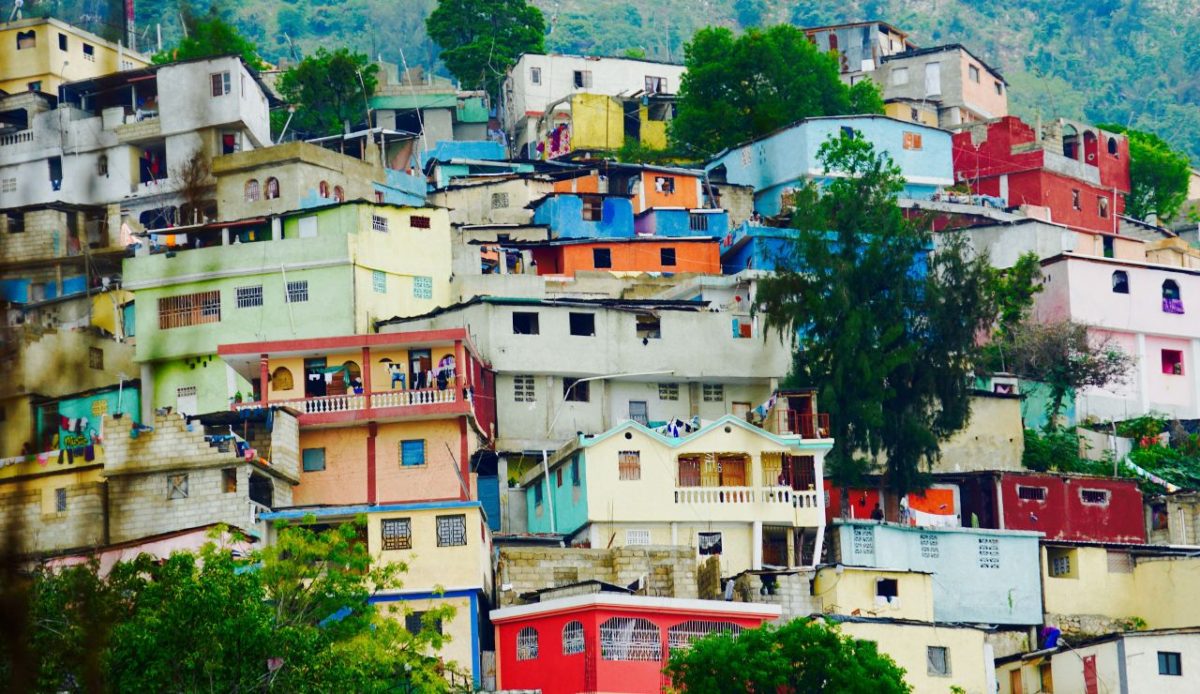
Haiti’s security crisis has made public gatherings unpredictable, and protests in the capital can overlap with gang activity and armed confrontations. For travelers, the line between a demonstration and a broader security incident can disappear with little warning.
If you must be in Port-au-Prince, keep movements limited, use vetted transport, and avoid areas where crowds gather around public buildings. Expect checkpoints, blocked routes, and sudden closures.
Have a backup plan for food, cash, and communication if services pause. If you hear gunfire or see people running, don’t try to “get a look”; move indoors, lock doors, and follow local security guidance until the situation stabilizes.
5. Paris, France
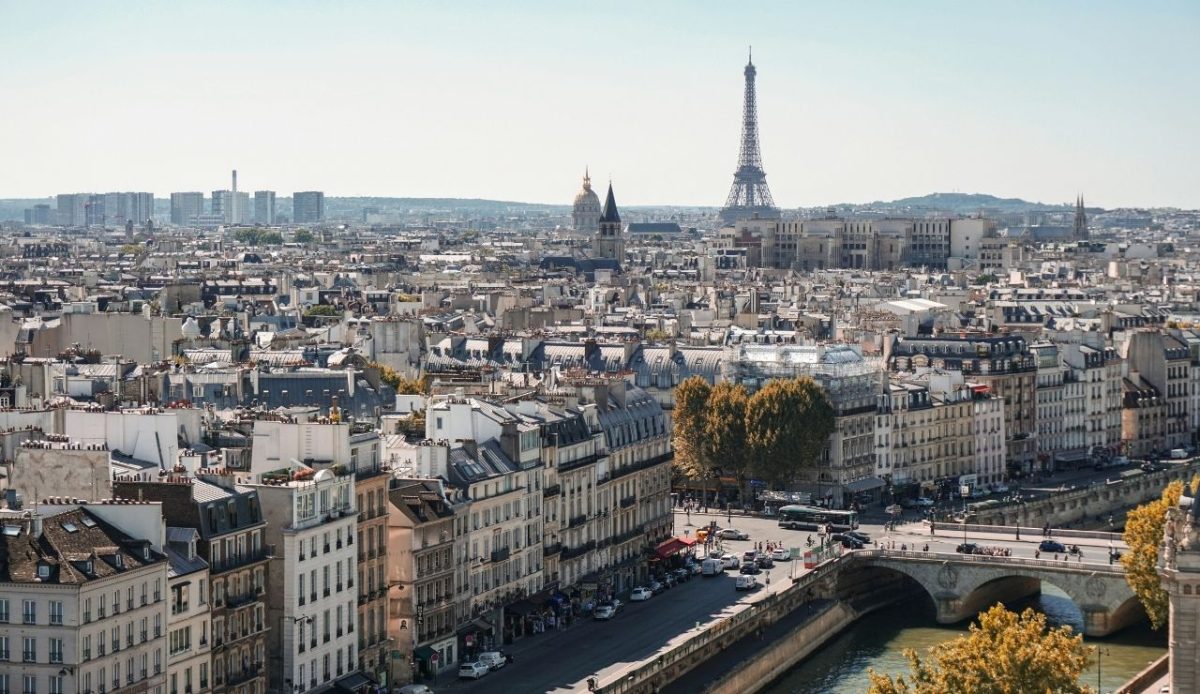
Paris hosts frequent marches, and some recent demonstrations have focused on deaths in police custody and broader public-safety debates. Even when most of a protest is peaceful, clashes can break out at the edges where small groups confront police.
If you see CRS riot units, shields, or tear-gas canisters, treat it as a cue to leave, not a sightseeing opportunity. Avoid bottlenecks near major monuments and transit hubs when marches are underway.
Carry a paper map or offline directions in case mobile networks slow. If dispersal begins, move parallel to the crowd instead of against it, and duck into a side street or open business until the noise and movement drop.
6. Istanbul, Türkiye
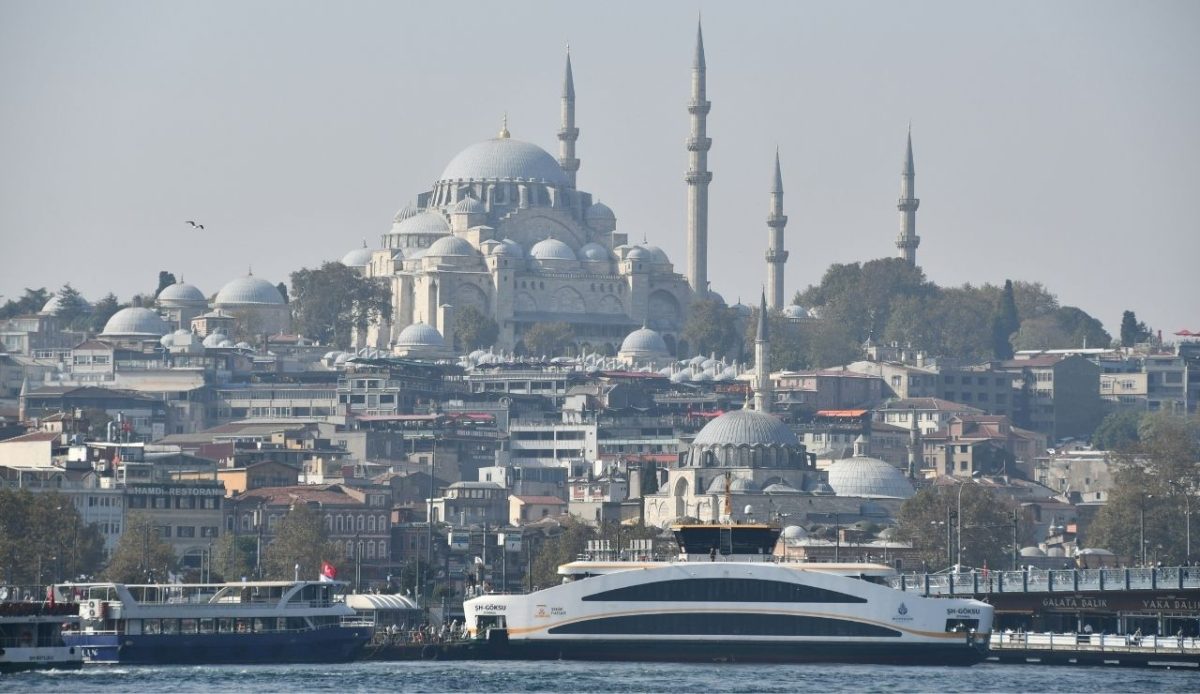
Istanbul sees major street rallies, and this year some protests have included scuffles, detentions, and rapid police interventions. The biggest travel headache is geography: bridges, waterfront routes, and squares can be shut with almost no notice.
If events are planned around Galata Bridge, Taksim, or the embassy districts, choose alternate crossings and avoid arriving at peak times. Public transport may skip stops or close entrances near the crowd.
Keep your passport secured, not in your hand, and don’t argue with officers or demonstrators. When a crowd compresses, step out early; the safest spot is always a block away, not in the middle of the chant line.
7. Caracas, Venezuela
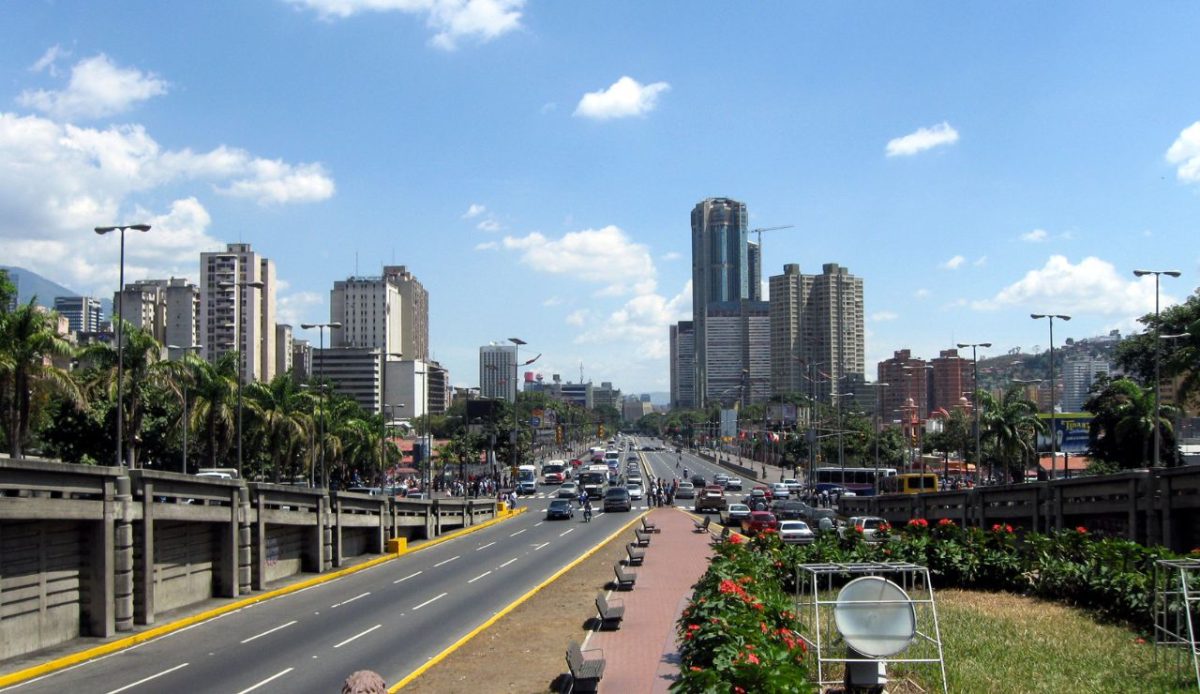
Political rallies and counter-rallies have surged in Caracas this year as the country navigates a turbulent transition. Large crowds can form quickly, and confrontations can follow when rival groups, security forces, and opportunistic crime overlap.
Avoid government districts and major plazas on announced protest days, and don’t rely on one direct route across the city. Plan short trips, travel with local guidance, and keep valuables out of sight.
If you encounter a roadblock or a chanting crowd, turn around early rather than negotiating passage. Even brief detentions or phone checks can ruin a trip, so keep documents backed up and avoid filming anyone who appears to be organizing or policing the protest.
8. Mexico City, Mexico
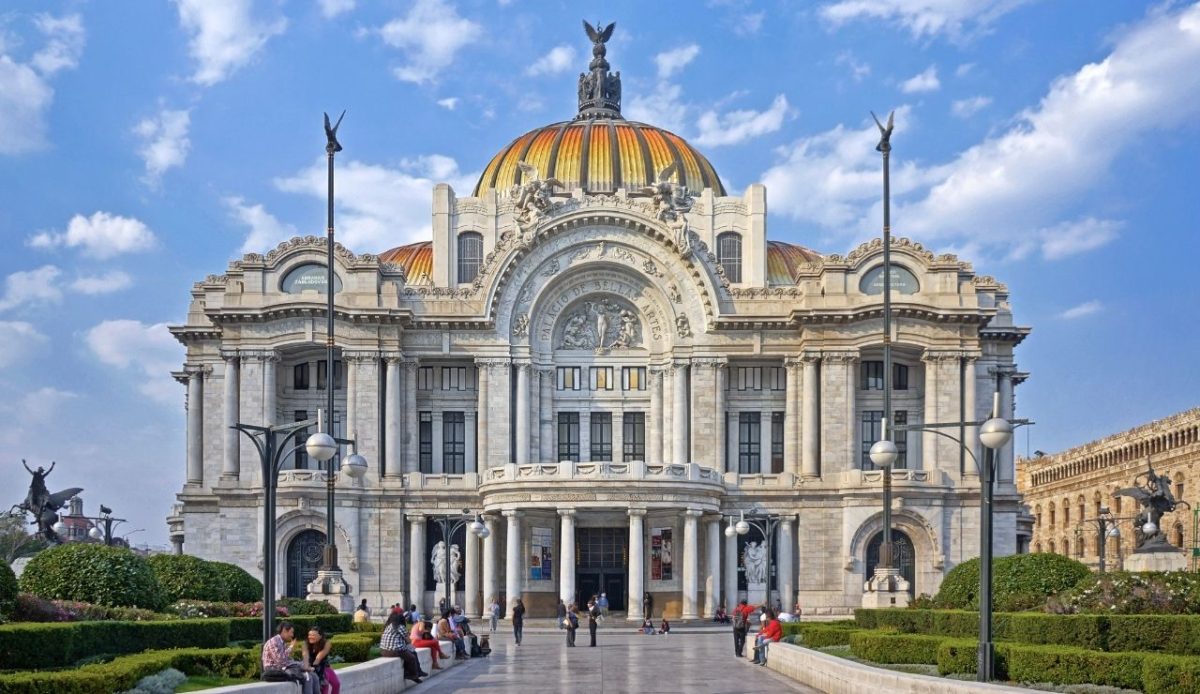
Mexico City is no stranger to mass marches, and embassy-area demonstrations this year have drawn large crowds and strong police presence. Most days are normal, but a single protest can lock down Reforma corridors and create long, stressful travel delays.
If you hear about a march, avoid the central spine between major government buildings and monuments, and don’t assume rideshare will reach you. Pick meeting points away from obvious landmarks.
Keep a small cash buffer and an offline route in case mobile data slows. If clashes start, leave the avenue and move two or three blocks into residential streets, then wait. Trying to walk through the center of a dispersal is where injuries happen.
9. Minneapolis, United States
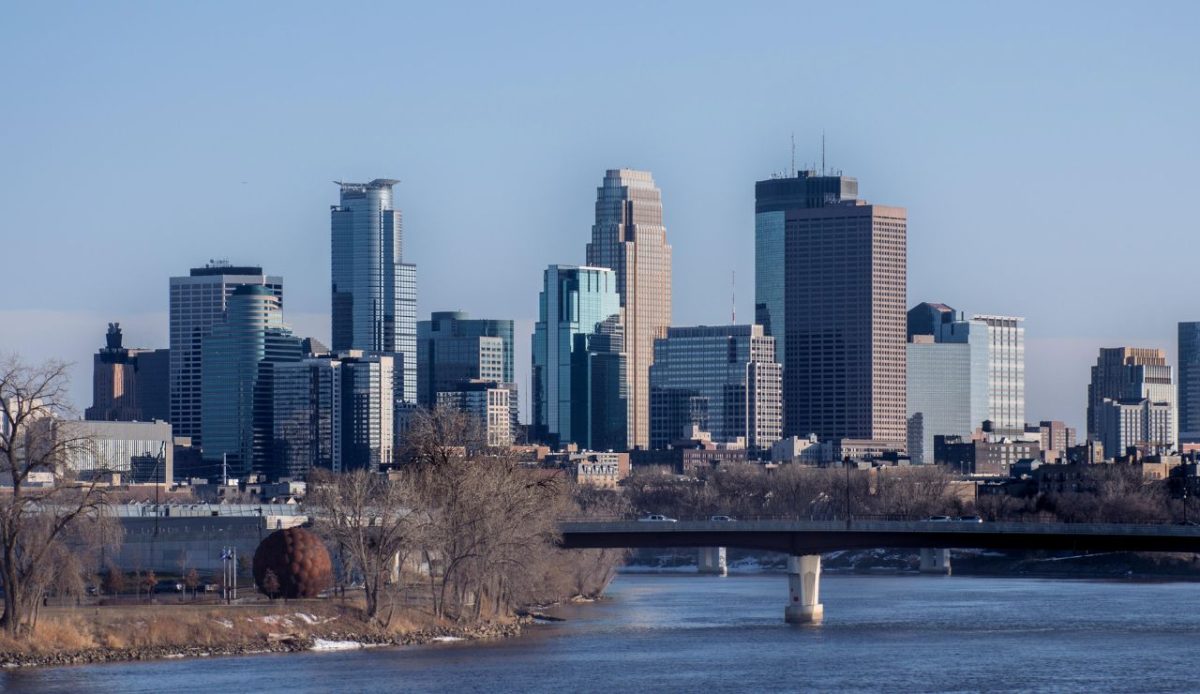
Minneapolis has seen large protests this year tied to immigration enforcement, with reports of arrests and objects thrown during clashes near federal buildings. For travelers, the key point is that protest zones can be tightly policed and can change street access in minutes.
If you’re downtown, avoid areas around federal facilities and follow real-time transit updates. Crowds can spill across intersections, and police may declare an unlawful assembly with little notice.
Don’t hang back to watch dispersals, and don’t assume cold weather keeps crowds calm. If you end up nearby, step indoors, keep your voice down, and let the situation pass. Your vacation doesn’t need a front-row seat to a standoff.
10. Johannesburg, South Africa
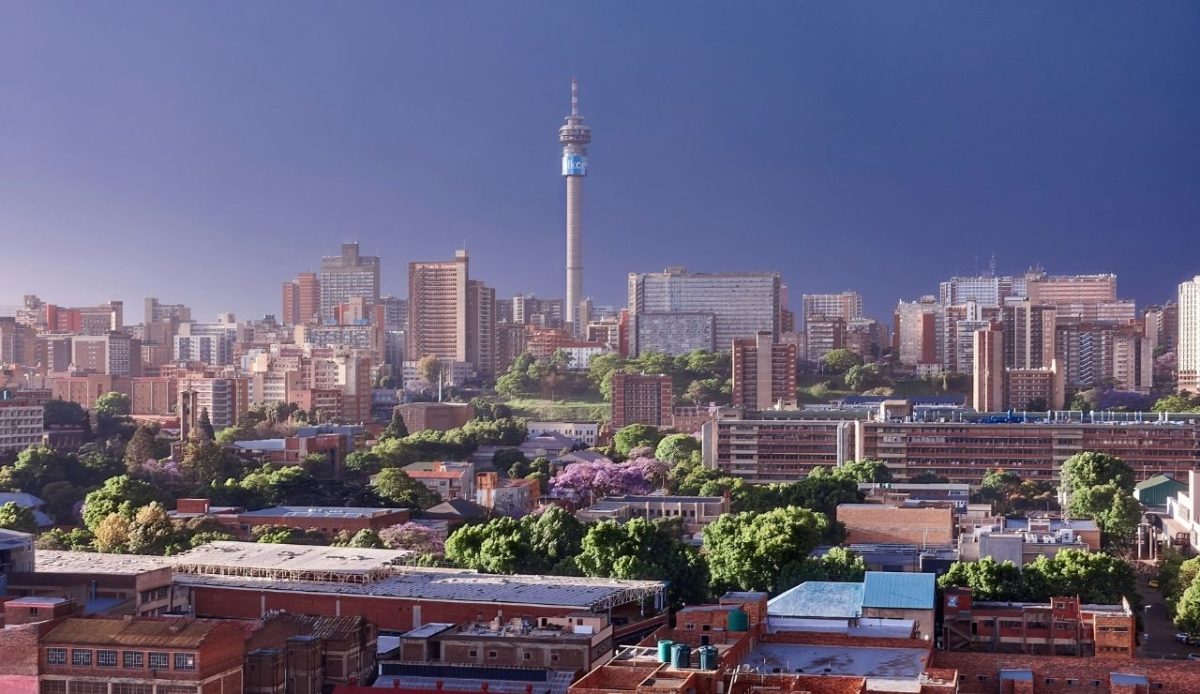
Johannesburg periodically experiences large, disruptive demonstrations, and recent security advisories this year have warned that even planned gatherings can become violent. When protests hit transport routes or business districts, travelers face gridlock, blocked entrances, and higher theft risk.
Avoid protest sites near consulates, major malls, and taxi ranks, especially if you see groups arriving in waves. If your plan depends on driving, build extra time and keep alternative routes ready.
Stay alert at red lights and don’t stop to take photos of crowds or burning debris. If a road is blocked, turn around calmly and leave the area. The safest decision is the boring one: distance, daylight, and no detours through tense streets.
11. Buenos Aires, Argentina
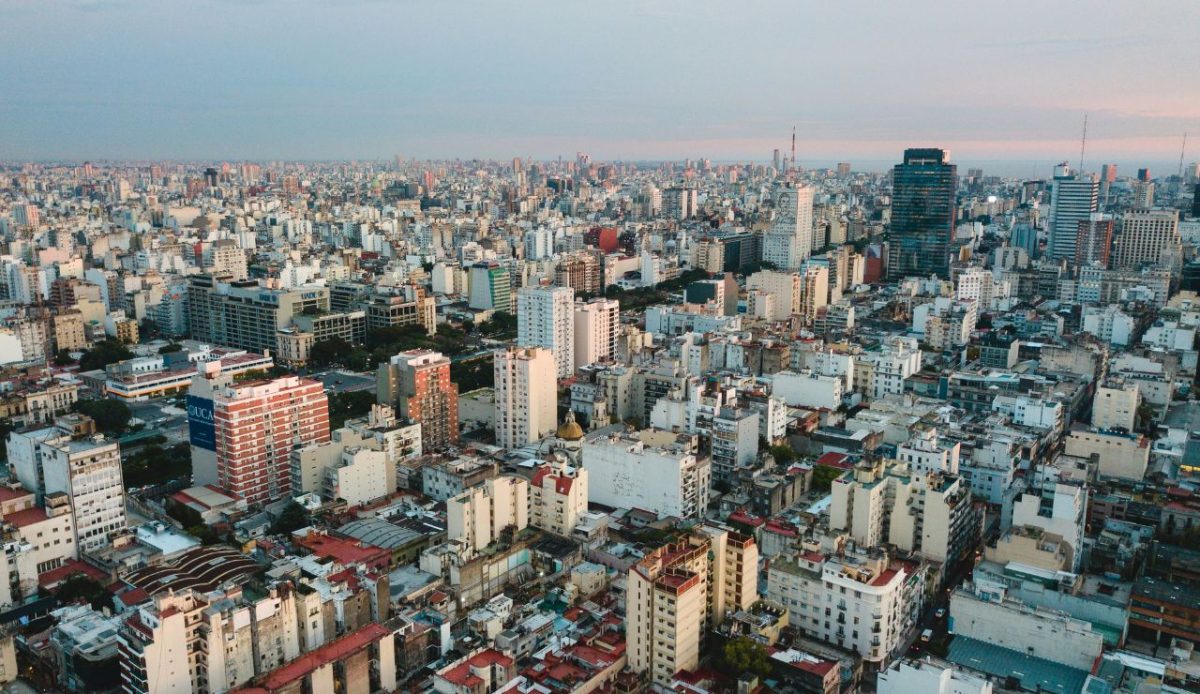
Buenos Aires has seen street demonstrations this year over economic and labor issues, and some events have triggered strong policing around central government zones. For visitors, the main problem is mobility: marches can shut key avenues, snarl buses, and make taxi pickups unreliable.
If protests are announced near the Casa Rosada area or major plazas, choose attractions in quieter neighborhoods and return earlier. Keep your day flexible, because closures can appear without much lead time.
When a crowd is moving, don’t cut through it to save time. Walk parallel on side streets, and avoid following the noise toward the center. If you see shields, batons, or people throwing objects, get indoors and wait for a clear gap before moving again.
