
Some U.S. travel moments now feel designed less for the place itself and more for the photo proof. That doesn’t mean they’re fake, but the experience can come with queues, timed turns, and people recreating the same shot.
This list highlights American experiences that travelers often describe as “Instagram-staged” because the setup nudges everyone toward a specific angle or pose. Expect scenic beauty, but also crowd choreography and content-friendly lighting.
If you still want to go, aim for early mornings, shoulder seasons, and realistic expectations. You can enjoy the view without treating the trip like a production, and you’ll usually move faster too.
1. Antelope Canyon Guided Photo Stops
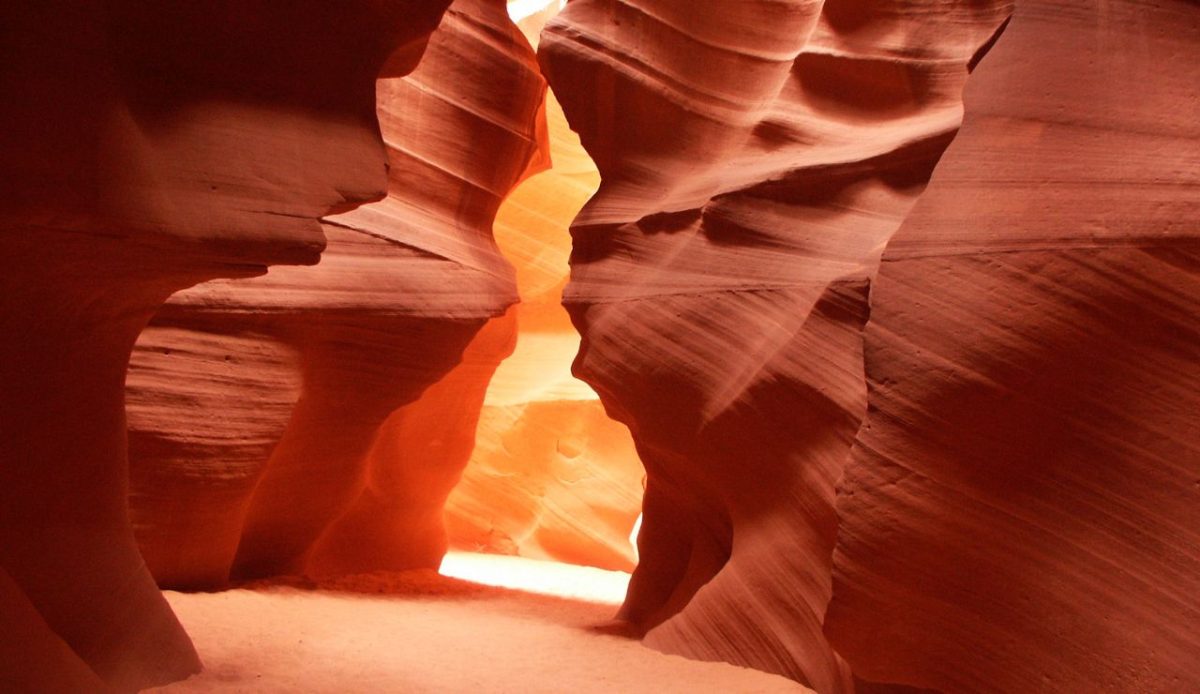
Antelope Canyon’s curves and light beams look effortless online, but most visits run on tightly scheduled tours. Groups move in waves, guides point out the exact “best” frame, and people take turns at the same sandy corner.
The canyon is genuinely stunning, yet the pace can feel like a photo line with scenery attached. You may hear instructions about where to stand, when to look up, and how long you have before the next group arrives.
To make it feel less staged, choose less popular time slots, keep your expectations flexible, and spend a moment looking around without lifting your phone at all, even briefly. If you care about photography, bring a small cloth for dust and keep settings simple so you’re not fiddling while the line moves.
2. Horseshoe Bend Overlook Turns
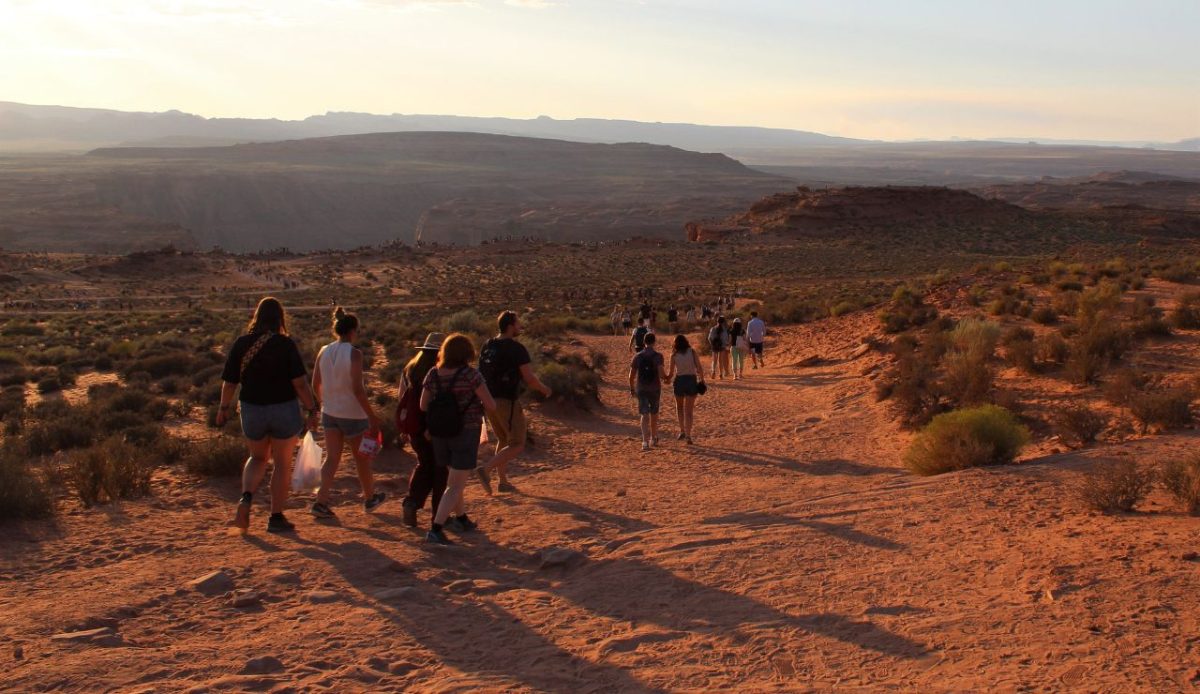
The Colorado River curve at Horseshoe Bend is iconic, and the overlook has become a predictable photo ritual. Visitors funnel onto the same rim section, then wait for a clear moment to capture the cliff-edge pose.
Safety railings and crowd control help, but they also shape where people stand and how long they stay. On busy days, it feels like rotating through a set, with the river as the backdrop and the camera as the main event.
Go at sunrise or late afternoon for softer light and fewer people, and consider stepping back from the rim to enjoy the scale without performing for the shot, or try the nearby trails for different angles. Even a few minutes can change the mood.
3. Times Square Billboard Selfie Zones
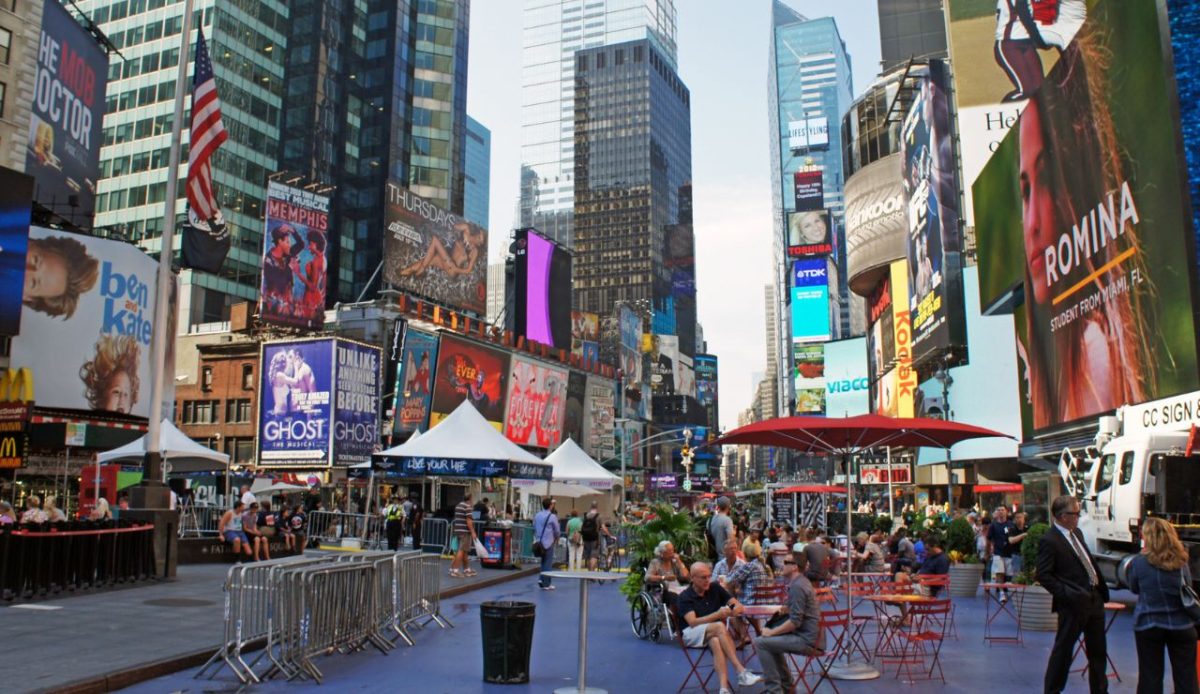
Times Square is bright, loud, and built for attention, which makes it a magnet for staged-looking travel content. Many visitors pause in the same pedestrian islands to capture the wall of screens behind them, often repeating popular poses.
Street performers, character costumes, and branded pop-ups add to the feeling of a curated set. Even if you’re just passing through, the space nudges you into stopping, framing, and proving you were there.
If you want the energy without the “content line,” walk a few blocks to see the lights from the edges, or visit on a rainy weeknight when the crowd thins and the scene feels more spontaneous. Earplugs can help if you linger.
4. Hollywood Sign Viewpoint Posing
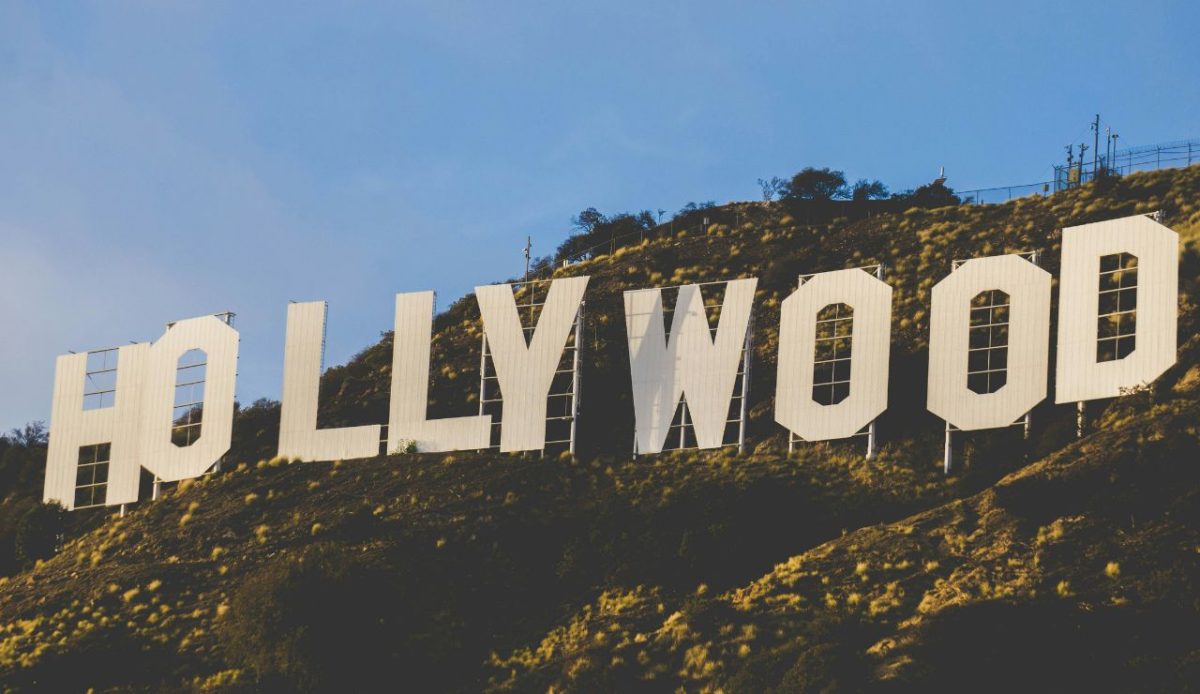
Los Angeles has dozens of Hollywood Sign viewpoints, but the popular ones often function like unofficial photo studios. People line up at the same lookout, then take turns “holding” the sign in perspective or pointing at it for the classic proof shot.
Parking limits and narrow trail bottlenecks can turn the moment into a timed performance, especially on weekends. The view is real, yet the vibe can feel like everyone is working from the same storyboard.
Pick a less-famous trail, go on a weekday morning, and spend a few minutes watching the city sprawl. The sign will still be there, even if your photo isn’t identical to everyone else’s. A little extra walking pays off.
5. Chicago’s Cloud Gate Reflection Ritual
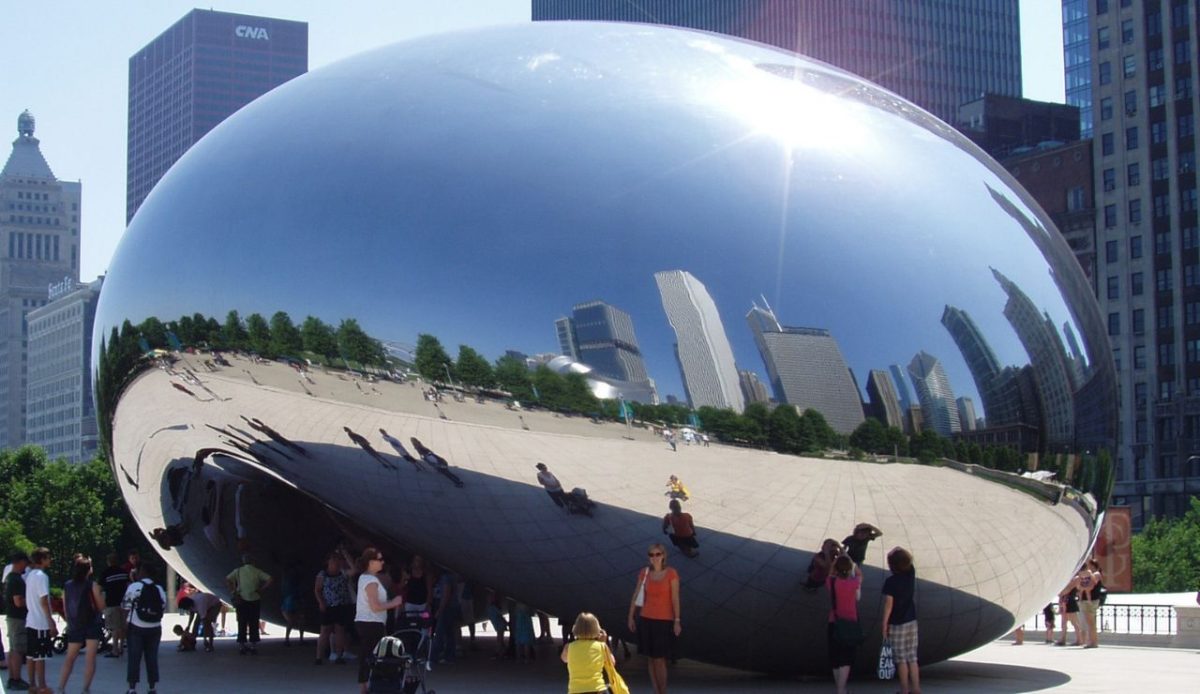
Cloud Gate, better known as “The Bean,” draws visitors into a familiar routine: stand under the arch, find the skyline reflection, and snap the mirrored selfie. Because the sculpture’s surface photographs so well, the same angles get repeated all day.
In peak season, you’ll see clusters waiting for a clean background, stepping aside, then sliding back in for another take. The art is impressive, but the experience can feel like a rotating photo queue with occasional sightseeing.
Arrive early, wander the surrounding park first, and try wider shots that include the city around you. The best part can be the people-watching, not the perfect reflection.
6. Lombard Street’s Curved-Drive Photo Stop
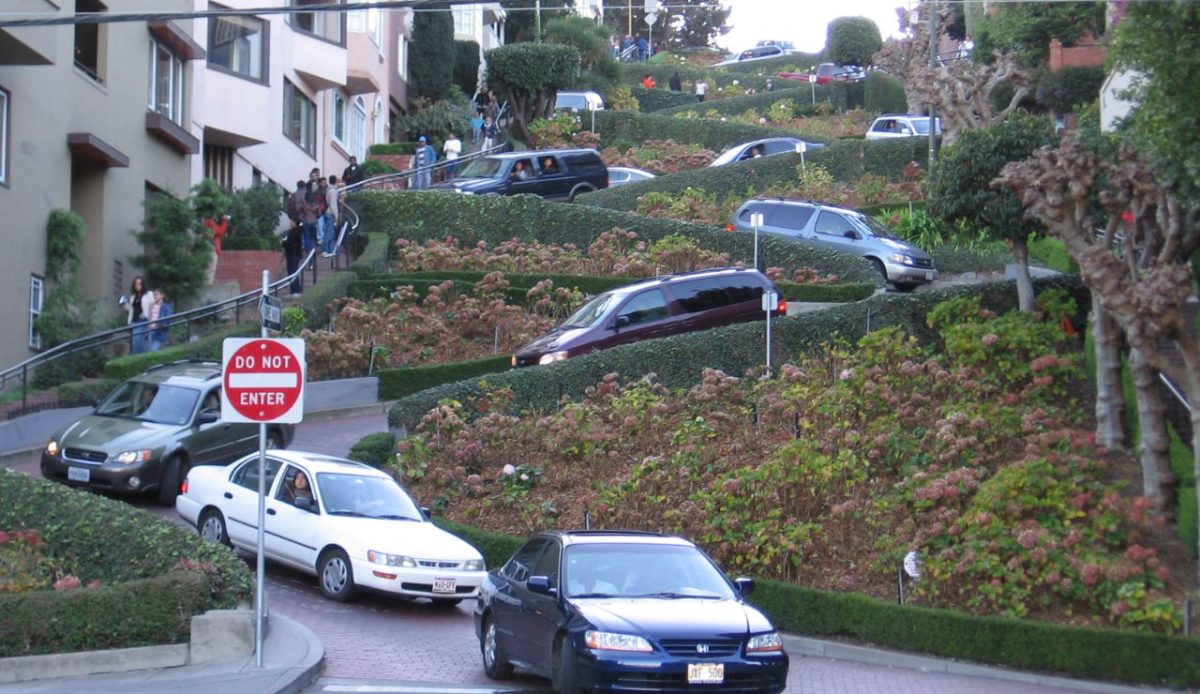
San Francisco’s Lombard Street looks like a postcard with its tight switchbacks and flower beds, but it can feel staged once you arrive. Visitors crowd the same corners for the classic “winding street” shot while cars creep through like props.
During busy hours, the sidewalk becomes a slow-moving gallery of phones held high, and the street’s charm competes with traffic control and chatter. It’s scenic, but the vibe can resemble a set where everyone knows the expected frame.
Go at off-peak times, explore the surrounding neighborhood hills, and treat Lombard as one quick stop, not the whole highlight. The city has better views a few blocks away.
7. Brooklyn Bridge Sunrise Photo Walks
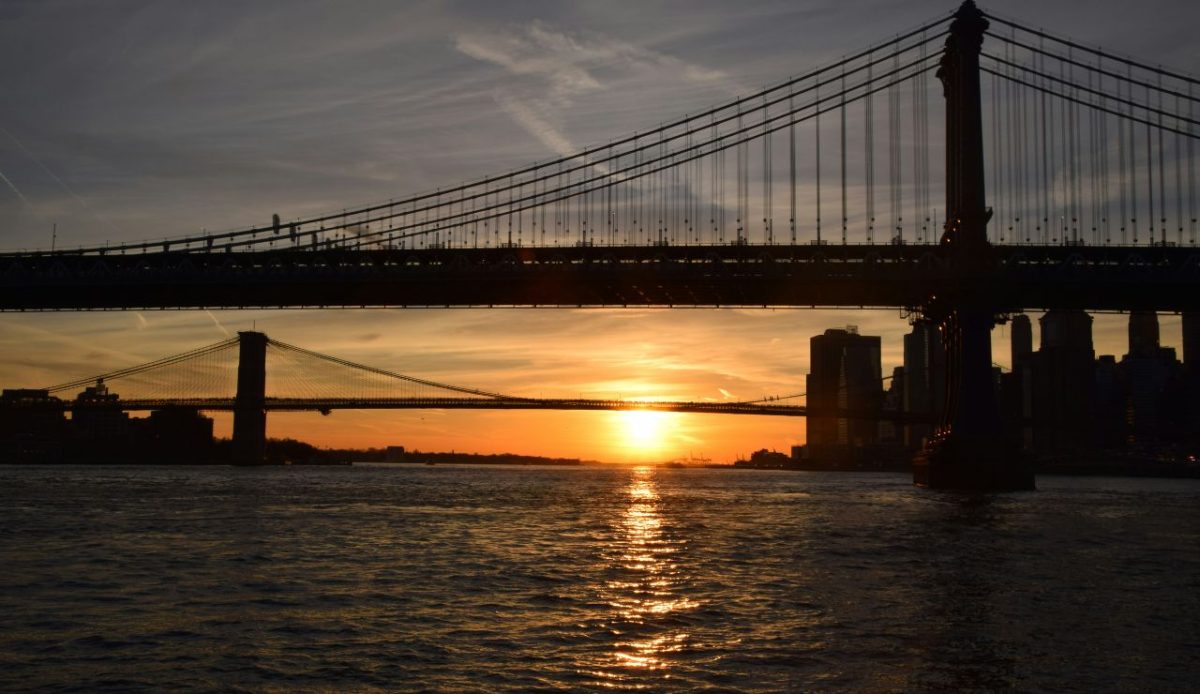
The Brooklyn Bridge is a working crossing, yet early mornings often look like a coordinated shoot. Travelers head to the wooden walkway for sunrise, aiming for the same symmetry lines, flagpoles, and skyline framing that dominate social feeds.
Tripods, engagement photos, and influencer setups can create a stop-and-start flow, where moving forward means weaving around staged moments. The view is worth it, but it can feel like the bridge becomes a studio before the city fully wakes up.
For a calmer experience, cross at a quieter time, or start from the Manhattan side and keep walking without chasing the perfect centerline. You’ll still get great light, minus the choreography.
8. Wynwood Walls “Backdrop Hunting.”
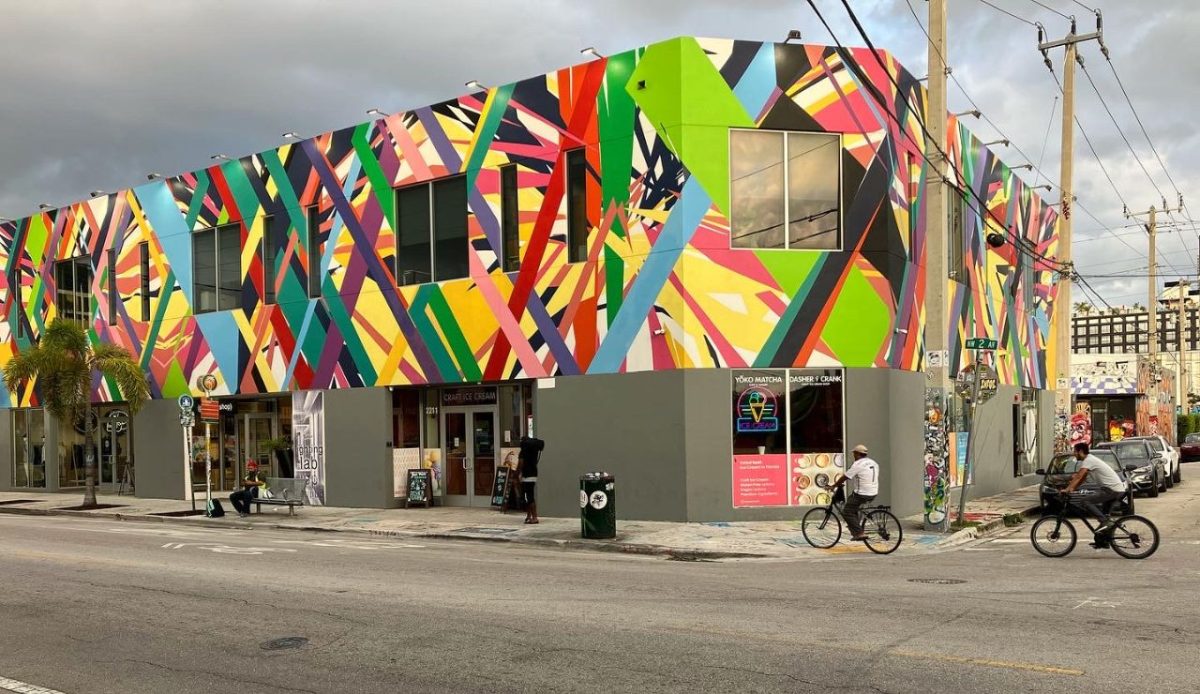
Miami’s Wynwood area is packed with street art, but the most famous murals can feel like scheduled backdrops. People hop from wall to wall recreating the same poses, often waiting for others to clear the frame before stepping into the exact spot.
Because the art changes over time, there’s real creative value, yet the experience often centers on collecting images rather than absorbing the neighborhood. Shops and cafés nearby sometimes lean into the aesthetic, which can make the whole visit feel curated.
To keep it grounded, wander beyond the headline murals, read the artist plaques when available, and take photos as a bonus instead of a checklist. The quieter side streets can be the best part.
9. Pike Place Fish Toss Viewing Spots
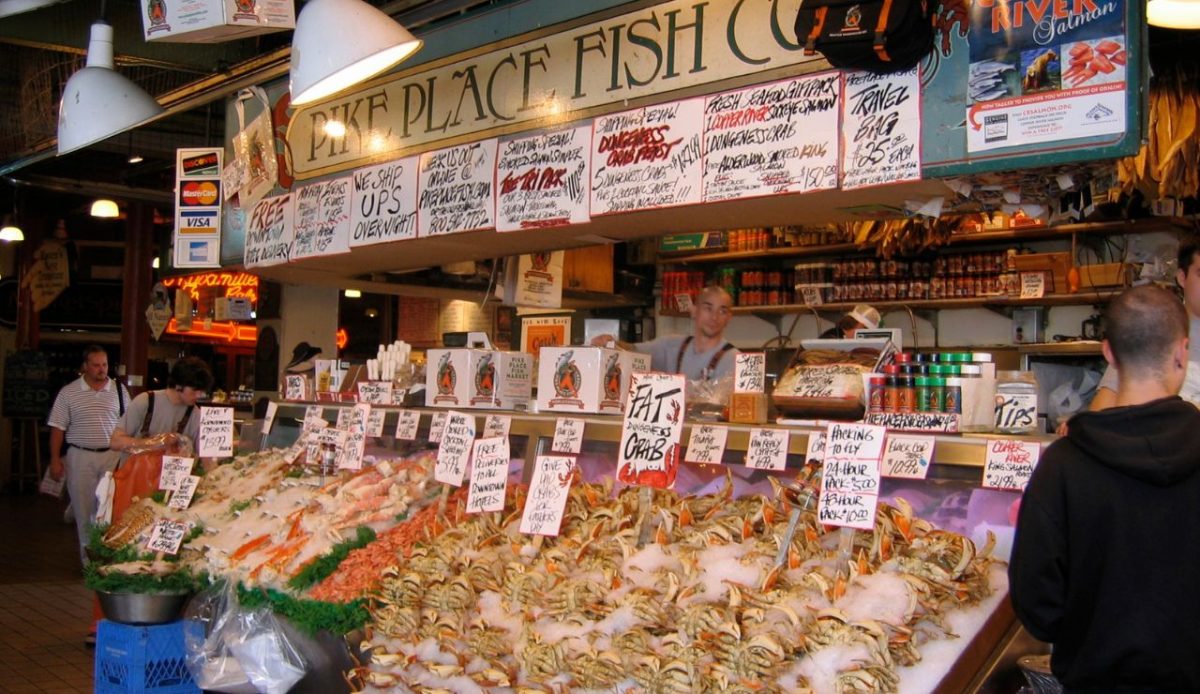
Seattle’s Pike Place Market fish toss is fun, but it’s also a classic “stand here and film” moment. Visitors crowd the front line near the counter, phones raised, waiting for the next throw like it’s a scheduled show.
Because the action happens fast, people often ask staff to repeat it or time their purchase around a toss. The market remains lively and historic, yet this one corner can feel like a performance stage with a built-in audience.
If you want the market’s real rhythm, watch briefly, then explore the produce stalls, lower levels, and small shops. You’ll get better stories, and fewer identical videos. Weekday mornings usually feel less like a show line.
10. Las Vegas Bellagio Fountain Front-Row Waits
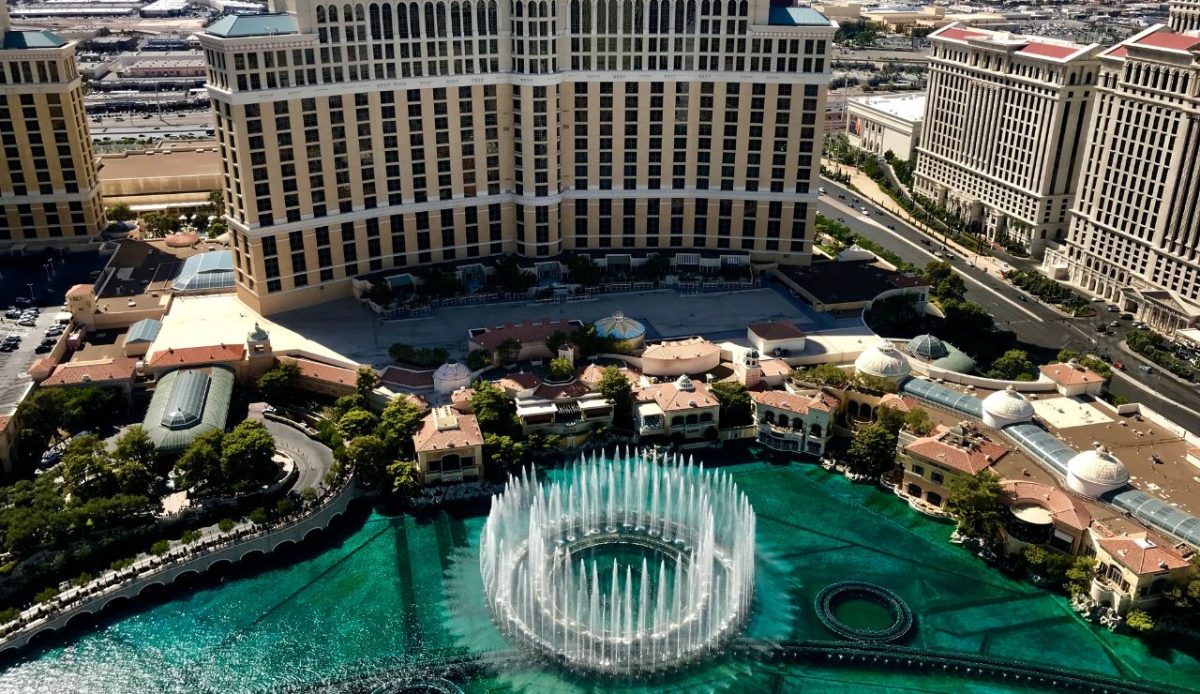
The Bellagio fountains are designed as a show, so it’s no surprise the experience can feel staged for cameras. Crowds gather along the railing, leaving little space, then hold phones steady through the same routine of music, lights, and water arcs.
Between performances, people reset their positions and check footage, turning the sidewalk into a filming zone. It’s entertaining and free, but the repetition can make the moment feel less like discovery and more like catching a scheduled clip.
To enjoy it differently, watch from across the street, time it for a less busy hour, or step back and take in the Strip’s weird spectacle without treating every minute as a recording session.
11. Grand Canyon Skywalk “Look Down” Shots
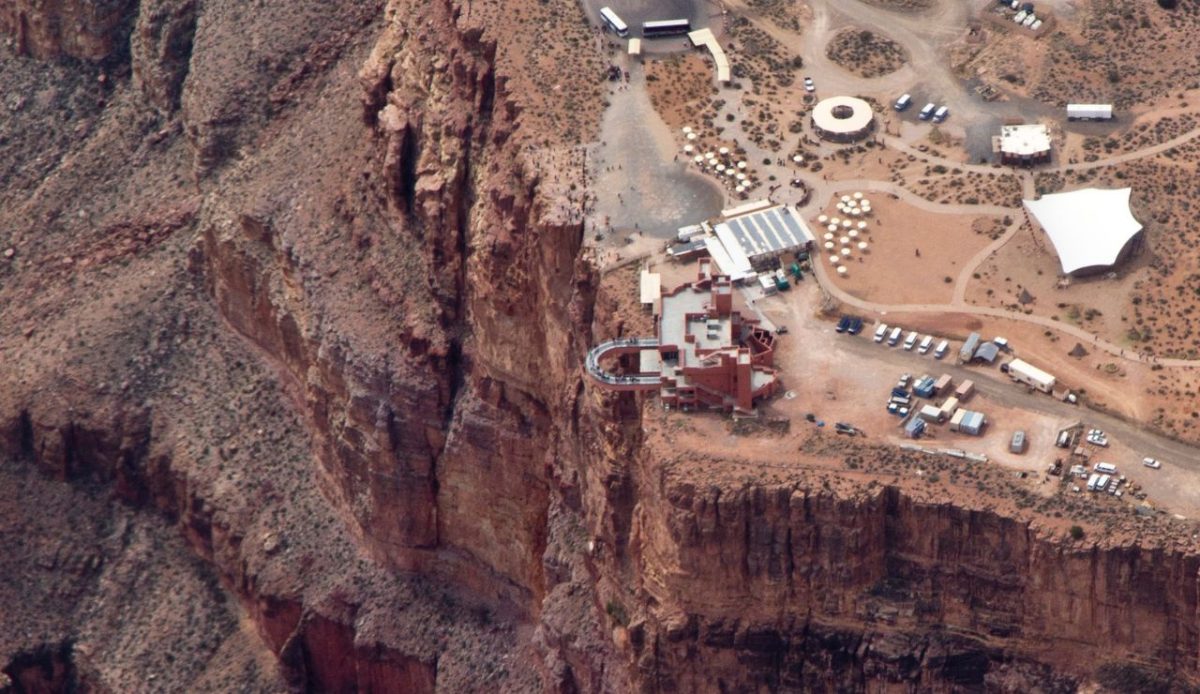
The Grand Canyon Skywalk delivers instant drama: a glass floor, a deep drop, and a guaranteed reaction photo. Because the platform is built for that moment, the visit often feels like a controlled set with entry times, rules, and staff directing traffic.
Visitors typically aim for the same “floating over the canyon” shot, but the process can involve waiting, moving on cue, and following strict instructions. The canyon is still massive, yet the experience can feel packaged around a single image.
If you go, focus on the wider canyon viewpoints too, not just the glass. The most memorable part is usually the scale and silence beyond the platform, not the staged-looking pose.
