
Influencer culture didn’t invent travel crowds, but it did change why some places feel busy. Visitors now chase the same photo angles, copy the same “must-do” lists, and move on fast, which can turn a destination into a set instead of a place.
The downside isn’t that people take pictures. It’s that businesses, streets, and natural spots get optimized for content: longer lines for a single viewpoint, more rules to control foot traffic, and higher prices for experiences that look better online than they feel in real life.
These 10 American destinations still have plenty to love, but the on-the-ground experience can feel diminished when social media becomes the main itinerary.
1. Times Square, New York City
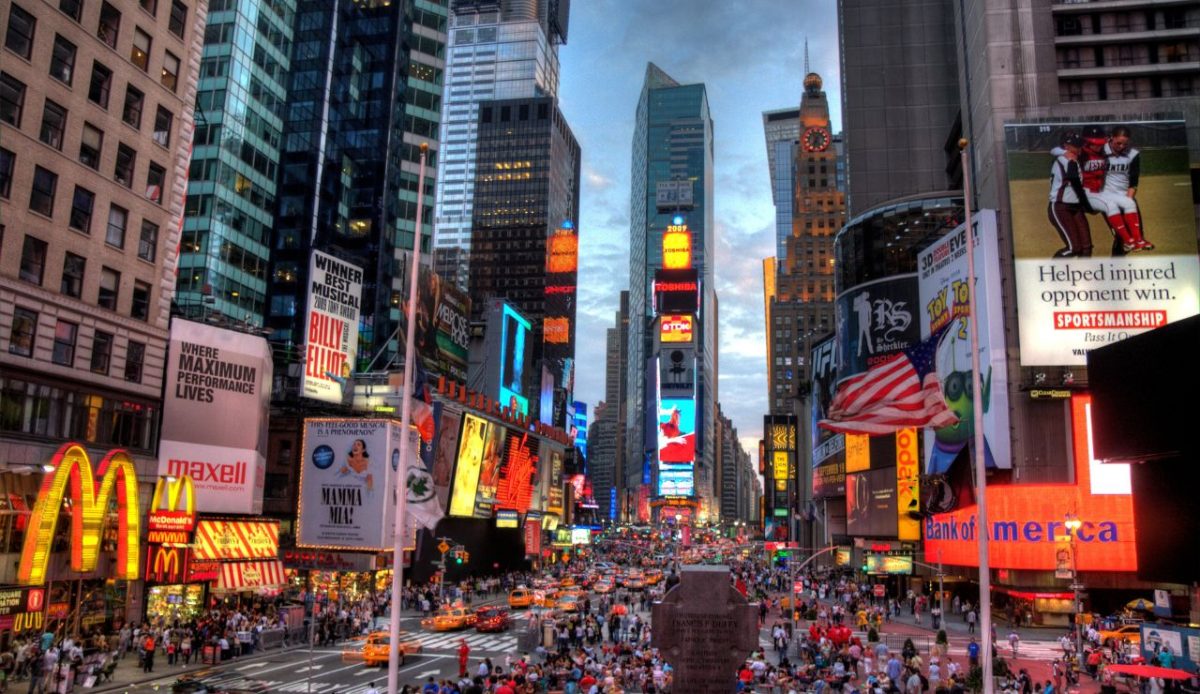
Times Square, New York City, draws crowds for the neon, but influencer loops amplify the crush. People stop dead to film reactions, dance challenges, or street interviews, and the sidewalks become a moving traffic jam.
That friction changes the vibe: more costumed hustles, more tourist pricing, and more security presence. Even quick crossings can take ages, especially at night when everyone wants the same “bright lights” clip.
To enjoy it, treat Times Square as a short stop, not an evening plan. Walk one block over for calmer streets, and save your real NYC moments for neighborhoods where people aren’t performing for the camera. A warm drink helps too.
2. Venice Beach, California
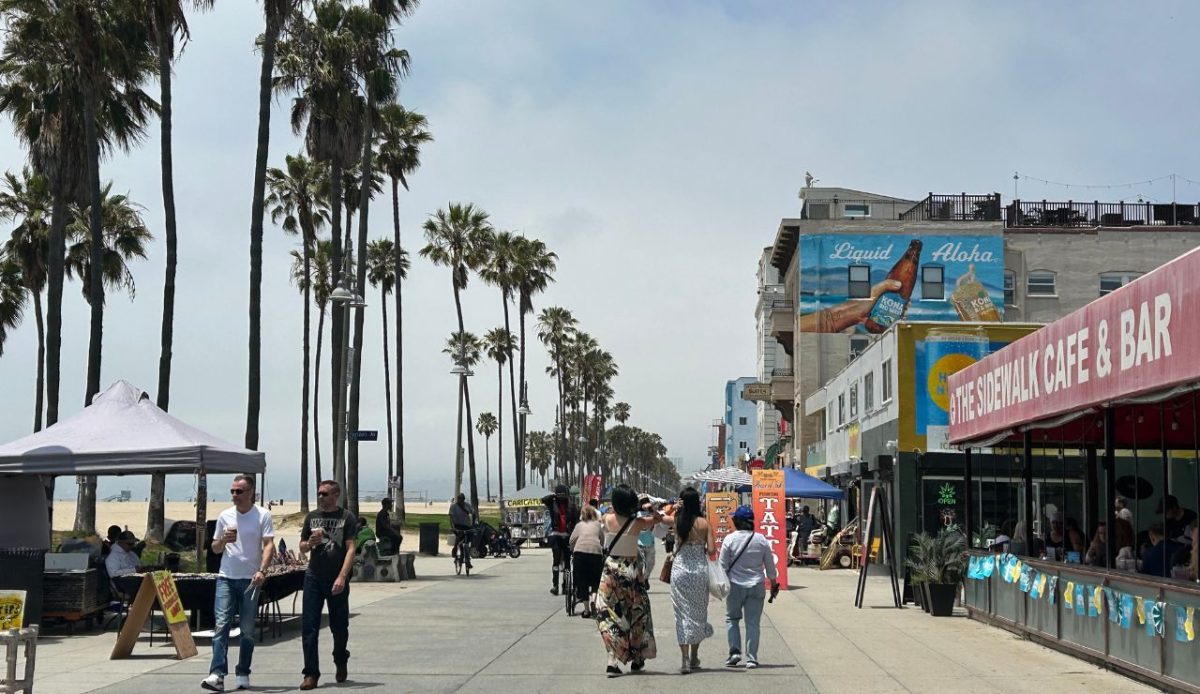
Venice Beach, California has always been loud and theatrical, but the content economy pushes it further. Fitness creators, prank videos, and “day in my life” shoots compete for space along the boardwalk and muscle beach.
The result is more noise and more micro-conflicts: tripods in walking lanes, staged scenes in front of murals, and crowds clustering around the same shots. The beach can feel less like a hangout and more like a live production.
Go early for a calmer walk, then drift toward the canals or Abbot Kinney for a different pace. If you want beach time, pick a quieter stretch north or south where filming isn’t the main attraction, even on weekends.
3. Nashville, Tennessee
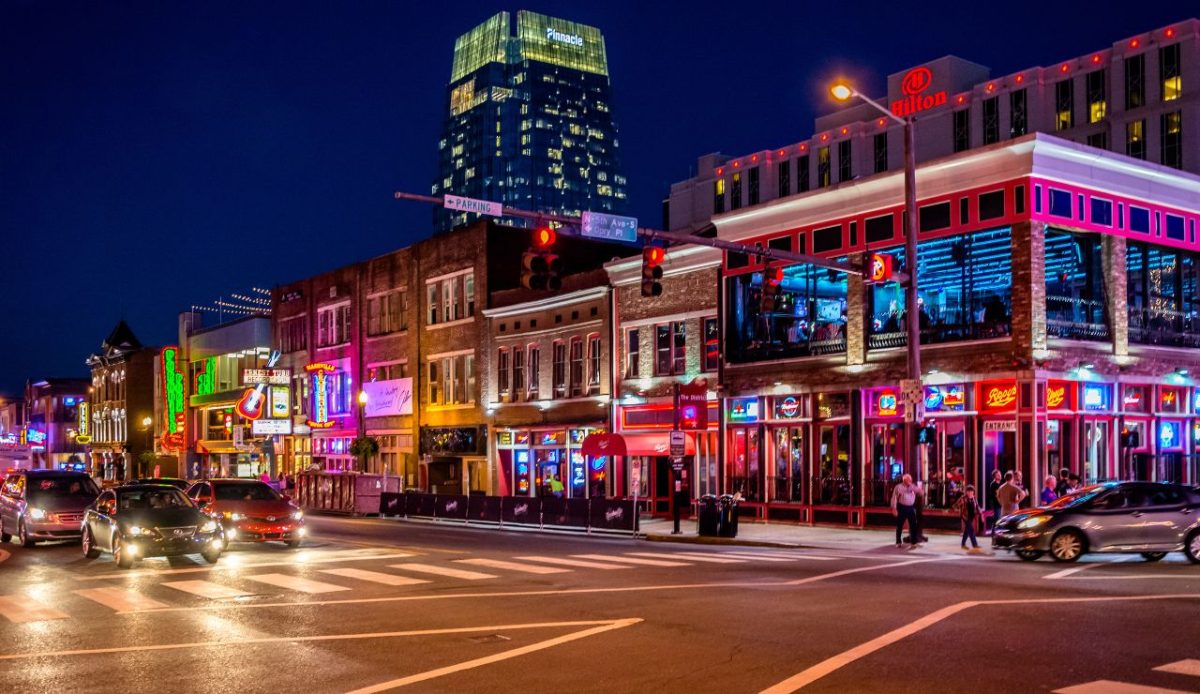
Nashville’s Lower Broadway can feel like a nonstop photo set. Influencer itineraries funnel visitors into the same rooftop bars, neon signs, and staged “honky-tonk crawl” shots, which compresses the street into one giant queue.
That pressure changes pricing and service. Covers rise, lines lengthen, and some venues lean into spectacle over music quality. Locals often avoid peak blocks, so the area becomes more visitor-only, which can make it feel less authentic.
To keep the trip fun, visit Broadway briefly, then explore neighborhoods like East Nashville or 12South for food and live music. You’ll still get the energy, just with fewer crowds chasing the same clip.
4. South Beach, Miami
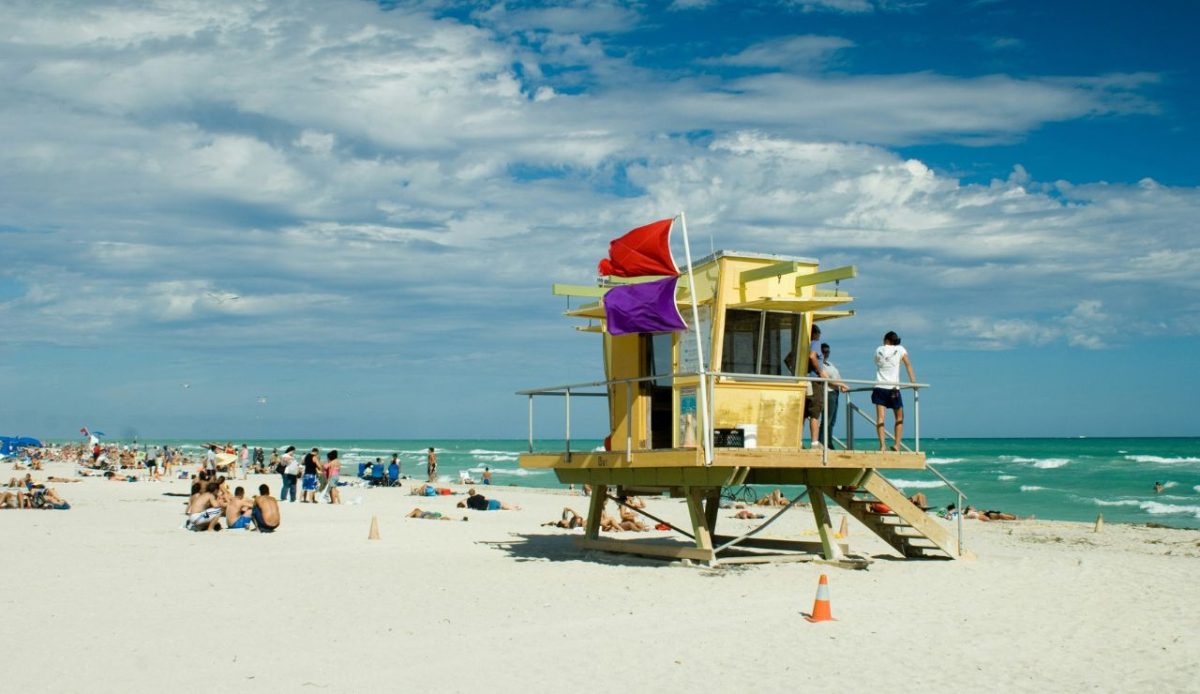
South Beach, Miami is built for being seen, so influencers fit naturally, but the scale now overwhelms the experience. Beachfront photo sessions, pop-up parties, and curated “hotel day” content concentrate people on a few prime blocks.
That crowding can mean slower service, higher minimums, and more rules around access, especially at trendy pools and lounges. On the sand, the vibe can shift from relaxed to performative, with speakers, drones, and constant posing.
Try an early-morning walk and a swim before the peak scene arrives. For a more laid-back beach day, look at Mid-Beach or Surfside, and save the nightlife for later when you’re choosing it, not getting stuck inside it.
5. Sedona, Arizona
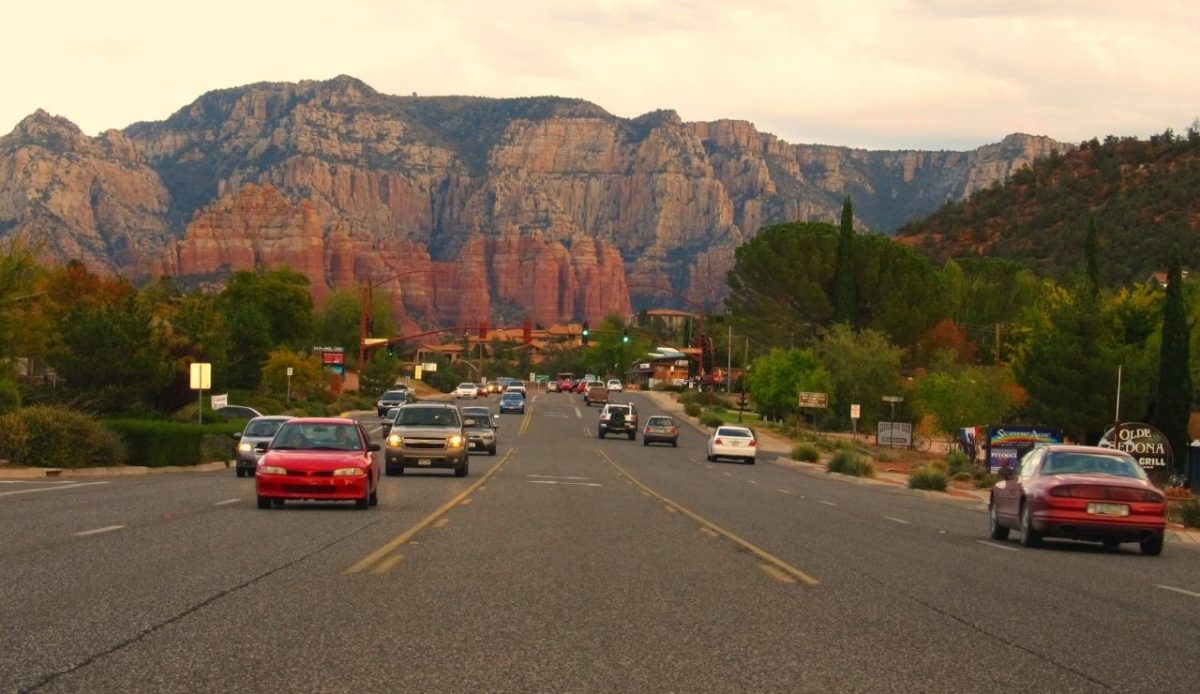
Sedona, Arizona’s red-rock trails are spectacular, but influencer hotspots can feel like lines for a single viewpoint. Places like Devil’s Bridge and certain vortex pullouts attract crowds who linger for “perfect” photos.
When dozens of groups take turns at one rock ledge, the hike becomes stop-and-go. That also increases erosion and conflicts over trail etiquette, which leads to more signage, restrictions, and parking headaches around the most photographed access points.
Sedona is still worth it, just spread out. Choose less-hyped trails, hike at sunrise, and use shuttle or overflow parking when offered. The reward is quiet scenery that feels like nature again, not an outdoor studio.
6. Horseshoe Bend, Arizona
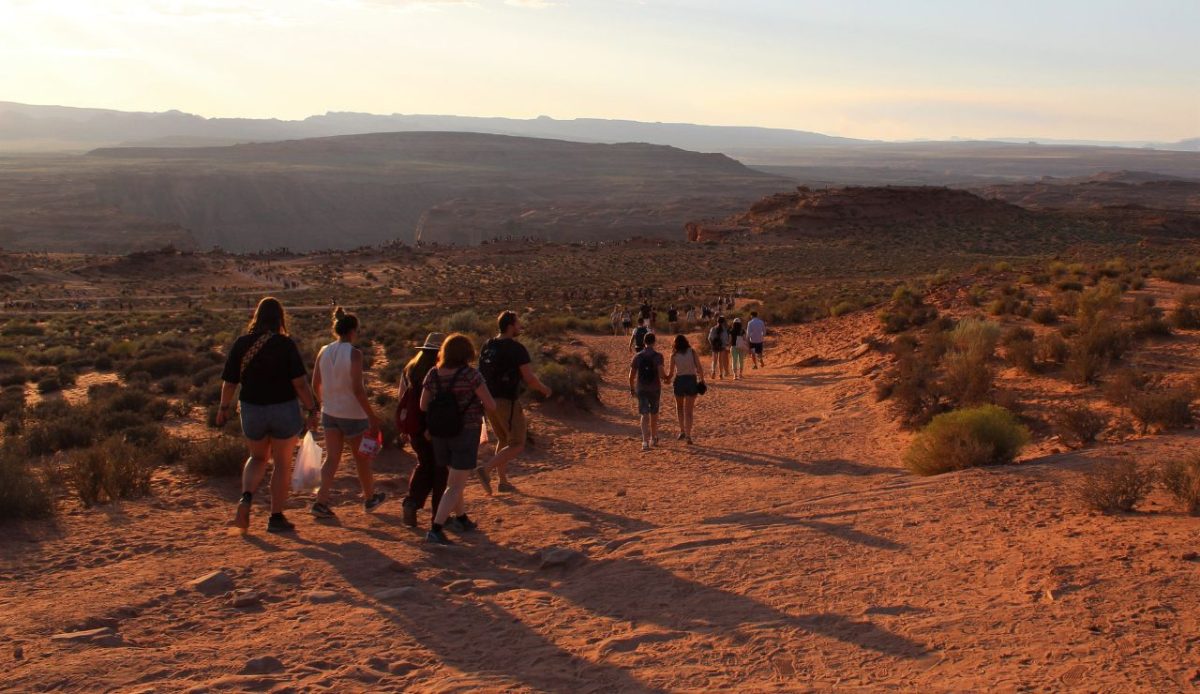
Horseshoe Bend near Page, Arizona is a classic example of a single photo angle dominating a whole visit. Influencer posts convince people it’s a quick “must,” so crowds arrive in waves and head straight for the same railing.
The viewpoint is still stunning, but the experience can feel rushed and crowded. Parking lots fill, midday heat turns the walk into a slog, and the cliff edge becomes a waiting room for selfies rather than a moment to take in the landscape.
Go at sunrise or near closing for softer light and fewer people. Bring water, treat it like a short hike, and consider pairing it with quieter overlooks nearby so the day isn’t defined by one crowded shot.
7. Joshua Tree National Park, California
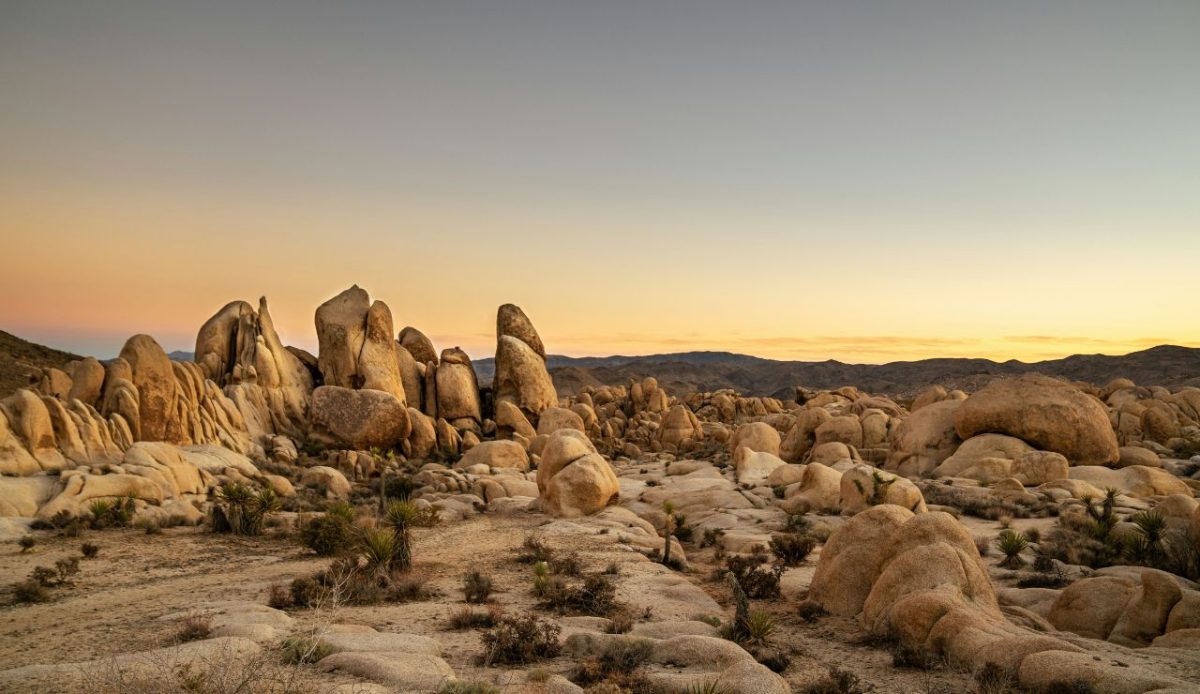
Joshua Tree National Park, California, has exploded in popularity through desert aesthetics and “minimalist” creator culture. That buzz concentrates visitors at the same boulders, arches, and roadside pullouts, especially on weekends.
The downside is practical: full parking, crowded trailheads, and more pressure on fragile desert ecosystems. When everyone aims for golden-hour content, roads back up and popular spots lose the quiet that made them special.
To reclaim the magic, go midweek, start early, and explore lesser-known areas away from the main entrance corridors. Bring layers and water, and plan a stargazing night where the experience isn’t competing with a queue for a photo.
8. The Las Vegas Strip, Nevada
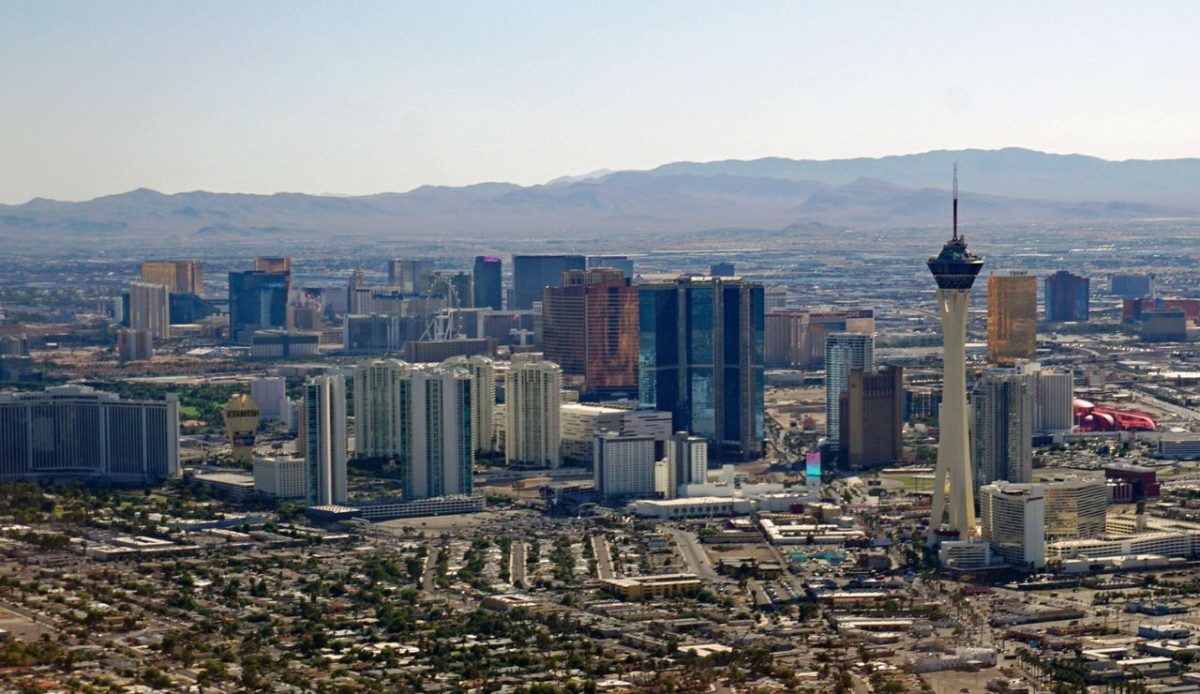
The Las Vegas Strip, Nevad,a has always been designed for spectacle, but influencer culture intensifies the “do it for the clip” pace. Fountains, atriums, and themed lobbies become filming zones, and crowds pile into a few viral restaurants and rooftop views.
That can make the Strip feel less spontaneous. Reservations, long waits, and pay-to-enter attractions turn simple wandering into a schedule. Even sidewalks can clog with photo stops, which slows everything down more than first-timers expect.
If you want a better trip, pick one or two iconic moments and then branch out. Explore older Vegas, local food spots, or off-Strip museums, and you’ll spend more time enjoying the city than negotiating it.
9. Millennium Park, Chicago
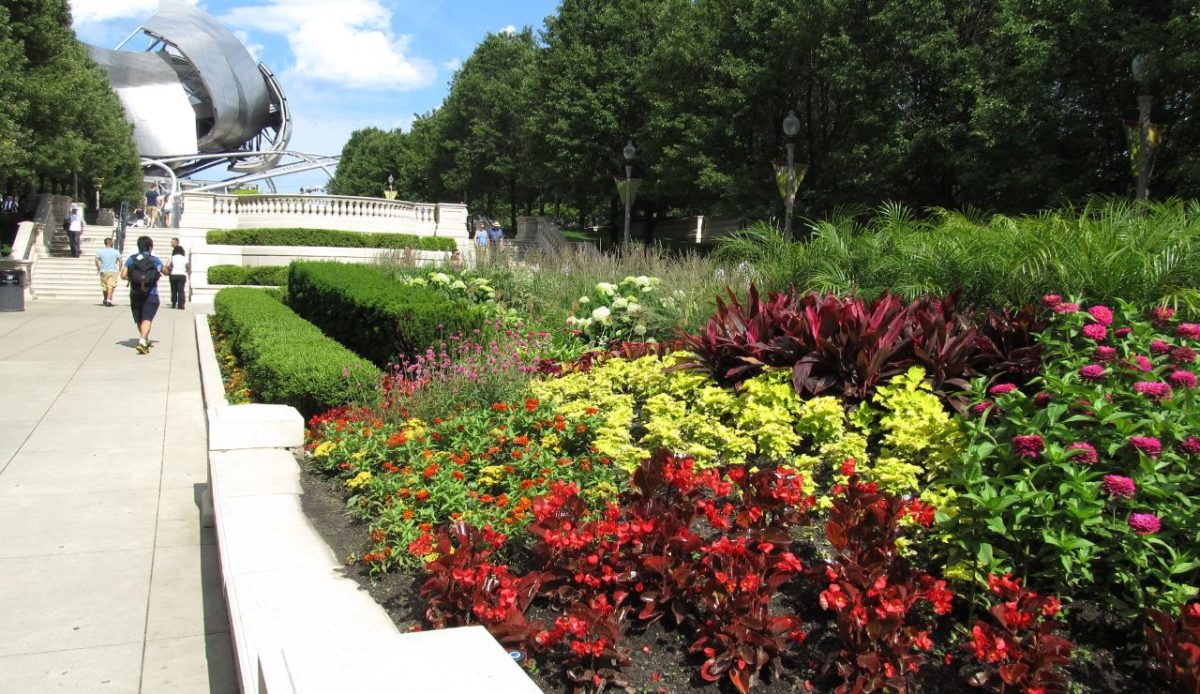
Millennium Park, Chicago’s “Bean” shows how a free public landmark can become a content bottleneck. Influencer checklists drive nearly everyone to the same reflective shot, so the plaza fills with lines, tripods, and staged poses.
That crowding can distort the park experience. Instead of a casual stroll, you get stop-and-start movement and constant photo negotiations. Nearby attractions feel busier too, and the “quick visit” often takes far longer than travelers plan.
Go early on a weekday if you want the iconic photo with less stress. Then spend your time on the Riverwalk, neighborhood architecture tours, or museums where the experience is richer than a single snapshot.
10. Waikīkī, Honolulu
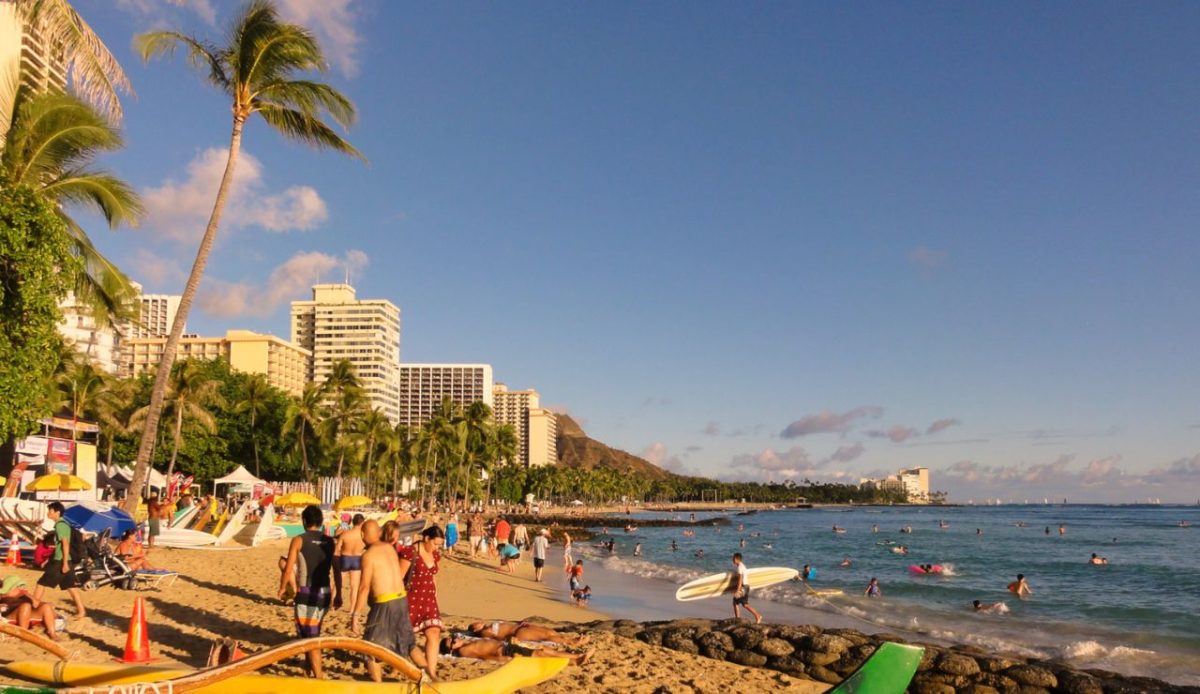
Waikīkī, Honolulu, is famous and convenient, but influencer-driven demand concentrates visitors into the same beachfront stretches and sunset spots. Hotels and tours market “Instagram moments,” which encourages crowding at peak times and raises prices for curated experiences.
The beach can still be beautiful, yet the vibe shifts when loud group shoots, drones, and constant posing take over the shoreline. It also pushes more people into the same restaurants and luaus, increasing waits and reducing the feeling of discovery.
Keep Waikīkī as a base, then roam. Visit quieter beaches, hike early, and plan one low-key day where the goal isn’t content. You’ll still get photos without making the trip feel like you’re filming it the whole time.
