
Not every trip leaves you feeling refreshed. Some destinations promise excitement, beauty, or cultural payoff, but deliver crowds, noise, logistics, and nonstop stimulation instead. In recent years, travelers have become more vocal about places that feel less like escapes and more like endurance tests. The common thread is not that these destinations lack value or history, but that the effort required to experience them has grown heavier. Long waits, packed sidewalks, high prices, and constant planning drain the joy out of what should feel rewarding. When the balance tips too far toward hassle, even iconic places can leave visitors counting the minutes until they leave. These are U.S. destinations many travelers say feel exhausting rather than enjoyable.
1. Times Square
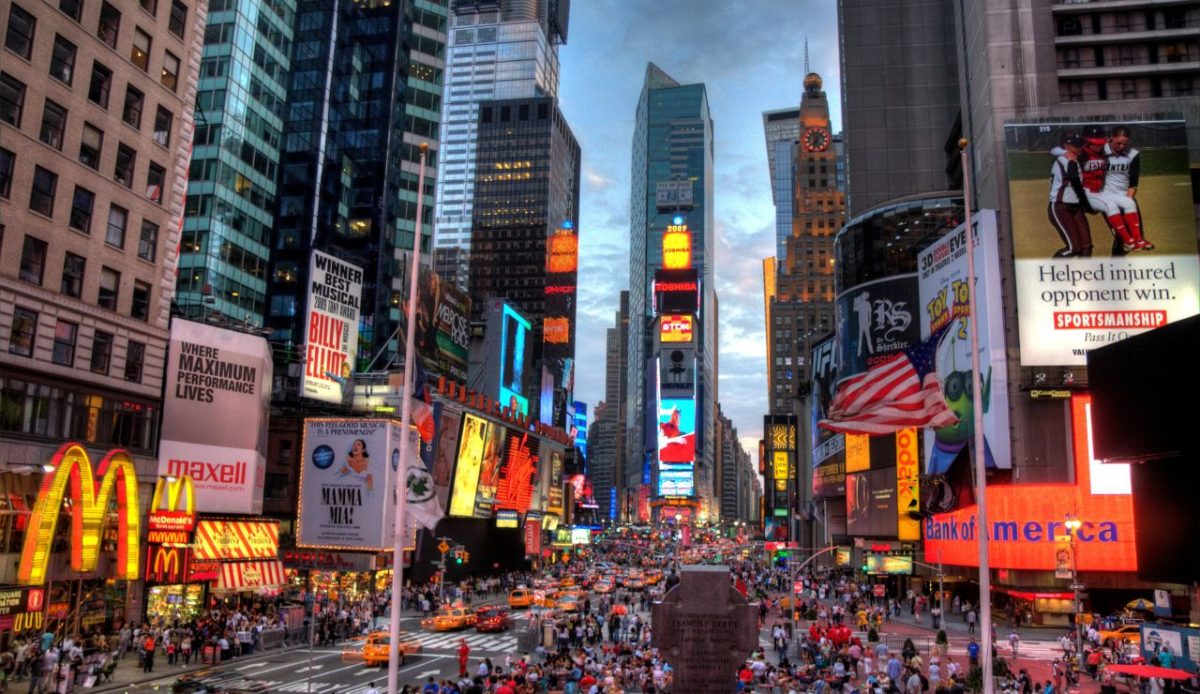
Here’s the thing about Times Square: it rarely gives visitors a moment to breathe. The area is engineered for constant stimulation, with flashing screens, costumed performers, traffic noise, and dense foot traffic all competing for attention at once. For many travelers, the exhaustion sets in quickly because there’s no natural pause built into the experience. Sidewalks are crowded at nearly all hours, making it physically draining just to move a block or two. Restaurants tend to be overpriced chains, so even sitting down feels rushed and transactional rather than restorative. Safety barriers, police presence, and crowd-control zones reinforce the sense that you’re navigating an event rather than exploring a neighborhood. What surprises many visitors is how little there actually is to do beyond standing, watching, and dodging people. Once the initial novelty fades, the lack of depth becomes clear. Instead of feeling energized by the city, people often leave Times Square feeling overstimulated, tense, and ready to escape to a quieter street.
2. Hollywood Walk of Fame
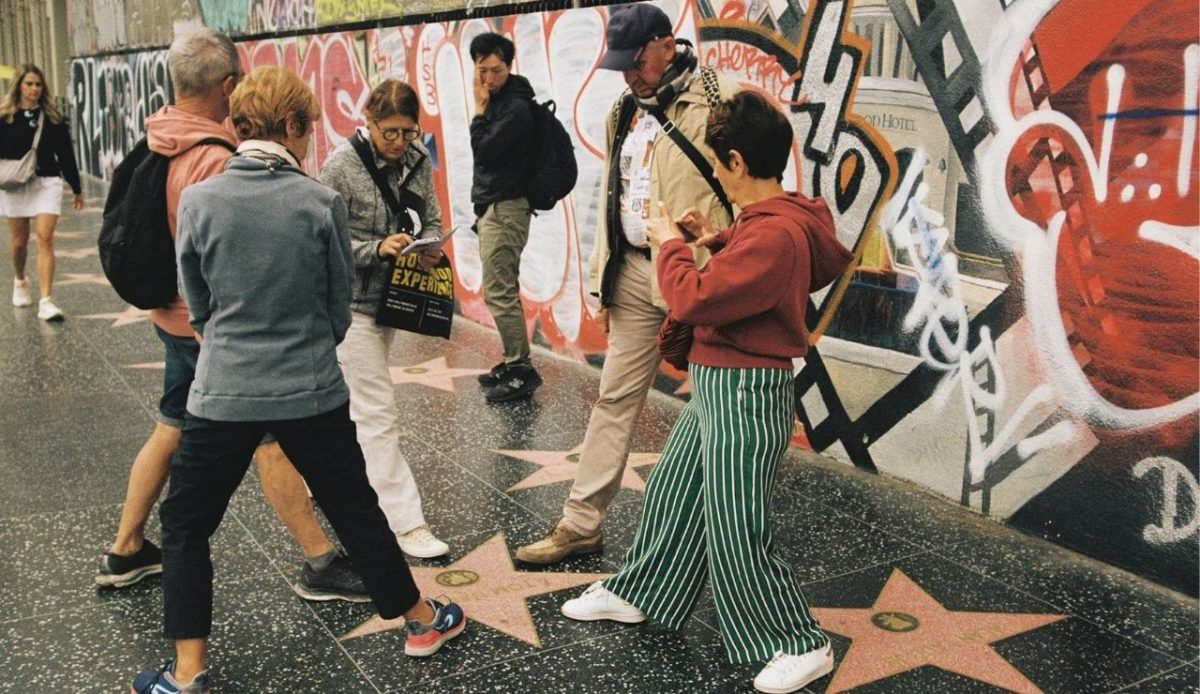
The Hollywood Walk of Fame sounds glamorous in theory, but the on-the-ground experience often feels more like endurance tourism. Visitors arrive expecting a cinematic moment and instead find congested sidewalks, aggressive street vendors, and constant traffic noise. The stars themselves are spread across several blocks, which means a lot of walking with little visual payoff in between. Many first-time visitors are caught off guard by how commercial and worn the area feels, especially compared to its image in movies and social media. Parking is limited and expensive, adding stress before the walk even begins. The area’s popularity attracts crowds all day long, making it difficult to stop, take photos, or even look down without bumping into someone. For travelers hoping to feel connected to film history, the disconnect can be draining. Instead of inspiration, the experience often delivers sensory fatigue and a strong desire to move on quickly.
3. Mount Rushmore
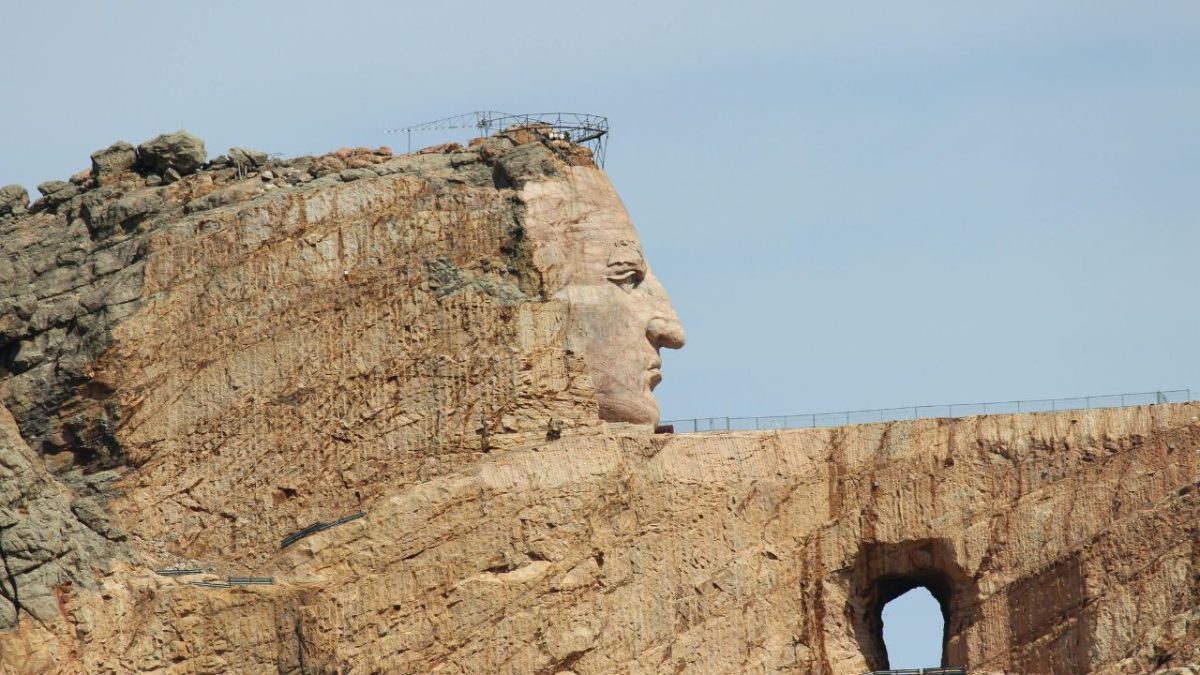
Mount Rushmore is one of those places where anticipation does most of the heavy lifting. By the time visitors arrive, many are already tired from long drives through remote terrain, which raises expectations for the payoff. The monument itself is undeniably impressive, but the visit is usually brief, structured, and crowded. Viewing platforms funnel people through designated paths, creating a constant flow that discourages lingering. For travelers expecting a reflective or immersive experience, the rigid layout can feel surprisingly rushed. Facilities are limited, and nearby attractions often require additional driving, adding to the fatigue. What leaves many visitors feeling drained is the imbalance between effort and time spent at the site. After hours of travel, the main attraction can be fully absorbed in a matter of minutes. The result is not disappointment with the monument itself, but a lingering sense that the journey demanded more energy than the experience returned.
4. Niagara Falls
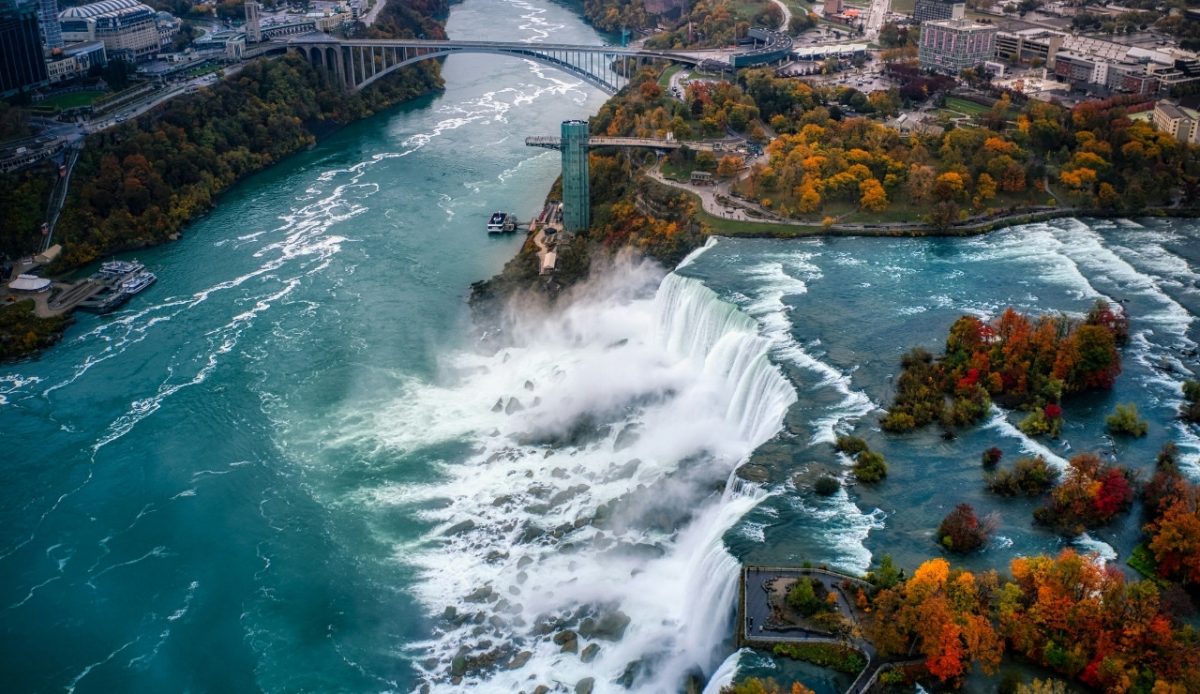
Niagara Falls delivers on raw power but often falls short on comfort and pacing. The natural spectacle is awe-inspiring, yet the surrounding tourist infrastructure can quickly sap enjoyment. Viewing areas become congested, especially during peak seasons, forcing visitors to jockey for space just to see the water clearly. Attractions cluster tightly together, creating a carnival-like atmosphere that overwhelms rather than relaxes. Noise from crowds, traffic, and attractions competes with the sound of the falls themselves. Many travelers also report feeling pressured to keep moving, whether due to crowd flow or ticketed experiences. Add in unpredictable weather and mist that soaks clothing, and the visit can become physically taxing. Instead of a peaceful encounter with nature, many people walk away feeling damp, rushed, and overstimulated. The memory of the falls remains strong, but the experience around them often feels like work rather than wonder.
5. Orlando Theme Parks
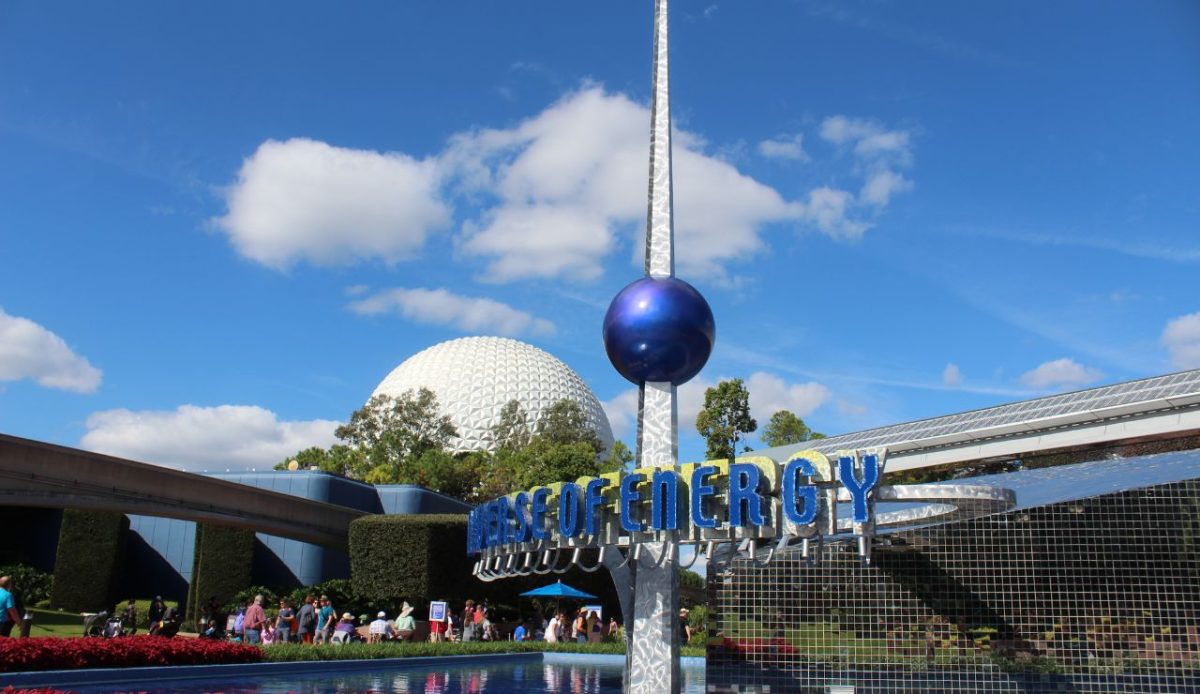
Orlando’s theme parks promise joy but demand stamina. Days typically start early and stretch late, with long lines, constant walking, and high temperatures testing even the most enthusiastic visitors. Planning becomes a full-time job, from reservation systems to ride strategies, which can turn leisure into logistics. Crowds are a given, and navigating them requires patience and physical energy. Meals are often scheduled around ride availability rather than hunger, adding to the sense of being managed by the environment. For families, the pressure to maximize value can heighten stress, especially when expectations clash with reality. What many travelers don’t anticipate is how little downtime exists within the parks themselves. There are a few quiet corners to reset, making fatigue cumulative rather than temporary. By the end of a visit, exhaustion often overshadows enjoyment, leaving people relieved to rest rather than eager for another day.
6. Grand Canyon South Rim
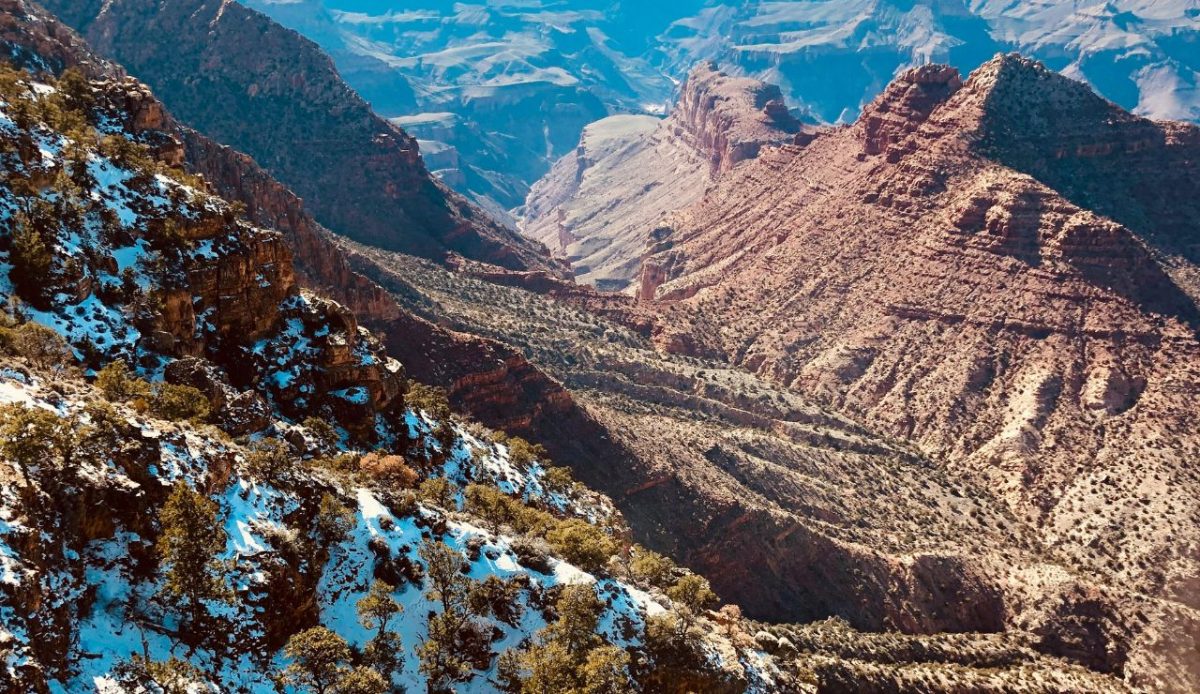
The Grand Canyon’s scale is breathtaking, but the South Rim experience can feel surprisingly taxing for casual visitors. Popular overlooks draw large crowds, especially during peak travel months, which turns simple sightseeing into a waiting game. Parking limitations mean visitors often shuttle between viewpoints, adding time and friction to the day. Many arrive expecting effortless views, only to discover that meaningful exploration requires hiking, preparation, and physical endurance. Weather extremes compound the challenge, with heat, wind, or cold draining energy quickly. For those not equipped or inclined to hike, the visit can feel repetitive as viewpoints blur together. The canyon remains magnificent, but the logistics of seeing it can wear people down. Instead of a serene connection with nature, many leave feeling tired from navigating crowds and systems rather than inspired by the landscape itself.
7. Fisherman’s Wharf
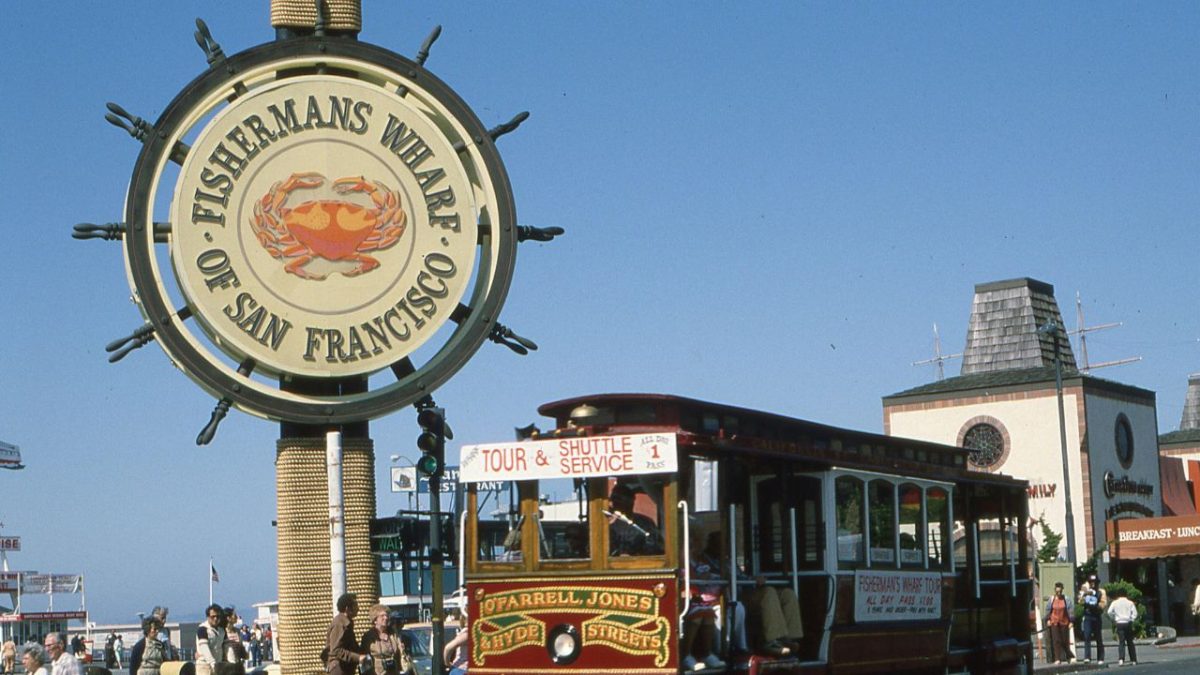
Fisherman’s Wharf trades heavily on reputation, but the reality often feels crowded and commercial. Sidewalks fill quickly with tour groups, families, and street performers, creating constant congestion. Restaurants and shops cater almost exclusively to tourists, with prices reflecting demand rather than quality. The waterfront setting is scenic, yet accessing it can feel like an obstacle course of souvenir stands and lines. Many visitors expect a relaxed coastal stroll and instead encounter a busy, noisy environment that requires steady navigation. Transportation challenges, including traffic and limited parking, add to the fatigue. While iconic sights are nearby, the effort required to enjoy them often outweighs the reward. Travelers frequently leave with the sense that they spent more energy managing the environment than appreciating the city’s character.
8. Plymouth Rock
Plymouth Rock carries enormous symbolic weight, which can set visitors up for disappointment and fatigue. The site itself is small and heavily protected, meaning visitors view it from behind barriers rather than engage with it directly. Crowds gather briefly, creating bottlenecks for photos and glances. Many travelers report a sense of anticlimax, especially after traveling significant distances. The surrounding area offers historical context, but the central attraction absorbs only moments of attention. What makes the experience exhausting is the mismatch between expectation and reality. After investing time and travel, visitors often feel compelled to justify the stop, even though there’s little to do. The emotional effort to reconcile significance with scale can be surprisingly draining, leaving people ready to move on almost as soon as they arrive.
9. Martha’s Vineyard
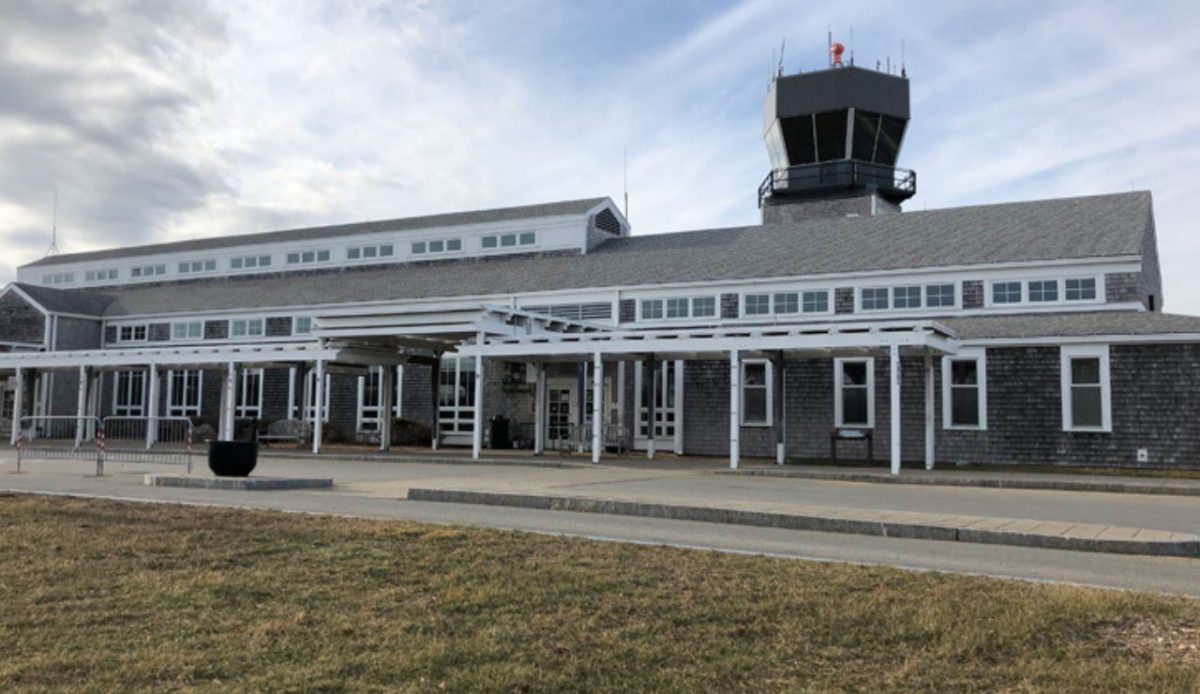
Martha’s Vineyard is beautiful, but for many visitors the effort required to enjoy it overshadows the charm. Getting there involves ferries, schedules, and often long waits, which sets a demanding tone before the trip truly begins. Once on the island, peak-season crowds strain roads, restaurants, and beaches. Prices for food, lodging, and transportation can be shockingly high, adding financial stress to what’s meant to be a relaxing escape. Planning becomes essential just to secure meals or activities, reducing spontaneity. For travelers expecting effortless coastal calm, the constant need to navigate logistics can feel exhausting. The scenery delivers, but the mental and physical energy required to access it often leaves visitors more tired than refreshed by the end of their stay.
