
Stories about “curses” on Native lands show up in travel lore, but the framing is often misleading and disrespectful. Indigenous places aren’t haunted traps; they’re living homelands with laws, cultural protocols, and very real natural hazards that can turn deadly when visitors treat them like thrill sets.
This list uses the word “curse” only to translate a common rumor into clear, factual travel guidance. Each section explains what people claim, what the real risk usually is, and how to visit responsibly.
If you’re traveling on or near tribal lands, check permit rules, stay on signed routes, and follow local guidance. Respect is the best safety plan, and it’s free.
1. Unmarked mine shafts and contaminated ground
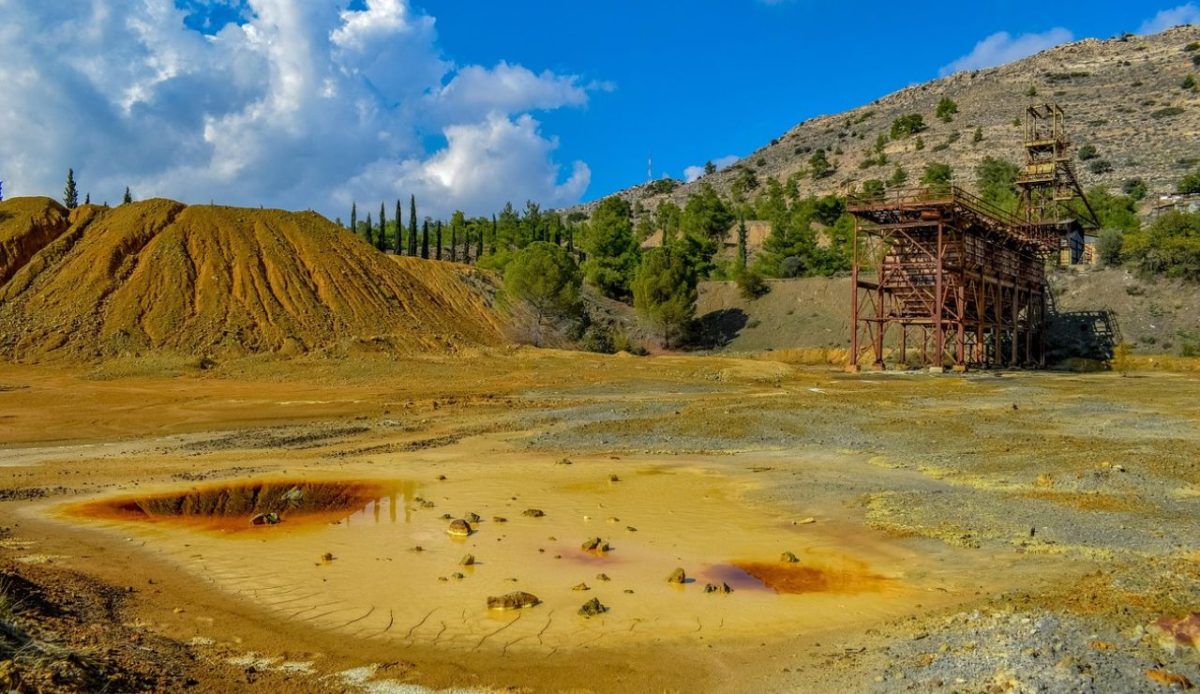
“Cursed canyon” stories in parts of the Southwest often trace back to abandoned mining. Old shafts can be hidden by brush, thin crust, or collapsed timbers, and a single step can mean a fall you can’t self-rescue.
Tailings can also contain heavy metals that shouldn’t be touched, breathed, or tracked into camps. These hazards exist on many public and tribal-border lands, but access rules can be stricter on reservations.
Stay on established trails, don’t explore adits or ruins, and treat warning signs as non-negotiable. If an area is closed by a tribal authority, that’s not superstition; it’s safety.
2. Flash floods in washes and slot canyons
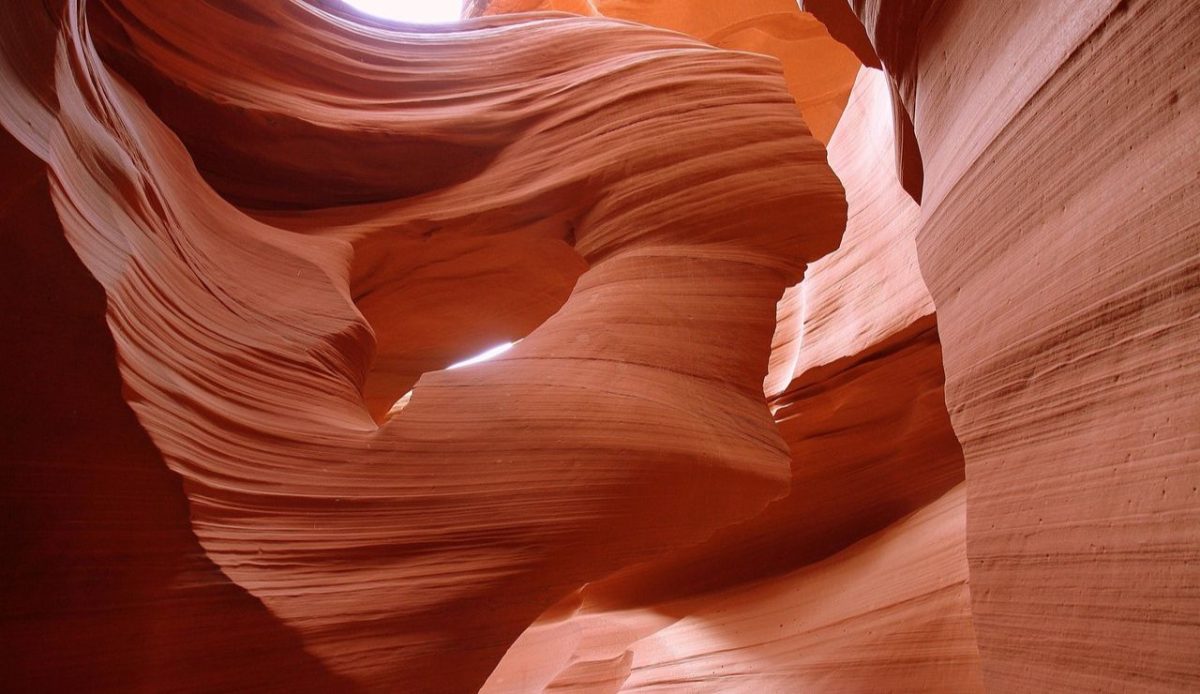
Some travelers describe certain canyons as “cursed” because storms seem to strike without warning. The reality is desert hydrology: rain miles away can send a wall of water through a narrow wash long after skies above you look clear.
In slot canyons, there may be no high ground, no cell signal, and no time. Debris can turn water into a battering ram, making rescues dangerous even for trained crews.
Check forecasts for the wider region, not just your trailhead. Avoid slots when storms are possible, respect closures, and don’t enter drainage channels late in the day. A safe photo is the one you don’t have to risk your life for.
3. Thin ice and sudden cold exposure
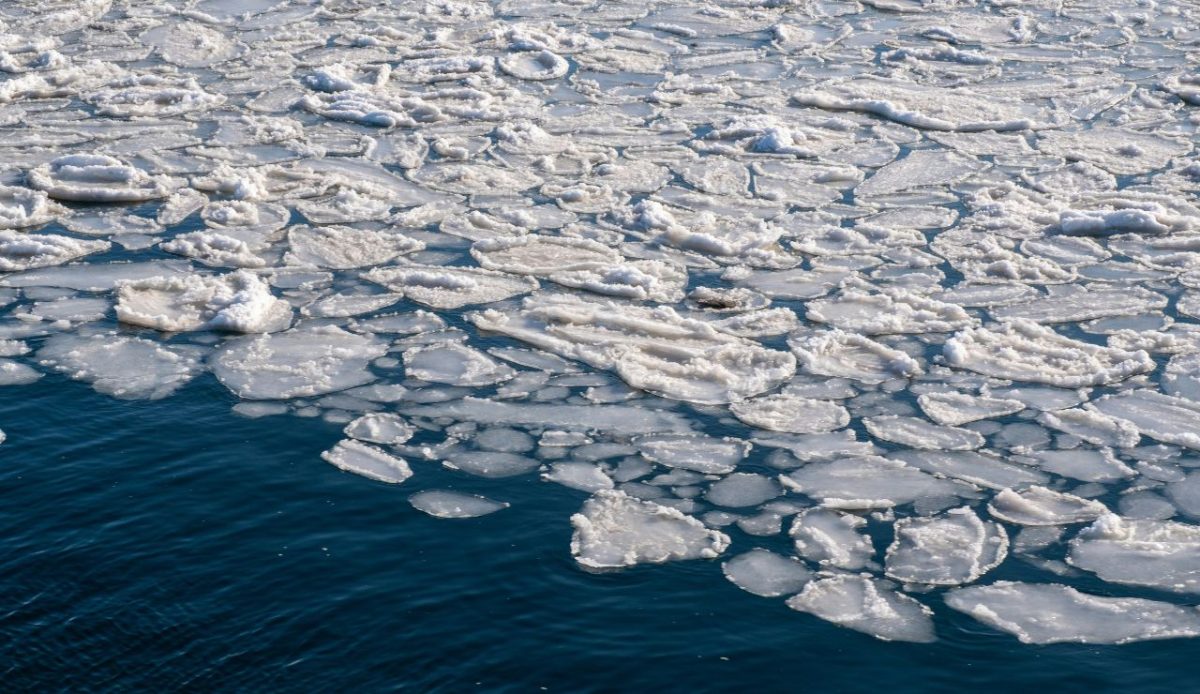
On northern lakes and rivers, “bad luck” tales often follow the same pattern: a shortcut across ice that wasn’t as solid as it looked. Ice thickness can change over a few feet due to currents, springs, or wind, and one weak spot is enough.
Cold shock can disable breathing and movement within minutes, and wet clothing accelerates hypothermia fast. Even if you climb out, getting warm again can be harder than people expect.
Treat ice travel as a specialized skill, not a casual stroll. Ask local authorities about conditions, avoid crossing alone, and carry proper gear if ice routes are allowed. When in doubt, take the long way around and live to complain about it.
4. Restricted sacred sites and legal consequences
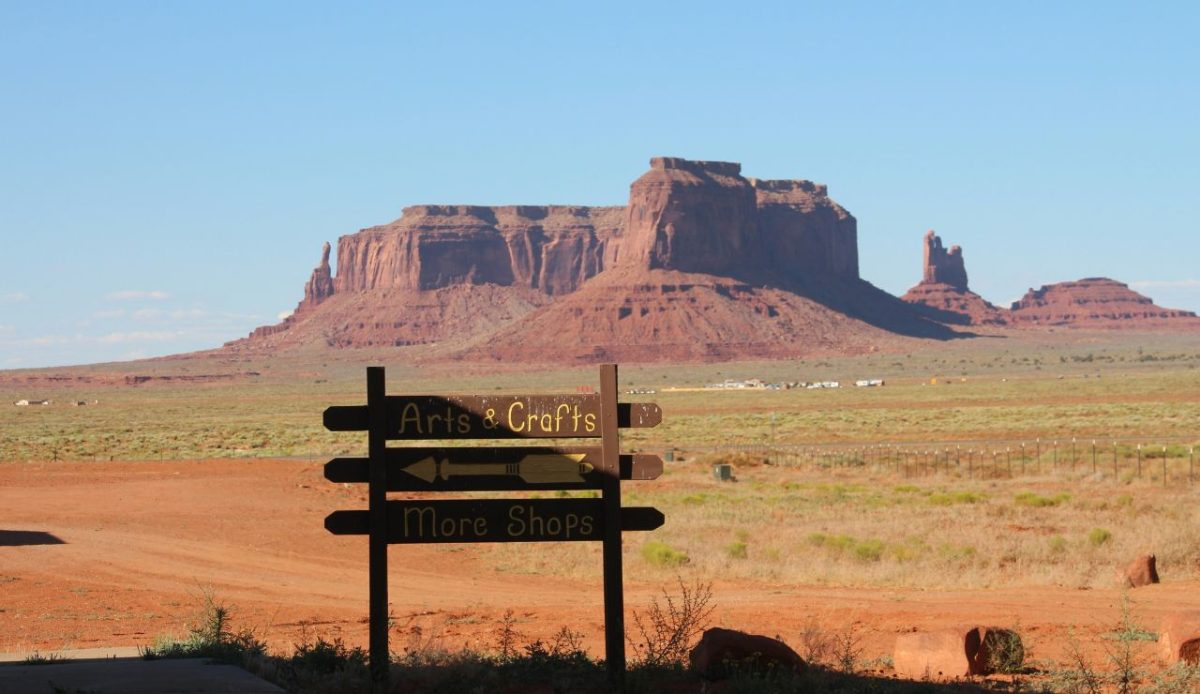
Some “curse” narratives are really about what happens when visitors ignore boundaries around sacred places. Many tribal nations restrict access to specific areas for cultural or conservation reasons. Entering anyway can lead to fines, removal, or prosecution.
Beyond law, there’s a practical risk: closures often exist because of unstable terrain, fragile ruins, or sensitive resources that can be damaged by foot traffic.
Confirm permits and off-limits zones before you go. Don’t geotag or share directions to sensitive sites. Respecting restrictions protects the place and your trip, and it reduces the disrespect that fuels “mystery curse” rumors.
5. Wildlife habituation and food-attraction hazards
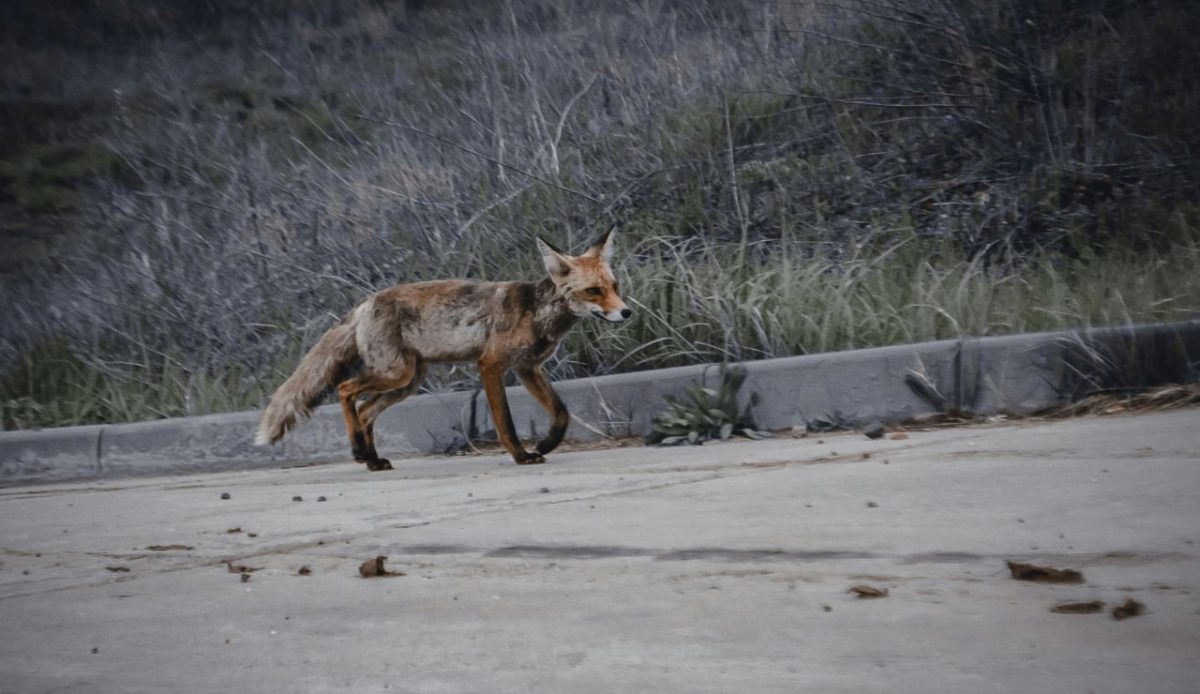
“Something is stalking campers” stories often come from wildlife that’s learned to associate people with food. Bears, coyotes, and smaller animals can become bold when trash, coolers, or car snacks are easy wins.
The risk isn’t mystical; it’s predictable behavior plus poor storage. Once animals are habituated, they may be relocated or destroyed, and people get hurt when they try to scare, feed, or photograph them up close.
Follow local food-storage rules, use bear-resistant containers where required, and never leave scented items unattended. If you’re on tribal land, rules may differ by community, so check guidance at the start. The safest encounter is the one that stays wild.
6. Heat illness from underestimated desert distances
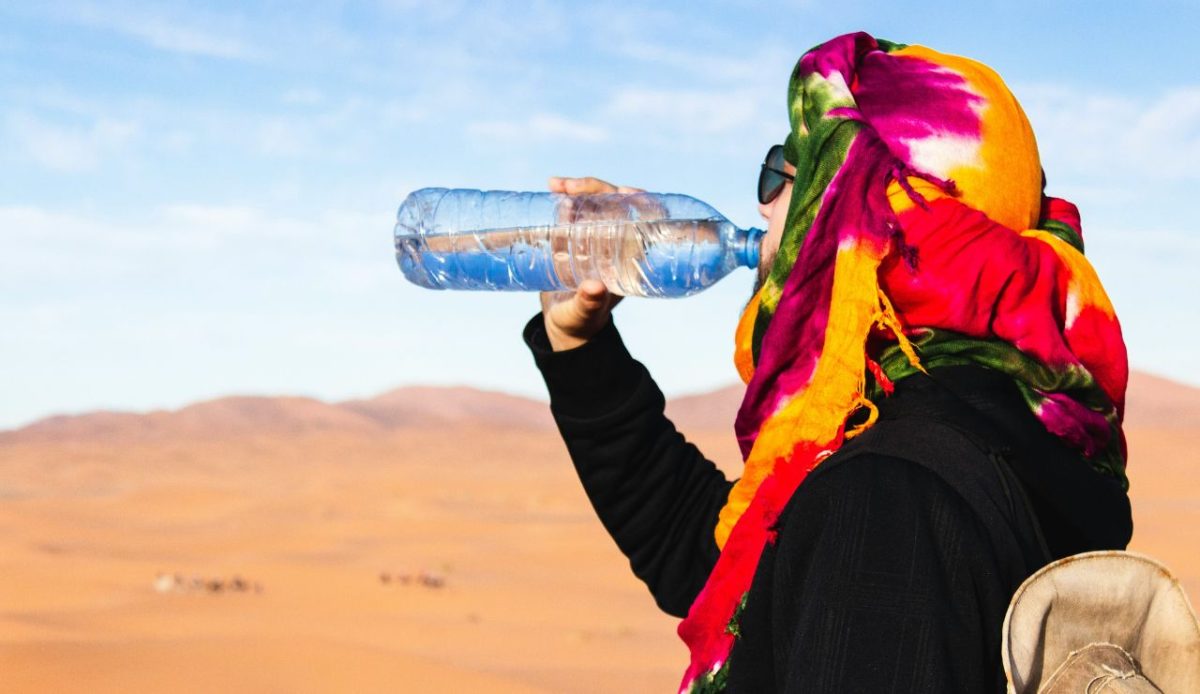
Many “deadly curse” headlines boil down to dehydration. In an open desert, distances look shorter than they are, shade is scarce, and the body can overheat long before you feel “that tired.” Tourists sometimes start late, carry a single bottle, and assume they’ll find water.
Heat illness escalates quickly: cramps, confusion, collapse. Rescue can be delayed by rough roads, remote trailheads, or limited cell coverage.
Start early, carry more water than you think you need, and turn around at the first sign you’re falling behind pace. Wear sun protection and don’t rely on streams. If a local authority posts a heat closure, treat it like a storm warning, not a dare.
7. Rip currents and rogue waves on exposed coasts
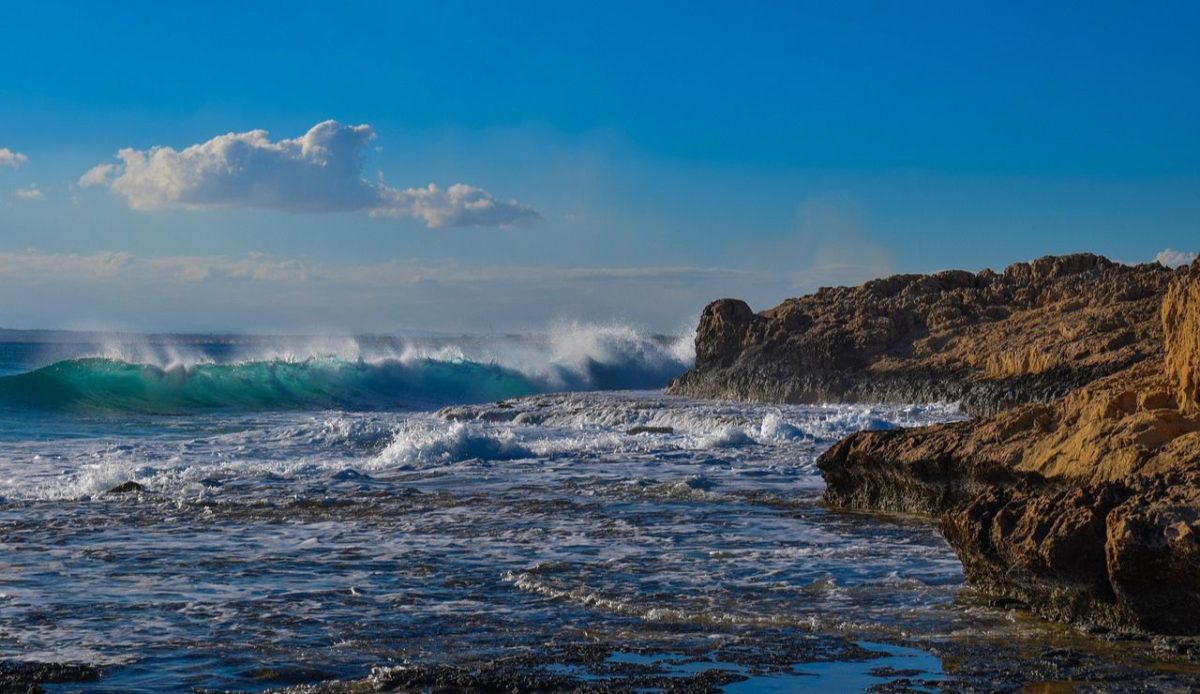
Coastal “cursed beach” stories often follow a tragic pattern: a calm-looking shoreline, a sudden pull, and a swimmer who can’t fight the current. Rip currents can form even on sunny days, and cold water can sap strength fast.
On rocky coasts, rogue waves can sweep people off tide pools and headlands. The danger is amplified when visitors chase photos on wet rocks or ignore local signage about surf conditions.
Swim near lifeguards when available, learn how to escape a rip by swimming parallel, and keep a distance from wave-battered rocks. If you’re visiting a beach managed by a tribal nation, follow posted rules and closures. Water doesn’t care about your itinerary.
