
Some Canadian locations tightened rules after U.S. travelers were linked to repeated breaches of entry conditions or movement limits. The friction came from enforceable constraints, not from reputation or online debate.
In several cases, officials named Americans in public briefings after vehicles or hotel stays did not match direct transit expectations. Those statements led to more checks, clearer routing, and penalties when conditions were ignored.
The sections below explain where the pressure showed up and what mechanism created it, such as ticketing under public orders, restricted entry funnels, or higher scrutiny at high-demand trailheads.
1. Banff National Park
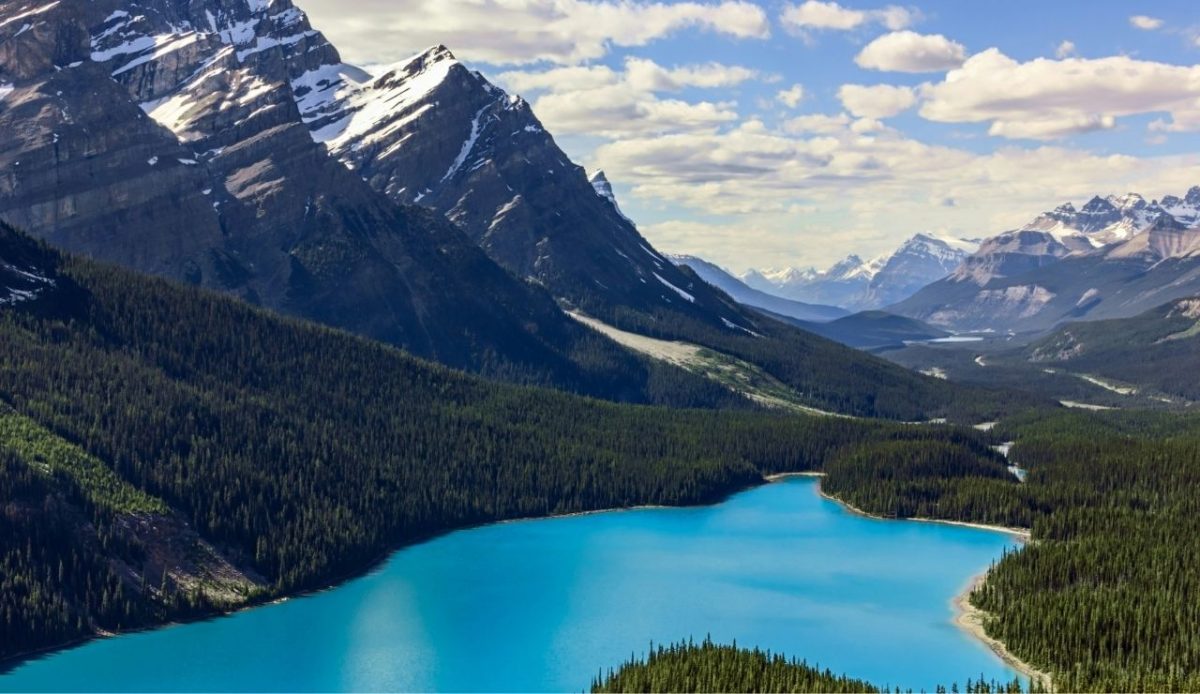
Banff National Park was cited during the Alaska transit period when some Americans entered Canada lawfully, yet used the park as a leisure stop. Officers found U.S. visitors hiking and using viewpoints despite transit conditions requiring direct travel.
Checks focused on behavior. American plates were seen at trail access and scenic pullouts where stopping was not needed for transit, and tickets were issued under public health rules that limited permitted activity for entrants.
The pattern shifted expectations. A park that usually manages access through fees and capacity also relied on route verification, and U.S. travelers faced more scrutiny when their itinerary looked inconsistent with transit.
2. Lake Louise Area
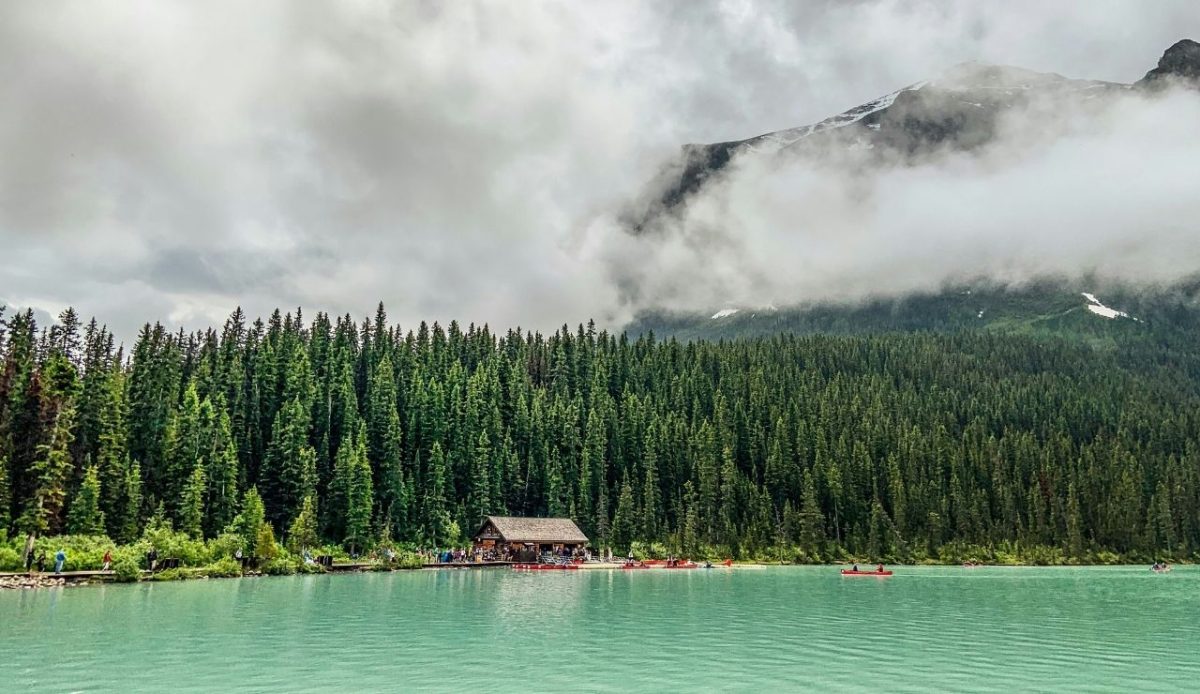
Lake Louise became another pressure point because its trailheads and lakeside stops attract long dwell times. During transit enforcement, Americans claiming Alaska passage were recorded leaving the highway corridor to spend hours on local hikes.
The mechanism was simple. When transit permission was paired with stops at high-demand parking and trail access, it looked like discretionary tourism, and enforcement teams issued penalties tied to the same public order conditions applied elsewhere.
Lake Louise already uses timed shuttles and parking management to limit gridlock. When transit misuse was layered onto that system, monitoring increased, and the area became a known place where American visitors were checked more aggressively.
3. Jasper National Park
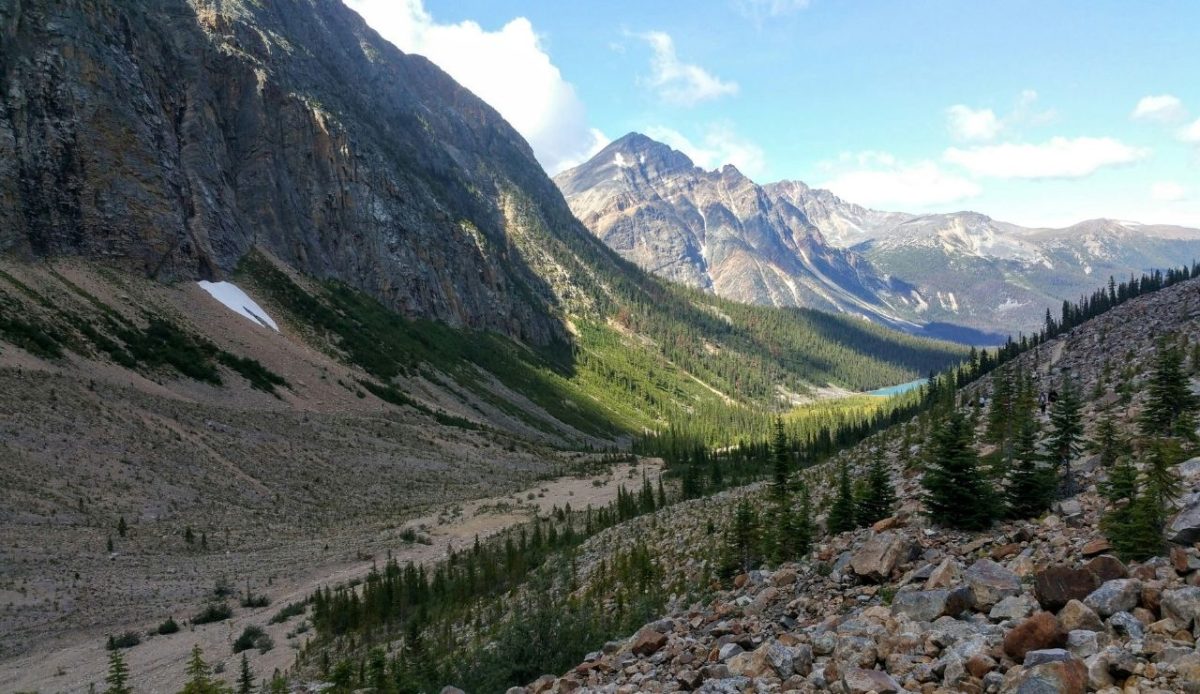
Jasper National Park was referenced in official commentary about transit misuse because stops there suggested recreation rather than uninterrupted passage. Americans driving north were observed pausing in park zones that are far from essential services.
Unlike a brief fuel stop, park entry and trail use create a clear footprint. Vehicle sightings and traveler reports gave enforcement a basis to question whether Alaska transit conditions were being followed in practice.
Jasper’s role in the corridor made it sensitive. When repeated detours were linked to U.S. plates, the response shifted toward verification of trip purpose, which reduced flexibility for Americans whose plans included scenic breaks.
4. Vancouver
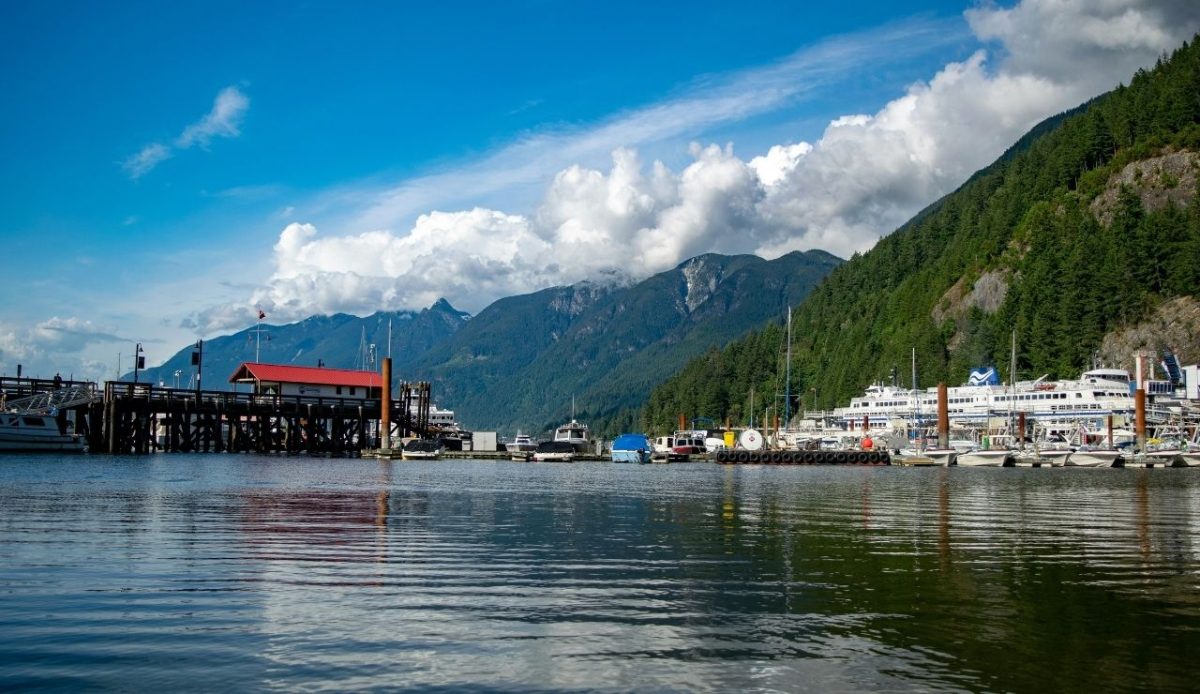
Vancouver was mentioned by provincial leaders as a place where American vehicles appeared in settings that did not align with direct Alaska transit. Reports included U.S. plates at city hotels during a period when transit travelers were expected to keep moving.
The friction came from enforceable conditions. Overnight lodging in a major city can indicate non-essential travel, so sightings became part of the case for tightening routing and increasing checks on Americans crossing British Columbia.
Once the issue was raised publicly, the city became shorthand for why transit rules were narrowed. Americans could still pass through, yet a stop that looked like a vacation detour carried a higher risk of questioning or removal.
5. Port Renfrew
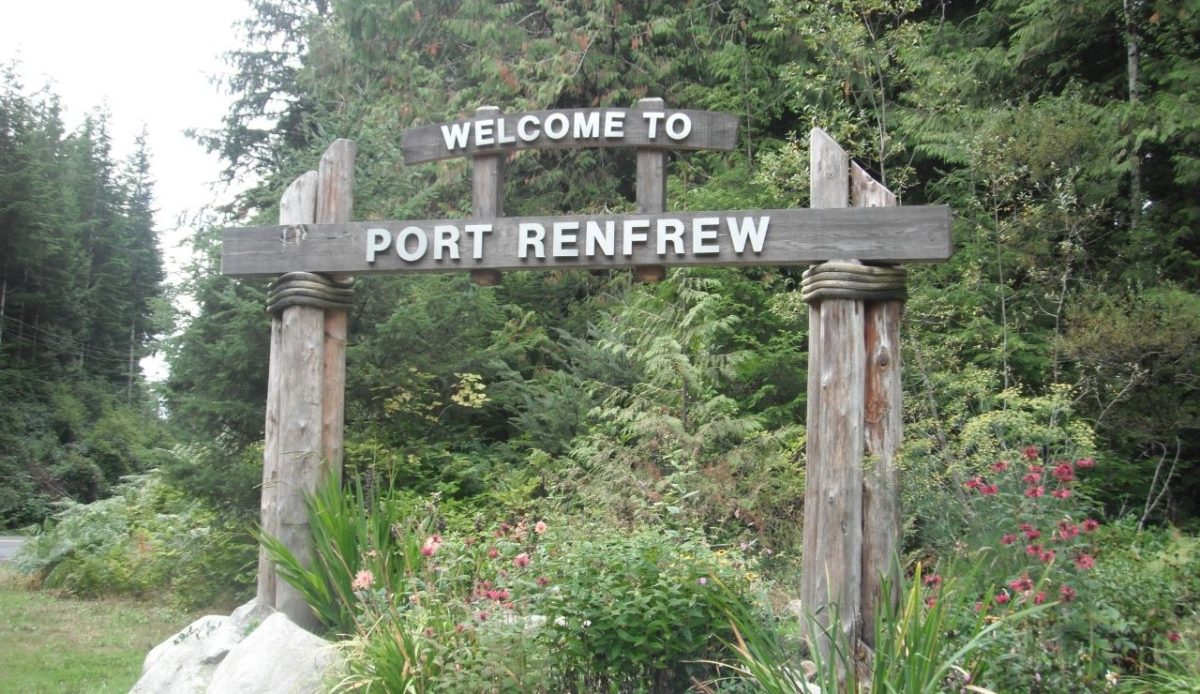
Port Renfrew on Vancouver Island drew attention when American vehicles were seen in a remote coastal community during the same transit period. The location is not on a direct Alaska route, so sightings were treated as a signal of rule-bending.
The mechanism was geographic. Reaching Port Renfrew requires deliberate detours and local roads, which undermines a claim of necessary passage. Officials used the example to argue that transit allowances were being stretched beyond their intent.
As scrutiny rose, the incident mattered beyond the town itself. It contributed to pressure for clearer limits on where Americans could go, and it showed how out-of-route stops could quickly become high-profile enforcement triggers.
6. Waterton Lakes Area
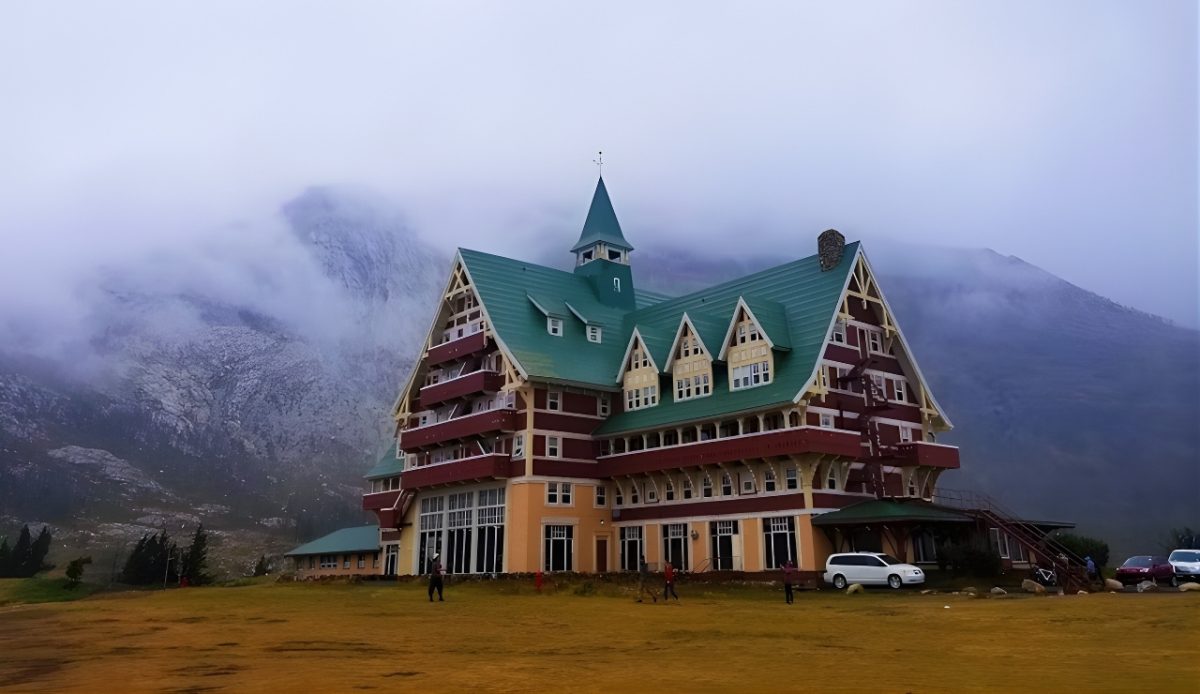
Waterton Lakes area was discussed in contrast to the busier Rockies parks when officials described where Americans were most often overstepping transit conditions. The point was not that Waterton was crowded, but that enforcement pressure clustered elsewhere.
The mechanism here is comparative monitoring. When checkpoints and plate sightings showed fewer incidents near Waterton, agencies focused resources on locations where detours and hikes were being documented more regularly.
That contrast still fits the title because it reflects how local tolerance was shaped by patterns, not slogans. Waterton became part of the narrative used to justify targeted enforcement toward Americans in higher incidence zones.
7. Abbotsford Huntingdon Crossing
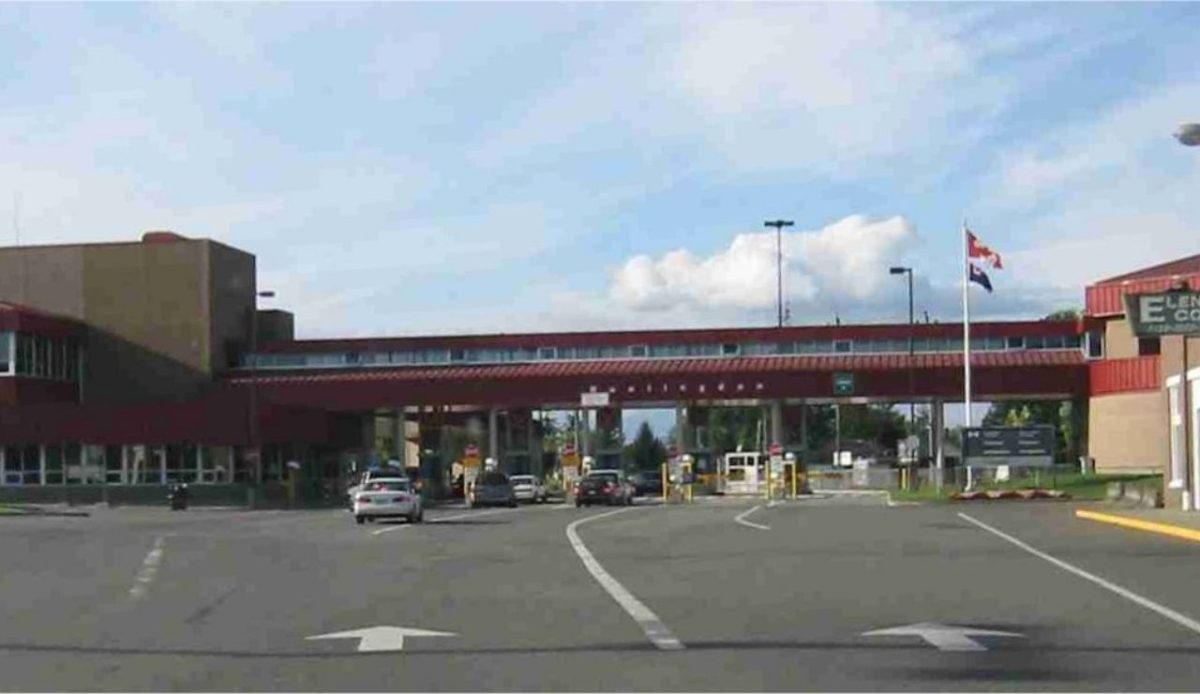
The Abbotsford Huntingdon crossing became one of the limited entry points allowed for Americans traveling to Alaska after rules were tightened. The change reflected frustration with wide open routing that made monitoring hard across British Columbia.
The mechanism was a designated funnel. By restricting eligible U.S. travelers to named crossings, border officers could issue written conditions, verify documents, and reduce ambiguity about where transit should begin.
For Americans, the impact was practical. Entry became less flexible, and a traveler who arrived at a different port could be turned back. The crossing itself became a symbol of reduced patience with loose interpretations of transit.
8. Kingsgate Crossing
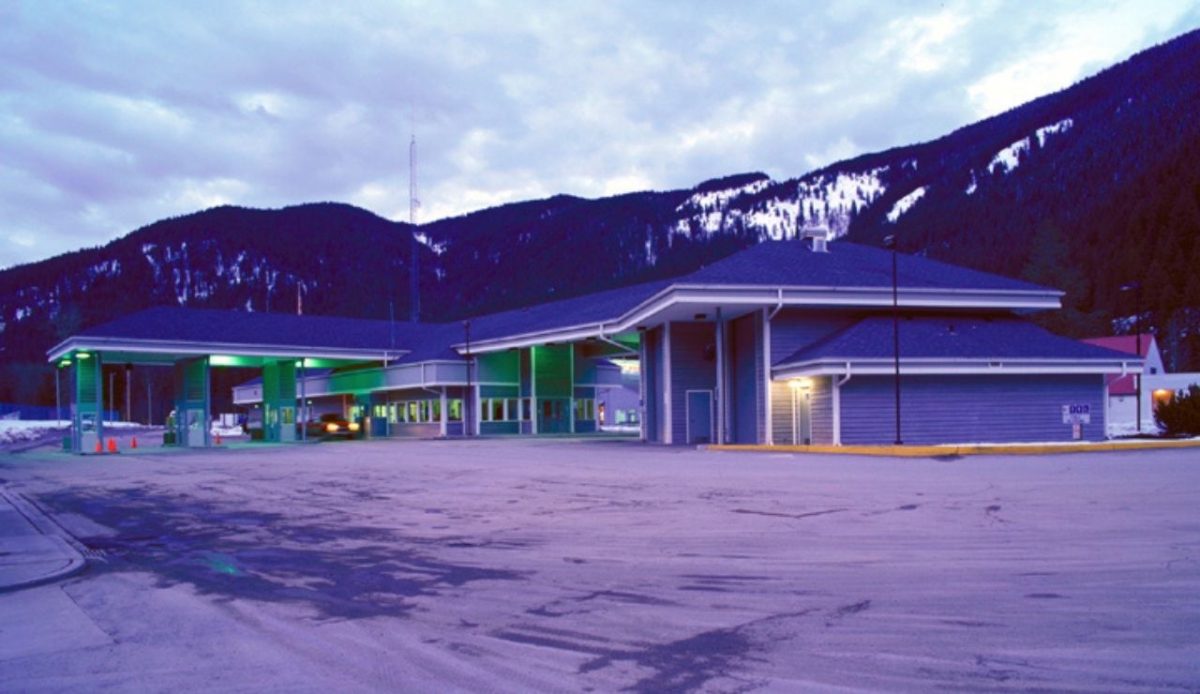
Kingsgate in southeast British Columbia was also listed among the allowed ports for Alaska-bound Americans during the tightened transit phase. It mattered because it shifted discretionary entry choice into a controlled set of checkpoints.
The mechanism relied on predictability. With fewer ports, officers could align documentation with expected routes and identify detours more easily when travelers appeared far from the normal corridor soon after entry.
This reduced friction for local enforcement while increasing it for travelers. Americans who once planned flexible cross-border drives faced a narrower pathway, and deviations became easier to flag as noncompliant travel.
9. Osoyoos Crossing
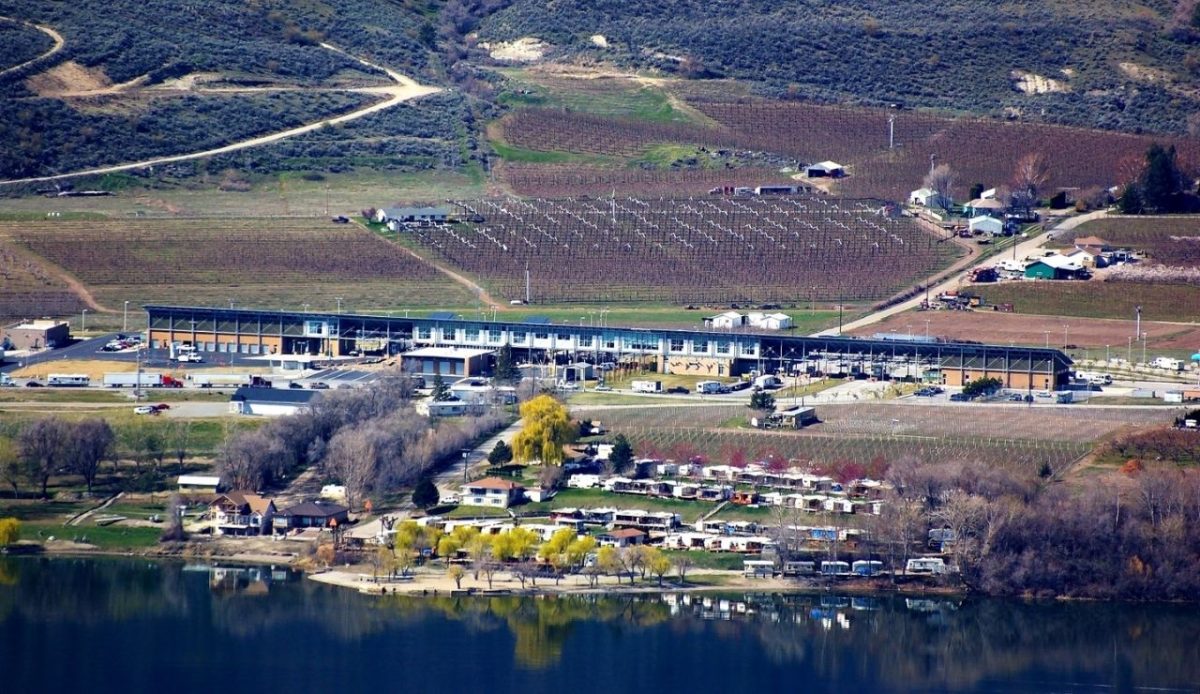
Osoyoos Crossing in the South Okanagan was another approved entry point used to manage Alaska transit by Americans. The designation narrowed options and reflected concern that broad access enabled side trips unrelated to passage north.
The mechanism was rule-based routing. Officers could direct travelers onto expected highways and treat extended detours as inconsistent with the written conditions attached to their entry permission.
For visitors, it changed trip planning. A crossing that once served tourism into interior British Columbia became tied to controlled transit, and Americans who tried to combine passage with local stays faced higher odds of enforcement action.
10. North Portal Crossing
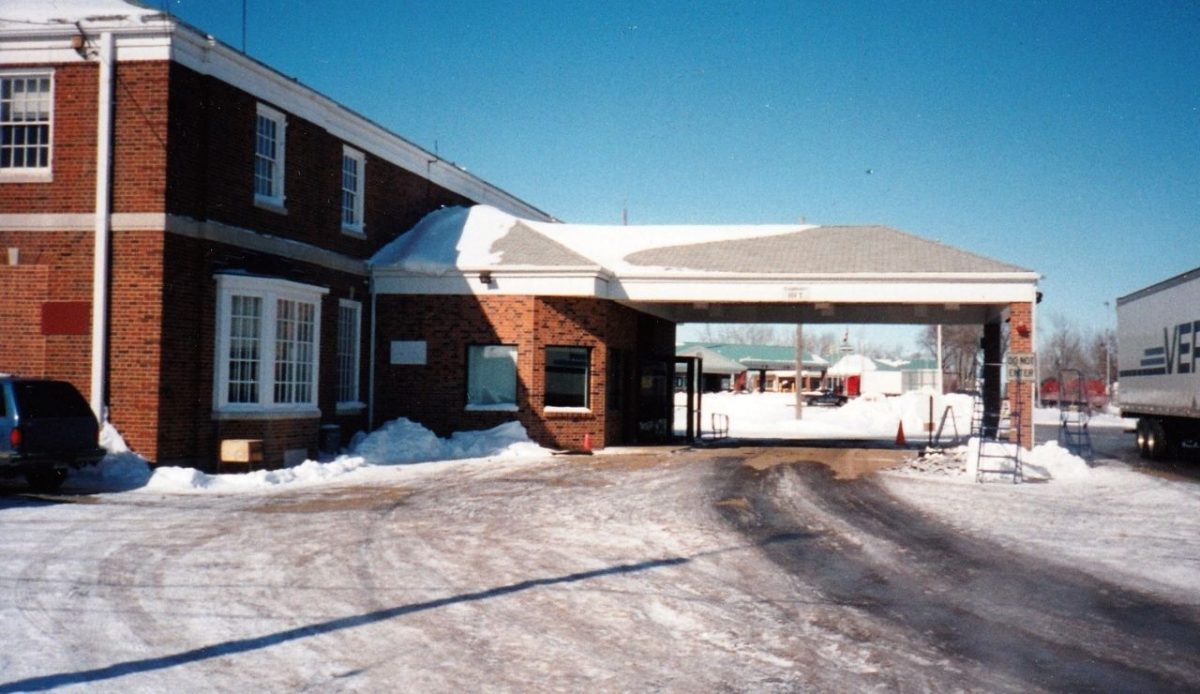
North Portal in Saskatchewan was included among the approved crossings for Americans traveling to Alaska under tightened conditions. Its inclusion shows that control measures extended beyond headline ports to smaller prairie gateways.
The mechanism had consistent eligibility rules. By limiting entry to a short list, officials reduced the chance that U.S. travelers would appear at lightly staffed crossings and then drift into discretionary travel without effective monitoring.
For Americans using this route, flexibility dropped. Border staff could set clear expectations for direct travel and treat deviations as breaches, which reflected a broader shift toward less tolerance after earlier cases of misuse.
