
Park access in the United States is increasingly handled through controlled entry systems rather than gate-only payments. In 2026, many sites add required charges tied to reservations, parking tags, or timed-entry windows because road capacity remains fixed as demand rises.
These fees are enforced through online platforms and checkpoint scans, so Americans often pay before travel. When slots sell out, an annual pass no longer guarantees use, which compresses arrivals and raises crowding during open periods.
The cases below cover mandatory fees that control access to a corridor, trailhead, or parking supply. Each fee acts as an administrative filter that changes entry timing and turnover, with costs created by policy rather than optional services.
1. Great Smoky Mountains Parking Tag Fees
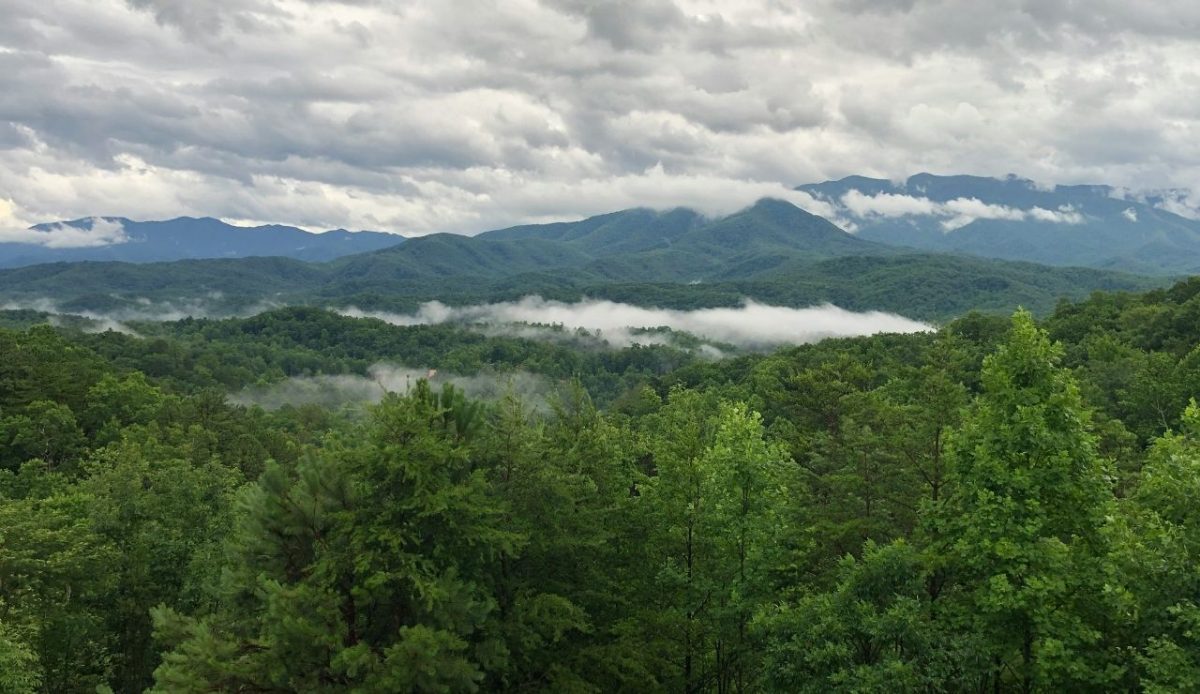
Great Smoky Mountains have no entrance fee, but a parking tag is required for any stop over 15 minutes or more at lots and pullouts. Tag prices are set by the park, and enforcement is by citation, so parking supply becomes a priced access gate.
Because most trailheads sit on narrow roads, unmanaged parking created blocked shoulders and delayed emergency response. The tag program funds maintenance and shifts demand to higher capacity areas, increasing turnover pressure at the busiest lots.
Daily and weekly tags add recurring costs for Americans who visit multiple days, even with no gate fee. The rule changes visitor behavior by making short hikes and scenic stops paid events, while locals face the same charge as out-of-state drivers.
2. Acadia Cadillac Summit Road Reservations
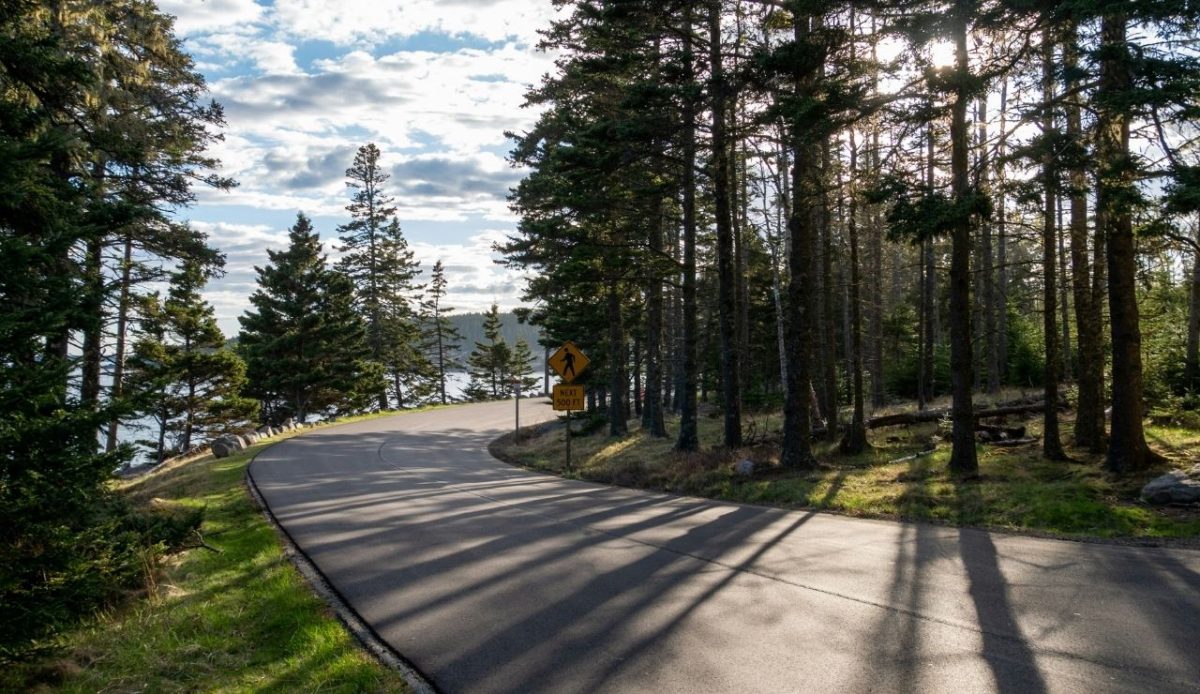
Acadia controls Cadillac Summit Road with a required vehicle reservation tied to a date and time block. The reservation fee is separate from the entrance pass, and checks occur at the road access point, so payment and capacity rules determine entry.
The summit road has limited pullouts and a small top lot, so unmanaged arrivals produced gridlock on Route 3 and delayed shuttles from Bar Harbor. Reserving time blocks reduces queue length, but it concentrates demand around each opening.
For Americans, the fee repeats if plans shift due to fog or late arrivals, since missed slots still block entry. The policy manages a fixed inventory of spaces, and the cost is created by administrative control, not by an optional service.
3. Arches Timed Entry Processing Fee
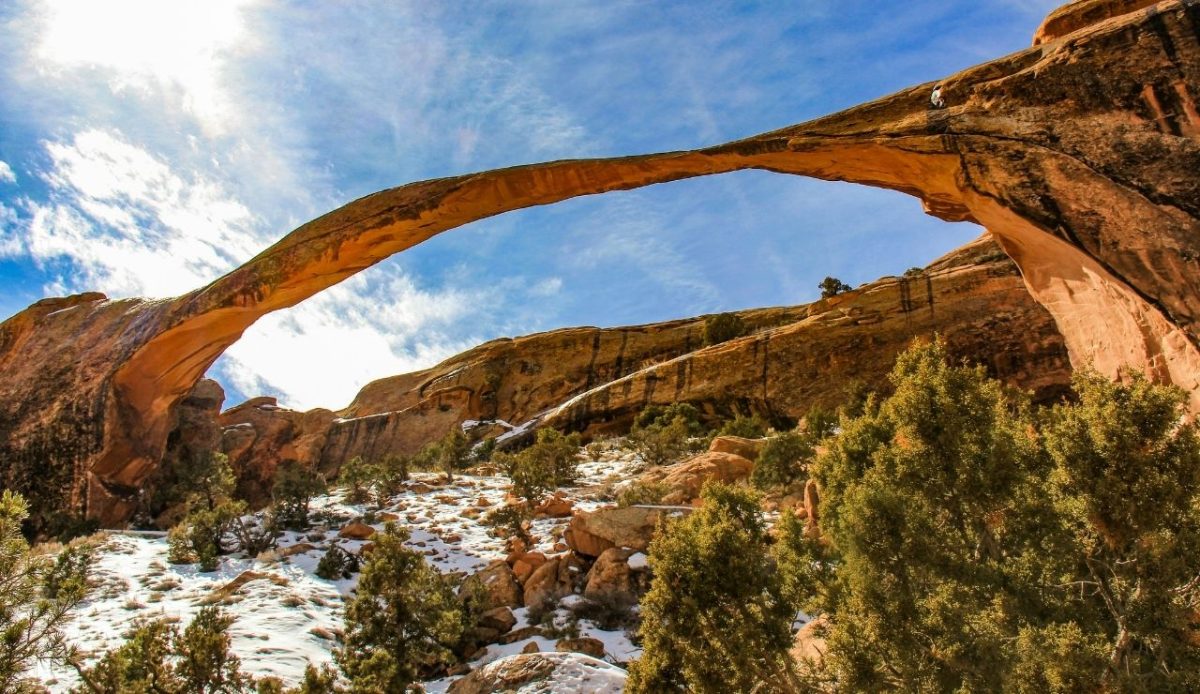
Arches uses timed entry during peak months, requiring a reservation to pass the main entrance between set hours. The ticket itself is listed as free, but a mandatory processing fee is charged per booking, so Americans pay to secure the time window.
With one primary access road and limited shoulder space, queues spill onto US 191 and slow local traffic near Moab. Timed entry reduces backup at the gate, but it shifts congestion to earlier mornings when demand clusters before control starts.
The processing fee is nonrefundable, so rescheduling after flight delays or road closures can mean paying again for another slot. The rule links entry to online compliance, and the cost is triggered by capacity management rather than by extra amenities.
4. Rocky Mountain Timed Entry Permits
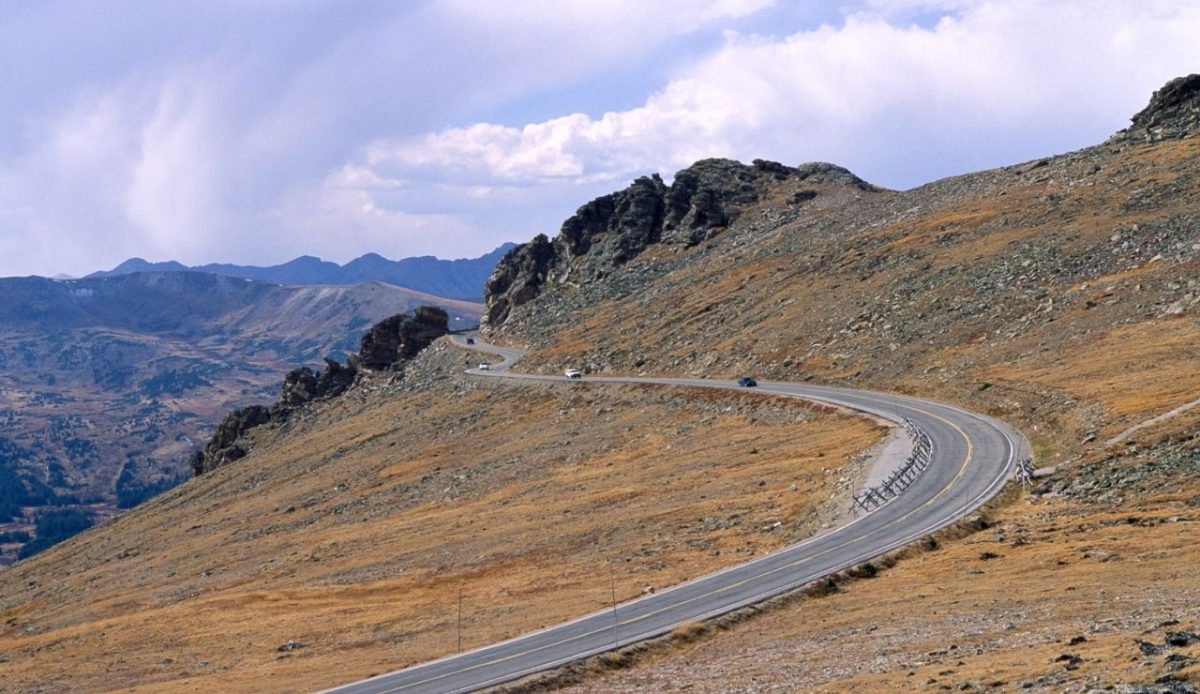
Rocky Mountain uses timed entry permits that cap vehicles entering key corridors, with zones tied to separate time windows. Permits are reserved online and carry a processing fee, even for America the Beautiful pass holders, so access is paid twice.
Trailhead parking along Bear Lake Road fills early, and overflow damages vegetation and blocks buses. The permit limits arrivals to match fixed lot capacity, but it makes missed entry windows a direct access loss.
Americans who visit often pay the processing fee each time because permits are date-specific and not transferable. The policy shifts visitor flow to before permit hours or to lesser-used gates, increasing pressure on those routes.
5. Glacier Vehicle Reservation Processing Fee
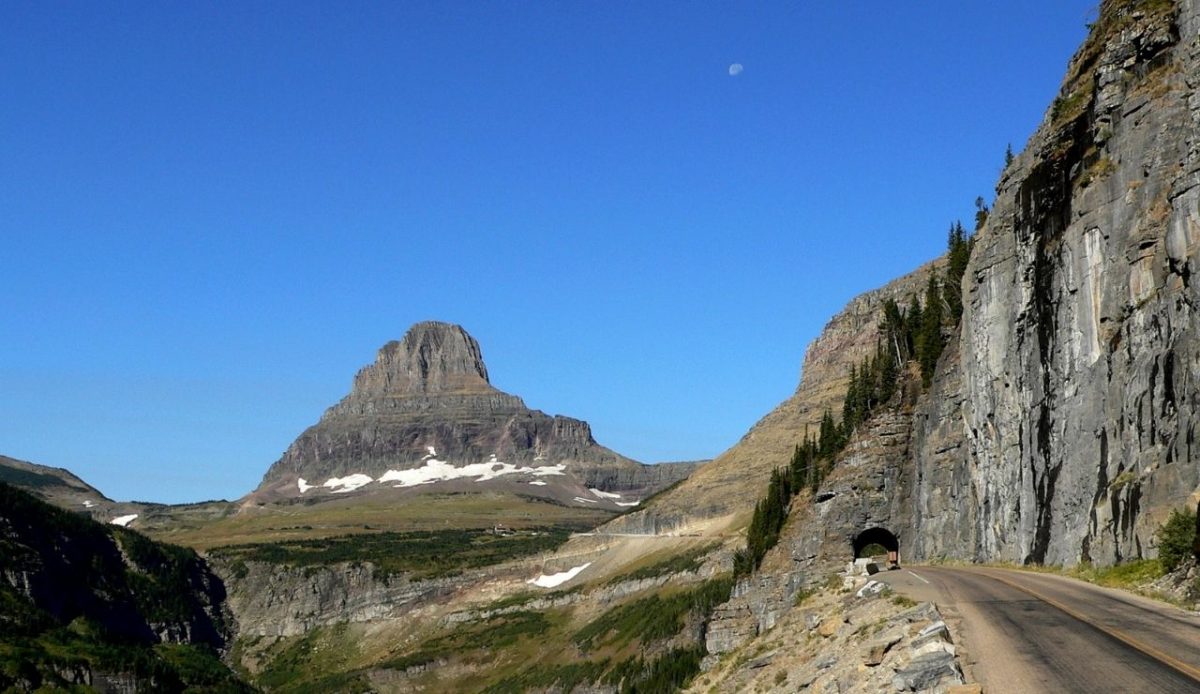
Glacier requires vehicle reservations for major corridors in peak season, using checkpoints that control traffic volume. Reservations are booked through a federal platform with a processing fee, separate from entrance fees, so Americans pay before reaching the gate.
Going-to-the-Sun Road has limited passing zones and a short season, so queues can spread to West Glacier and St Mary. The reservation cap reduces stoppage and staff strain, but it turns road access into a scarce inventory item.
If smoke or construction forces a new plan, a second reservation can mean paying the processing fee again. The rule reallocates access by time slot, and the cost is driven by a regulation meant to match demand to road capacity.
6. Carlsbad Caverns Timed Entry Fee
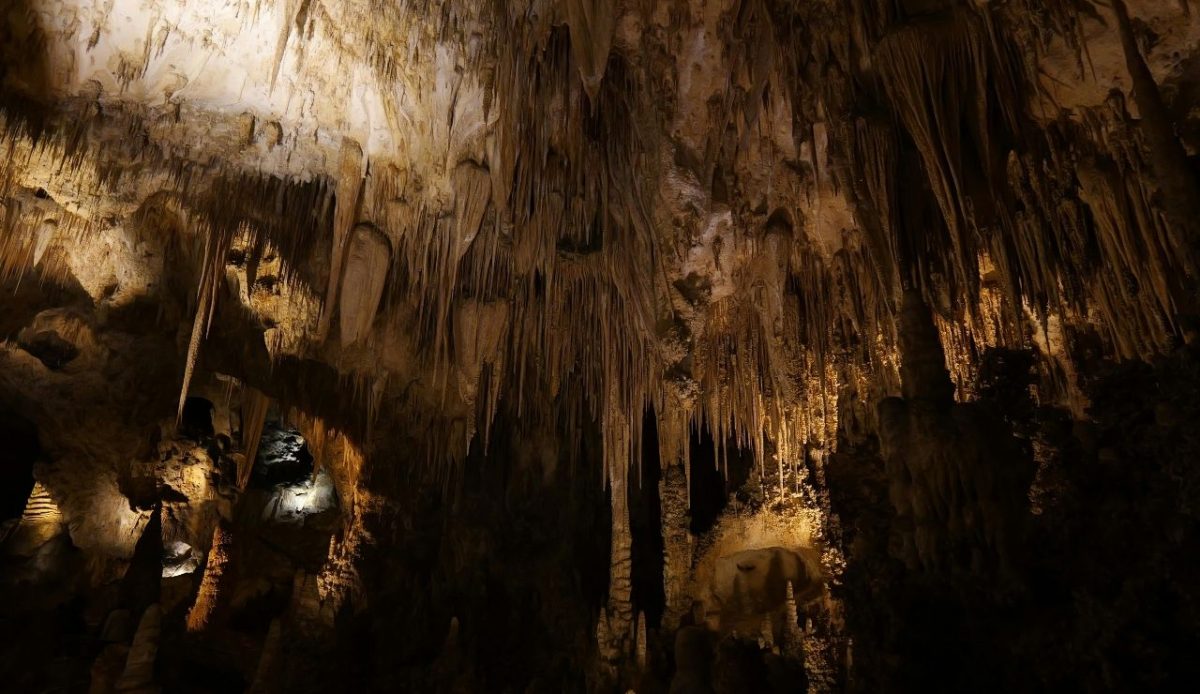
Carlsbad Caverns requires timed entry reservations for the natural entrance and cavern routes on most operating days. The reservation carries a fee, and visitors must still purchase an entrance ticket, so Americans face a double payment to access the cave.
Underground capacity is fixed by narrow passages, elevator limits, and safety staffing, so unmanaged entry created crowding on the Big Room route. Timed slots reduce bottlenecks, but they shift demand to the earliest times and increase sellouts on holidays.
When a reservation is missed due to long drives from El Paso or road closures on US 62, rebooking can add another fee. The rule ties entry to advance compliance, and the cost is created by capacity control rather than extra services.
7. Zion Angels Landing Permit Fees
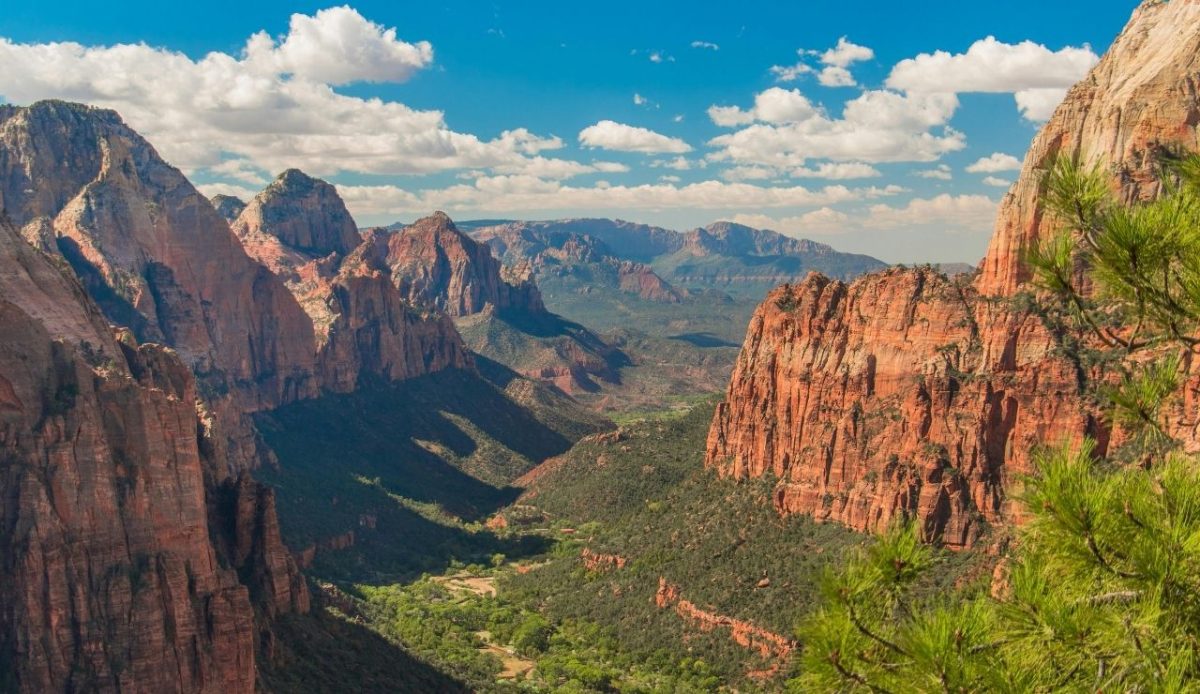
Zion restricts Angels Landing through a permit lottery that charges an application fee and a per-person charge for winners. Rangers check permits at Scout Lookout, so payment and allocation rules determine who enters the chain section.
The trail corridor is narrow with fixed holding areas, and rescues increase when crowding pushes slower hikers into exposed moves. Permits cut density, but they shift pressure to nearby trails and to shuttle boarding at the Grotto stop.
Americans often apply multiple times for a date window, paying repeated application fees without guaranteed access. The system converts a public route into a priced allocation model, where capacity limits create a recurring cost layer for trail use.
8. Yosemite Half Dome Lottery Fees
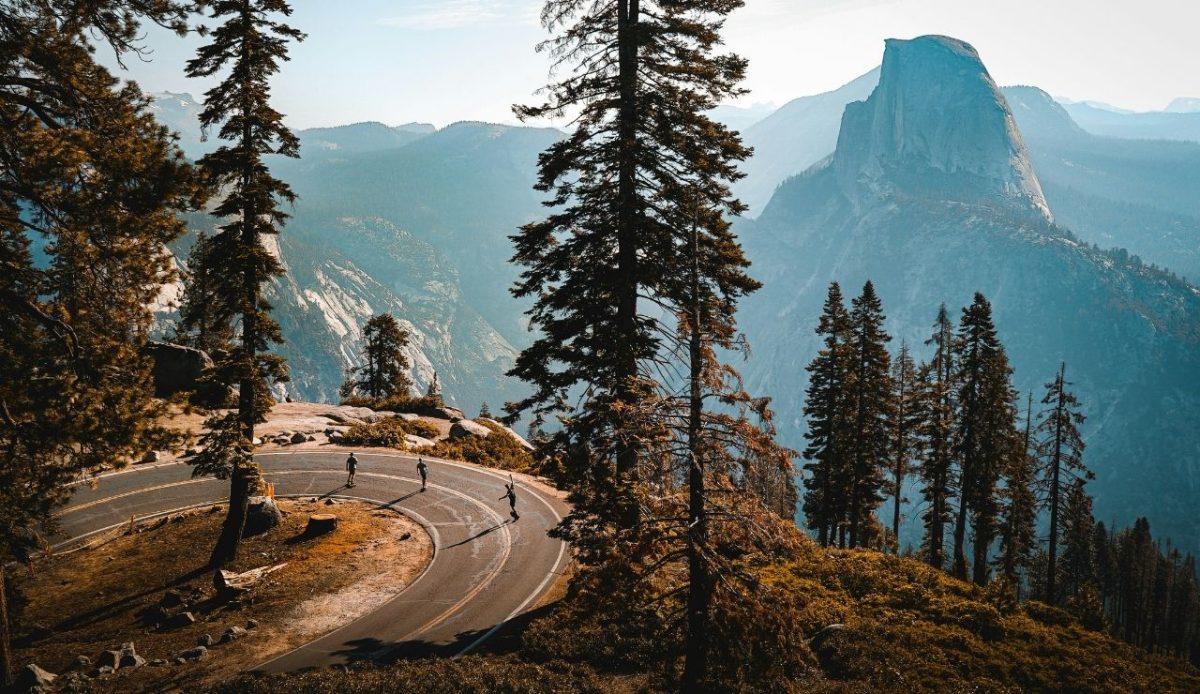
Yosemite controls Half Dome cable access through a lottery that charges an application fee, then a per-hiker fee for awarded permits. Rangers verify permits near the subdome, so payment and selection function as an access gate for Americans.
The cable route has fixed holding space and limited ranger staffing, and crowding increased falls and delays in past peak periods. Permits reduce line length, but they concentrate demand on the few dates with good weather and open road access.
Applicants may pay several times across the season due to low selection rates, especially for weekend dates. The system links access to a paid allocation process rather than physical capacity at the trailhead, adding costs before travel decisions.
9. Shenandoah Old Rag Day Use Tickets
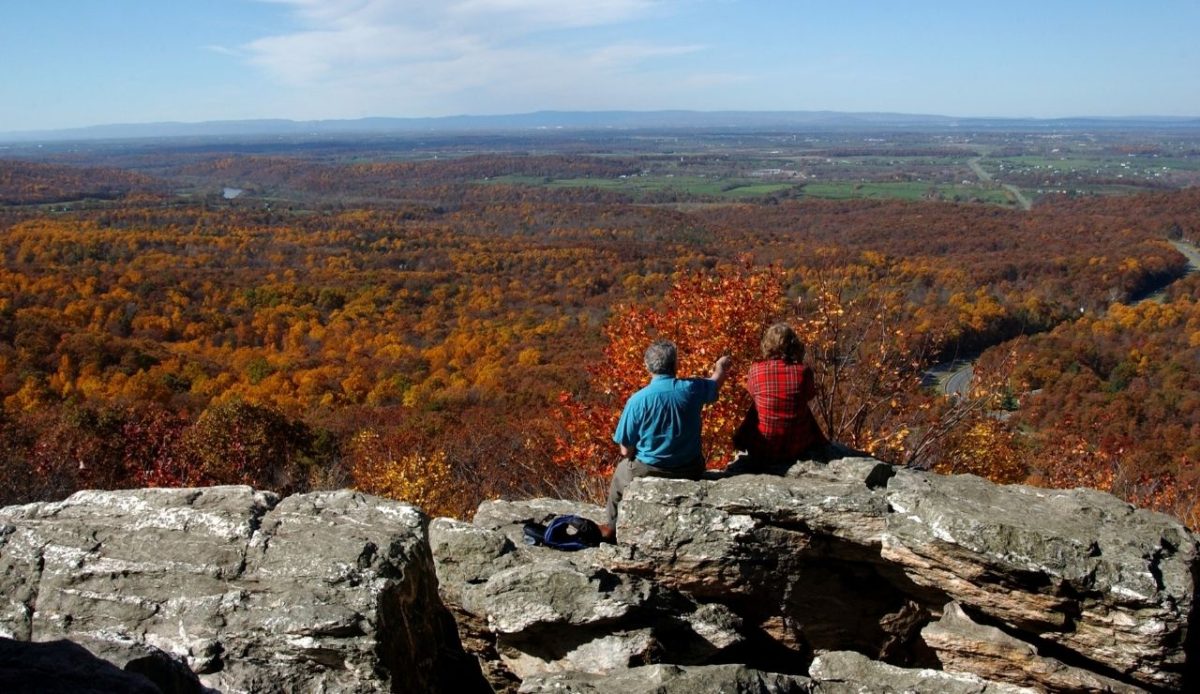
Shenandoah requires Old Rag day-use tickets for access to the trail system, with a per-person fee tied to a specific date. Tickets are checked at the entry point, so Americans must prepay to use a single trail corridor inside the park boundary.
Old Rag parking is limited, and the rock scramble creates slow movement, so unmanaged demand produced long queues and a rescue load on busy weekends. Ticketed entry caps daily use, but it pushes visitors toward earlier starts and increases lot turnover pressure.
If the weather closes Skyline Drive segments or travelers arrive late from Washington area suburbs, missed tickets can mean lost access for the day. The fee is created by administrative control of capacity, not by a premium service layered on top.
10. Muir Woods Parking Reservation Fees
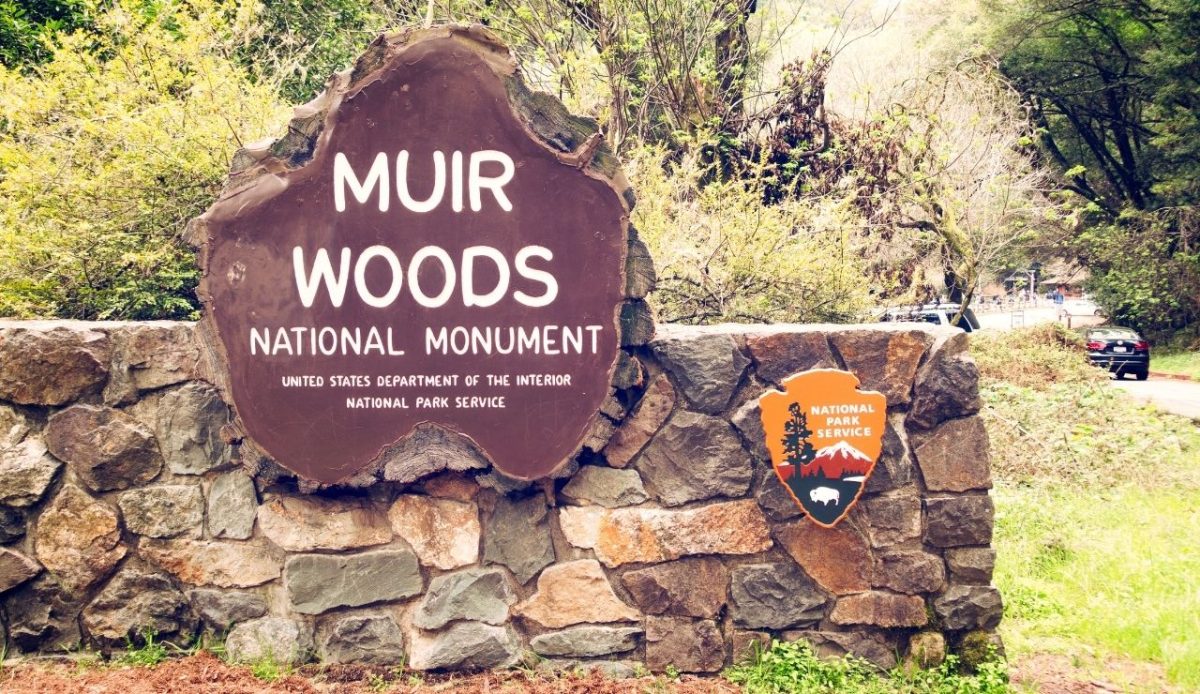
Muir Woods requires a parking or shuttle reservation for most visits because the access road and lots are small, and roadside parking is prohibited. The reservation carries a fee separate from the entrance charge, so Americans pay to secure arrival logistics.
Traffic queues on Muir Woods Road can block local driveways and delay emergency vehicles, especially on weekends from San Francisco and Marin. Reservations cap vehicles to match the fixed stall count, but they shift demand to limited morning slots.
If a reservation is missed due to bridge congestion, rebooking may require paying the fee again for another window. The policy turns a constrained approach corridor into a priced access filter, where compliance is enforced by plate checks.
