
Across the United States, hotel construction has increased as cities compete for tourism and conventions. New properties are often promoted as drivers of economic growth, especially in fast-growing urban areas. In many cases, hotel supply has expanded faster than infrastructure.
Systems such as roads, transit, utilities, airports, and emergency services require long-term planning and investment. When hotel development outpaces these systems, congestion and service strain can affect both visitors and residents.
This article reviews thirteen U.S. cities where hotel growth has moved ahead of infrastructure capacity, revealing planning gaps tied to uneven urban development.
1. Nashville
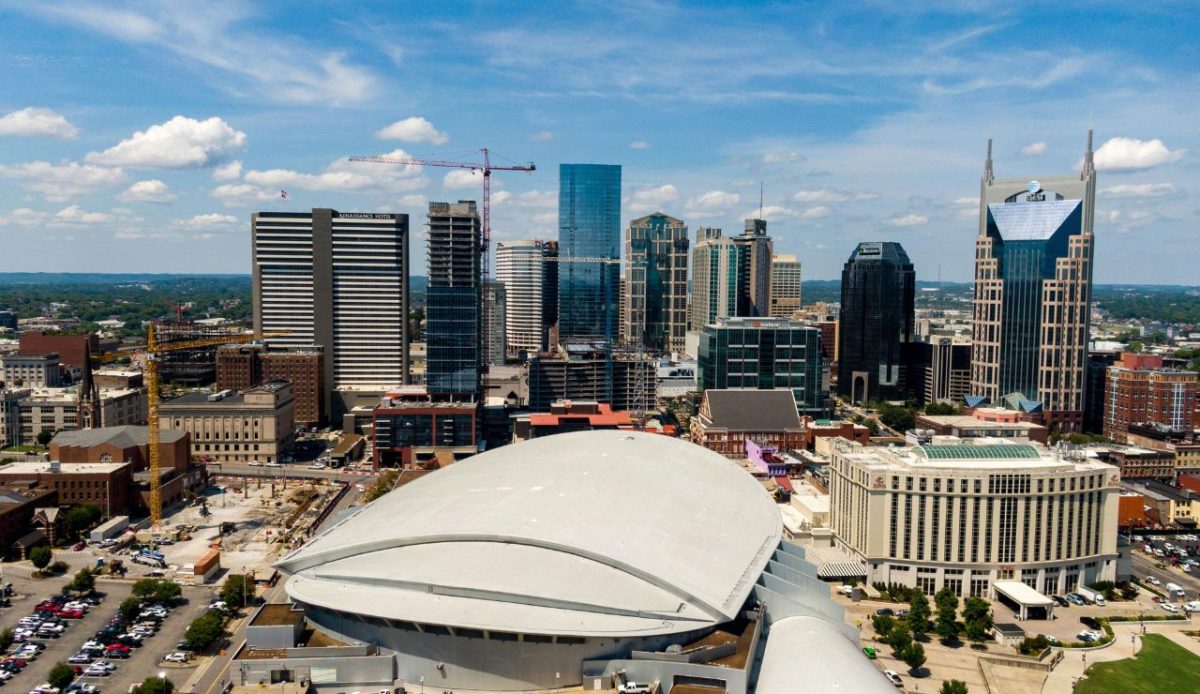
Nashville has added thousands of hotel rooms in its downtown and entertainment districts over the past decade. Growth has been driven by conventions, live music tourism, and major sporting events that attract visitors year-round. Hotel development continues as demand remains strong.
Infrastructure expansion has struggled to keep pace with this growth. Traffic congestion is a persistent issue, and public transit options remain limited for a city of its size. Road improvements and transit projects have faced delays.
As hotel density increases, pressure on utilities, emergency services, and pedestrian areas has become more noticeable, highlighting the challenges of tourism-driven expansion without matching infrastructure investment.
2. Austin
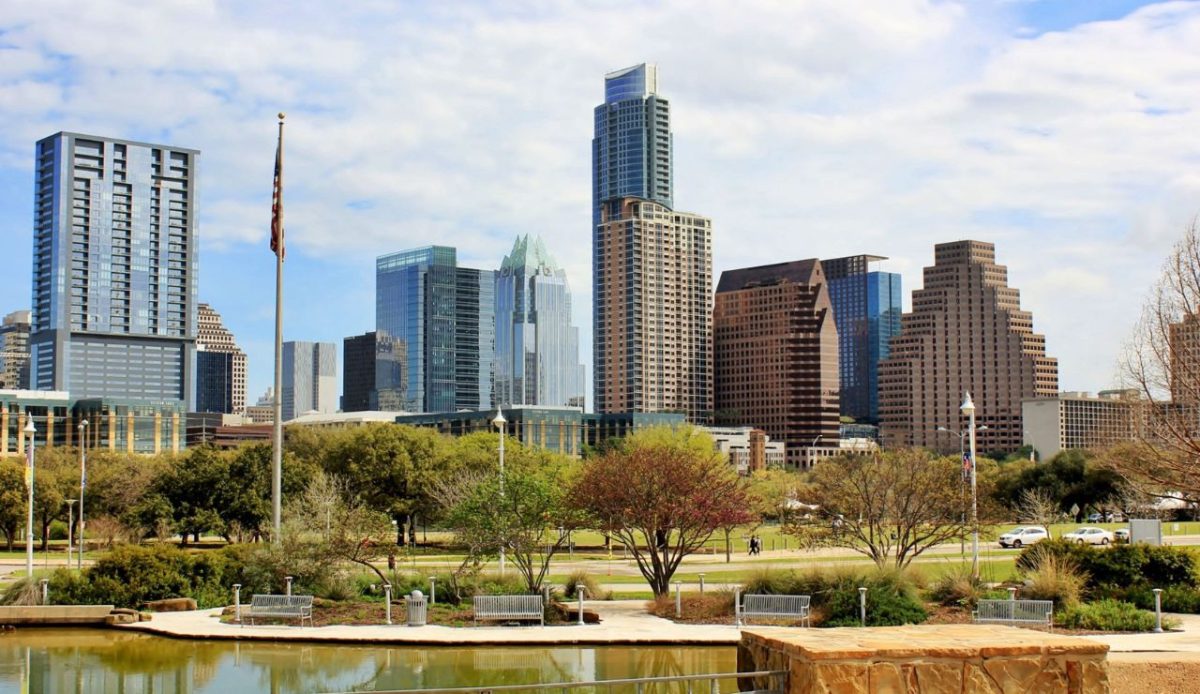
Austin’s hotel construction boom reflects its growth as a tech hub and cultural destination. New high-rise hotels have reshaped the skyline, particularly near downtown and convention areas. Demand is fueled by festivals, conferences, and population growth.
Transportation infrastructure has lagged behind development. Traffic congestion is among the worst in Texas, and public transit coverage remains limited. Large visitor influxes during major events strain roads, airports, and parking facilities.
Utility systems and public services are also under pressure as density increases. Austin’s experience shows how rapid hotel expansion can amplify existing infrastructure challenges rather than resolve them.
3. Orlando
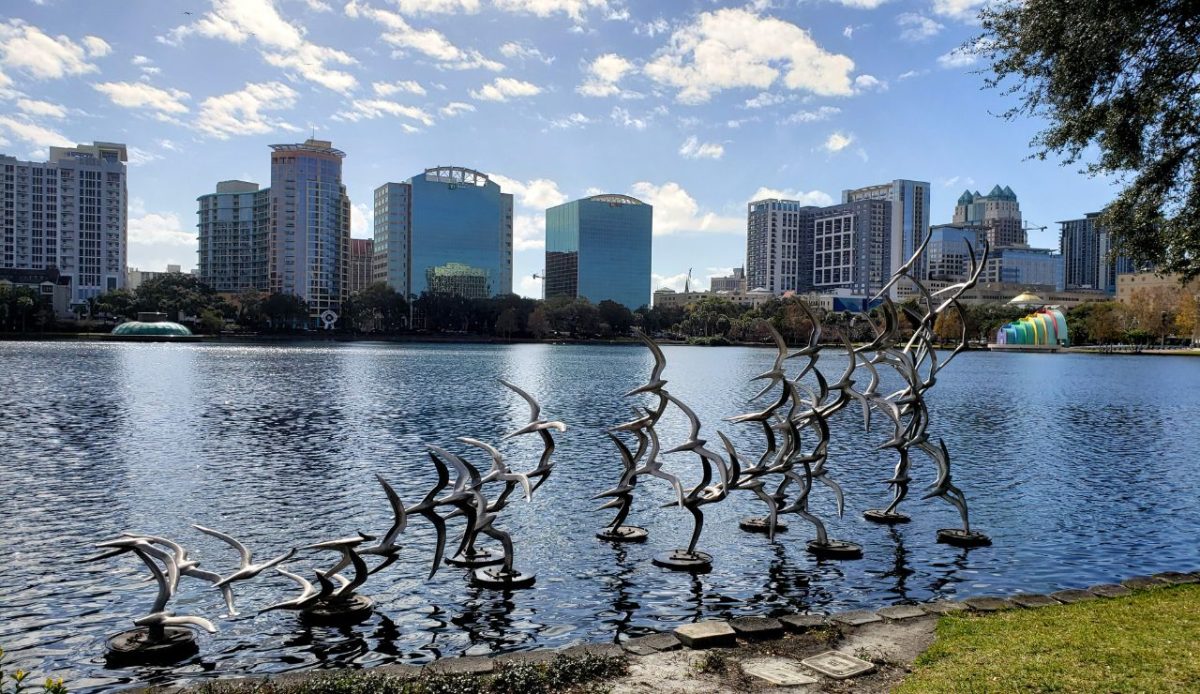
Orlando continues to add hotels near theme parks, convention centers, and entertainment corridors. The city’s economy relies heavily on tourism, encouraging constant expansion of lodging options to meet visitor demand.
Road networks and transit systems face heavy seasonal strain. Traffic congestion around major attractions is common, and public transportation options for tourists are limited. Airport capacity has improved, but ground transportation remains a bottleneck.
As hotel clusters grow, demands on water, waste management, and emergency services increase. The city illustrates how tourism-focused development can overwhelm infrastructure without careful coordination.
4. Phoenix
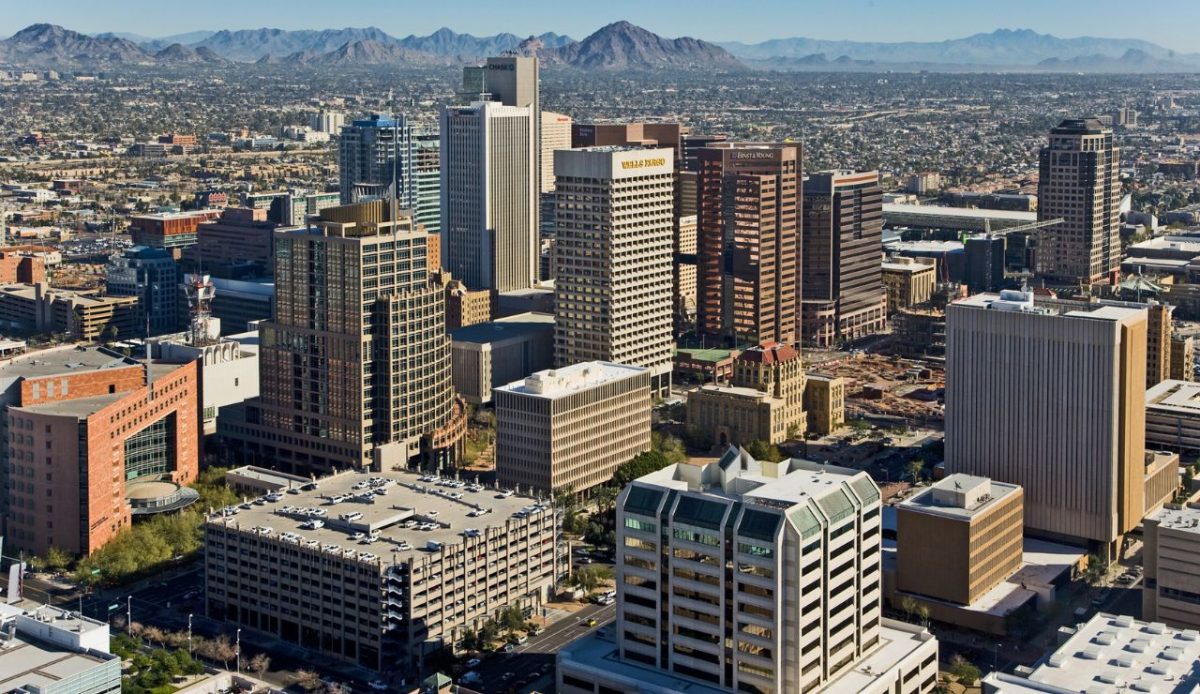
Phoenix has seen rapid hotel growth tied to conventions, professional sports, and population expansion. New hotel projects are concentrated downtown and near major venues, increasing density in areas that previously supported lower development intensity. Developers continue adding capacity to meet steady visitor demand.
Infrastructure challenges are shaped by car dependence and extreme summer heat. Road congestion is common during large events, while public transit coverage remains limited across key visitor corridors. Water use, energy demand, and cooling needs continue to rise.
Without parallel investment in transit and utilities, hotel overbuilding adds strain to systems already adapting to climate and regional growth pressures.
5. Denver
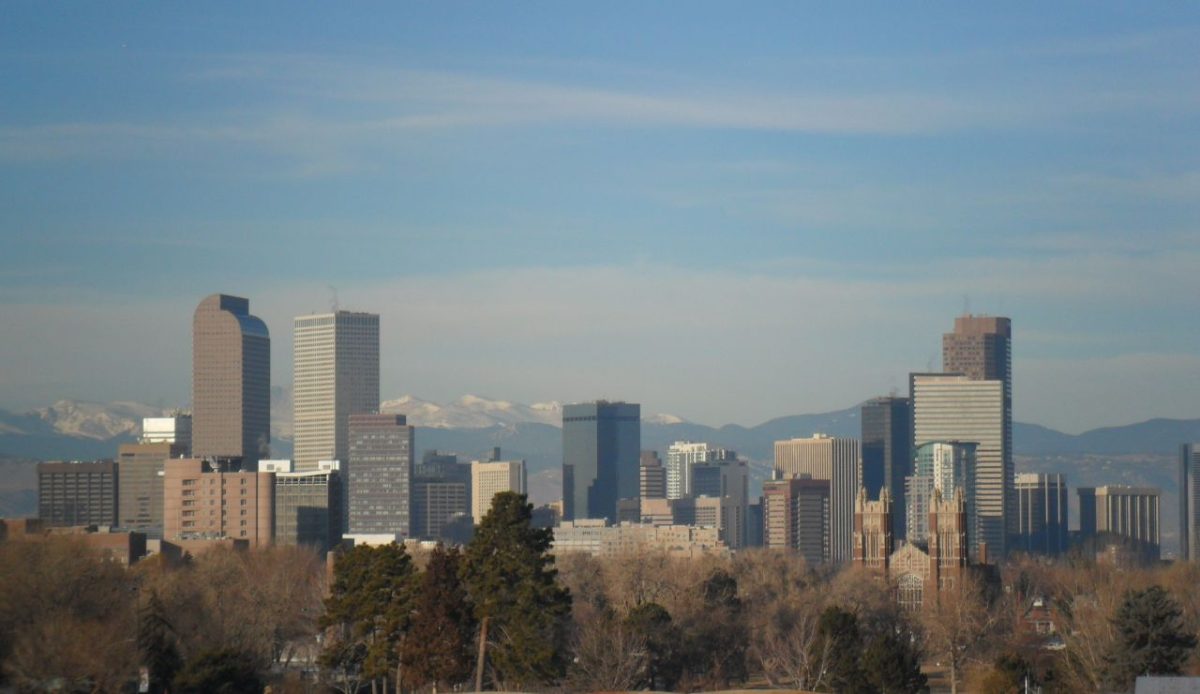
Denver’s hotel market has expanded alongside its role as an outdoor recreation gateway and growing business center. New hotels cluster downtown and near the airport to serve conferences, tourism, and steady year-round travel demand. Development has continued as visitor numbers rise.
Public transit has grown, but capacity limits remain during peak periods. Road congestion and airport crowding are common during major events and seasonal travel surges, affecting both visitors and daily city operations.
Infrastructure improvements often lag behind private development. As lodging capacity increases, gaps between hotel supply and transportation efficiency become more noticeable.
6. Las Vegas
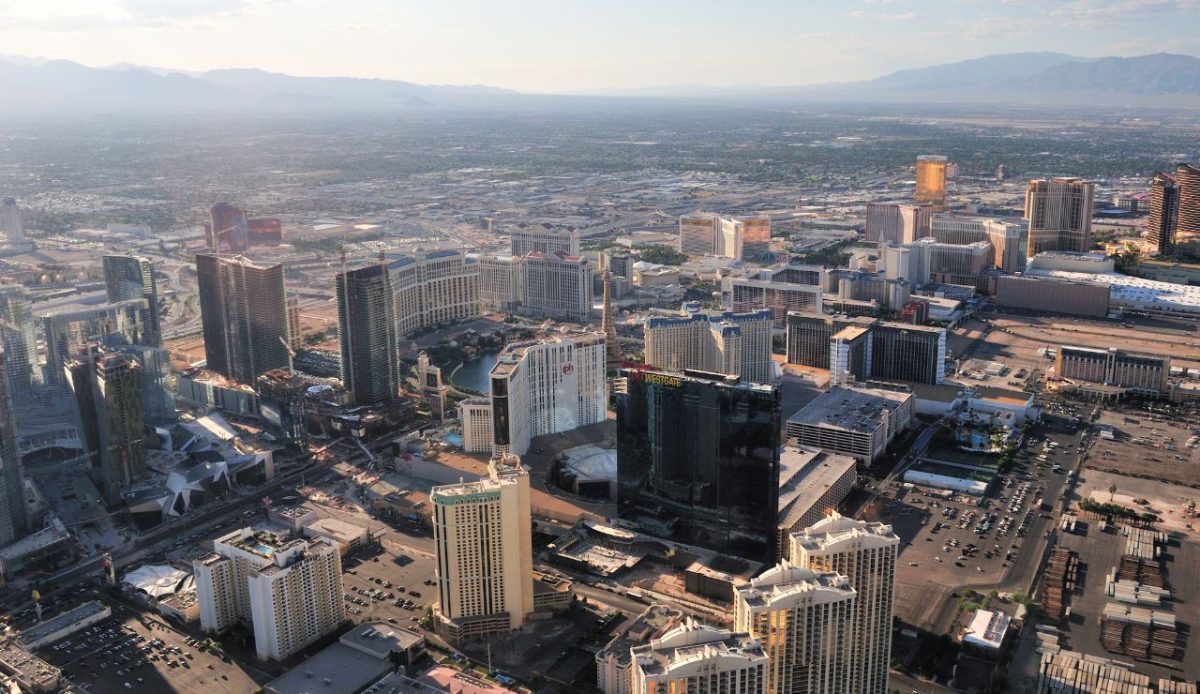
Las Vegas remains heavily defined by large-scale hotels, yet new resort construction continues. Additional rooms are added to support conventions, entertainment, and major events that draw visitors throughout the year. Hotel supply remains central to the city’s tourism-driven economy.
Infrastructure systems face ongoing strain, particularly transportation networks, water supply, and energy use. Visitor surges contribute to road congestion and place added pressure on public services during peak periods. Desert conditions further limit flexibility.
Even in a city built for tourism, infrastructure must continually catch up, highlighting the risks of sustained hotel expansion without matching system upgrades.
7. Charleston
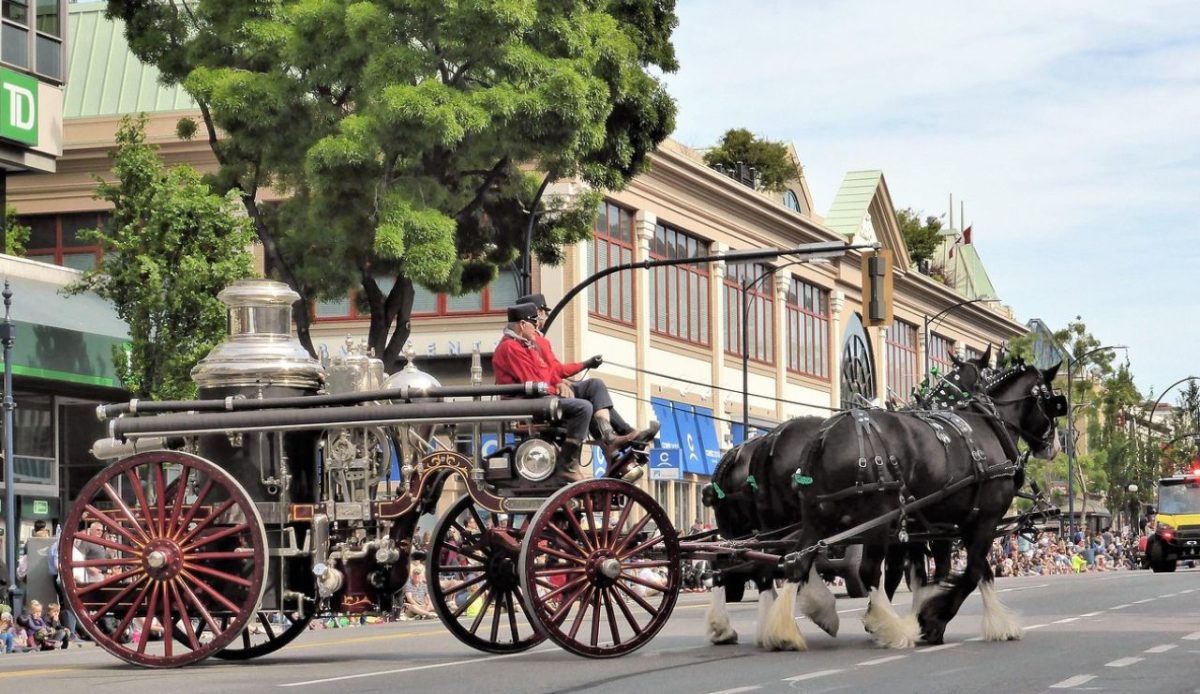
Charleston’s historic character has driven strong demand for hotels in and around its downtown core. Boutique properties and larger hotels cater to cultural tourism, cruise passengers, and seasonal visitors drawn to the city’s preserved architecture and coastal setting.
Infrastructure limitations are significant. Narrow streets restrict traffic flow, parking availability is limited, and many utility systems are aging. Flooding risks and preservation requirements add further complexity to modernization and expansion efforts.
As hotel density increases, pressure on transportation and public services grows, making the balance between tourism growth and livability increasingly difficult to maintain.
8. Boise
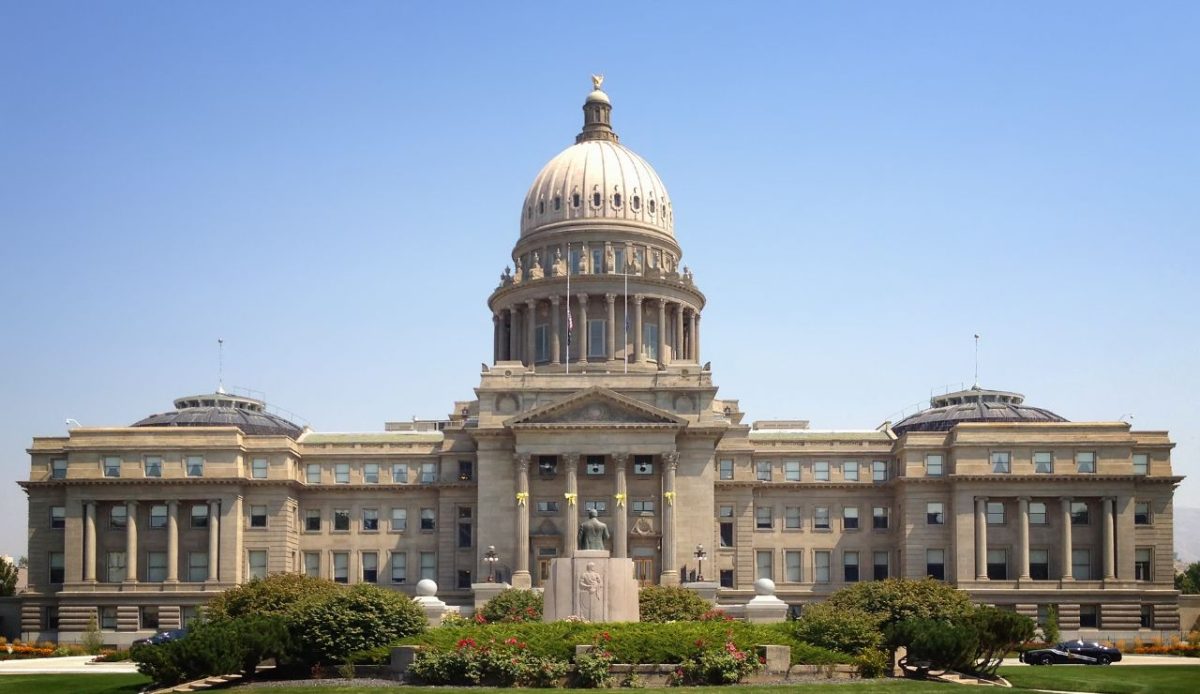
Boise has experienced steady hotel growth alongside population increases and rising regional business travel. New hotel projects aim to position the city as a competitive conference and leisure destination within the Pacific Northwest and Mountain West regions.
Infrastructure expansion has not kept pace with this development. Road congestion is becoming more common, public transit options remain limited, and public services face higher demand during peak visitor periods. These challenges affect both residents and short-term travelers.
Hotel construction has advanced faster than long-term capacity planning, creating visible strain as visitor numbers continue to rise across the metro area.
9. Savannah
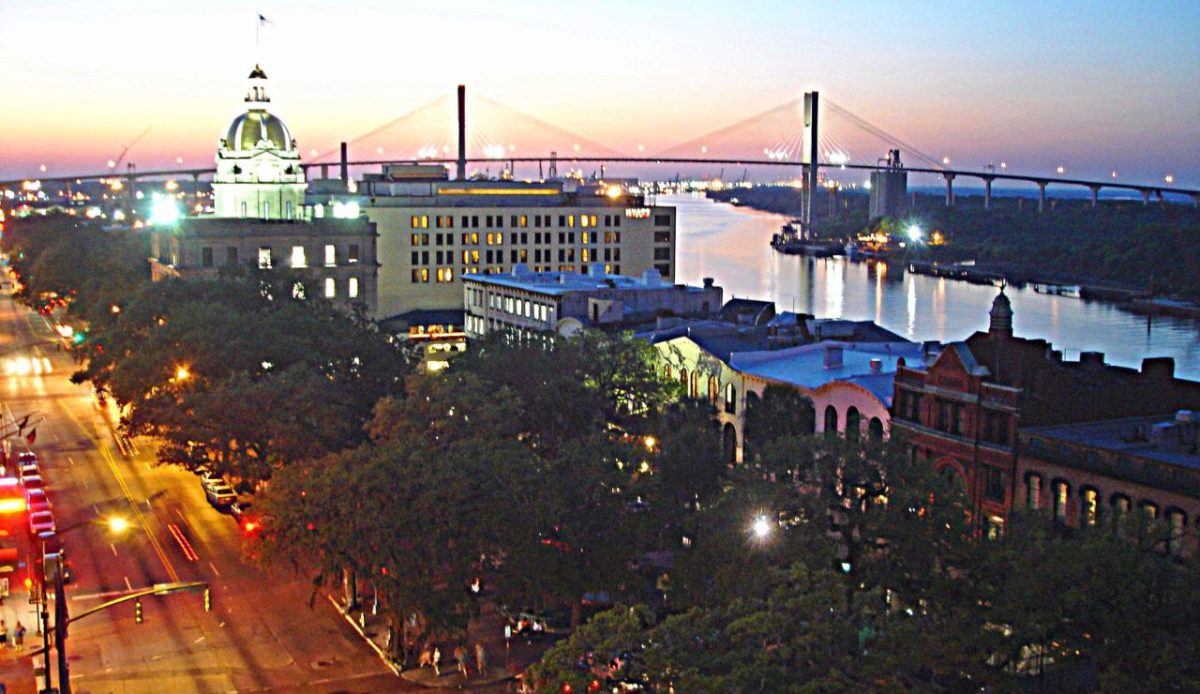
Savannah’s tourism appeal has led to a surge in hotel construction near its historic districts. New developments target leisure travelers, weddings, and event-based tourism that draws visitors throughout the year.
Infrastructure challenges include limited road capacity, persistent parking shortages, and aging utility systems. Preservation rules designed to protect historic character slow modernization efforts and restrict large-scale infrastructure upgrades.
As lodging density increases, existing systems struggle to support higher visitor volumes, placing growing pressure on services not designed for concentrated hotel development.
10. San Antonio
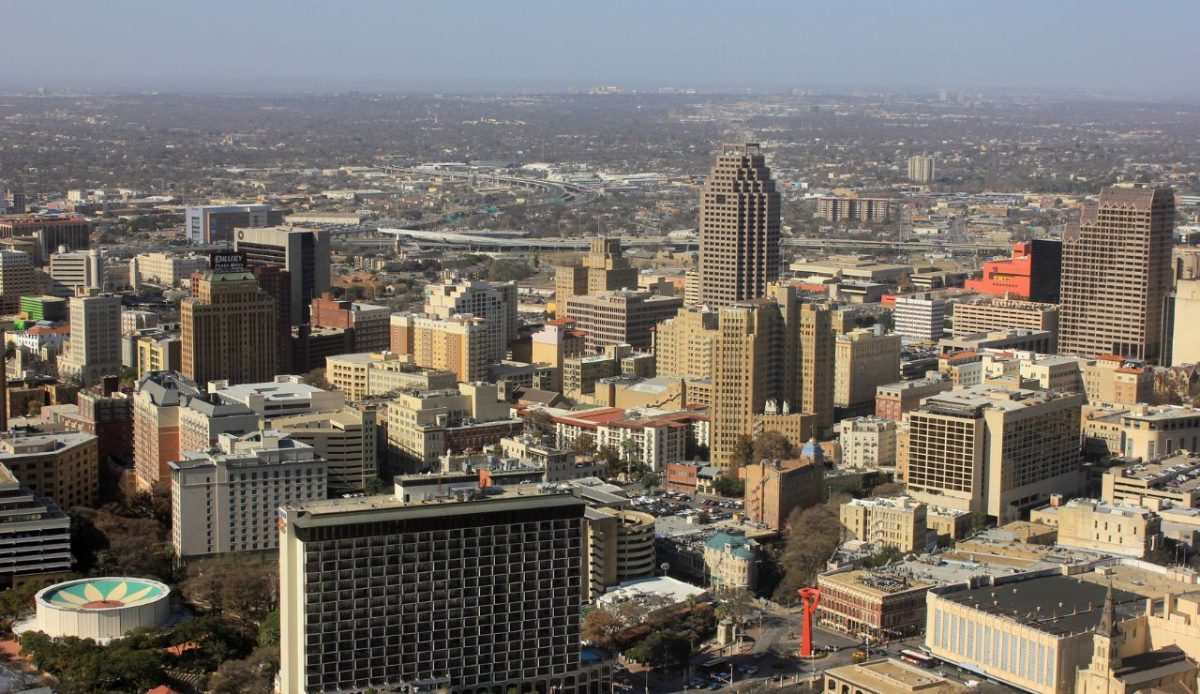
San Antonio continues to expand hotel capacity around the River Walk, convention center, and nearby tourism districts. New lodging projects mainly support conventions, festivals, and large events that generate steady visitor traffic throughout the year. Tourism remains a major driver of hotel development.
Traffic congestion is common in these busy areas, especially during peak travel periods. Public transit expansion has been limited, leaving visitors reliant on cars, shuttles, and rideshare services. Utilities and emergency services also face higher demand during major events.
Hotel growth has outpaced infrastructure improvements, exposing planning gaps in areas experiencing sustained tourism pressure.
11. Tampa
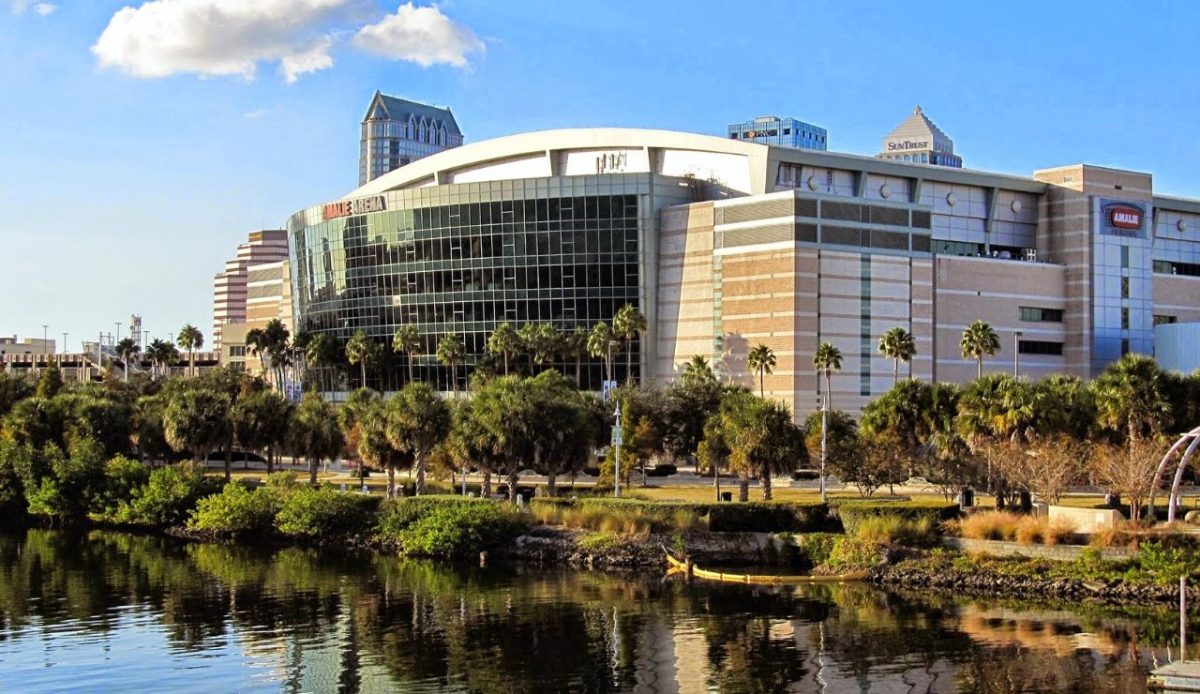
Tampa’s hotel construction reflects its expansion as a cruise port, convention center, and regional tourism hub. New properties are clustered near downtown, the waterfront, and transportation corridors to capture demand from cruise passengers, business travelers, and event attendees.
Transportation networks face increasing strain during seasonal peaks, especially when cruise schedules and large conventions overlap. Stormwater systems and road capacity are also challenged during heavy use periods, complicating mobility and service delivery for visitors and residents.
Infrastructure investment has not fully kept pace with development, creating uneven capacity as hotel density continues to rise in key districts.
12. Salt Lake City
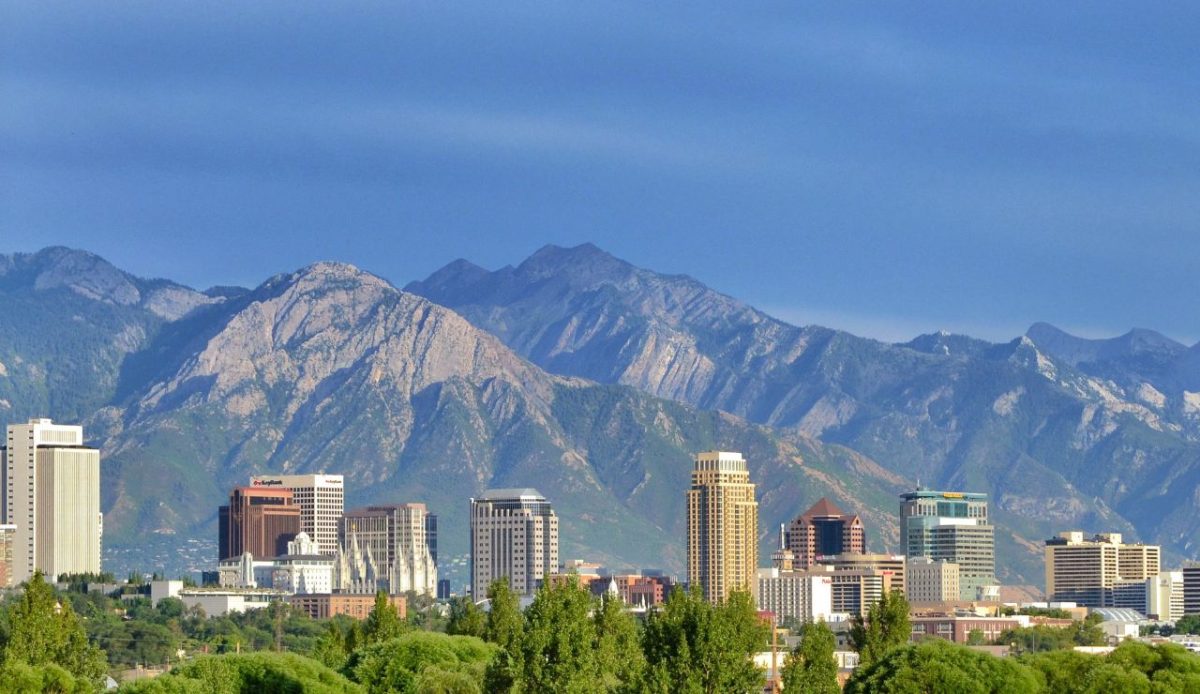
Salt Lake City has expanded hotel capacity to support conventions, regional tourism, and growing business travel. Downtown development has accelerated as the city positions itself as a central meeting point for events, conferences, and seasonal tourism activity.
Transit improvements exist, but system capacity remains limited during high-demand periods. Road congestion, competition for urban land, and housing pressures complicate long-term infrastructure planning. These factors affect both visitor movement and daily city operations.
Hotel growth has advanced faster than coordinated infrastructure expansion, increasing pressure on transportation systems and public services.
13. Reno
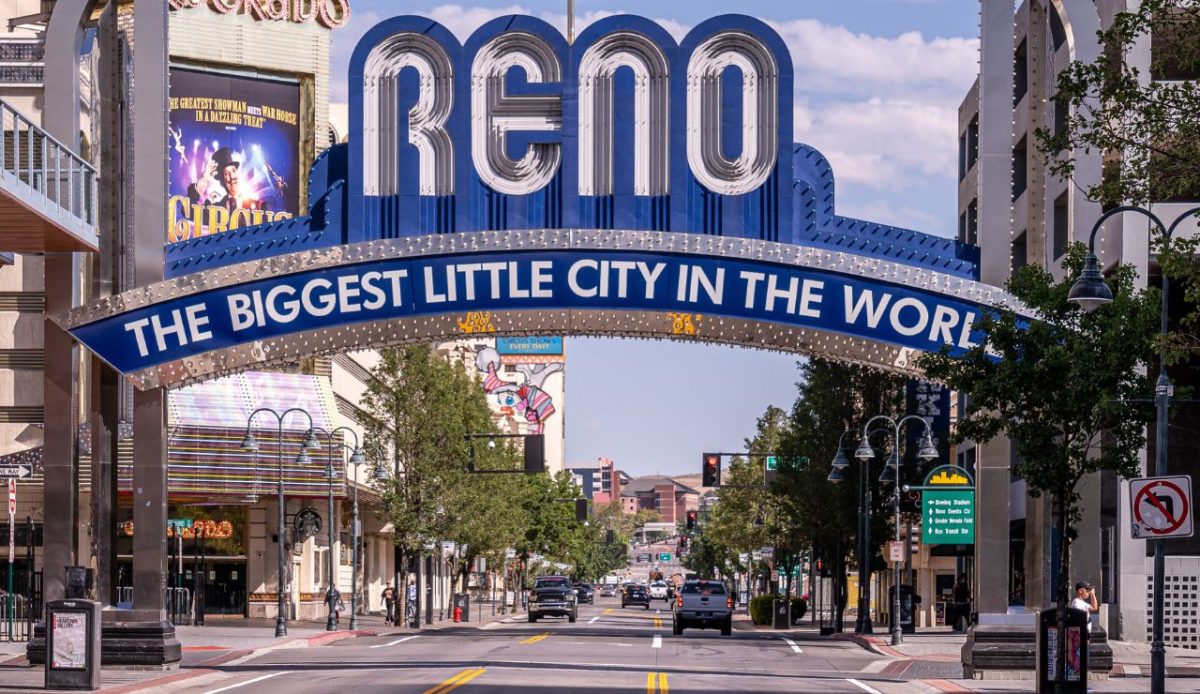
Reno’s hotel development has rebounded as the city repositions itself for tourism, conventions, and business travel. New projects focus on downtown revitalization and resort-style properties intended to attract visitors throughout the year rather than seasonal peaks alone.
Infrastructure systems are adjusting to renewed demand, but upgrades often lag behind construction timelines. Transportation networks, utilities, and public services face mounting pressure as visitor volumes rise during events and peak travel periods.
Reno demonstrates how renewed hotel growth can quickly expose infrastructure gaps when expansion outpaces coordinated capacity planning.
