
America’s lakes are central to recreation, drawing millions for boating, fishing, swimming, and lakeside relaxation. From mountain retreats to desert reservoirs, they fuel tourism and local economies.
But shrinking water levels are increasingly threatening this lifestyle. Drought, climate change, and upstream water usage are exposing mudflats, limiting access, and altering scenic views. Boaters face grounded docks, fish populations decline, and marinas struggle to operate.
This article examines 10 U.S. lakes where declining water levels are seriously impacting tourism, exploring the consequences for visitors and communities alike.
1. Lake Mead, Nevada/Arizona
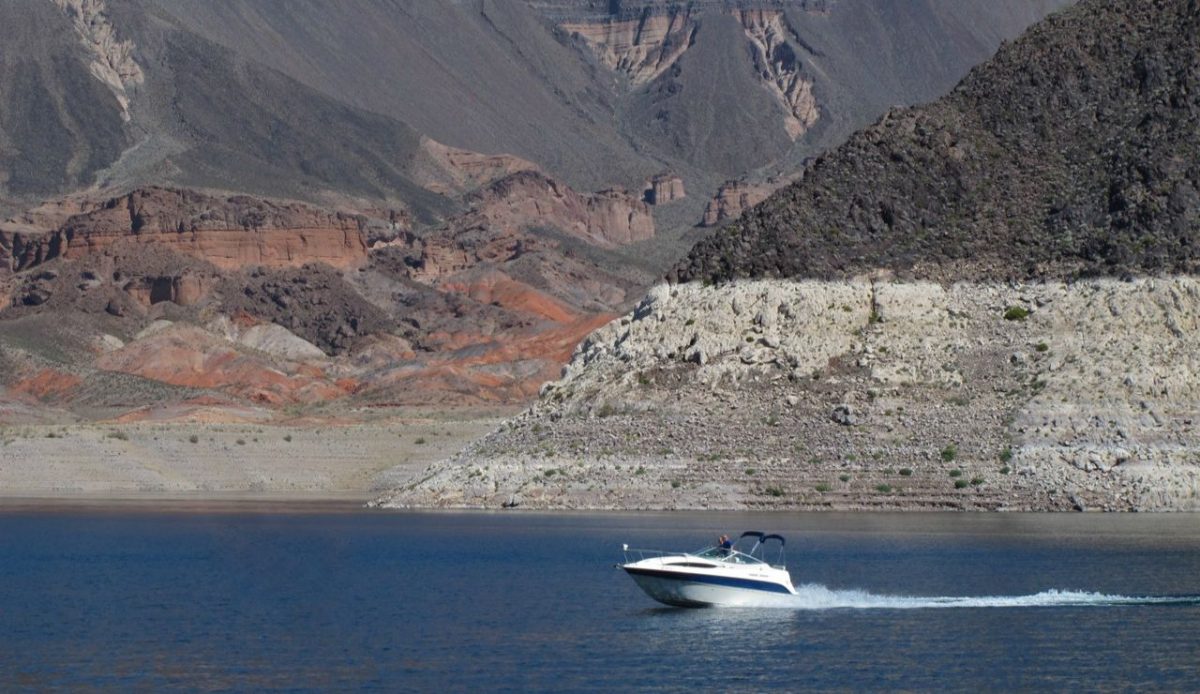
Lake Mead, the largest reservoir in the country, has dropped to historic lows after years of drought and heavy Colorado River demand. White “bathtub rings” along canyon walls visually mark how far the water has fallen.
Marinas have relocated multiple times, several boat ramps have permanently closed, and once-busy coves now sit dry. Houseboat operators constantly adjust routes due to shallow channels.
Tourism-dependent communities such as Boulder City and nearby areas report reduced visitor spending, especially during peak boating season, raising concerns about long-term economic stability tied to water recreation.
2. Lake Powell, Utah/Arizona
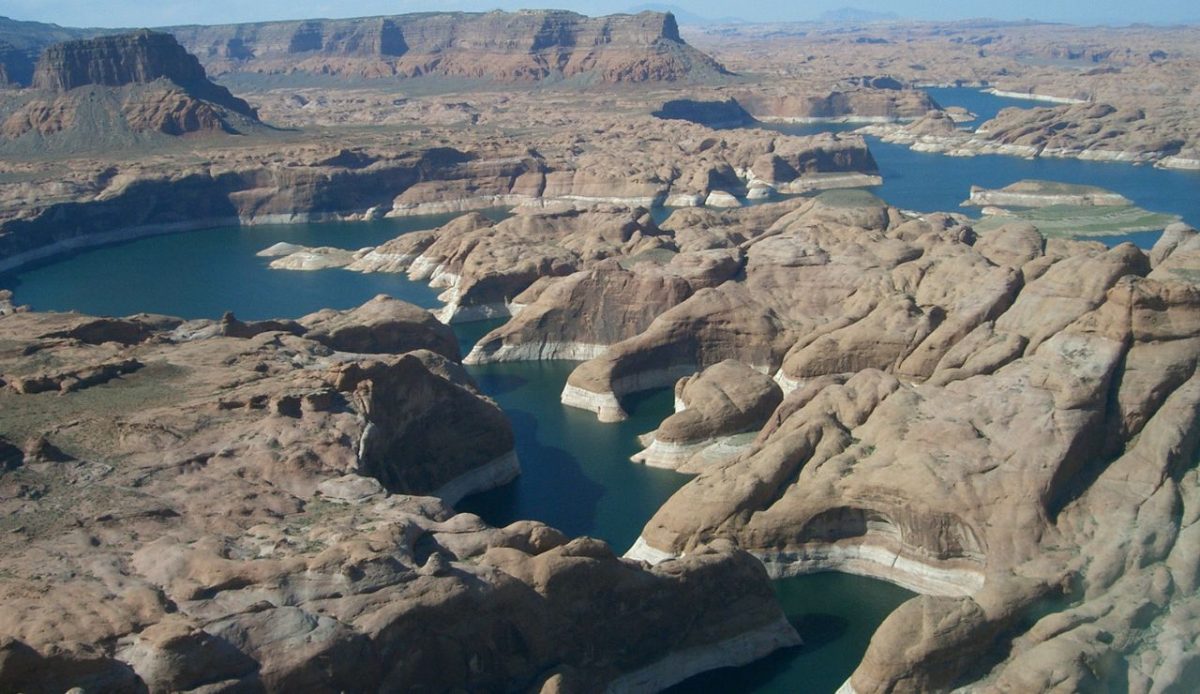
Lake Powell has also suffered severe declines, with dramatic drops in water depth exposing rock formations and stranding boats along once-busy shorelines.
Visitors face long waits and complicated planning to access launch ramps. Tour operators struggle to adjust schedules, and floating house rentals are disrupted as navigational routes change. Some marinas have had to relocate docks multiple times within a single season.
Despite the stunning red-rock scenery, diminished water levels hinder kayaking, boating, and fishing, causing a noticeable decline in tourism revenue for nearby towns that rely heavily on seasonal visitors.
3. Lake Oroville, California
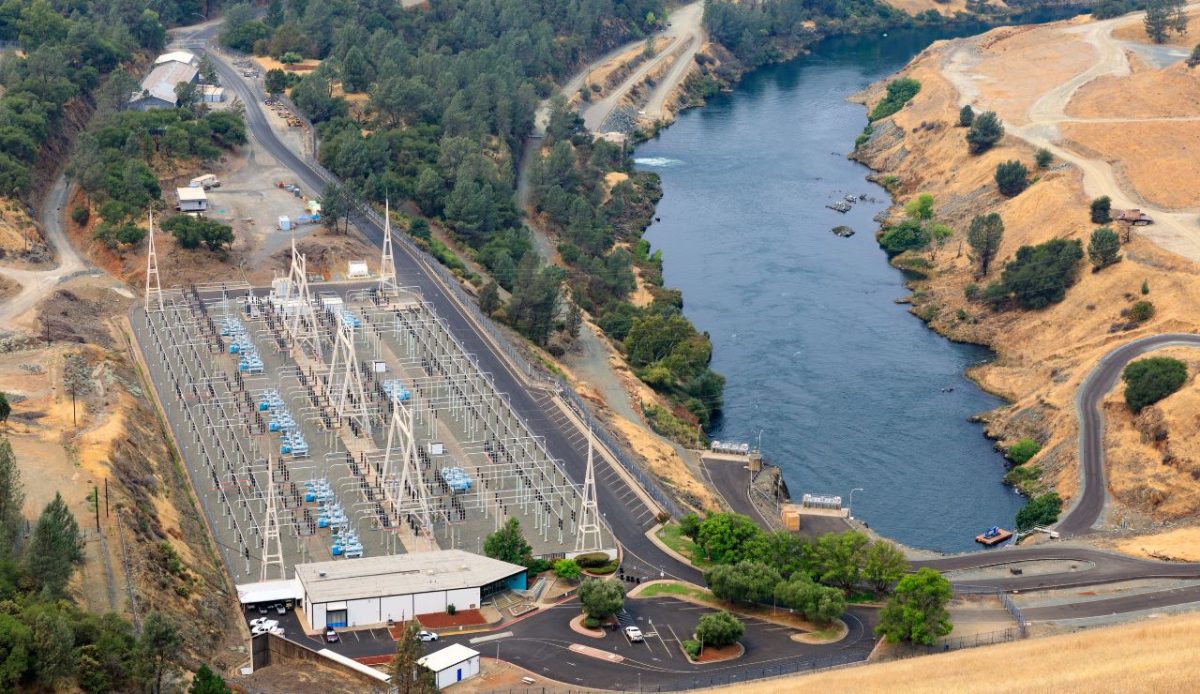
California’s Lake Oroville has experienced persistent drought-induced declines, affecting boat access and shoreline recreation throughout multiple seasons.
The marina faces challenges with low docks and grounded vessels, limiting visitor engagement in water-based activities. Fishing is disrupted as habitats shrink, and beaches once popular for family outings are reduced to rocky stretches. Boat ramps have periodically closed due to insufficient depth.
Communities that depend on the lake for seasonal tourism are seeing fewer visitors, leading to reduced income for local businesses, campgrounds, and rental operators.
4. Lake Shasta, California
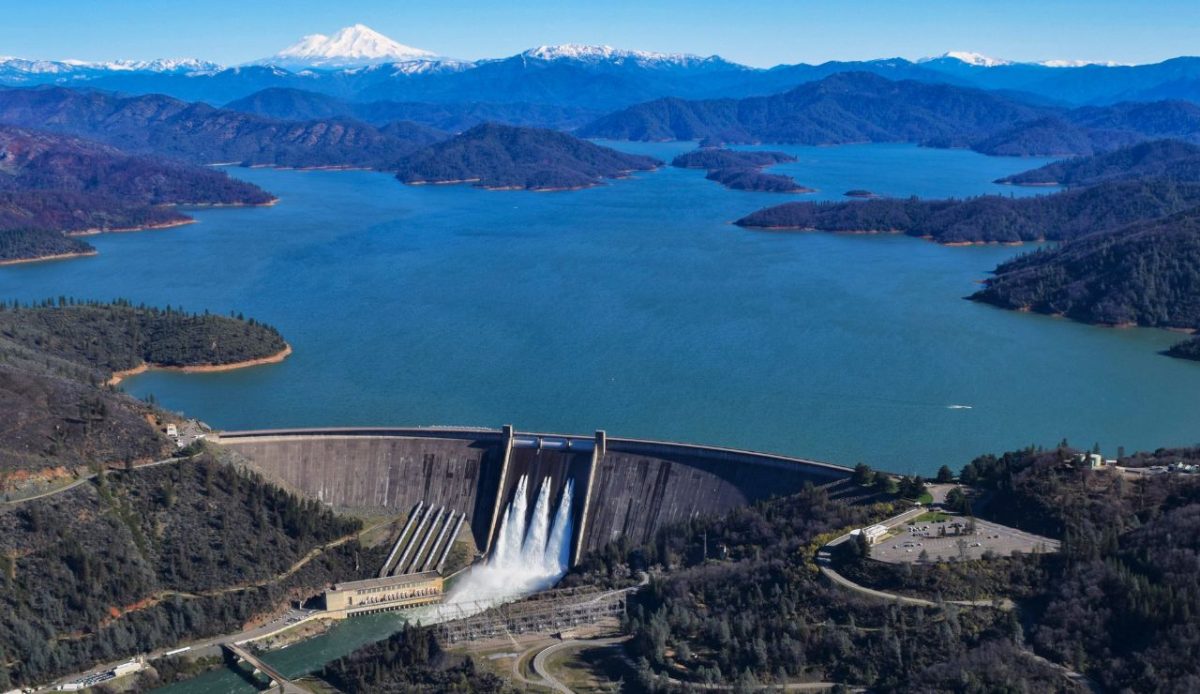
Lake Shasta, one of California’s largest reservoirs, has seen major drops in water volume due to drought.
Recreational boating and water sports are heavily impacted, with marinas relocating or closing temporarily. Fishing access is limited, and campgrounds along the shoreline are exposed or reduced in usability.
Tourism-dependent communities around the lake are feeling economic pressure as fewer visitors can enjoy the lake as intended, with long-term implications for local jobs and services. Businesses that rely on summer houseboat rentals and lakeside events report shorter peak seasons, and visitors are often surprised by the stark “bathtub ring” marking how far the water has receded.
5. Lake Texoma, Texas/Oklahoma
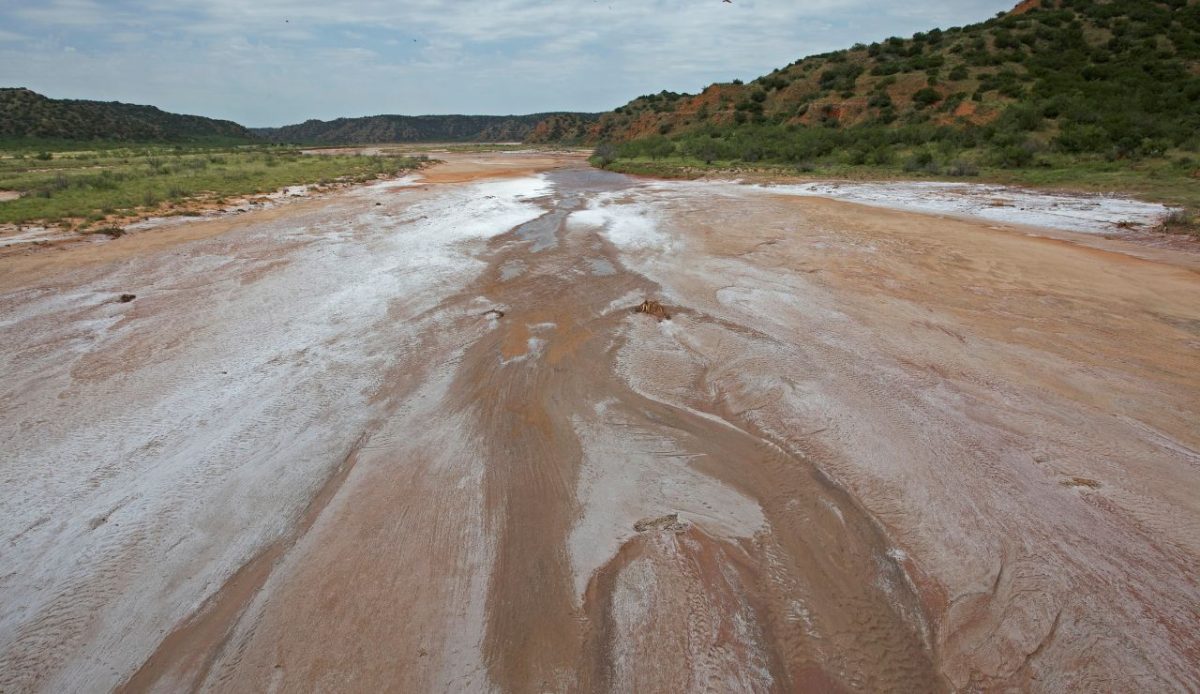
Lake Texoma is experiencing noticeable fluctuations in water levels that limit boating and fishing opportunities.
Marinas have adjusted operations, some docks sit higher above the waterline, and recreational access is disrupted during low periods. Anglers find fish populations harder to reach, and the overall visitor experience feels less seamless than in wetter years.
Tourism businesses are adapting, but fewer visitors are spending full weekends on the water, reducing income from rentals, guided trips, and hospitality. Local festivals and fishing tournaments have also had to adjust schedules, reflecting how unpredictable water levels now influence regional tourism planning.
6. Lake Havasu, Arizona/California
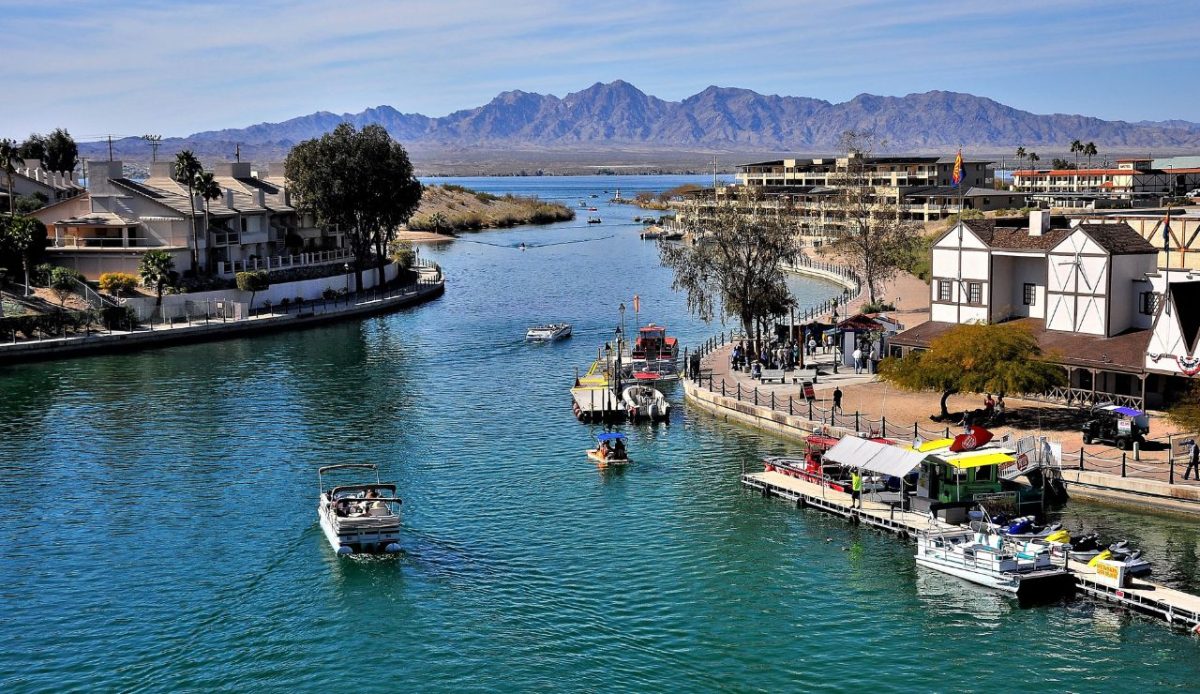
Lake Havasu’s water levels fluctuate during extended dry seasons, impacting boating, jet skiing, and houseboat rentals.
Shallow areas expose mudflats and rocky shorelines, restricting access to some coves and reducing available anchorage. Marina operators must continually reposition docks, increasing operational costs and limiting available slips.
Tourists find the lake less navigable in certain areas, limiting recreational options and potentially reducing visitor numbers during peak travel months. Businesses that depend on spring break and holiday crowds are particularly vulnerable when water access becomes complicated or visually less appealing.
7. Great Salt Lake, Utah
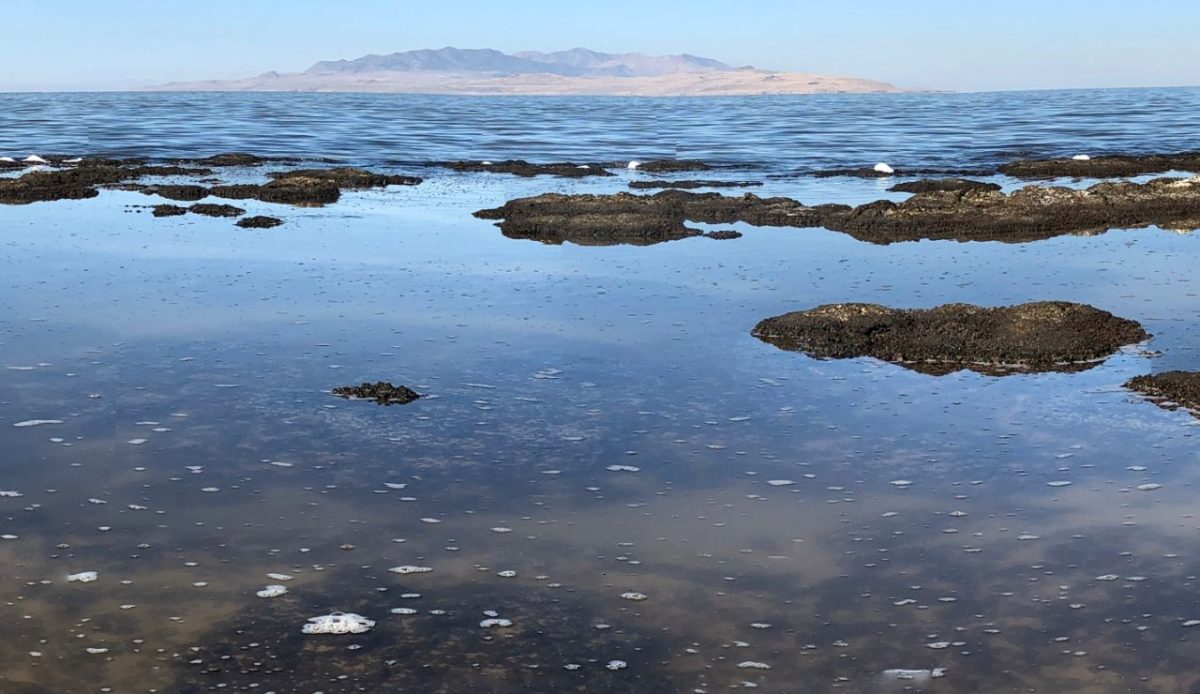
The Great Salt Lake has experienced dramatic and historic water level declines, exposing vast stretches of lakebed that were once submerged. As shorelines retreat, marinas and boat launches have struggled to remain operational, limiting recreational boating and wildlife viewing opportunities. The lake’s shrinking size has also altered its famous reflective landscapes.
Tourism is tied to sailing, and photography faces uncertainty as access points move farther from the water. Dust from exposed lakebed areas has raised environmental and health concerns, prompting conservation discussions.
While still visually striking, the lake’s receding waters highlight how environmental change can directly impact regional tourism and visitor expectations.
8. Lake Chelan, Washington
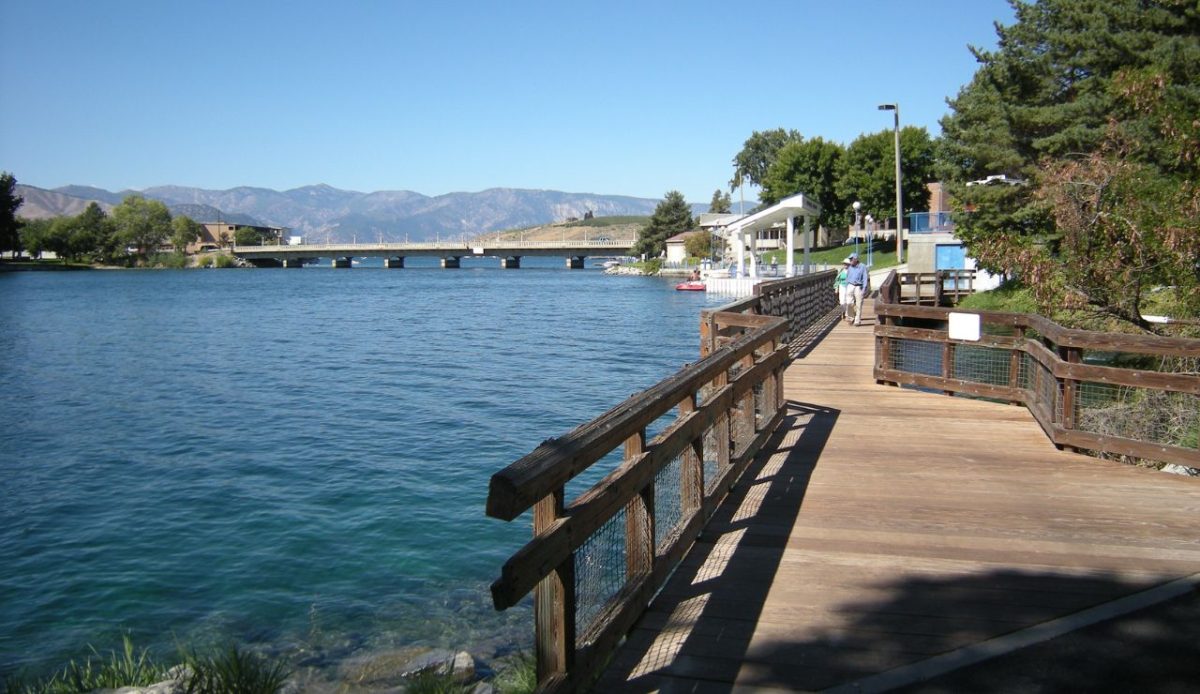
Lake Chelan, a deep glacial lake, has experienced reduced inflows during dry years, affecting boating and shoreline recreation.
Boat launches require adjustments, and floating docks must be repositioned more frequently to maintain safe access. Water sports rentals face operational uncertainty as shoreline conditions shift.
Local tourism businesses, including hotels, wineries, and restaurants, notice subtle declines in extended stays when water levels drop. While still scenic, the lake’s reduced accessibility can change the overall vacation dynamic for families seeking carefree days on the water.
9. Lake Winnipesaukee, New Hampshire
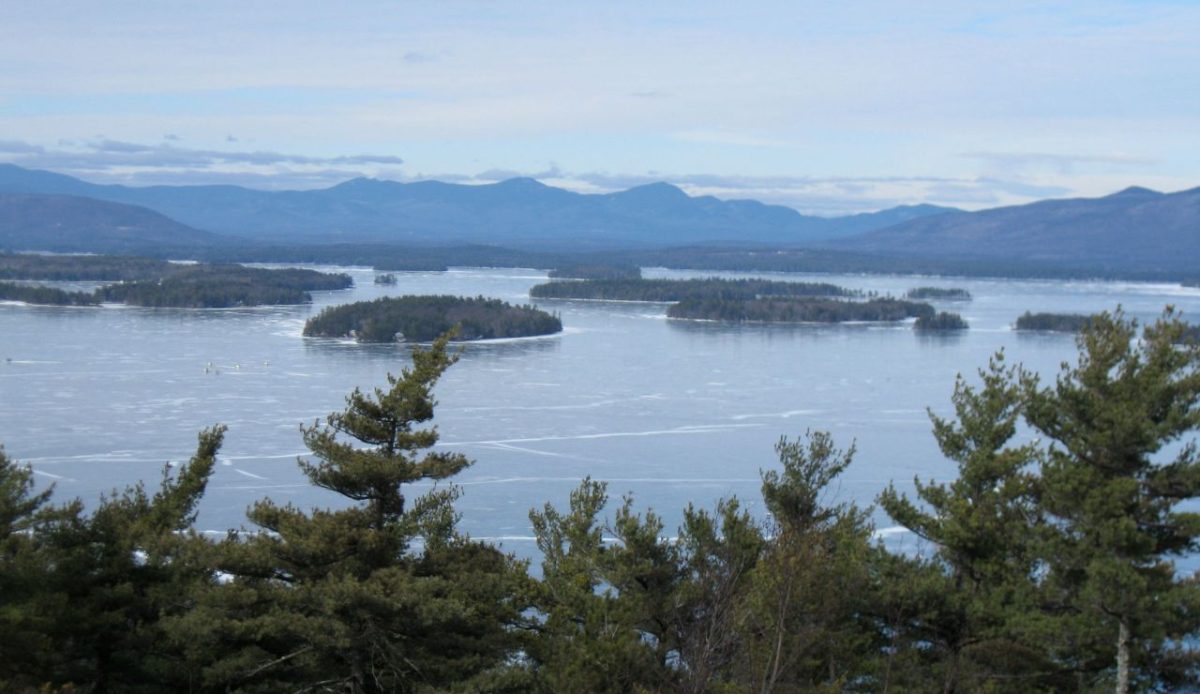
Lake Winnipesaukee has faced recurring low-water events in recent years, especially during dry late summers, which restrict boating and limit access to popular coves and marinas. Visitors sometimes encounter extended docks, exposed rocks, and altered shoreline conditions that make navigation more complicated for unfamiliar boaters.
Reduced water depth affects sailing, kayaking, and fishing patterns, with some species relocating to deeper pockets. Seasonal businesses that depend on steady lake activity report shorter peak periods and fewer spontaneous visits.
For travelers expecting a classic New England lake escape, fluctuating water levels can subtly but noticeably change the experience.
10. Lake Erie
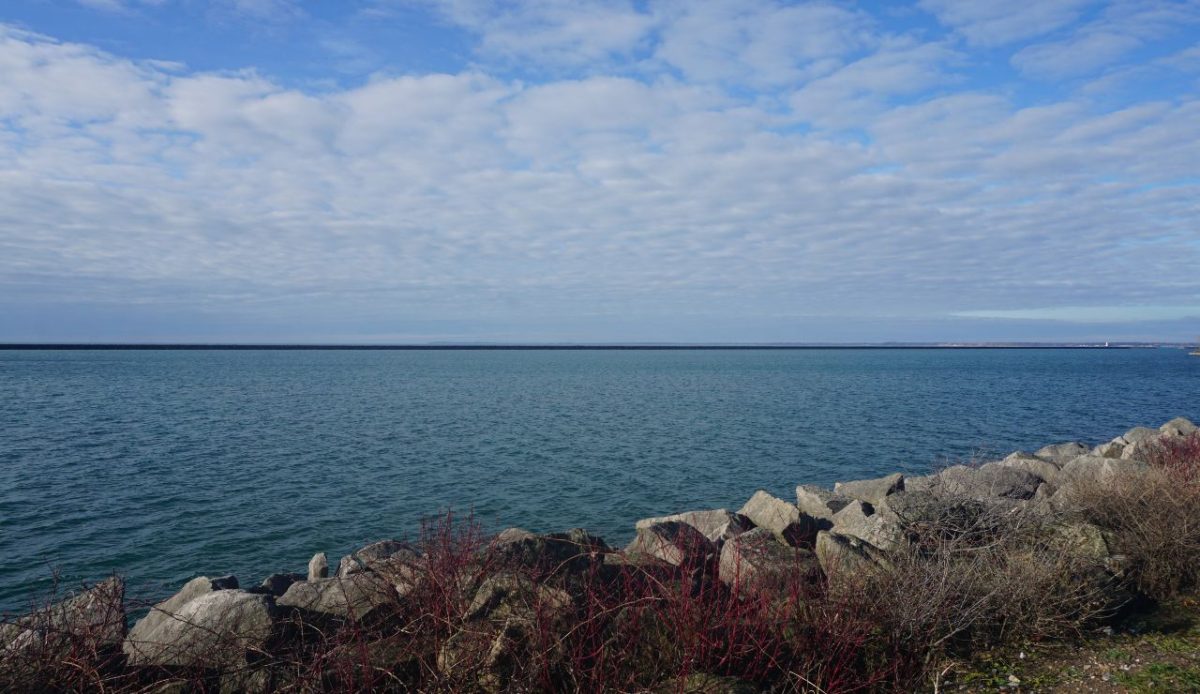
Lake Erie experiences noticeable seasonal drops and fluctuations that affect harbors, docks, and beach access.
Boaters must navigate shallower channels, and some marinas temporarily reduce available slips. Shoreline recreation, including fishing charters and paddle sports, can be limited when water retreats from established infrastructure.
Tourism along Lake Erie’s shores suffers when visitor access feels uncertain or visually altered. Communities across multiple states are investing in adaptive infrastructure, yet concerns remain about how sustained fluctuations could reshape the region’s long-standing identity as a dependable summer lake destination.
