
RV travel has long been a symbol of freedom, adventure, and flexibility across the Western United States. From scenic national parks to bustling city centers, travelers rely on their mobile homes to explore at their own pace.
However, many Western cities are now restricting RV access, citing congestion, parking shortages, and community complaints. Overnight parking bans and tightened campground regulations have created frustration among enthusiasts.
This article examines nine Western cities where RV travelers face growing restrictions, exploring the reasons behind the pushback and the impact on tourism and mobile lifestyles.
1. San Francisco, California

San Francisco has imposed strict rules on RV parking, especially in popular neighborhoods and near tourist attractions.
City officials cite congestion, environmental concerns, and residential complaints as reasons for limited overnight stays. Many public lots and streets now prohibit RV parking during nighttime hours, forcing travelers to seek distant alternatives.
For RV travelers, this means fewer convenient spots and longer drives to legal parking. Apps and local guides are essential, but navigating the city remains a challenge for large vehicles. Visitors often report difficulty balancing sightseeing with compliance, especially during busy weekends or festival seasons.
2. Los Angeles, California
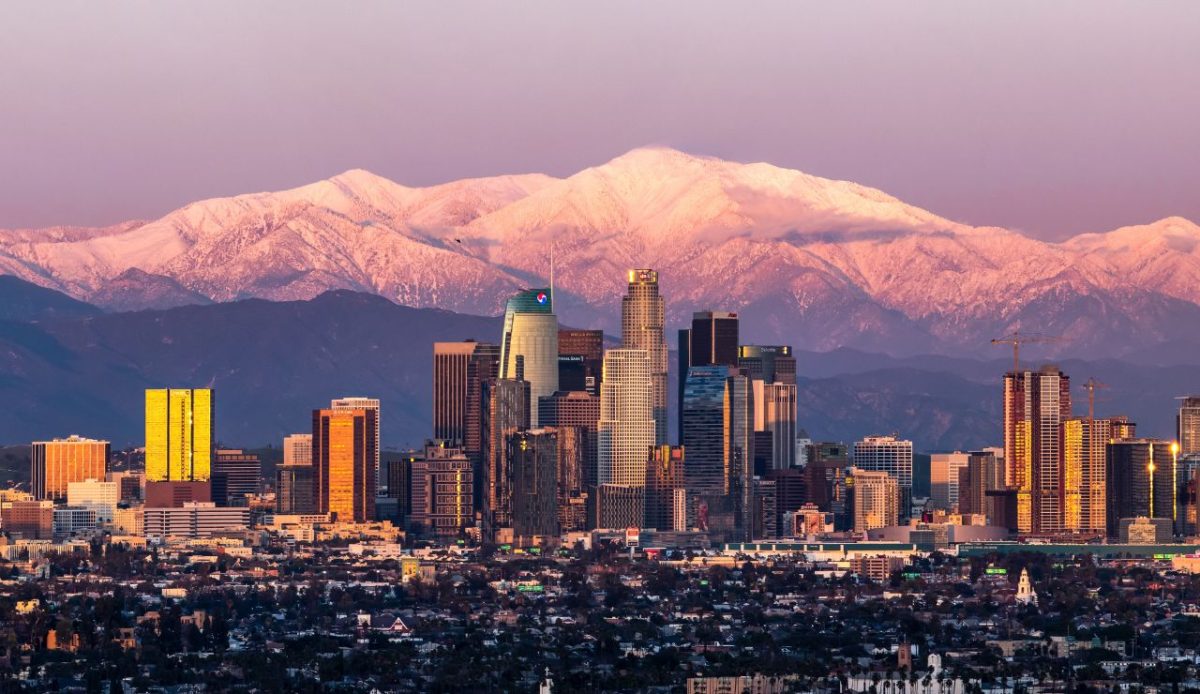
Los Angeles faces high demand for parking in densely populated areas, leading to tighter RV restrictions.
Many streets and public lots prohibit overnight stays, and private campgrounds often fill quickly due to limited space. City ordinances aim to reduce congestion, environmental impact, and noise complaints in residential neighborhoods.
RV travelers must plan carefully, as violations can result in fines or towing. Despite scenic attractions, LA’s urban density creates constant challenges for those trying to combine city exploration with mobile living. Tourists frequently need to reserve months in advance, particularly during holiday seasons or major events, to secure legal parking and avoid penalties.
3. Seattle, Washington
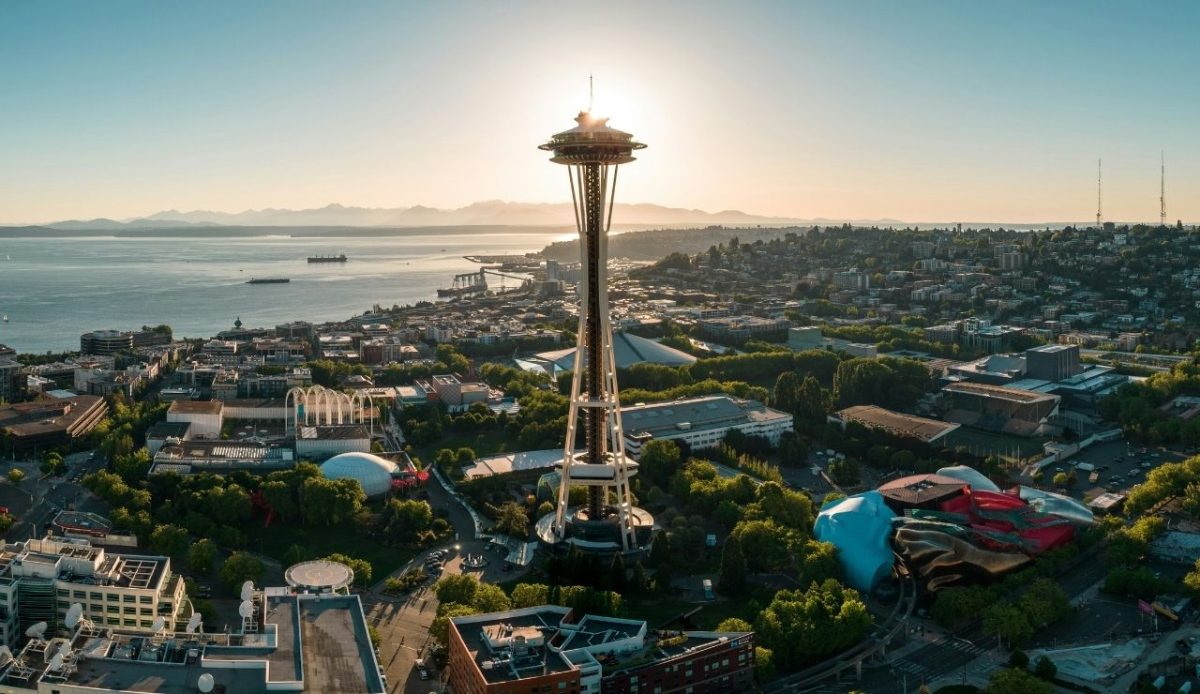
Seattle has limited RV parking near downtown and popular waterfront areas, enforcing strict overnight bans.
City officials cite safety, environmental, and congestion concerns, while residents express frustration over large vehicles occupying city streets. Designated RV parks exist but are often far from city attractions, requiring additional travel.
For visitors, this creates a conflict between convenience and legality. Travelers must rely on apps and local guidance to locate legal overnight parking, balancing exploration with compliance. Additionally, seasonal tourist peaks make finding available spaces even harder, increasing stress for families and solo travelers relying on urban access for sightseeing.
4. Portland, Oregon
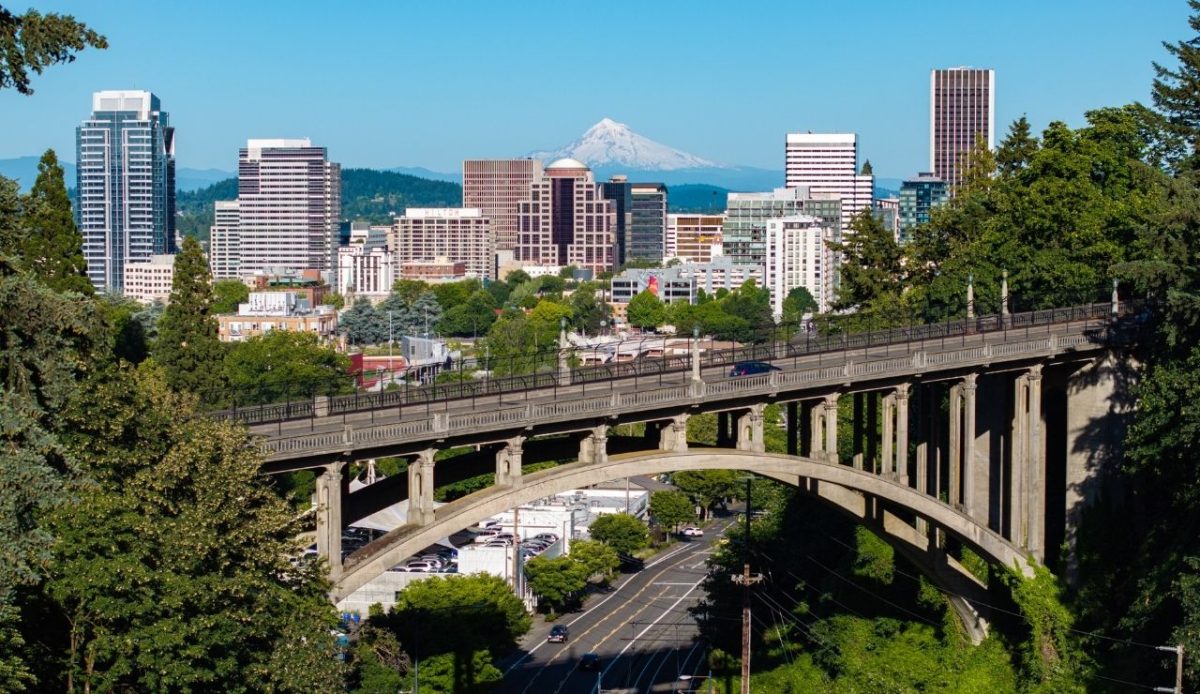
Portland has increasingly restricted RV access to city streets and certain public areas, especially near urban centers.
City planners point to neighborhood complaints, waste management issues, and limited infrastructure as reasons for the restrictions. Several popular overnight spots have been closed or limited to short-term use.
RV travelers face challenges finding convenient, legal parking without venturing to suburban or private campgrounds. The restrictions have sparked discussions about long-term city planning for RV tourism, including potential new zones for mobile travelers and improved facilities to balance tourism income with neighborhood livability and safety concerns.
5. Denver, Colorado
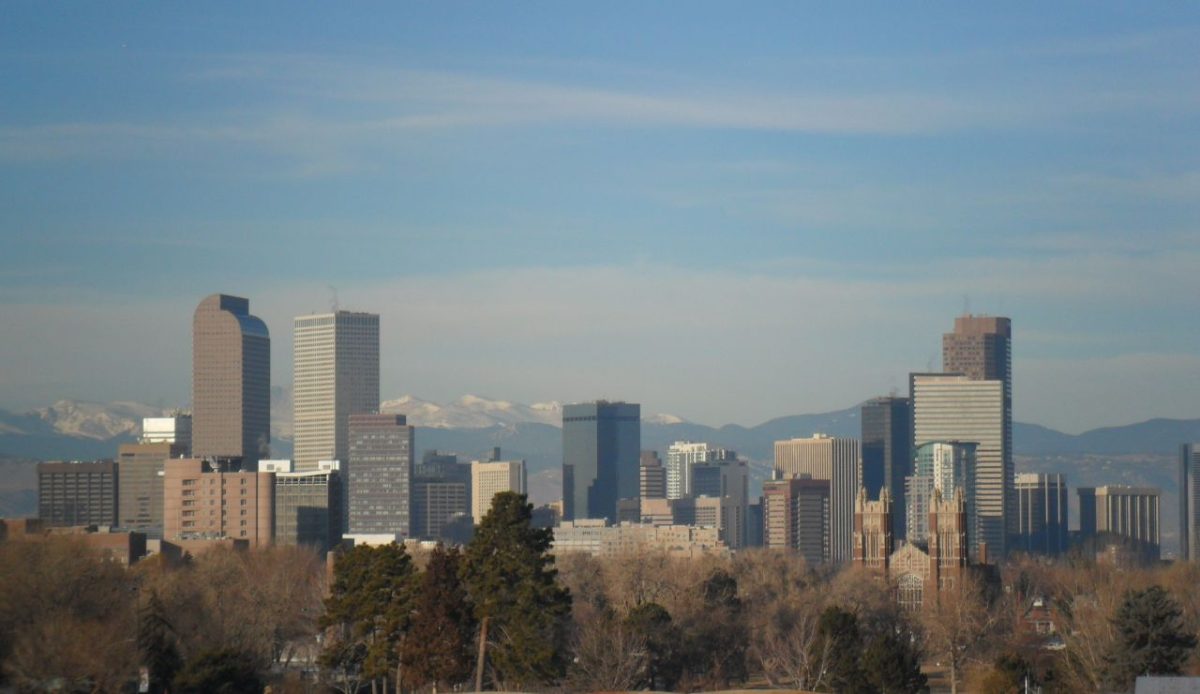
Denver enforces strict regulations on overnight RV parking within city limits, including public streets and municipal lots.
Authorities cite safety, congestion, and residential complaints, while legal RV parks are often located on the outskirts, requiring additional planning for city visits.
Travelers are encouraged to book in advance at private campgrounds or explore nearby state parks. Despite scenic attractions and outdoor opportunities, Denver’s policies make spontaneous urban RV adventures increasingly difficult, especially for travelers who prefer flexibility over rigid reservations. Crowding at available lots can also reduce the overall travel experience.
6. Salt Lake City, Utah
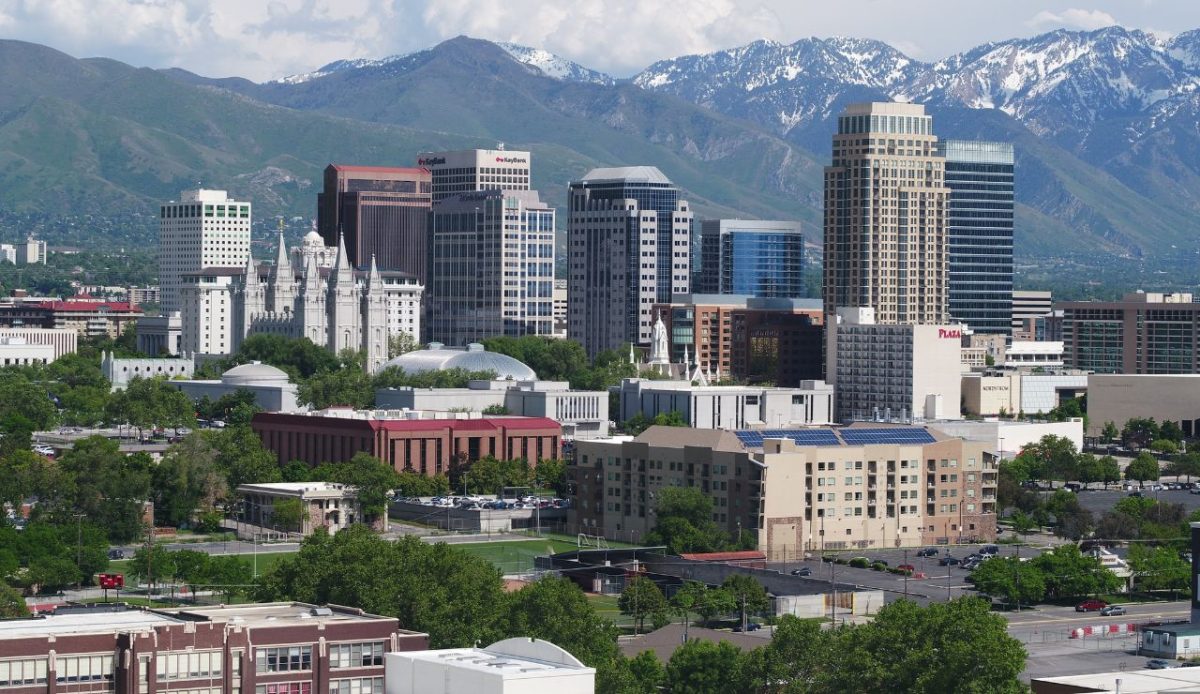
Salt Lake City restricts overnight RV parking in residential and commercial zones to reduce congestion and maintain public safety.
Enforcement includes fines for violations, and city-managed lots limit the number of spaces available for large vehicles. Many travelers now rely on private campgrounds or remote areas, which can be inconvenient.
The city is balancing tourism demand with neighborhood concerns, leaving RV enthusiasts to navigate legal options carefully while enjoying nearby recreational opportunities. During peak holiday periods, demand can exceed available legal parking, creating frustration and forcing travelers to arrive early or risk fines, impacting spontaneous travel plans.
7. Phoenix, Arizona
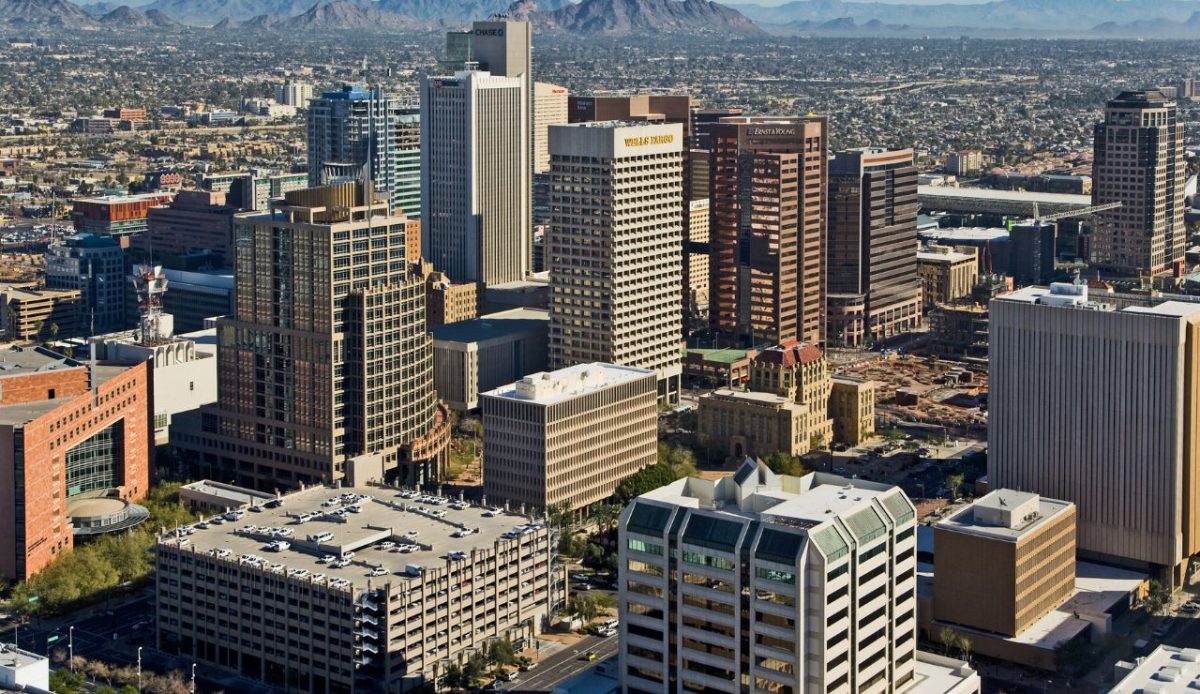
Phoenix has introduced new restrictions on RV parking in urban areas, limiting overnight stays on public streets and in popular districts.
Officials point to congestion, littering, and complaints from residents as key motivators. Designated RV parks exist but often require reservations during peak seasons.
Travelers must plan ahead, as penalties for parking violations can be severe. Despite sunny weather, scenic drives, and cultural attractions, navigating city restrictions can complicate RV travel in the area. Finding legal parking during major events or festivals can be particularly challenging, often pushing travelers further outside the city limits.
8. Las Vegas, Nevada
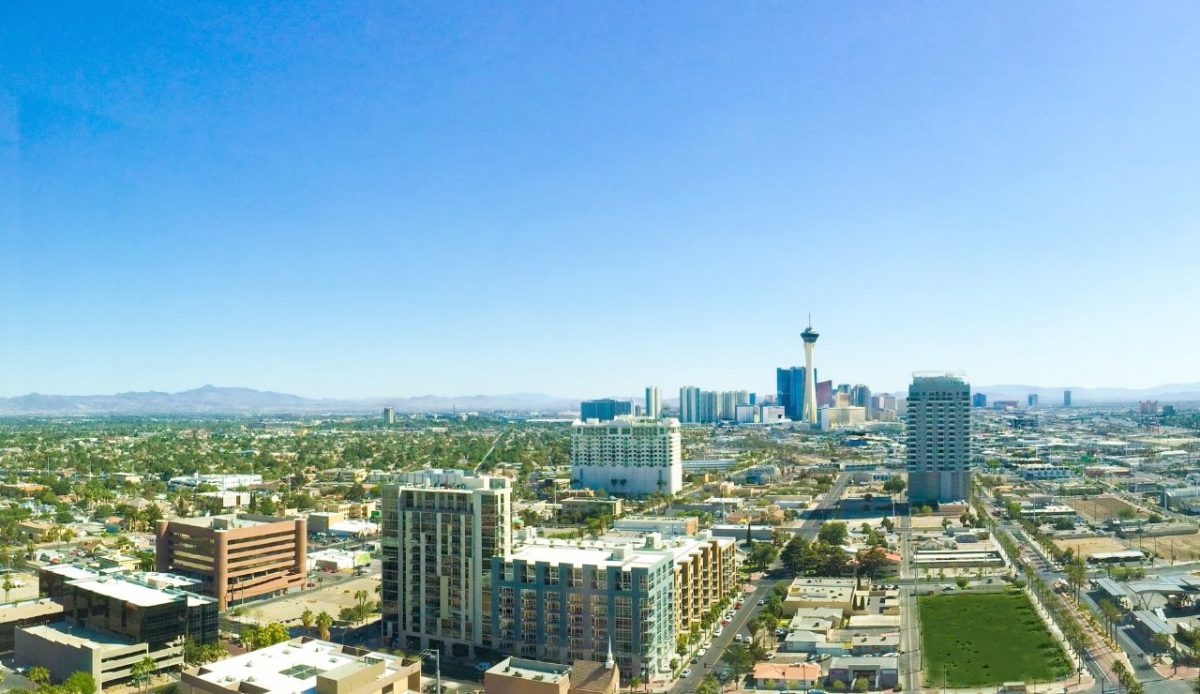
Las Vegas tightly regulates RV access near the Strip and downtown, prohibiting overnight parking on many streets.
City ordinances aim to reduce congestion, preserve urban aesthetics, and respond to complaints from residents and businesses. Available RV parks are located further from tourist hotspots, requiring extra travel time.
For travelers seeking the excitement of the Strip, this means careful planning and reliance on designated lots. Even off-season, navigating urban regulations is tricky, and some RV enthusiasts are forced to arrive late or leave early to comply. Increased demand during major conventions further complicates parking logistics and access to city entertainment.
9. San Diego, California
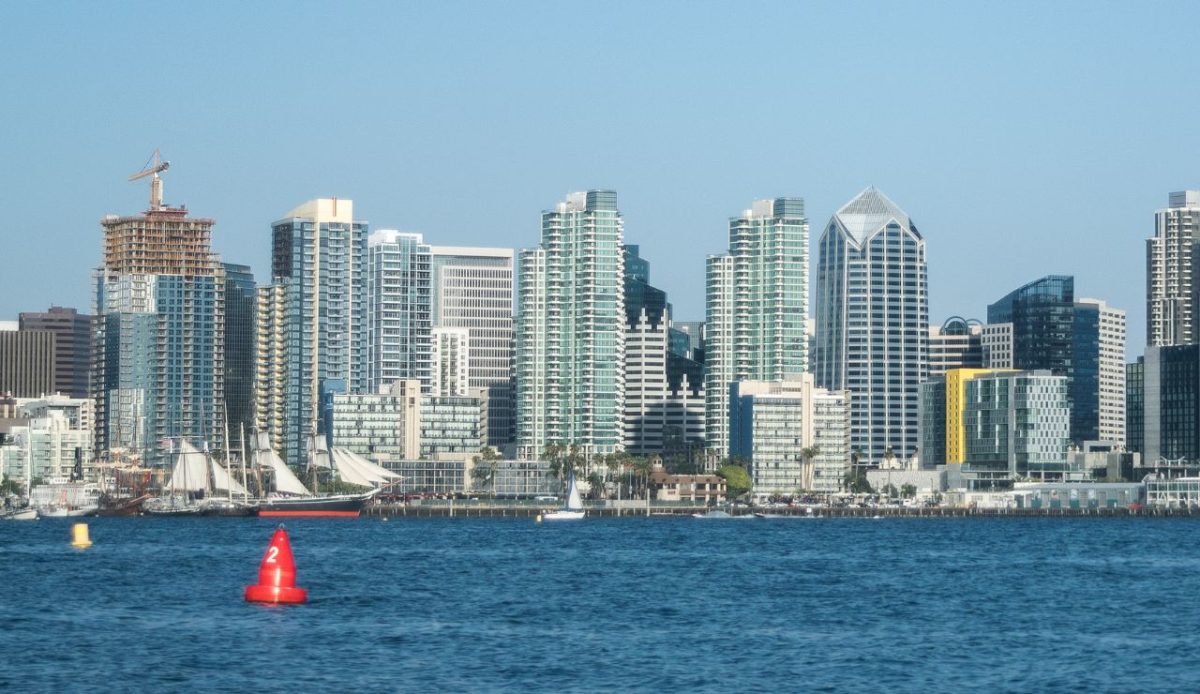
San Diego limits RV parking in popular coastal and downtown areas, particularly near beaches and tourist districts.
Officials cite congestion, environmental impact, and resident complaints. Municipal lots often restrict overnight stays, and beachside parking is heavily enforced.
RV travelers must seek out campgrounds or off-site parking options, which may be inconvenient. Coastal attractions and nightlife draw crowds that intensify the scarcity of legal spots. Travelers frequently need to plan their route carefully, sometimes sacrificing convenience to stay within legal boundaries, highlighting the tension between urban tourism and the mobile RV lifestyle.
