
Europe is full of famous capitals, yet some of its most enchanting cities remain under the radar. These hidden gems combine rich history, stunning architecture, and local culture without the throngs of tourists. Travelers seeking authenticity and a slower pace will find these destinations unforgettable.
Unlike overcrowded hotspots, these secret cities invite visitors to explore at their own rhythm, uncovering picturesque streets, vibrant markets, and local traditions that make Europe endlessly fascinating.
Whether it’s a fortified medieval town, a riverside haven, or a creative hub, these cities provide immersive experiences for travelers who want to discover the Europe only locals know.
1. Ljubljana, Slovenia
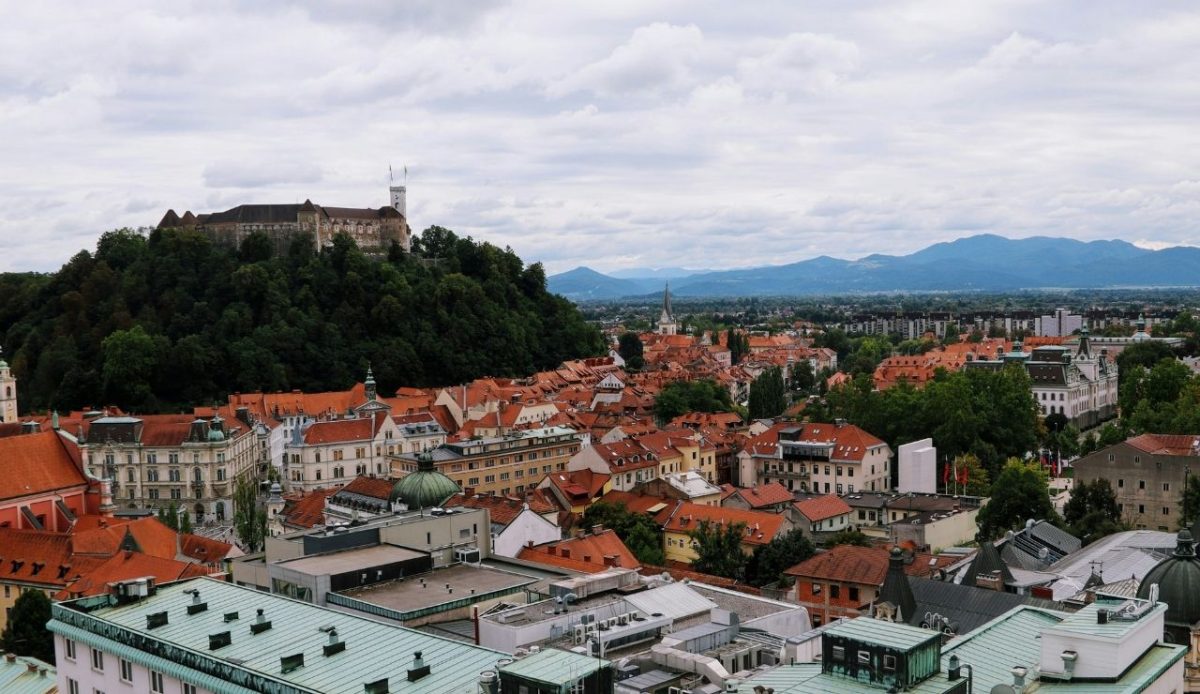
Ljubljana, the capital of Slovenia, is charming with its colorful architecture and riverside cafes. Its pedestrian-friendly center encourages leisurely exploration and makes visitors feel immediately at ease
The city’s blend of Baroque buildings, modern art, and green spaces like Tivoli Park creates a serene urban experience rarely found in busier European capitals. Art and culture thrive here through galleries, museums, and frequent local festivals.
Visitors can enjoy relaxed riverside dining, charming bridges, and historic landmarks without feeling rushed, giving Ljubljana a peaceful yet vibrant character that leaves a lasting impression.
2. Groningen, Netherlands
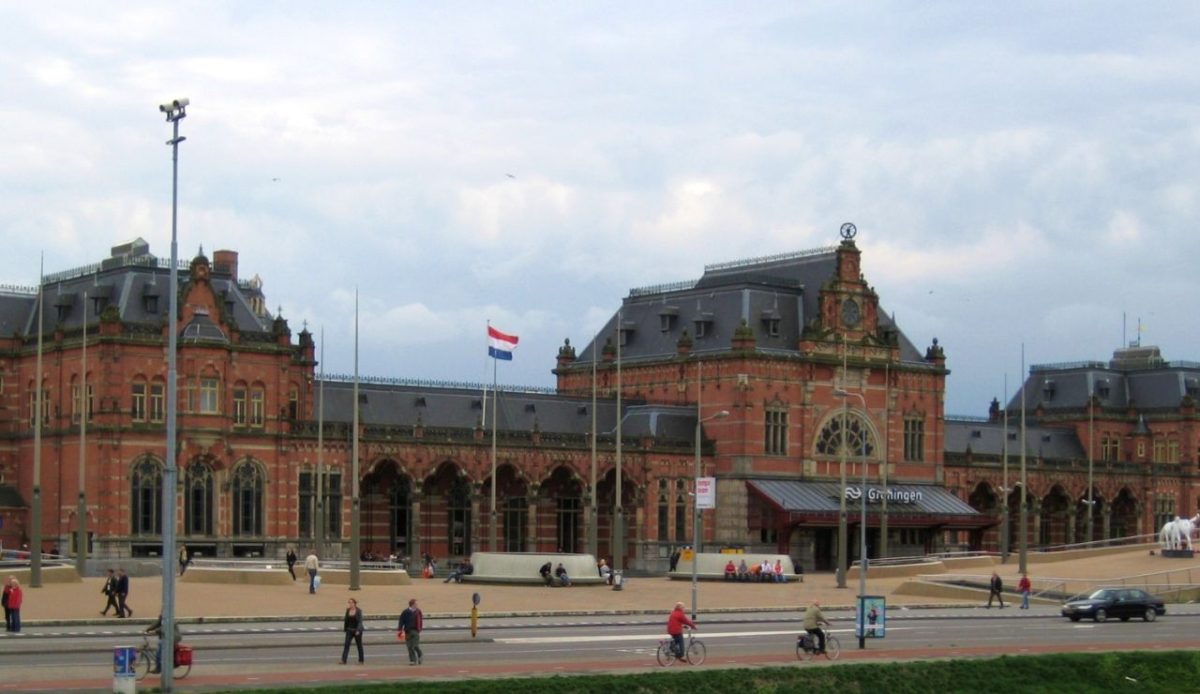
Groningen, a university city in the north of the Netherlands, combines youthful energy with historic charm. Its cobbled streets, canals, and eclectic architecture create a visually appealing yet underrated destination.
With a vibrant cultural scene, from museums to music festivals, Groningen reflects creativity and innovation. Cyclists dominate the streets, offering visitors a glimpse into the city’s sustainable and active lifestyle.
Hidden courtyards, artisan shops, and bustling markets offer a local flavor that many travelers miss, making Groningen ideal for those who love culture without crowds.
3. Brno, Czech Republic
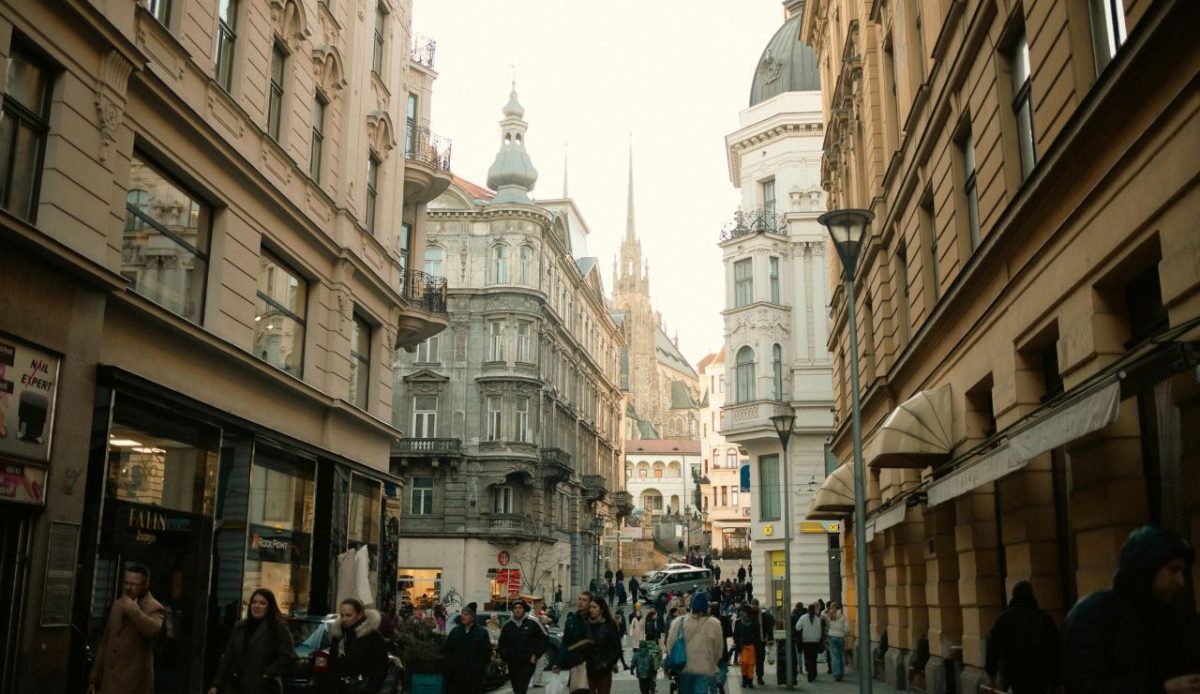
Brno, the Czech Republic’s second city, surprises visitors with its blend of medieval fortresses, functionalist architecture, and vibrant student culture.
The city’s central squares and lively cafes provide a welcoming atmosphere, while landmarks like Špilberk Castle highlight centuries of history. Brno’s compact size makes it perfect for exploring on foot, discovering hidden alleys, and local restaurants.
Its growing culinary and nightlife scene adds modernity to the historic backdrop, offering a rich experience that combines culture, history, and contemporary urban life. Even travelers who think they know Czech cities will find Brno full of surprises.
4. Bologna, Italy
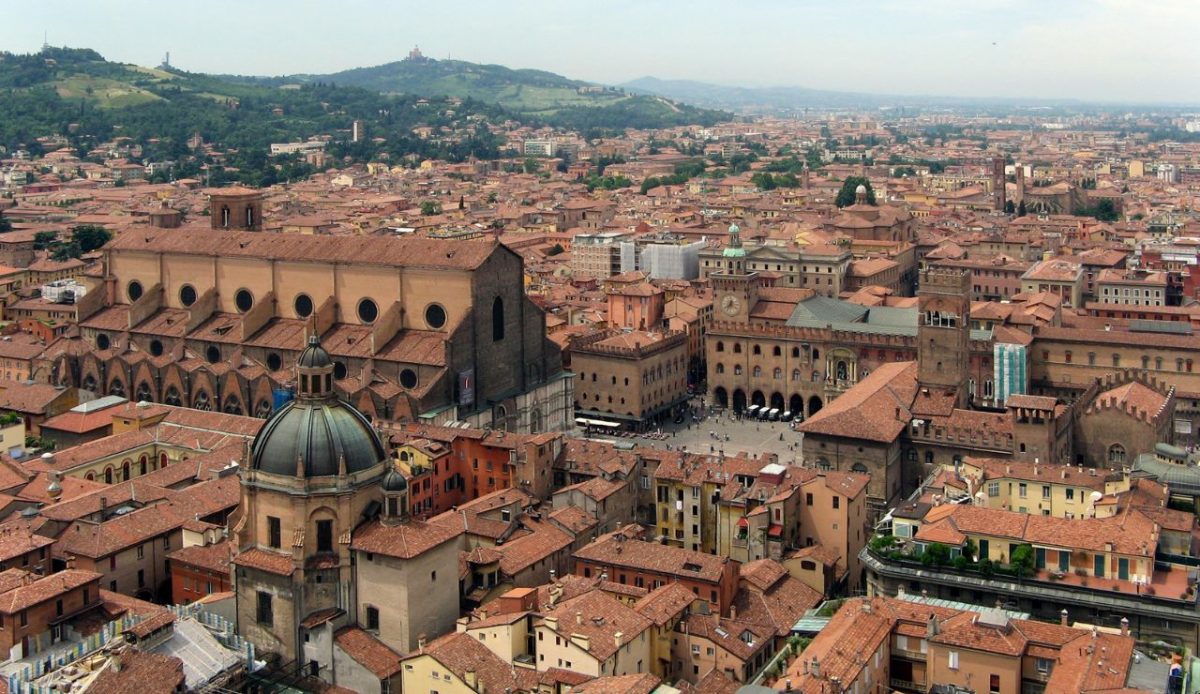
Bologna, often overshadowed by Florence and Venice, offers a blend of medieval charm and world-renowned cuisine. Its portico-lined streets and terracotta buildings create a picturesque setting for leisurely strolls.
Home to one of the world’s oldest universities, the city is alive with youthful energy, historic architecture, and vibrant piazzas. The culinary culture is exceptional, featuring fresh pasta, local cheeses, and traditional dishes that celebrate regional flavors.
Art, music, and history intermingle seamlessly, making Bologna a city that stimulates the senses while remaining delightfully undiscovered by mass tourism.
5. Riga, Latvia
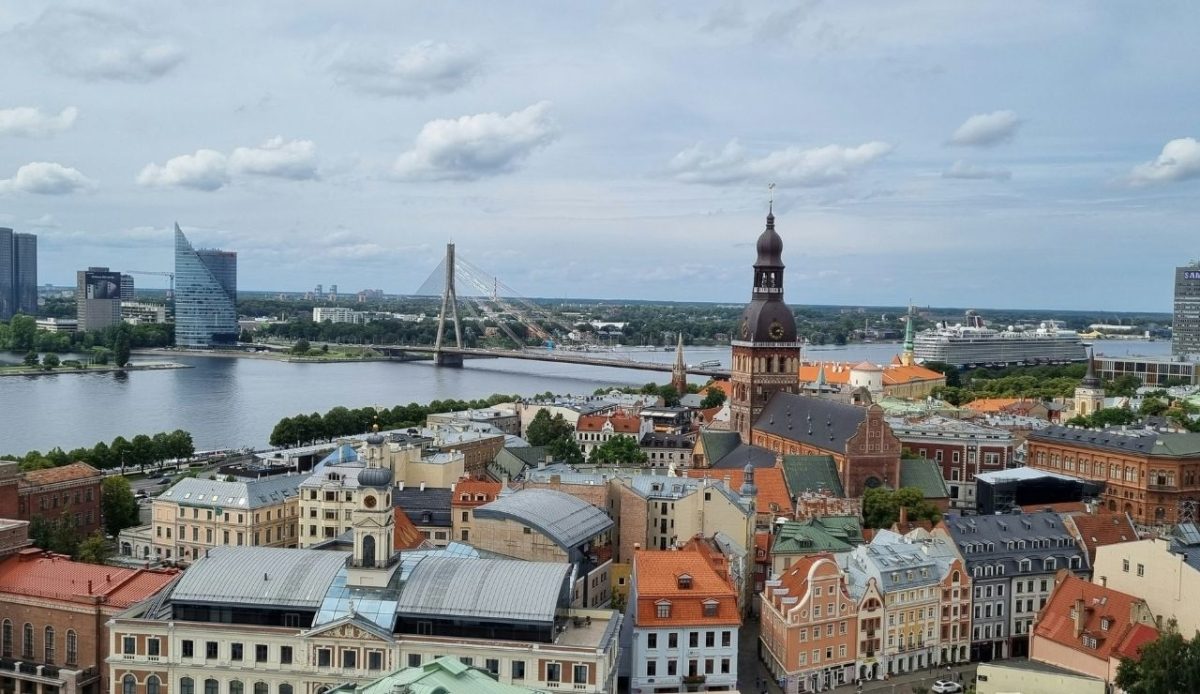
Riga, Latvia’s capital, offers an unexpected mix of medieval streets and Art Nouveau architecture, largely overlooked by typical European itineraries.
The Old Town’s narrow alleys, churches, and lively squares provide a charming setting for cultural exploration. Contemporary galleries, theaters, and a thriving music scene add depth to the historical ambiance.
Visitors can enjoy vibrant markets, street cafés, and riverside walks while appreciating a city that feels intimate yet cosmopolitan, offering authenticity often missed by crowds. Riga’s festivals and seasonal events also provide unique snapshots of local life.
6. Lviv, Ukraine
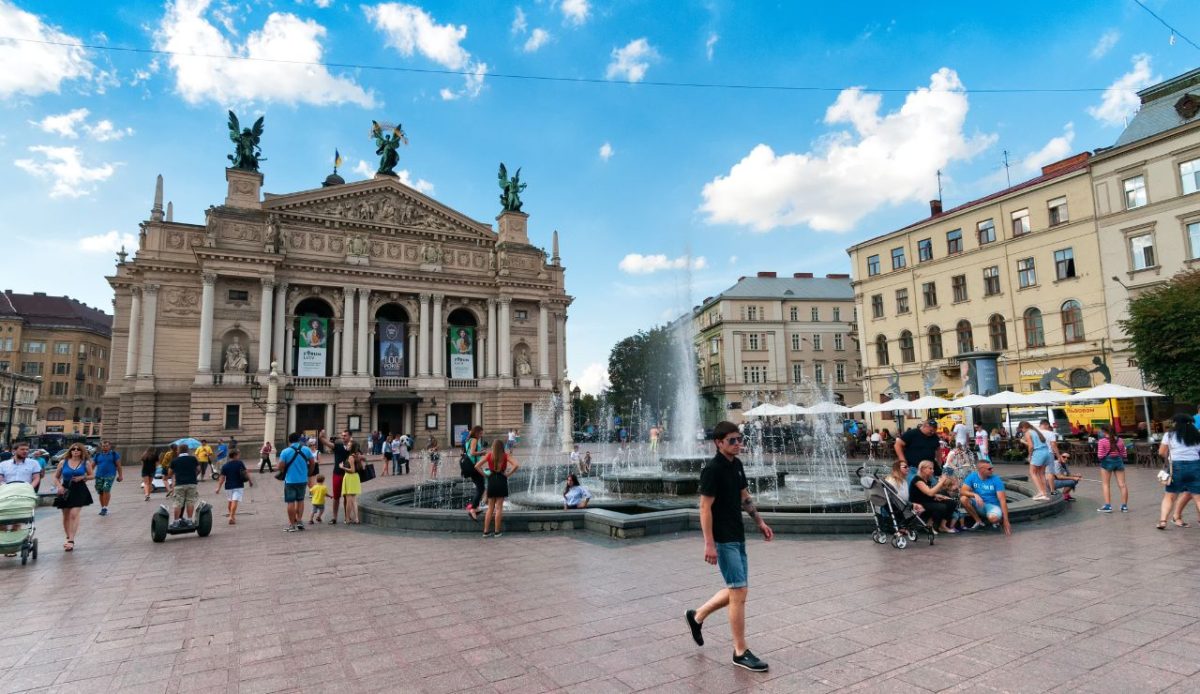
Lviv is a cultural treasure with European influences blending Austrian, Polish, and Ukrainian architecture. Its cobbled streets, ornate churches, and central square make it a photographer’s paradise.
The city’s coffeehouse culture and vibrant arts scene reflect a rich intellectual history and modern creativity. Lviv’s local festivals, markets, and street performances provide an immersive experience of daily life.
Its combination of history, culture, and welcoming locals allows travelers to enjoy authentic European charm far from the tourist-heavy cities of the continent. Lviv’s gastronomy and artisanal chocolate shops also make it irresistible for food lovers.
7. Ghent, Belgium
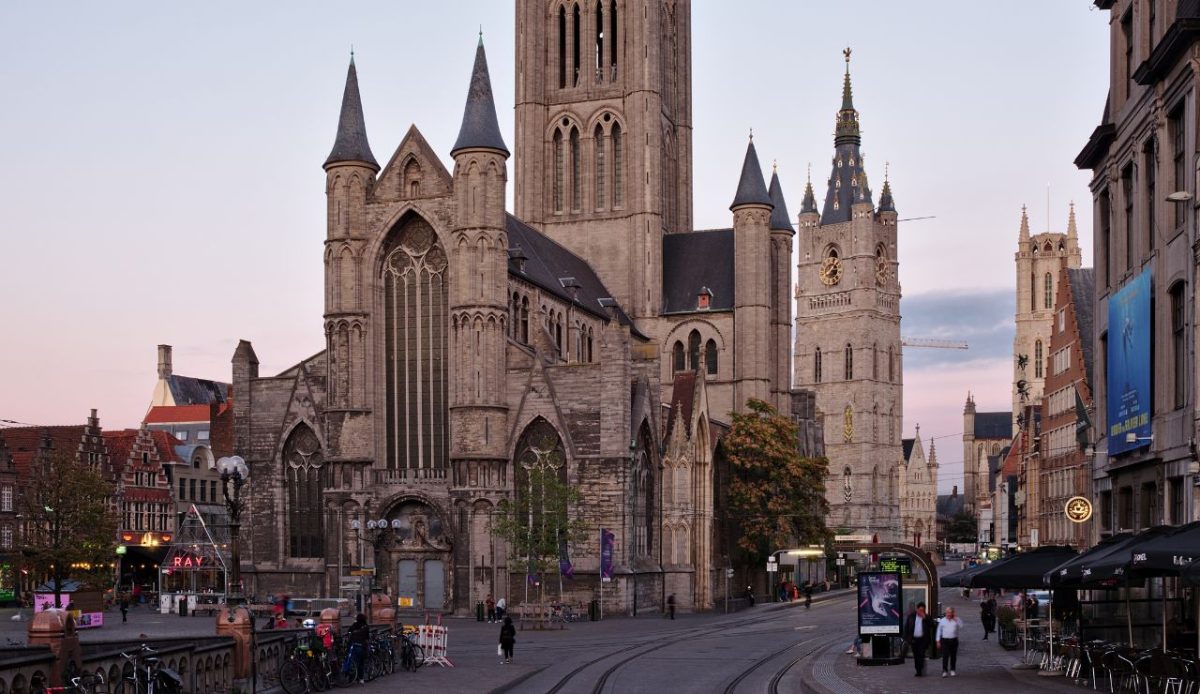
Ghent combines medieval architecture with a youthful, energetic atmosphere thanks to its university population. Canals, castles, and hidden courtyards make it a picturesque and inviting destination.
Art and culture thrive through galleries, museums, and live music, offering experiences distinct from neighboring Bruges or Brussels. The city balances history with contemporary life seamlessly.
Ghent allows visitors to stroll freely, dine riverside, and explore centuries-old streets without the overwhelming crowds typical of more famous Belgian cities. Its lively festivals, seasonal events, and local artisan shops further enrich the experience.
