
Iceland’s tourism boom brought jobs and tax revenue, yet it also raised daily friction in small towns and on rural roads. Many complaints are practical. They involve safety, sanitation, and damage to land that recovers slowly in cold climates.
These behaviors are not mysteries. Road agencies, SafeTravel, park staff, and local media have published repeated warnings, plus on-site signs in multiple languages. When rules are ignored, locals face delays, cleanup, and avoidable rescues.
The points below focus on specific conduct that residents regularly call out. Each item is tied to known problem spots such as Route 1 pull-offs, Reynisfjara, geothermal fields, and public pools, rather than broad stereotypes.
1. Stopping On Highways For Photos
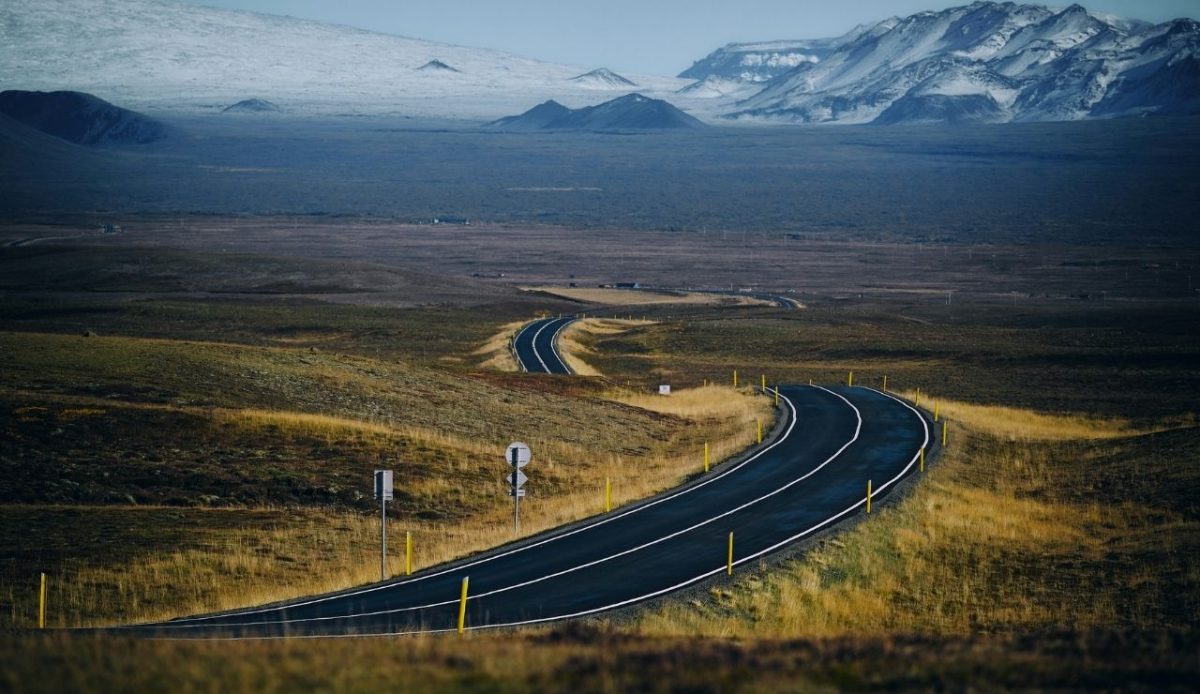
Stopping in a live lane or on a thin shoulder for photos is a top local complaint on Route 1 and other highways. Iceland’s Road and Coastal Administration warns against unsafe stopping because visibility shifts fast with hills, wind, and weather.
Rear-end crashes and close calls rise when drivers brake suddenly for a waterfall view or sheep. Locals commuting between towns cannot safely pass when a rental car blocks the shoulder or forces traffic into the opposite lane.
Use signed pull-outs and parking areas, even if the view is slightly different. Those spaces are placed where sightlines are better and where buses can load without putting other drivers at risk.
2. Hesitating Or Blocking One-Lane Bridges
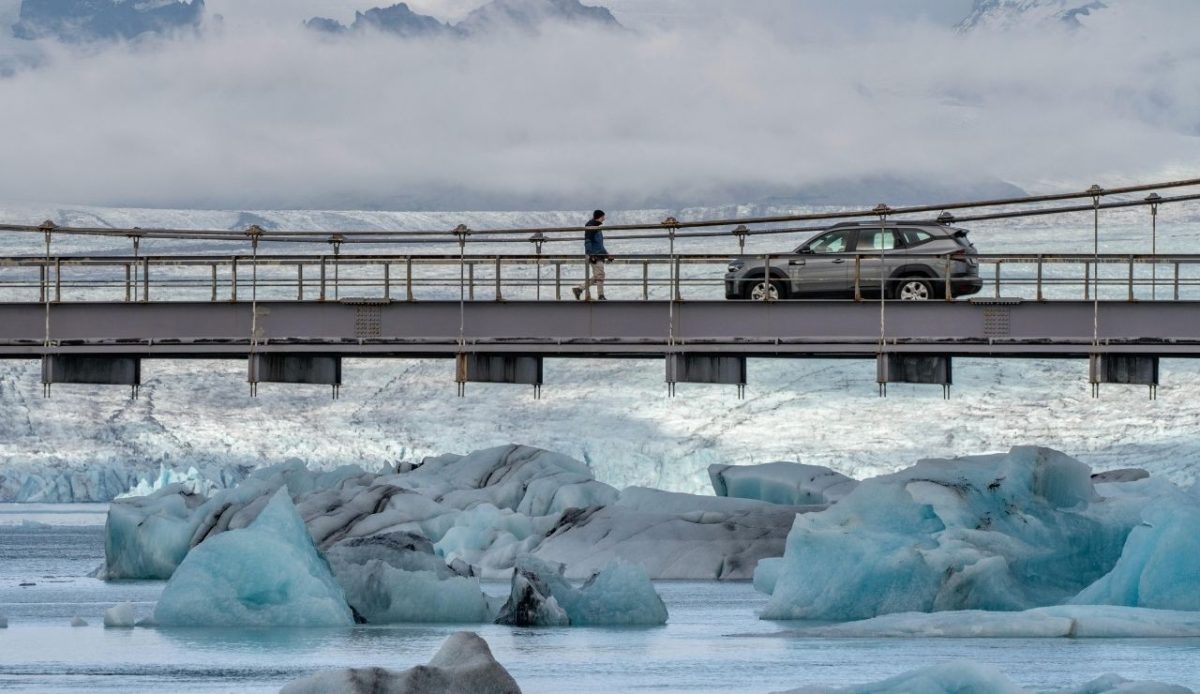
One-lane bridges are common on rural routes, and tourists often hesitate or enter without yielding. The standard rule is simple. If a car is already on the span, the next driver waits at the signed approach point. Locals expect this flow.
Trouble starts when visitors stop to film, inch forward to check, or block the entrance so nobody can commit. That behavior forces reversing on narrow gravel shoulders and can create long queues where passing is impossible. It also raises crash risk.
Watch for the yield sign and the waiting bays near many bridges. Use headlights in low light, keep a steady speed, and do not stop mid-bridge unless traffic or hazards require it. A quick crossing is considerate.
3. Walking On Protected Moss Areas
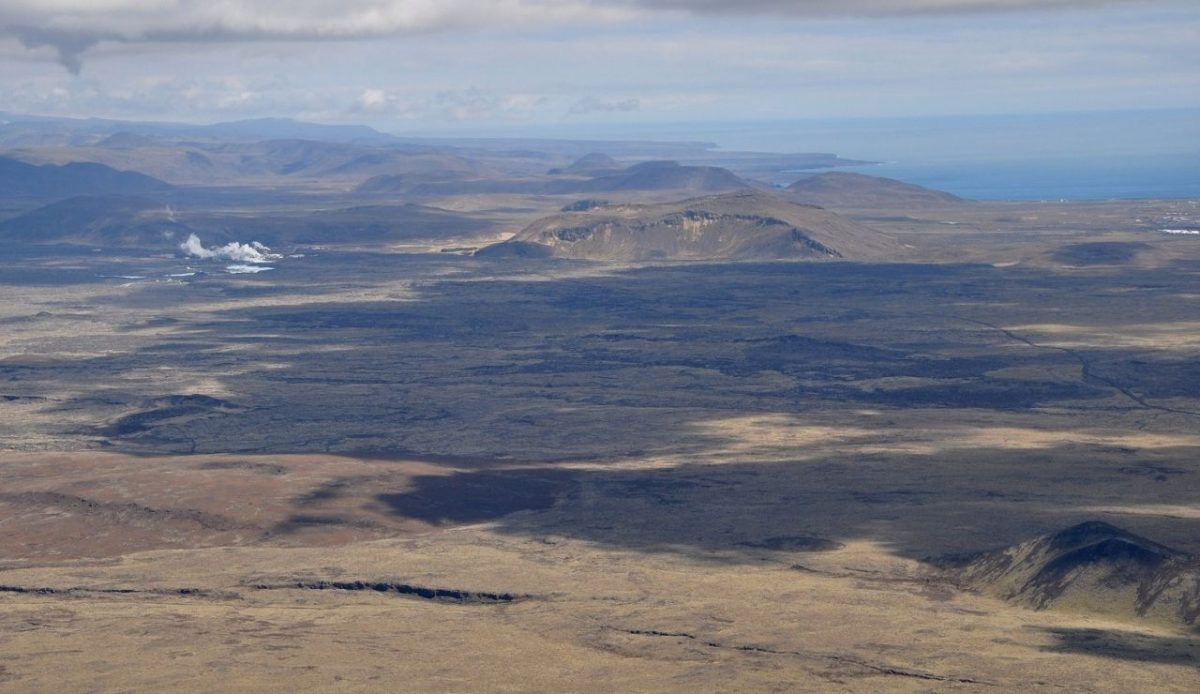
Walking onto lava moss for photos is another frequent complaint, especially in the Eldhraun area and at popular pull-offs. Icelandic outlets and guides repeat the same message because the moss can take many decades to recover from one step.
Moss acts like a living skin that holds moisture and stabilizes fragile ground. When it is compressed, it breaks apart and exposes bare soil that wind and rain can strip away, widening the scar each season.
Use the marked paths, boardwalks, and viewing platforms even if the angle feels less dramatic. If you see a fresh footprint, do not add another. Staying on durable surfaces is the easiest way to show respect.
4. Ignoring Reynisfjara Beach Warnings
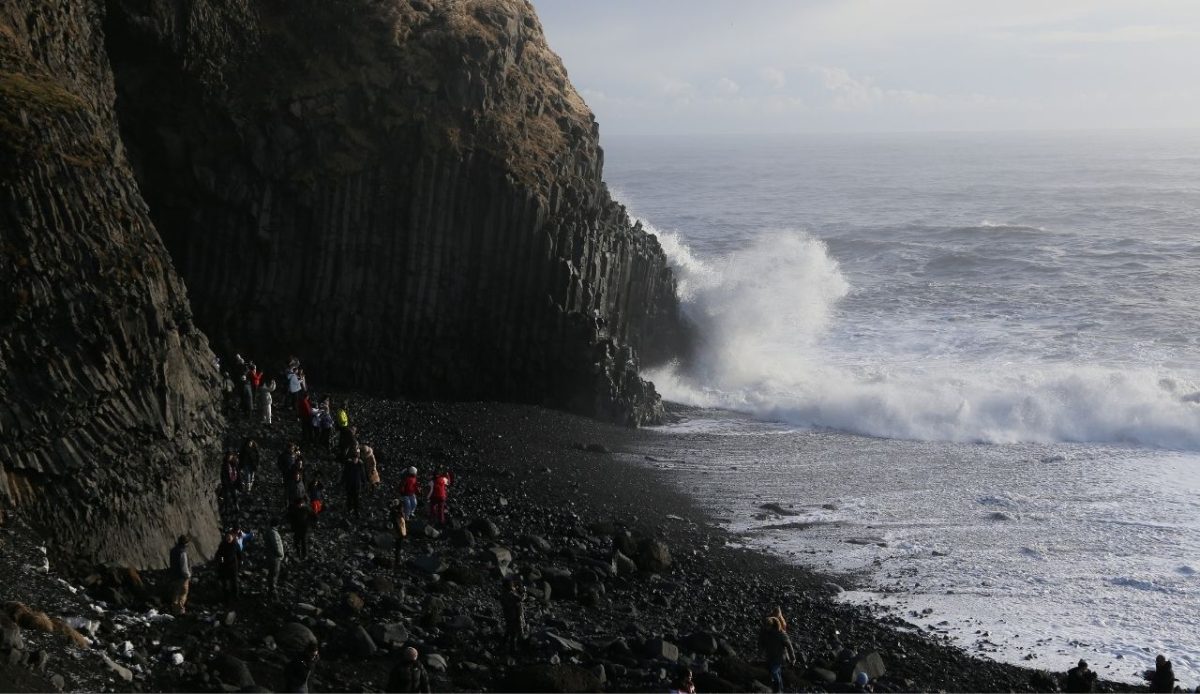
At Reynisfjara, tourists still cross ropes and ignore the warning lights that mark dangerous surf. Sneaker waves have caused deaths, and the site is repeatedly cited by Icelandic police and local media as a place where visitors underestimate risk.
Locals and guides resent this behavior because rescues put responders in danger and because tragedies are preventable. Turning your back to the ocean, standing near the waterline, and chasing a wave for video are common patterns seen in incident reports.
Treat the warnings as nonnegotiable. Stay well back from the wet sand, keep children close, and watch the sea continuously. If the light system signals danger, leave the impact zone and move inland.
5. Leaving Boardwalks In Geothermal Areas
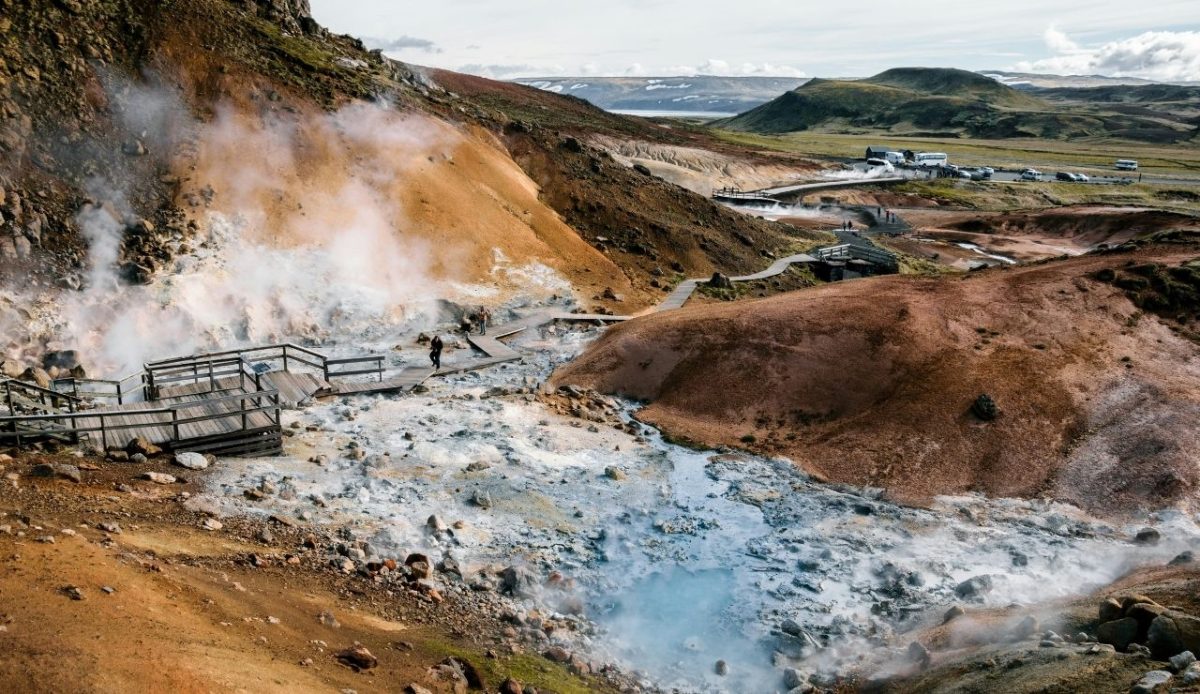
In geothermal areas such as Geysir, tourists sometimes step off boardwalks or climb over ropes to pose near steam vents. The ground can be thin, and hot water can burn within seconds, which is why barriers are placed around unstable zones.
Locals dislike seeing rules tested for photos because injuries trigger emergency responses and closures that affect everyone. Damage also occurs when fragile mineral surfaces are crushed or when people widen informal paths around a fence.
Stay on the built walkways and keep to the signed route, even if a spot looks safe from a distance. If you drop something beyond a rope, leave it. The safest souvenir is a photo taken from the path.
6. Leaving Trash In Open Landscapes
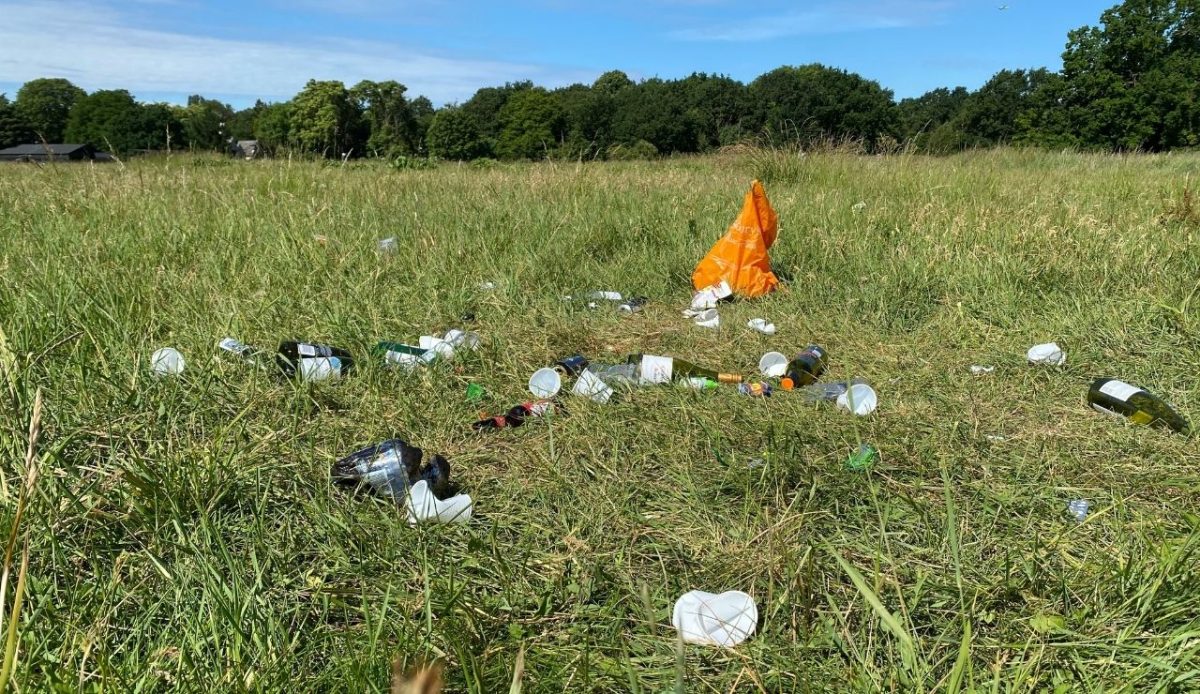
Littering in open landscapes is especially irritating in Iceland because the wind moves trash fast. A wrapper left at a viewpoint can travel across fields or along beaches, turning a single careless act into a wide cleanup problem.
Residents and local groups run regular cleanups after heavy tourism periods, and they often cite disposable wipes, bottles, and snack packaging. Remote areas have fewer bins, so visitors must plan to carry waste longer.
Pack out everything you bring in, including tissues and food scraps. Use sealed bags in the car so wind cannot grab loose items when doors open. If a bin is full, keep your trash until the next stop nearby.
7. Crossing Fences On Private Farms
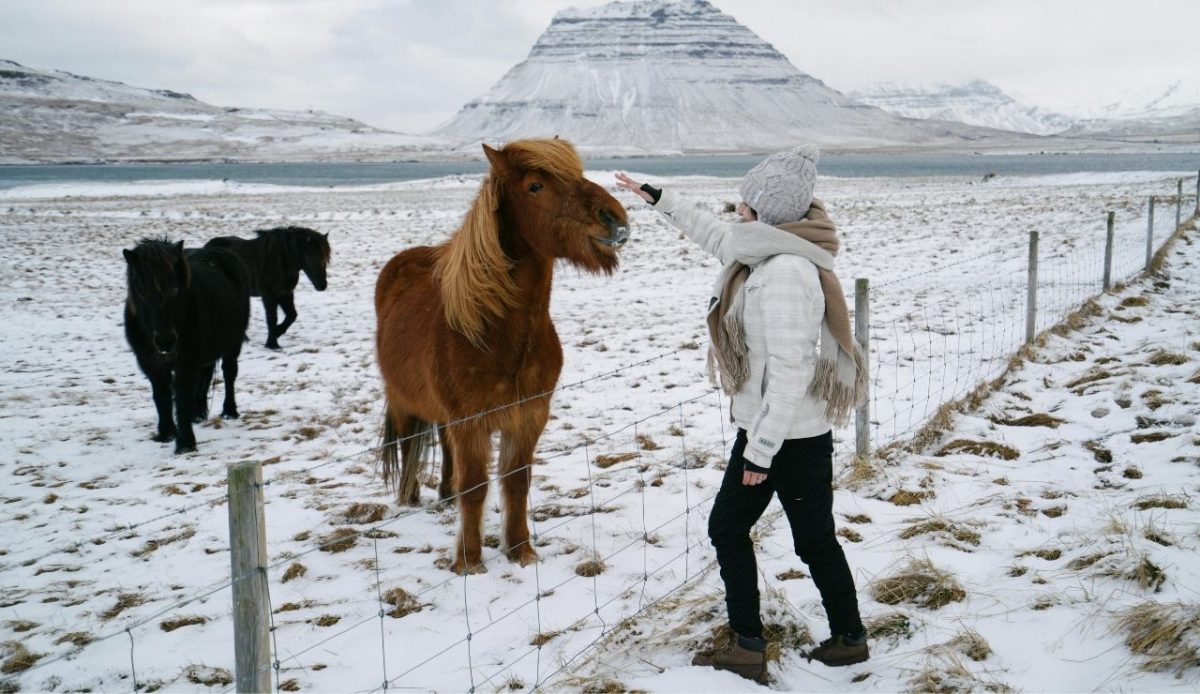
Crossing fences or opening farm gates for photos is taken seriously in rural Iceland. A visitor may think a quick step onto a field is harmless, but it can let sheep or horses escape and can damage pasture needed for feed.
Farmers also deal with tourists approaching animals too closely or blocking access roads with parked cars. Those disruptions are not part of a scenic experience. They affect work schedules and can create safety risks on narrow lanes.
Assume private land is private unless a sign clearly invites entry. Stay on public paths, close any gate you are permitted to use, and keep a distance from animals. If a spot looks like a farm, do not treat it as a set.
8. Flying Drones Without Checking Rules
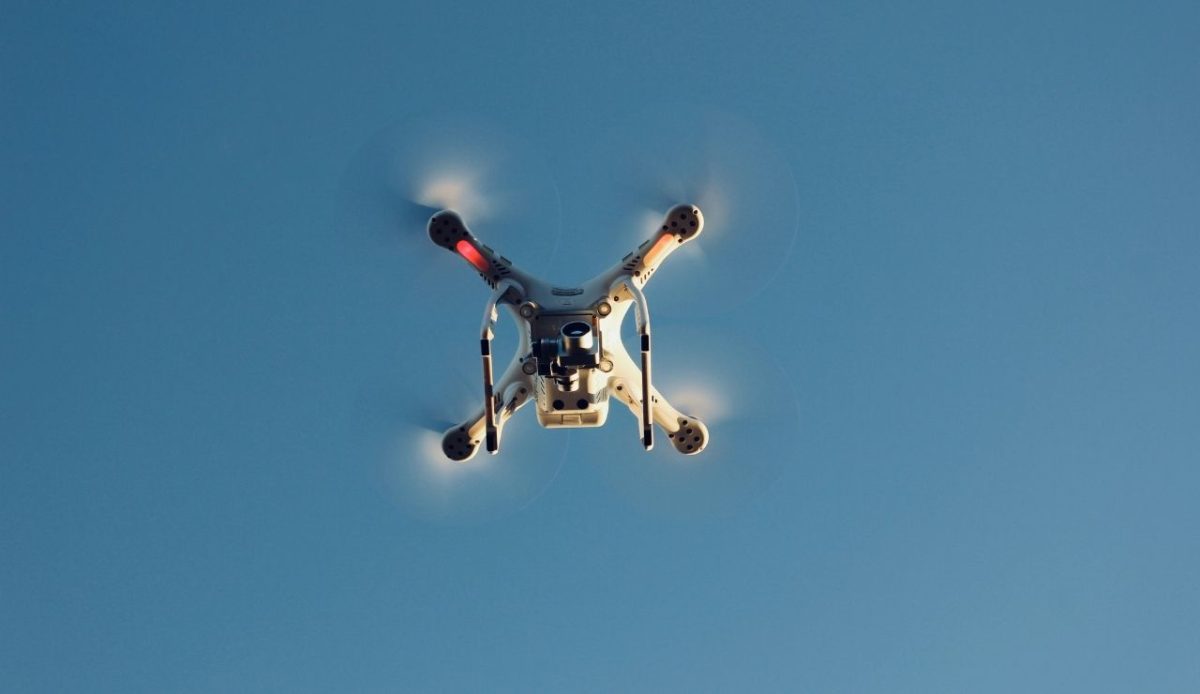
Flying drones without checking rules frustrates locals at popular viewpoints and protected areas. Drones can disturb nesting birds and disrupt the quiet in places where people come for silence, and many sites post restrictions or bans.
Residents also complain about privacy. A drone hovering near hot springs, homes, or hiking groups can feel intrusive, even if the operator intends no harm. Complaints rise when pilots fly low or chase people for cinematic shots.
Check posted signs and official park guidance before launch, and avoid wildlife areas during nesting season. Keep altitude and distance high, and land immediately if birds react. If a rule is unclear, do not fly.
