
Traveling through low-income countries often highlights contrasts between visitors and local life. Small habits and assumptions can quietly stand out, even when tourists think they’re blending in.
These observations aren’t only about wealth. They relate to behavior, body language, expectations, and interactions with people, prices, and public spaces. What feels normal to a traveler may signal privilege or unfamiliarity.
Being aware of these subtle cues helps travelers move thoughtfully. Awareness doesn’t require perfection, but encourages respect, humility, and a willingness to observe before acting.
1. How Money Is Handled Casually

Locals often notice how tourists treat money with ease, which doesn’t match everyday reality. Flashing large bills, paying without checking prices, or tipping far beyond norms can signal financial distance immediately. In places where budgets are tight, these gestures rarely go unnoticed.
For locals, money is counted carefully and spent deliberately. When visitors act unconcerned about costs, it highlights differences in financial pressure rather than generosity. Even well-meant actions can feel disruptive in tightly balanced local economies.
Tourists who pause, ask questions, and handle payments discreetly blend in better. Respectful financial behavior shows awareness of local realities rather than assumptions about value.
2. Body Language Around Security

Tourists often display heightened anxiety about safety, which locals recognize instantly. Constantly checking bags, gripping phones tightly, or scanning crowds can create visible tension. In many communities, this behavior reads as unfamiliarity rather than caution.
Locals who navigate these environments daily develop relaxed, practical awareness instead of visible fear. When travelers appear overly guarded, it signals that they see the environment as threatening rather than lived-in and normal.
Blending in doesn’t mean ignoring safety, but it does mean observing how locals move. Calm body language often communicates more trust and respect than rigid defensiveness.
3. Overuse of Cameras and Phones
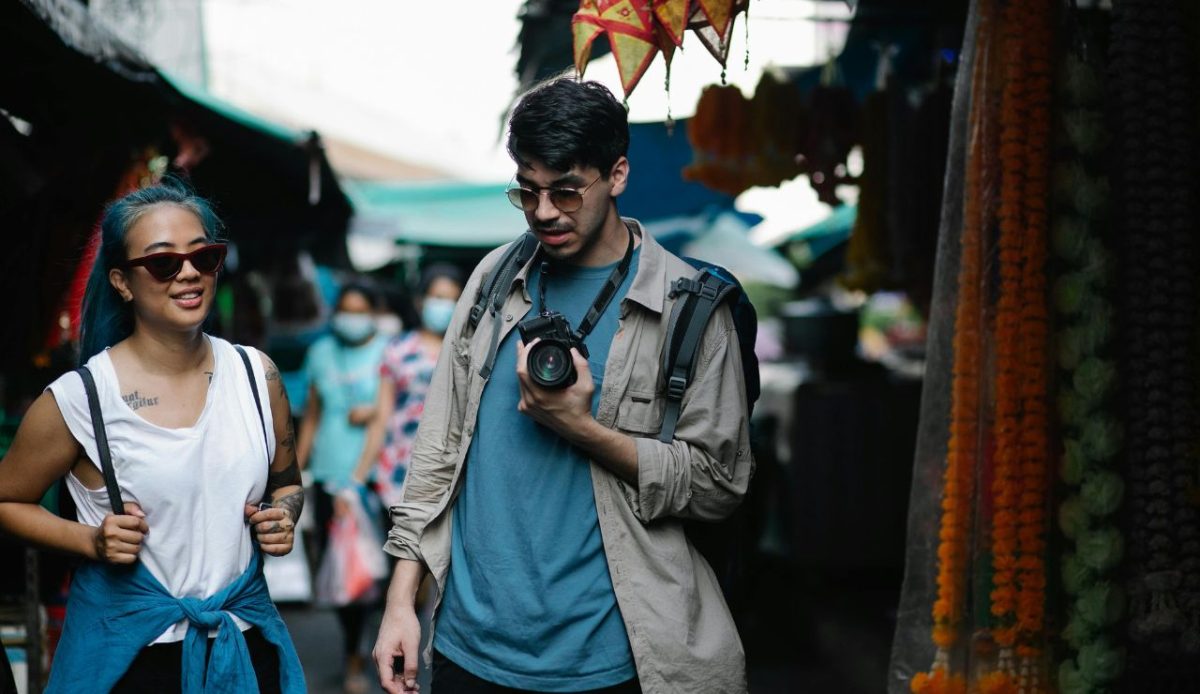
Locals quickly notice tourists who document everything around them. Filming markets, homes, street vendors, or children without asking often feels intrusive, even when the intent is curiosity or admiration. In low-income areas, daily life isn’t viewed as entertainment.
For residents, constant cameras can feel like silent judgment or extraction. Ordinary routines, working, shopping, resting, are deeply personal, especially in places where privacy is already limited by crowded conditions.
Tourists who pause, ask permission, or limit phone use stand out positively. Thoughtful restraint signals respect and awareness that not every moment is meant for global display.
4. Expectations of Immediate Service

Tourists often expect fast service shaped by systems at home. Locals notice impatience quickly, checking watches, repeating requests, or showing frustration over delays. These reactions signal unfamiliarity with local rhythms.
In many low-income countries, slower service reflects infrastructure limits, staffing shortages, or cultural pacing rather than neglect. Time operates differently when resources are stretched or shared among many.
Travelers who adjust expectations, wait calmly, and engage politely are remembered more warmly. Patience communicates understanding, while urgency often creates unnecessary tension.
5. Casual Comments About Poverty
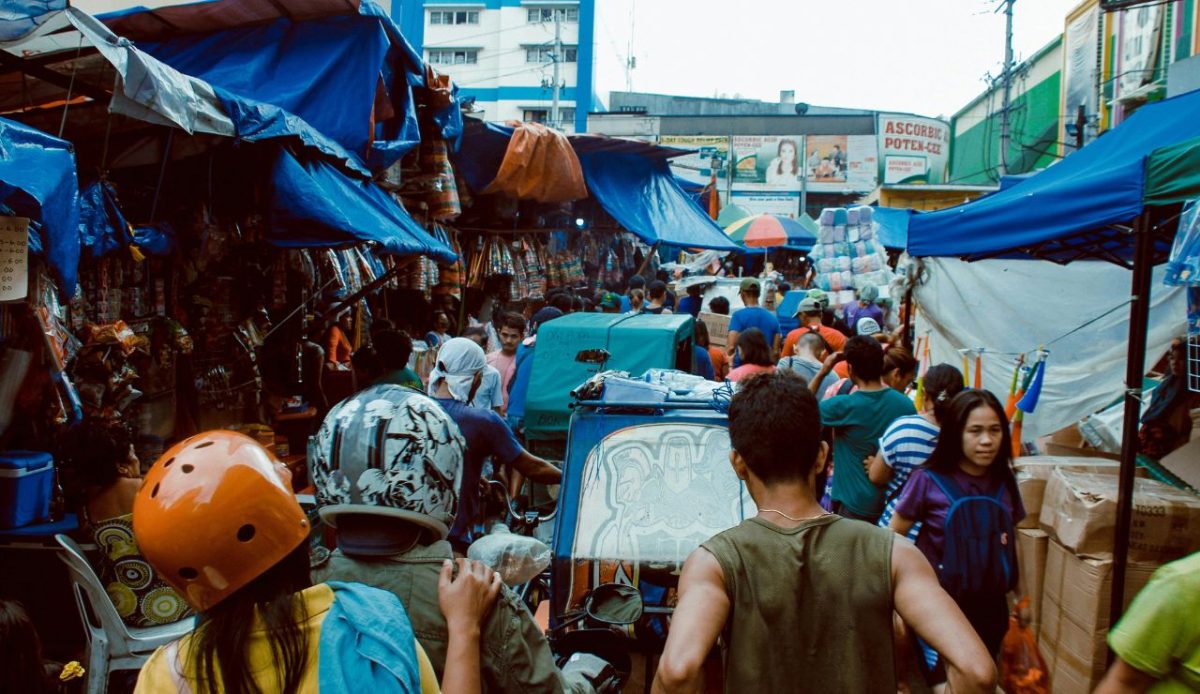
Locals are keenly aware when tourists make offhand remarks about poverty. Even quiet observations about conditions, prices, or infrastructure can feel heavy to those who live with these realities daily and have little choice in them.
What visitors see as honesty may sound like judgment or emotional distance. Locals don’t need reminders of hardship; they navigate it with resilience, pride, and deep familiarity shaped by generations.
Tourists who shift conversations toward culture, skills, food, or shared experiences are often received more warmly. Respectful curiosity shows interest in people, not just circumstances.
6. Clothing That Signals Separation
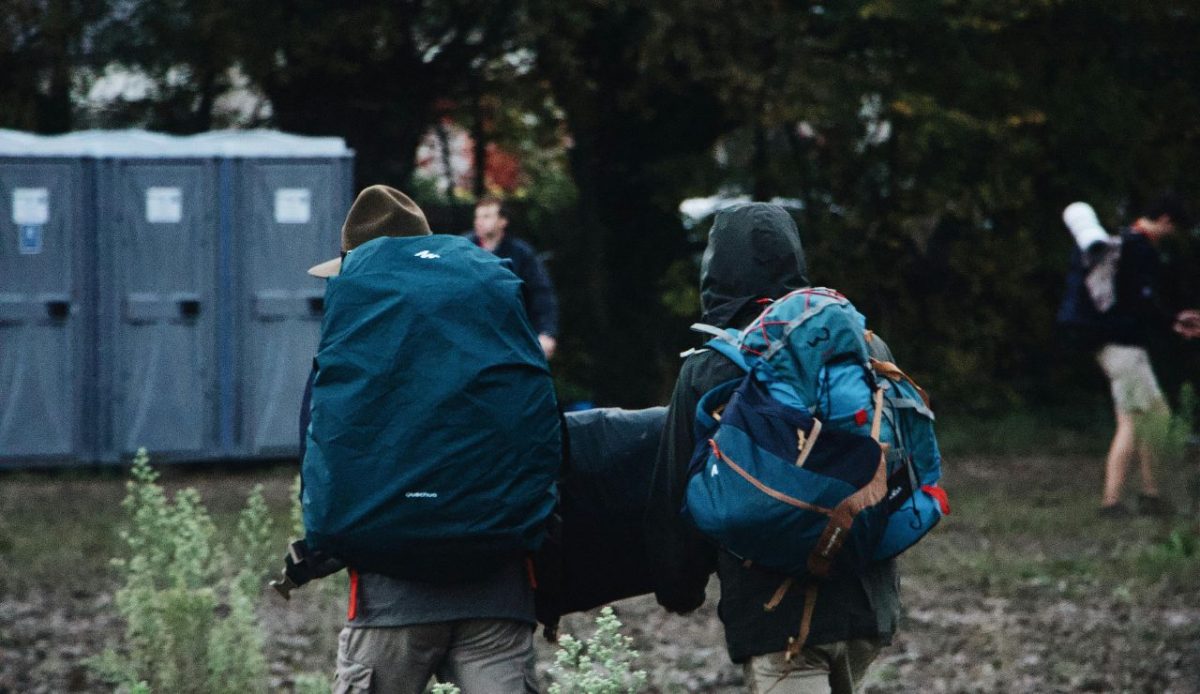
Clothing choices often reveal tourists instantly. Expensive technical gear, oversized backpacks, or flashy accessories stand out in communities where clothing is selected for durability, weather, and long-term use rather than style or branding.
Locals notice when outfits appear disconnected from daily life. Such clothing can unintentionally signal privilege, short-term presence, or emotional distance, especially in places where people dress with practicality shaped by necessity.
Choosing simple, climate-appropriate clothing doesn’t mean hiding identity. It reflects awareness of local norms and shows respect for shared spaces, helping travelers blend in without trying to imitate locals.
7. Assumptions About Local Knowledge

Tourists sometimes assume locals exist to guide or assist them. Asking questions without greetings or expecting directions instantly can feel transactional rather than respectful. It signals a lack of awareness about daily life and routines.
In many cultures, conversation and courtesy come before requests. Locals notice when tourists skip these social steps, even unintentionally, and it can make interactions feel rushed or impersonal. A hurried attitude contrasts sharply with the local emphasis on social connection.
Starting with politeness, small talk, or a greeting changes interactions entirely. Respecting social rituals often opens doors more than direct questions alone, creating mutual trust and a more meaningful travel experience.
8. Treating Prices as Negotiation Games

Locals quickly recognize tourists who aggressively bargain. While negotiation is normal in some markets, pushing too hard over small amounts can feel disrespectful. It may suggest that the visitor values the game over human interaction or fairness.
For locals, these prices often reflect real margins, not inflated tourist traps. Excessive bargaining highlights economic imbalance rather than cleverness, and can unintentionally insult sellers who depend on those earnings for their livelihood.
Fair negotiation paired with friendliness is usually welcomed. Knowing when to accept a price shows cultural awareness and empathy. Demonstrating patience and understanding often results in better deals and more positive interactions overall.
9. Leaving Without Acknowledgment
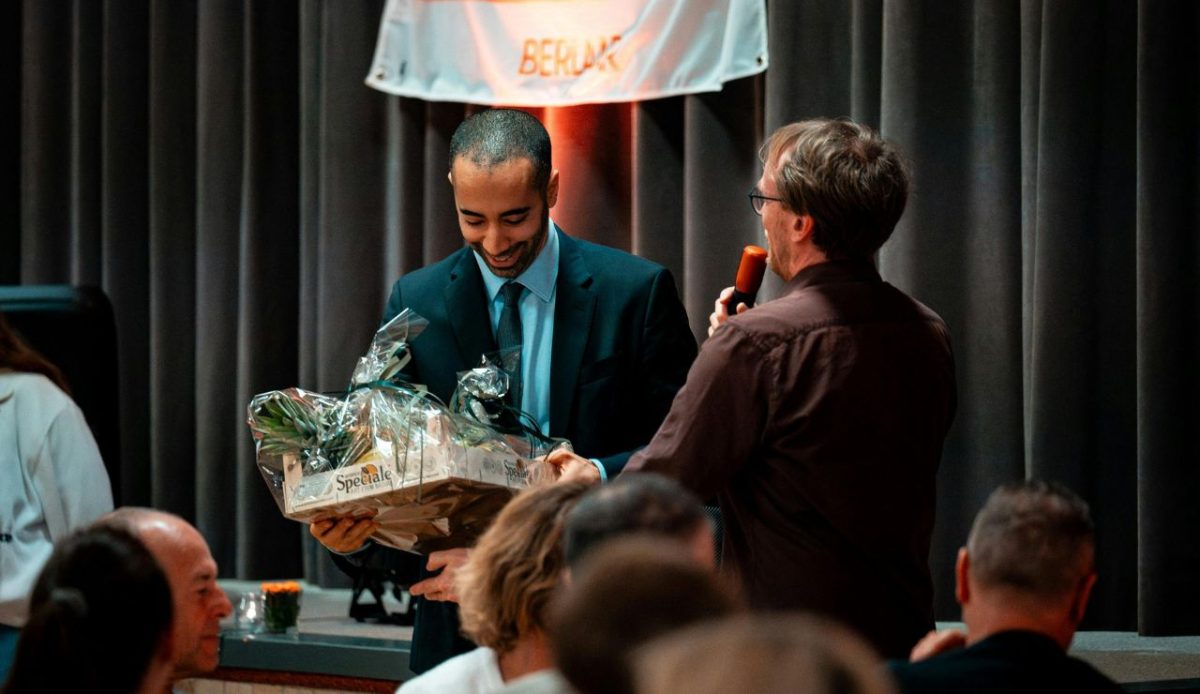
Locals often notice how tourists leave, without saying goodbye, thanking hosts, or acknowledging shared moments. Departures can feel abrupt in cultures that value closure and connection, making the interaction seem impersonal or fleeting.
For residents, brief encounters still involve time and effort. When tourists disappear without acknowledgment, it reinforces the feeling of being temporary scenery and can unintentionally convey disregard for local hospitality.
A simple thank-you or farewell leaves a lasting impression. Small gestures often matter more than travelers realize, strengthening connections and leaving both hosts and visitors with a sense of mutual respect and appreciation.
