
Norway sells itself as easy and safe, so visitors often assume the fine print is minor. In reality, public agencies publish strict rules and hazard notices that shape what travelers can do, from Svalbard logistics to mainland road safety.
Many itineraries rely on quick drives, pretty viewpoints, and short hikes. That style can collide with wildlife laws, tunnel and mountain road realities, and cold water risks that are routine for locals.
Each section below sticks to documented conditions and standard guidance used in Norway. The goal is practical awareness, so choices are based on facts rather than assumptions. Small adjustments in planning can prevent big problems.
1. Polar Bear Rules On Svalbard
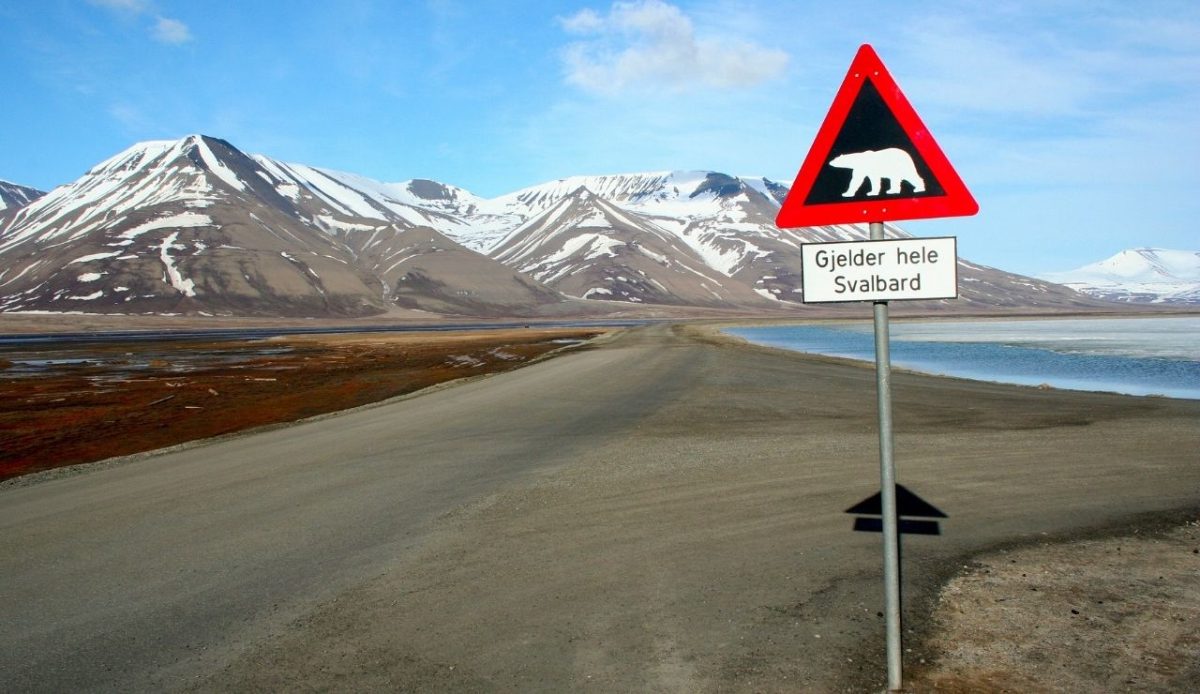
On Svalbard, leaving the settlement boundary is treated as entering polar bear territory. Local guidance expects an effective deterrent to be carried on trips outside town, and firearms are often recommended for travel beyond the managed area.
This is not framed as optional behavior. Bears can move along beaches and valleys quickly, and the distance to help can be large when darkness, wind, or sea ice limits response.
Visitors who book tours sometimes assume the guide handles every obligation. In practice, groups are expected to follow safety routines, keep watch, and accept that a permit or route may be refused if protection planning is weak.
2. Drone Flights Can Bring Penalties
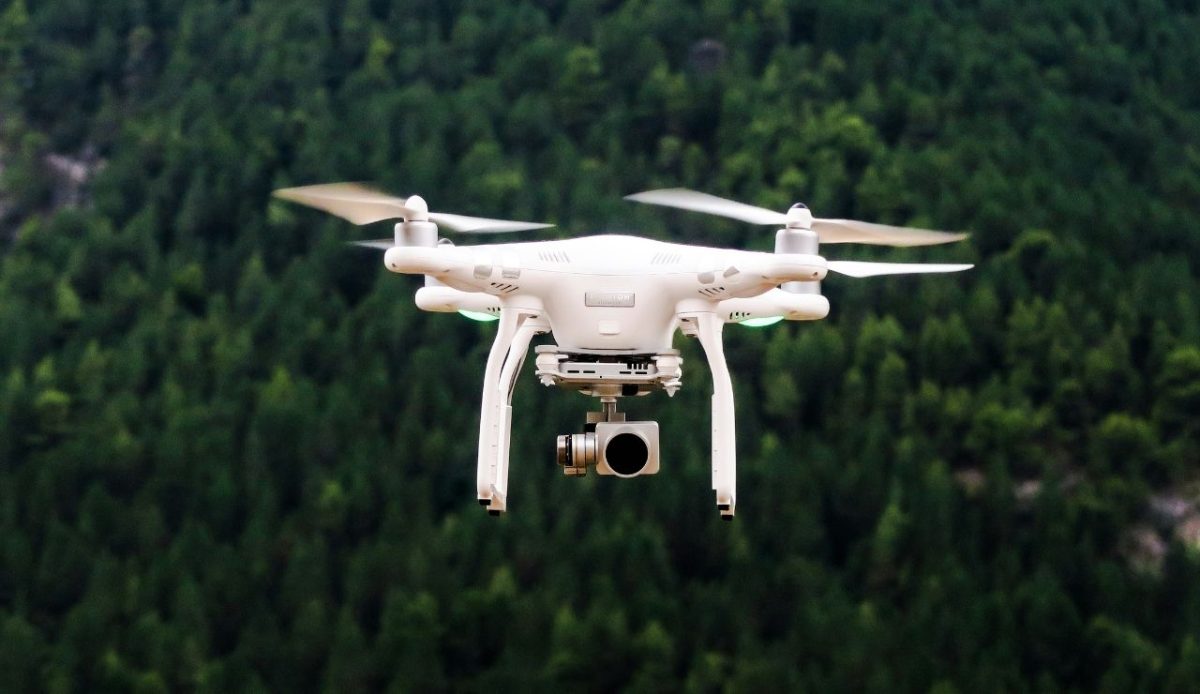
Drone rules on Svalbard are tighter than many visitors expect, especially around Longyearbyen. Flights can be restricted near the airport and within populated areas, and protected zones can prohibit drones to prevent wildlife disturbance.
A short recreational launch can still be treated as a violation if it occurs in a no-fly area. Enforcement is helped by clear local guidance and by the fact that drones are easy to spot in open terrain.
Travelers who want aerial footage should plan for permits and alternative shots. Assuming the rules match mainland norms can lead to fines, confiscation risk, and conflict with tour operators who must follow the same limits.
3. Rabies Exists In Arctic Wildlife
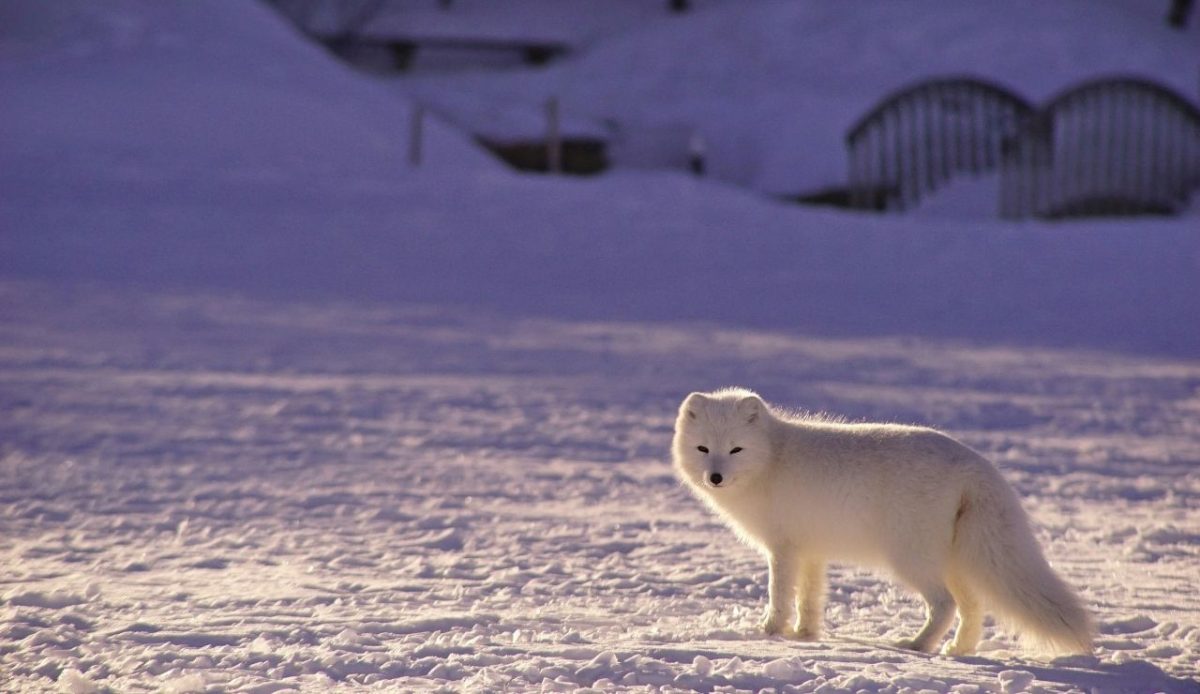
Rabies is a real Arctic issue on Svalbard, not a remote theory. Confirmed cases have been reported in Arctic foxes, and health notices warn visitors to avoid contact with foxes, reindeer, and carcasses.
The risk matters because exposure can come from a bite, scratch, or saliva contact with broken skin. During a 2011 outbreak, many people received post-exposure prophylaxis, showing how seriously authorities respond with rapid action.
Travelers sometimes try to feed foxes for photos or let dogs roam near town edges. That behavior increases contact chances and can trigger public health actions, including testing and medical follow-up for people involved.
4. Polar Night Is Weeks Of No Sunrise
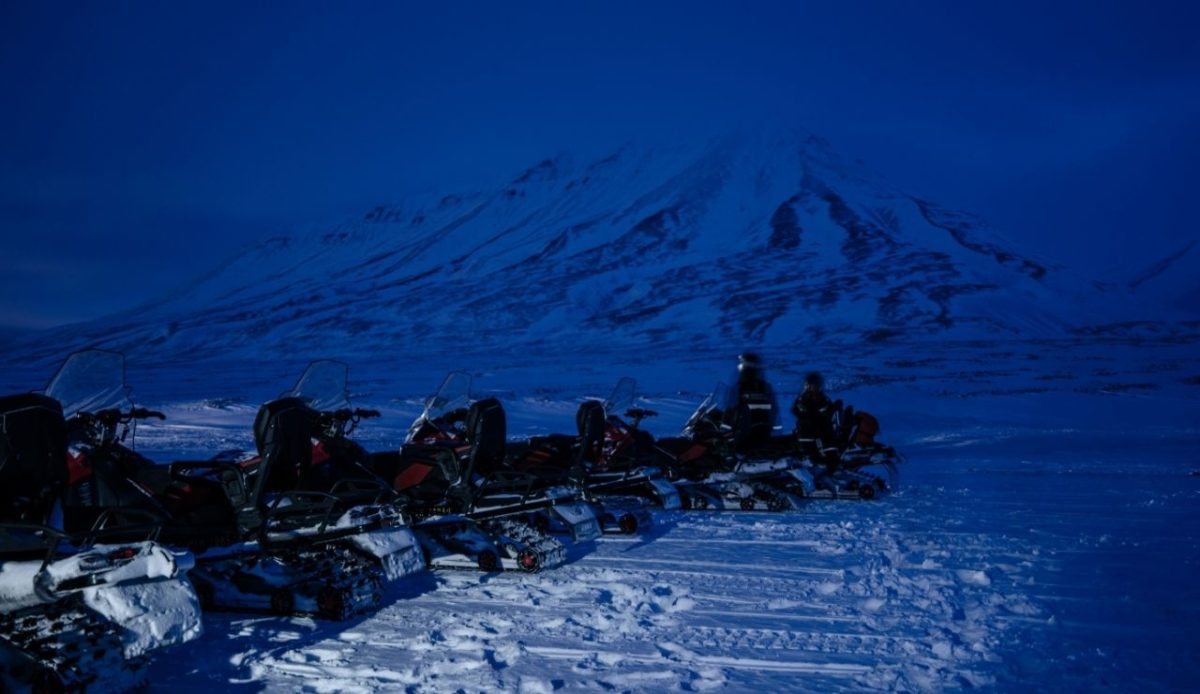
Svalbard’s polar night means the sun stays below the horizon for weeks, not just short winter days. From mid November into late January, the light is mostly twilight, and outdoor orientation becomes harder.
Visitors can misjudge ice, steps, and road edges because contrast is low. Sleep can also shift when darkness matches morning and evening, which affects driving alertness and tour timing. In storms, travel can pause entirely.
Planning should start with sunrise tables and realistic daylight windows. Headlamps, reflective gear, and conservative schedules reduce accidents, and they help people avoid pushing activities late when fatigue rises.
5. Midnight Sun Can Break Sleep Routines
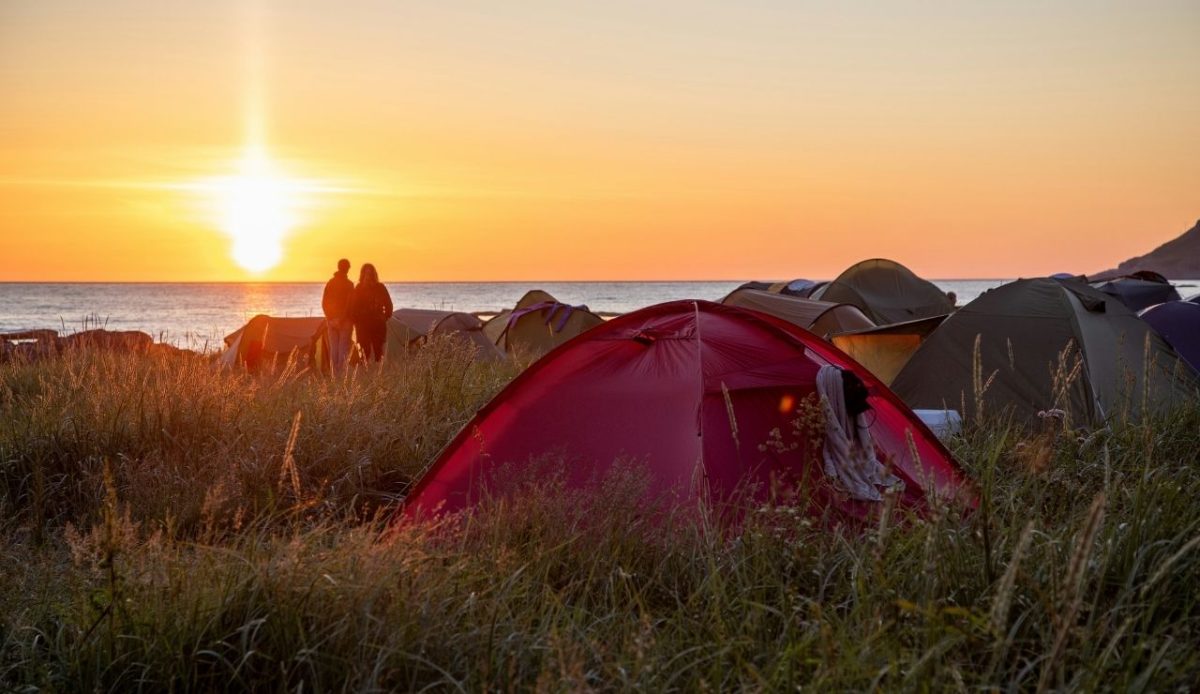
The midnight sun is often marketed as fun, yet it can disrupt basic routines for weeks. On Svalbard, continuous daylight runs from late April into late August, with sun still visible at midnight.
People who do not manage sleep can accumulate fatigue quickly, which increases the risk on boats, snowmobiles, and long drives. Blackout curtains are not guaranteed in every lodging, and late-day brightness can keep the body awake for hours.
The practical fix is strict sleep timing and eye protection, not more activities. Treat rest as part of the itinerary, since errors in remote areas can become serious when judgment is dulled. Families should plan quiet indoor time after tours.
6. The Lærdal Tunnel Is Extremely Long
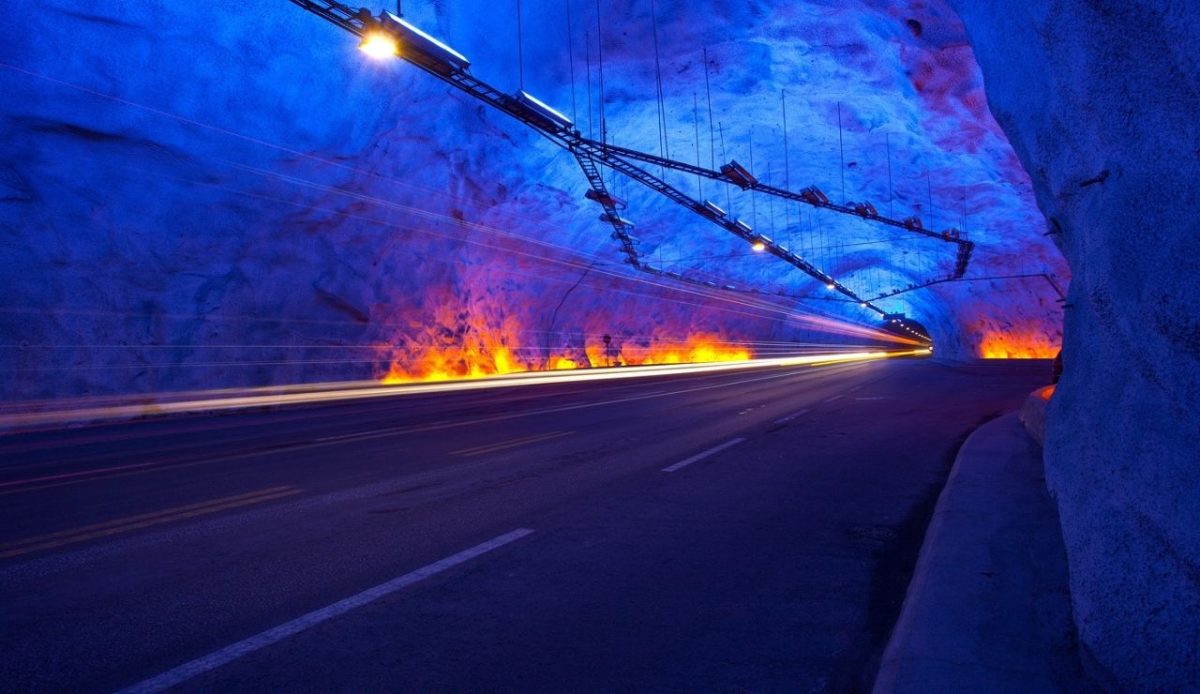
Norway’s Lærdal Tunnel is 24.51 kilometers long, and it can place drivers underground for nearly twenty minutes. Visitors who rent cars often meet it unexpectedly on the E16 between Oslo and Bergen routes.
The tunnel was built with lighting changes and wider caverns to reduce monotony and fatigue. Even with that design, some drivers feel disoriented because there is no daylight reference, and traffic can be sparse.
Entering rested matters. Keep speed steady, avoid sudden stops outside marked bays, and ensure fuel is adequate before the approach. In winter, alternate mountain routes may close, which makes long tunnels part of standard travel.
7. Avalanche Risk Is Posted Daily
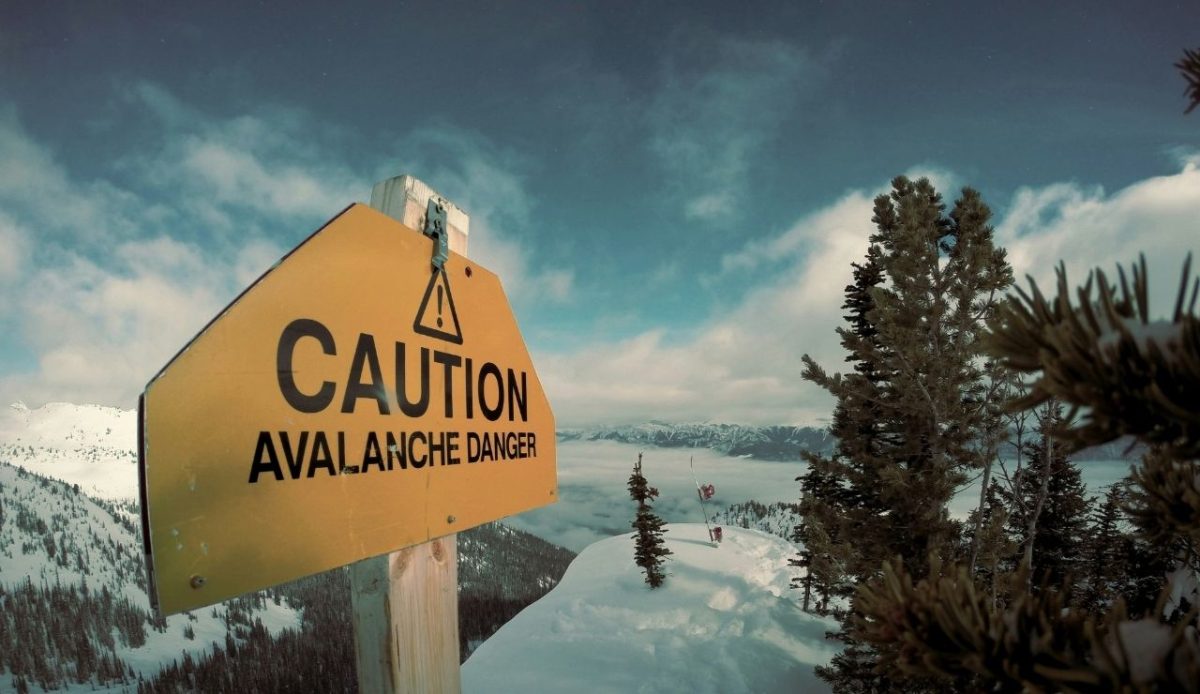
Norway’s national warning service publishes avalanche forecasts every day through the core season. From December 1 to May 31, each region receives a danger rating and specific problem descriptions based on weather and field reports.
The hazard can exist near towns, not only on remote peaks. Wind can load snow onto leeward slopes in hours, creating slabs that break above gullies and road cuts.
Read the bulletin for the exact area you will enter and match plans to the stated advice. When danger is great, avoiding steep terrain is the sensible choice even if tracks are visible. A short hike can cross an avalanche path without clear warning signs.
8. Cold Water Can Disable People Quickly
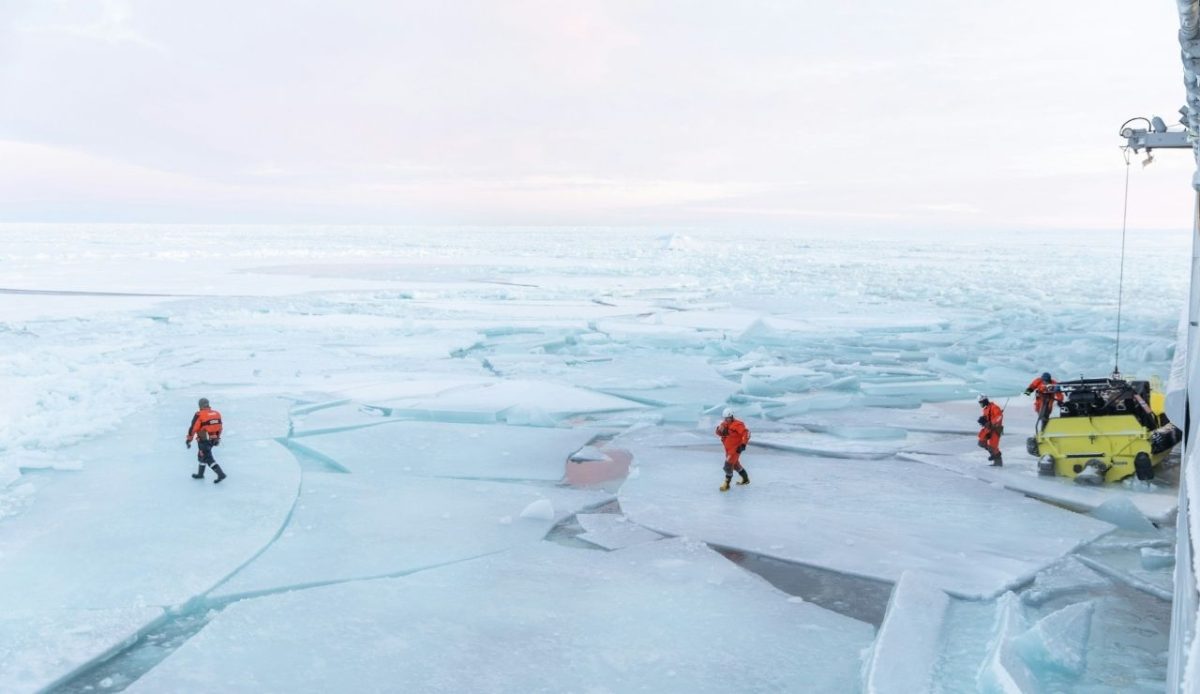
Norwegian coastal water is cold enough to disable people quickly, even on mild days. Cold shock can trigger involuntary gasping, and hand function can drop rapidly, making it hard to swim, grab a ladder, or use a phone.
Many incidents start with a slip on seaweed-covered rock, a wave at a harbor edge, or a fall from a small boat. In fjords, steep banks limit easy exits, so self-rescue can be harder than expected.
Wear a life jacket on boats and near rough piers, and keep a distance from wave-washed edges. Treat cold water risk as a planning item like weather, not a minor detail. A few seconds of poor footing can become a real emergency. Know how to reenter your boat.
9. Saltstraumen Has Extreme Currents
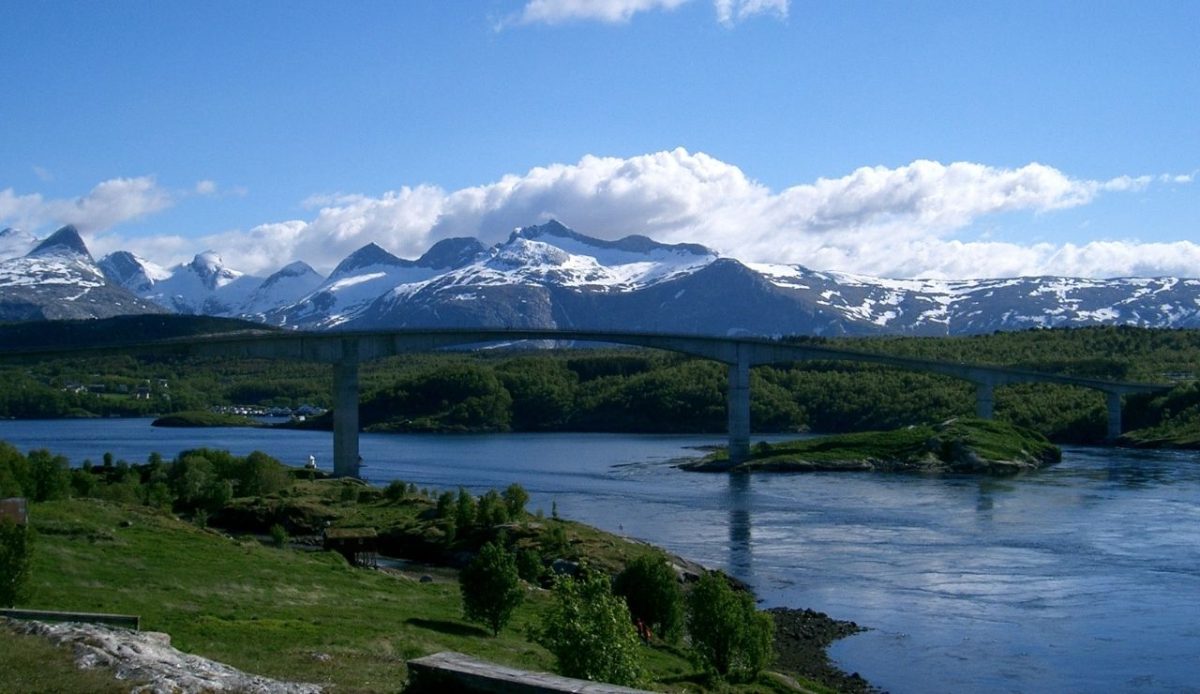
Saltstraumen near Bodø produces extreme tidal currents through a narrow channel. At peak flow, speeds are often reported around 20 knots, creating whirlpools and standing waves that can overpower small craft.
The danger is timing. The same viewpoint can look calm at slack tide, then become violent as the tide turns. Visitors who wade, kayak, or fish from low rocks can be caught when water levels and flow change quickly.
Use tide tables and follow posted warnings about safe areas. Watch from railings or higher ground, and avoid launching boats without local knowledge. This is a natural phenomenon that behaves more like a rapid river than an open sea.
10. Alcohol Sales Are Strictly Controlled

Alcohol access in Norway is tightly controlled in a way many travelers do not anticipate. Vinmonopolet is the state retailer for wine, spirits, and stronger beer, while grocery stores are limited to lower-strength products.
Hours can be shorter than visitors expect, especially outside major cities. If you arrive late on a weekend and drive to a cabin, legal purchase options may be closed for the night, even in towns.
This system reflects long-standing public health policy, so it will not bend for tourists. Check store hours and locations before leaving a hub, and do not assume duty-free purchases cover longer stays. Planning avoids wasted drives and last-minute pressure.
11. Wild Camping Has A Strict Buffer Rule
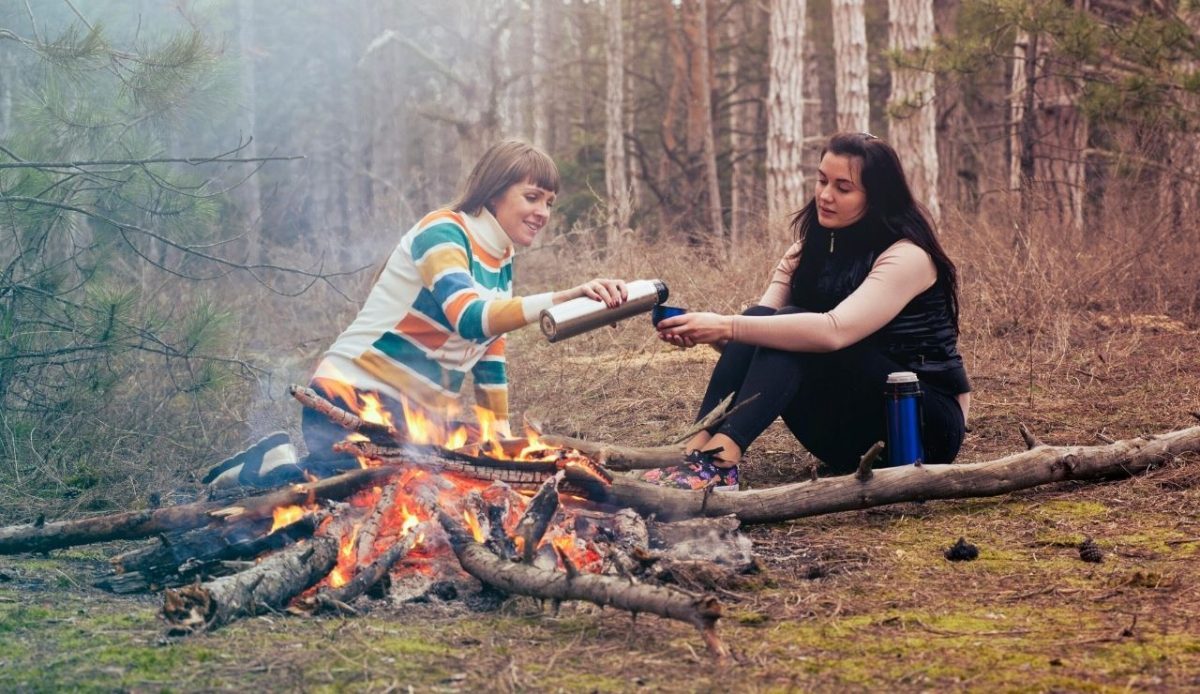
Norway’s right of access allows camping on uncultivated land, but the limits are strict. A tent must be placed at least 150 meters from an occupied house or cabin unless the owner allows a closer spot.
Cultivated fields and fenced pasture are not fair game, even if they look empty. Stays are often limited to two nights in the same place, and local rules can tighten access in popular areas. Fire bans can apply during dry periods.
The common mistake is pitching near a scenic cabin without checking if it is in use. Use maps to confirm land type, walk farther than you think you need, and respect quiet hours. Doing it right protects access for everyone.
12. Musk Ox Require Serious Distance In Dovrefjell
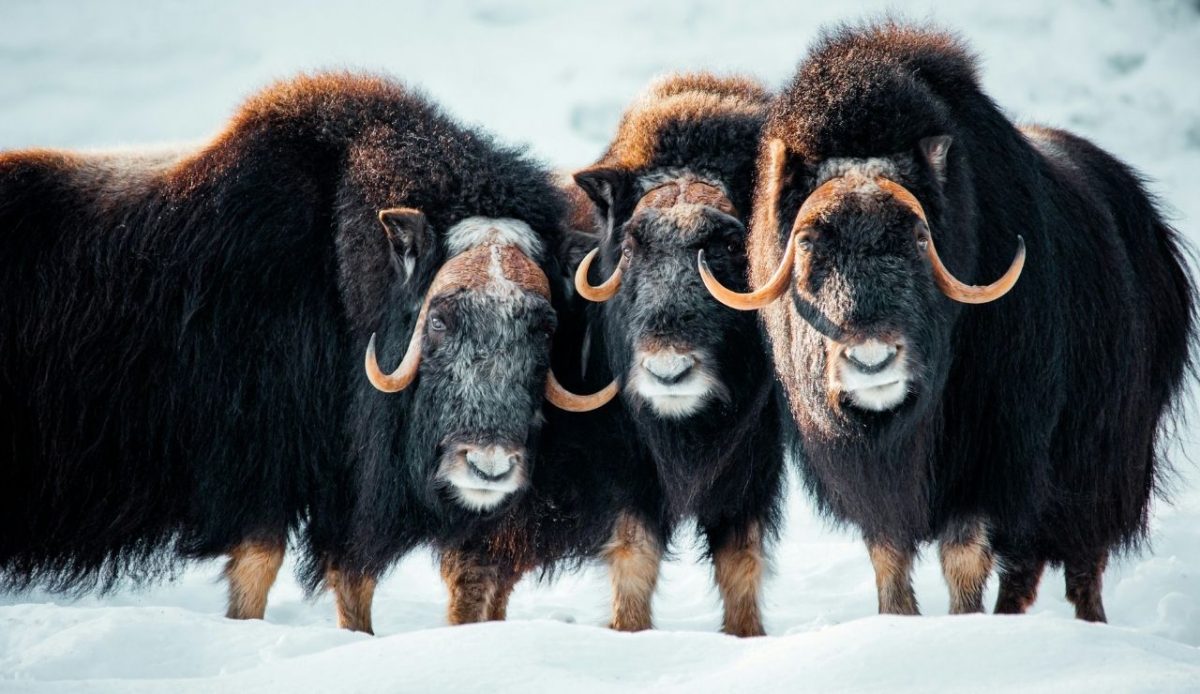
Musk ox live in the Dovrefjell area and are often sought out by hikers. Local guidance commonly sets a 200-meter minimum distance because the animals can charge if they feel threatened or blocked.
They can run faster than a person, and they react strongly to dogs. Rangers sometimes redirect hikers when herds sit on the route, since passing close can trigger defensive behavior. Several injuries have been reported when visitors approached for photos.
Use binoculars and stay on the trail, even if the animals appear calm. Keep dogs leashed and wait for the herd to move rather than edging closer. A close encounter can end with an injury and a costly rescue response.
