
Social media has reshaped how travelers choose summer destinations, often turning a single perfectly framed image into a bucket-list dream. Turquoise water, empty streets, and golden sunsets create expectations that feel almost guaranteed.
In reality, many of these viral locations struggle with overcrowding, inflated prices, seasonal shortages, or environmental strain during peak summer months. What looks serene online can feel stressful, rushed, or underwhelming in person.
This list highlights nine summer destinations that frequently disappoint visitors once filters disappear. Understanding these realities helps travelers plan smarter, manage expectations, and avoid turning a dream vacation into a costly letdown.
1. Santorini, Greece
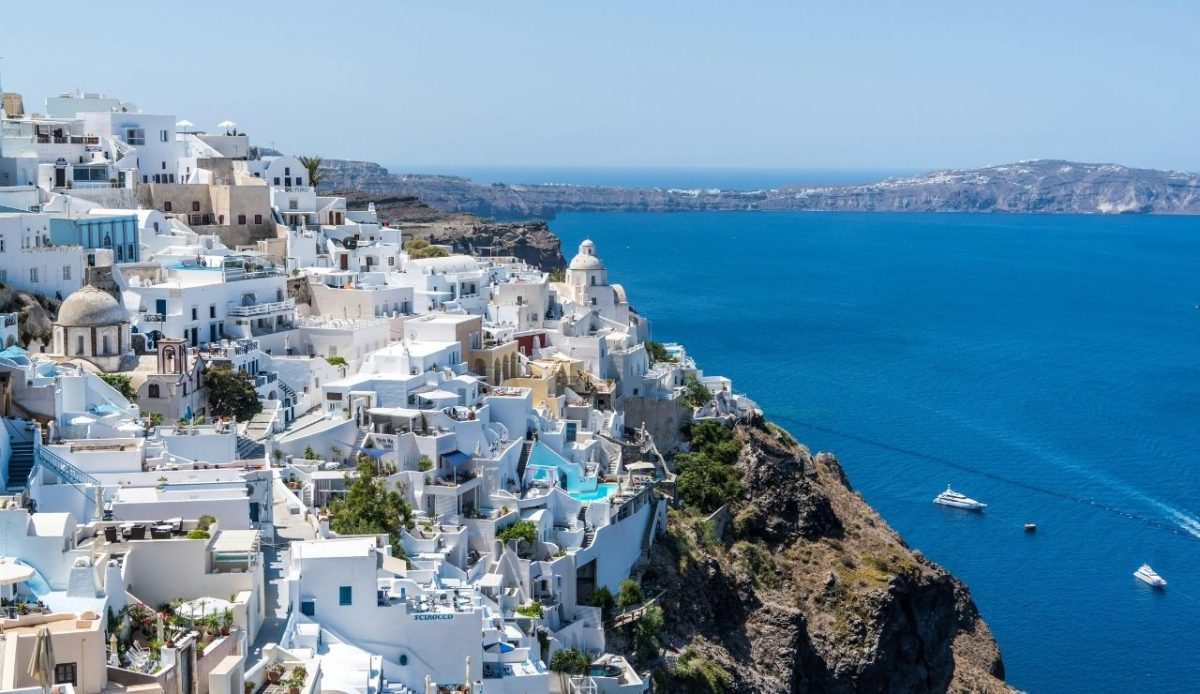
Santorini’s whitewashed cliffs and blue domes dominate summer travel feeds, but reality often feels far less magical once visitors arrive. Cruise ships unload thousands daily, flooding narrow streets that were never designed for heavy foot traffic.
During peak season, restaurants, viewpoints, and transport options become overwhelmed. Prices surge dramatically, basic experiences require advance bookings, and crowds gather early under relentless heat.
While undeniably scenic, Santorini in summer often feels exhausting. Many travelers leave feeling they spent more time navigating congestion, queues, and logistics than actually enjoying the island’s famous beauty.
2. Venice, Italy
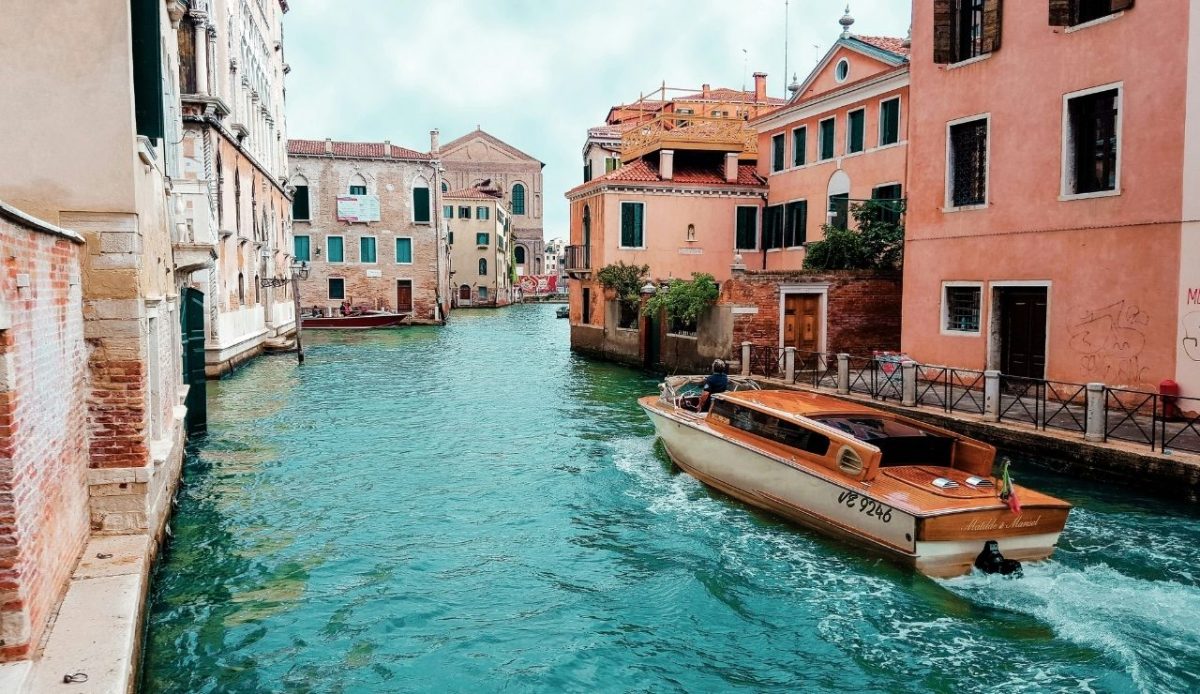
Venice appears timeless online, with empty canals and quiet bridges captured at sunrise or late evening. During summer days, however, the city becomes intensely crowded with cruise passengers and large tour groups.
High temperatures combine with limited shade, making walking exhausting. Narrow streets clog quickly, public transport fills fast, and simple errands like crossing a bridge can take far longer than expected.
Venice remains historically fascinating, but summer strips away much of its romance. Many travelers report spending more time navigating congestion and queues than enjoying museums, food, or the city’s slower cultural rhythms.
3. Bali, Indonesia
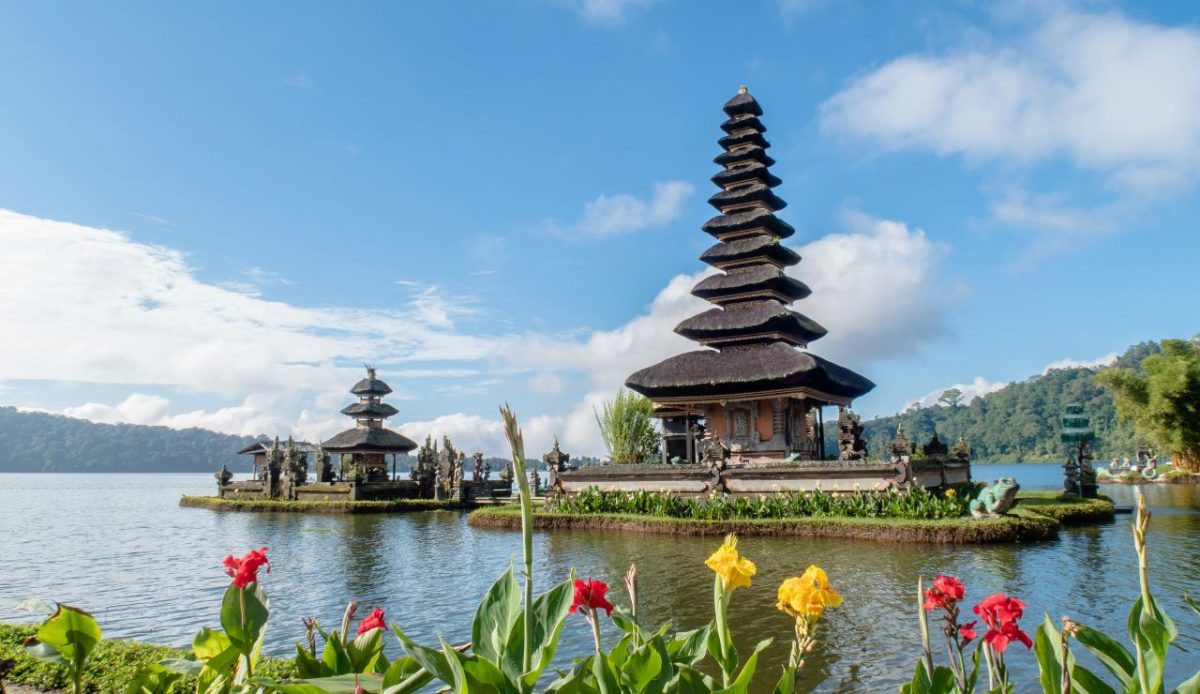
Bali’s social media reputation promises spiritual calm, lush jungles, and quiet beaches. In summer, reality often includes traffic congestion, crowded temples, and packed beach clubs.
Popular areas like Canggu and Ubud struggle with infrastructure during peak season. Pollution, noise, and long travel times between attractions frustrate first-time visitors, especially those on short itineraries.
Bali still offers beauty, but the summer experience often clashes with expectations. Travelers seeking serenity are often surprised by commercialization, construction, and how much planning is required to avoid crowds.
4. Dubai, UAE
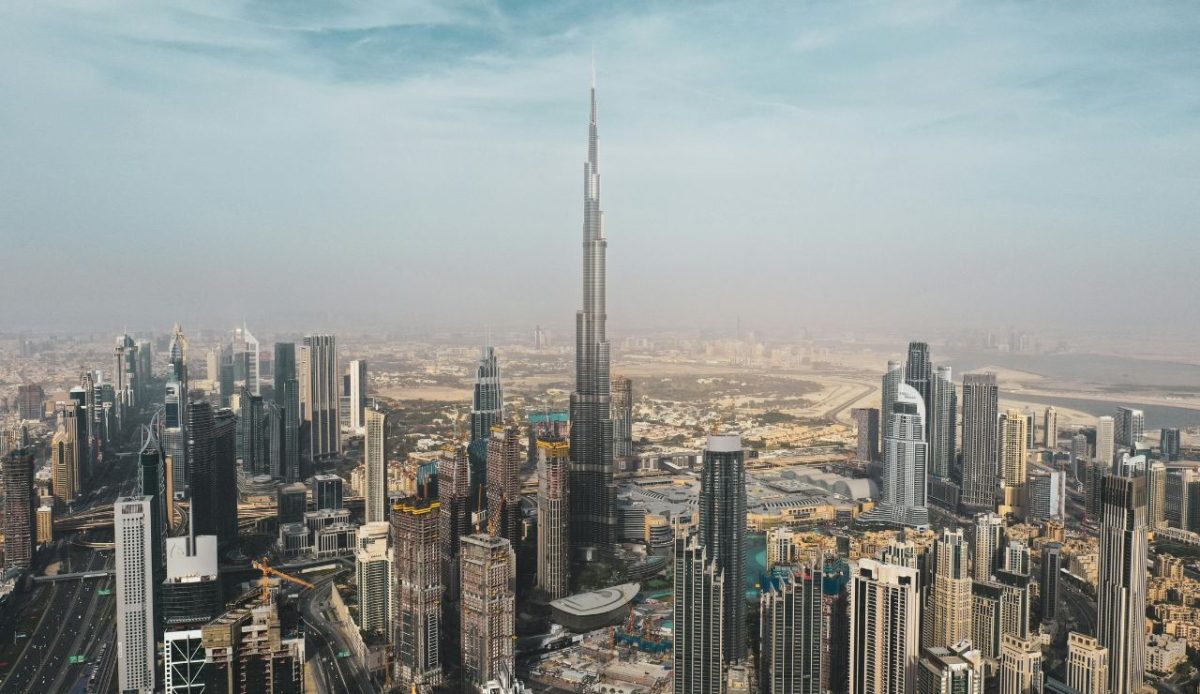
Online, Dubai looks futuristic and luxurious year-round, filled with rooftop pools, desert adventures, and outdoor dining. In summer, however, extreme heat dominates daily life and reshapes how the city functions.
Temperatures regularly exceed comfort levels, forcing most sightseeing indoors. Walking even short distances becomes difficult, and outdoor attractions, beaches, and markets are largely avoided during daylight hours.
Dubai delivers luxury and spectacle, but summer travelers often feel confined to malls and hotels. The glossy visuals rarely reflect how limited outdoor exploration becomes during the hottest months.
5. Phuket, Thailand
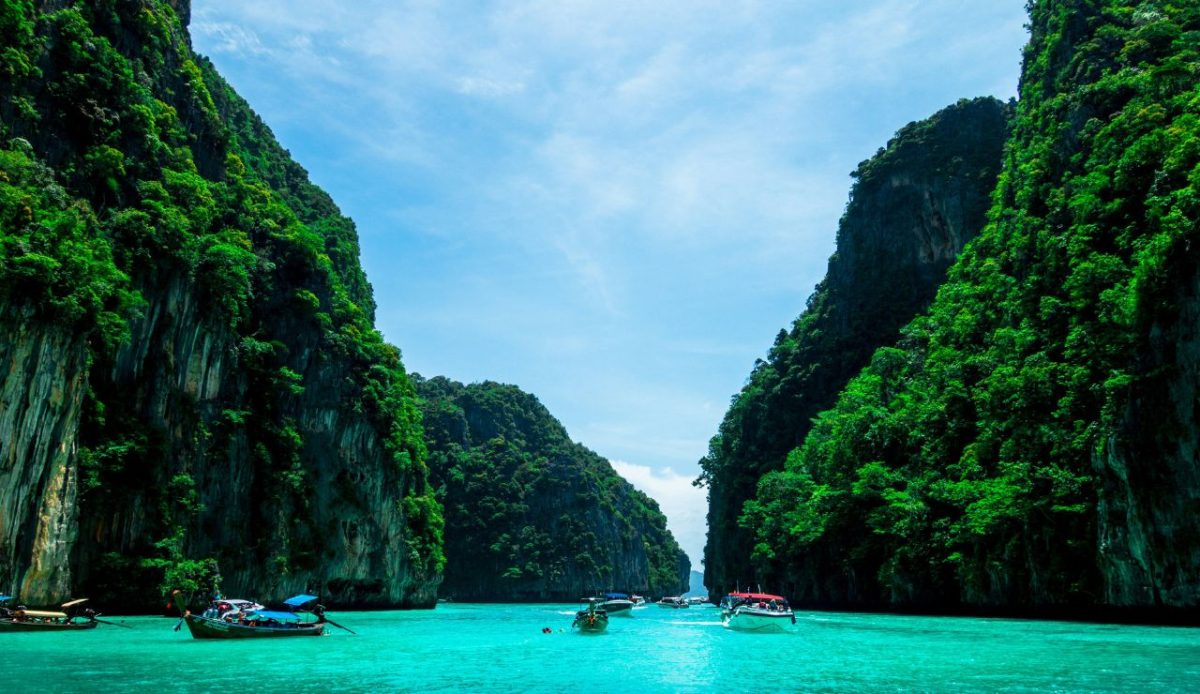
Phuket’s beaches appear untouched online, but summer brings crowds, rough seas, and unpredictable weather. Monsoon season can reduce water clarity and affect boat tours, making certain activities unreliable.
Tourist hotspots are often noisy and congested, while quieter beaches require long travel times and careful planning. Many travelers encounter inflated prices and limited availability during peak season, even for basic services like taxis or beach rentals.
While Phuket still attracts visitors seeking tropical beauty, summer frequently fails to deliver postcard perfection. The mix of humidity, heat, and crowded attractions often leaves travelers surprised, feeling the island didn’t match its carefully curated online image.
6. Paris, France
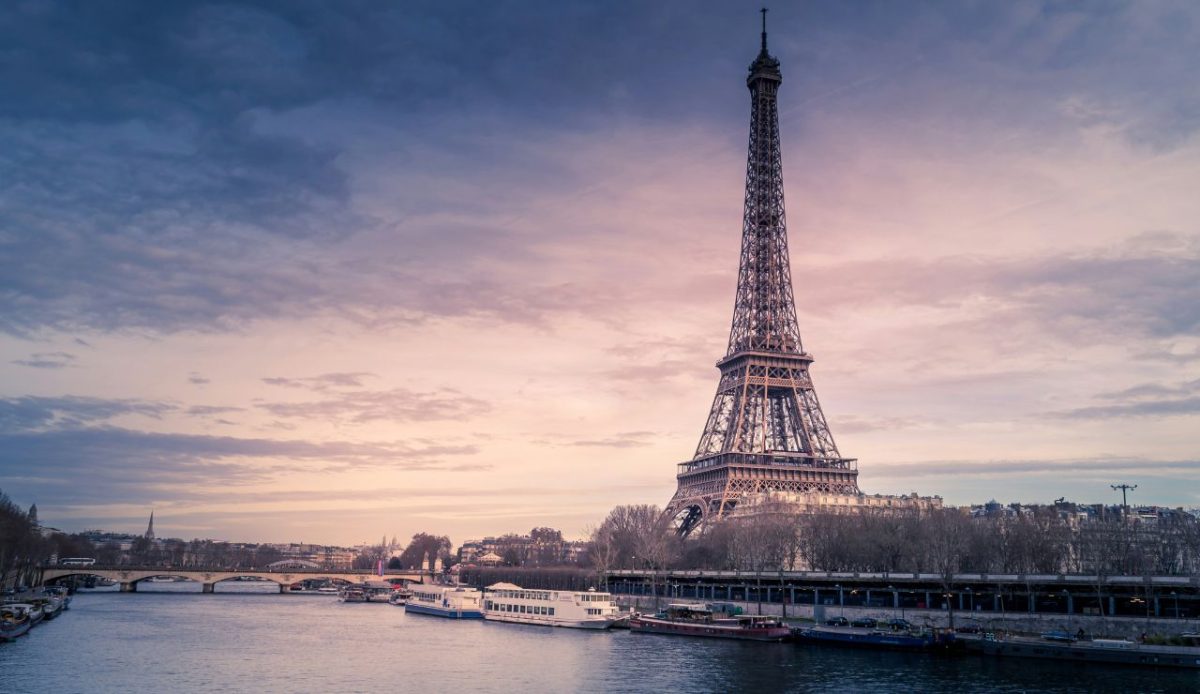
Paris looks effortlessly romantic online, especially in soft summer light over iconic landmarks. In reality, August brings closures, large crowds, and intense heat that makes sightseeing challenging.
Tourist sites remain packed, while many local shops, cafés, and family-run restaurants shut down for summer holidays. Air-conditioned spaces are limited, making long walking tours or museum visits exhausting for first-time visitors.
Paris retains its charm, but summer often amplifies its challenges. Travelers expecting leisurely strolls and relaxed café culture may instead face queues, heat, and fewer local interactions, requiring careful planning to fully enjoy the city.
7. Mykonos, Greece
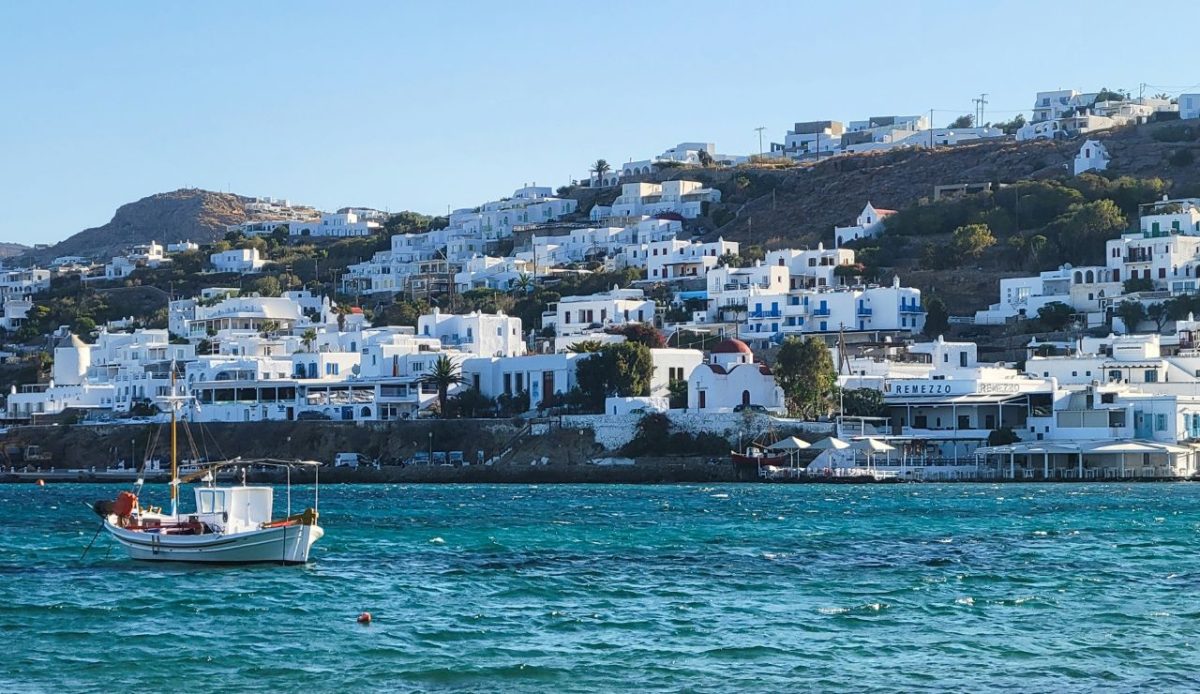
Mykonos markets itself as a glamorous summer paradise, but reality often means extreme prices, overcrowded beaches, and noisy beach clubs from dawn to dusk.
Luxury resorts and boutique hotels can be fully booked months in advance, and even day-trippers contribute to congestion. Prices for food, transport, and activities soar during the peak season, sometimes deterring budget-conscious travelers.
Although Mykonos offers beautiful sunsets and lively nightlife, many visitors feel the experience is overhyped. The constant crowds, high costs, and hectic pace often clash with the idyllic images seen online, leaving some disappointed.
8. Maldives
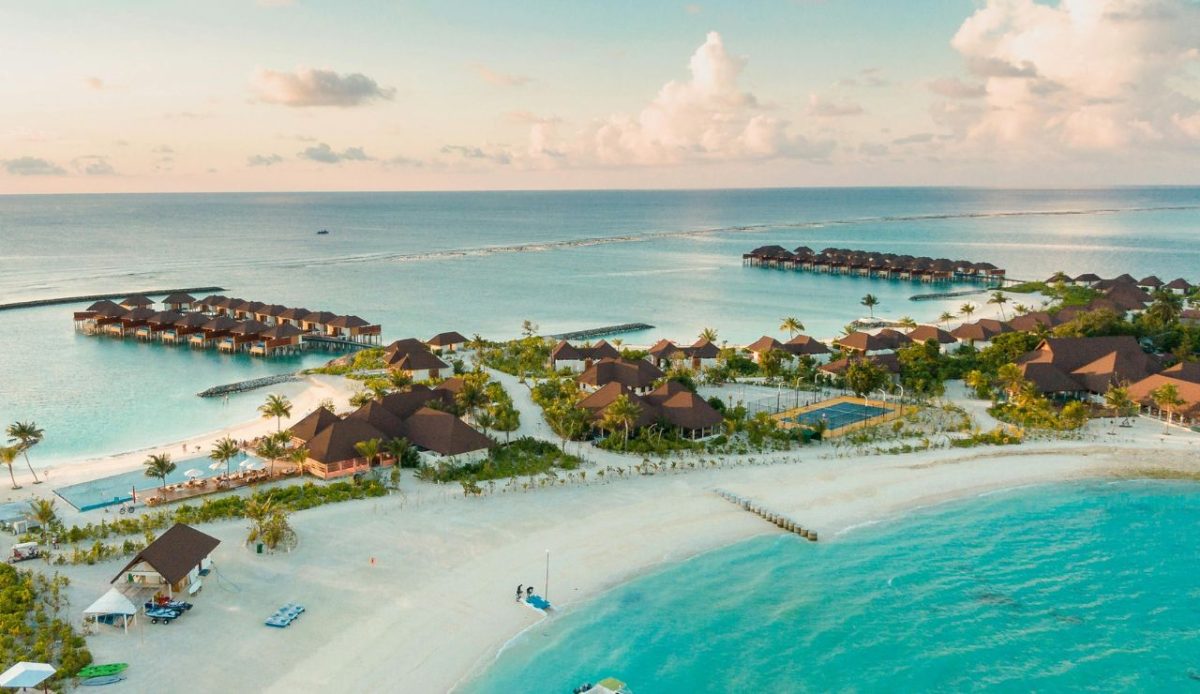
The Maldives looks flawless online, yet summer brings high humidity, storms, and choppy waters. Monsoon season affects scuba diving, snorkeling, and other water-based activities, sometimes limiting sightseeing and resort excursions.
Weather unpredictability means guests must plan carefully. Even with luxurious accommodations, storms can confine travelers to their villas or indoor activities, diminishing the picture-perfect vacation they envisioned.
While still incredibly scenic, summer in the Maldives rarely meets online expectations. Travelers can face disrupted plans, unexpected rain, and high costs despite less-than-ideal weather, which contrasts sharply with curated social media imagery.
9. Tulum, Mexico
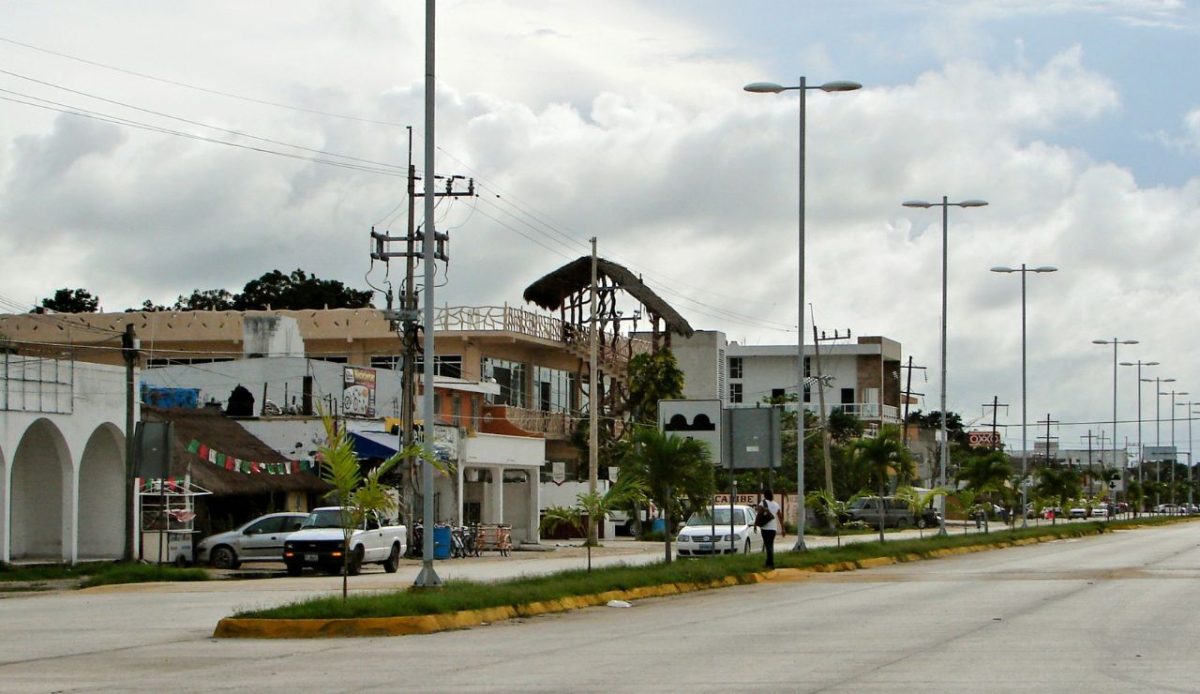
Tulum’s bohemian beach aesthetic dominates social feeds, but summer introduces sweltering heat, humidity, and heavy crowds that strain local infrastructure.
Traffic congestion, limited parking, and crowded streets reduce mobility. Seasonal seaweed can affect beaches, and power or water shortages occasionally disrupt accommodations and restaurants. Environmental pressures from high visitor numbers also impact natural sites.
Tulum still offers charm and cultural appeal, yet summer often exposes challenges. Travelers expecting calm, pristine beaches and effortless bohemian vibes may face logistical frustrations and environmental realities that dampen their dream vacation.
