
Mediterranean islands without airports stay calmer because arrivals depend on scheduled boats, not flight volume. Capacity is set by port slots, weather, and vessel size, limiting day trip spikes. Longer stays are common because leaving requires planning around sailings.
Ferry access shapes infrastructure. Fuel, groceries, and materials arrive by sea, so storage and port operations matter more than runways. Visitor services scale to timetables rather than aviation demand, keeping staffing and transport stable in peak season.
Each island below has no commercial airport and is reached by ferry. Notes list departure ports and crossing ranges, plus how limits affect crowding and trip length. Details follow the operator and tourism board guidance.
1. Hydra, Greece
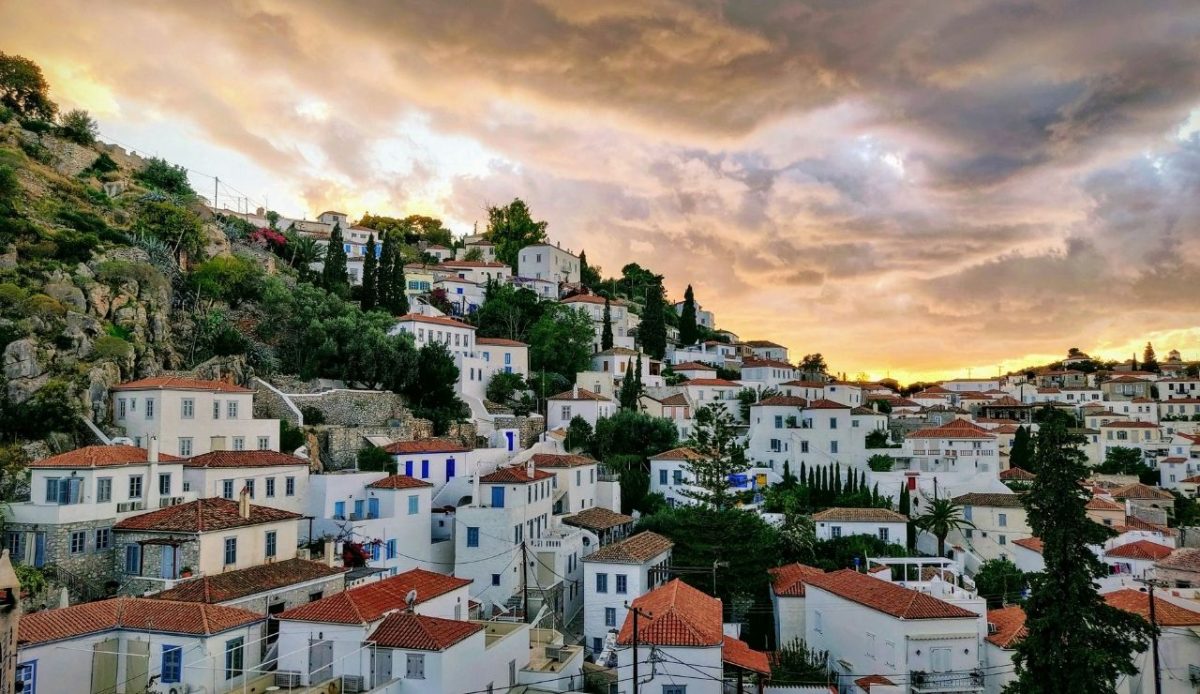
Hydra is in Greece’s Saronic Gulf and has no airport, so visitors arrive via Athens and ferries from Piraeus. Service runs year-round with heavier summer frequency, and crossings are 1.5 to 2 hours. Volume is limited by seats and dock slots.
A vehicle ban keeps most streets car-free. Walking and water taxis handle people, while goods move from the port by handcarts or pack animals. With fewer engines and narrow lanes, noise stays low, and the harbor works for daily errands.
Many stays run longer because departures depend on sailings, not air links. Museums and coastal paths can be covered without transit pressure, and day trips are constrained by the last boat. That friction reduces turnover and supports tourism alongside resident life.
2. Formentera, Spain
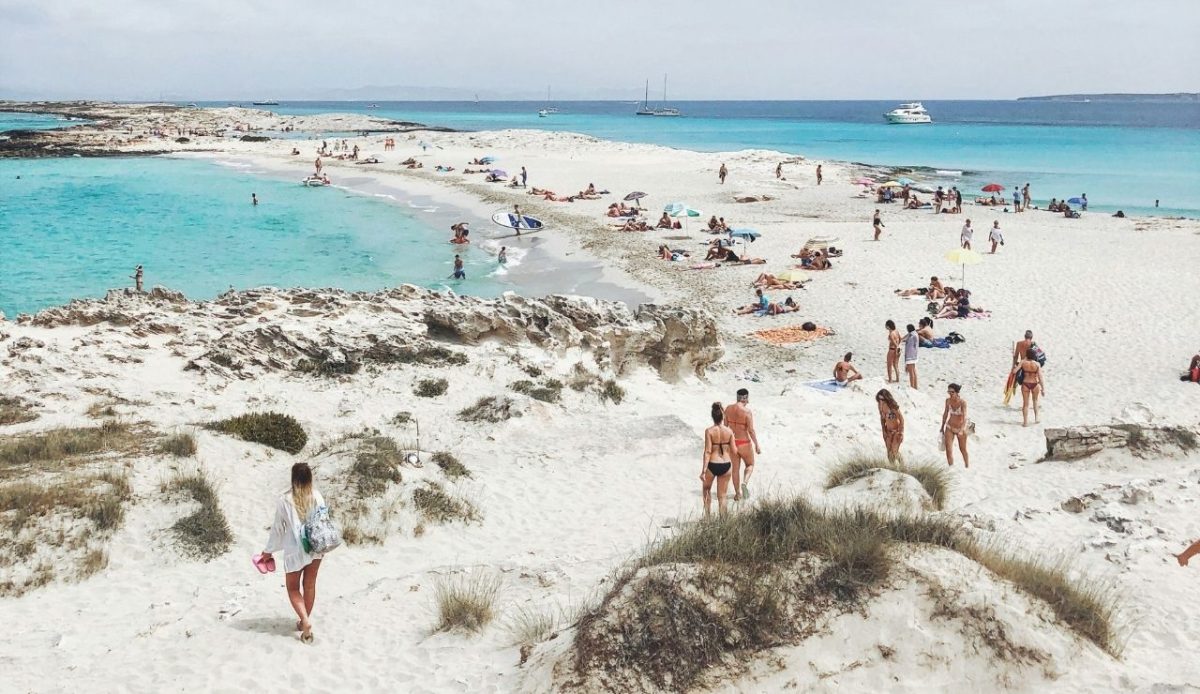
Formentera in Spain’s Balearics has no airport, so access is by ferry, usually from Ibiza. The short crossing makes demand track boat frequency, not flights. Wind and sea state can slow fast craft, so plans follow published sailings.
Most passengers and supplies move through La Savina, concentrating logistics and limiting peak throughput. Bikes and scooters dominate, easing parking, and buses connect villages. With no runway growth, accommodation expansion has stayed restrained.
Return sailings shape trip length, so many travelers extend stays to avoid rushed schedules. Protected areas and permitting restrict shoreline building and support habitat monitoring. Ferry-only entry helps control crowd levels and supports repeat tourism.
3. Favignana, Italy
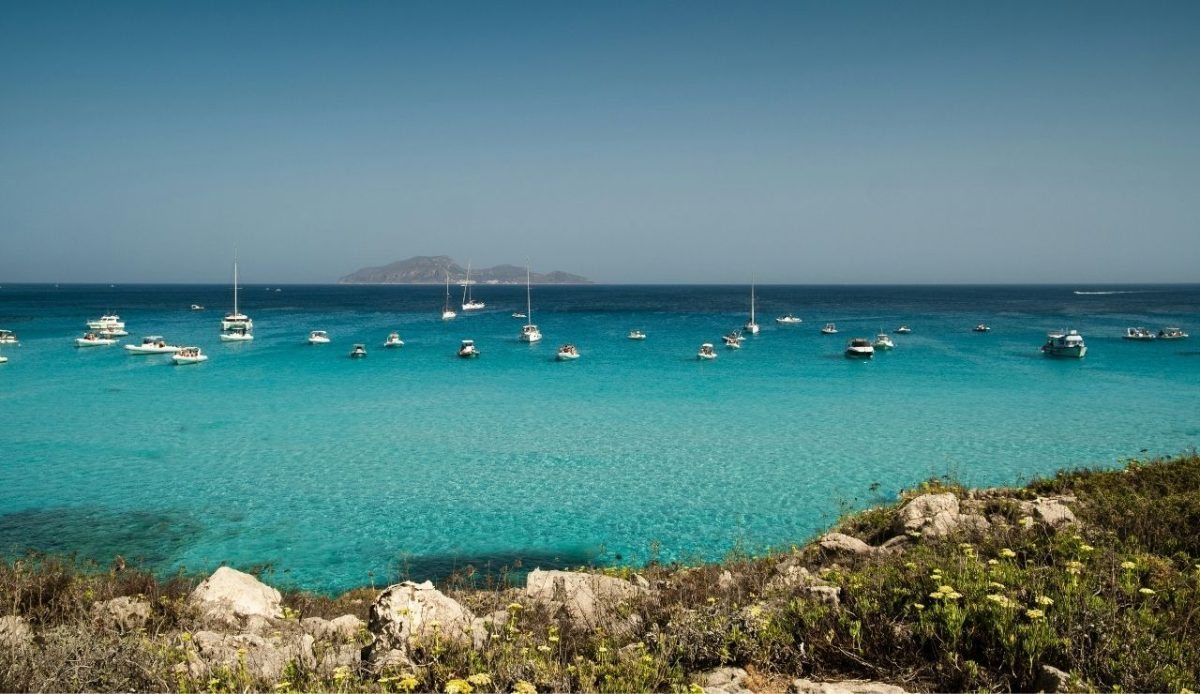
Favignana in Italy’s Egadi Islands off western Sicily has no airport. Visitors arrive by hydrofoil or ferry from Trapani, with crossings that vary by vessel and sea state. Summer schedules add departures, yet capacity is limited by seats and port handling.
Tourism and supplies depend on the harbor. Food, fuel, and rentals arrive by boat, then scooters and bikes handle local trips. With access constrained by timetables, accommodation growth stays tied to transport supply, reducing sudden crowd surges.
Many travelers add nights after factoring in fixed return sailings and weather disruption. Tuna industry sites and day boat outings drive repeat demand. Ferry-only entry keeps visitation predictable, helping services cope during peak months.
4. Vis, Croatia
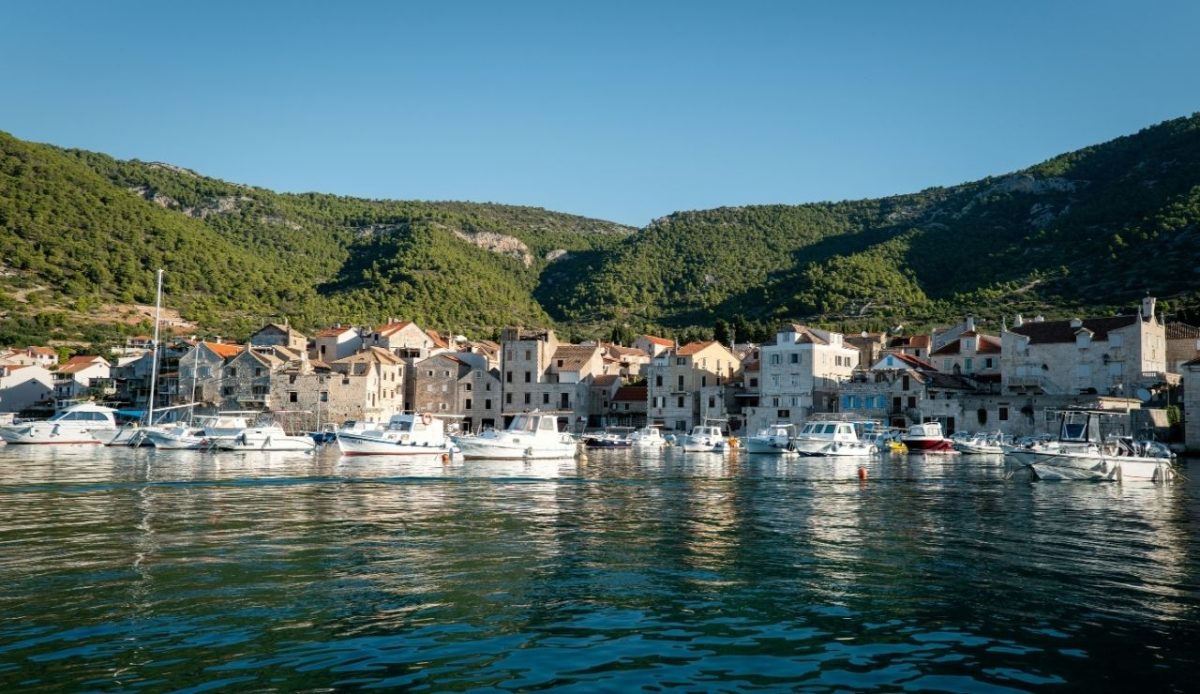
Vis in Croatia has no commercial airport, so access is by ferry or catamaran from Split. Crossing times vary by service, often 1.5 to 3 hours. Fixed seats cap arrivals, and rough seas can disrupt runs, so maritime scheduling drives planning.
A lower development baseline remains from decades of restricted access linked to military history. Supplies and fuel arrive through the port, so businesses plan around deliveries and passenger timetables. Lodging and excursions scale to boat capacity.
Many visitors stay several nights to justify transit time, spreading spending beyond the harbor. Vineyards and inland farms benefit from that slower pattern. Without air exits, weekend churn drops, and ferry schedules encourage steady itineraries.
5. Ponza, Italy
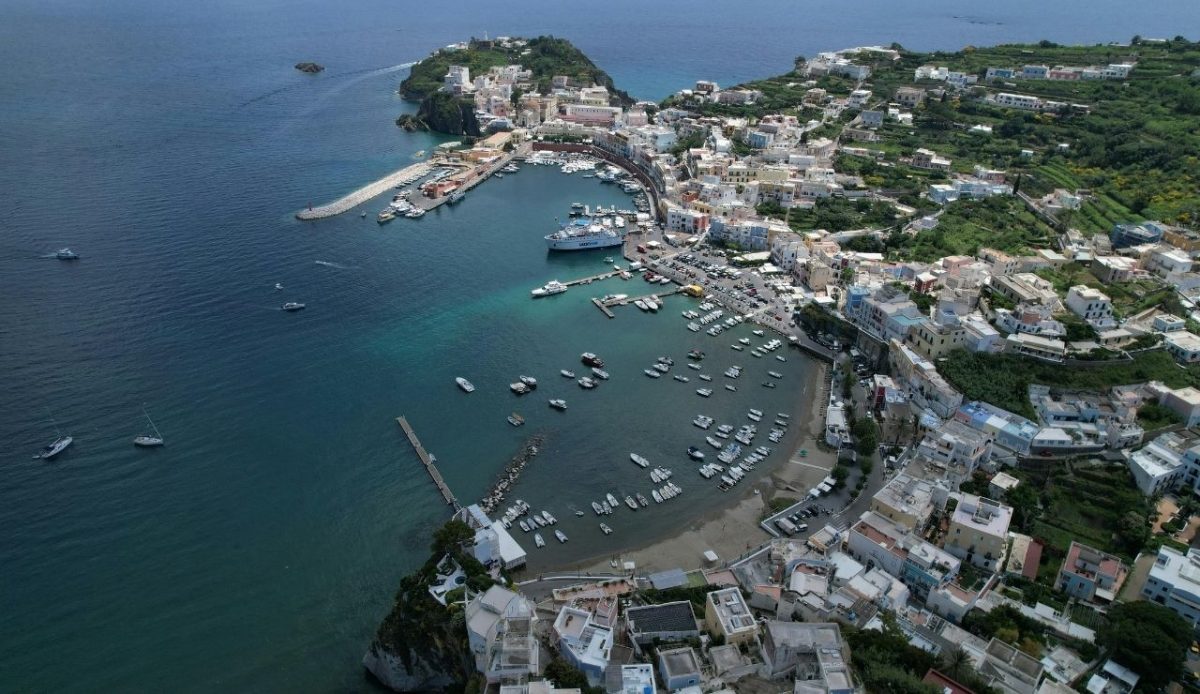
Ponza in the Tyrrhenian Sea has no airport, so arrivals are by ferry or hydrofoil from mainland ports. Crossing time depends on the vessel and sea state, usually 1 to 3 hours. Summer adds departures, yet capacity stays limited by tickets and dock slots.
Freight and visitors pass through the harbor, so logistics and tourism track sailings. Deliveries are timed to port windows, and rentals are sized to what can be shipped and serviced locally. Sea-only access reduces day-trip volume and limits lodging growth.
Many travelers stay longer when seas disrupt returns or when seats sell out. That constraint spreads spending across businesses and reduces turnover. Without flights, exits are less spontaneous, and ferry planning supports steady patterns.
