
Crowds along the Adriatic have pushed many travelers to look for walled towns that still feel walkable on foot and practical on a short trip. Dubrovnik proved that a compact historic core plus sea access can scale fast once the word spreads.
Across the region, growth is being driven by ferries, low-cost flights, and cruise routing, while heritage rules keep many centers from adding rooms quickly. That mismatch tends to raise prices and attention before major building follows.
The places below share dense old quarters, strong waterfront settings, and clear signals of rising demand, yet they remain less strained than Dubrovnik at its peak. Their next few seasons will likely shape whether balance holds.
1. Korčula Town, Croatia
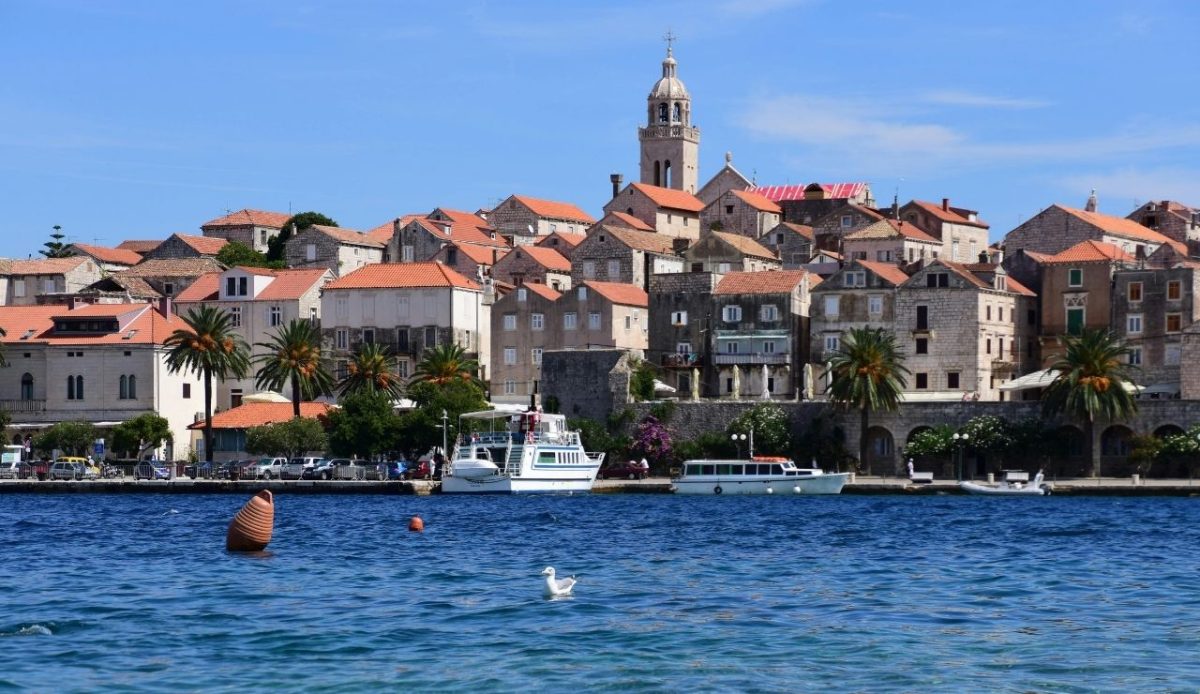
Korčula Town sits behind stone walls on a small peninsula, with a tight street plan that keeps most movement on foot. The old quarter stays intact because cars are limited and renovation rules are strict.
Seasonal catamarans from Split and Dubrovnik have broadened arrival options, and day boats increase traffic from nearby islands. A portion of cruise itineraries now includes short calls, which adds visibility in key markets.
Lodging inside the core remains scarce, so demand is being absorbed by small hotels and licensed rentals rather than large builds. That supply constraint, paired with growing access, matches the early pattern seen in Dubrovnik.
2. Šibenik, Croatia
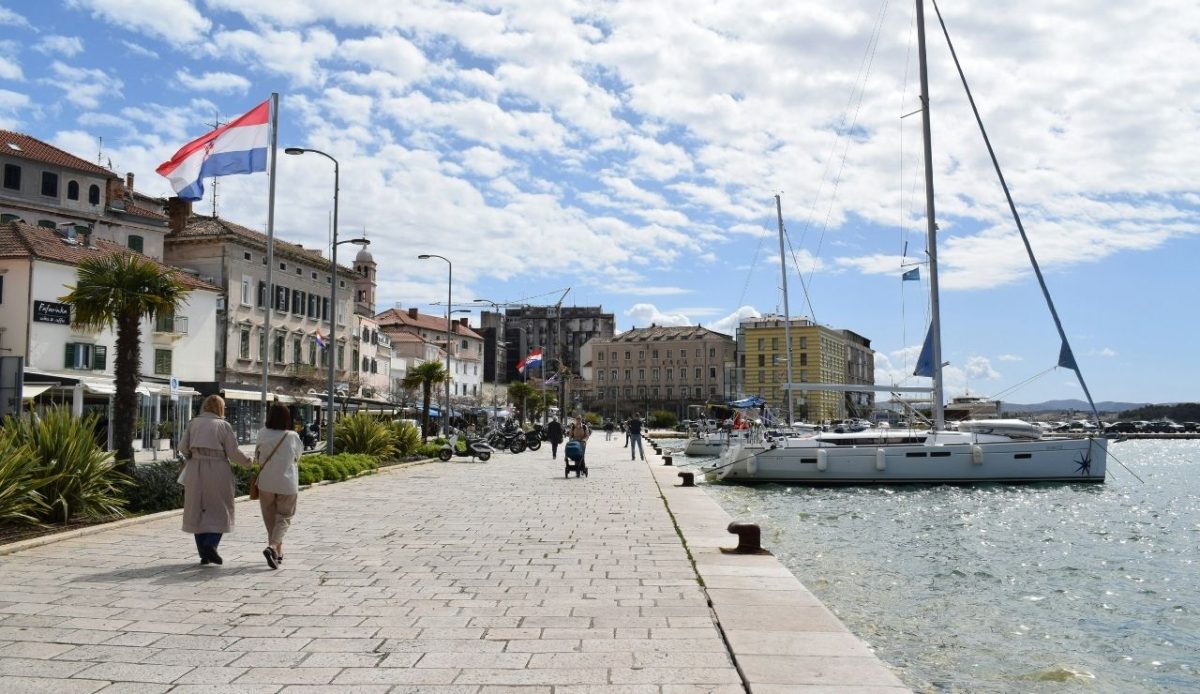
Šibenik’s historic center rises above a working harbor and is anchored by the Cathedral of St. James, which carries UNESCO status. The city reads as lived in, with schools, markets, and offices inside the old fabric.
Road links make it easy to base between Zadar and Split, and Krka National Park pulls visitors who often add a second night. New boutique properties have appeared, but major chains have been kept mostly outside the core.
As more travel outlets frame Šibenik as a quieter Dalmatian stop, demand is being shifted from the busiest southern corridor. If shoulder season bookings keep rising, crowd pressure will follow the same arc Dubrovnik experienced.
3. Piran, Slovenia
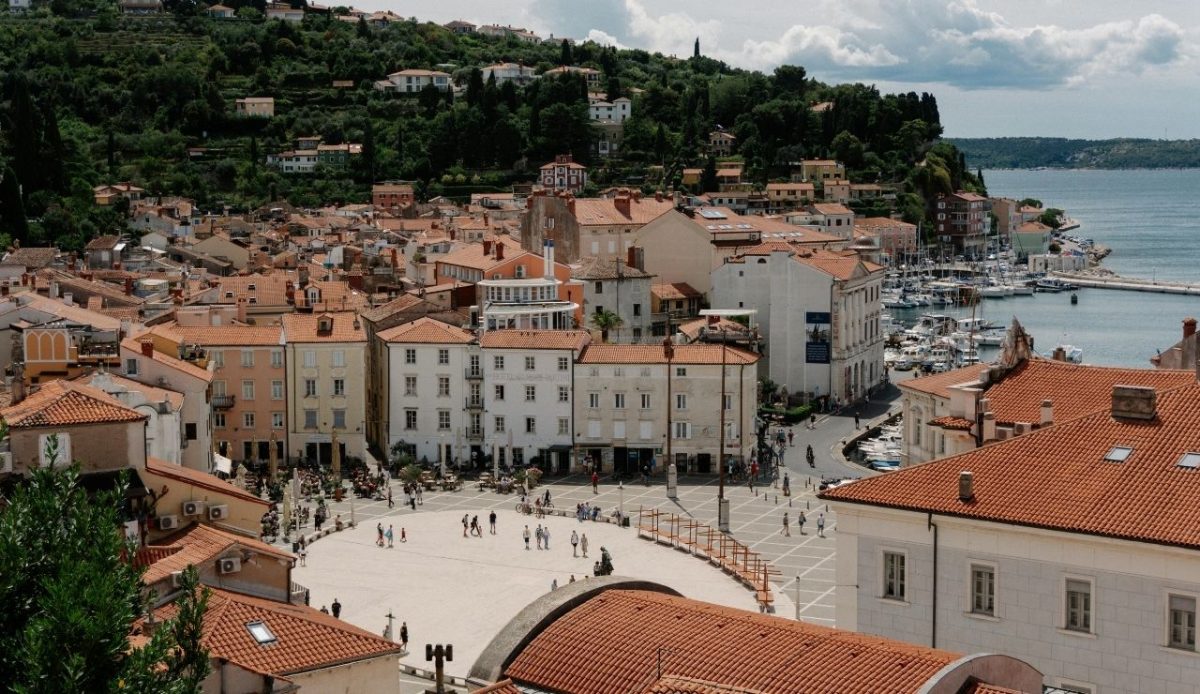
Piran uses nearly its entire peninsula for a compact old town with Venetian-era buildings and a central square that funnels foot traffic. Car access is restricted, which reduces churn and keeps streets calmer.
Interest has been lifted by Slovenia’s broader tourism growth and by nearby airports in Trieste, Venice, and Ljubljana. Day trips are common, yet longer stays are increasing as renovated inns and apartments improve quality.
Expansion space is limited by geography and protection rules, so bed counts cannot jump quickly. When awareness rises under those limits, prices climb, and marketing follows. That dynamic helped Dubrovnik move from regional favorite to global headline.
4. Kotor, Montenegro
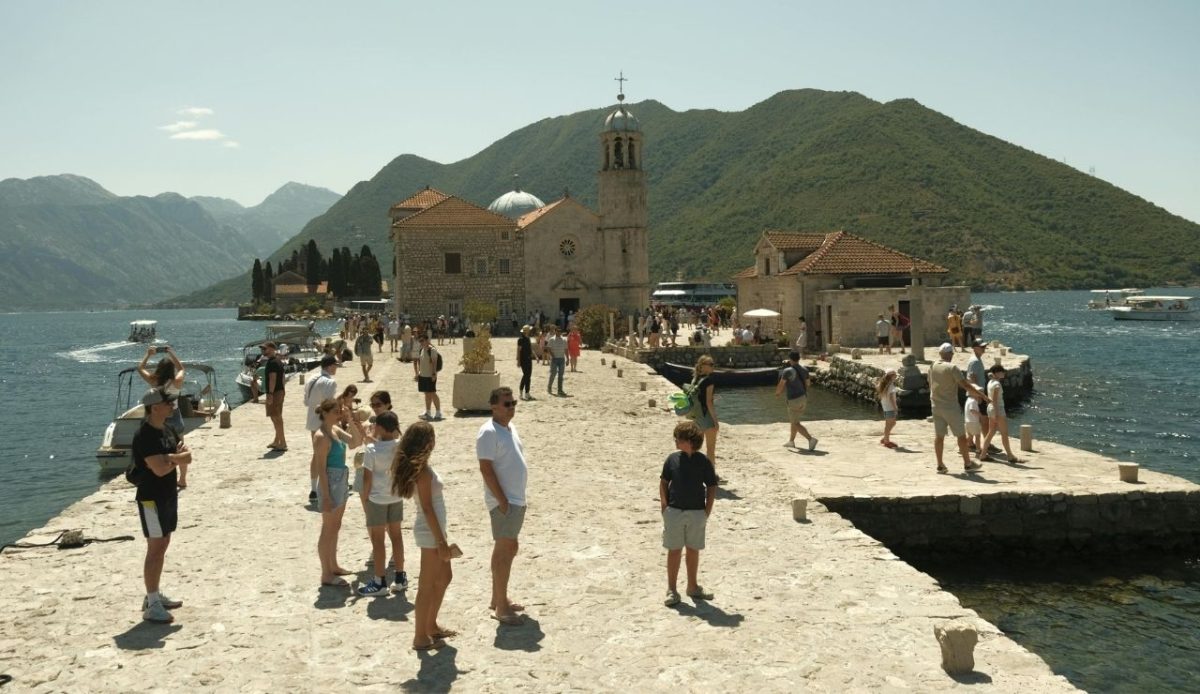
Kotor is a fortified medieval town set at the end of a sheltered bay, with walls that climb the slope above the center. The core can be covered quickly, which suits cruise and weekend travel patterns.
Cruise arrivals have increased for years, and daily spikes have been reported during peak routing weeks. Businesses inside the old town have shifted toward short-visit spending, while services for residents have been pressured.
Debates over port limits and scheduling show that management is being forced earlier than many towns expect. That same conversation emerged in Dubrovnik once volumes surged beyond street capacity. The similarity suggests Kotor is already on the hotspot track.
5. Rovinj, Croatia
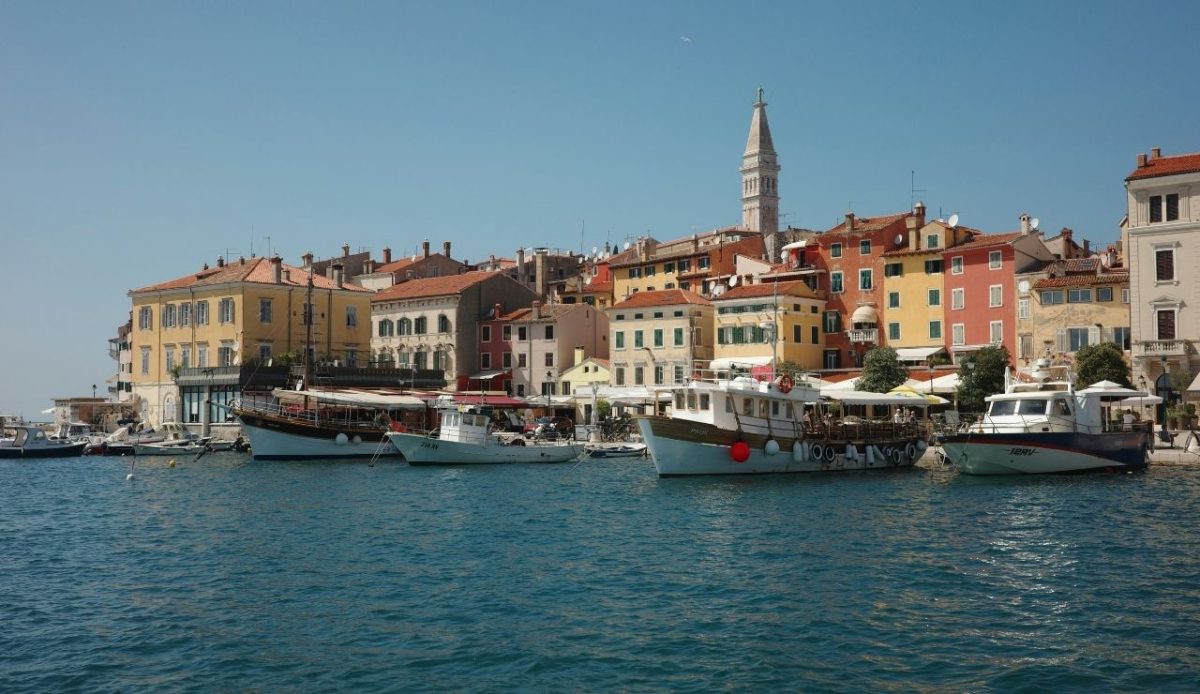
Rovinj’s old town sits on a steep coastal promontory, with narrow lanes that lead to the hilltop church and views over the harbor. Its Venetian legacy is visible in façades, street widths, and the town plan.
Istria has gained demand from travelers seeking culture and food without the highest Dalmatian crowds. Good road connections and regional airports help shorten trip planning, and marina tourism supports higher spending visitors.
Preservation rules slow large changes inside the core, so growth shows up first in occupancy and longer seasons. When that happens, media coverage and tour capacity tend to expand in step. Dubrovnik followed that sequence before saturation became a concern.
6. Trogir, Croatia
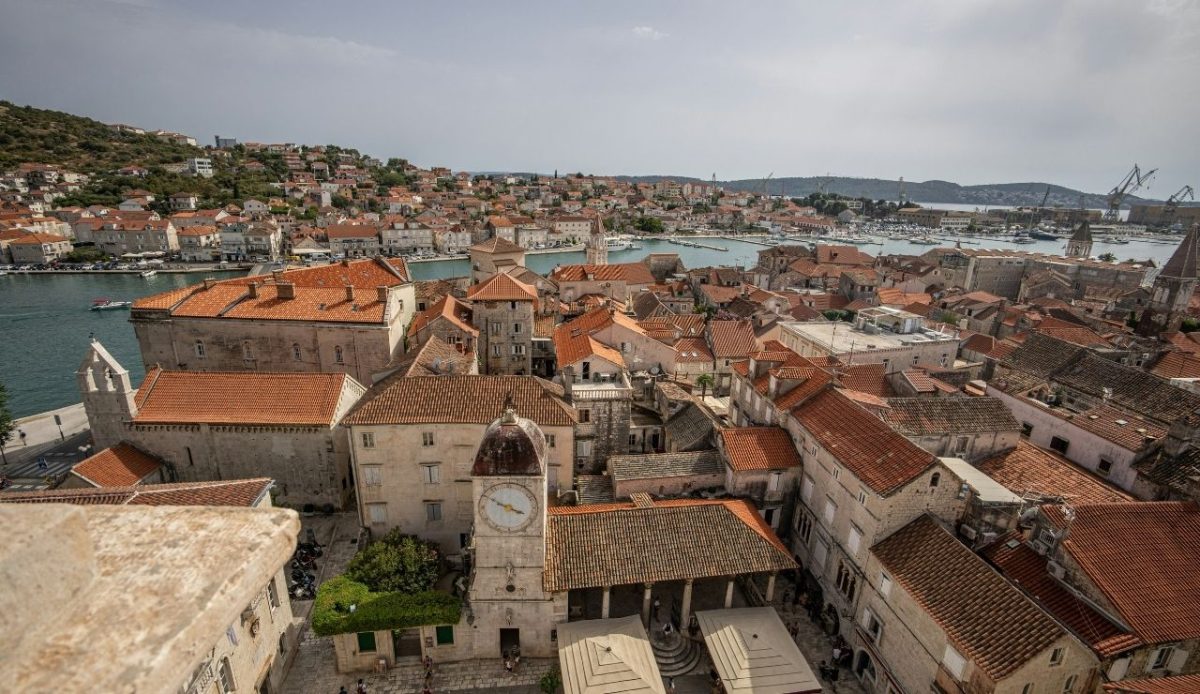
Trogir’s UNESCO-listed core occupies a small island linked by bridges, creating a defined perimeter that is easy to patrol and easy to walk. Romanesque and Renaissance buildings remain dense, with few modern intrusions.
For years, it was treated as a quick stop from Split, but overnights have been increasing as small hotels upgrade and restaurants extend hours. The nearby airport reduces barriers for short international breaks.
Because the historic area is tiny, a modest rise in stays can change crowding quickly. If day trippers convert into two-night visitors, demand will outpace capacity under current rules. That imbalance is what turned Dubrovnik from a stopover into a magnet.
