
Peru draws travelers who accept measurable difficulty in exchange for places that feel earned rather than convenient. These destinations often involve altitude exposure, limited access, health preparation, or unstable transport conditions. The risk is rarely reckless, but it is real and must be understood before arrival.
What separates these locations from ordinary stops is not danger alone, but the balance between challenge and outcome. Travelers consistently report that preparation, patience, and local guidance turn uncertainty into controlled exposure rather than avoidance.
This article focuses only on destinations where documented traveler experience shows that effort, discomfort, or logistical strain is outweighed by cultural, natural, or historical value when approached responsibly.
1. Choquequirao Archaeological Park
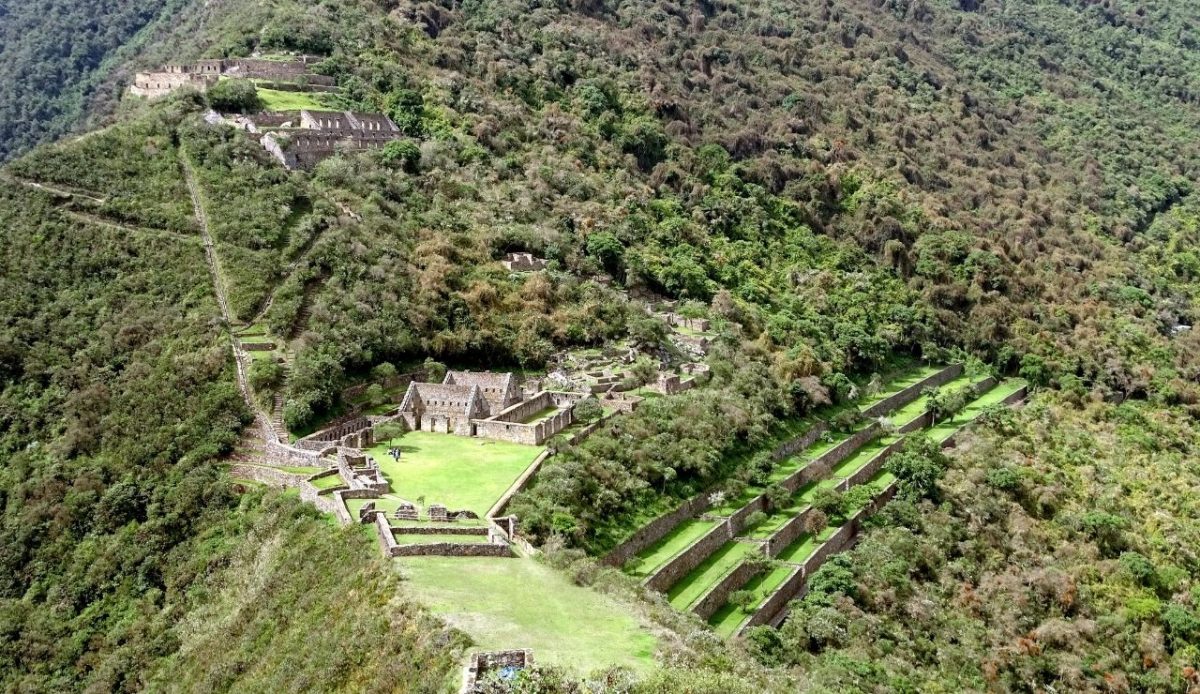
Choquequirao requires a demanding multi-day trek through deep canyons and exposed Andean trails. Travelers face steep elevation changes, intense sun at lower levels, cold nights, and limited access to medical assistance once committed to the route.
Seasonal rain increases landslide risk and affects river crossings, making timing and route planning critical. There are no roads, cable cars, or emergency exits, so physical readiness and supplies must be managed carefully from the start.
Those who complete the journey reach one of the largest Inca sites ever built, with minimal crowds and ongoing excavation. Visitors often report that isolation and scale provide a historical context rarely felt at more accessible ruins.
2. Cordillera Huayhuash Circuit
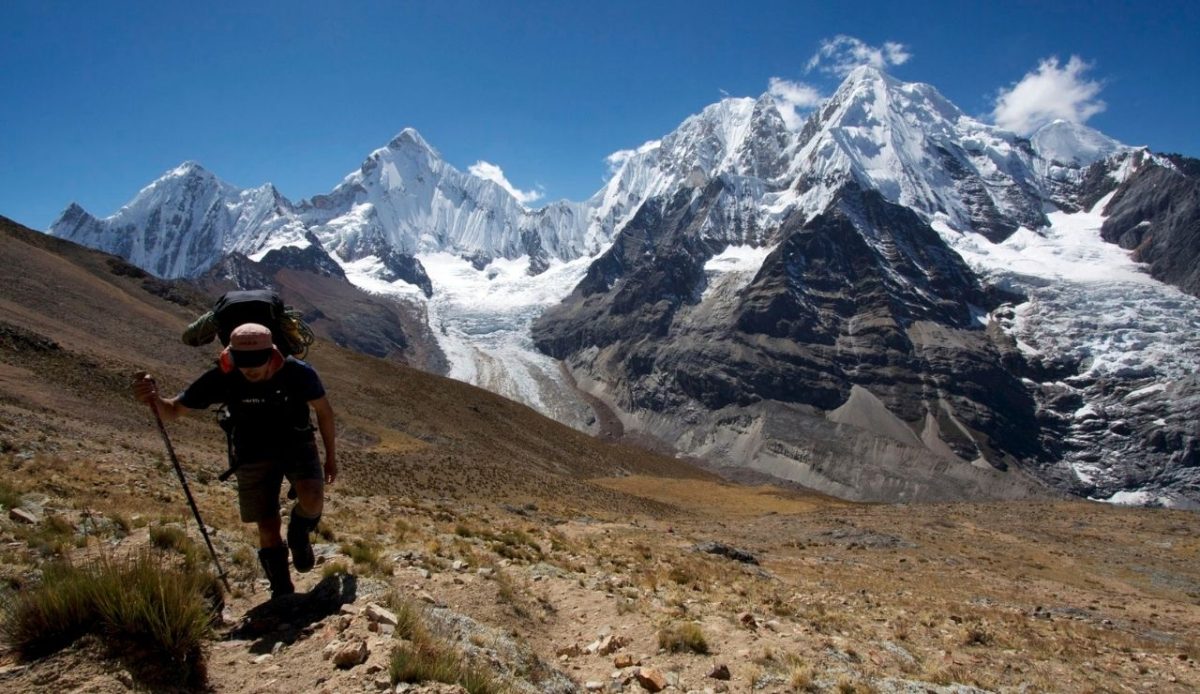
The Cordillera Huayhuash Circuit is a high-altitude trekking loop known for sustained exposure above 4,500 meters. Travelers face thin air, cold nights, unpredictable storms, and long distances between settlements with little external support.
Risk management here centers on acclimatization, pacing, and reliable logistics. Medical evacuation options are limited, and weather can change conditions quickly, making experienced guides and contingency planning important.
Those who complete the circuit report some of the most dramatic mountain scenery in Peru. Sharp peaks, glacial lakes, and remote valleys reward travelers willing to accept physical strain and environmental uncertainty.
3. Ausangate Circuit Trek
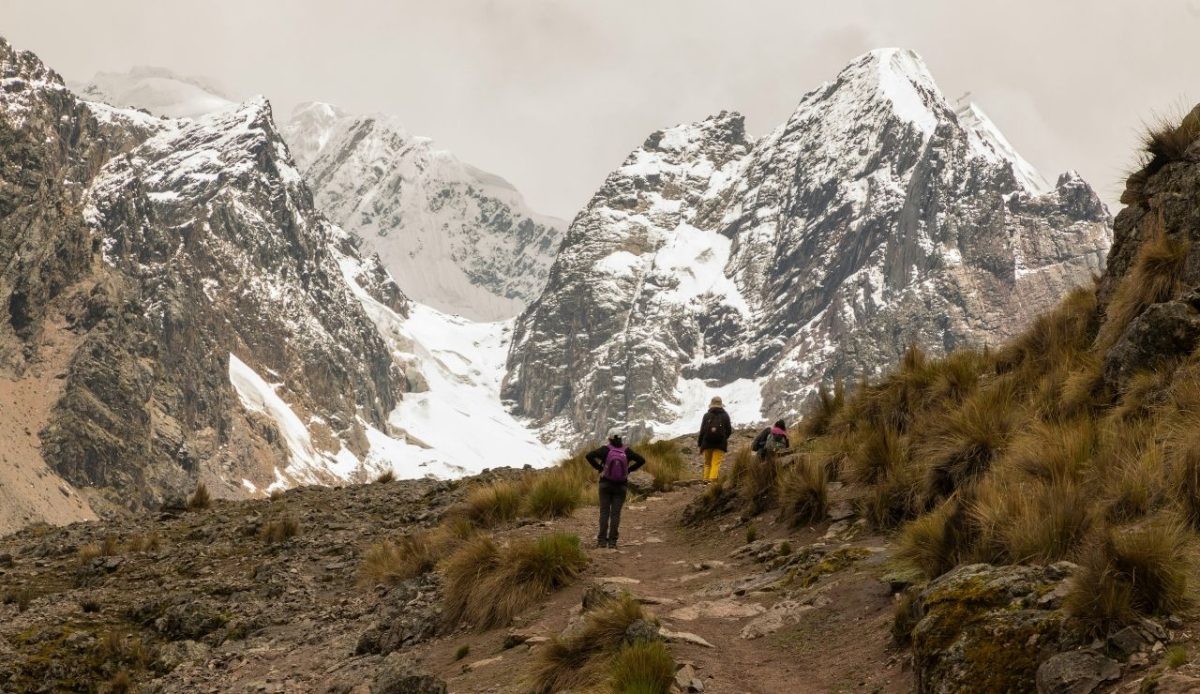
The Ausangate Circuit remains at extreme elevation for much of its duration, often exceeding 4,800 meters. Prolonged exposure increases the risk of altitude sickness, hypothermia, and exhaustion even among experienced hikers.
Snowfall, strong winds, and freezing nighttime temperatures are common. Once on route, services are minimal, so preparation, nutrition, and realistic daily distances directly affect safety and completion.
Travelers who finish the circuit encounter isolated Andean landscapes, glacial lakes, and traditional herding areas. The lack of crowds and constant mountain presence are frequently cited as reasons the effort feels justified.
4. Santa Cruz Trek in Huascarán National Park
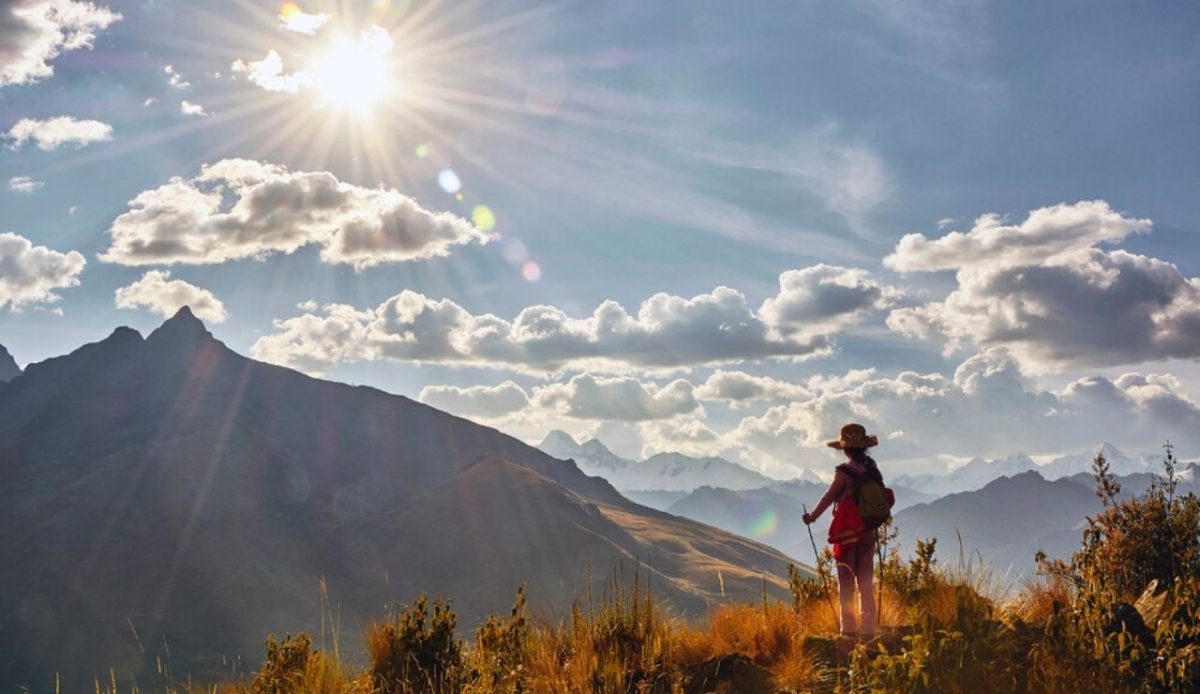
The Santa Cruz Trek crosses high terrain in the Cordillera Blanca, including Punta Unión Pass at roughly 4,750 meters. Altitude symptoms and rapid weather shifts are the primary concerns for unprepared visitors.
Although well known, the route still demands endurance, cold weather gear, and proper acclimatization. Campsites are basic, and emergency assistance is limited once beyond the trailhead zones.
In return, travelers experience glacial valleys, turquoise lakes, and views of some of the highest tropical peaks on Earth. Many describe it as a demanding but balanced introduction to serious Andean trekking.
5. Vinicunca Rainbow Mountain
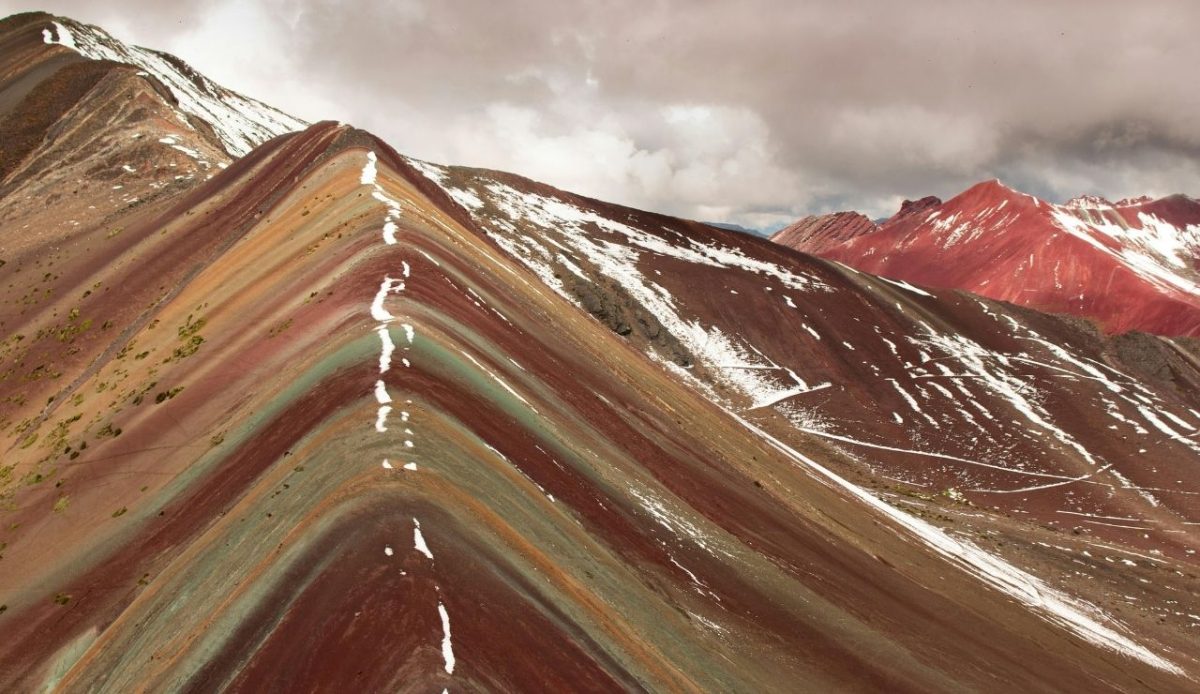
Vinicunca sits at a very high elevation, so risk comes from thin air, not distance. Many visitors arrive from Cusco with limited acclimatization, and headaches or nausea can start fast, especially with quick climbs. Cold wind also raises stress on breathing and circulation.
The road trip adds another factor. Early departures on steep mountain routes can bring delays from ice, rain, or traffic near trailheads. Medical support is limited at the top, so travelers are advised to know symptoms and turn back early.
The reward is a rare geological display where mineral layers form distinct color bands. Travelers often say the view is worth it when the hike is paced slowly, and hydration, snacks, and warm gear are carried.
6. Salkantay Trek Via Salkantay Pass
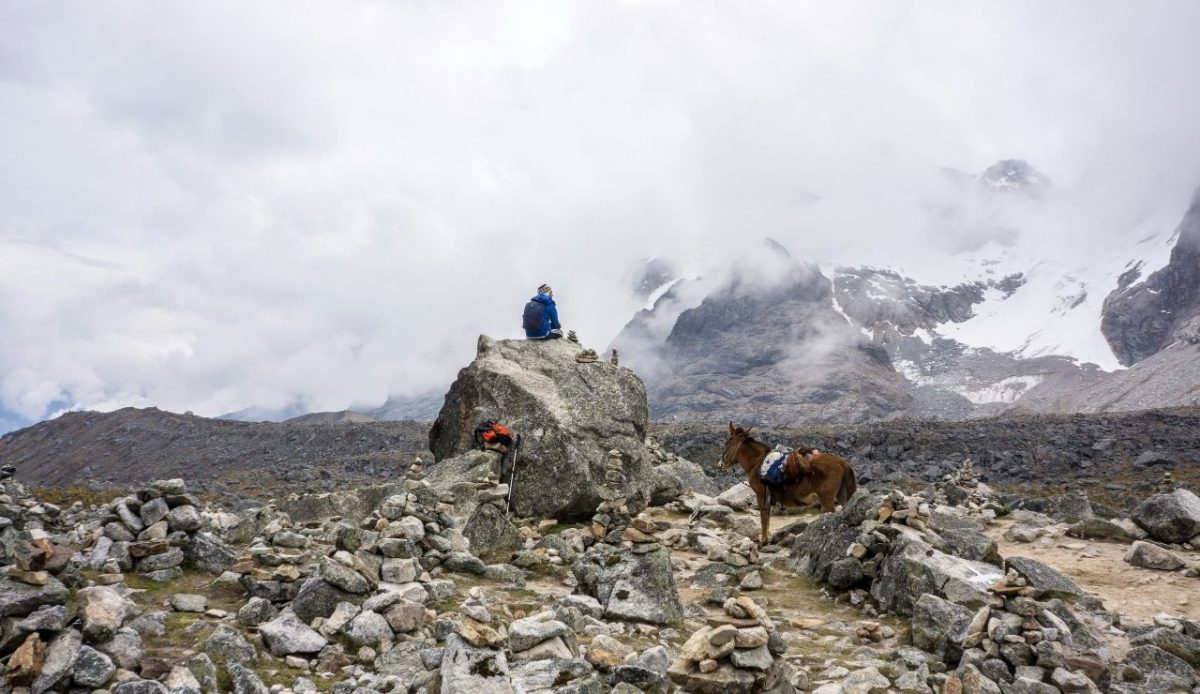
The Salkantay route includes long days and a high pass above 4,600 meters, where snow or sleet can appear even in the dry season. Travelers report that fatigue builds quickly when day one is started too fast, and altitude effects may be felt at night.
Unlike the permit-limited Inca Trail, this trek has more flexibility, but that also means variable standards among operators. Routes can shift after storms, and camps may be crowded. A guide who tracks weather and checks pacing reduces avoidable problems.
Those who stay steady gain a wide cross-section of Peru, from glacial slopes to forested valleys. Many travelers value the quieter approach to Machu Picchu and say the changing terrain justifies the physical and weather exposure.
7. Manú National Park
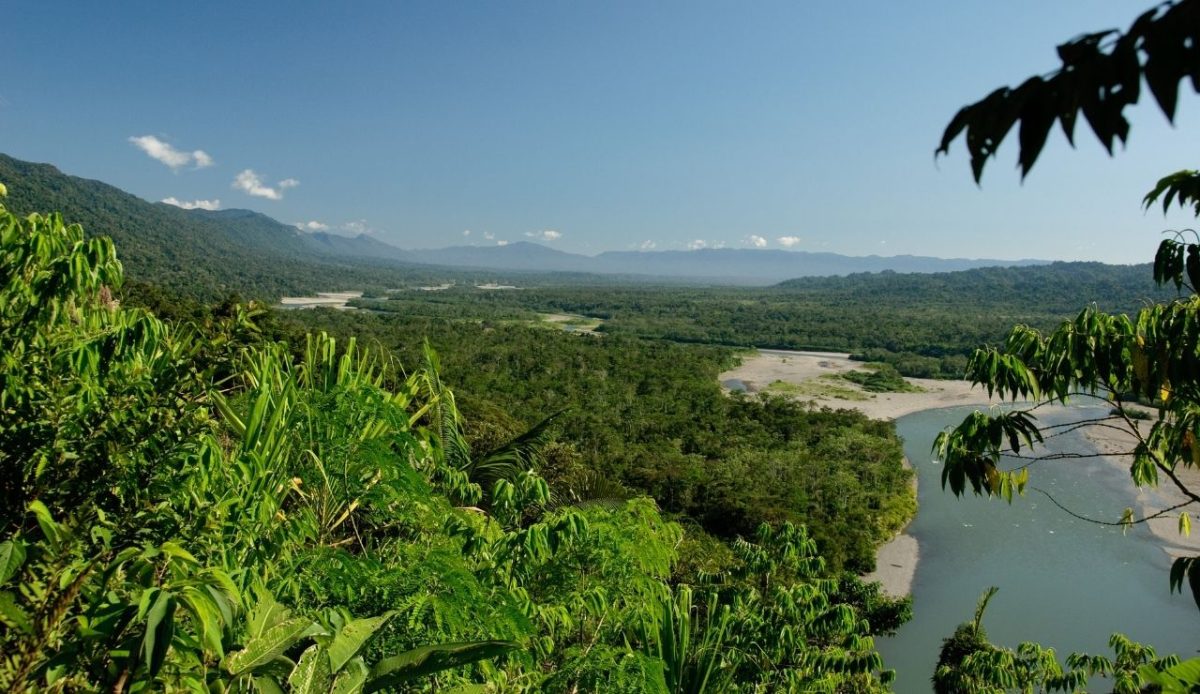
Manú National Park is rewarding but demanding because access is slow and tightly controlled. Reaching zones can require long road travel followed by river transport, and plans may be altered by floods or landslides. Supplies must be planned because resupply points are scarce.
Health risk is the main concern. Heat, humidity, insects, and distance from clinics mean prevention matters. Vaccinations, safe water practice, and a guide trained in field protocols are commonly recommended, and many lodges require a briefing on conduct.
Travelers who arrive are rewarded with biodiversity at the Andes Amazon boundary. Sightings of macaws, monkeys, and river otters are reported, and the sense of being far from towns is described as the trip’s payoff.
8. Pacaya Samiria National Reserve
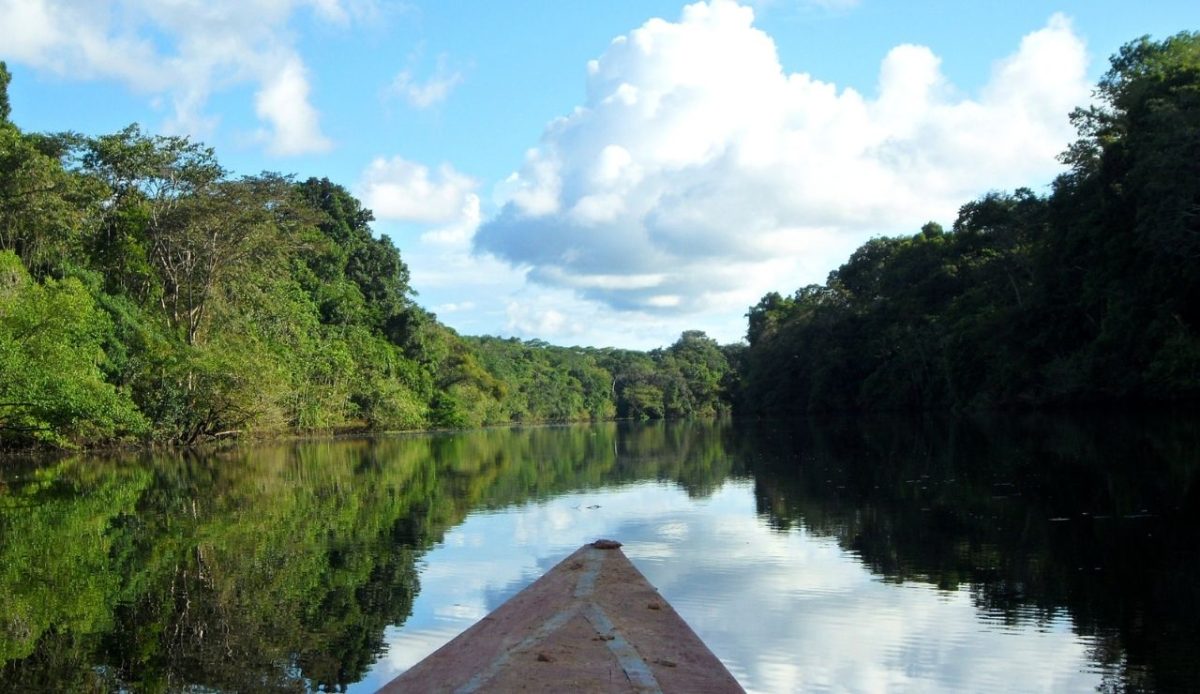
Pacaya Samiria is a flooded forest reserve reached by boat travel from the Iquitos region. The trip can be long, and river levels change routes and travel time. Isolation is real, so communication and emergency options should be assumed to be limited.
Mosquito-borne illness and heat stress are common concerns, and food safety matters on multi-day outings. Guides are relied on for navigation, wildlife rules, and safe swimming decisions, since currents and hidden hazards can be present.
Travelers say the reward is a quiet Amazon setting with strong wildlife odds, including pink river dolphins, caimans, and many birds. Because tourist traffic is low, sightings can feel personal, and the pace stays calm.
9. Kuélap Fortress
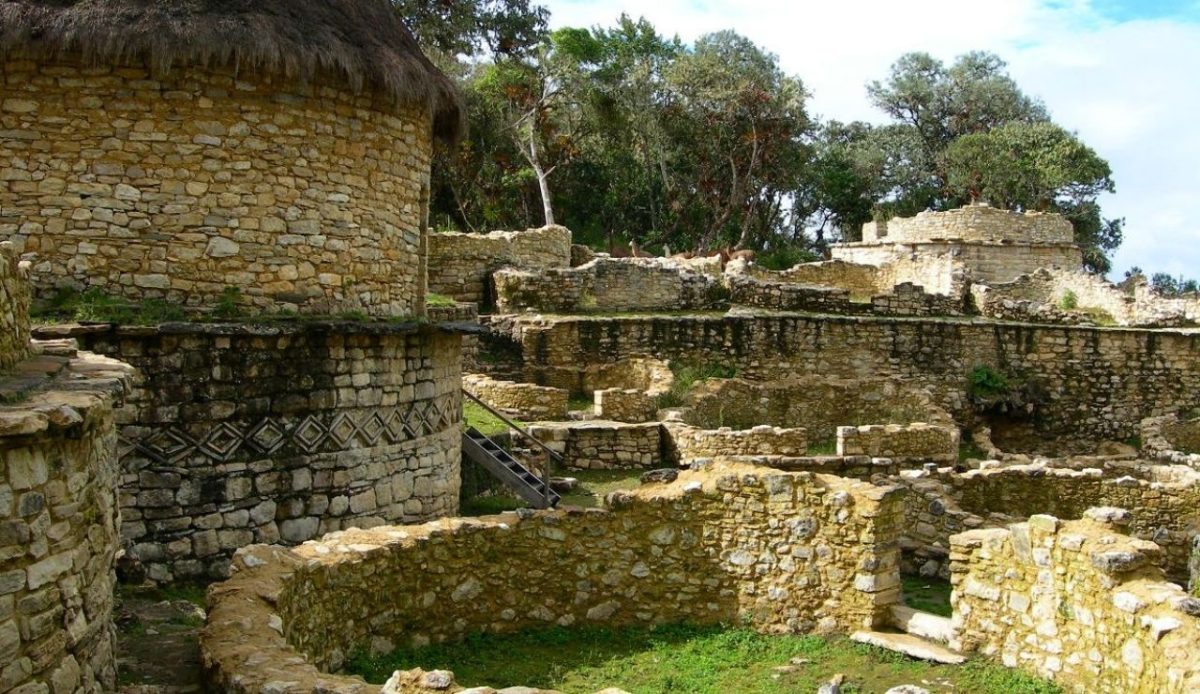
Kuélap planning carries uncertainty because access has been disrupted by landslides and conservation limits. Travelers often need to check road status and site rules close to departure, and build extra days in case transport is delayed.
Risk here is logistical rather than physical. Tickets, cable car operations, and guided entry policies can change, and weather in the cloud forest can shut down routes quickly. Flexible bookings reduce stress when plans shift.
The reward is a massive pre-Inca stone fortress set above steep valleys. Visitors report that its scale and setting feel distinct from Cusco region ruins, and the lower visitor volume can make time on site feel unhurried.
10. Colca Canyon Multi-Day Trek
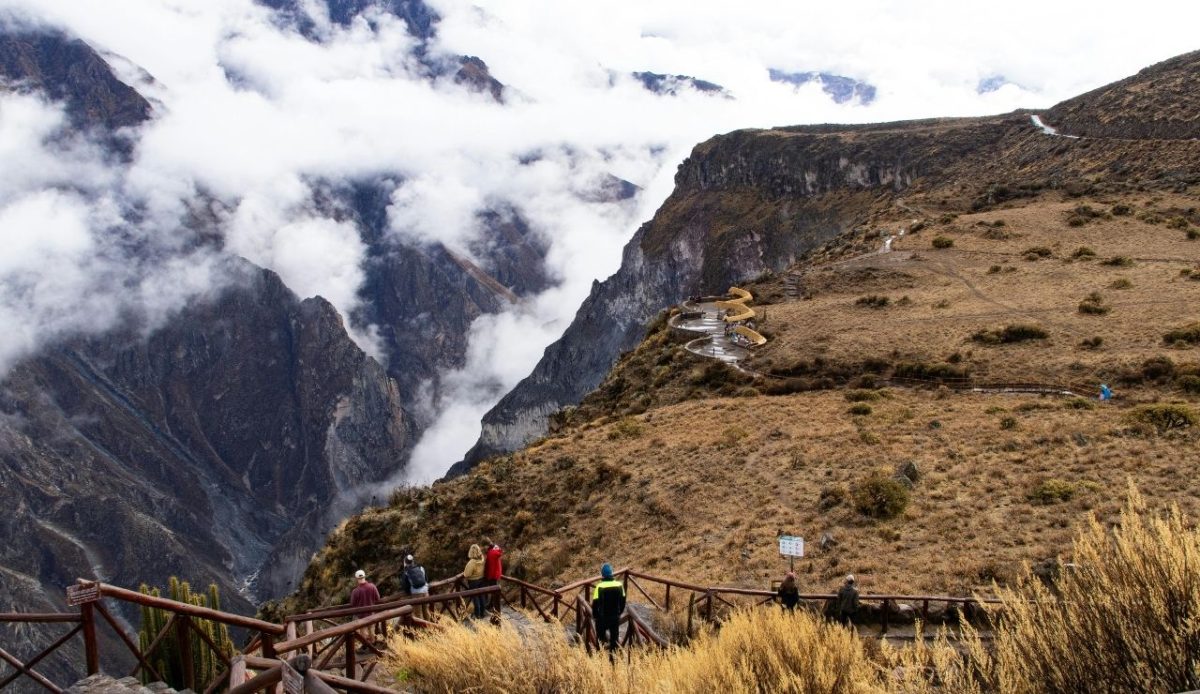
A multi-day Colca Canyon trek involves steep descents and an even harder climb out. Heat builds during midday, while nights can be cold, and dehydration or cramps are common when pacing and electrolytes are ignored.
Many routes start near Cabanaconde and drop quickly to the canyon floor, where river crossings and loose trails add strain. The main risk comes late, when the exit climb begins before sunrise, and fatigue reduces balance.
Travelers accept the effort for condor viewpoints, deep canyon geology, and village stays that add cultural context. Reports often mention that finishing the ascent feels earned, and the landscape remains memorable long after the soreness fades.
