
Public executions continue in a handful of countries, drawing both shock and fascination from travelers. These events are often deeply rooted in local law, tradition, or social norms.
Unlike historical spectacles or media portrayals, witnessing such punishments today confronts visitors with stark realities. They reveal how justice, culture, and government intersect in ways unfamiliar to most outsiders.
For travelers, visiting these places requires awareness and respect. While many come out of curiosity, understanding the cultural, legal, and ethical context is essential to grasp the gravity of what occurs in public spaces.
1. Saudi Arabia
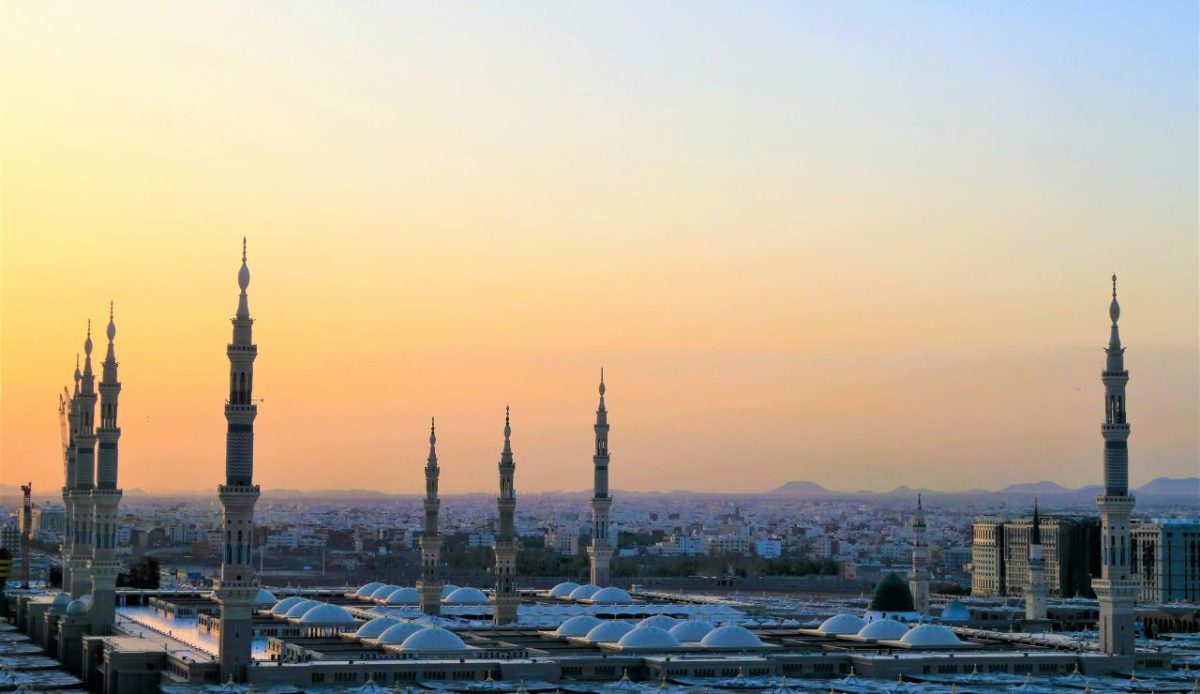
In Saudi Arabia, public executions occur under Sharia law for serious crimes. Beheadings are typically conducted in open squares, drawing local attention while sending a legal message.
Tourists visiting major cities may witness announcements of scheduled executions or hear about them through local media. Photography is strictly prohibited, and discretion is required at all times.
These events highlight the country’s legal system and strict moral code. Travelers encounter a justice process markedly different from Western norms, providing a sobering perspective on law, punishment, and public order.
2. Iran
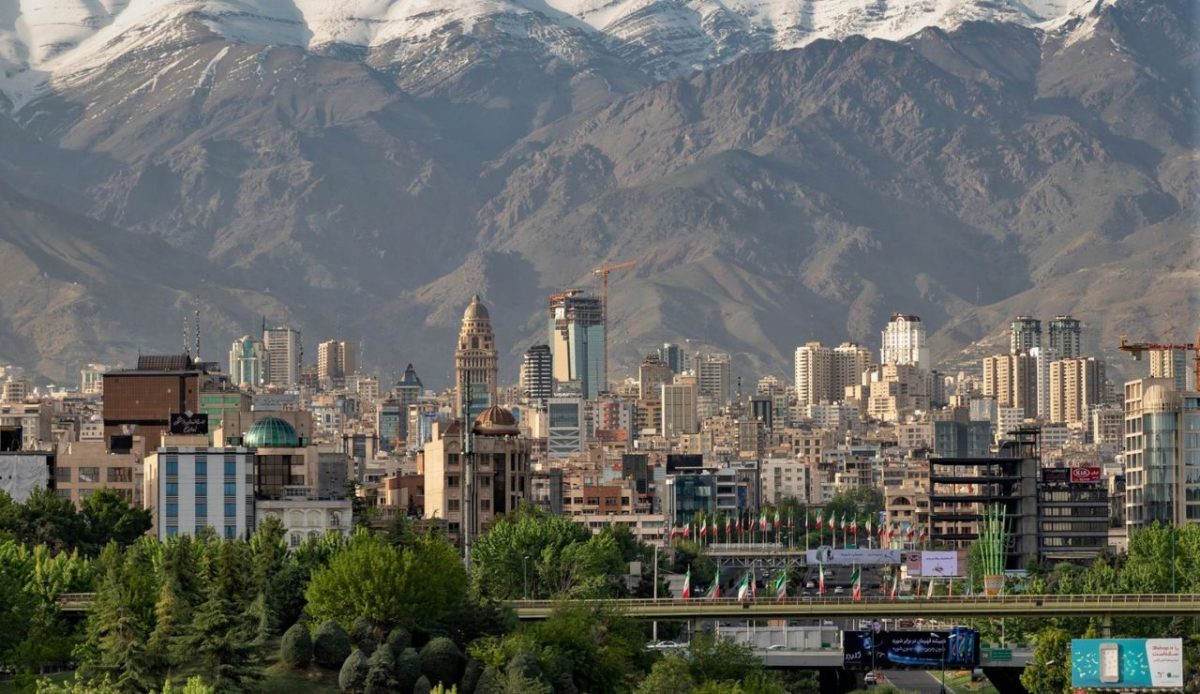
Iran occasionally carries out public executions for crimes including murder, drug trafficking, and political offenses. Such events are often held in city squares or prison courtyards.
Visitors should be aware that witnessing these executions can be disturbing. Local regulations strictly control access, and cultural sensitivity is critical. Understanding the legal context is necessary to interpret what occurs.
Public executions in Iran serve as both a deterrent and a cultural statement. Travelers gain insight into the seriousness with which certain crimes are treated, illustrating the intersection of law and societal values.
3. North Korea
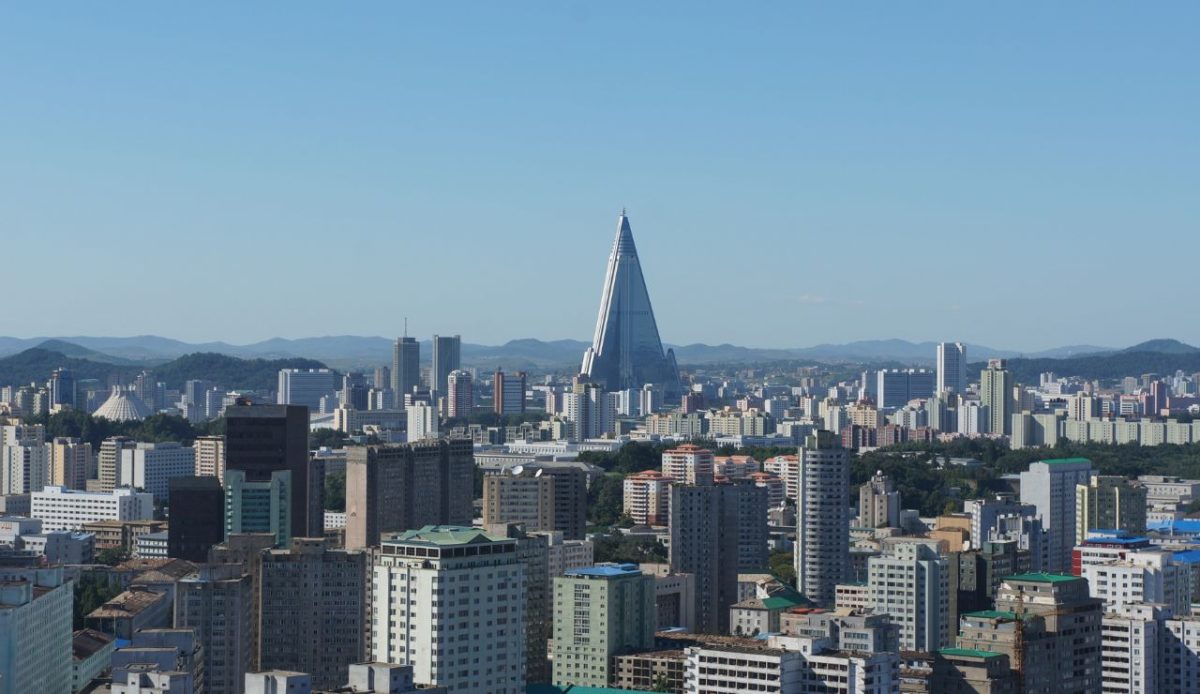
North Korea reportedly holds public executions as a demonstration of state power. These events are highly controlled, often staged for political or social deterrence rather than judicial transparency.
Access for foreign visitors is extremely limited, but reports from defectors and media accounts provide insight into the practice. Public hangings or firing squads are used for severe crimes or perceived political dissent.
For travelers, North Korea’s executions reflect the regime’s strict social control. Understanding the opaque justice system and cultural context is essential to interpreting these practices responsibly.
4. Afghanistan
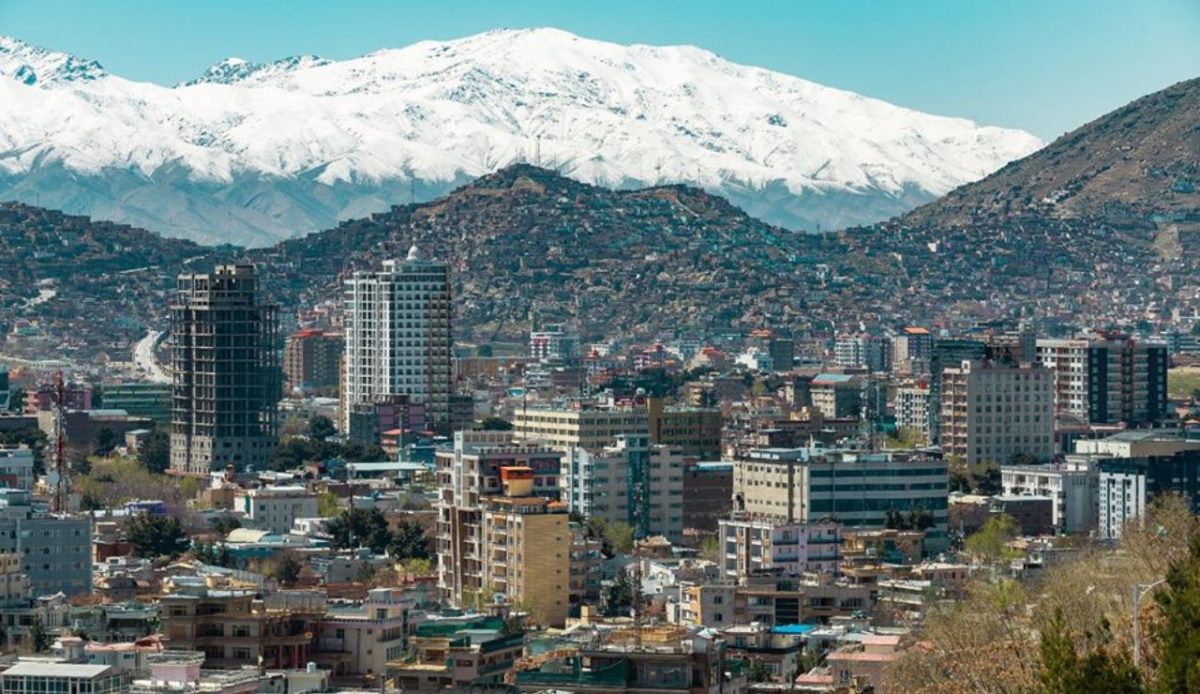
In certain regions of Afghanistan, public executions continue under Taliban control, particularly for crimes deemed against Sharia law. Stoning, hanging, or shooting may be used as punishment.
These events are typically limited to local populations and are not tourist attractions. Foreign visitors are rarely present, and reporting on them is restricted due to security concerns. The acts are often intended as a warning to others within the community.
Public executions in Afghanistan demonstrate the enforcement of strict moral and legal codes. They highlight the challenges of governance, law, and human rights in regions affected by conflict and ideological control, offering a sobering glimpse for those learning from afar.
5. Somalia
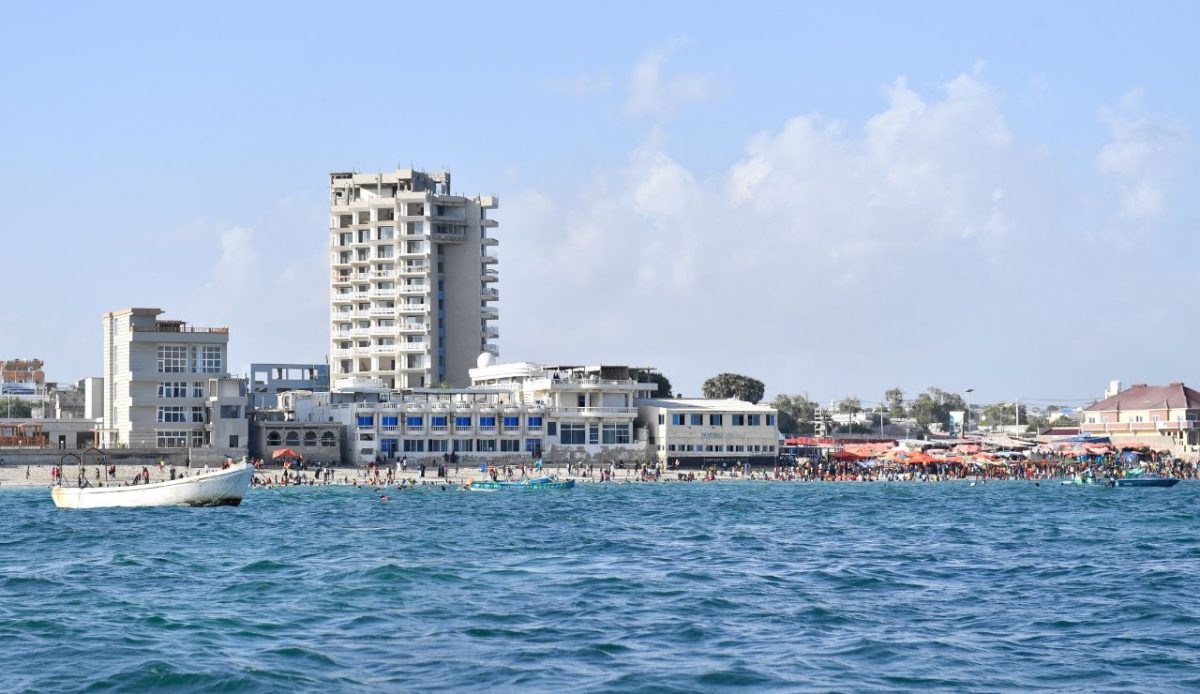
Somalia, particularly areas controlled by militant groups, has instances of public executions. Beheadings, stonings, and shootings are sometimes carried out to enforce religious or political law.
Visitors to Somalia are advised to avoid conflict zones entirely. Reporting is limited, and firsthand observation is extremely dangerous. Understanding the context requires knowledge of regional conflict, governance gaps, and social norms within these territories.
Public executions in Somalia underscore law enforcement under instability. They reveal the intersections of tradition, militant rule, and societal enforcement in regions where formal justice is weak or absent, providing a grim lesson in law and survival.
6. Yemen
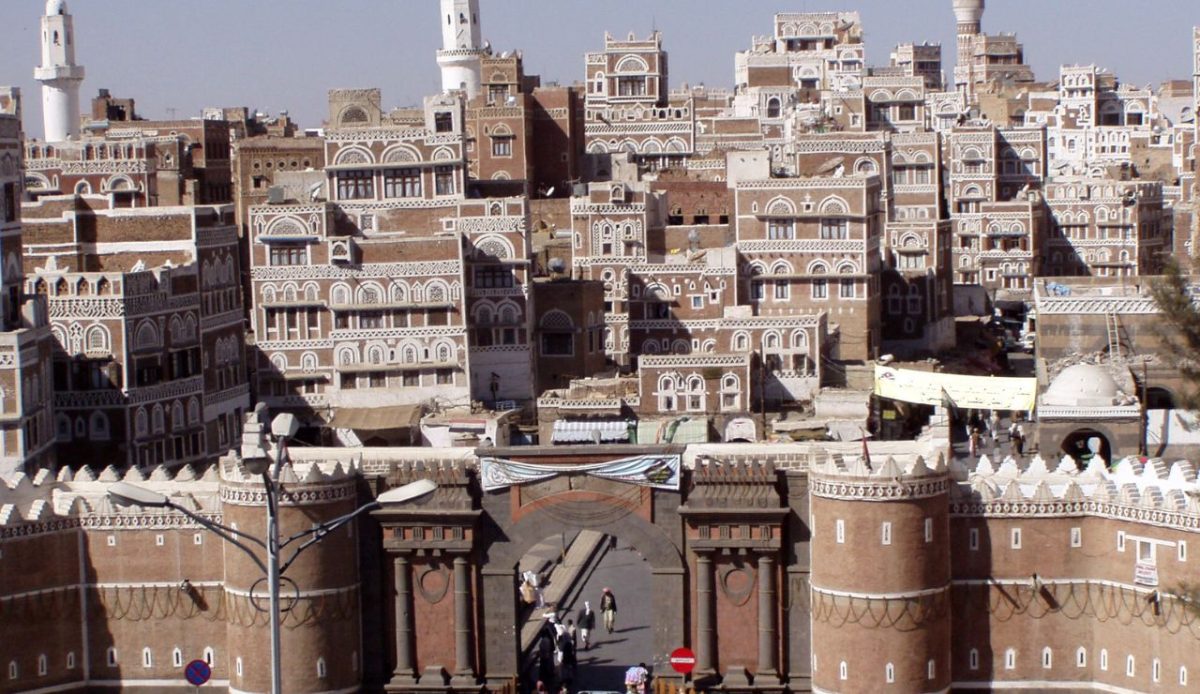
In Yemen, public executions occur in areas controlled by various factions, often targeting those accused of serious crimes or political offenses. Methods include hanging or shooting in public squares.
Foreign travelers are generally discouraged from venturing into regions where these events occur. Access is extremely limited, and safety risks are high due to ongoing conflict, political instability, and sporadic violence.
These executions provide insight into fragmented governance and societal norms in conflict zones. They reflect the consequences of law enforcement under instability and regional power struggles, revealing the human cost of local justice systems.
7. Pakistan
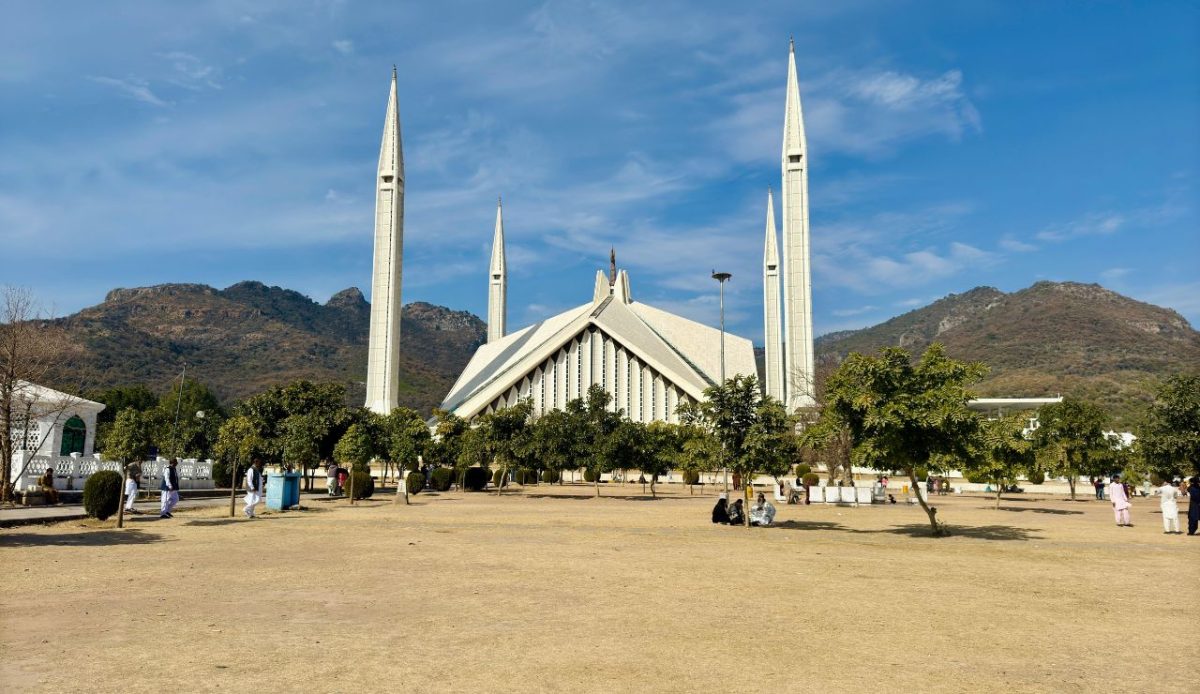
In Pakistan, public executions are rare but can occur for serious criminal offenses or acts against Islamic law in specific areas. Local authorities conduct them in highly regulated environments.
Travelers may learn about such events through news reports, but direct observation is uncommon. Awareness of local laws, religious influence, and social sensitivities is crucial to interpret these practices accurately.
Public executions in Pakistan highlight how law, religion, and community intersect. They serve as a reminder of the severity with which certain crimes are treated and the influence of local traditions on justice, providing context for cultural understanding.
8. Nigeria
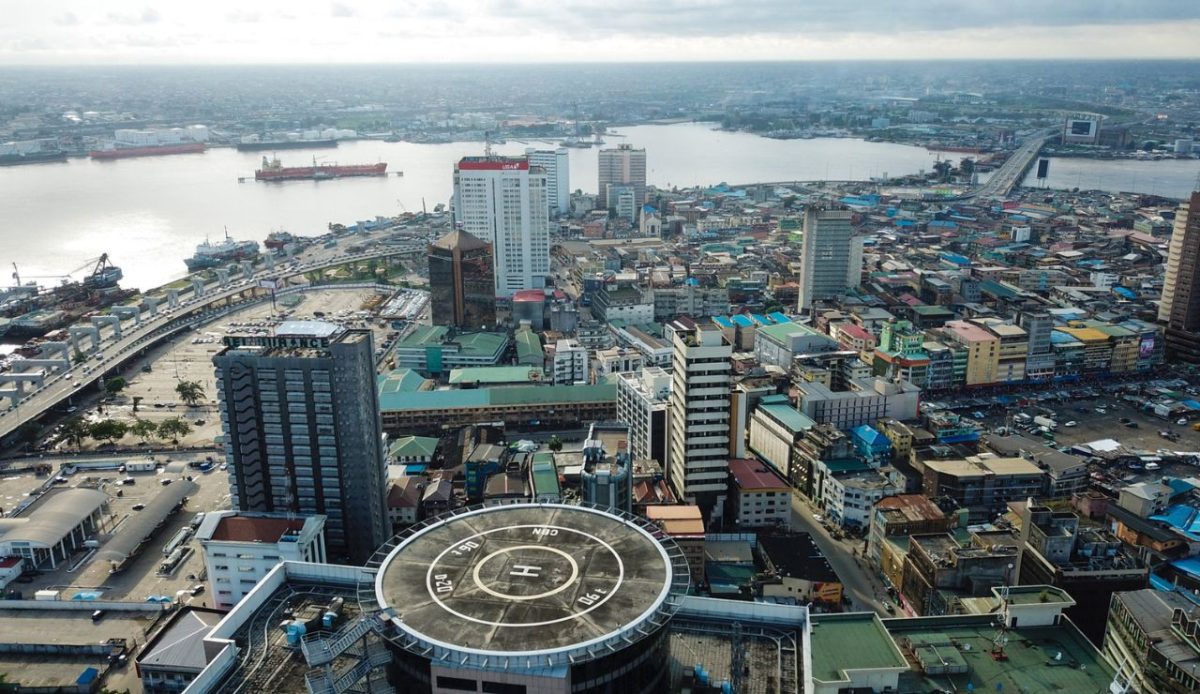
Northern Nigerian states implementing Sharia law occasionally carry out public executions, typically for murder, adultery, or other serious crimes. These events are often witnessed by local populations.
Foreign visitors rarely see such events firsthand. Observers must respect local law, avoid interference, and understand the cultural significance behind the punishment, which is deeply intertwined with religious and community values.
Public executions in Nigeria illustrate the influence of religion on law. Travelers gain a sobering view of how legal systems adapt to cultural and societal norms in different regions of the world, emphasizing both justice and social control.
9. Aceh, Indonesia
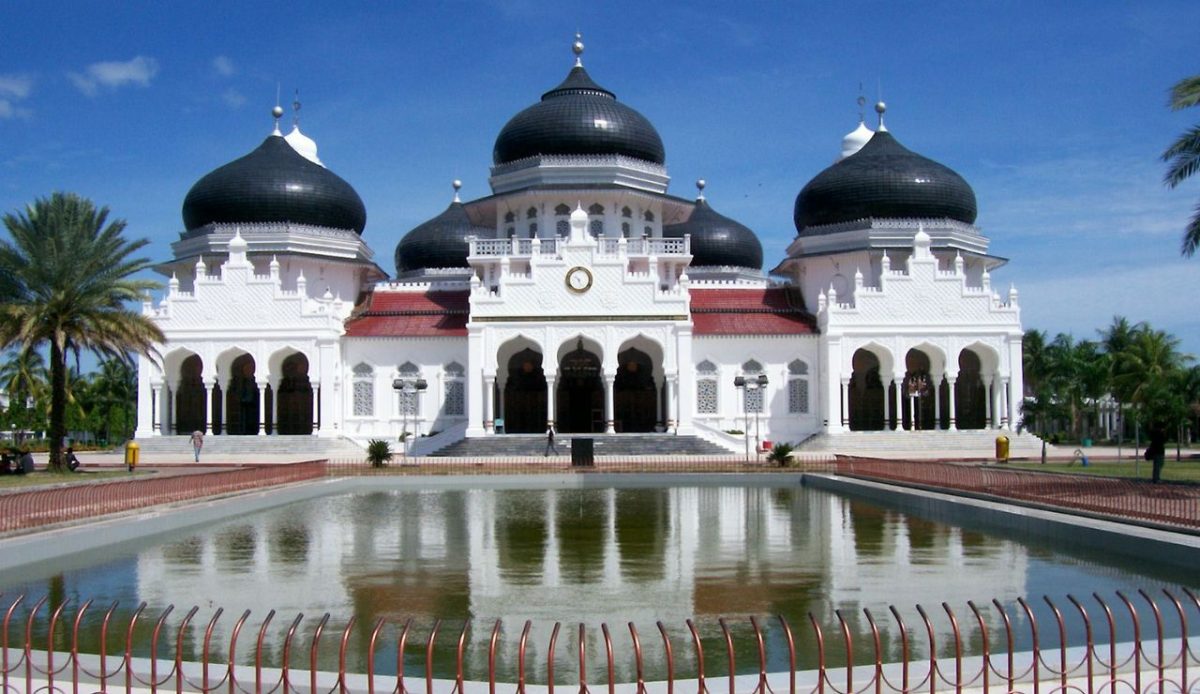
In Aceh, Indonesia’s only province enforcing Sharia law, public caning is a common punishment for adultery, gambling, or alcohol consumption. These events take place in public squares with local witnesses.
Tourists are advised to avoid attending these punishments and to maintain cultural respect. Photography or interference is strictly forbidden, and foreigners are expected to observe local norms to avoid legal or social repercussions.
These public canings demonstrate the integration of religious law into daily life. For travelers, Aceh provides insight into legal practices heavily shaped by local culture and moral codes, highlighting both discipline and tradition.
10. Brunei
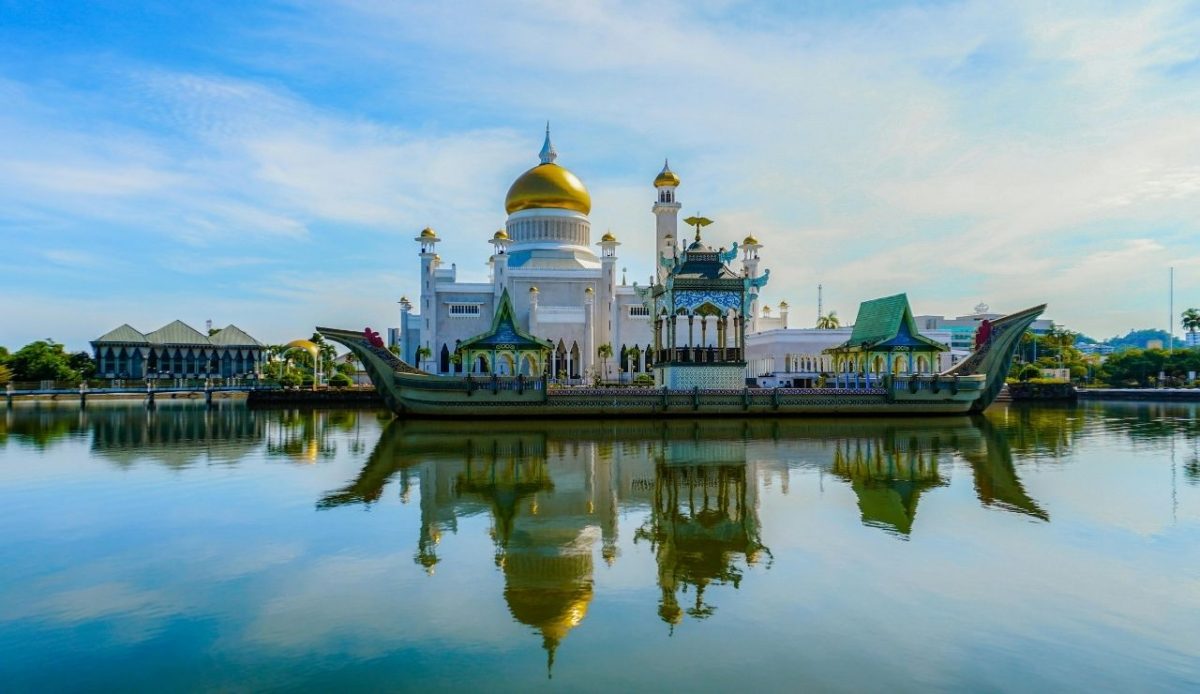
Brunei applies strict Sharia law in certain cases, with corporal punishment and capital penalties legally possible. Public executions are rare but remain a legal option for serious offenses.
Visitors should respect local laws and customs, as the legal system is tightly enforced and public displays of punishment are culturally sensitive. Foreigners must follow all rules and show discretion to avoid misunderstandings.
Brunei’s approach underscores the role of religion and legal tradition in shaping societal expectations. Travelers gain perspective on governance and the weight of moral codes enforced through law, reflecting the interplay of authority and culture.
