
Nightlife trips are back at scale, and several party centers are receiving visitor volumes that outstrip routine patrol strength, investigative staffing, and court throughput, especially in peak seasons.
Crowds concentrate in late hours around clubs, beach bars, and ride pickup zones, where pickpocketing, phone snatching, drink spiking, and targeted robberies can rise quickly. Disputes also escalate faster when streets stay packed.
Each location listed has recent reporting or official safety advisories pointing to rising crime indicators while tourism remains strong. That gap means risk is being carried by travelers, workers, and residents alike.
1. Acapulco, Mexico
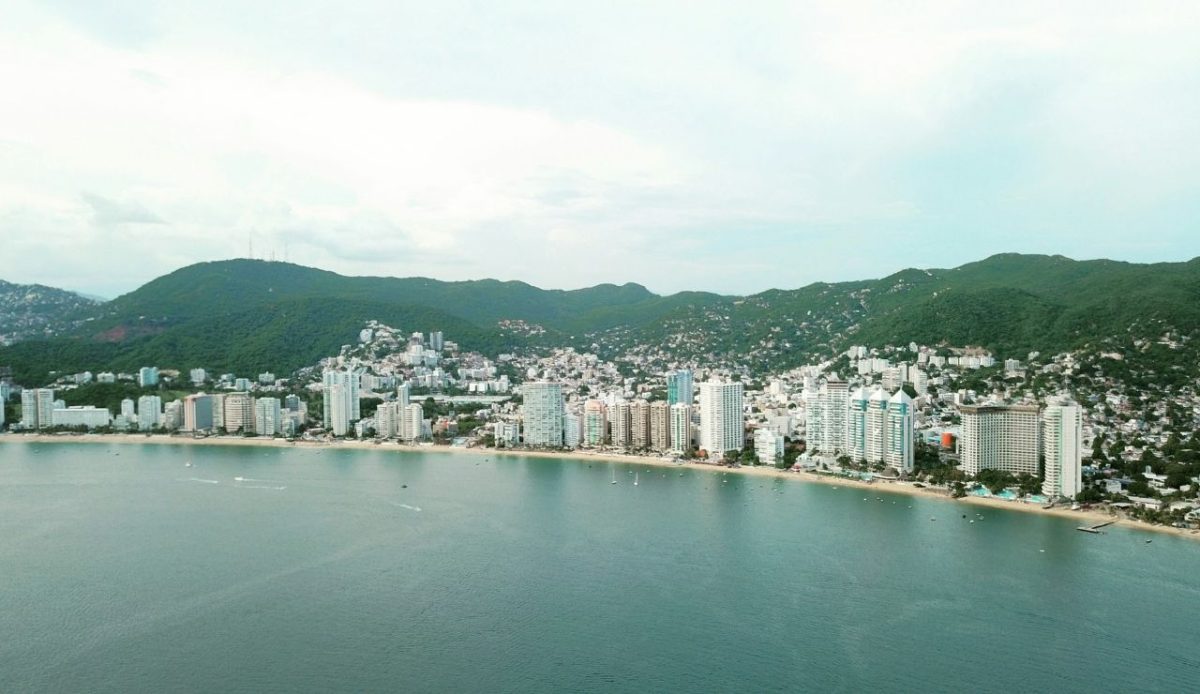
Acapulco is being marketed again for beach weekends and late-night venues, yet recent homicide counts have kept the city among Mexico’s most dangerous urban areas. That contrast defines the current risk picture.
Resort compounds and main strips receive focused patrols, but extortion pressure, armed disputes, and transit risk have been reported in adjacent neighborhoods and on key roads, shaping nightlife logistics. Visitors can be drawn into spillover by short taxi routes.
Tourism bookings have risen with renewed events and cruise activity, while investigative staffing and judicial processing remain limited. Incidents are responded to, yet follow-through can be slow, which reduces confidence.
2. Tulum, Mexico

Tulum’s beach club economy has expanded quickly, pulling in international party crowds and short-stay rentals across a compact municipality. The nightlife footprint now extends beyond the original town center.
Violence linked to criminal groups has been documented near tourist areas, and shootings have occurred close to clubs and restaurants. Robberies and drug market disputes are cited as drivers, raising the chance of bystander exposure.
Construction and arrivals keep rising, but staffing, traffic control, and investigative resources have struggled to scale. Extra patrols are deployed at times, yet consistent coverage across connecting roads remains difficult.
3. Bali, Indonesia
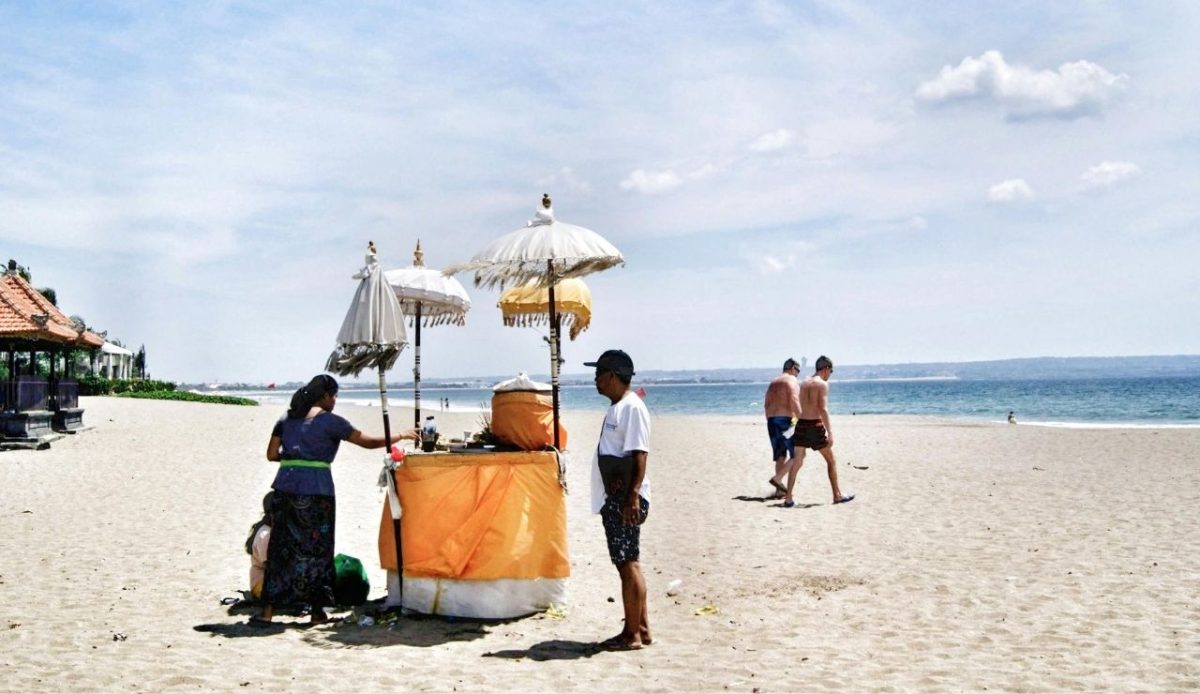
Bali has returned to heavy international demand, with party hotspots in Canggu, Seminyak, and Kuta drawing dense late-night crowds. Short-term villas and motorbike traffic add friction to routine policing.
Local police have reported higher counts of cases involving foreign nationals, including theft, assaults, and organized scams aimed at nightlife patrons. Disputes over rentals and club bills are also recorded, increasing callouts.
High visitor turnover complicates follow-up, and translation support is limited, so investigations can be delayed. While tourism revenue grows, staffing and processing capacity have not expanded at the same rate.
4. Ibiza, Spain

Ibiza concentrates its annual tourism into a short summer window, and club schedules can push tens of thousands into a few municipalities each night. Streets around taxi ranks and beach promenades stay crowded until morning.
Local statistics and reporting have pointed to higher offense totals in party areas such as Sant Antoni, with drug seizures, assaults, and public order incidents increasing. Opportunistic theft also rises when queues form outside venues.
Seasonal reinforcements are brought in, but emergency response and court handling still face bottlenecks. As a result, prevention relies on visible patrol surges and rapid interventions, which can be hard to sustain.
5. Rio de Janeiro, Brazil
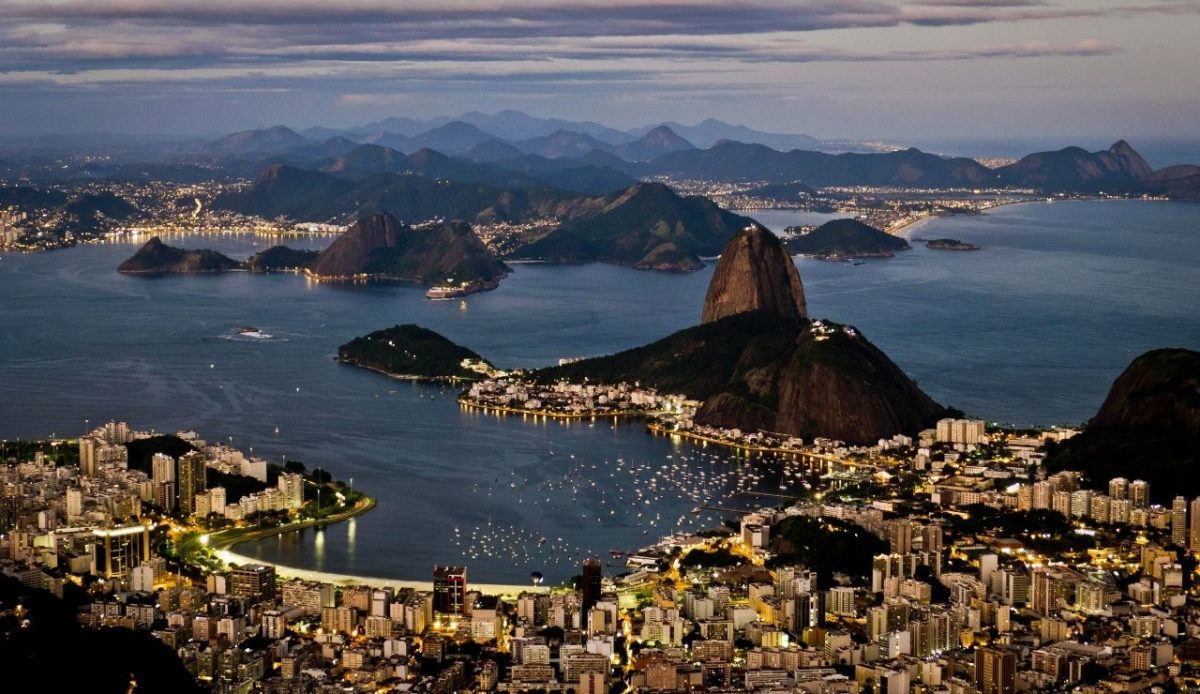
Rio de Janeiro stays on the party map through beach nightlife, music events, and holiday crowds that peak around major celebrations. Visitors move between Lapa, Copacabana, Ipanema, and stadium areas late at night.
Security reporting that cites official figures has shown sharp growth in phone theft and street robbery complaints. Incidents are often concentrated near bars, sidewalks by the beach, and metro entrances, where distraction is high.
Tourism remains strong with event calendars and currency appeal, yet policing faces competing demands across the wider metro. Patrols can be shifted quickly, but investigations and prosecution follow a slower track, leaving repeat offenders active.
6. Nassau, Bahamas

Nassau is the primary gateway for cruise passengers and resort stays, and party demand spikes when ships overlap and festivals land on weekends. Bars around the port and the cable beach corridor see heavy late-night movement.
Travel advisories have warned about rising violent crime, including armed robberies, and gang-related activity has been cited in public reporting. Some incidents have occurred near tourist routes, which reduces the usual buffer between visitors and local disputes.
The country has posted record visitor totals, but policing, courts, and medical services are finite on a small island network. Extra patrols are used, yet sustained prevention and case processing can lag behind the inflow.
7. Cape Town, South Africa
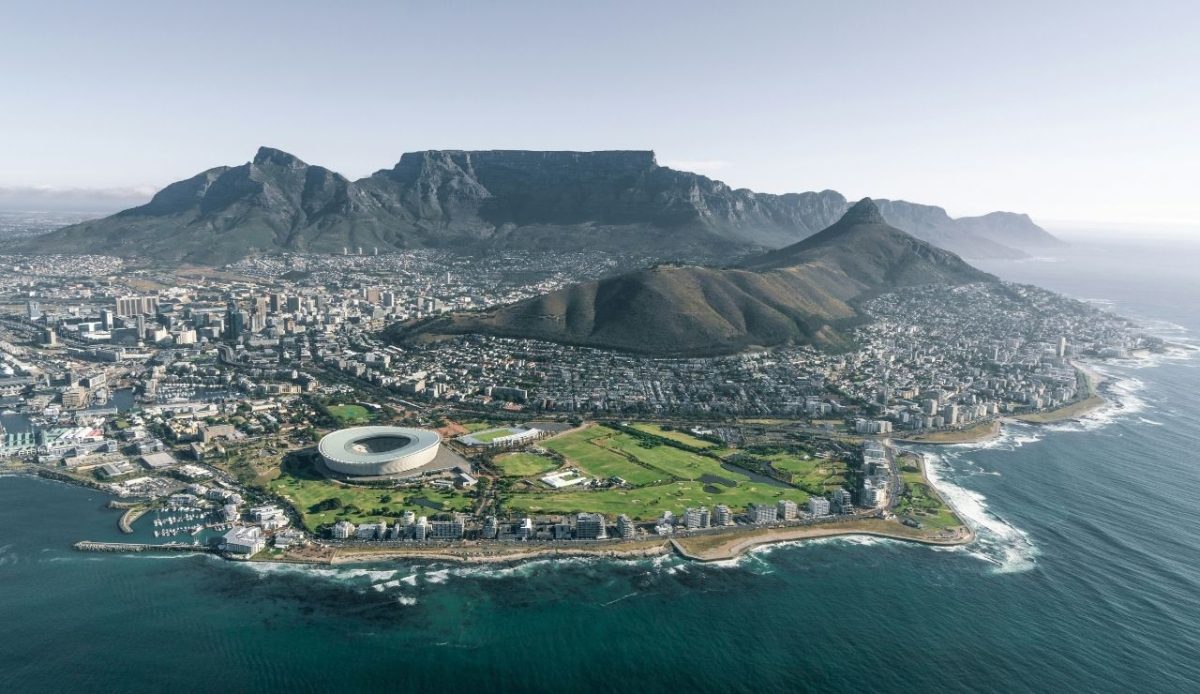
Cape Town draws party travelers through clubs, waterfront venues, and seasonal events, while also serving as a base for regional trips. Nightlife clusters around the CBD, Sea Point, and parts of the Atlantic seaboard.
Western Cape crime releases show serious violence remaining high, with recent comparisons indicating rising murder totals in the province. Robbery and theft risks also persist around transport hubs, where visitors are often unfamiliar with local patterns.
Tourism has rebounded, but policing must cover both visitor districts and high-needs residential areas. When resources are redirected to violent hotspots, late-night patrol density can drop, so opportunistic crime is harder to deter.
8. Miami Beach, Florida
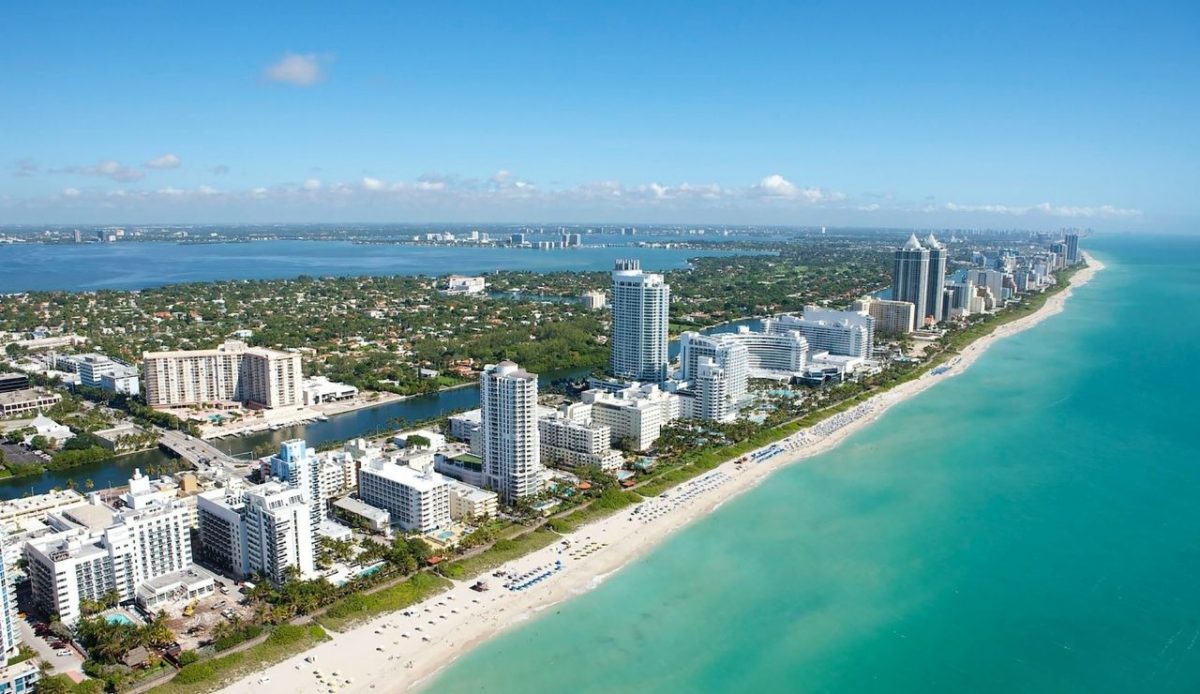
Miami Beach remains a major spring break and nightlife magnet, and crowd size can jump rapidly during a few high-demand weeks each year. Traffic funnels over limited causeways, which concentrates incidents and slows response times.
Recent seasons produced large arrest totals and serious violent episodes, prompting emergency steps such as curfews, parking restrictions, and checkpoint-style controls. These were aimed at reducing disorder tied to late-night street gatherings.
Tourism promotion continues because demand is strong, but the reliance on exceptional rules shows how party volume can outrun routine staffing. When enforcement is scaled up temporarily, the underlying capacity gap is still exposed once measures ease.
