
Some religious sites welcome visitors yet still impose firm limits on outsiders. Rules may hinge on gender, faith identity, membership, clothing, or where a person may stand and what they may do. The discomfort usually comes from sudden checks at gates, roads, or desks where the answer is simply no. This article profiles seven destinations where restrictions are documented and enforced, not just rumored. Knowing the rules early helps travelers plan alternatives, avoid wasted transport, and reduce the risk of disrespect in a sacred setting. Confirm policies close to departure because access can tighten with security or festivals.
1. Mount Athos, Greece
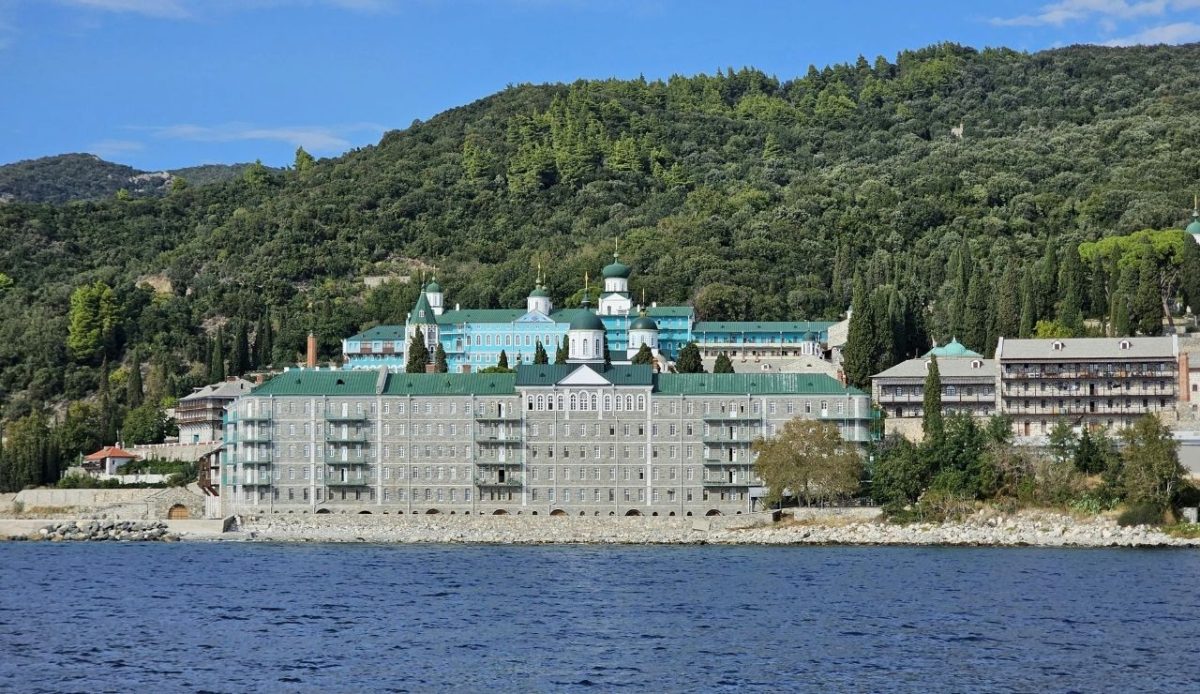
Mount Athos in Greece is a monastic territory where entry works more like a permit regime than tourism. Women are barred entirely under the Avaton rule, so many travelers are excluded before planning begins. Men must request a Diamonitirion permit ahead of time, and daily visitor caps keep numbers low, including a smaller allotment for non-Orthodox guests. Permits are checked before boarding the ferry and again on arrival. Visitors are expected to dress modestly, follow monastery schedules, and accept limits on photos and wandering. Overnight stays often require direct monastery approval, which surprises first-time visitors.
2. Mecca, Saudi Arabia
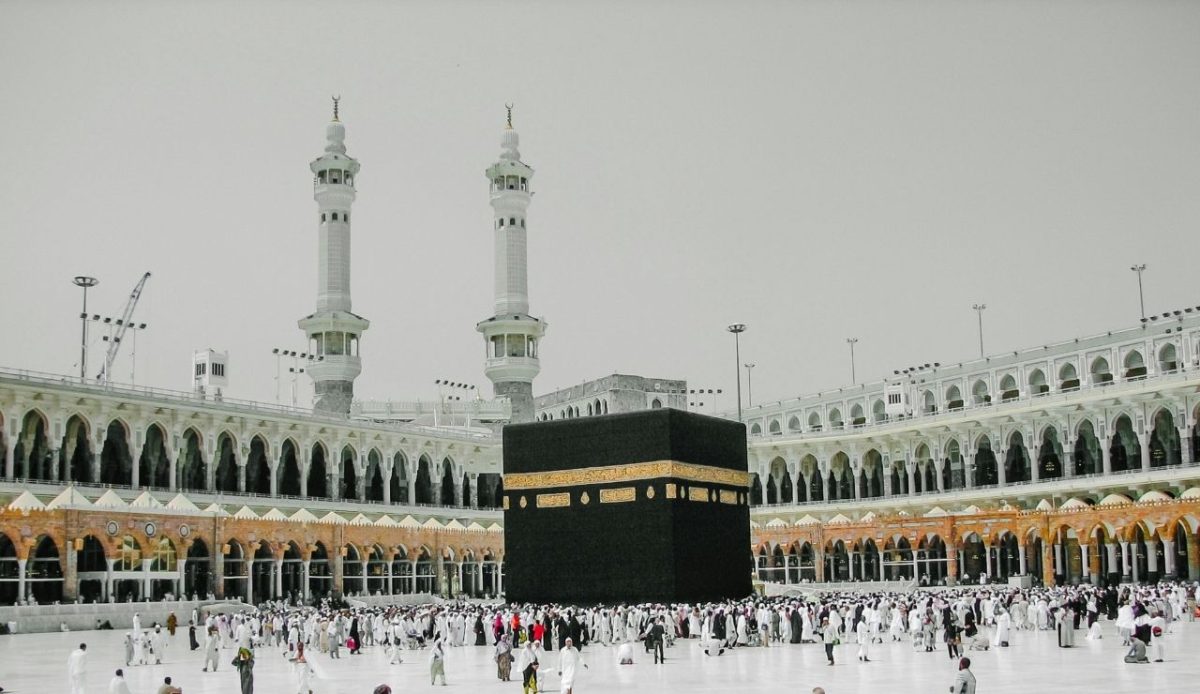
Mecca is restricted to Muslims, and non-Muslim travelers are not allowed to enter the holy city center. Approach roads include clear routing that diverts vehicles toward alternate highways, and checkpoints can confirm where drivers are headed. During Hajj and some Umrah periods, access is tightened through permit systems, transport controls, and security screening near sacred zones. For outsiders, the rule can feel jarring because major infrastructure sits nearby yet remains off limits. Even an accidental approach can end with questioning and a compulsory turn back. Plan routes without assuming you can cut through the city.
3. Prophet’s Mosque And Restricted Sites In Medina, Saudi Arabia
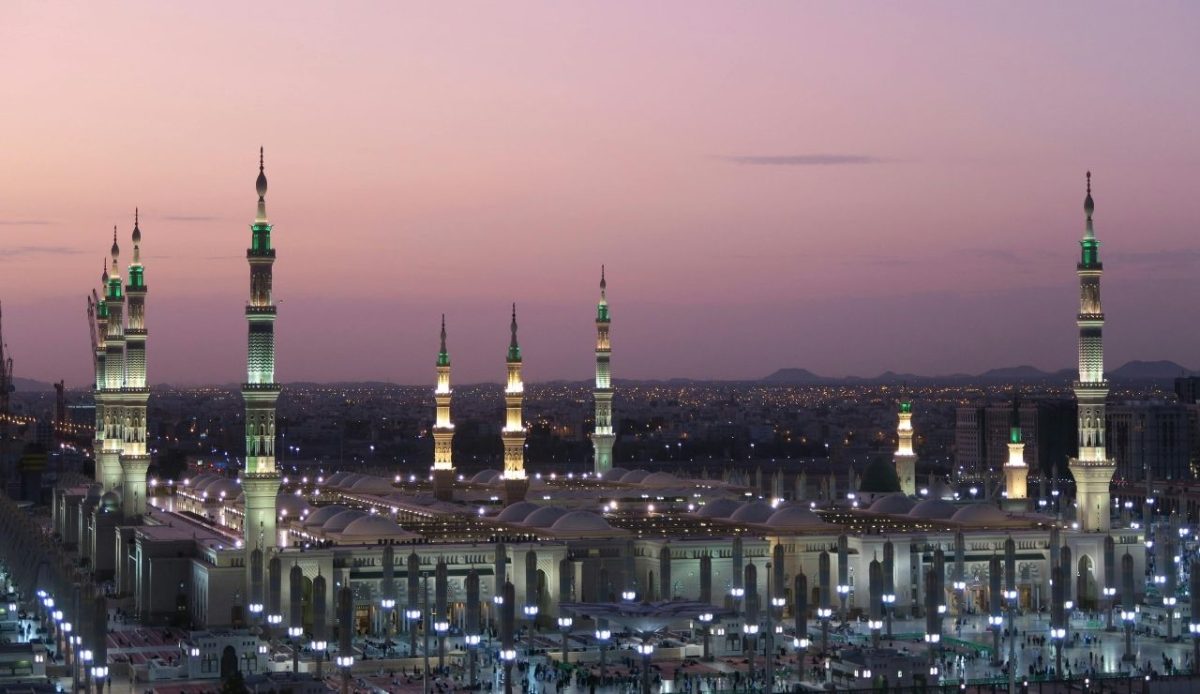
Medina has a modern city layout, yet certain sacred places remain restricted to Muslims. Non-Muslims are prohibited from entering the Prophet’s Mosque, and access limits can extend to nearby religious precincts that are treated as part of the holy area. That creates uncertainty for visitors who can move freely in many districts but encounter firm barriers at entrances and controlled perimeters. Security and staff may verify status and redirect people without debate. The uncomfortable part is proximity, since a traveler may be in the city for business or transit while key religious sites stay closed.
4. Temple Mount, Jerusalem
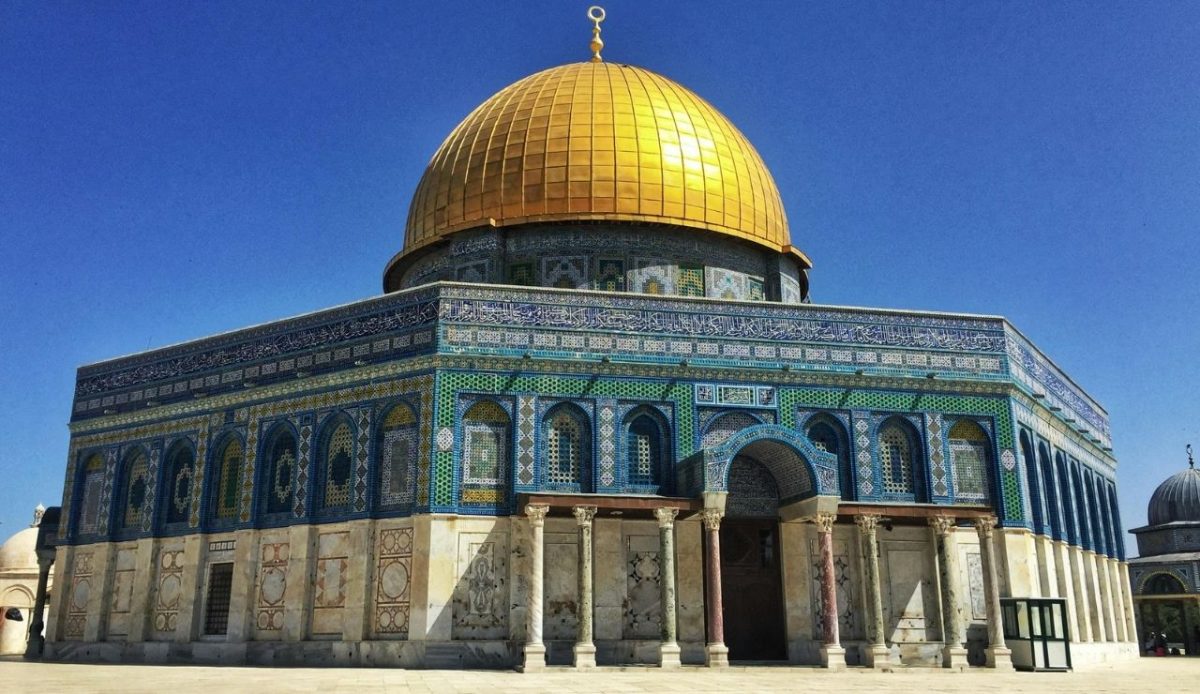
At the Temple Mount in Jerusalem, outsiders may be allowed to visit but can face strict behavior rules on site. Non-Muslim visitation hours are controlled, entry lines are managed by police, and movement may be limited to set routes. Under long-standing practice, prayer by non-Muslims is restricted, so visible prayer gestures or religious items can trigger intervention. Rules may tighten quickly during security alerts, with sudden closures or shortened visiting windows. For travelers, the experience can feel tense because enforcement happens in real time and explanations may be brief or withheld.
5. Jagannath Temple, Puri, India
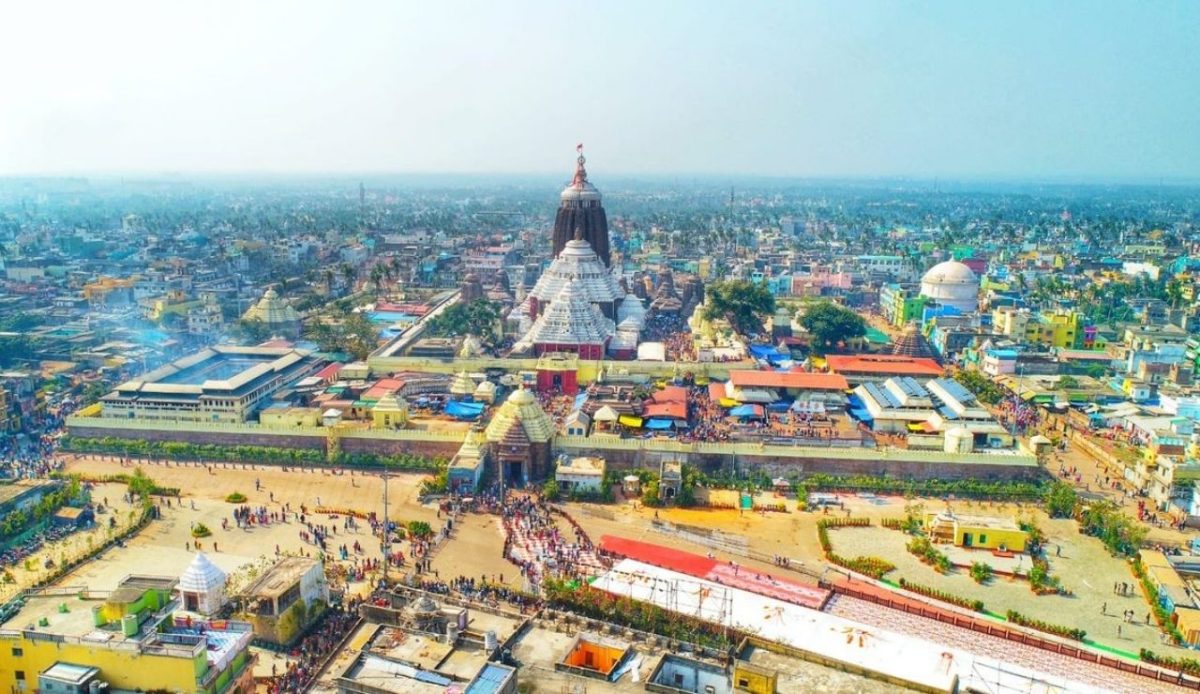
Jagannath Temple in Puri is a major Hindu pilgrimage site, yet entry is generally limited to Hindus. Signs at gates and decisions by temple staff can block non-Hindu visitors even when they arrive respectfully and with local guides. The restriction is not only about dress or conduct, but it is also about religious identity, so there is no simple workaround at the door. Outsiders can still experience the surrounding markets, processions, and views from outside the complex, which makes the boundary feel sharper. Travelers should plan time for nearby viewpoints rather than expecting interior access. Tickets do not change this rule.
6. Guruvayur Shri Krishna Temple, Kerala, India
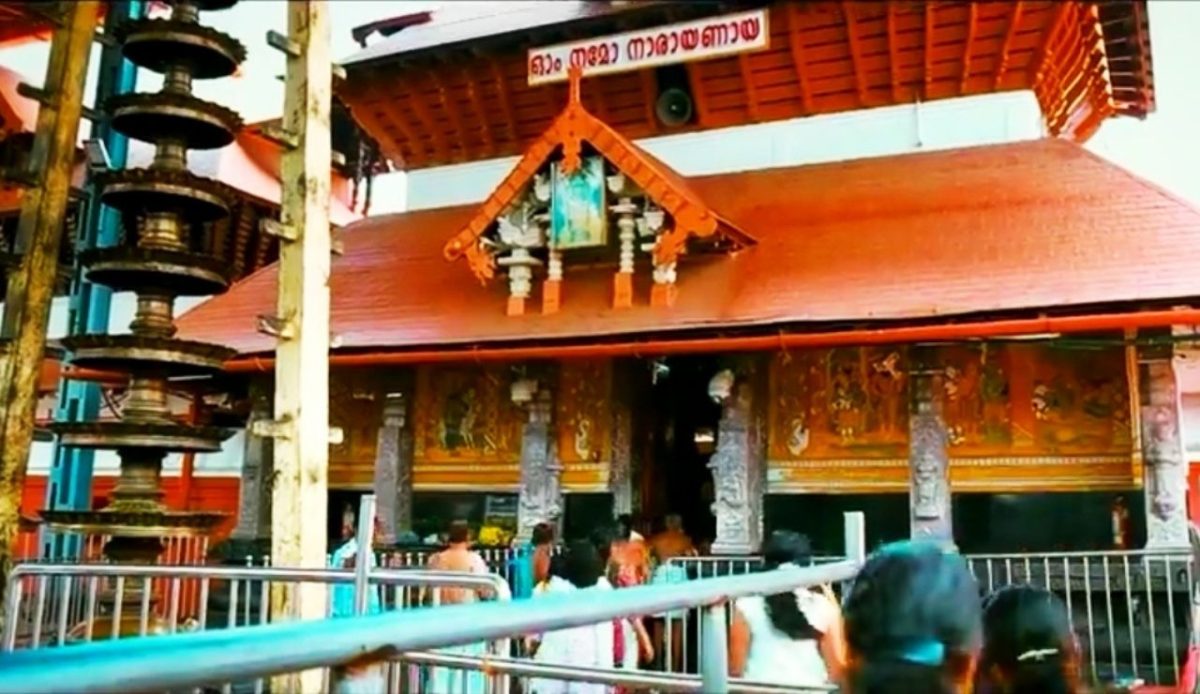
Guruvayur Shri Krishna Temple in Kerala is widely known, but outsiders can face a hard entry barrier. Only Hindus are allowed into the temple for worship, and visitors born into other religions may be asked to present a conversion certificate issued through recognized channels. Enforcement is serious, with guards monitoring queues, clothing, and phone use, and filming has been treated as a violation. Controversies have led to purification rites after unauthorized entry, which signals how sensitive the rule remains. For travelers, exclusion can feel personal because it is decided at the gate, not by ticket type or timing.
7. LDS Temples, United States And Worldwide
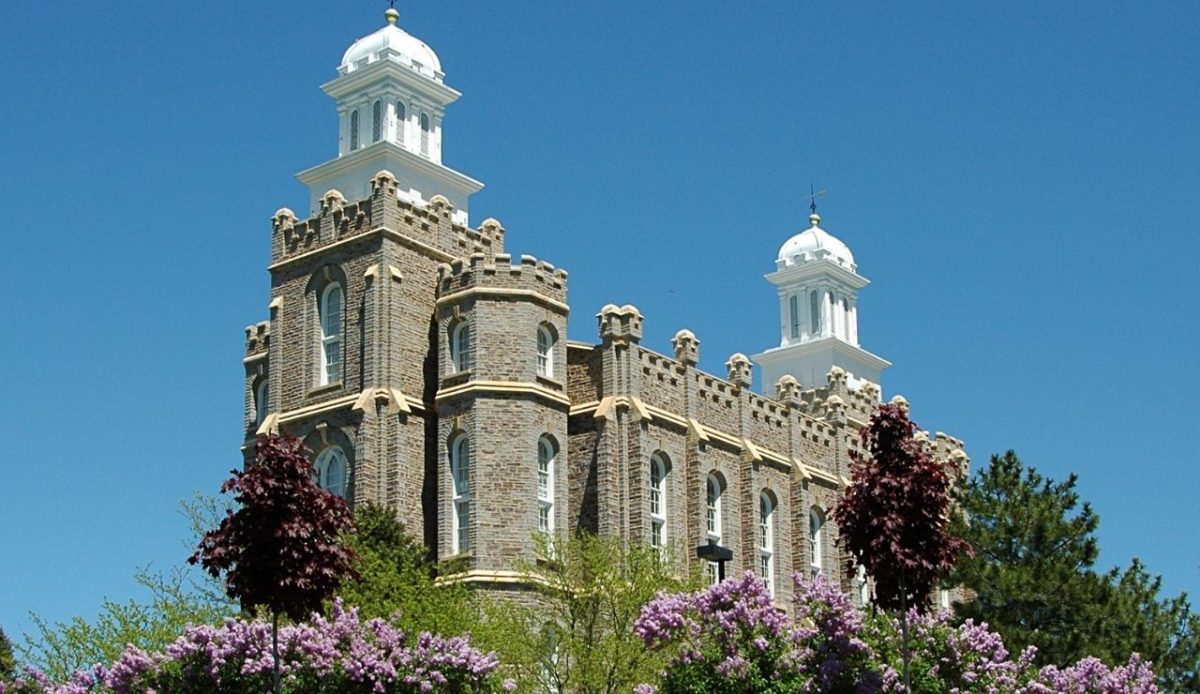
Latter-day Saint temples are prominent landmarks, but dedicated temples are not open to the public. Entry requires a current temple recommend, which is issued to baptized members after interviews that confirm adherence to church standards. At the door, recommendations are checked before anyone enters, so tourists who travel long distances may be turned away politely but firmly. Open houses before dedication are the main exception, and they are limited in time and location. For nonmembers, this can feel awkward because entry depends on membership rather than respectful behavior or dress. That holds even when visitors come quietly.
