
Some cities pair visible LGBTQ community life with nightlife that stays welcoming for newcomers. This article keeps the focus narrow by using places with well-known queer districts, established venues, and recurring public events that keep inclusion visible beyond a single festival weekend. Each section points to a specific neighborhood that locals use, plus practical factors such as late transit, density of venues, and a culture of respect that helps people feel comfortable going out. The goal is not to crown the most famous spots, but to identify dependable areas where nightlife and everyday acceptance connect tangibly.
1. Berlin, Germany
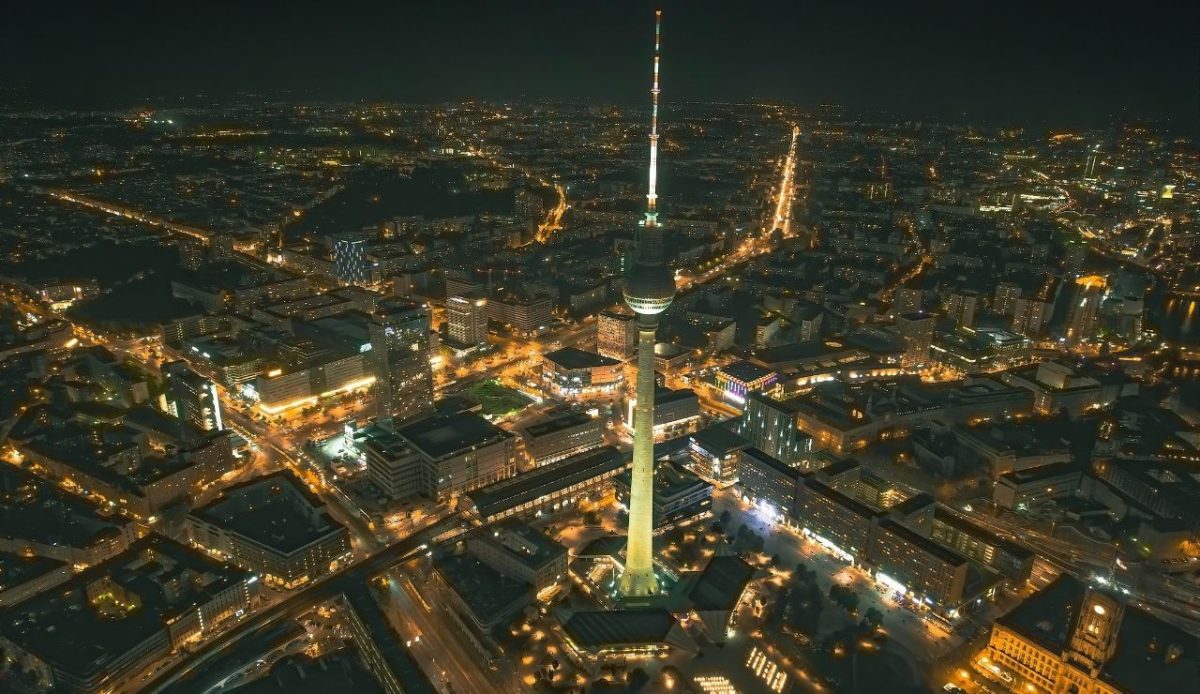
Berlin supports LGBTQ nights through long-standing social openness and a club scene that welcomes difference. Schoneberg remains a key base for queer bars, while Kreuzberg adds venues that draw mixed crowds. Weeknights can still feel busy because parties rotate across styles, from dance floors to smaller rooms for conversation. Late U Bahn and night buses reduce the need for cars, which helps groups move safely. Many doors post consent and photo policies, and staff tend to intervene early when boundaries are crossed. Pride season raises visibility, yet the routine calendar keeps the scene active across the year for locals and visitors.
2. Madrid, Spain
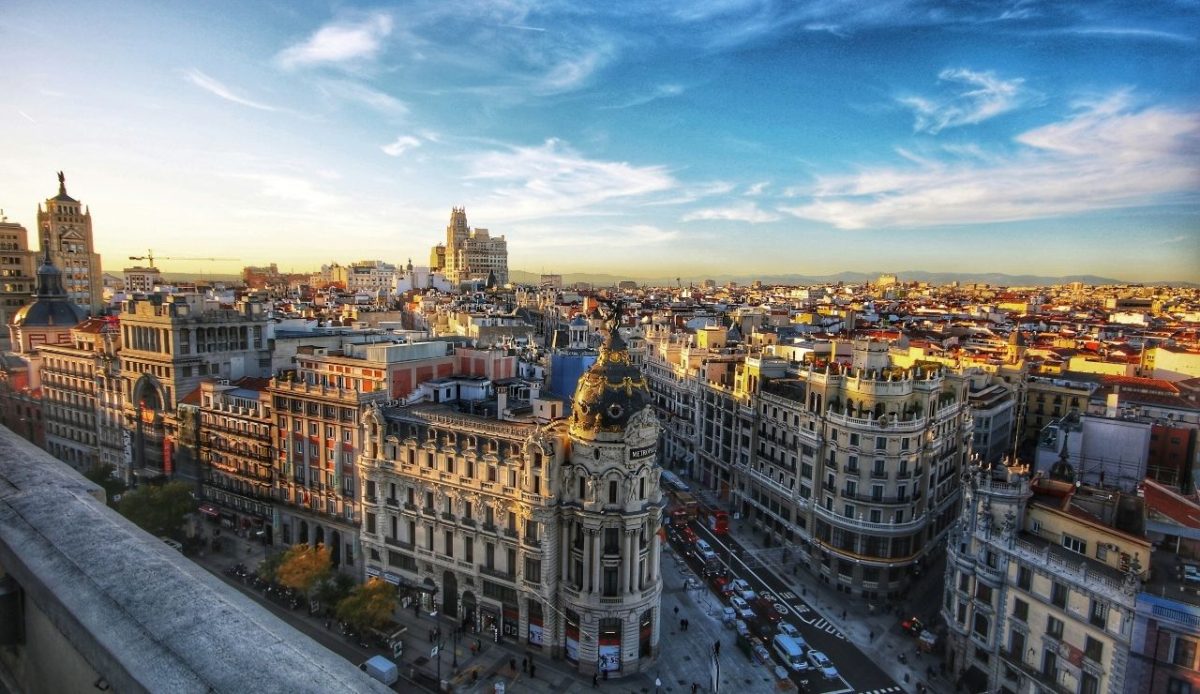
Madrid nightlife for LGBTQ visitors is anchored in Chueca, a compact area where venues sit close enough for easy walking. Bars, cafes, shops, and apartments share the same blocks, so queer visibility feels part of daily life, not a separate zone. After dark, people move between late dinners, drag nights, and dance clubs without needing long rides. Pride week is huge, but smaller weekly events keep regulars returning. Clear street lighting and steady foot traffic also make first-time nights out feel less risky. The nearby Metro stops and public square activity help groups regroup quickly if plans change, which reduces stress.
3. Toronto, Canada
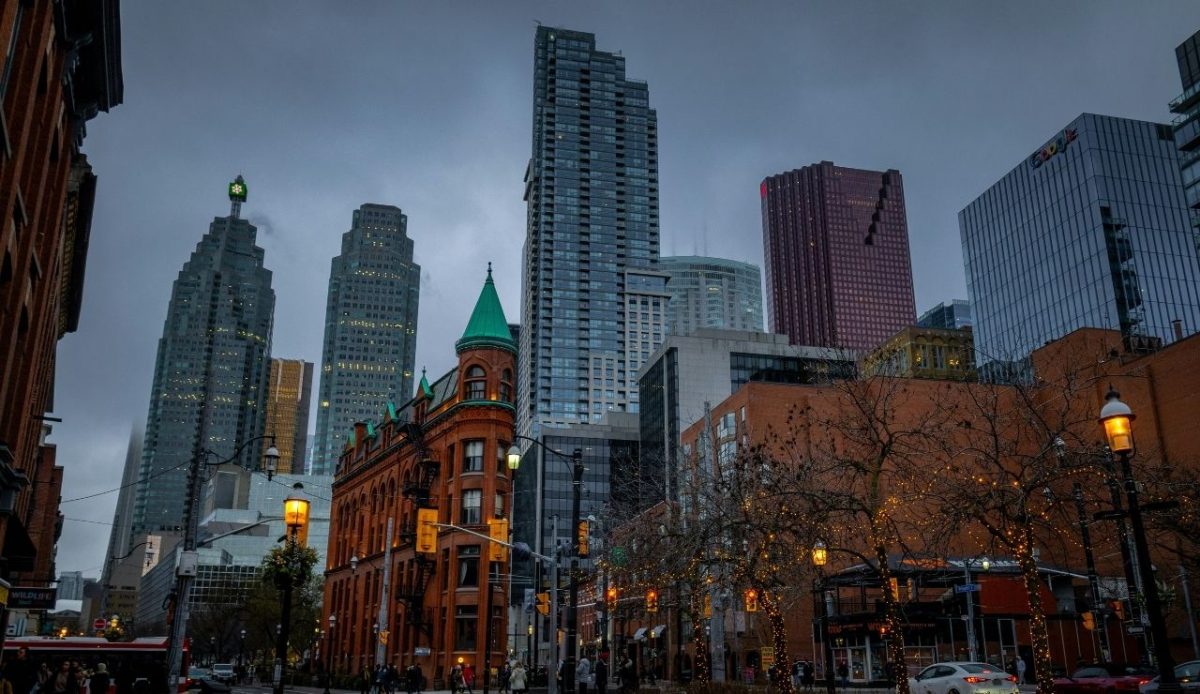
Toronto centers LGBTQ nightlife around Church and Wellesley, the Village, where venues cluster near everyday services. That density supports a night out that can include a show, a club set, and a quieter bar without crossing town. Pride programming keeps visibility high, but recurring drag, dance, and community fundraisers sustain activity in colder months. Street-level patios in summer and indoor stages in winter keep options steady. TTC access and busy sidewalks help people travel in groups rather than alone late at night. Staff are trained to handle complaints fast, and signage sets expectations before entry.
4. Mexico City, Mexico
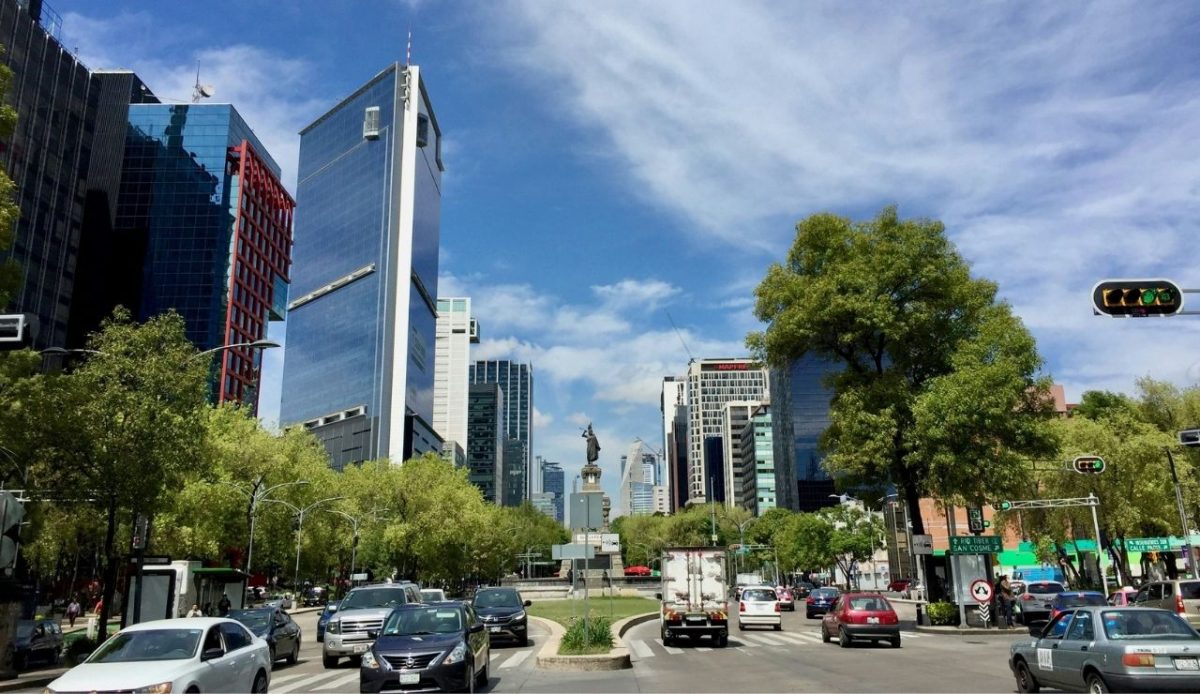
Mexico City has a clear LGBTQ nightlife corridor in Zona Rosa, especially along Amberes Street in Colonia Juárez. Clubs, karaoke bars, and casual lounges sit close together, which makes it easier to keep friends nearby and to change plans quickly. Late hours are common, and food stands and restaurants stay open to support long evenings. Because the district is known for queer social life, newcomers can arrive without needing private introductions. Door staff typically manage lines and entry rules, which can reduce conflicts on crowded weekends. Pride draws big crowds, yet regular weekends stay active year-round and keep the area reliable.
5. Amsterdam, Netherlands
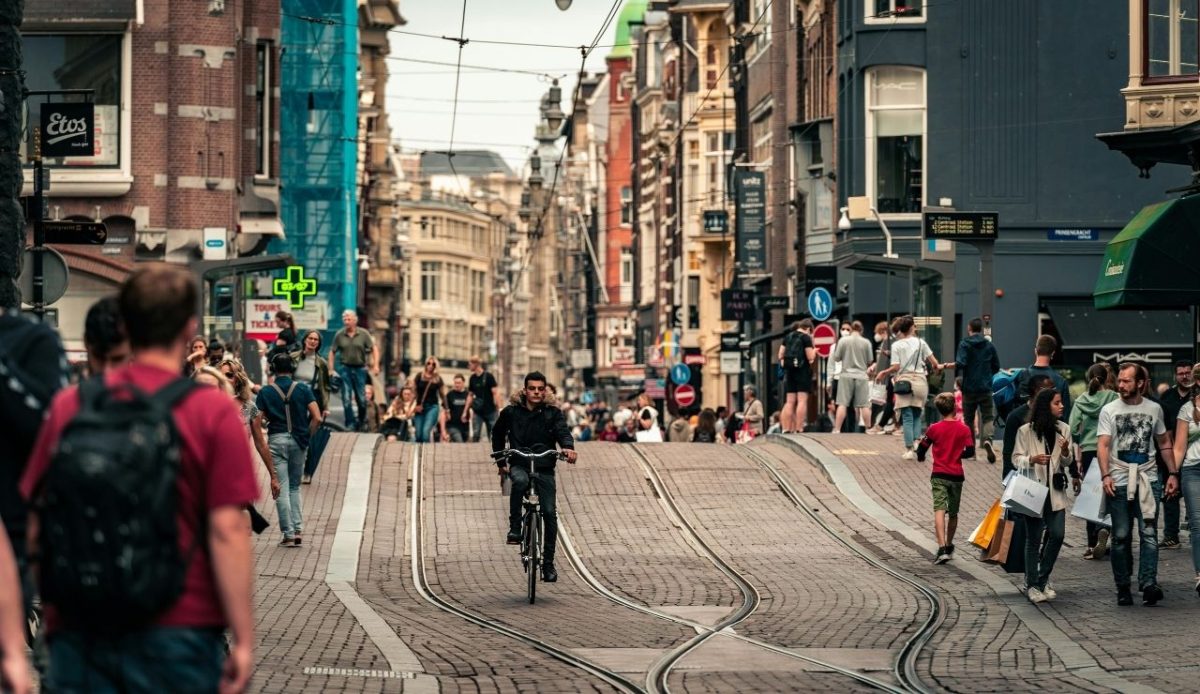
Amsterdam LGBTQ nightlife often starts on Reguliersdwarsstraat, where many queer bars and clubs sit within an easy walk. This density helps first-timers because you can step outside, check the vibe, and choose another spot without a long ride. Trams and late taxis connect the area to other neighborhoods, so plans can shift smoothly. Many venues post limits on photos and set clear consent expectations, and staff usually enforce them. Decades of community presence keep the street active beyond festival weeks. Nearby restaurants and theaters keep sidewalks busy earlier in the evening, which can make meetups feel simpler and safer.
6. Sydney, Australia
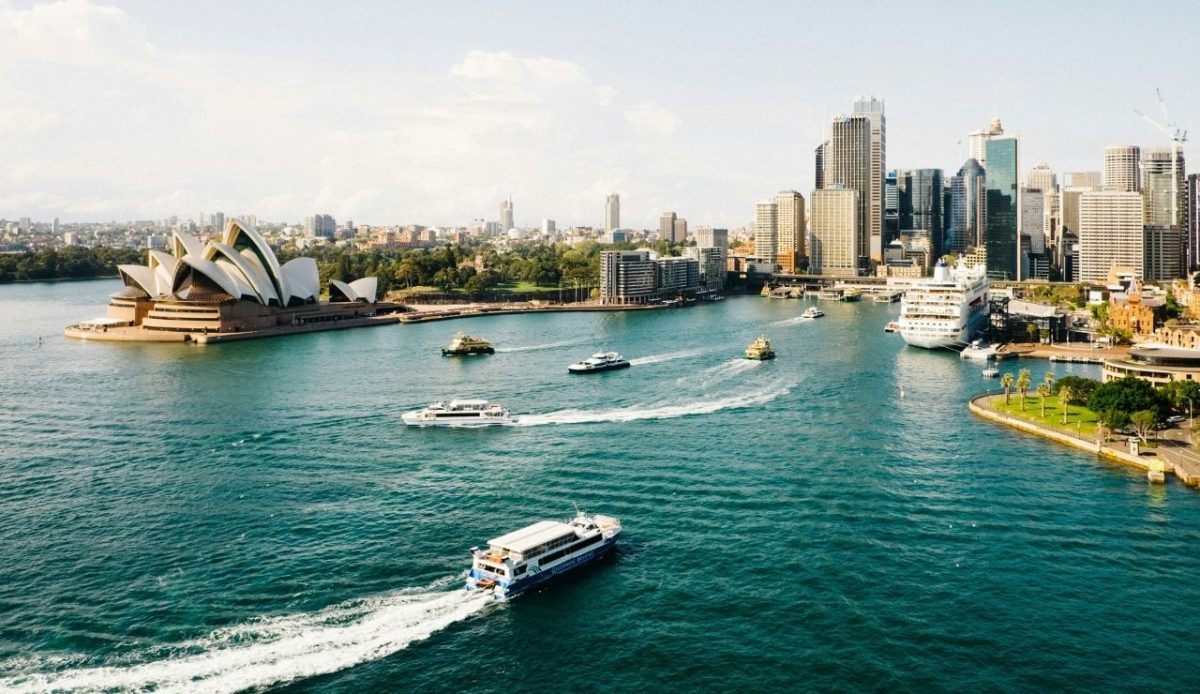
Sydney LGBTQ nightlife is strongly associated with Oxford Street in Darlinghurst, where bars, clubs, and pubs form a recognizable corridor. The strip supports different moods, from early evening drinks to late dance floors, so groups do not need to split across distant suburbs. Mardi Gras brings global attention, yet weekly events keep locals coming back outside festival season. Night buses, rideshares, and nearby train links make returns practical. Many venues use visible security and clear entry policies, which can improve comfort for visitors who are new to the city. Benefit nights and drag showcases keep ties local.
7. San Francisco, California
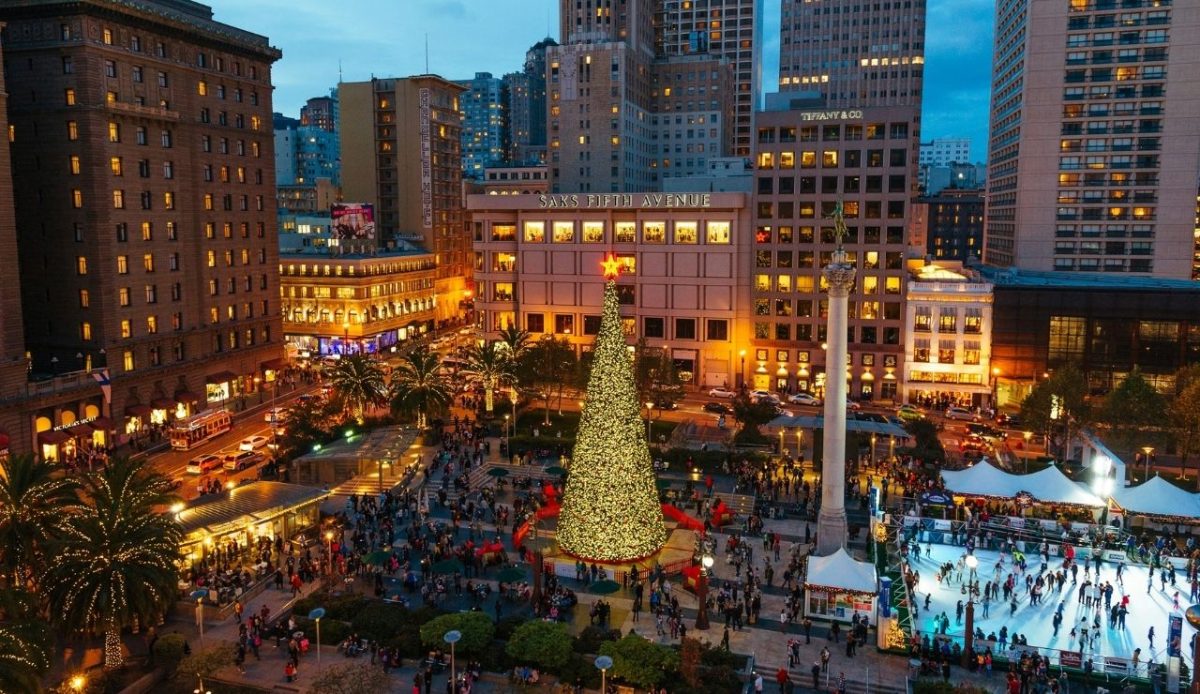
San Francisco remains a landmark for LGBTQ life, with the Castro serving as a dense nightlife district that is easy to navigate on foot. Bars and clubs sit near community spaces and historic sites, which ties going out to a broader sense of place. Theme nights, drag shows, and neighborhood events keep activity steady beyond peak tourist seasons. MUNI lines and nearby BART connections help people arrive and leave without driving. Many venues are used to visitors and post house rules about behavior and photography, which helps set expectations early. Busy sidewalks and late food spots make it easier to stay together and head home calmly.
8. London, England
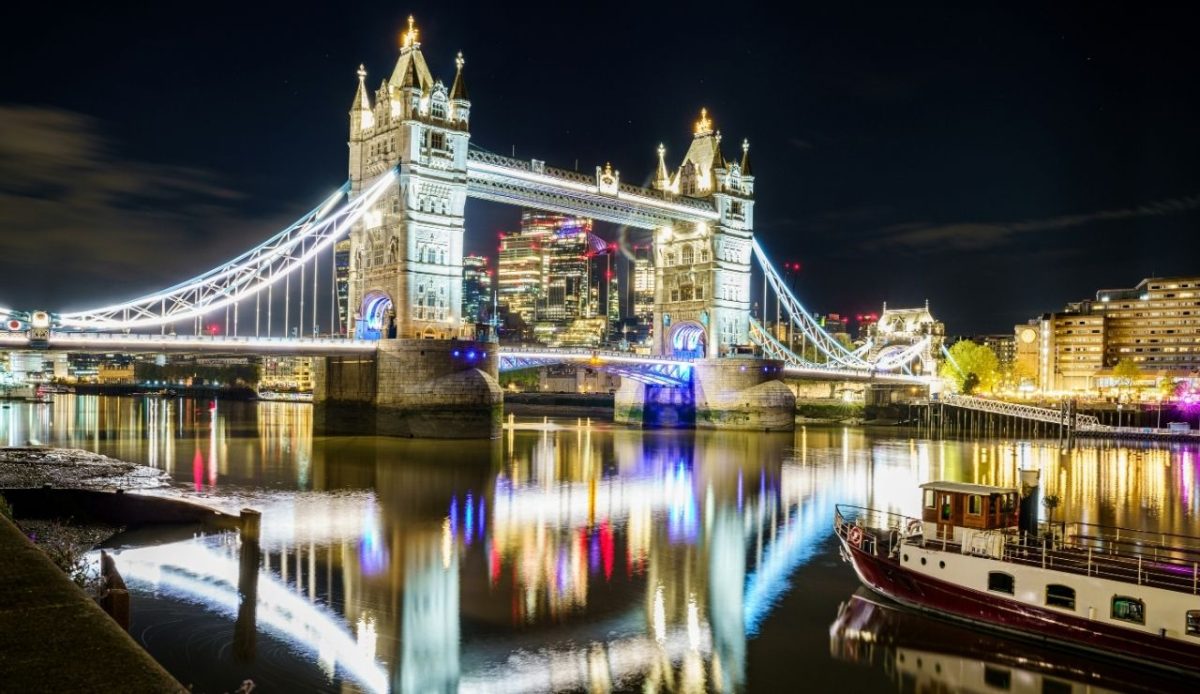
London offers LGBTQ nightlife across several areas, with Soho still acting as a central meeting point for many nights out. Bars and clubs operate alongside theaters and late-night restaurants, so queer venues feel integrated into the city rather than hidden. Parties also rotate through other neighborhoods, which spreads options and reduces crowd pressure in one zone. Night Tube service on key lines and frequent buses help people move without long waits. Many venues advertise door policies and support staff training, which can make nights smoother for visitors unfamiliar with local norms. Pride adds scale, but weekly programming runs year-round.
9. Taipei, Taiwan
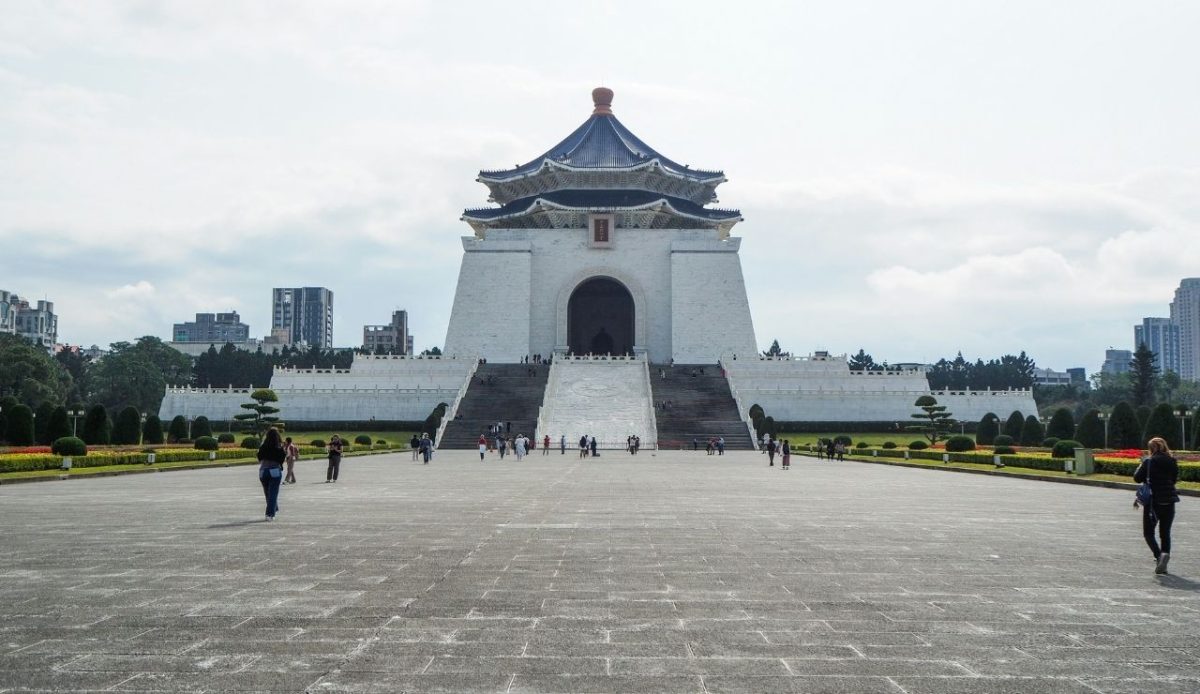
Taipei has a visible LGBTQ nightlife hub at the Red House in Ximending, where bars and patios circle a public plaza. The open setting lets people meet friends, gauge the crowd, and choose a venue without committing to a single door. Because the hub is near major transit, it is simple to reach from other parts of the city and to return late. Weekends bring the largest crowds, yet weekday evenings still support casual socializing. Many venues keep prices and rules posted clearly, which can reduce confusion for travelers and first-time visitors. Pride raises visibility citywide, and the Red House stays a steady anchor for community nights.
