
Some cities have seen the tides of history sweep across their streets, shaping culture, architecture, and identity over centuries. These urban centers are living museums, where every plaza, cathedral, and market tells a story of past empires, revolutions, and cultural transformations. Travelers drawn to history can walk alongside centuries of change, witnessing how these cities adapted to evolving civilizations while retaining unique character. In this article, we explore nine historic cities that have witnessed global change and continue to captivate visitors with their rich legacies and vibrant stories.
1. Rome, Italy
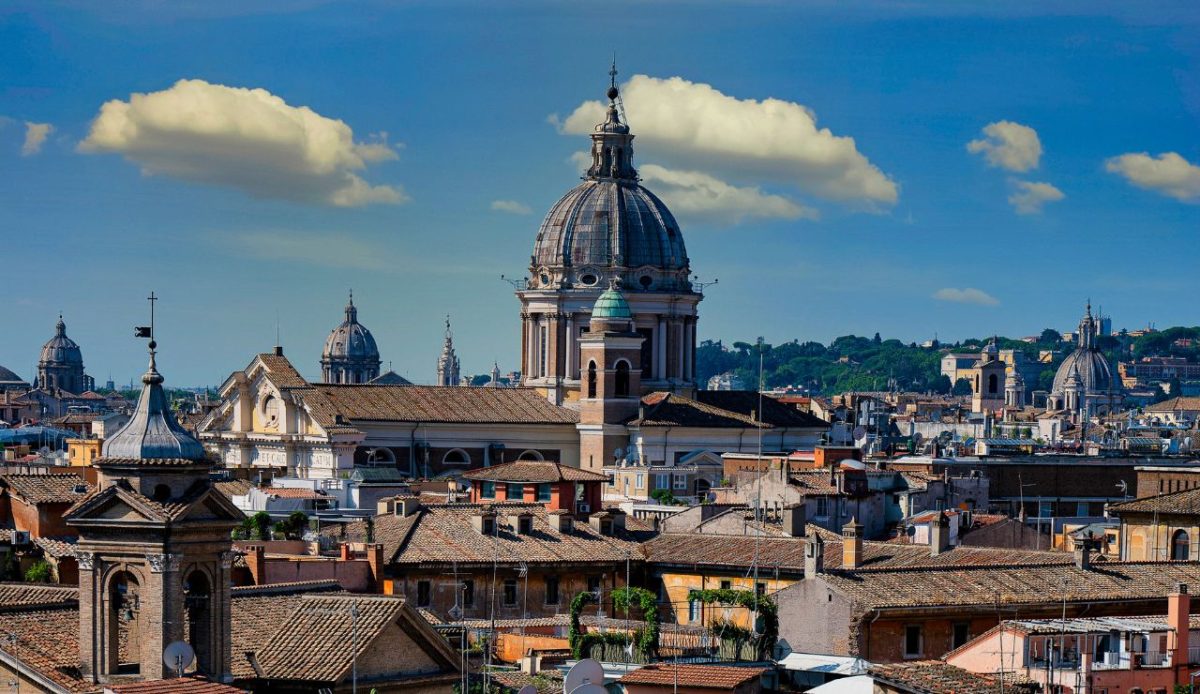
Rome is a city where ancient history meets modern life on nearly every street. The Colosseum, Roman Forum, and Pantheon provide glimpses into imperial power, architectural mastery, and civic life thousands of years ago. Renaissance and Baroque art, scattered throughout churches and palazzos, illustrate the city’s cultural evolution. Streets hum with cafes and piazzas, blending old and new seamlessly. Travelers are struck by how past and present coexist, creating a layered experience where history is tangible, vibrant, and continually influencing contemporary life. Rome embodies centuries of change in one enduring, fascinating city.
2. Istanbul, Turkey
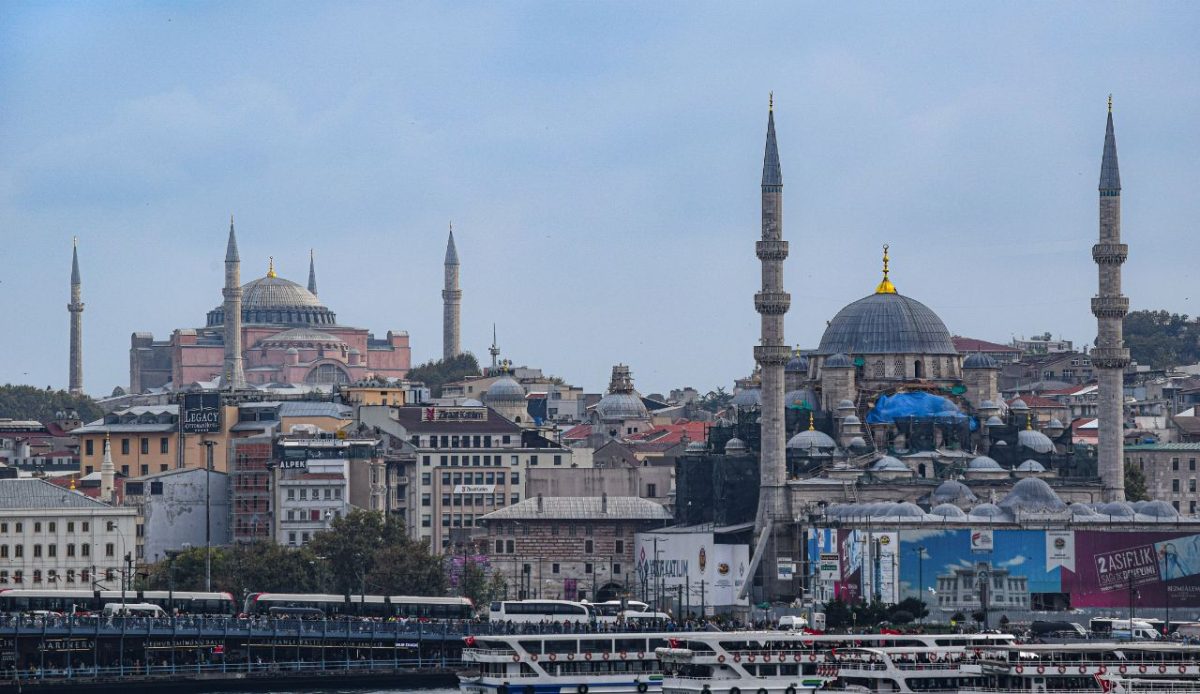
Istanbul spans continents, reflecting centuries of conquest, trade, and cultural exchange. The Hagia Sophia, Topkapi Palace, and bustling bazaars tell stories of Byzantines, Ottomans, and modern Turkey. Architectural diversity, from mosques to palaces, illustrates a city shaped by empires and religion. Travelers feel history in the cobblestone streets, ferry crossings, and vibrant markets where East meets West. Istanbul’s enduring energy stems from this layered past, offering experiences that span centuries of global change while maintaining a modern, cosmopolitan identity that continues to captivate visitors.
3. Jerusalem, Israel
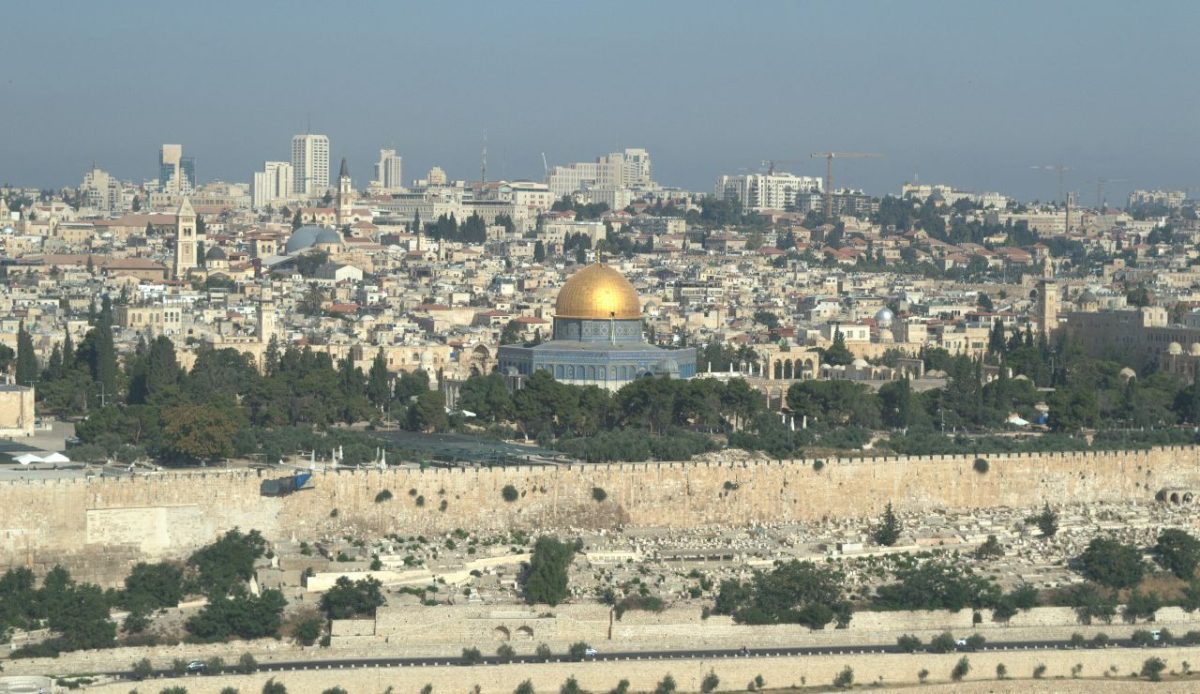
Jerusalem is a city sacred to Judaism, Christianity, and Islam, with a history stretching back millennia. Ancient walls, holy sites, and narrow alleyways reflect layers of conquest, devotion, and coexistence. Pilgrims and travelers alike experience the profound sense of continuity, from the Western Wall to the Church of the Holy Sepulchre. Centuries of cultural and political shifts have left tangible marks on architecture, art, and daily life. Visitors are often struck by the resilience of local traditions alongside modern urban realities. Jerusalem’s complex history offers a deeply immersive window into global change and human endurance.
4. Beijing, China
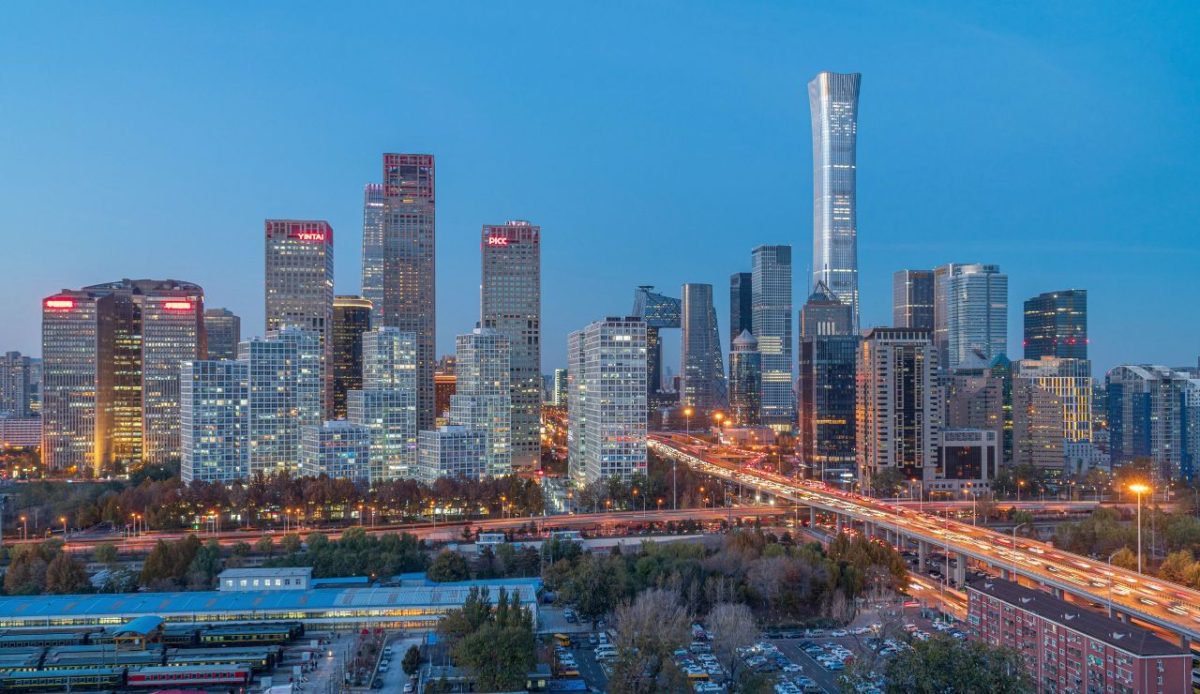
Beijing reflects China’s evolution from imperial dynasties to a modern global power. The Forbidden City, Temple of Heaven, and Great Wall stand as enduring symbols of ancient governance, ritual, and defense. Hutongs and historic neighborhoods preserve daily life patterns from centuries past. At the same time, skyscrapers, boulevards, and busy commercial districts show rapid modernization. Travelers experience a city where tradition and progress coexist, observing centuries of political, cultural, and technological change. Beijing’s layered history offers insight into a civilization that has adapted while maintaining a rich heritage.
5. Cairo, Egypt
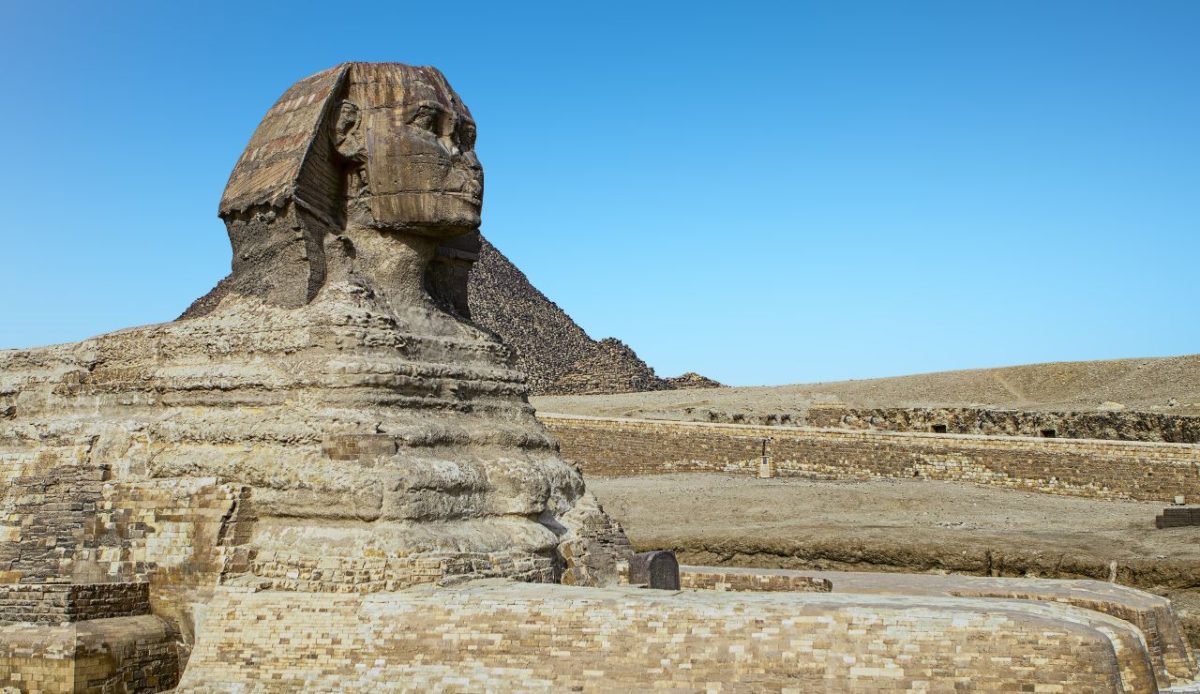
Cairo is a city shaped by millennia, from Pharaonic relics to Islamic architecture and modern urban expansion. The nearby pyramids of Giza connect visitors to ancient Egyptian civilization, while the city’s mosques, markets, and historic streets illustrate medieval and Ottoman influence. Travelers can trace centuries of political, religious, and cultural change in every neighborhood. Despite rapid growth and modernization, Cairo maintains continuity, blending the old and new. Its vibrant energy and enduring landmarks offer a firsthand look at how civilizations evolve while leaving indelible marks on urban landscapes.
6. Athens, Greece
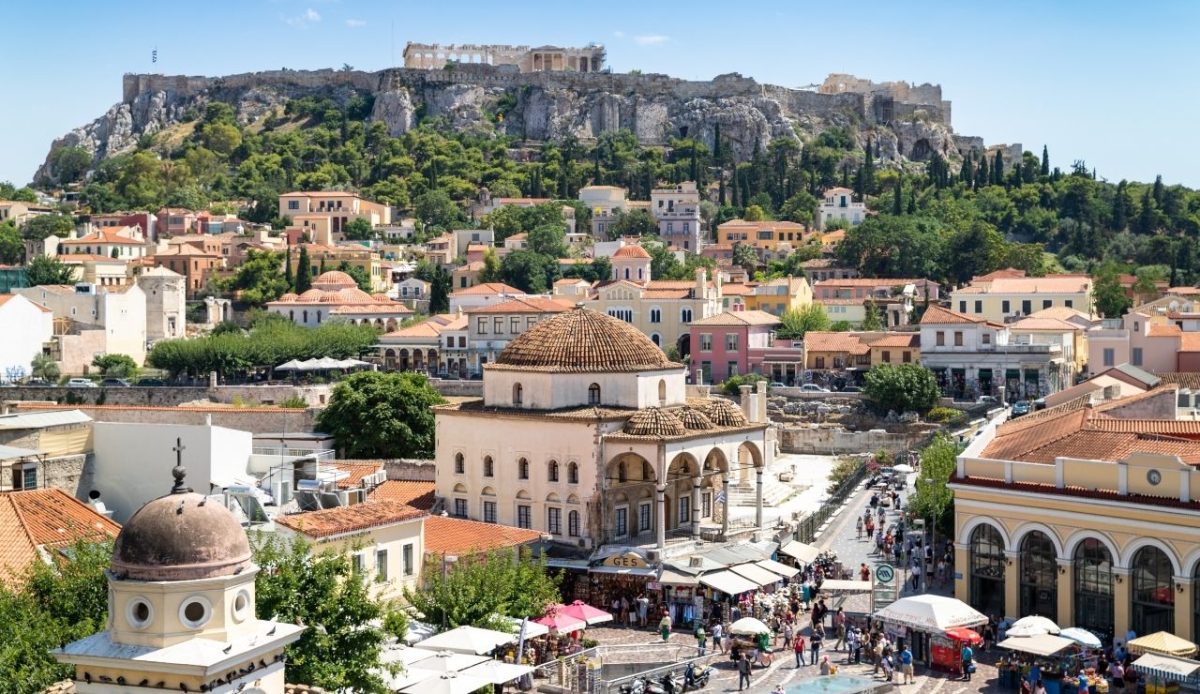
Athens is the birthplace of democracy, philosophy, and classical architecture, offering a living link to ancient history. The Acropolis, Agora, and Parthenon are central to understanding Western civilization’s roots. Byzantine churches, Ottoman influences, and modern neighborhoods show layers of historical change. Streets buzz with contemporary life alongside remnants of antiquity. Visitors see how Athens balances historic significance with modern vibrancy. The city demonstrates centuries of global transformation, giving travelers tangible encounters of intellectual, cultural, and architectural achievements that continue shaping the world.
7. Lisbon, Portugal
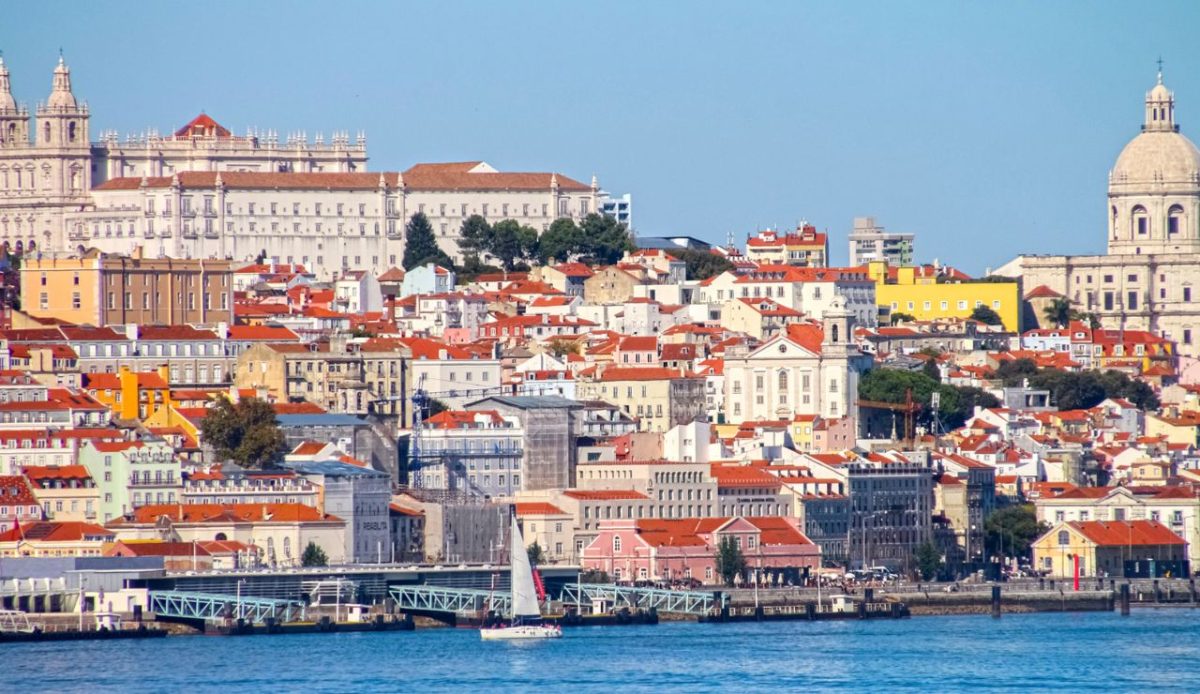
Lisbon’s history reflects maritime exploration, cultural blending, and resilience after the 1755 earthquake. The city’s tiled façades, historic trams, and riverside neighborhoods tell stories of global trade, colonization, and artistic evolution. Travelers enjoy walking cobbled streets lined with pastel buildings while sampling local cuisine and listening to Fado music. Lisbon’s architecture reveals influences from different eras, demonstrating adaptation through centuries of change. The city’s sunny charm, scenic hills, and historical depth make it a destination where visitors can witness both continuity and transformation.
8. Krakow, Poland
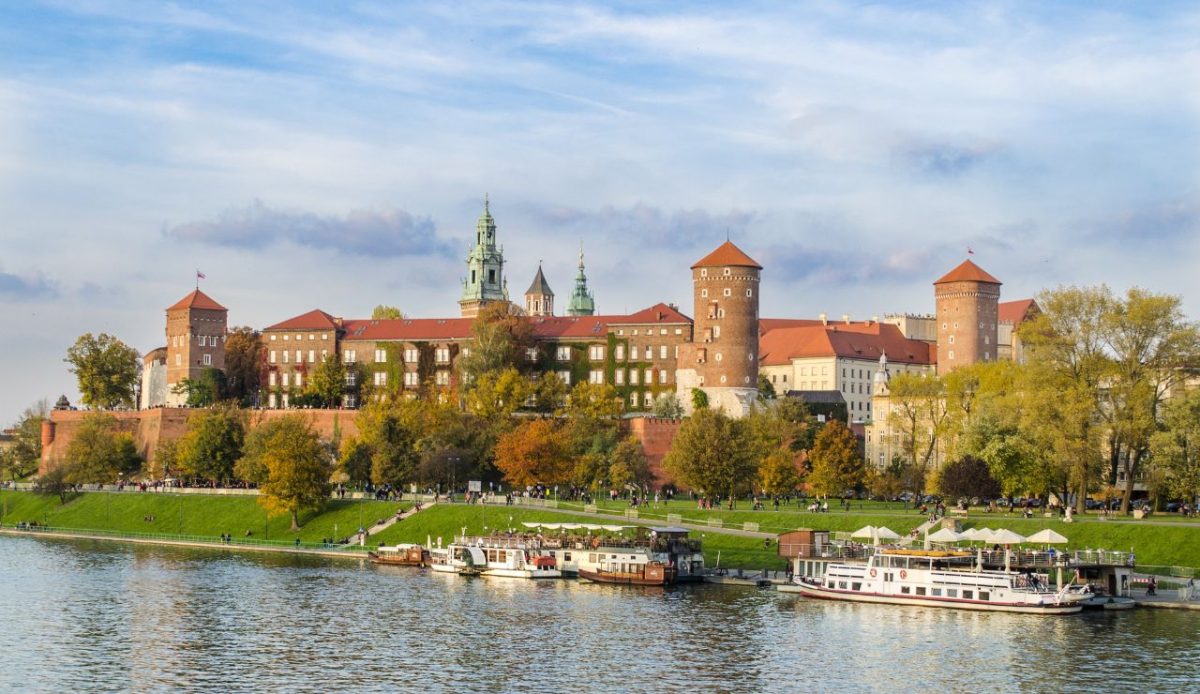
Kraków embodies Central Europe’s layered history, from medieval royal heritage to modern cultural revival. The Wawel Castle, historic Old Town, and Jewish quarter showcase centuries of political, religious, and social evolution. Travelers experience centuries of change in the architecture, cobbled streets, and vibrant squares. Despite wars, occupations, and political shifts, Krakow maintains a strong sense of identity and cultural continuity. Visitors are drawn to the city’s balance of historical significance and lively present-day life, offering an immersive view into how European cities evolve while preserving centuries of shared memory.
9. Fez, Morocco
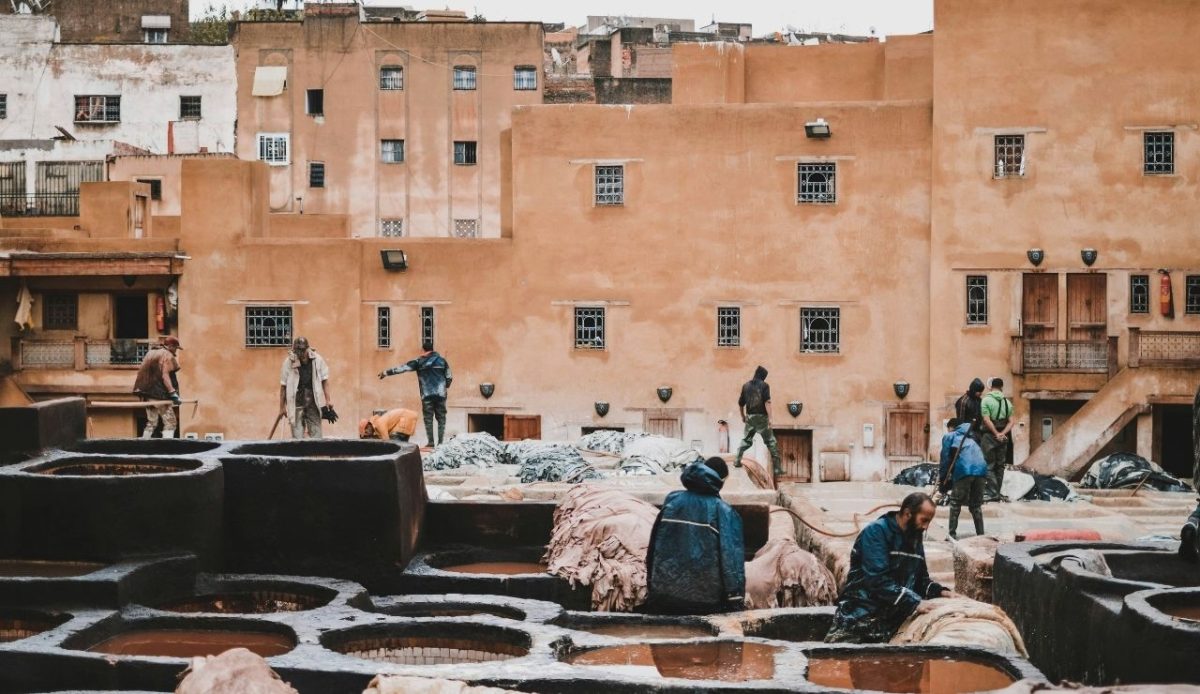
Fez is a city where centuries of Islamic culture, trade, and scholarship converge. The labyrinthine medina, bustling souks, and historic madrasas offer glimpses into a life that has remained consistent for hundreds of years. Travelers can explore tanneries, artisan workshops, and mosques, highlighting the city’s rich heritage. Despite modernization at its edges, Fez retains authenticity in daily life and architecture. Visitors are captivated by its ability to showcase centuries of global change, from medieval trade networks to contemporary Moroccan life, providing an immersive historical experience that resonates long after leaving.
