
A European bike tour rewards light, reliable packing because towns, bike shops, and lodging appear often. Extra weight makes climbs harder, slows recovery, and complicates train transfers and hotel check-ins. This list focuses on items riders commonly regret bringing on multi-day routes across Europe, including gear that dries slowly, duplicates services available locally, or creates problems at airports. Each section explains why the item is a poor choice and what practical touring habits replace it. The goal is not minimalism for its own sake, but a kit that stays comfortable and legal while riding day after day.
1. Jeans Or Heavy Cotton Pants
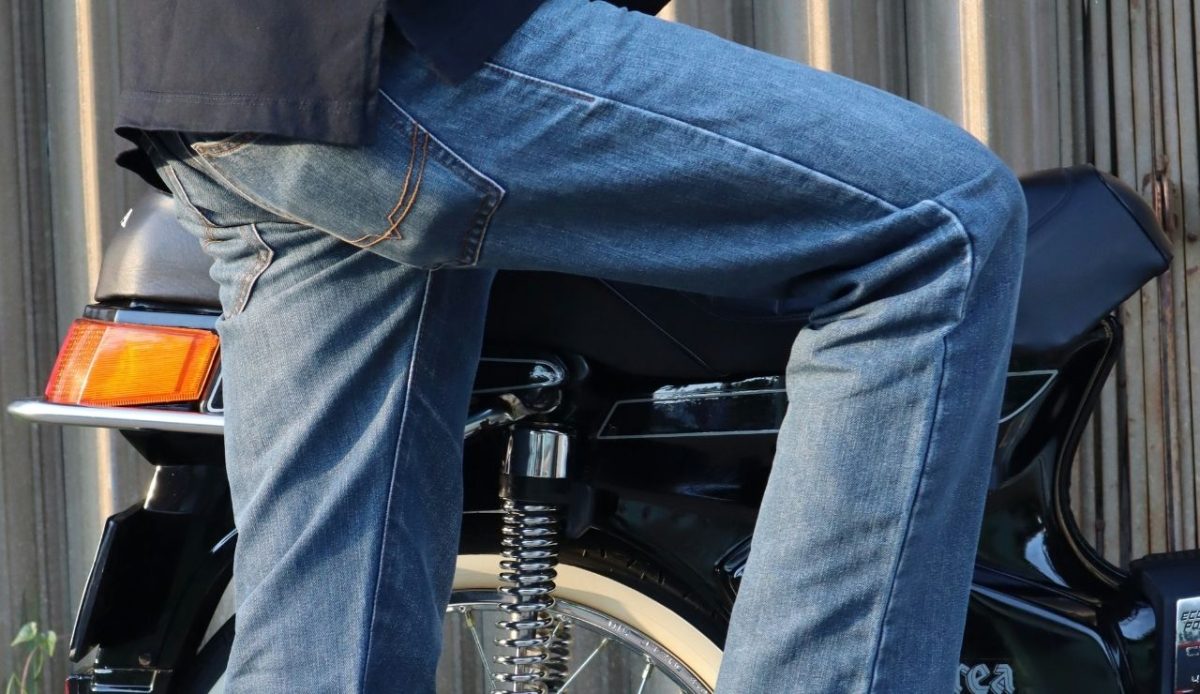
Jeans and other heavy cotton pants are a bad touring choice because cotton holds sweat and rain, then stays damp for hours. Wet fabric rubs skin during long saddle time and can chill you on descents or cool evenings. They also weigh much more after a shower and can fail to dry overnight in a small room. Quick-dry synthetics or merino layers handle moisture better and can be washed and dried with far less effort. In most European cities, casual pants are easy to buy if you truly need them, so carrying denim for weeks rarely pays off. Many riders stop wearing it early and end up hauling dead weight across every border.
2. Large Stacks Of Extra Clothing
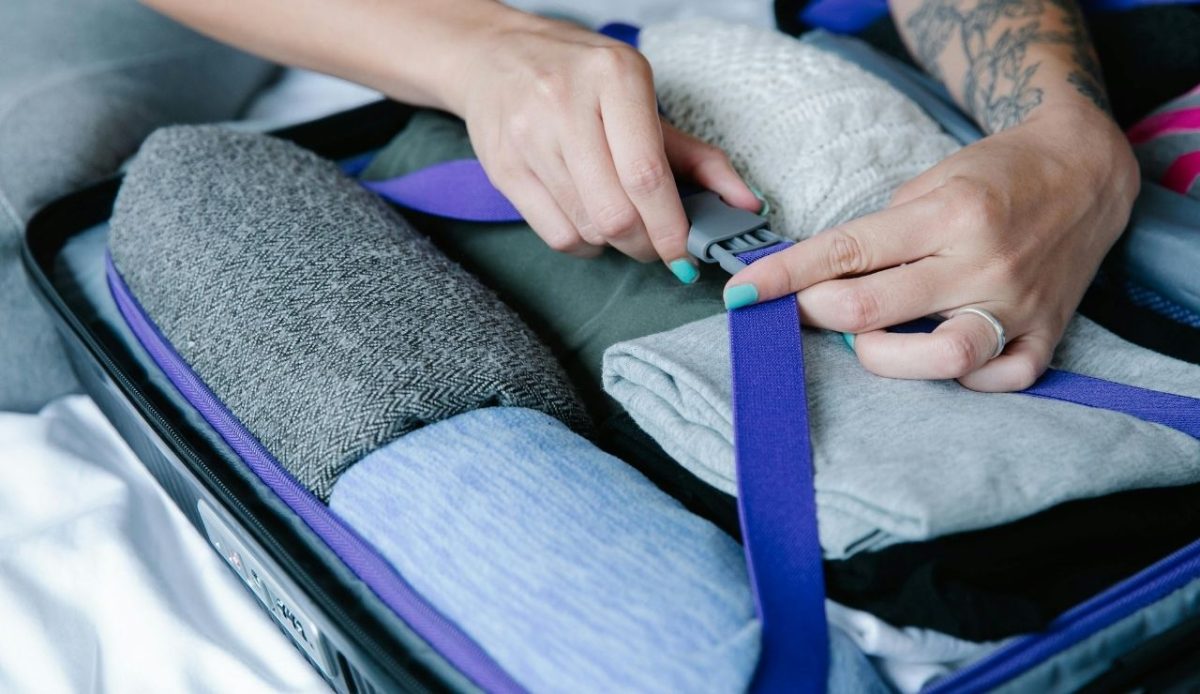
Packing a large stack of extra outfits usually backfires on a European tour. Laundry is realistic because many hostels, guesthouses, and campgrounds offer washing options, and laundromats are common in towns. Extra clothing fills panniers, forces tighter packing each morning, and adds weight that you feel on every climb. Most riders rotate two riding kits and one off-bike set, then wash small items in a sink and dry them overnight. When too many choices are carried, the same few pieces get worn while the rest stay buried. A small, repeatable system also reduces decision fatigue and keeps your bags organized for quick train platform moves.
3. Brand New Shoes Not Tested On Long Rides
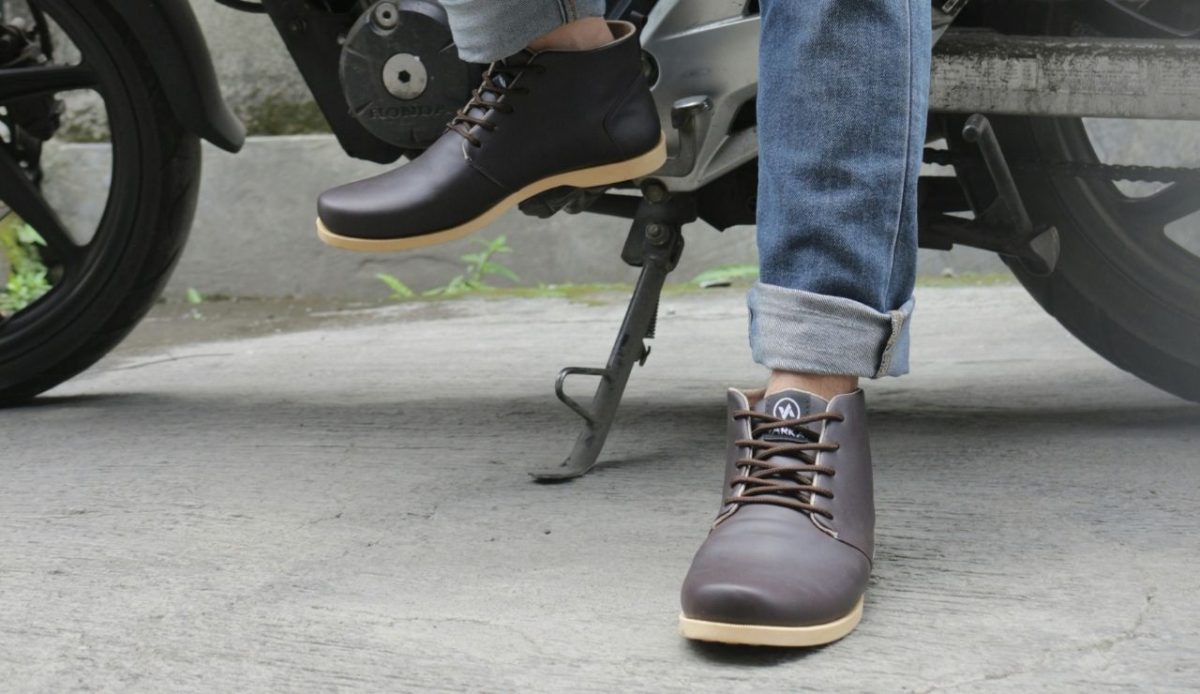
Brand new shoes that have not been proven on long rides are risky because pressure points appear only after hours of steady pedaling. Hot spots can turn into blisters, and numbness can spread when feet swell in heat or after repeated days. Once pain starts, changes in cleat position or insoles may not solve it on the road. Bring footwear you have already used on several long training rides, with socks that match the tour conditions. Exact sizes may be hard to find in small towns, and breaking in replacements mid-tour can restart the problem. A reliable fit keeps you riding instead of shopping or taping skin every night.
4. Oversized City Chain Locks
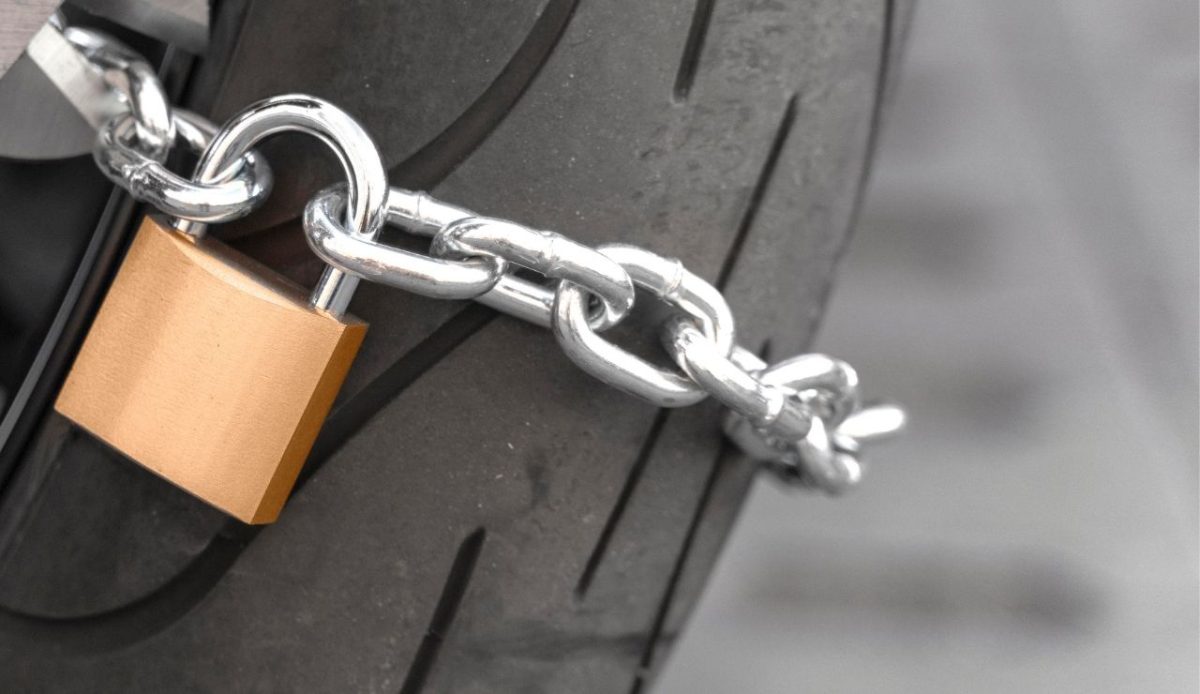
An oversized city chain lock is usually the wrong kind of security for a tour because it adds a constant weight penalty. That steel must be hauled up every climb and shifted in your bags each time you pack. Many European routes include rural stretches, campsites, and small hotels where a lighter lock plus smart parking is sufficient. A compact folding lock or U lock can be enough for short stops, especially when the bike stays in sight or indoors at night. If theft risk is high in a city, plan errands so the bike is not left for long and ask lodging for secure storage. Security habits beat hauling extra metal every day.
5. Full-Size Workshop Tools
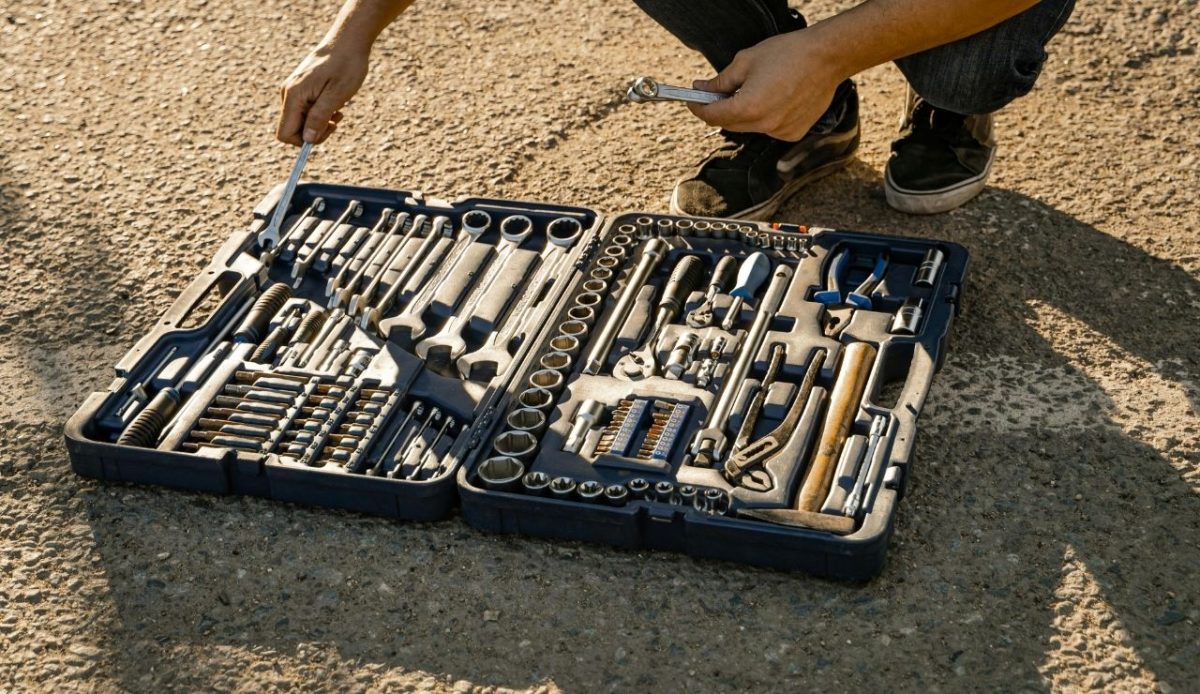
Full-size workshop tools rarely belong in touring bags because they add weight and solve problems that are uncommon on the roadside. Most fixes on a European tour are flats, loose bolts, or small adjustments that a multitool and a few spares can handle. Heavy wrenches, long tire irons, and duplicate drivers waste space and make packing harder. Bike shops are widespread across Europe, so complex jobs like bottom bracket work or wheel truing are better handled by professionals. Carry only what matches your bike and the repairs you can do confidently. Check fasteners before departure and bring the exact bits needed for your rack and axle type.
6. Multiple Spare Tires
Packing multiple spare tires is usually unnecessary on European routes because replacements can be found in many towns. Tires are bulky, awkward to strap down, and can rub luggage or catch wind when mounted outside bags. A better approach is to start with durable touring tires and monitor wear during the trip. If a sidewall is cut, a boot and careful inflation can get you to a shop. Extra tires are prepared for a rare event while adding constant volume and weight. A spare is mainly useful only for uncommon sizes or very remote plans. Standard 700c and 26-inch options are widely stocked, so most riders can buy replacements along the way.
7. Full-Size Bath Towels
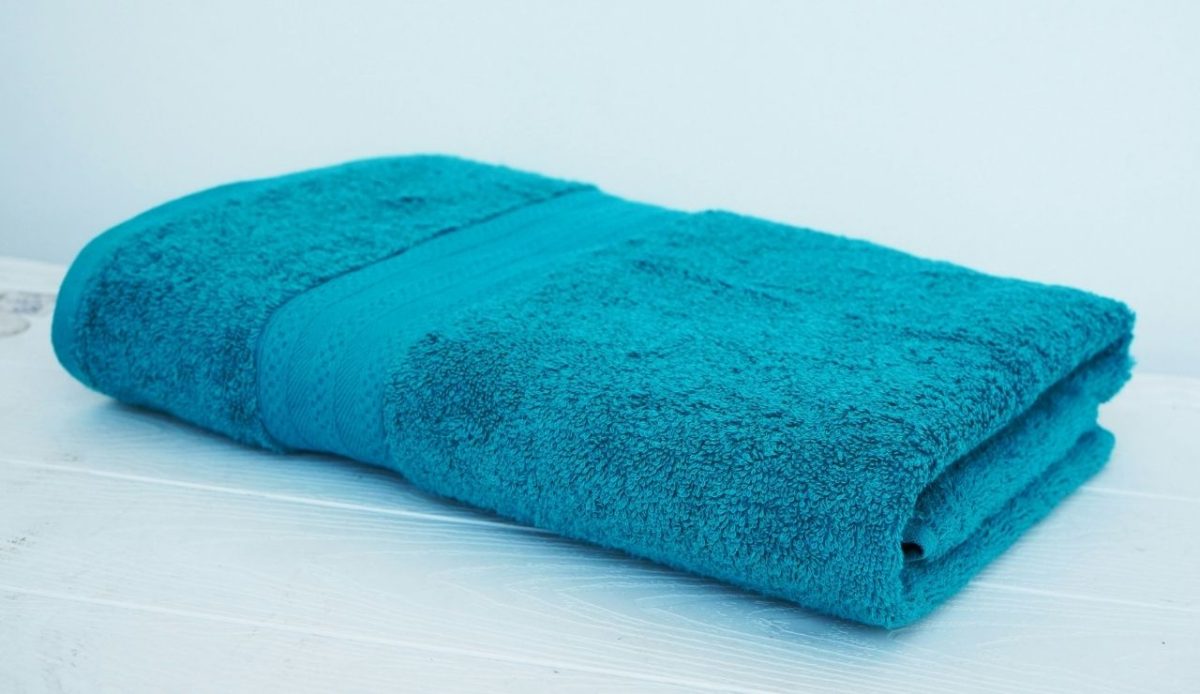
A full-size bath towel is poor touring luggage because it is bulky, slow to dry, and heavy when damp. If it gets wet in the rain or after a shower, it can stay moist inside a pannier and create an odor. Many European hotels, hostels, and guesthouses provide towels, and some campgrounds do as well. When you need your own, a small microfiber towel packs down tight and dries quickly on a line or radiator. That choice saves space for food, tools, and layers that matter while riding. For swimming stops, microfiber still works and can be wrung out easily. Reducing damp fabric also lowers the chance that other gear becomes musty during rainy days.
8. Heavy Laptops Without Daily Need

A heavy laptop is often unnecessary on a European bike tour and creates several practical burdens. It adds weight that you feel all day, needs padding against vibration, and increases worry about theft in busy stations. Charging becomes harder because you must protect the device while it sits plugged in. For most riders, a phone handles navigation, bookings, messages, and photos, and a small battery pack covers long days. Minimizing large electronics also reduces the number of chargers you must carry. If work truly requires a computer, choose a lighter model and plan secure storage at night. It keeps bags simpler in the rain.
9. Full Cooking Setup On Hotel Based Routes
A full cooking setup is usually wasted on hotel-based European routes where food options are frequent. Stoves, pots, and utensils take space, add mess, and require fuel planning, yet many riders end up eating in towns anyway. Guesthouses and hostels often have kitchens, and grocery stores are easy to access for simple meals. If you are not camping most nights, the setup becomes gear you carry but rarely use. When cooking is part of the plan, keep it minimal with one pot, one spoon, and a small stove that you know well. Cleaning cookware steals recovery time, especially after rainy days when you need to dry clothing and check the bike.
